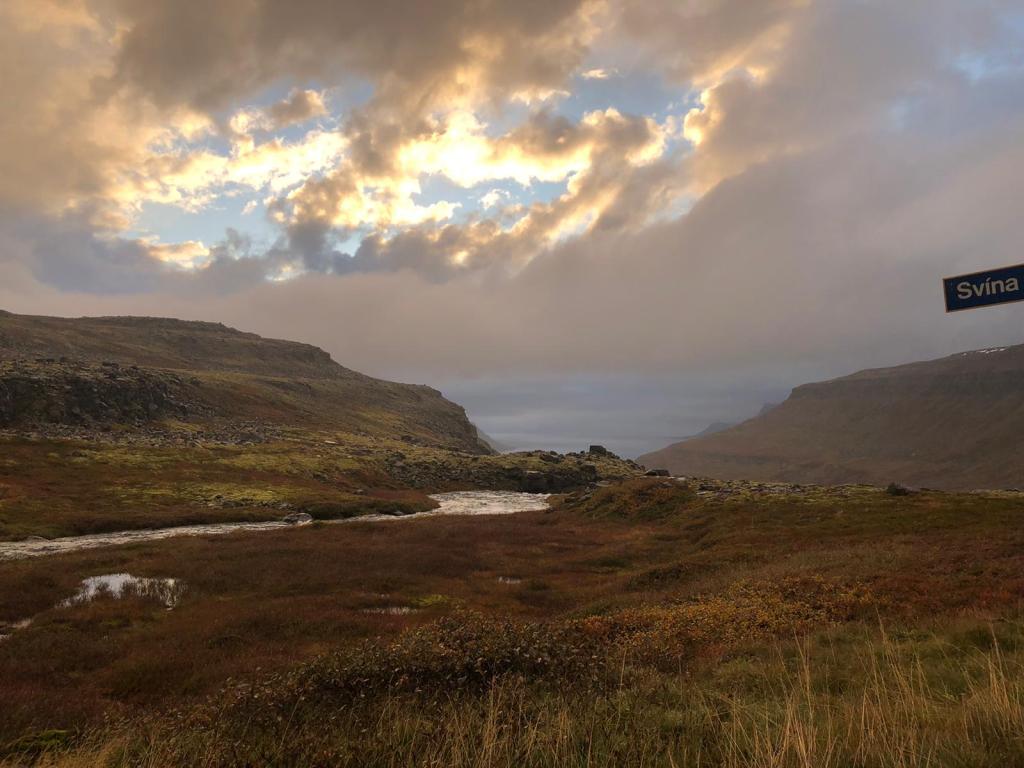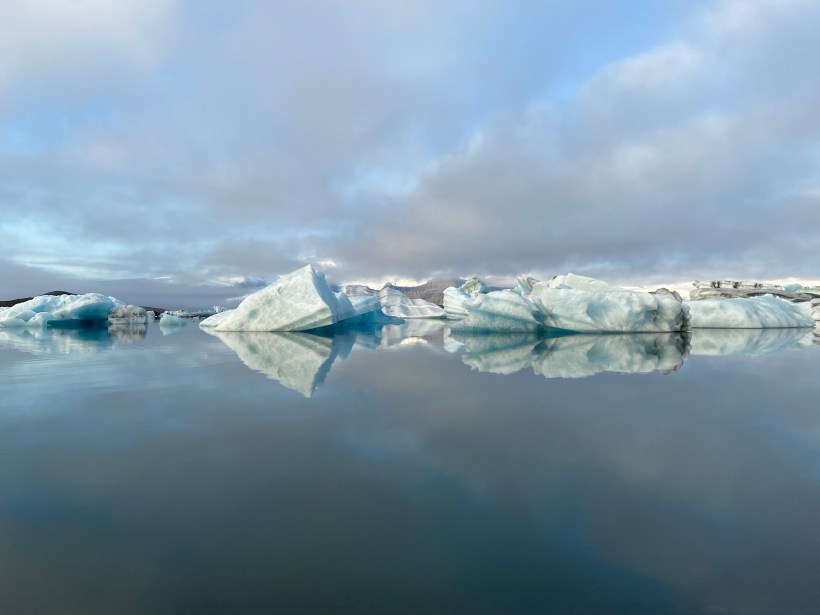
Iceland – Finally

Believe it or not, this post is nearly 5 years late. In the fall of 2020, I started an MA program abroad through the School for International Training, and my first semester took place in Ísafjörður, Iceland. I did one brief blog about the beginning of that program here, but then swiftly was overtaken by the reality of graduate school and didn’t finish recording my travels. I then had my second semester in Zanzibar and Kenya, graduated, visited my brother in Guatemala, got a job, went to Italy, and Zimbabwe.

I am catching up, and starting with Iceland. There should be around 2-3 posts to go after this one before I am up to date! So, let’s see how good my memory is after almost 5 years have passed.
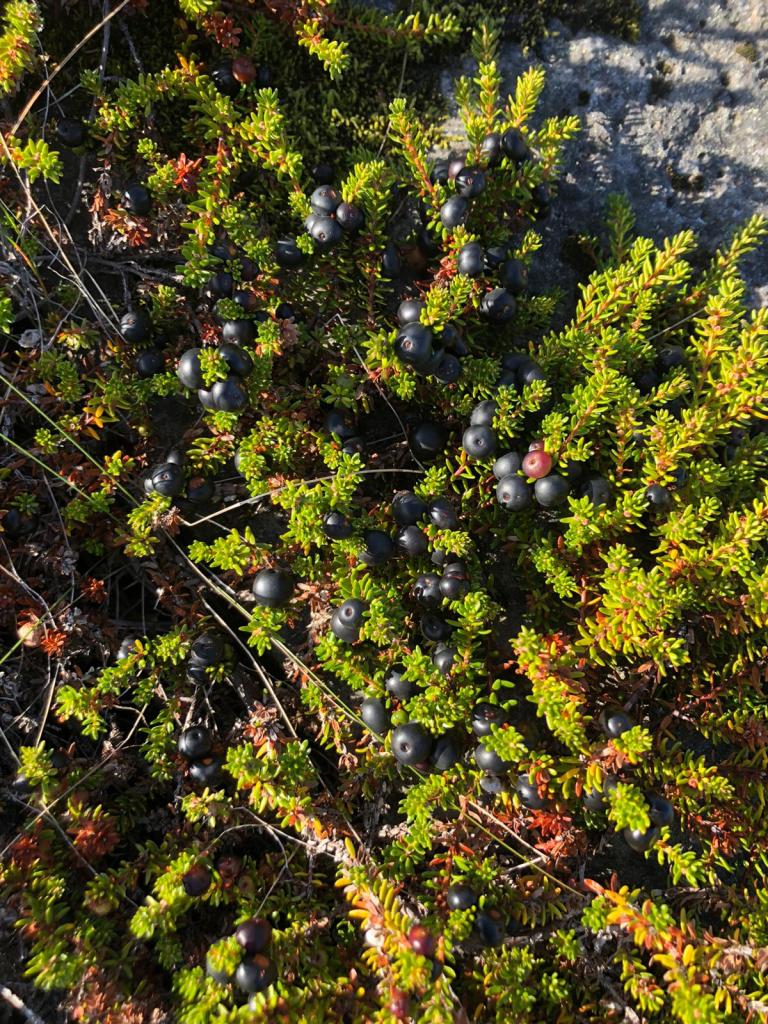
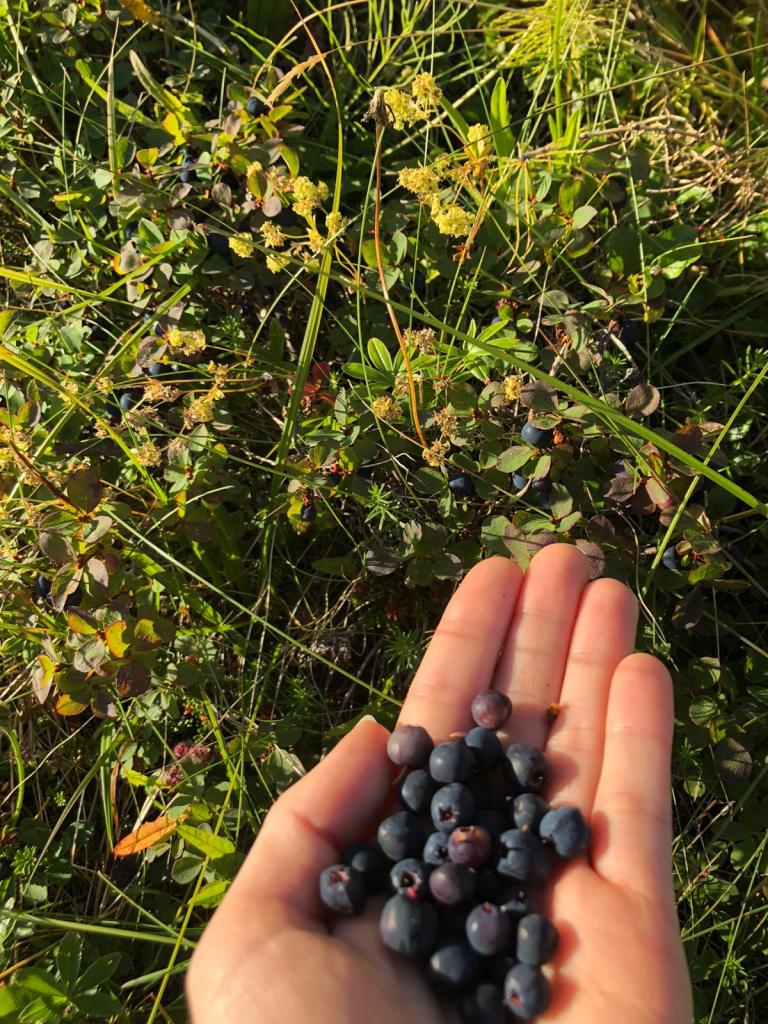
Once we were free from quarantine, finally, I remember our blueberry picking quite well!
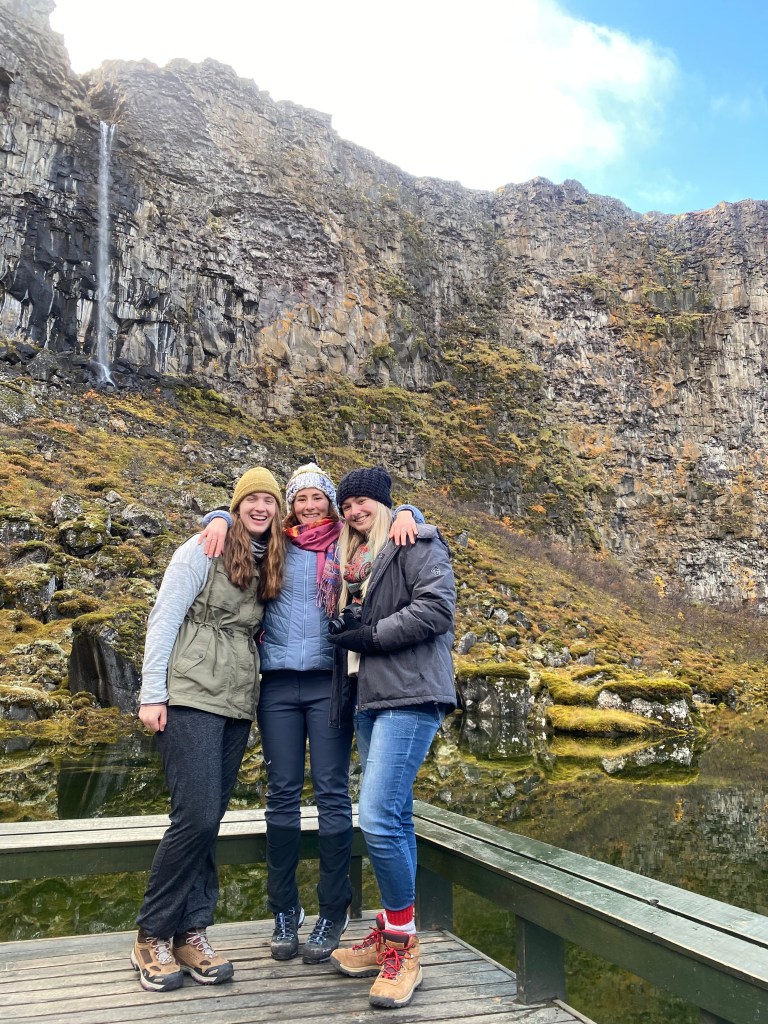
When combing through my 2,000+ photos to pick around 150 for this post, I noticed a lot of them included my good friend, Francesca! It is no wonder we stayed in touch and I visited her in Italy last year.

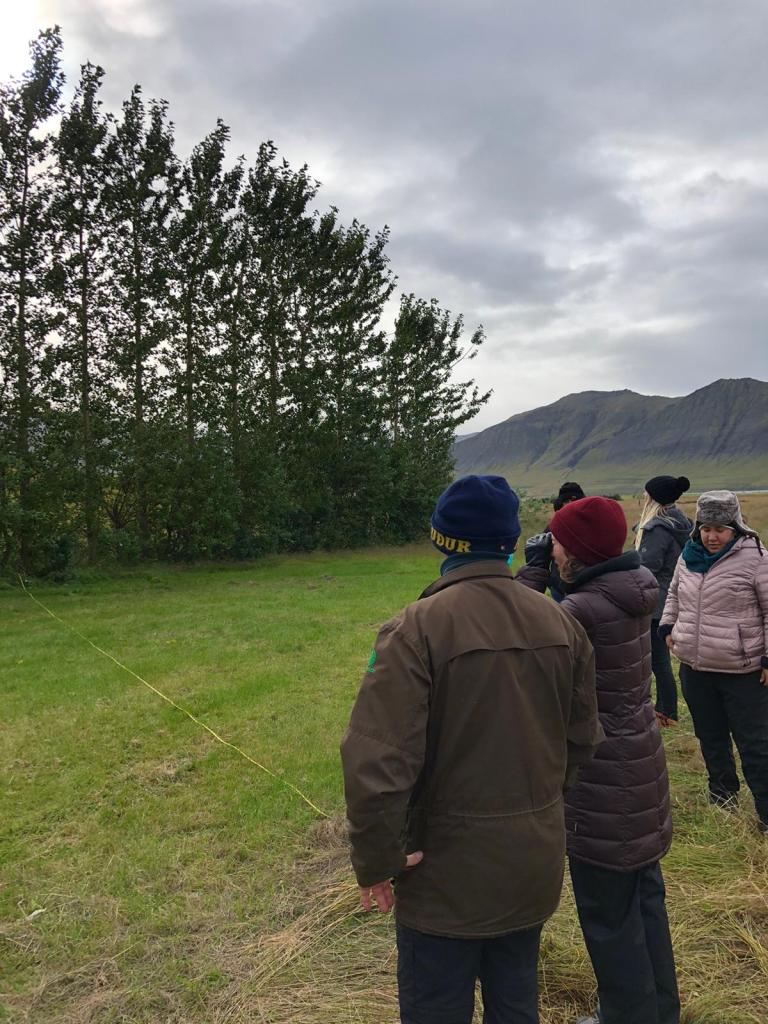
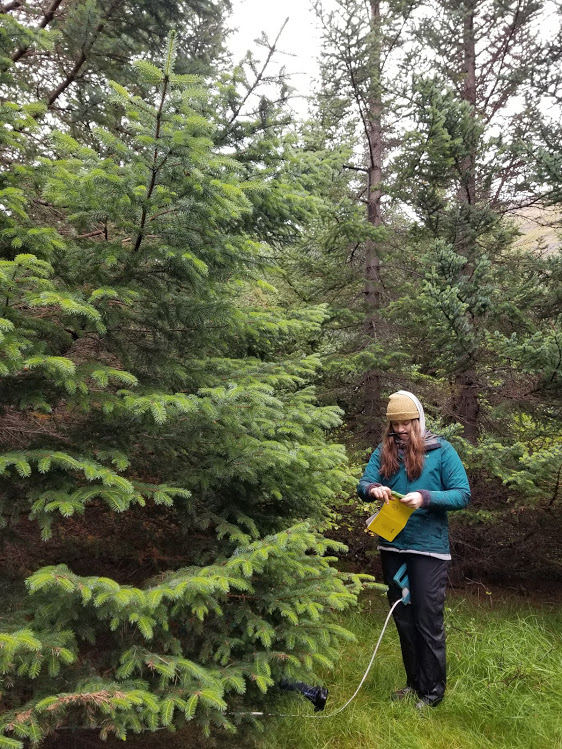
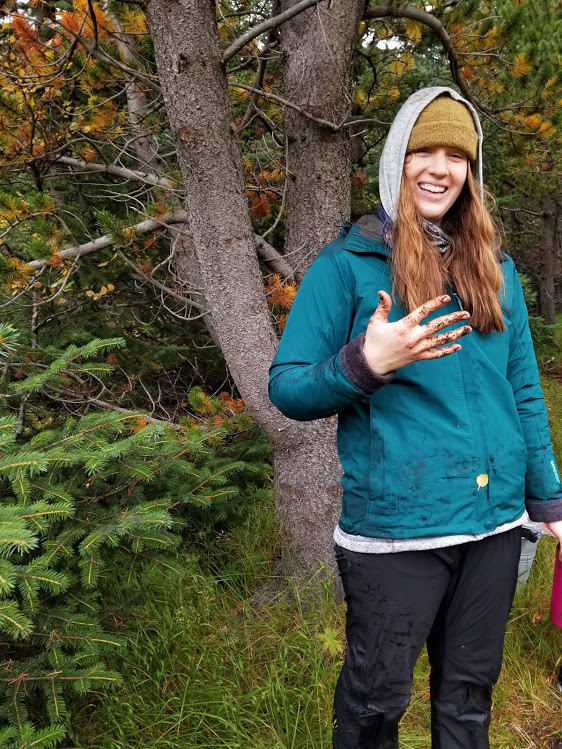
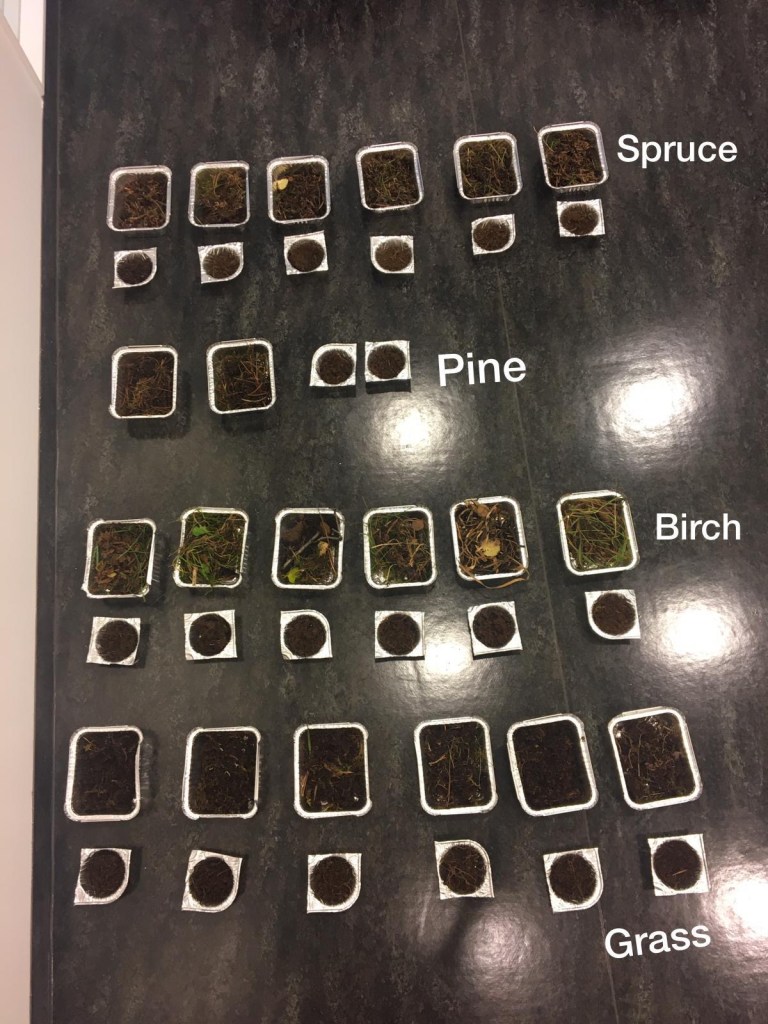
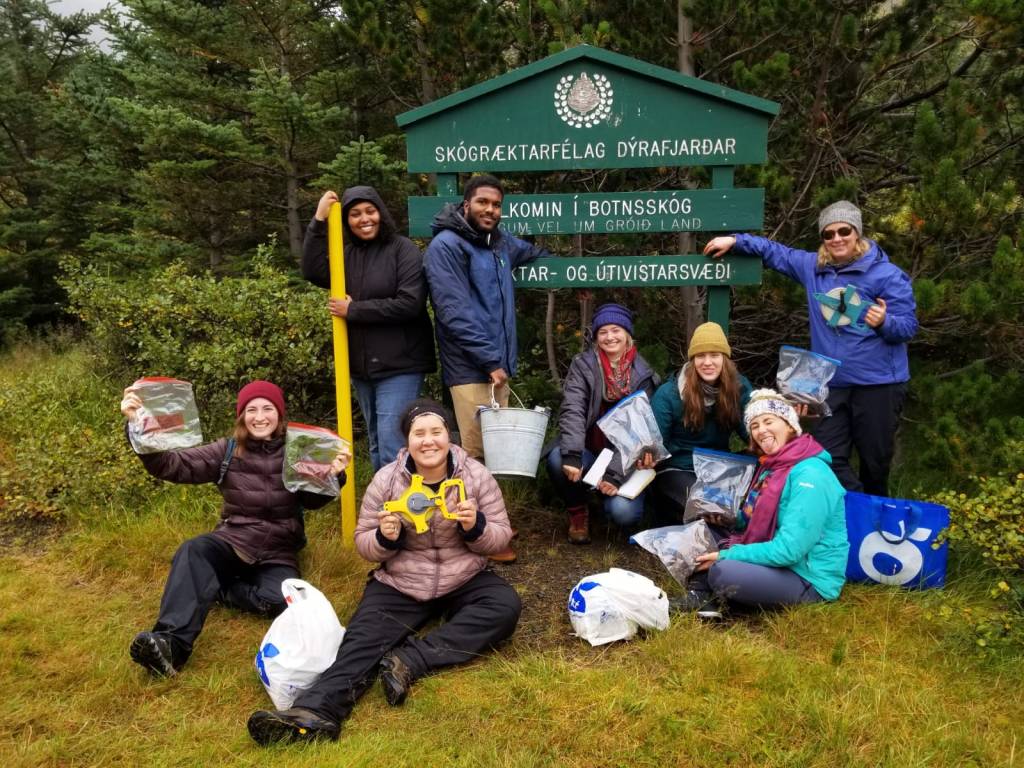
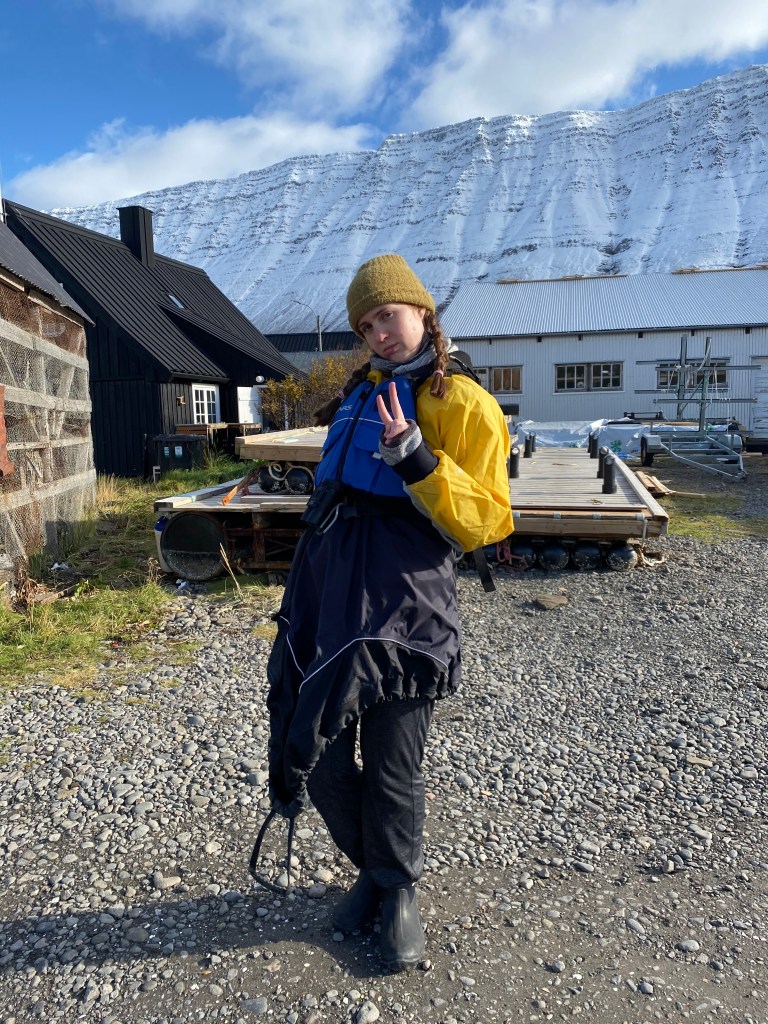
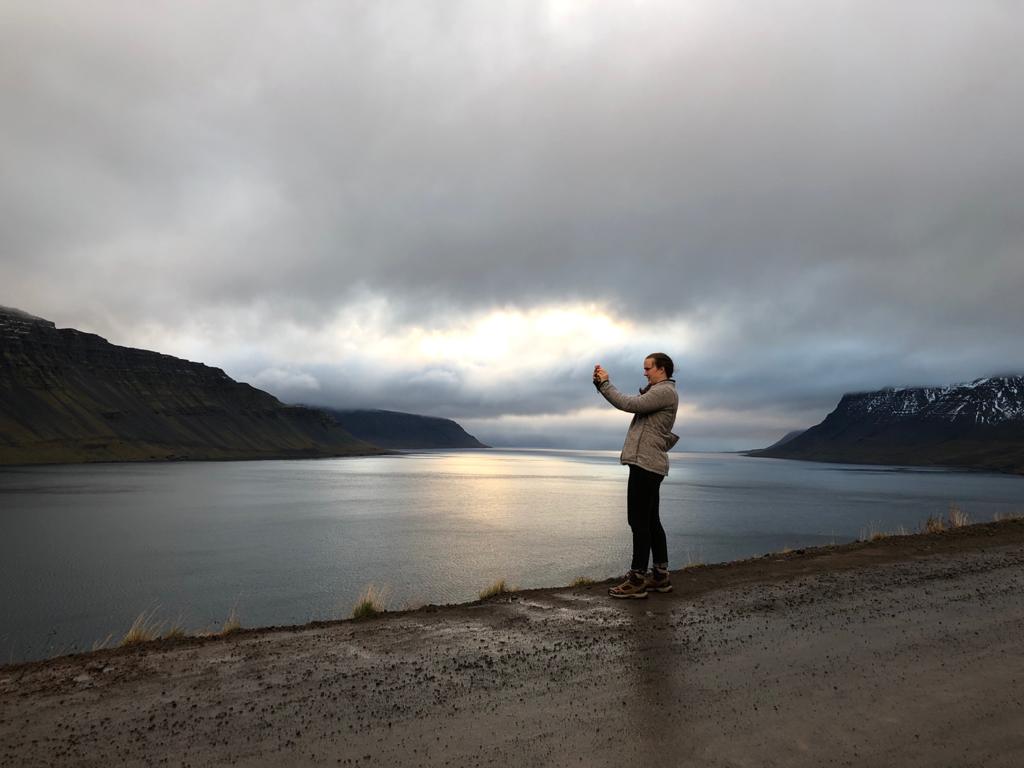
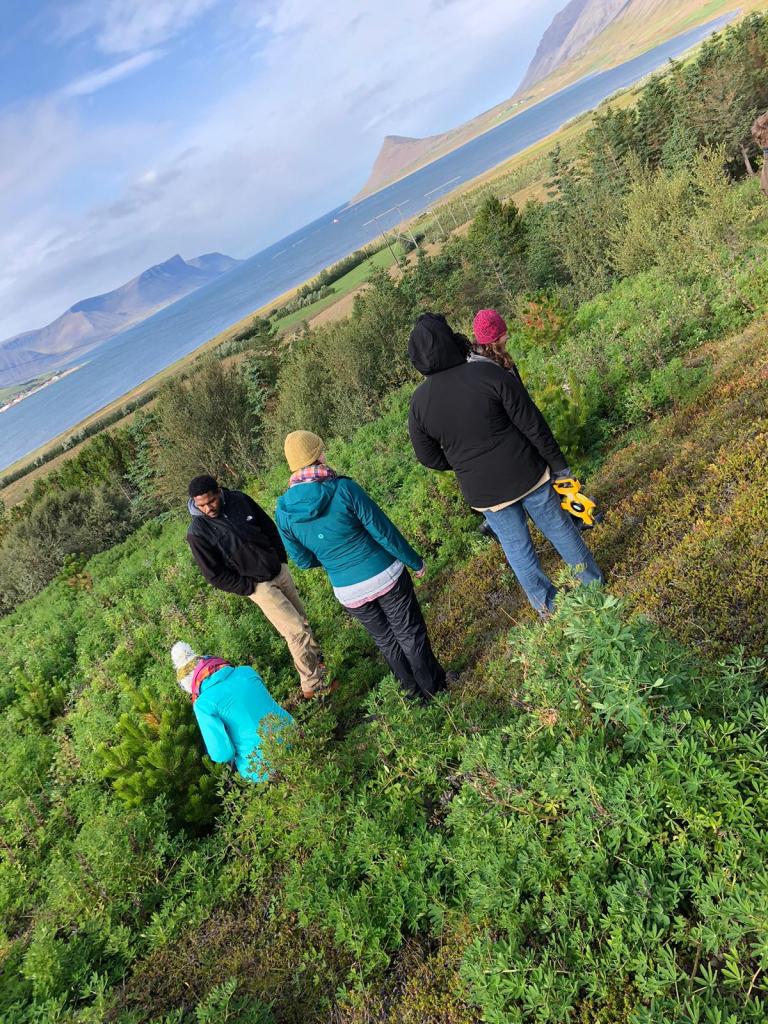
Here are some photos from our first few weeks out of quarantine, during which we were collecting field data/doing research!
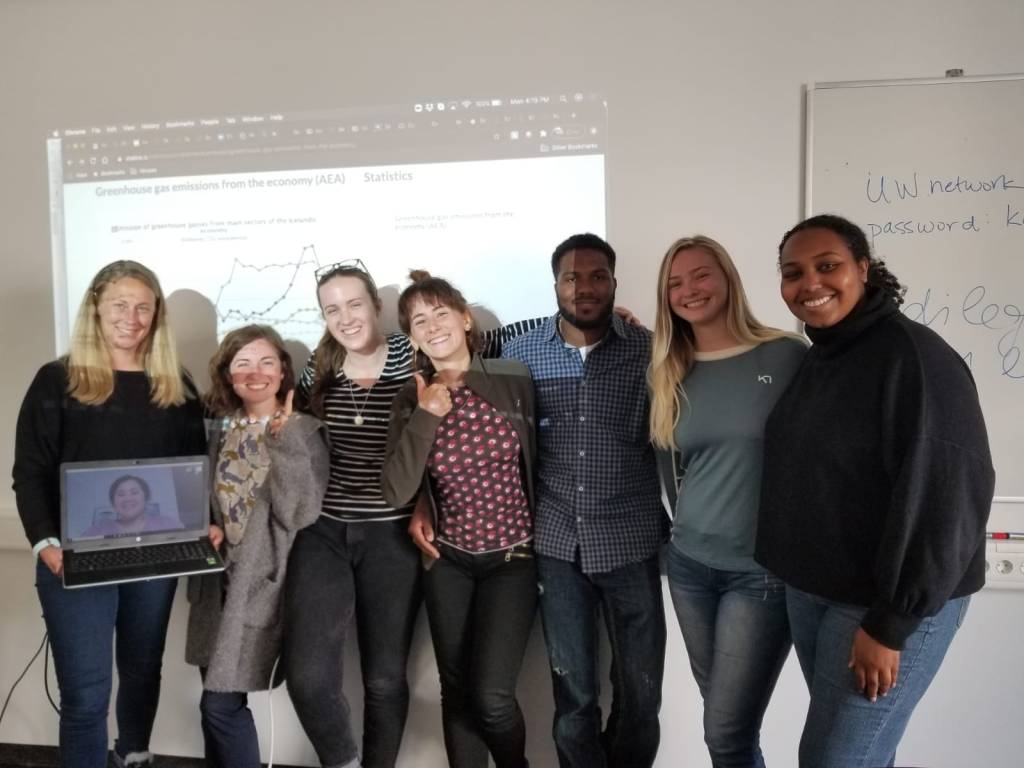
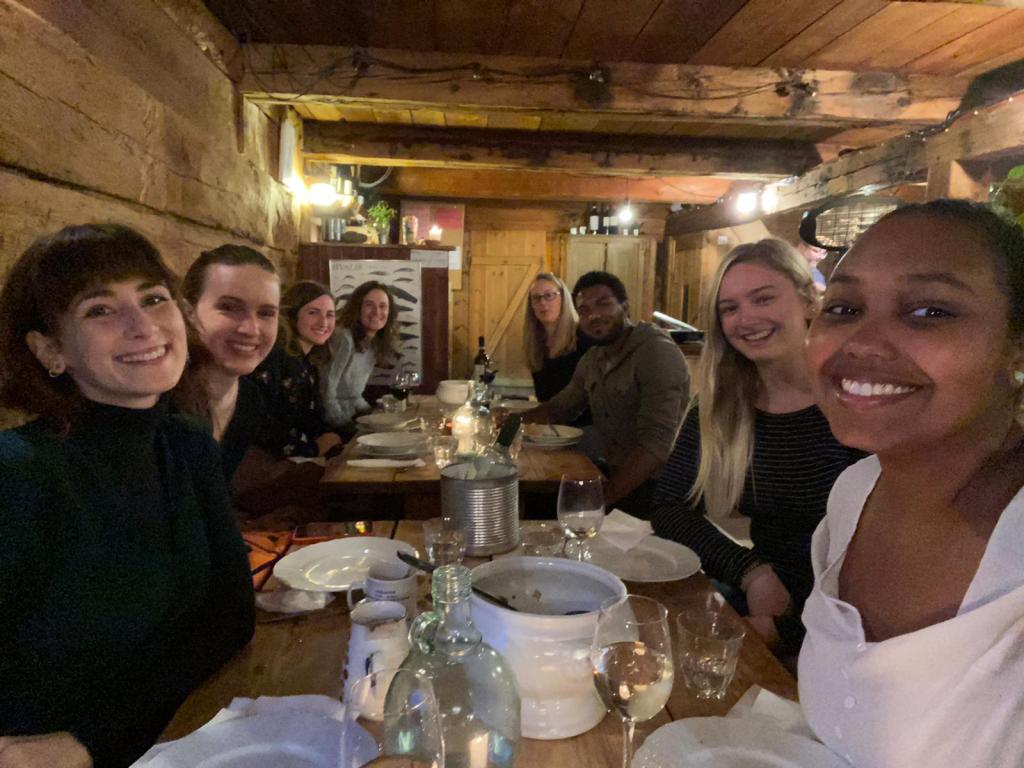
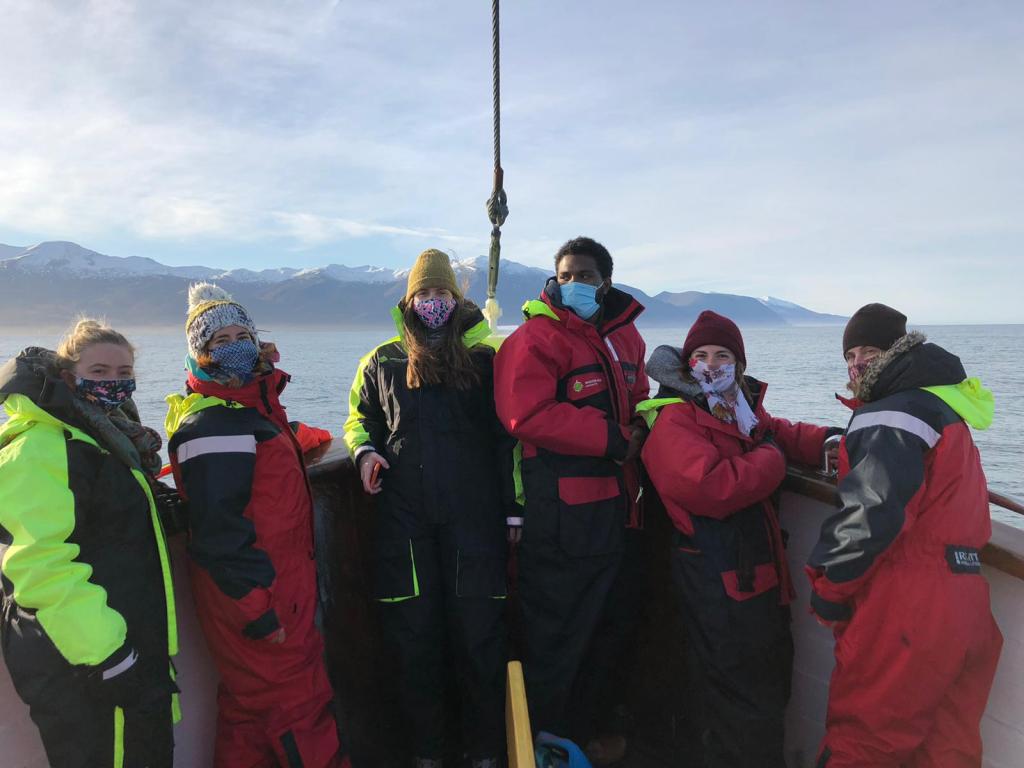
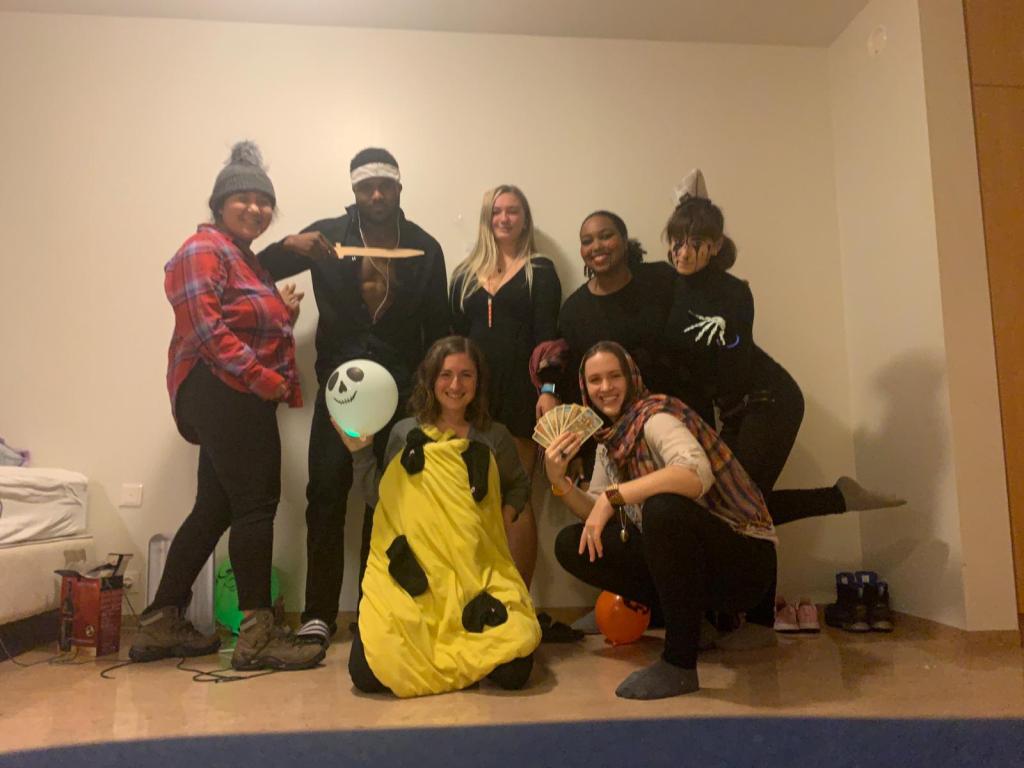
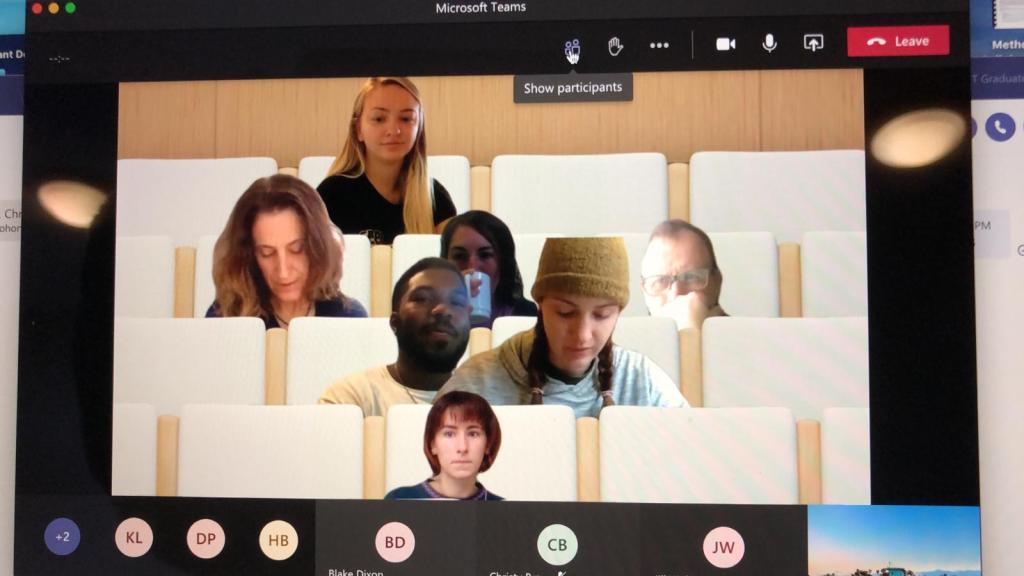
The crew! Passion (on the laptop) and Amanda holding her, Dani, me, Fra, Blake, Christy, and Nazmah

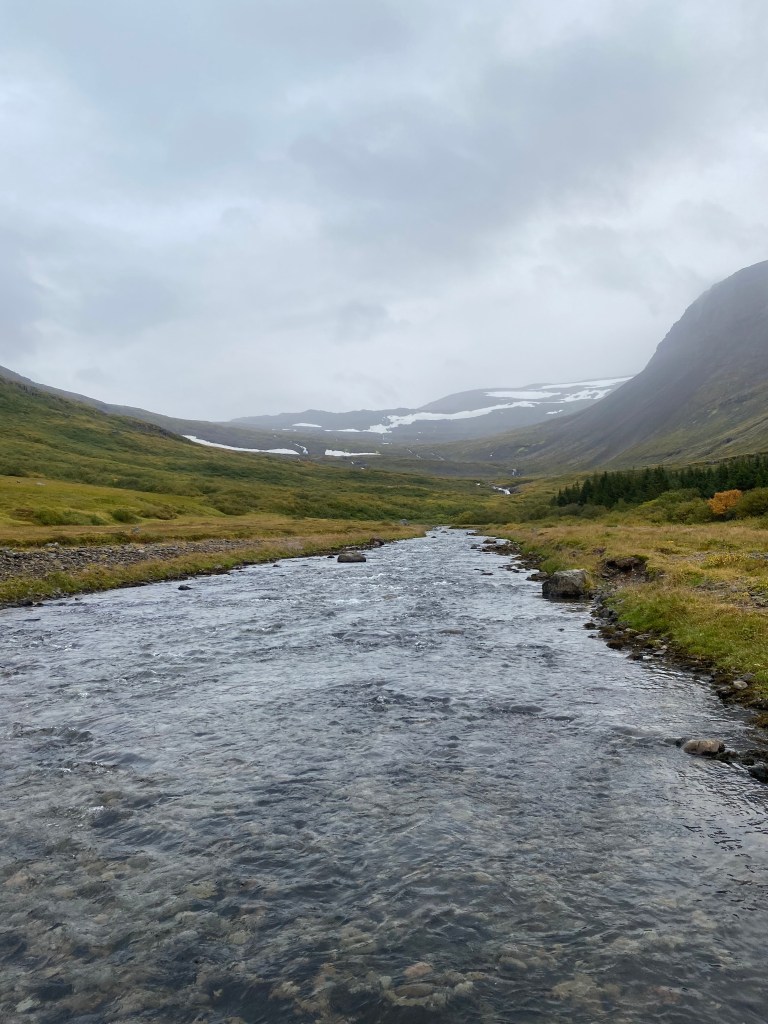
The field work was fun! It was usually two of three things in Iceland: cold, windy, or wet. I always joked that I could handle two of those things at once, but not all three. One of the most memorable things about my time there was probably the geothermal heat, and the heaters in each room that you drape wet clothes over to dry. I would warm my socks on them before putting them out and heading outside. It was a wonderful time for someone who liked to come inside and get cozy!

I kept an EXTENSIVE planner during my time in Iceland (wish I still did) but none of that is interesting unless you are curious about the schedule of an MA student abroad in Iceland, so I’ll stick to talking about sight seeing, after sneaking just one photo of the planner in here:
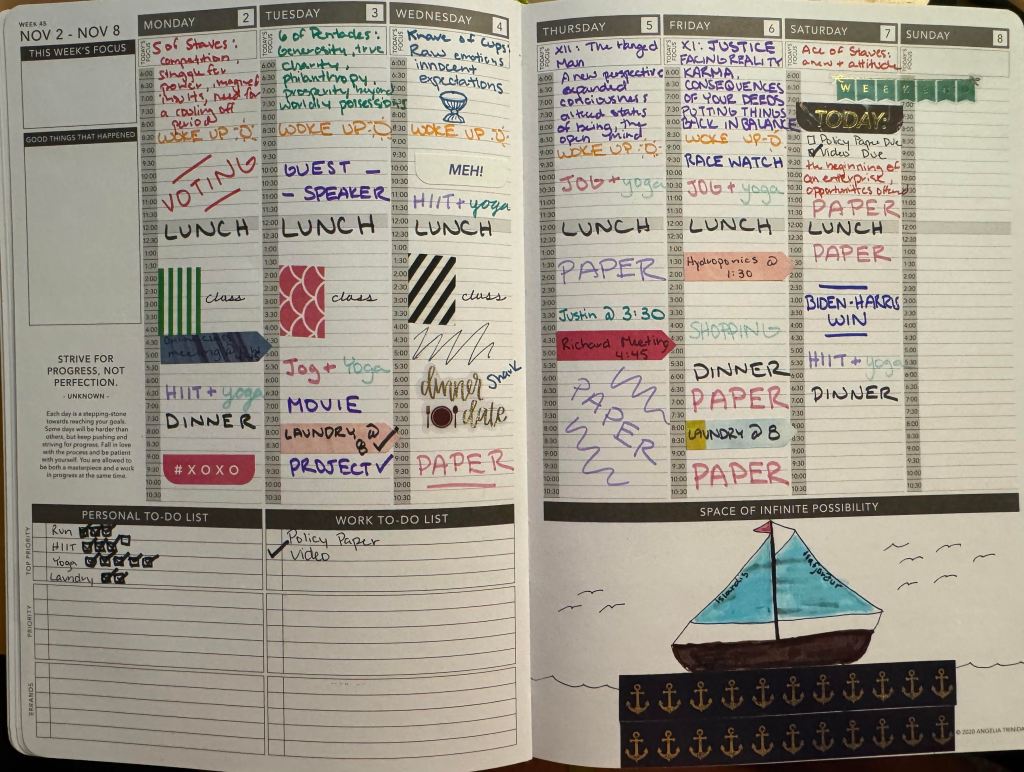
This was my final full week in Iceland, with all my final projects due. And as if that wasn’t enough, it was also the 2020 presidential election. I got no sleep. But I did eat fermented Greenland shark (Hákarl) that Wednesday, with no chaser shot, because I quit drinking in Iceland. If I decide to one day upgrade my WordPress subscription, I’ll pop the video of that in here.

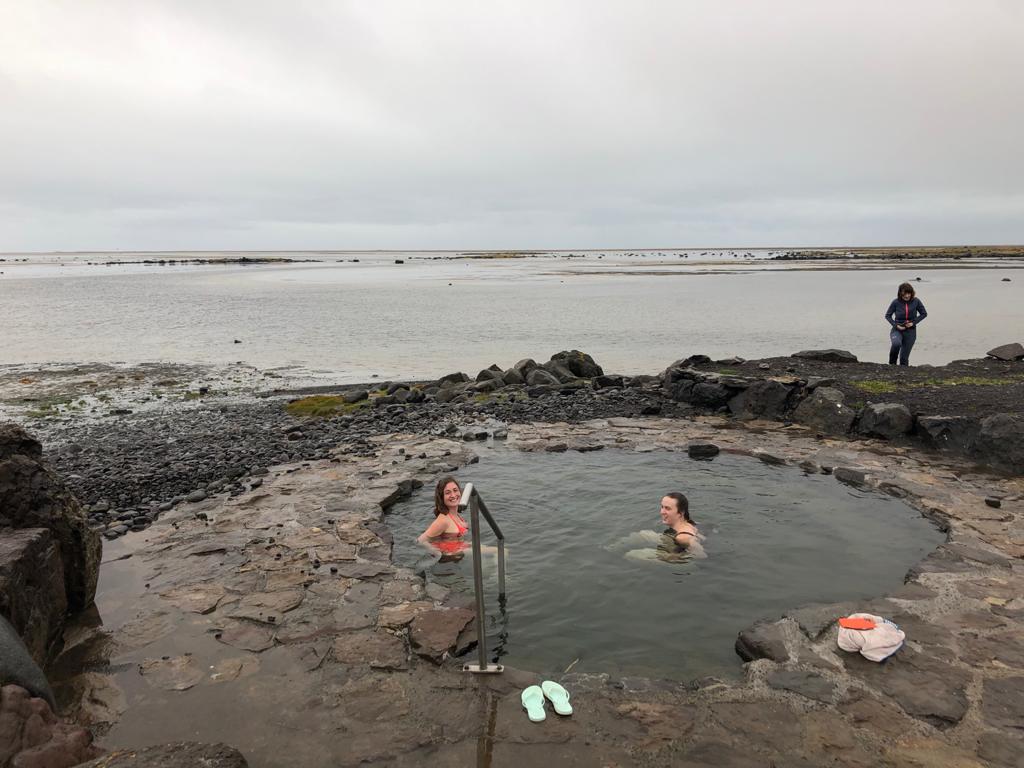
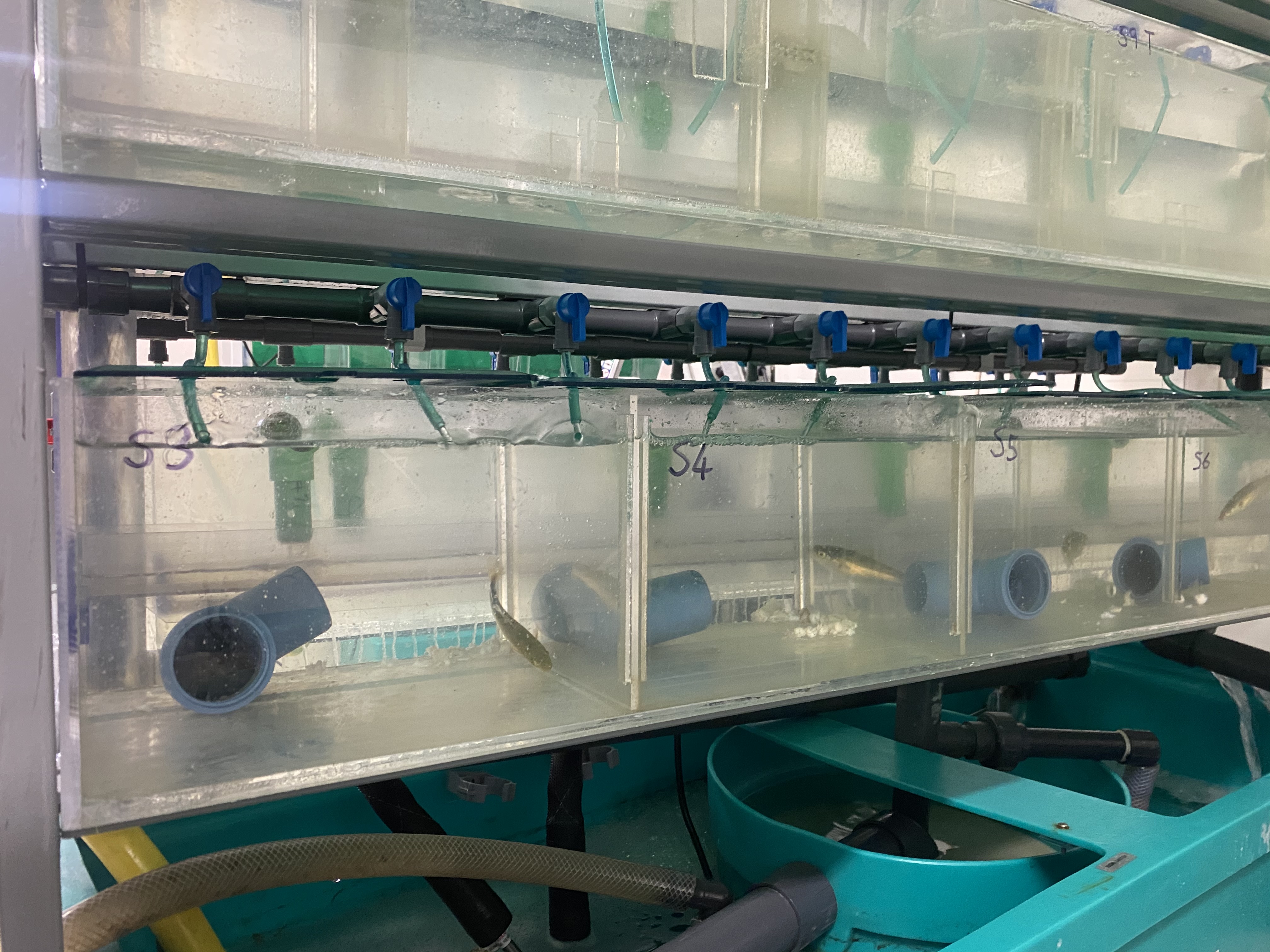
For a school trip, we visited a research facility in Bolungarvík, a neighboring town in the Westfjords, and the northernmost village in the region. I also recall it having an AWESOME indoor and outdoor pool. Icelanders believe it to be a right to have access to “hot pots” or man made or natural hot pools. Which was fine by me, I love a good soak. You would too if you lived in Iceland year round!
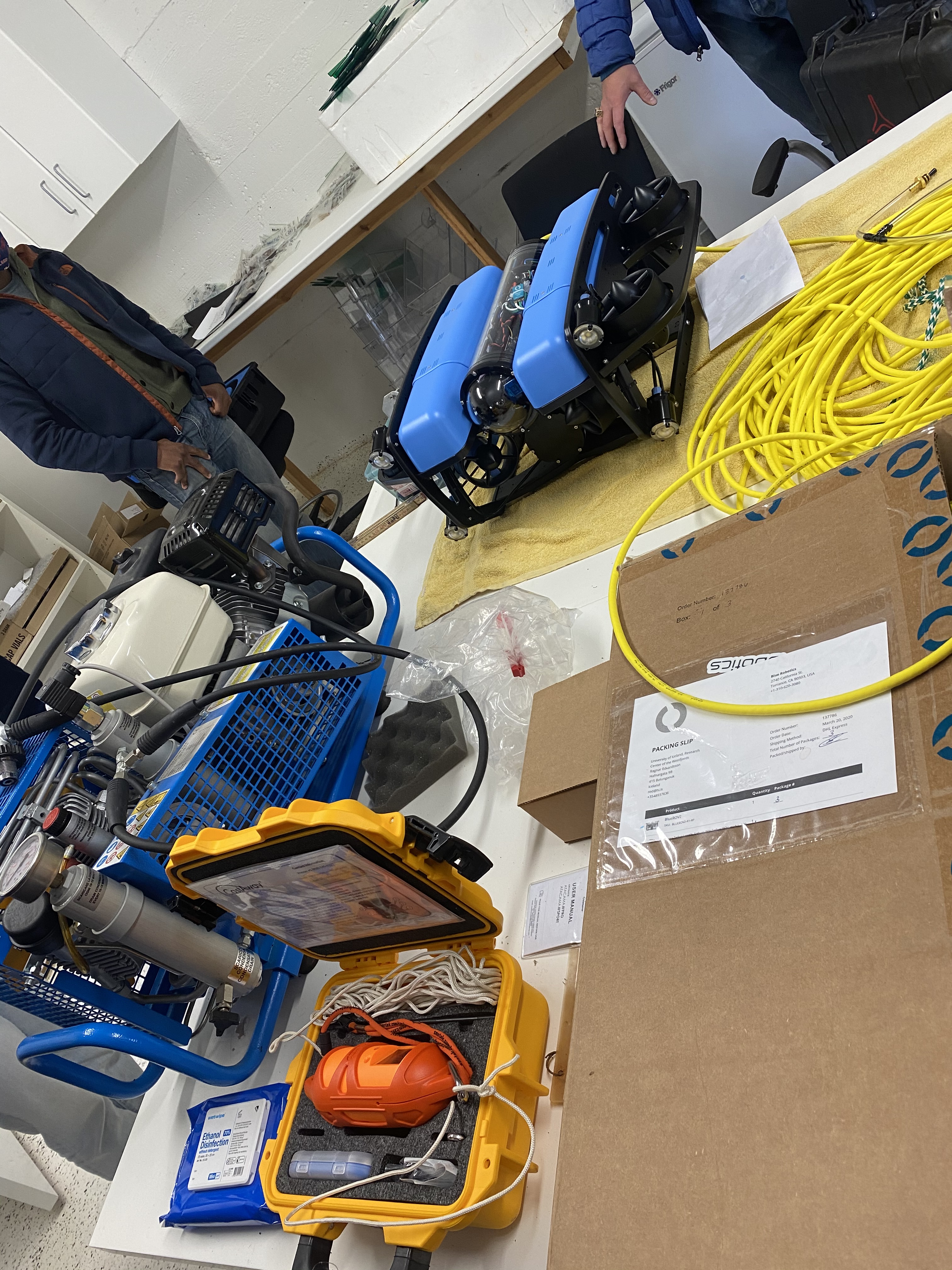
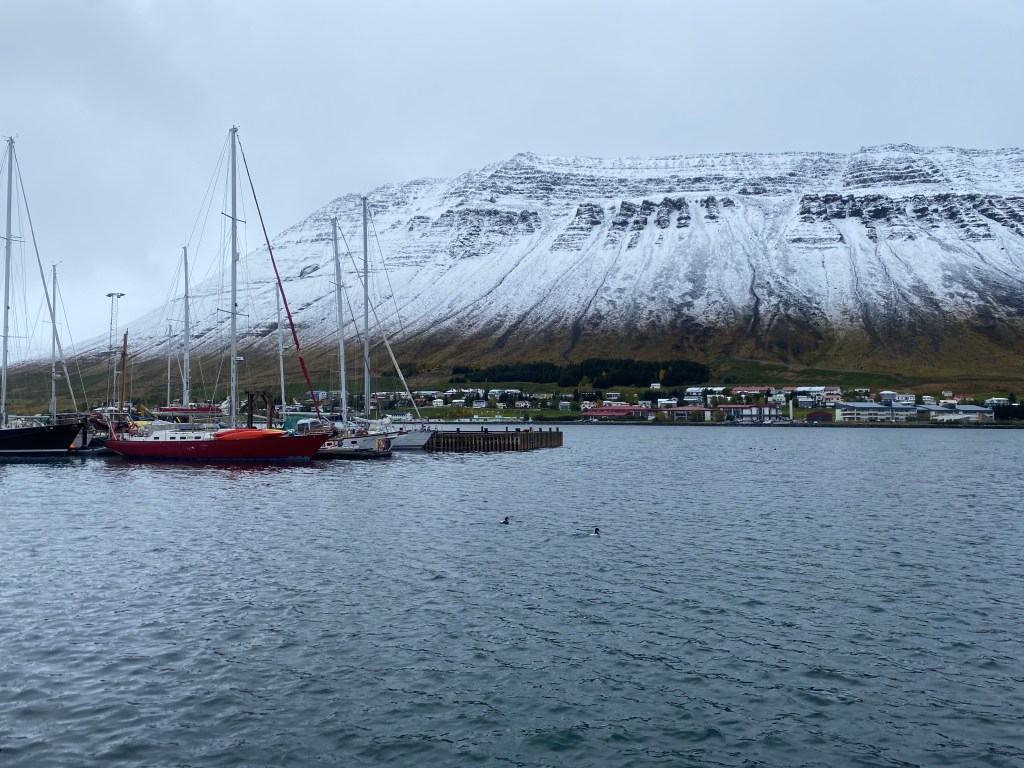
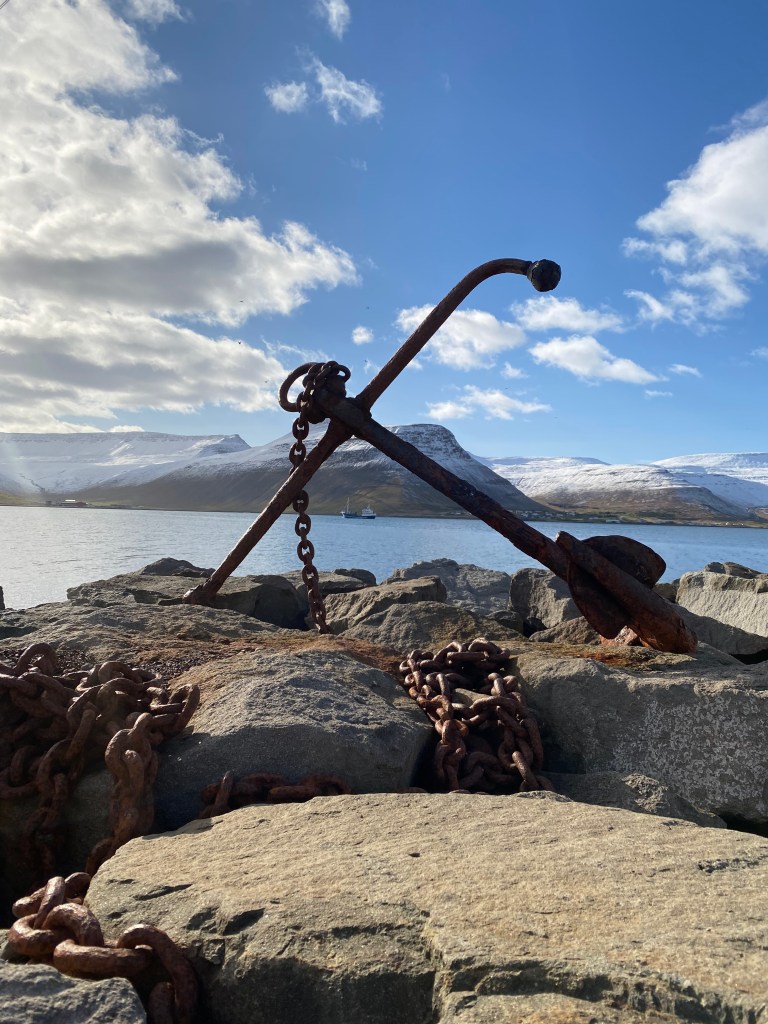
September in Ísafjörður:
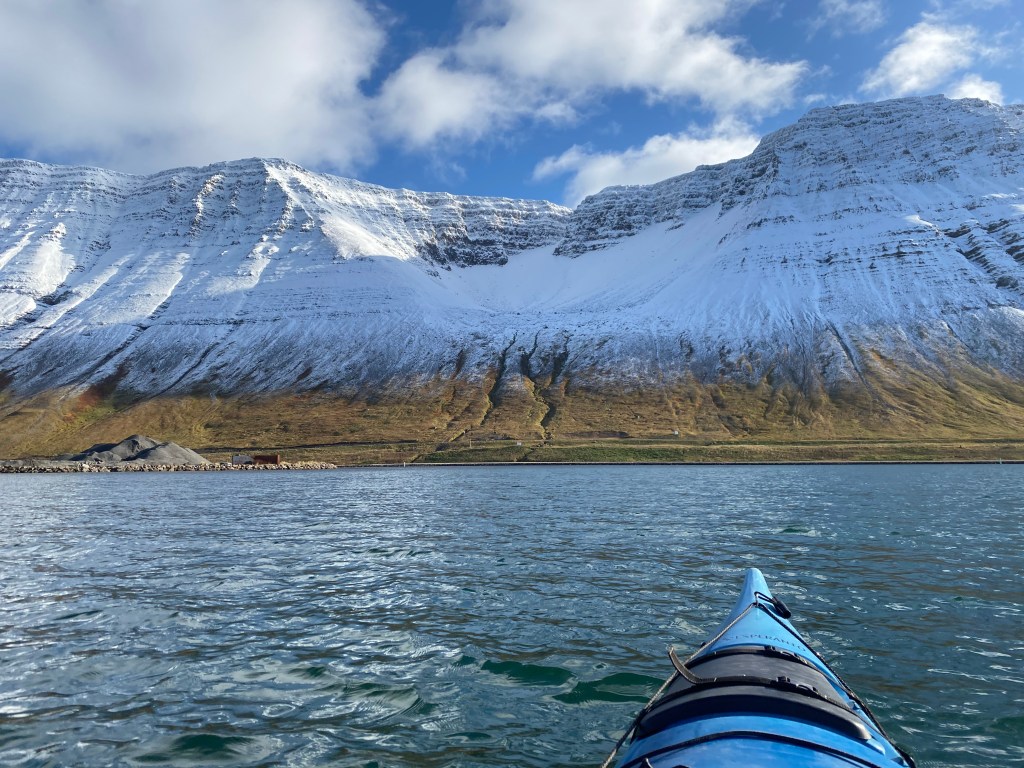
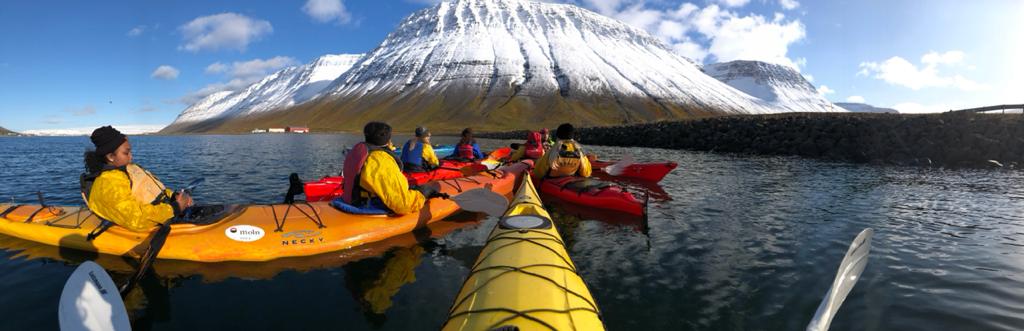
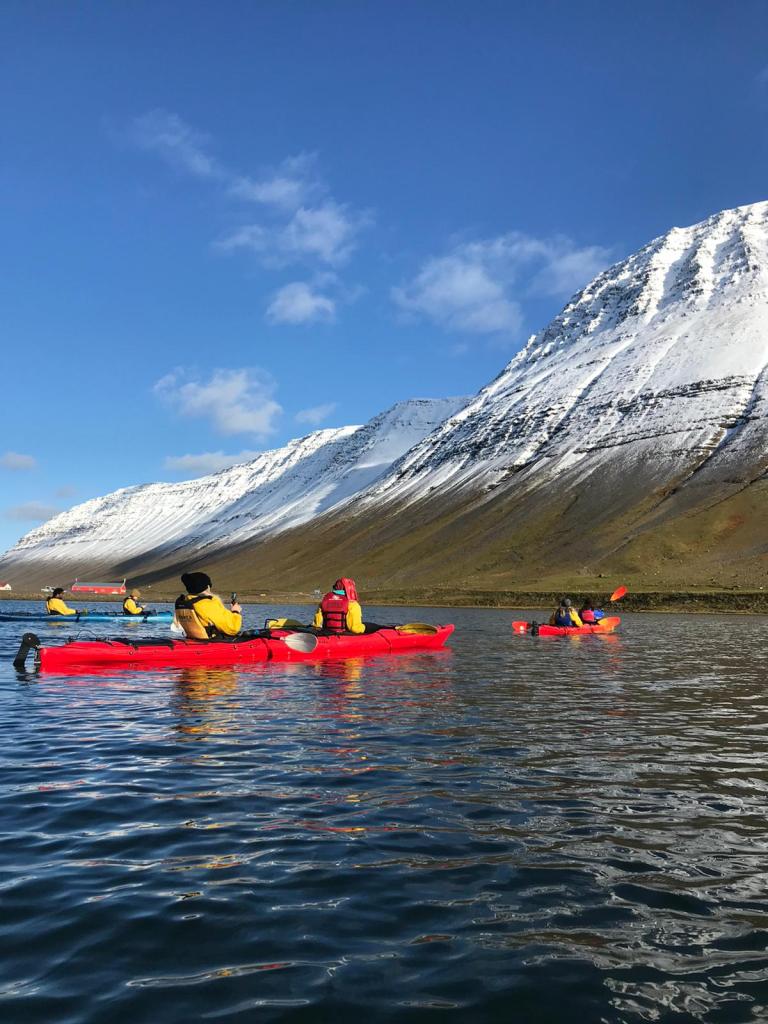
We went on a team kayak at the end of September. I’d never been kayaking in the cold like this, it kinda heightened the risk of falling into the water. You do NOT want to fall into the Fjord in late September… or really any time of year. It is pretty damn cold.
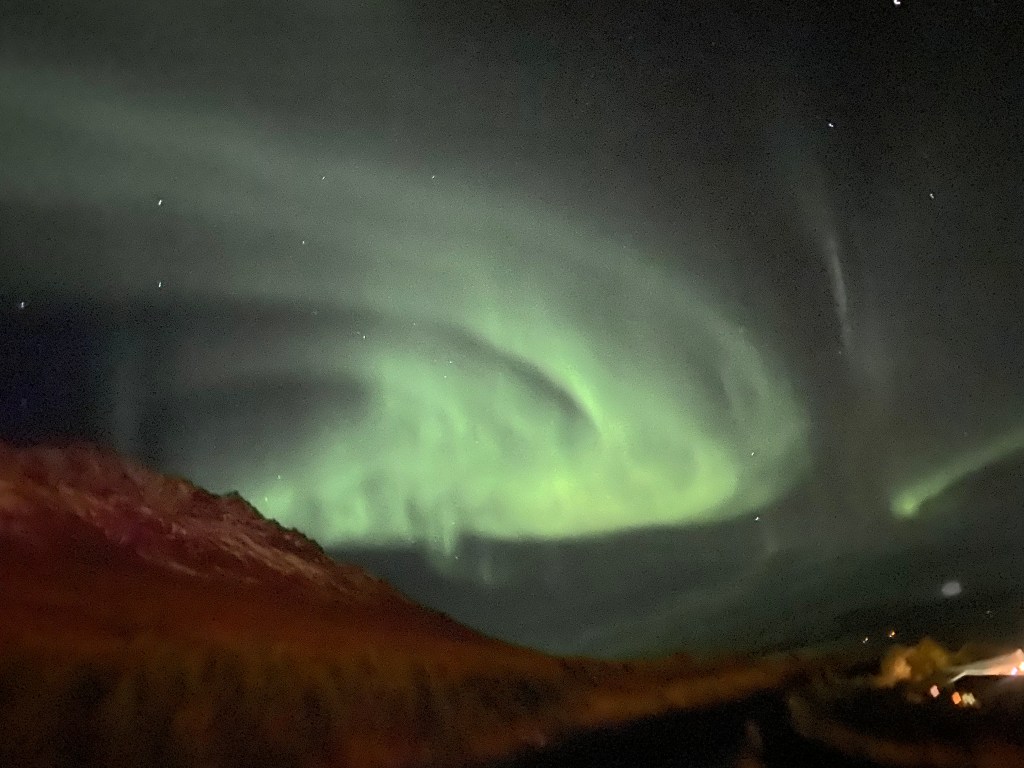
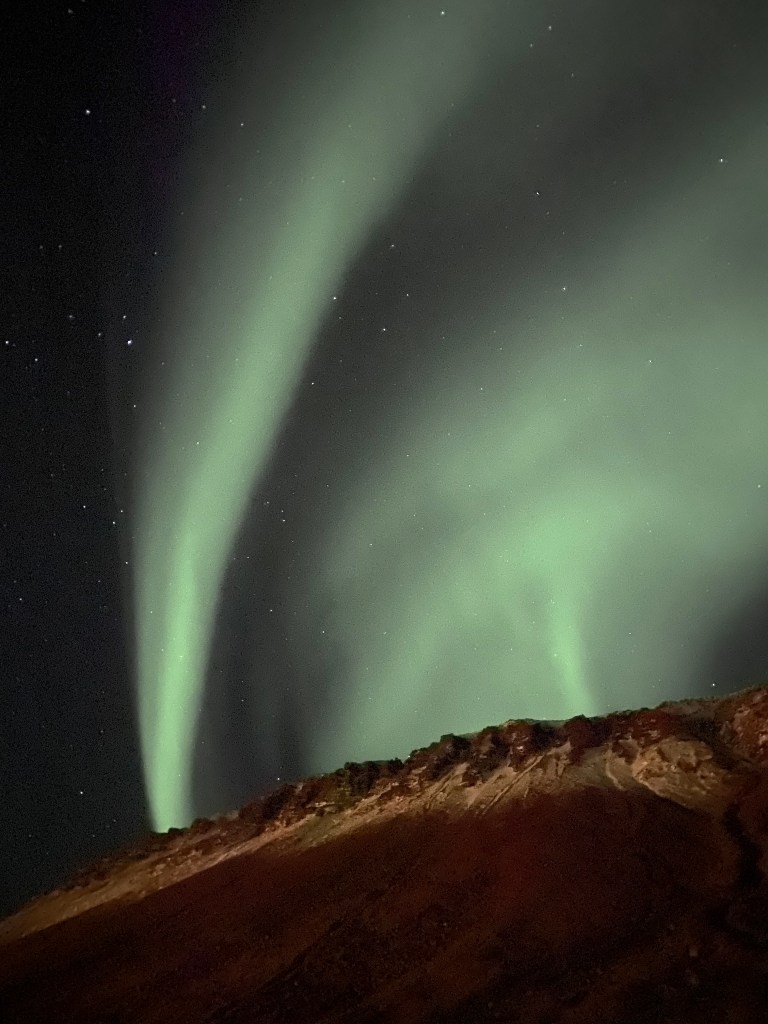
The same day as the kayak trip (September 24th, 2020) we FINALLY got our first Northern Lights sighting. I know they always say pictures don’t do them justice but… yeah, they’re right.

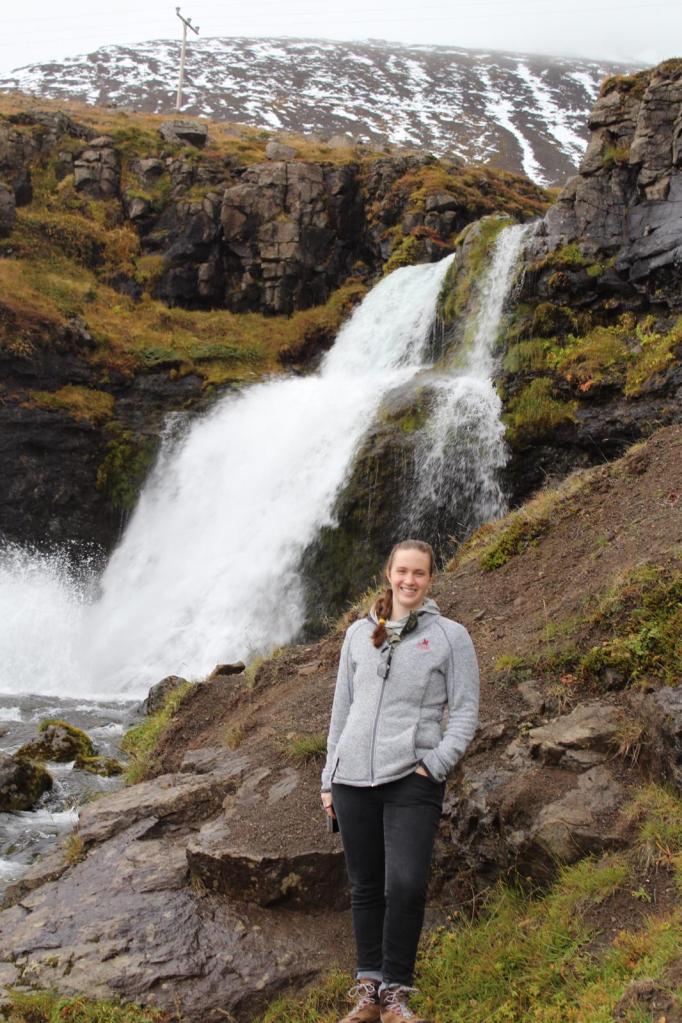
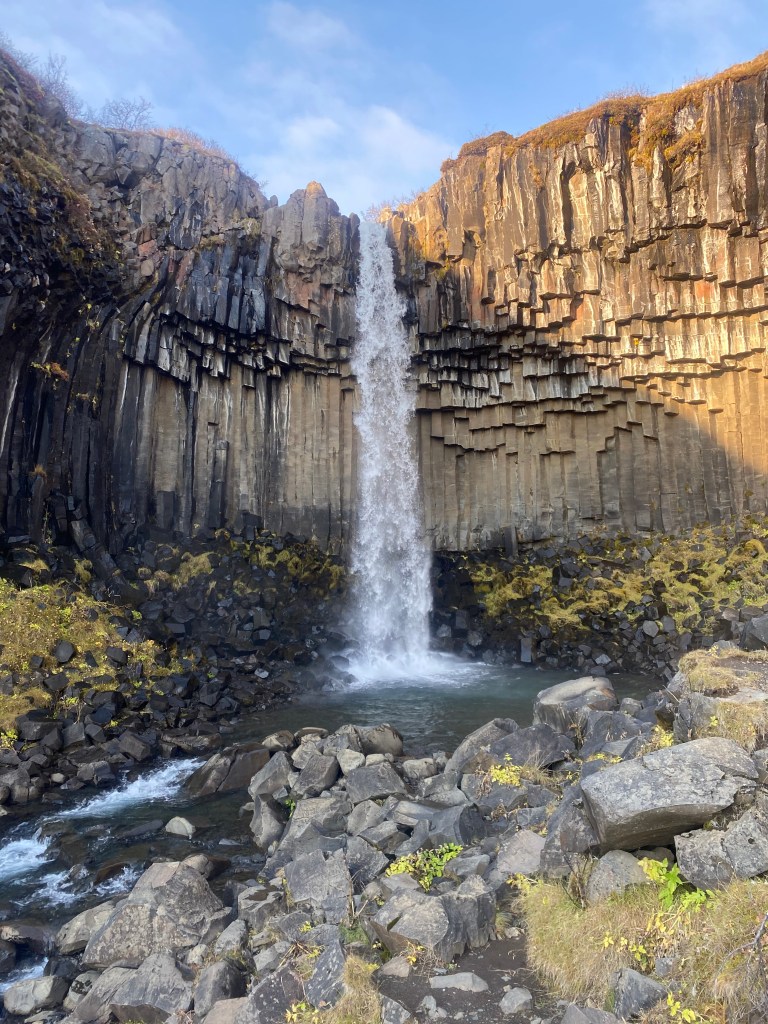
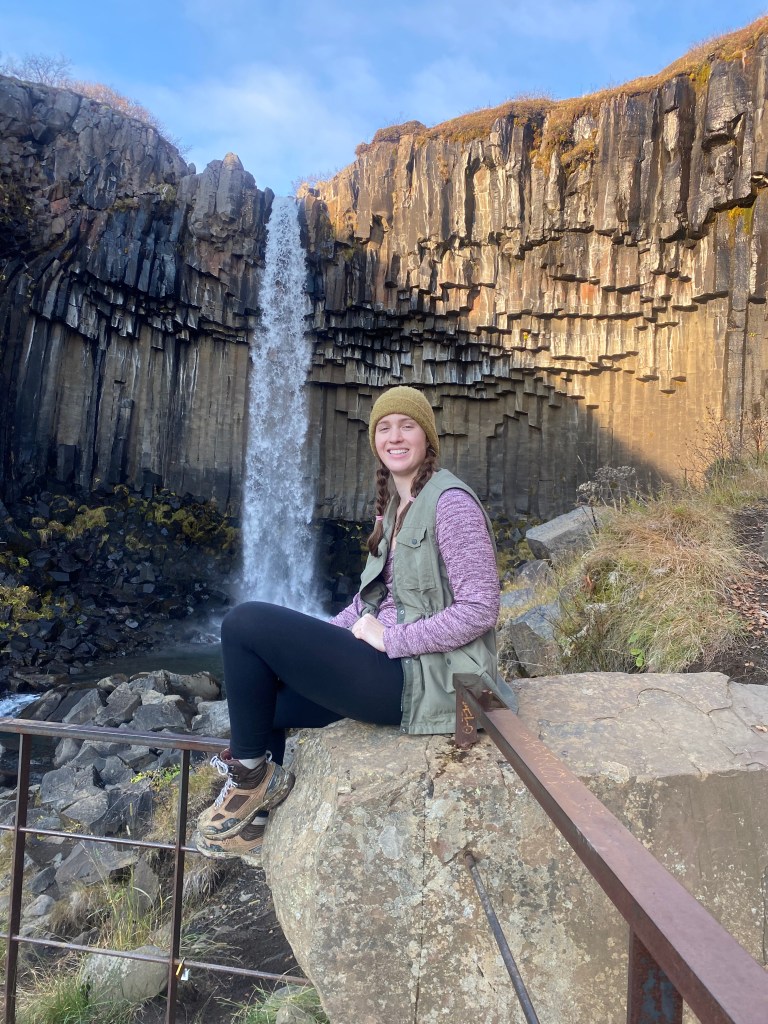
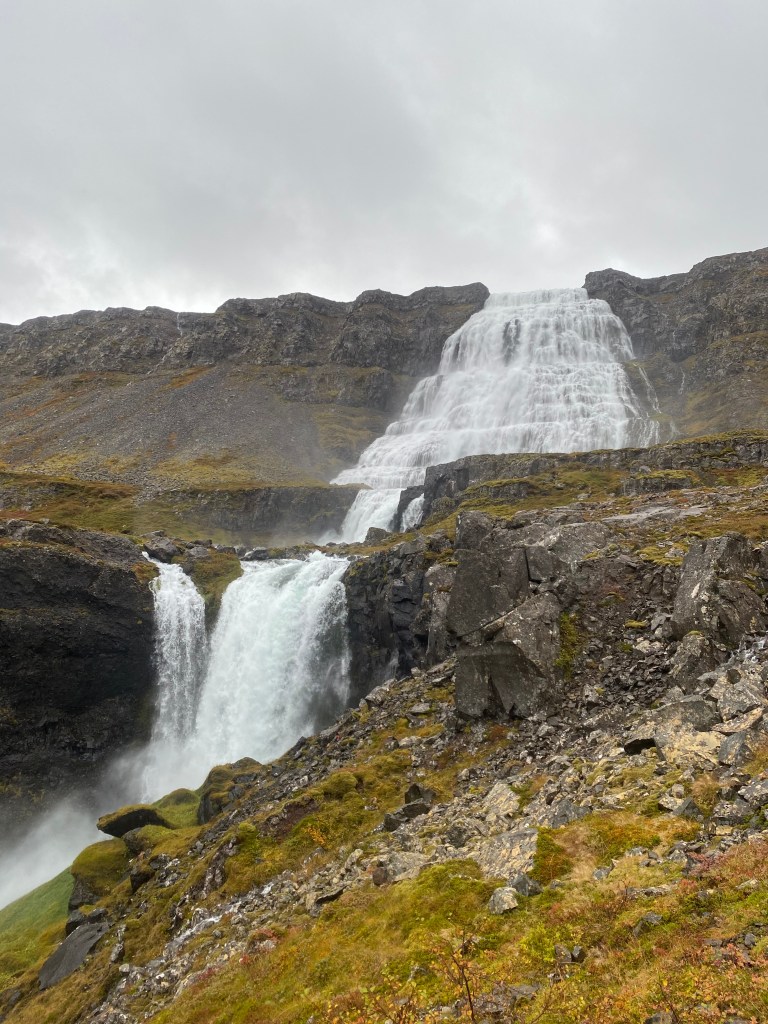
A few of us took a trip to Dynjandi (meaning thundering noise), a stunning waterfall that tumbles down hard basalt layers and stands 99 meters high, 30 meters wide at the top, and 60 meters wide at the bottom.
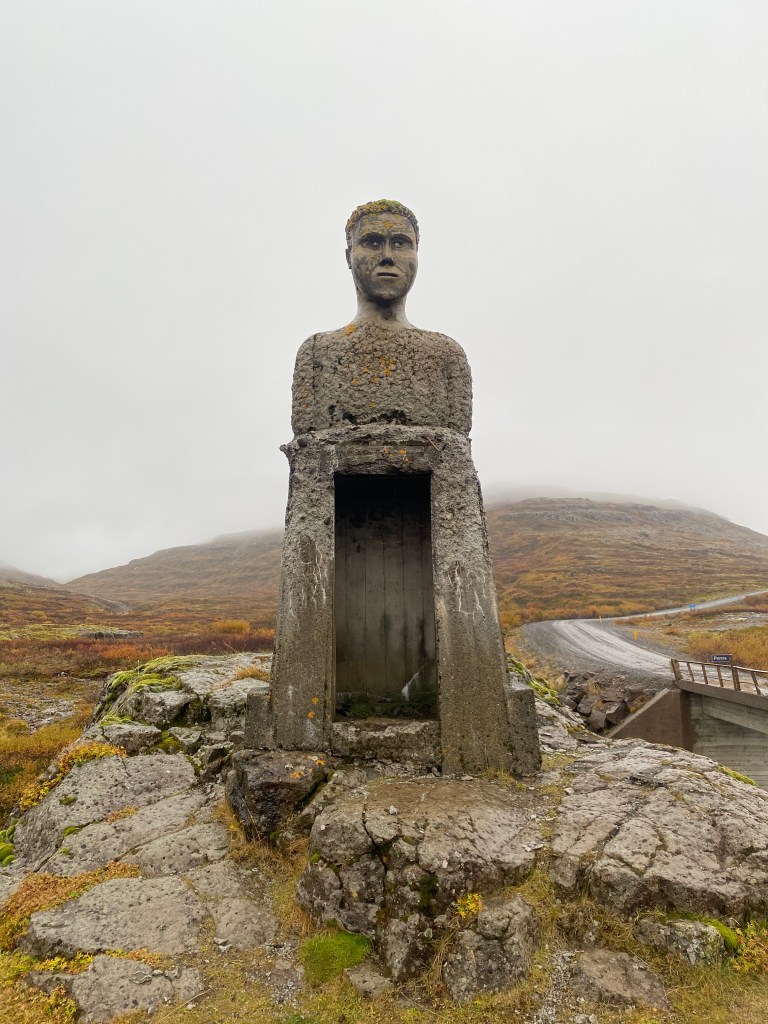
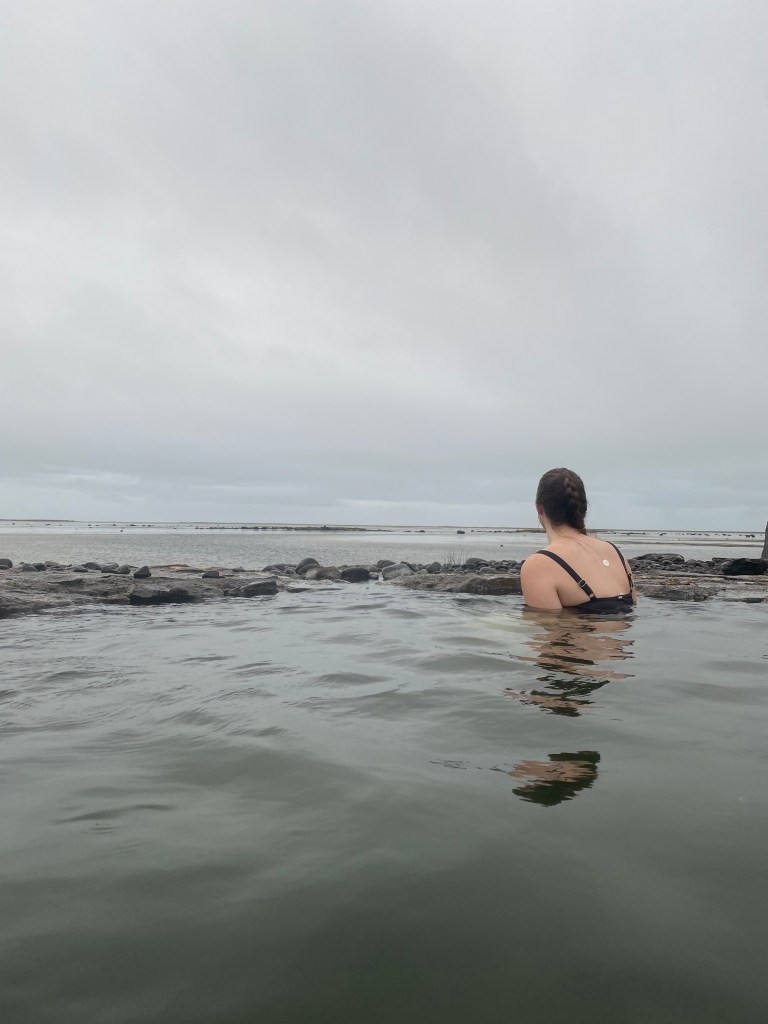
That same afternoon, we headed into Patreksfjörður, first running into one of two stone men, the first being in Vatnsfjordur. We found very local hot pots (I recall changing in a lean-to), some good food in Bíldudalur, and got some unreal photos that I don’t have location stamps for as they were taken with good old fashioned cameras. Enjoy:
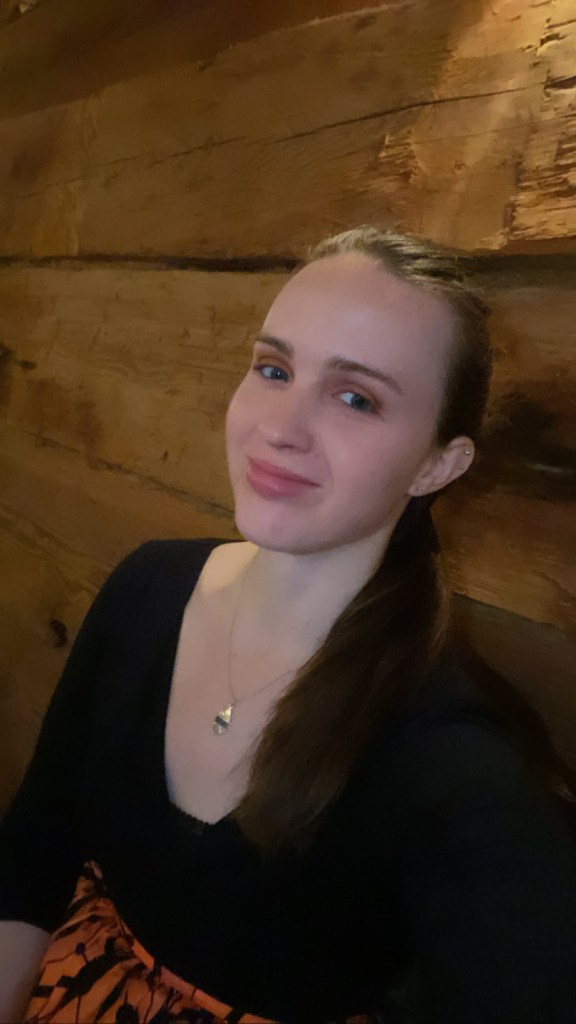
The next day, we had one of the best meals of my life at Tjöruhúsið. It was such an affair, I got dressed up for it. A beautiful multi-course meal, and a soup I still think about to this day.

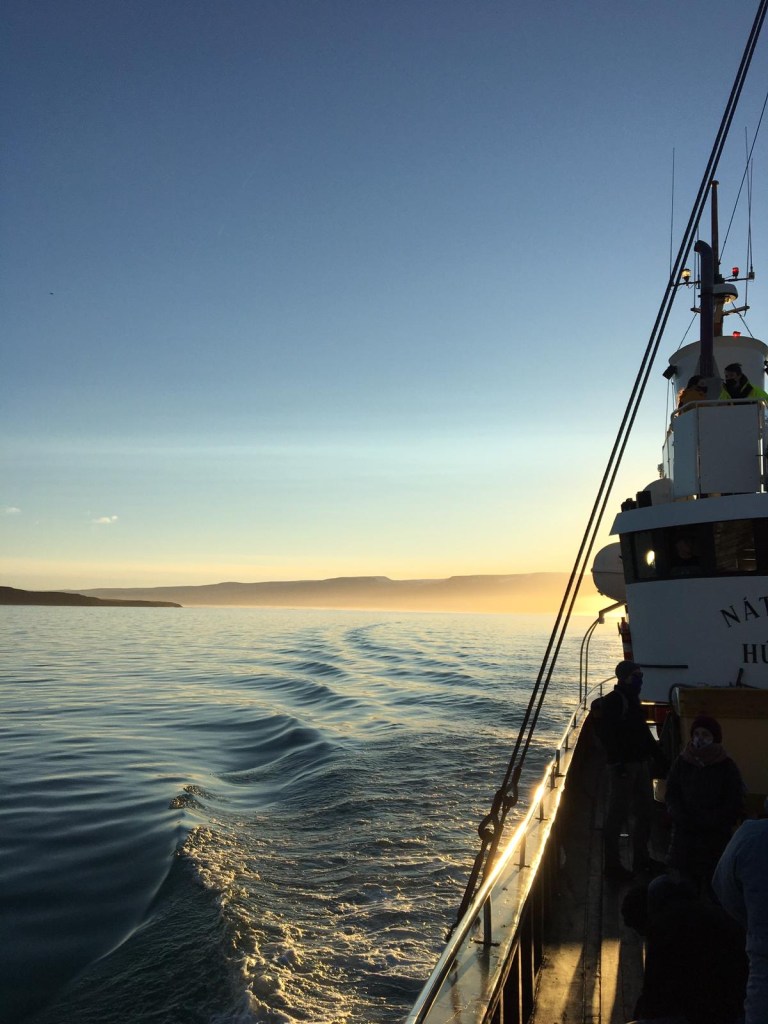
The day after that (man we really packed it in, no wonder I was too tired to write!) we took a boat out to Hornstrandir Nature Reserve.

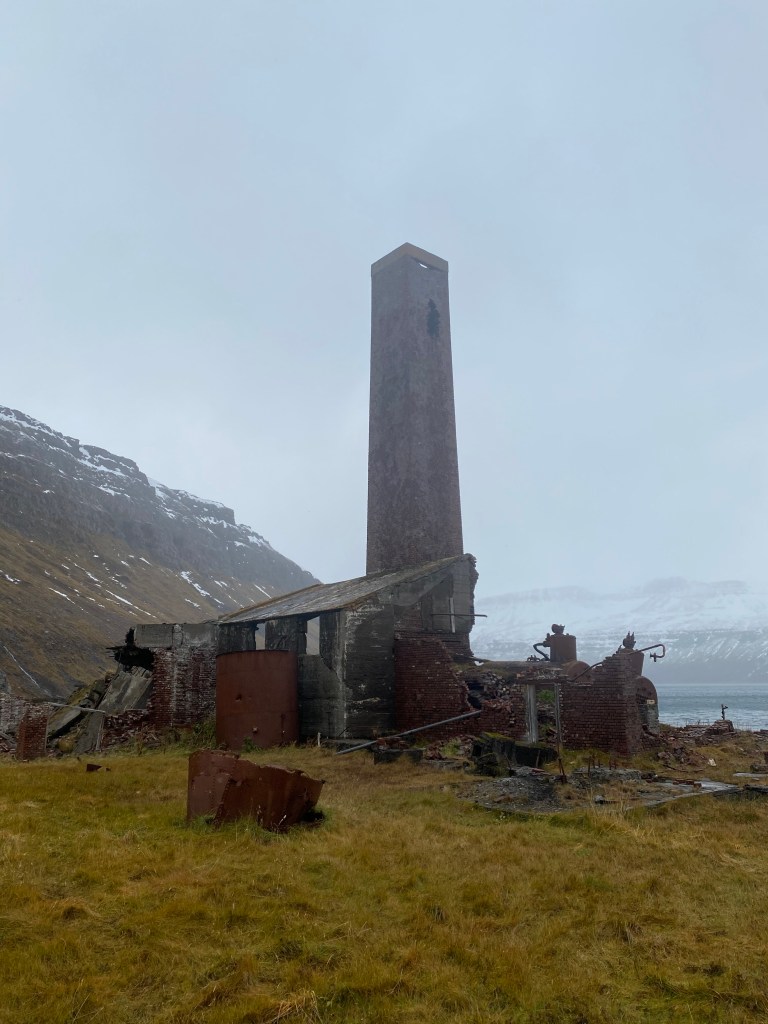
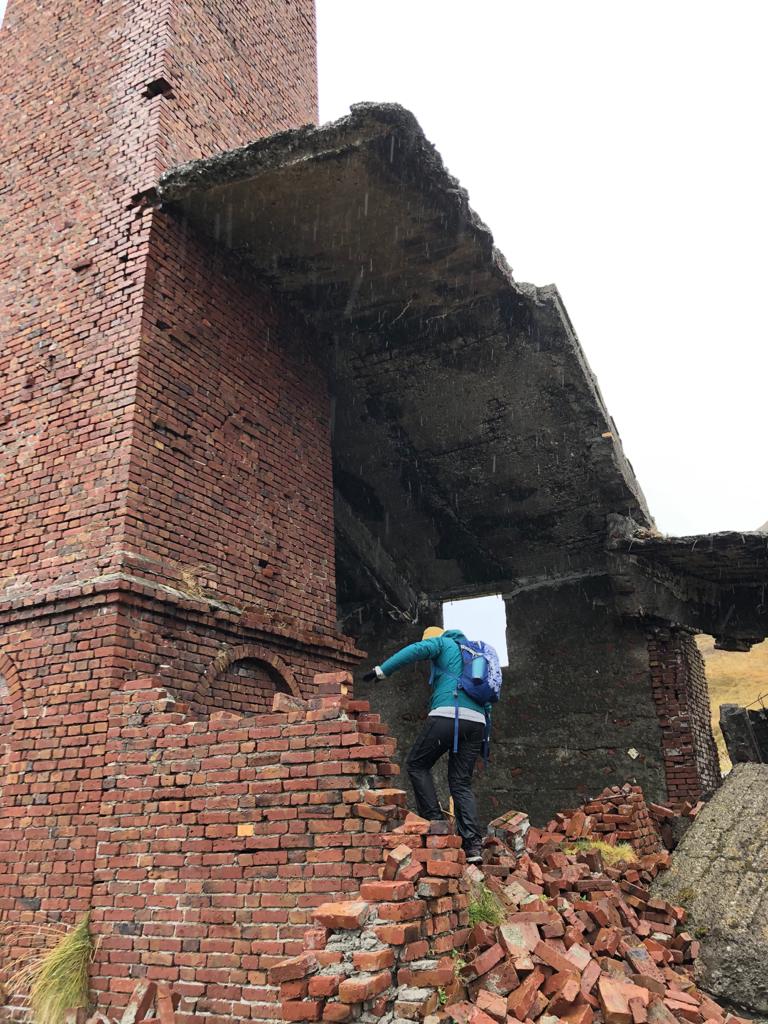
We ate lunch outside the deserted village of Hesteyri , if memory serves. The ruins are The Hesteyri Whaling Factory, a Norwegian Whaling factory from 1894, which eventually shifted to processing herring, before closing in 1940.
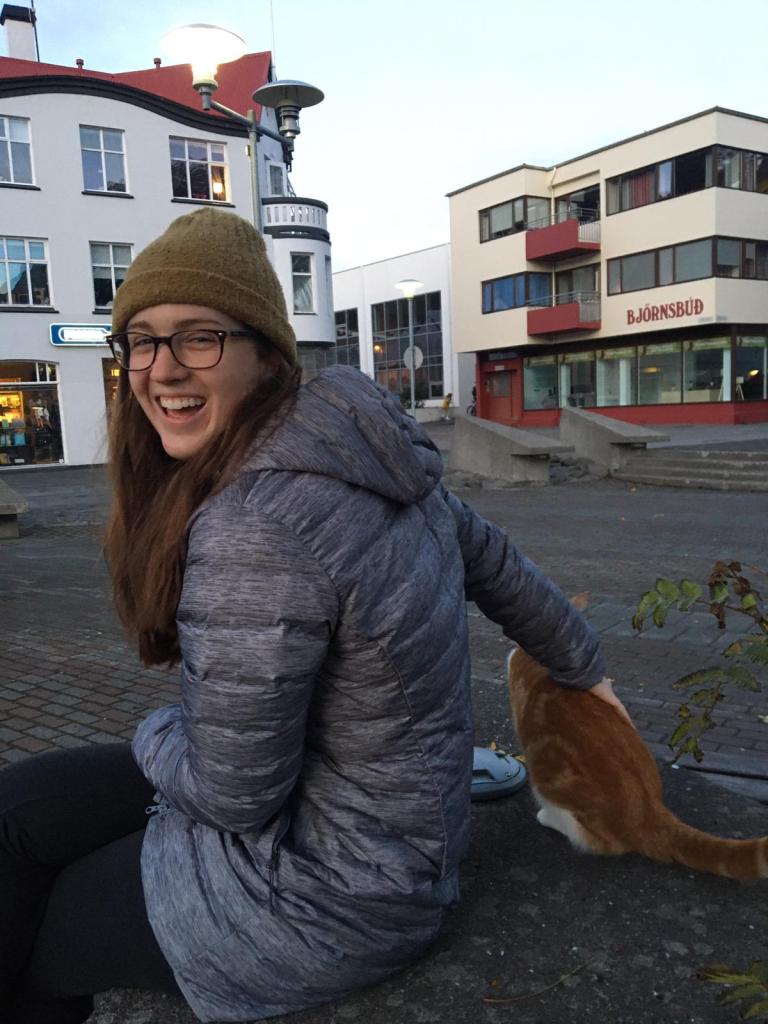
Cat break! There were loads of cats in town. We would buy cat food and sit and wait for them to flock to us.

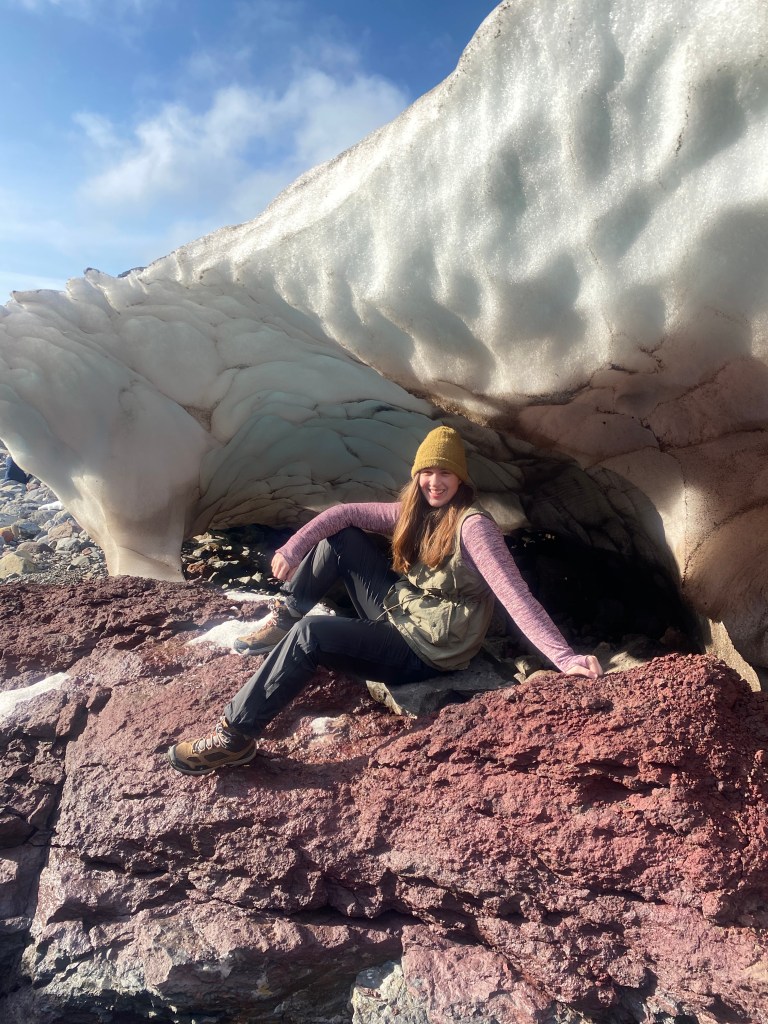
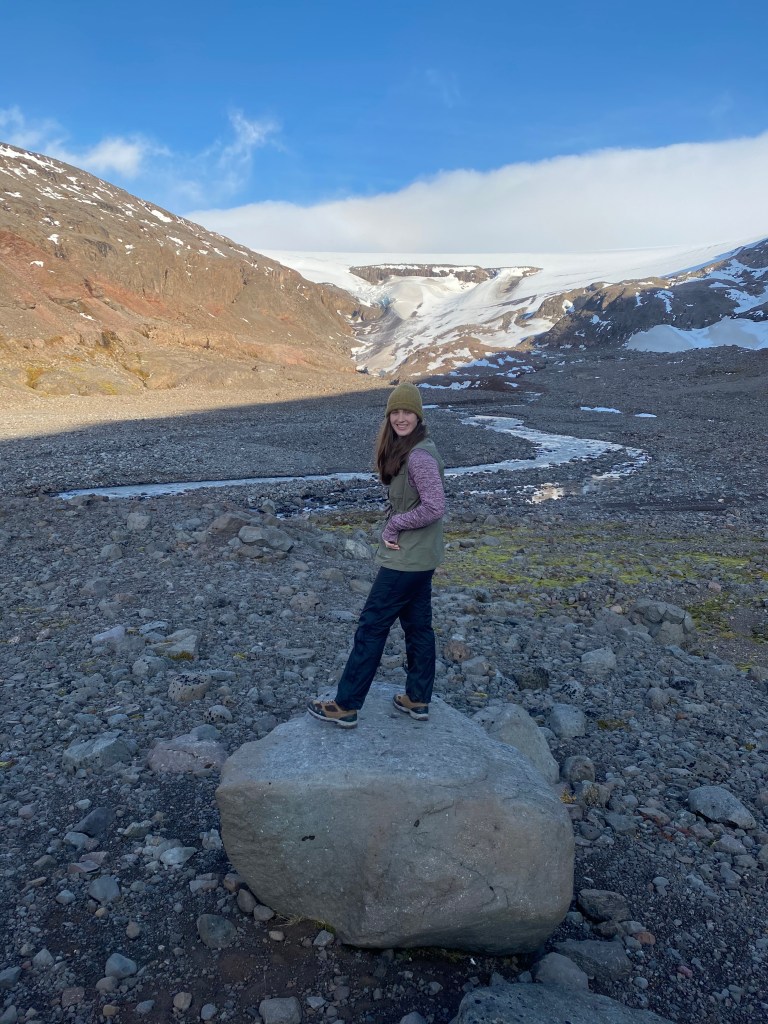
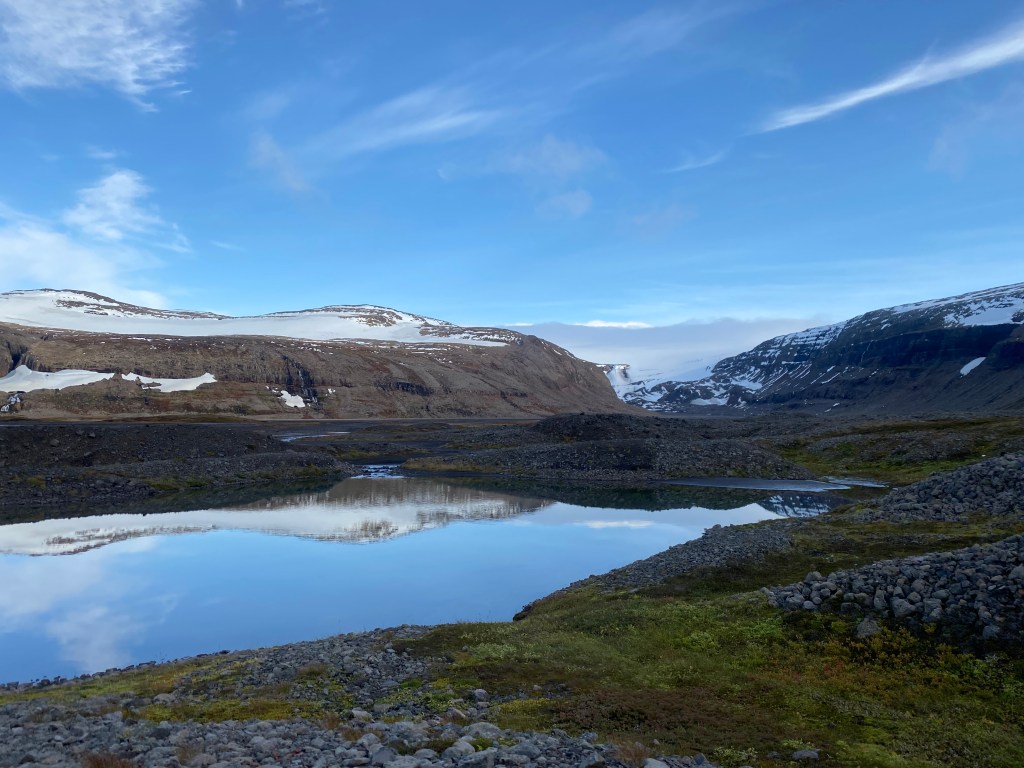
On October 5th, we took a field trip to the northernmost glacier in Iceland, Drangajökull. I dressed like I was going to visit a glacier, and was surprised to find myself sweating like it was a spring day. We all ended up shedding multiple layers.
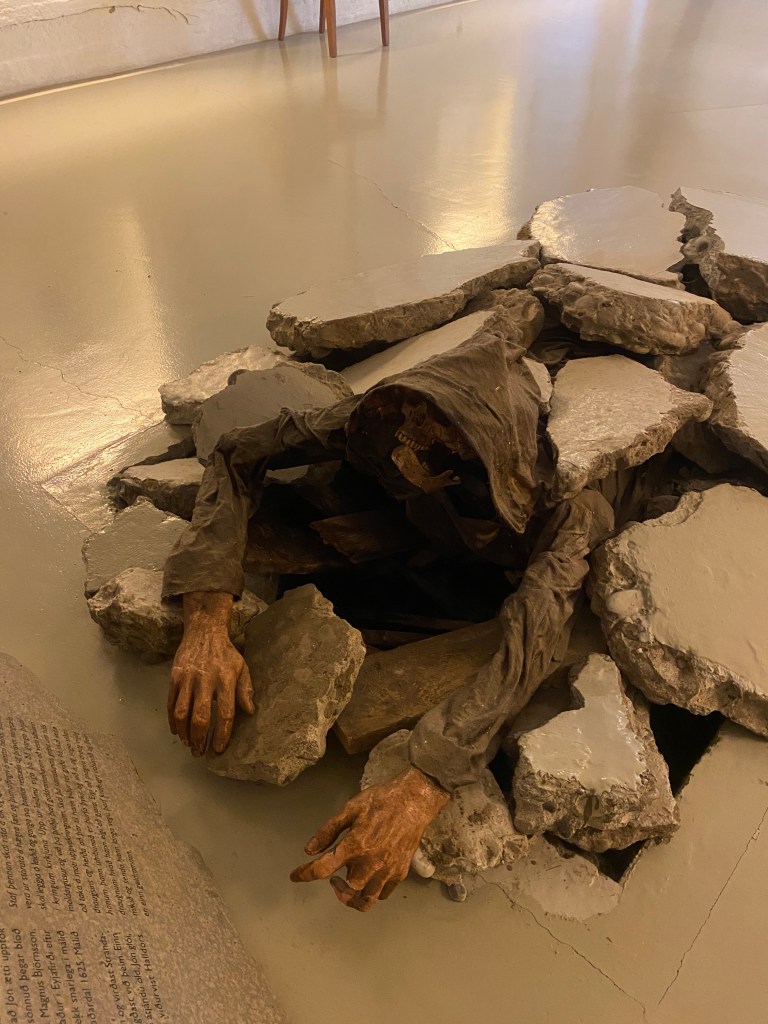
On October 9th, we started to head towards Husavik, stopping along the way at the very interesting Museum of Sorcery and Witchcraft in Hólmavík, where I finally laid eyes on some replica necropants (not pictured here because I do not wish to get flagged for nudity, follow this link if you are intrigued).

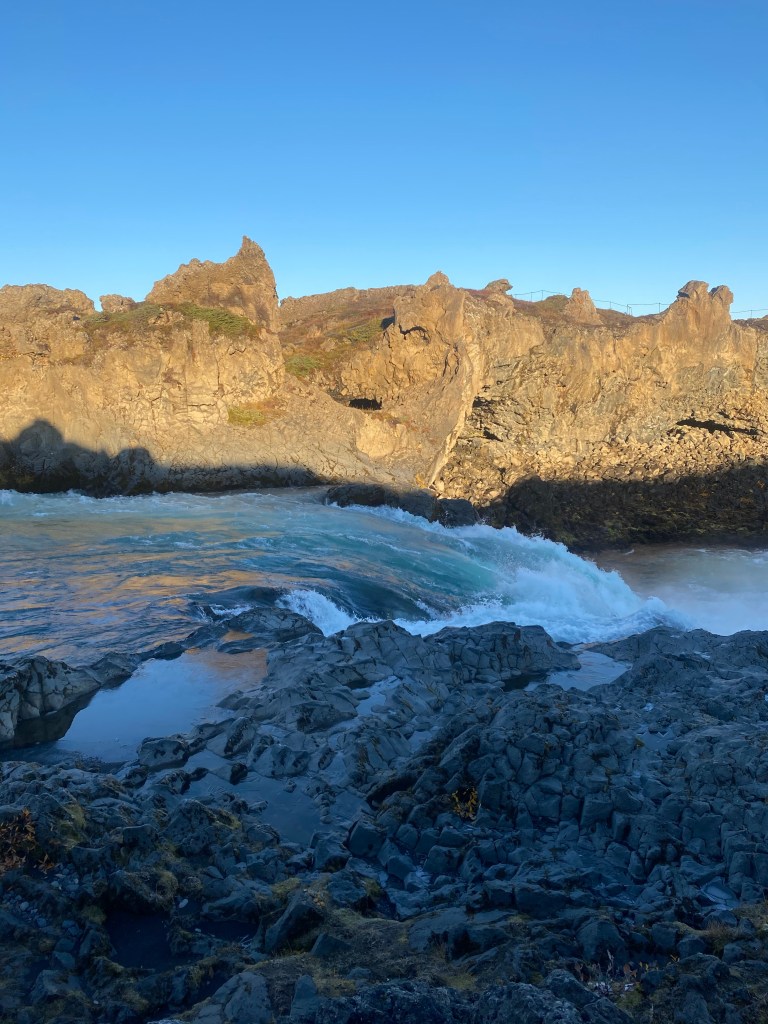
On the trek to Husavik, we spent the night in Akureyri, and on the morning of October 10th we stopped at the Goðafoss waterfall and Botnstjörn in Vatnajökull National Park
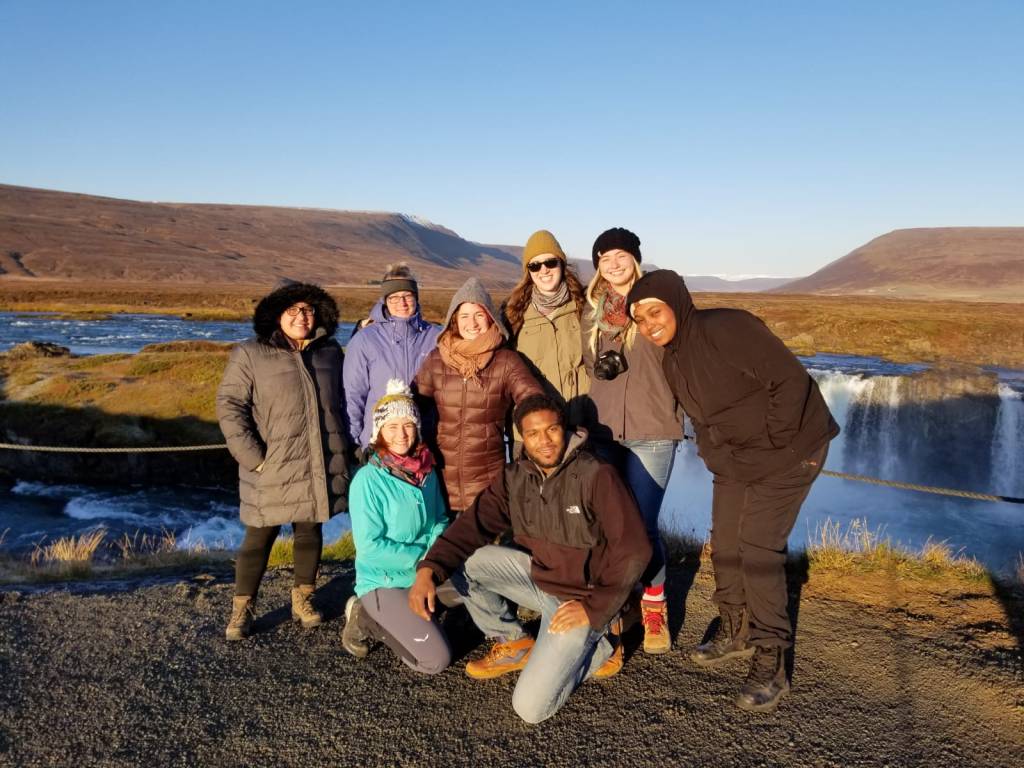
The crew at Goðafoss

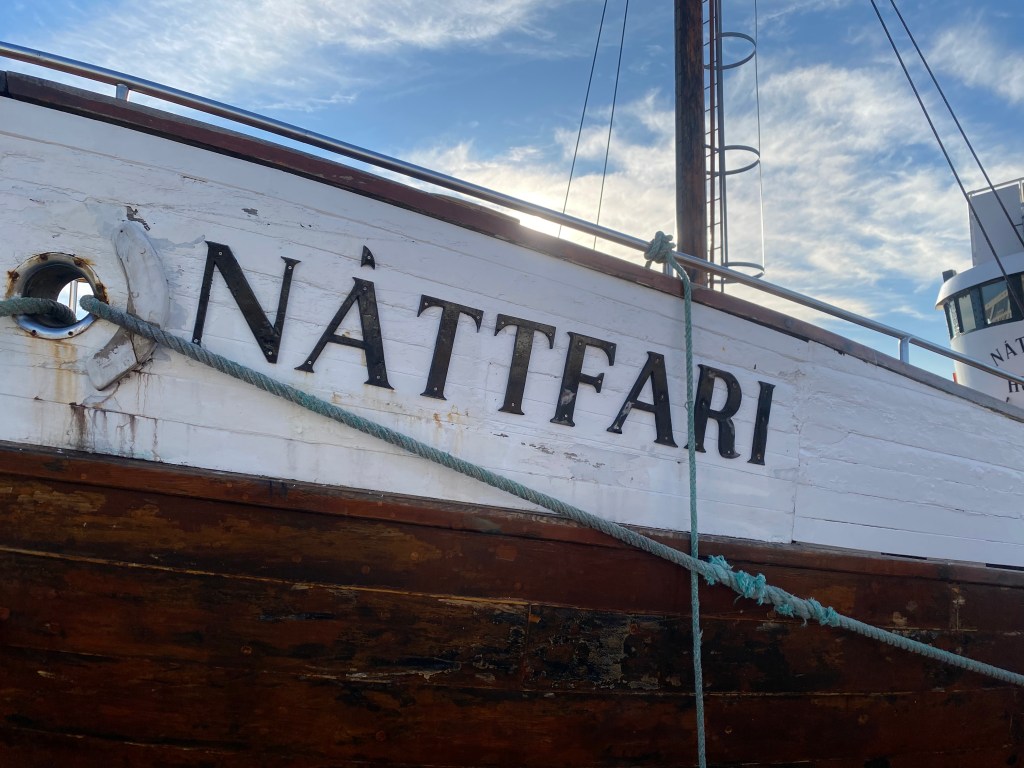
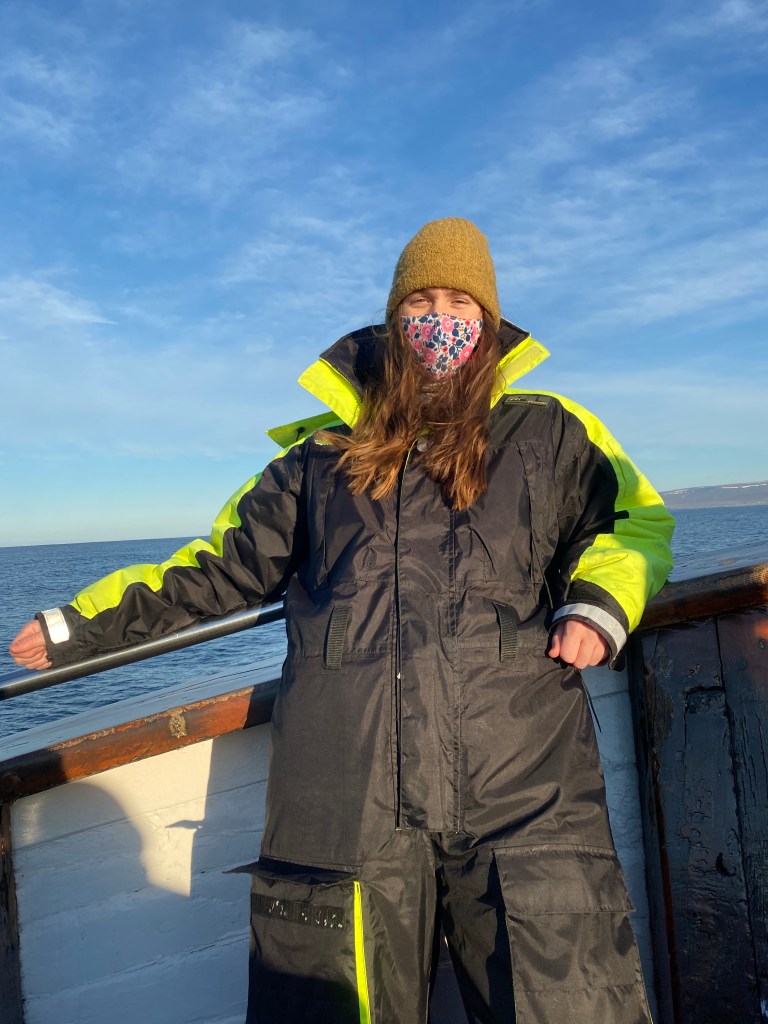
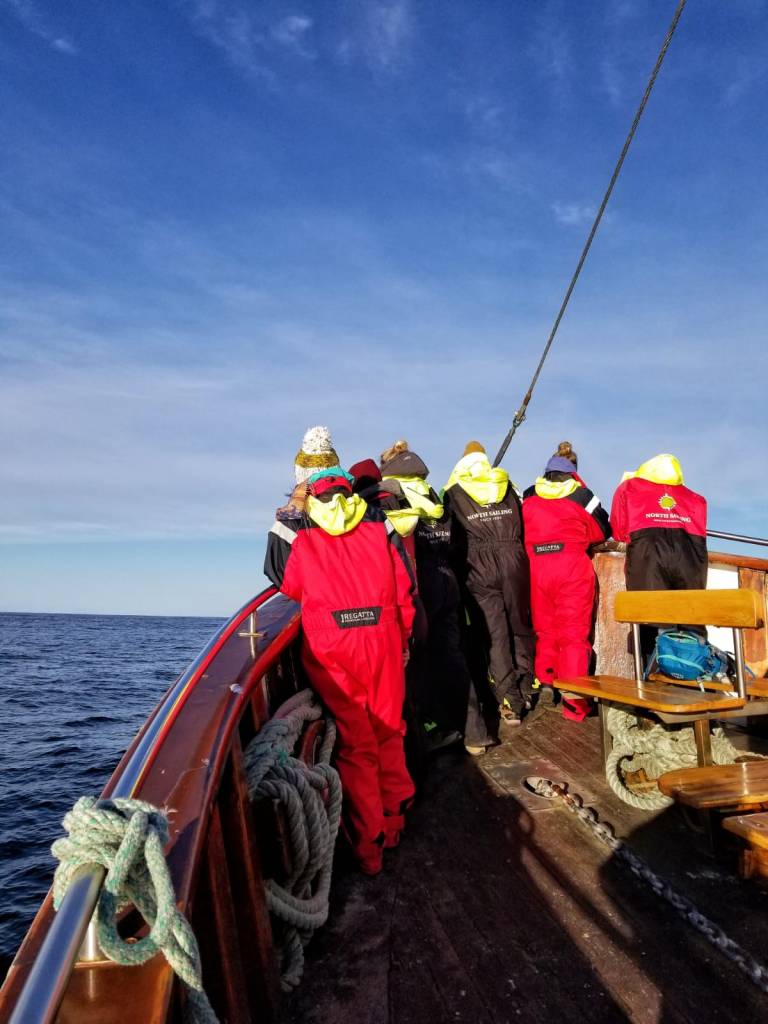
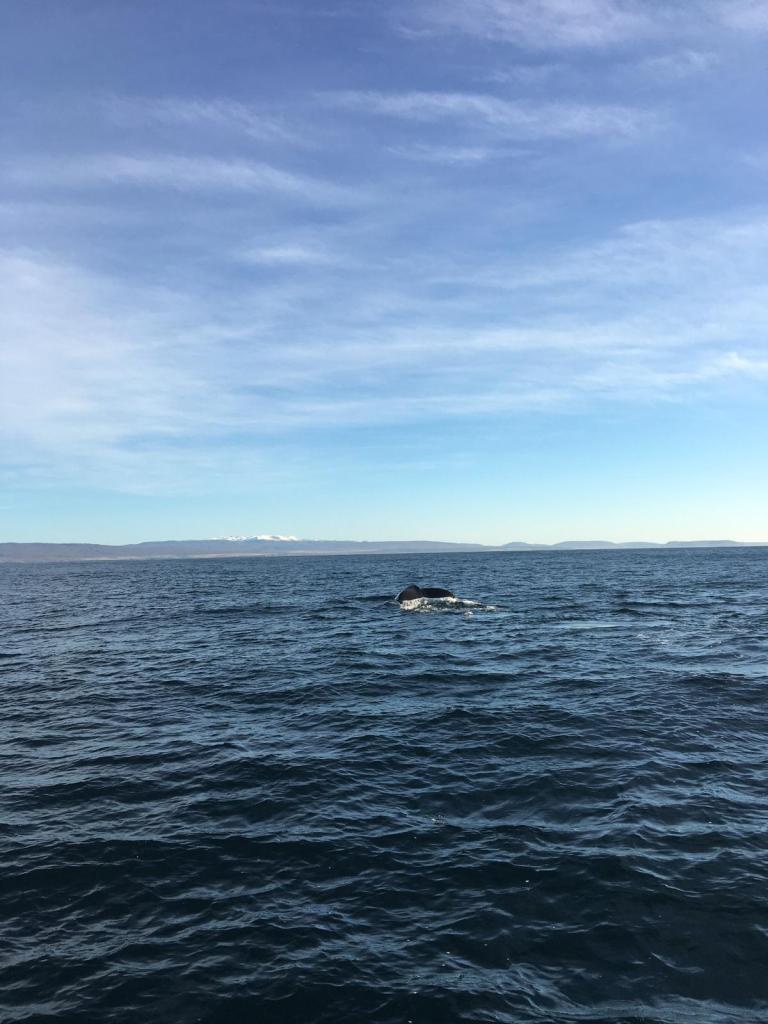
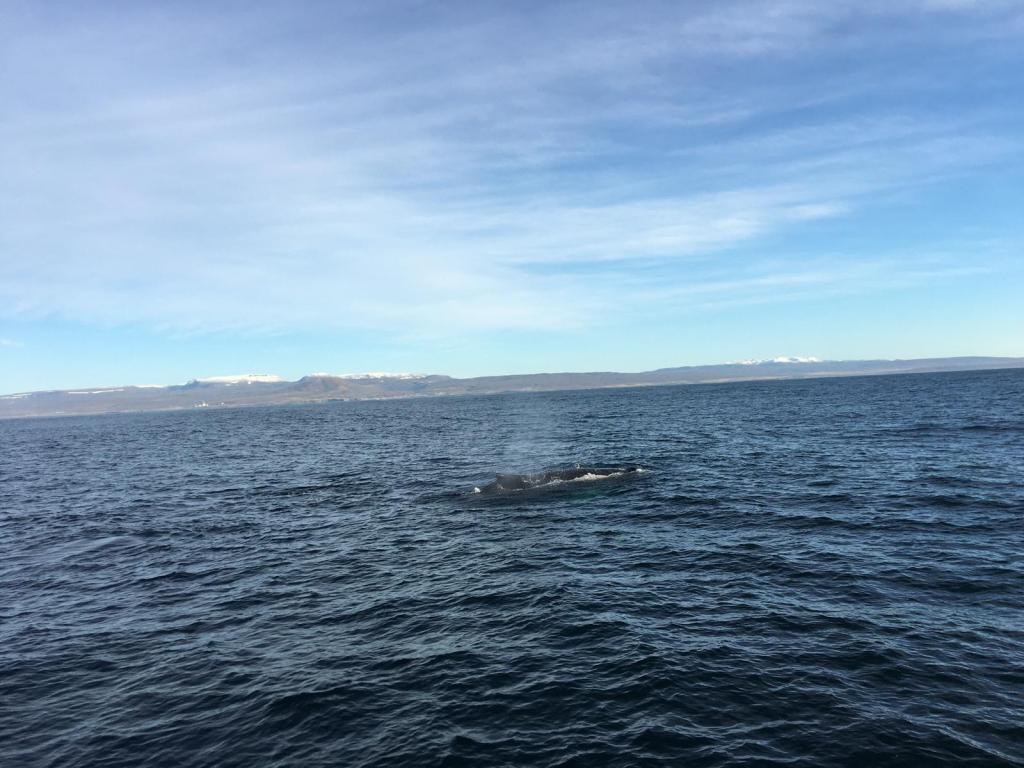
In the afternoon, we went whale watching. I cried, we saw so many whales and dolphins.
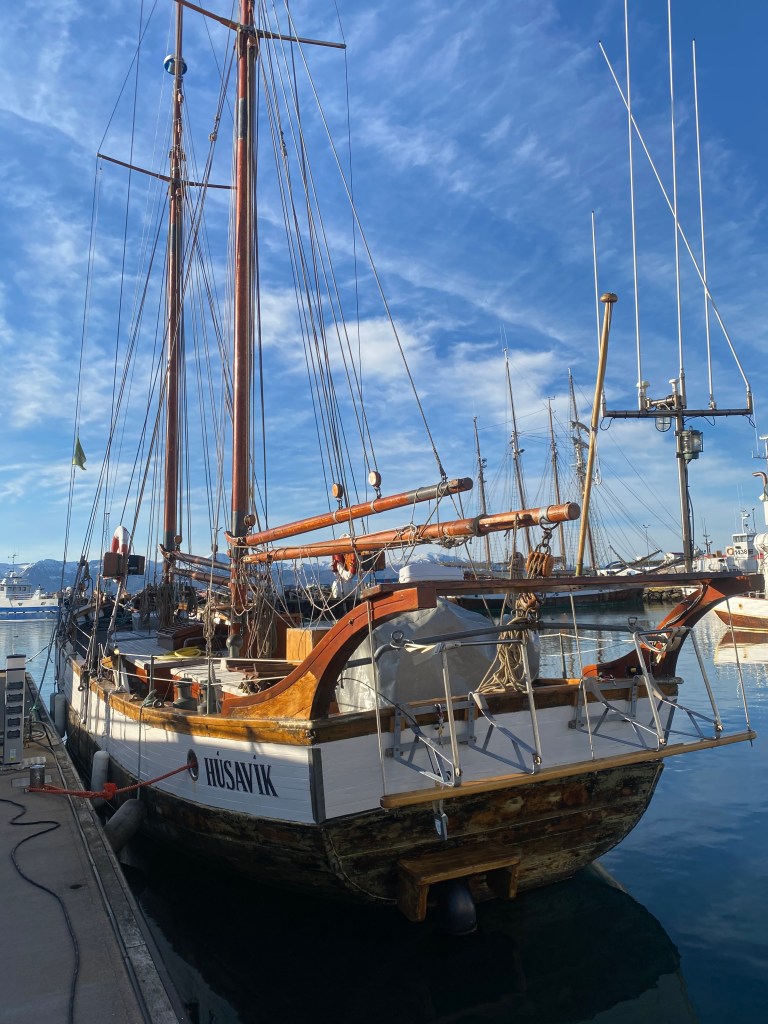
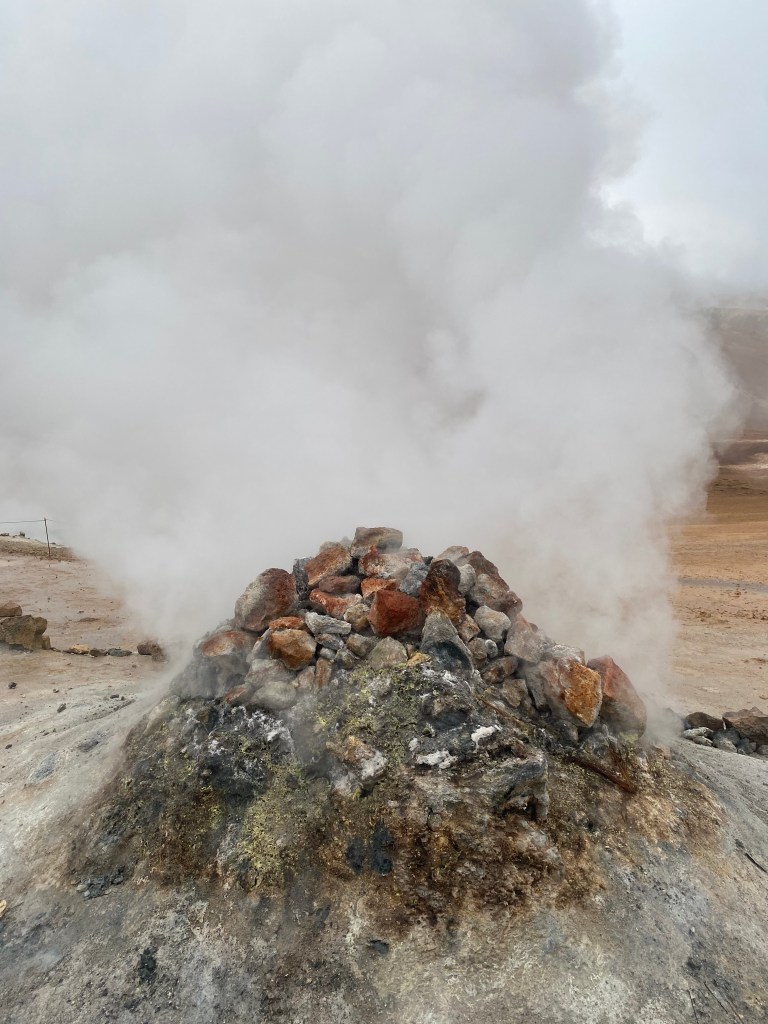
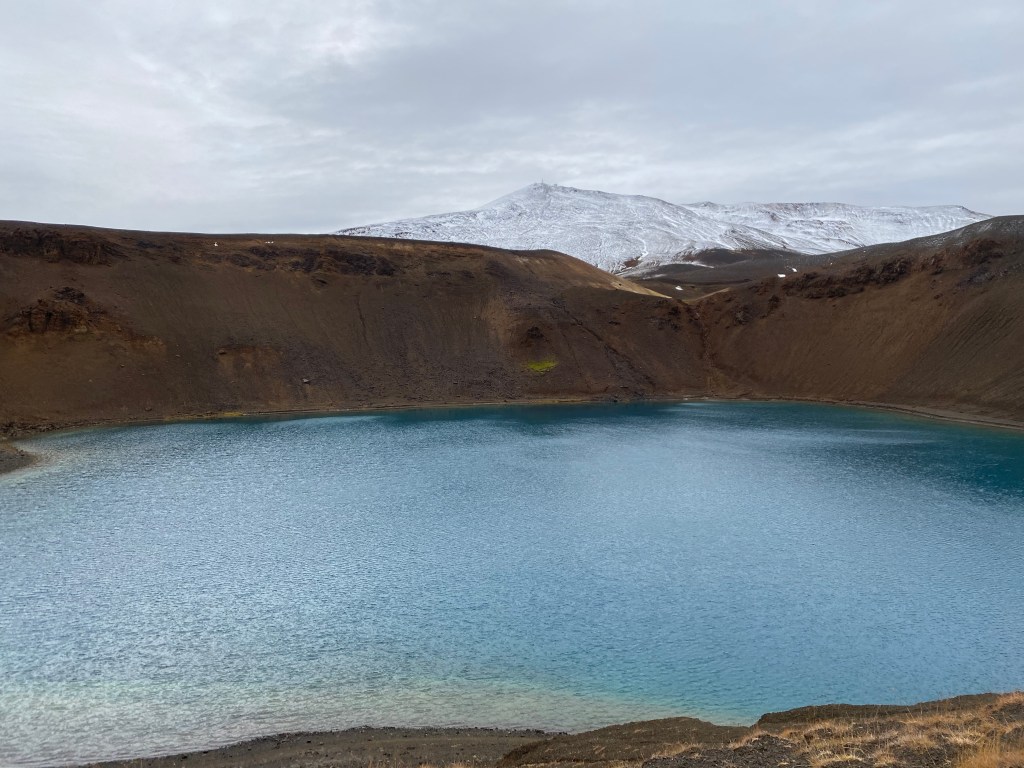
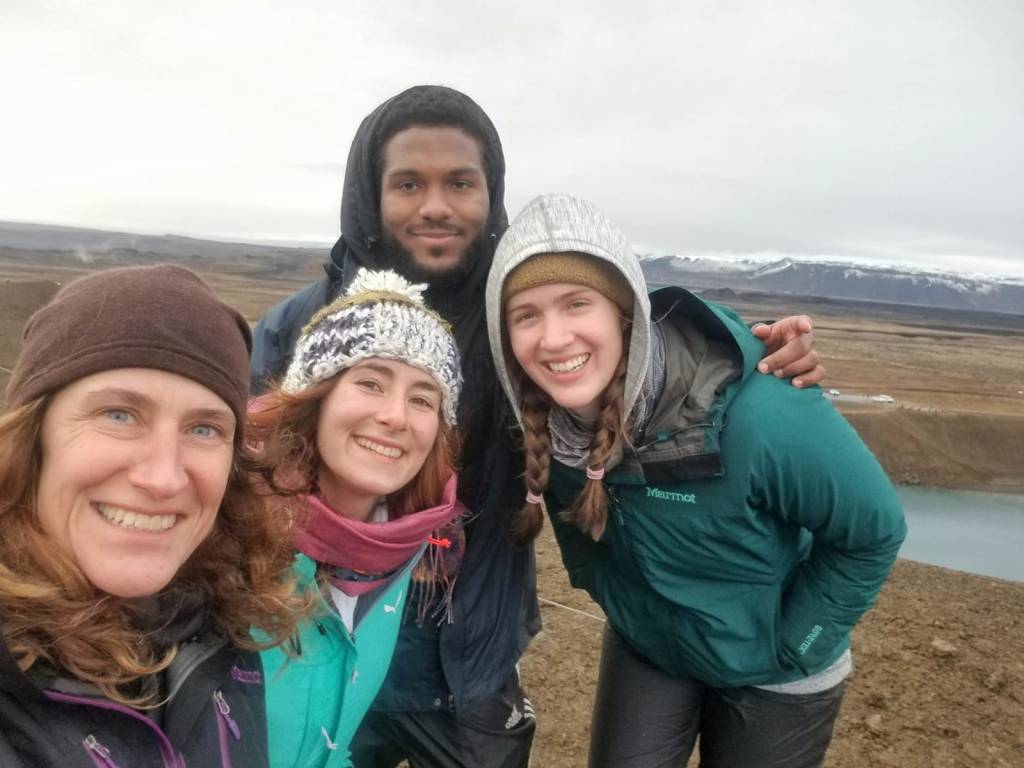
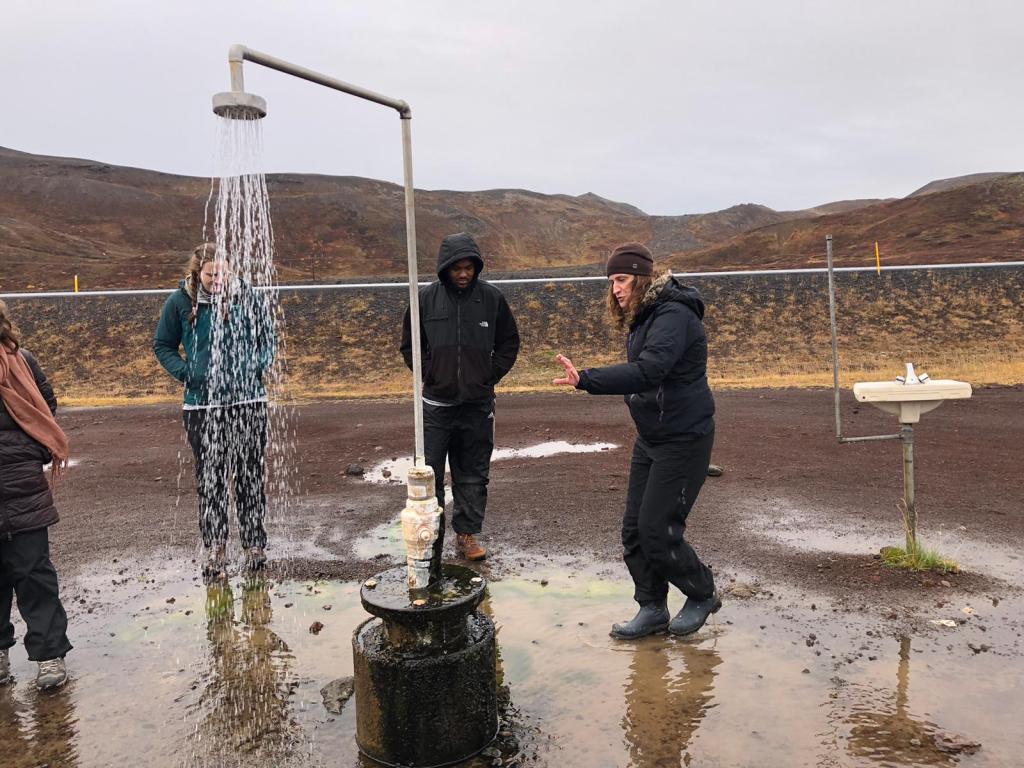
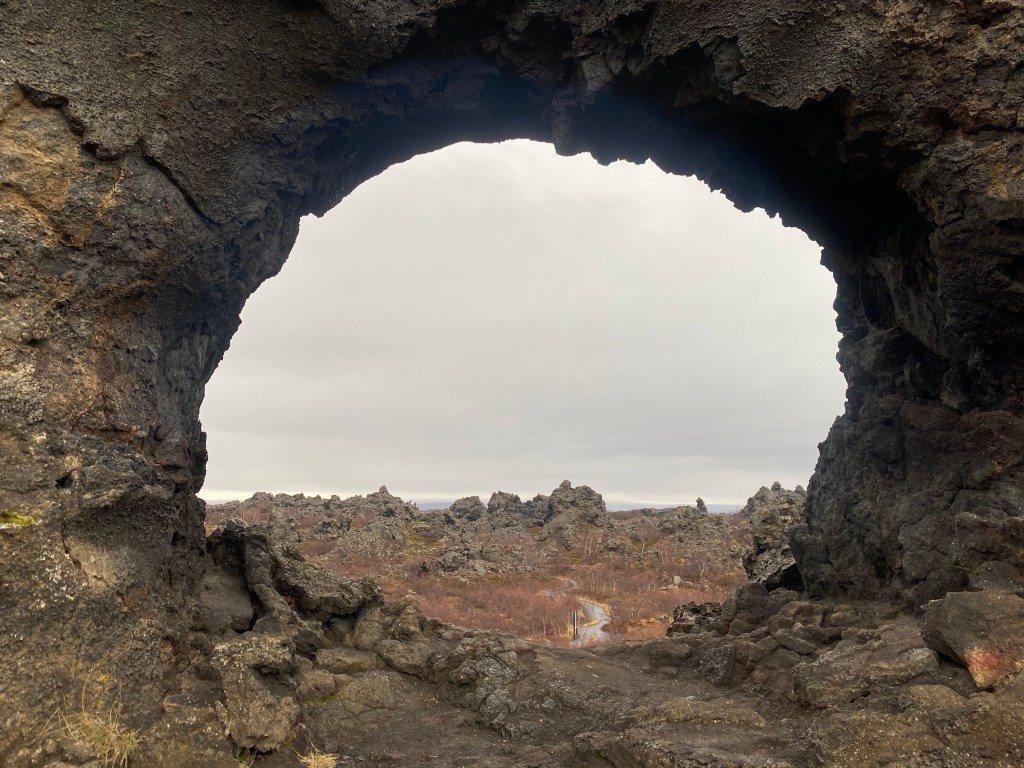
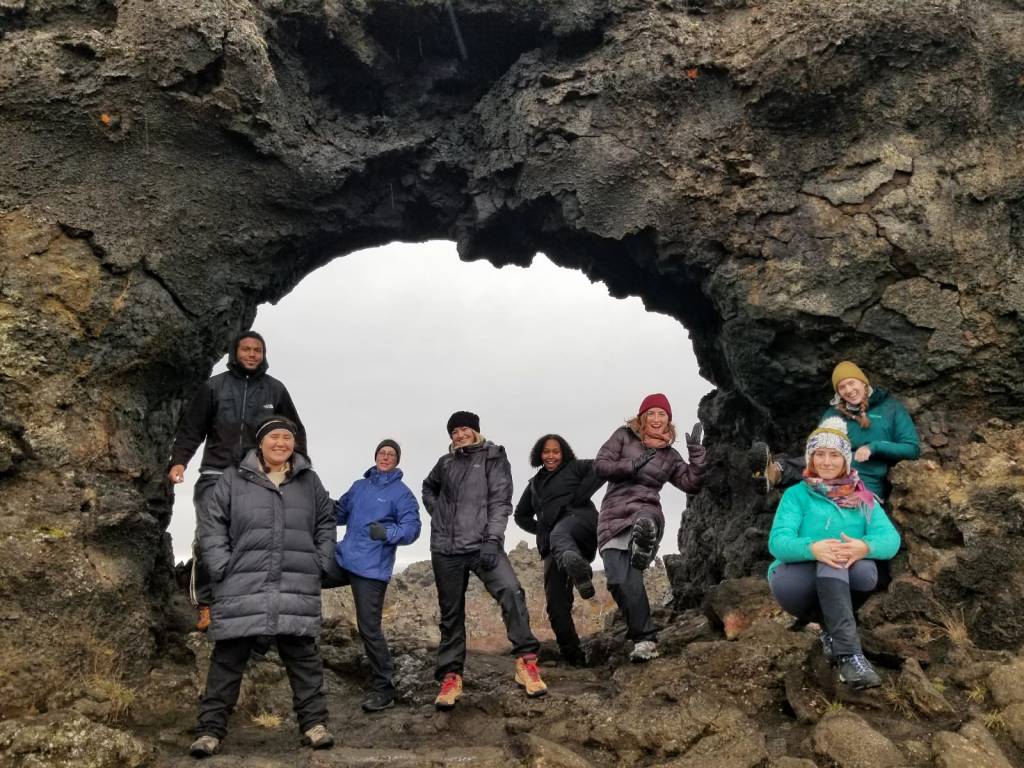
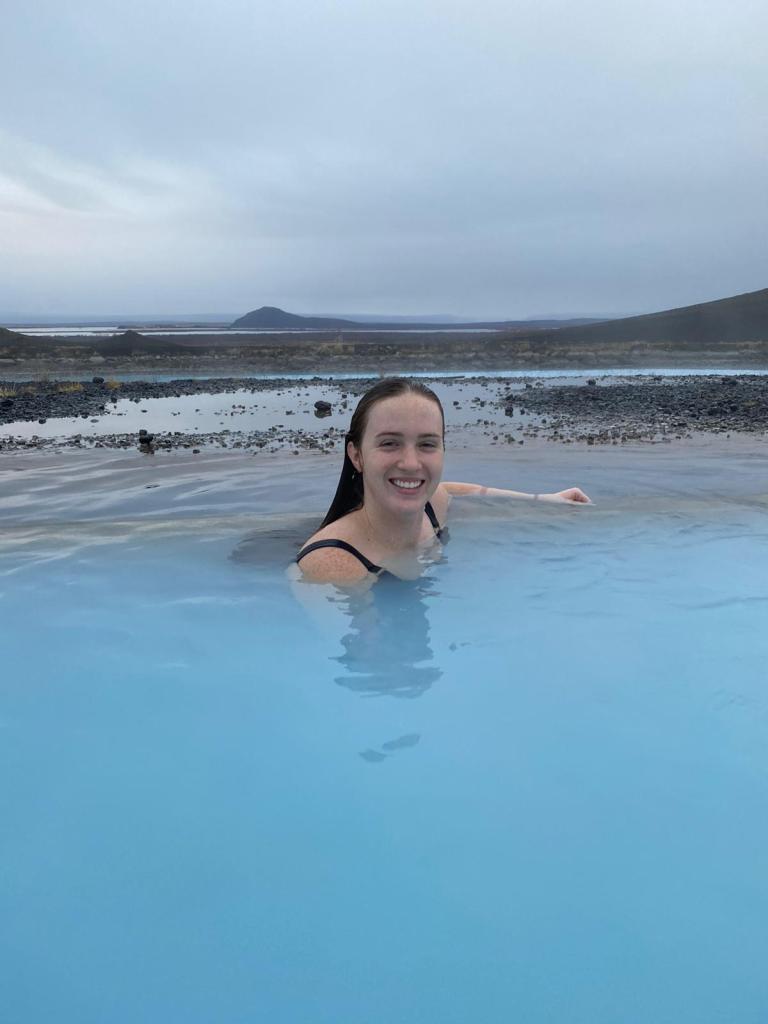
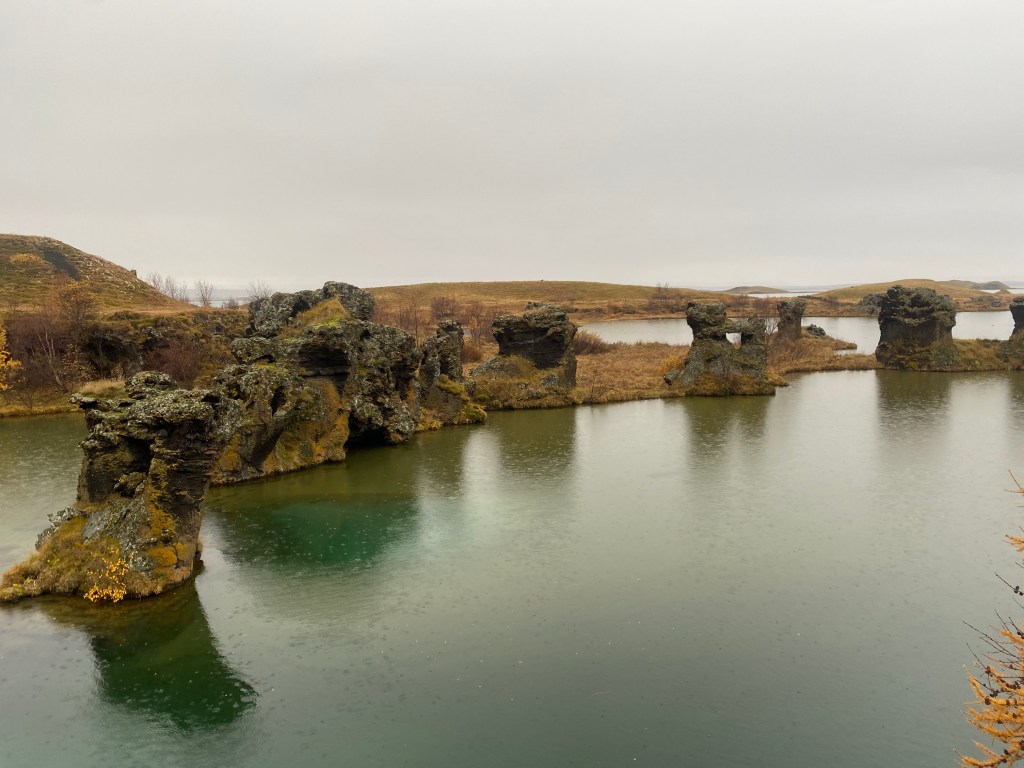
We did some more sight seeing around Husavik. Including Lake Mývatn and Mývatn Nature Baths, geothermal areas, Víti (an explosion crater in the Krafla fissure area of North Iceland), Detifoss, and the lava fields of Dimmuborgir.
After Husavik and the surrounding adventures, a few of our group peeled of (myself included) for a quick ring road trip, so brace yourself for a lot more touristy photos. We spent the night in a PRECIOUS cabin in Höfn í Hornafirði, then hit the road.
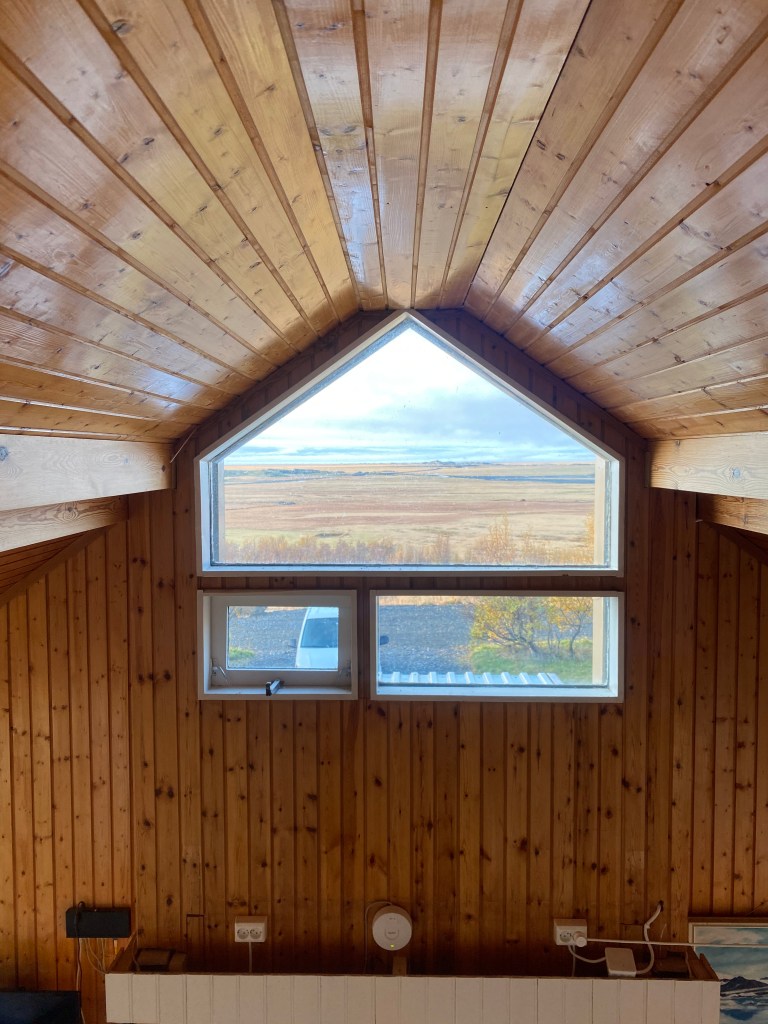
Fagurhólsmýri
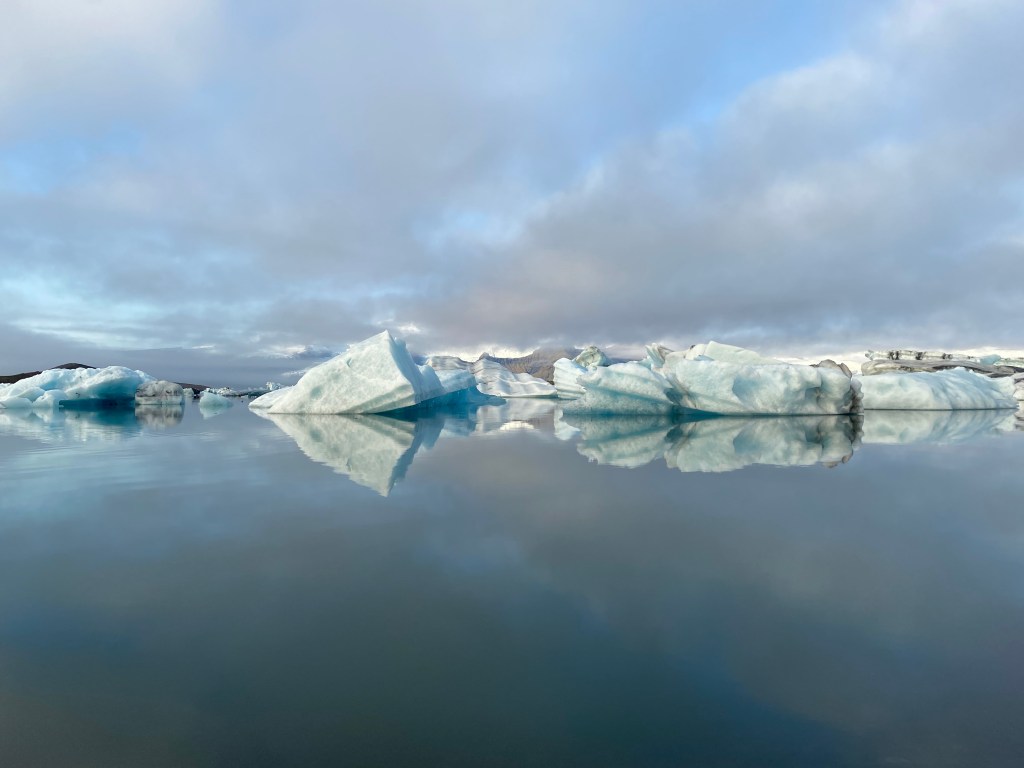
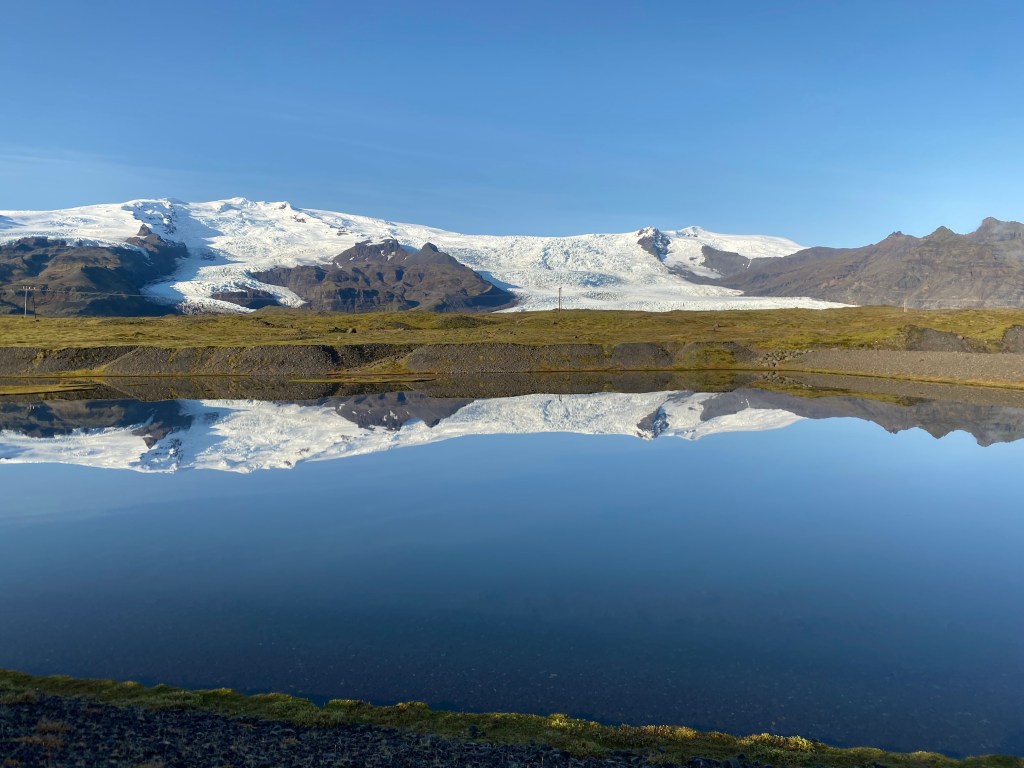
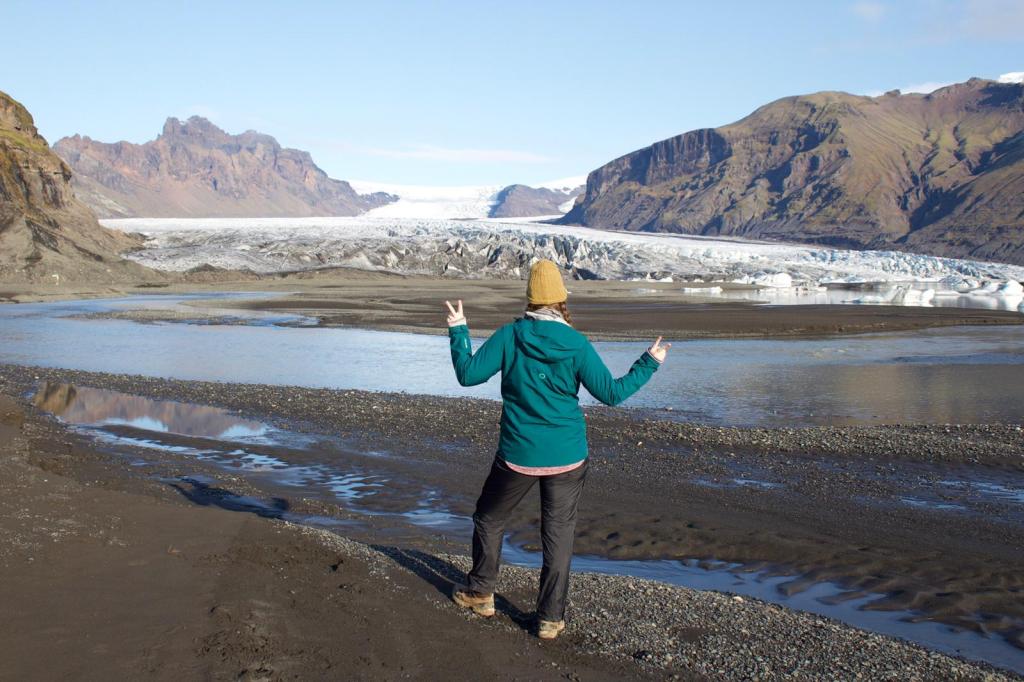
Posing in front of the Vatnajökull Glacier, the largest and most voluminous ice cap in Iceland. Fun fact: I have a photo of myself posing just like this in front of a glacier in the Alps.

Believe it or not, all of the above photos are from one day, October 13th. We stopped a lot on our tour.

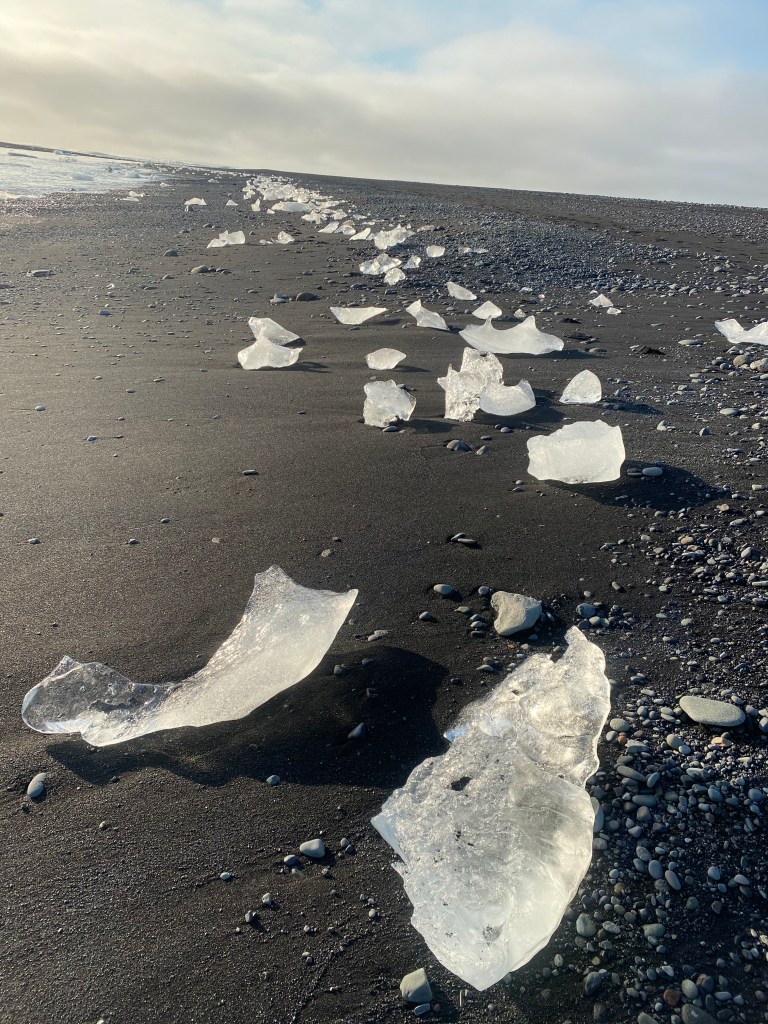
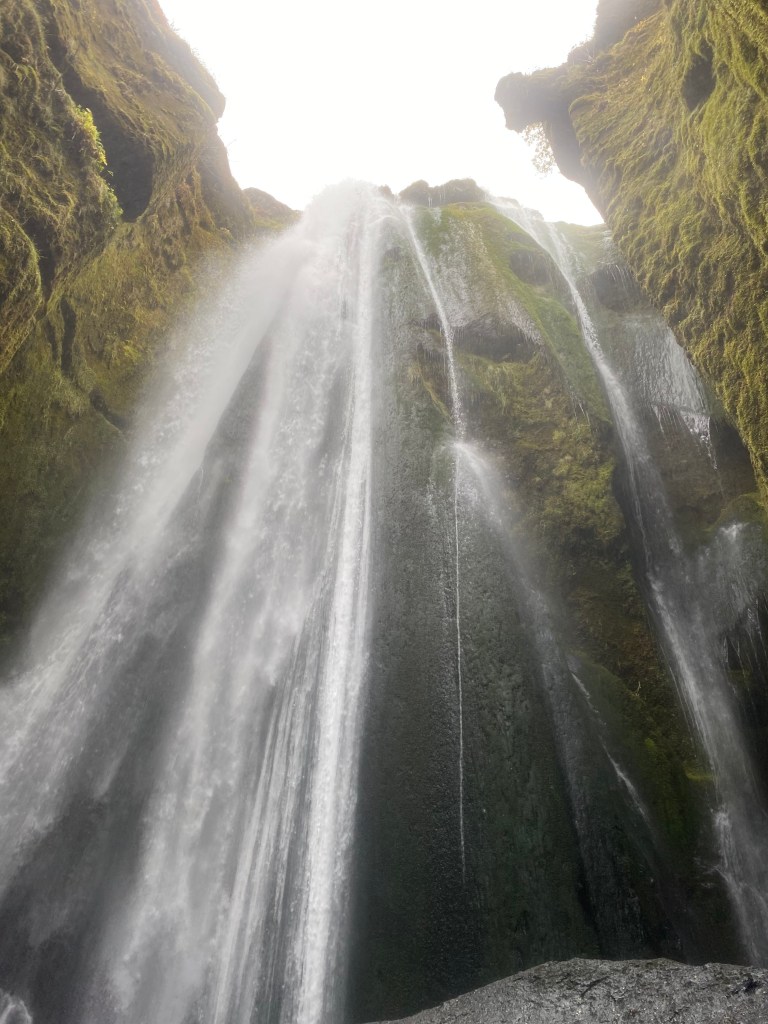
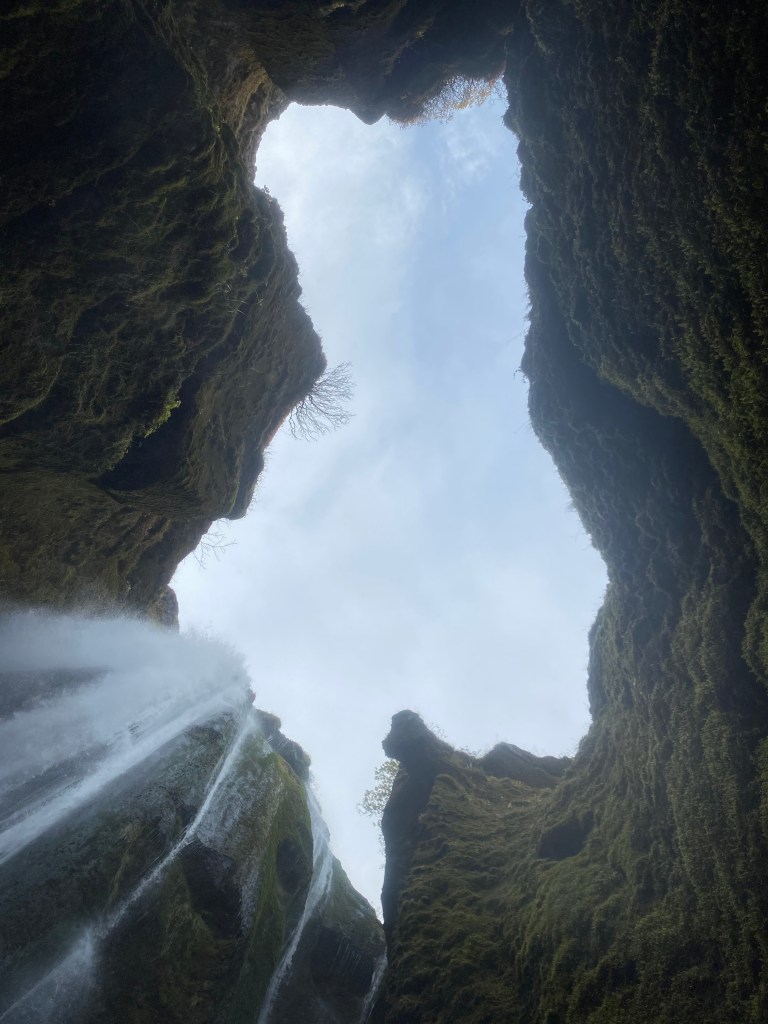
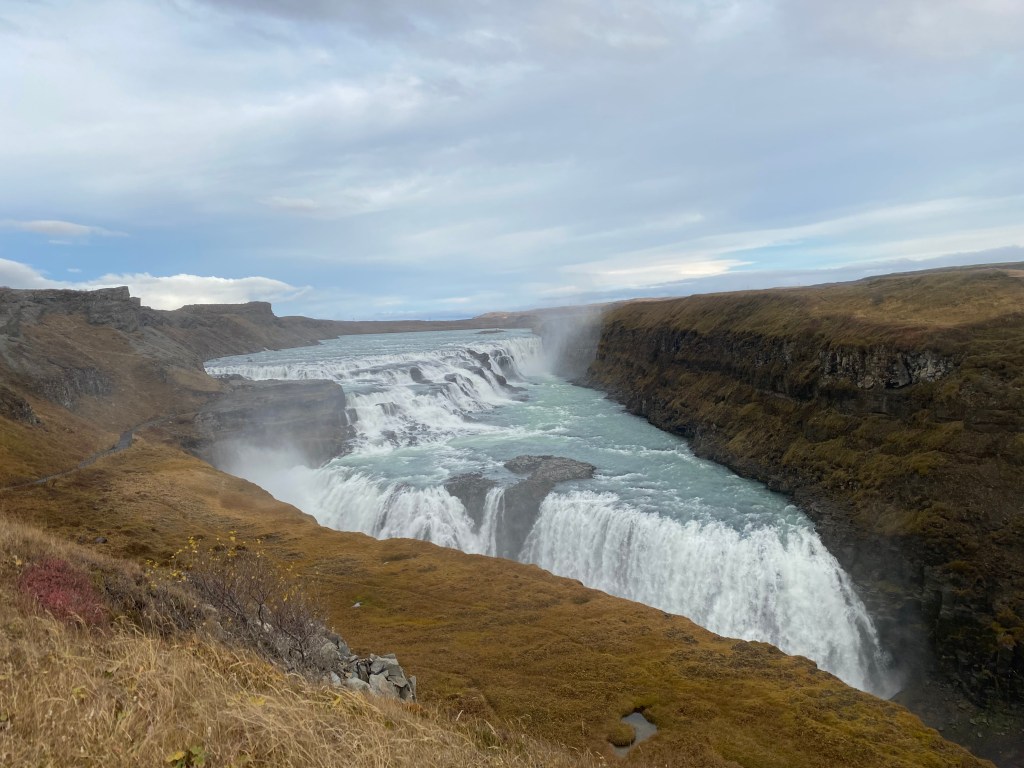
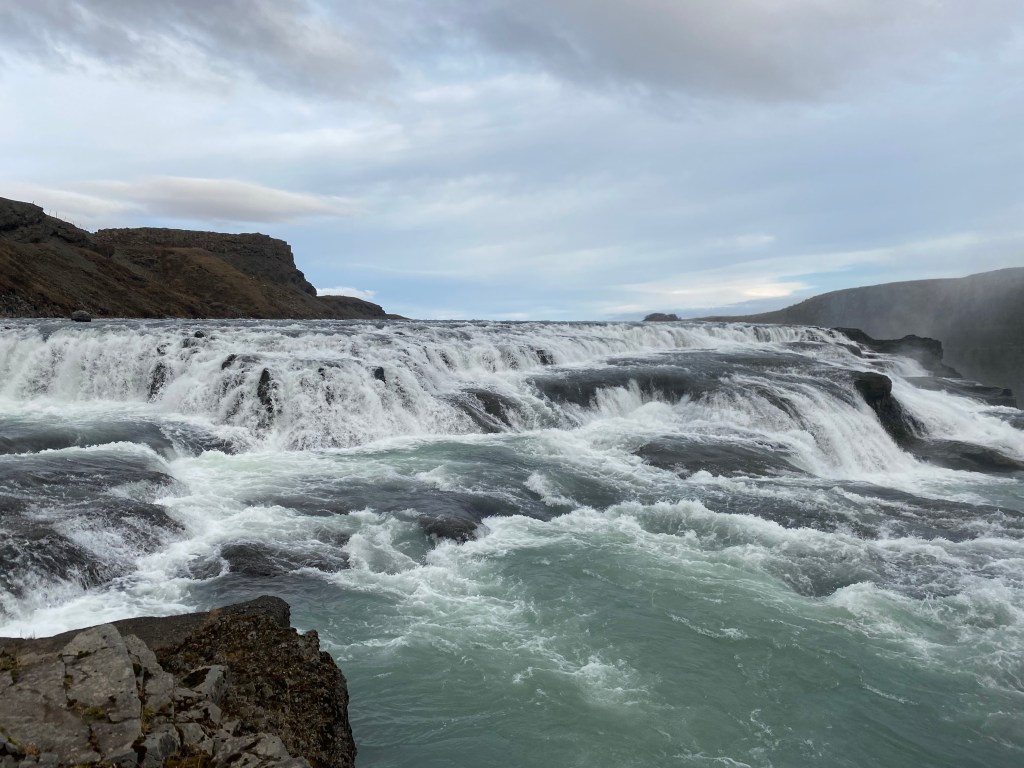
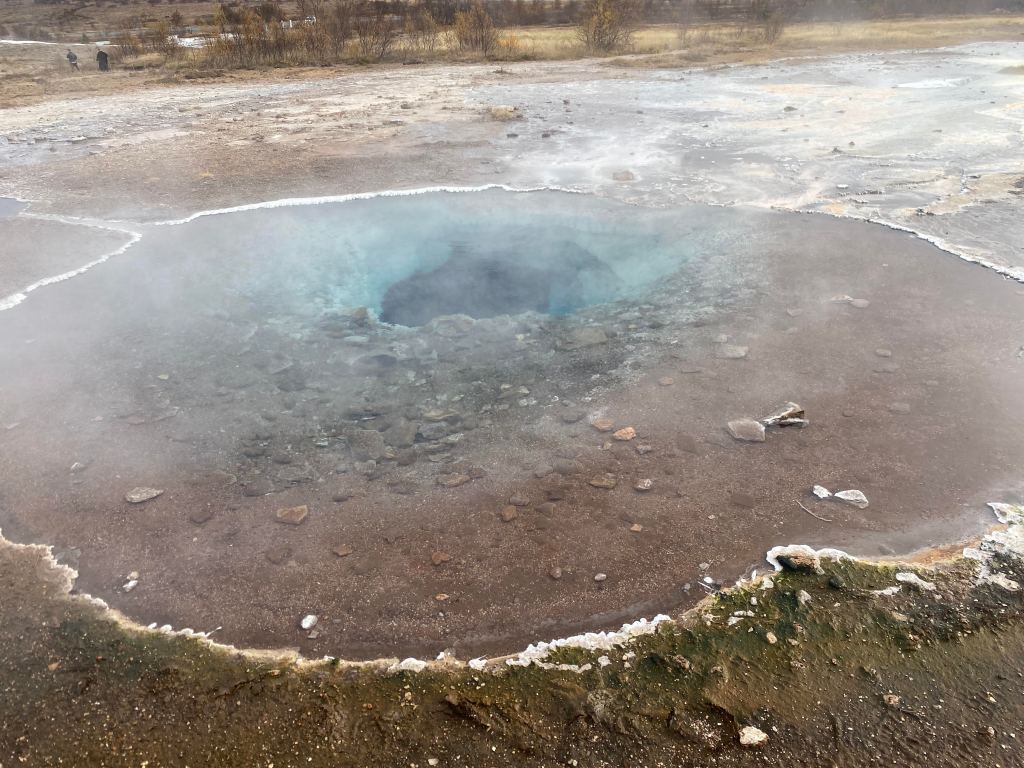
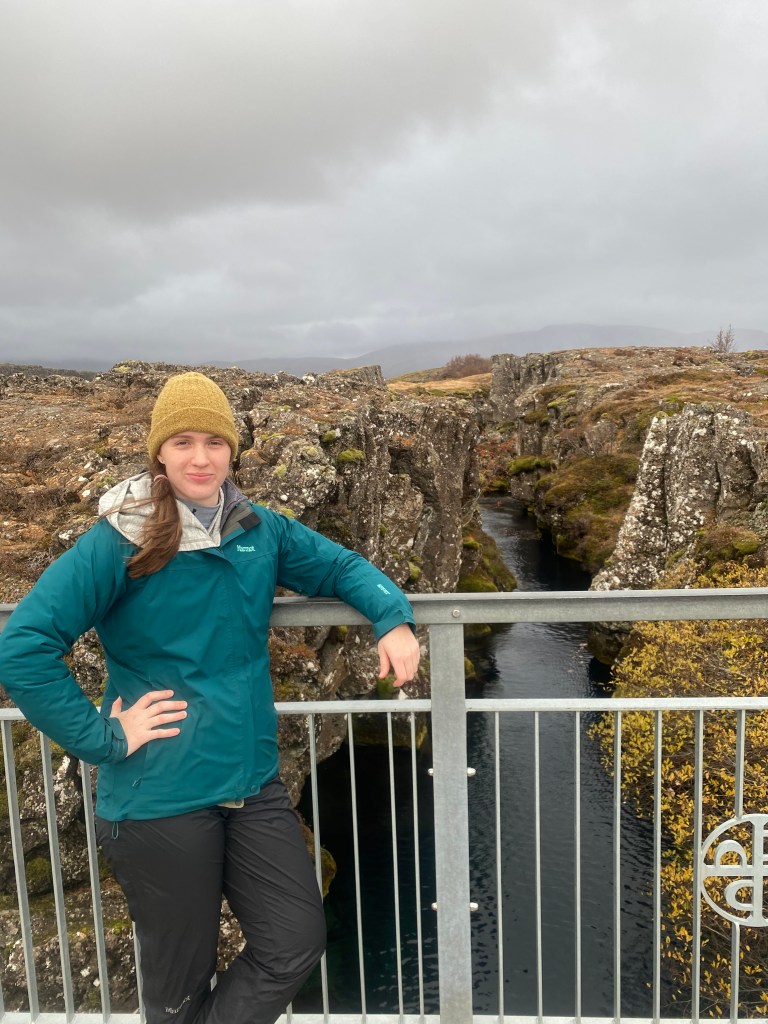
The next day, we hit up a few other highlights including the famous black sand beaches and basalt columns of Reynisfjara (watch out for the sneaker waves if you go! I was mega paranoid about that and we always had someone watching the water while we took photos). We saw a TON of waterfalls on this trip, but for me Gljúfrabúi took the cake. It is a waterfall in a gorge, and was absolutely stunning. On that same day, we say Gullfoss, a geothermal park with geysers, and the stunning Þingvellir National Park. Some cool facts about this park: The Alþingi (Iceland’s parliament) was founded there around 930, and was active for 868 years or until 1798 and that makes it the oldest operating parliament in the world! Þingvellir means “Assembly Plains”, which a fitting name considering the historical significance. As if that isn’t cool enough, it is also home to the Almannagjá Gorge, or the North-American and Eurasian continental plate divide. And I got to stand on it. Heck yeah.

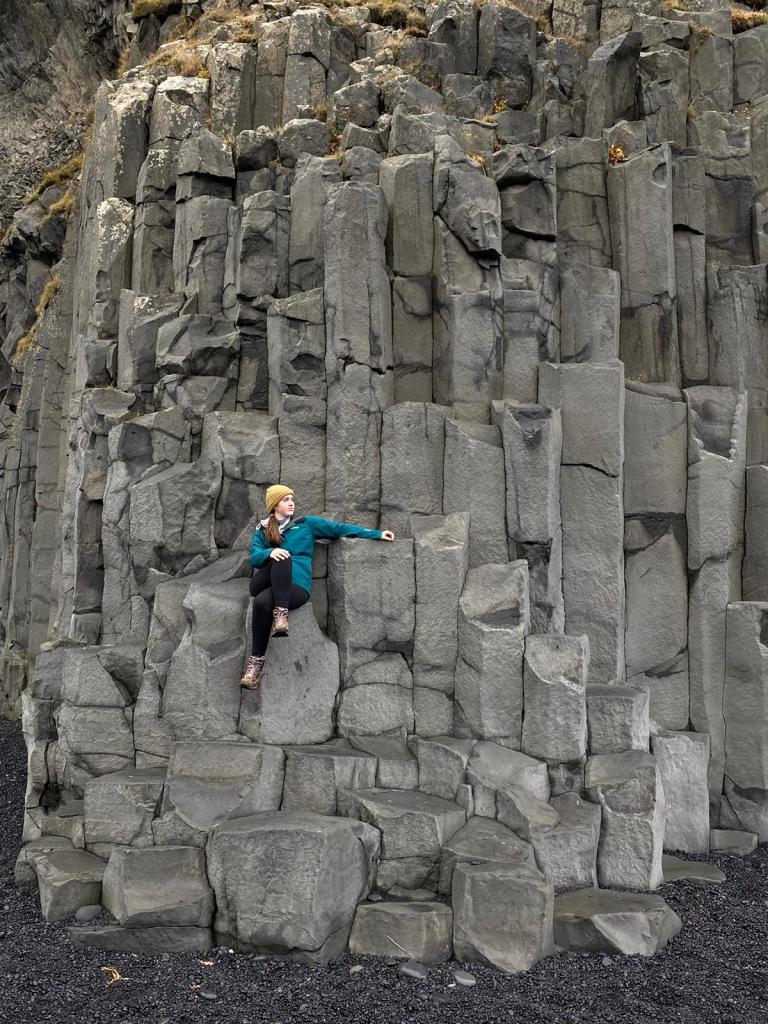
Looking back on my photos from my trip around Iceland, I can’t believe the timing. It was very difficult to get into the country due to COVID travel restrictions, but we had incredibly popular tourist destinations all to ourselves. A blessing and a curse. If you are lucky enough to explore Iceland on one of the ring roads, I recommend a good set of waterproof hiking boots (and rain pants and jacket depending on the season). I also recommend getting a cooler and packing food from the grocery store. You’ll save time and money, and get to see more sights if you can eat on the go.

After that trip, we were pretty wiped. Here is a collection of photos from October 23rd – 31st.
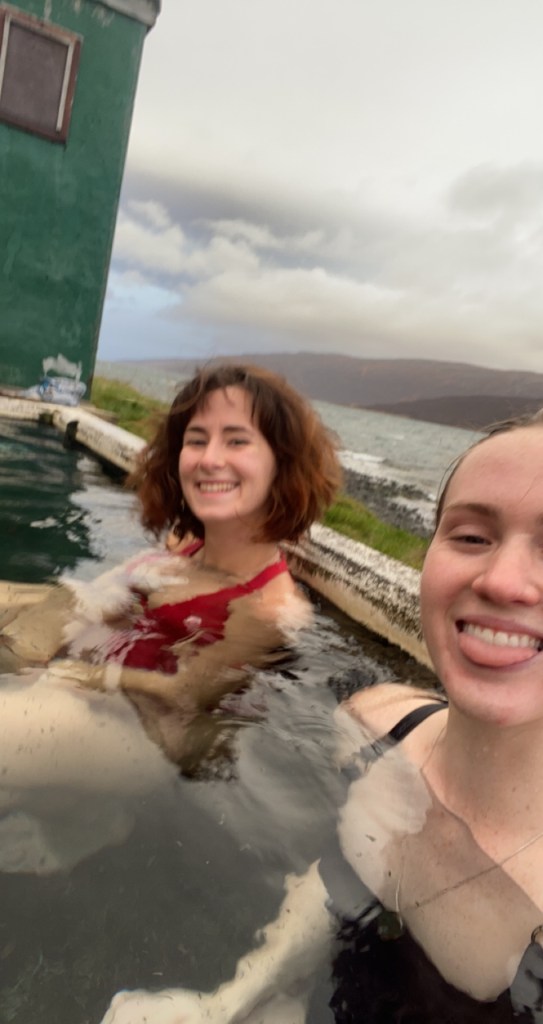
Once we hit November, it really started to get cold and dark. Days got quite short by the end of our stay. In early November, Ísafjörður has about 8 hrs of daylight. That decreases by 90 minutes every two weeks. In December, day length is 4-5 hrs. It makes you really appreciate the hot pots and happy lights! I brought a happy light in preparation (although it made me quit nauseous) and we took daily supplements, but I know folks still started to feel funky by this point. Here are some photos from November 3rd- 6th in Ísafjörður!

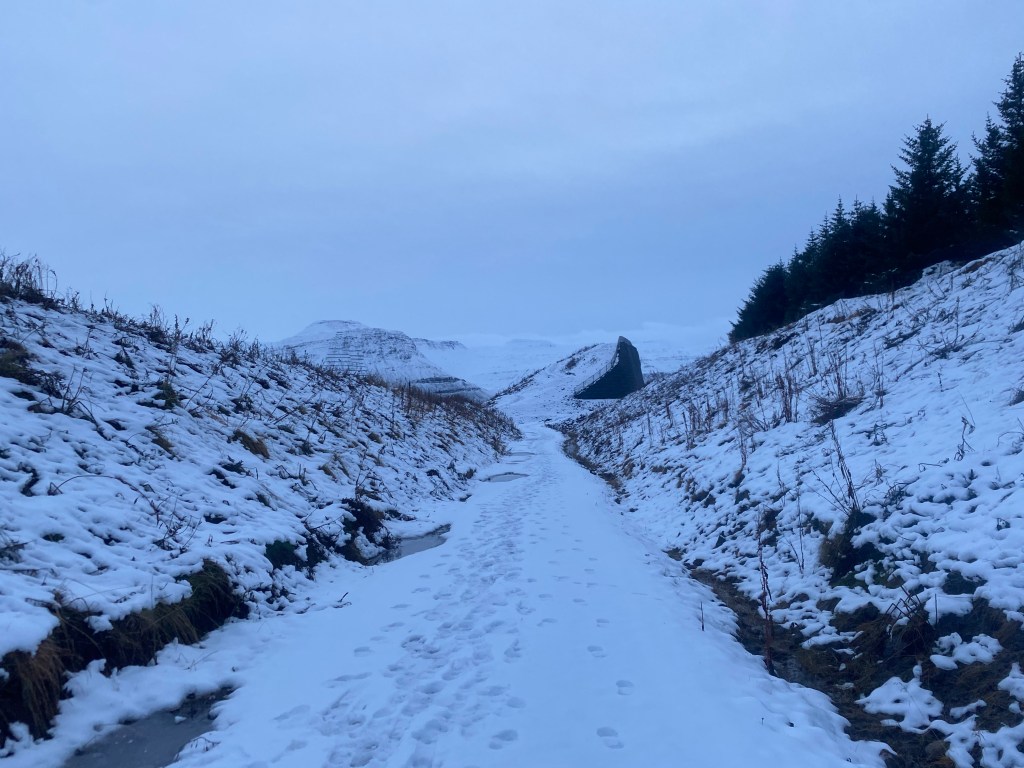
By mid November, it was time for us to depart! We finally headed to Reykjavík, but were pretty limited on sight seeing due to COVID restrictions. A reason to visit again, I suppose!

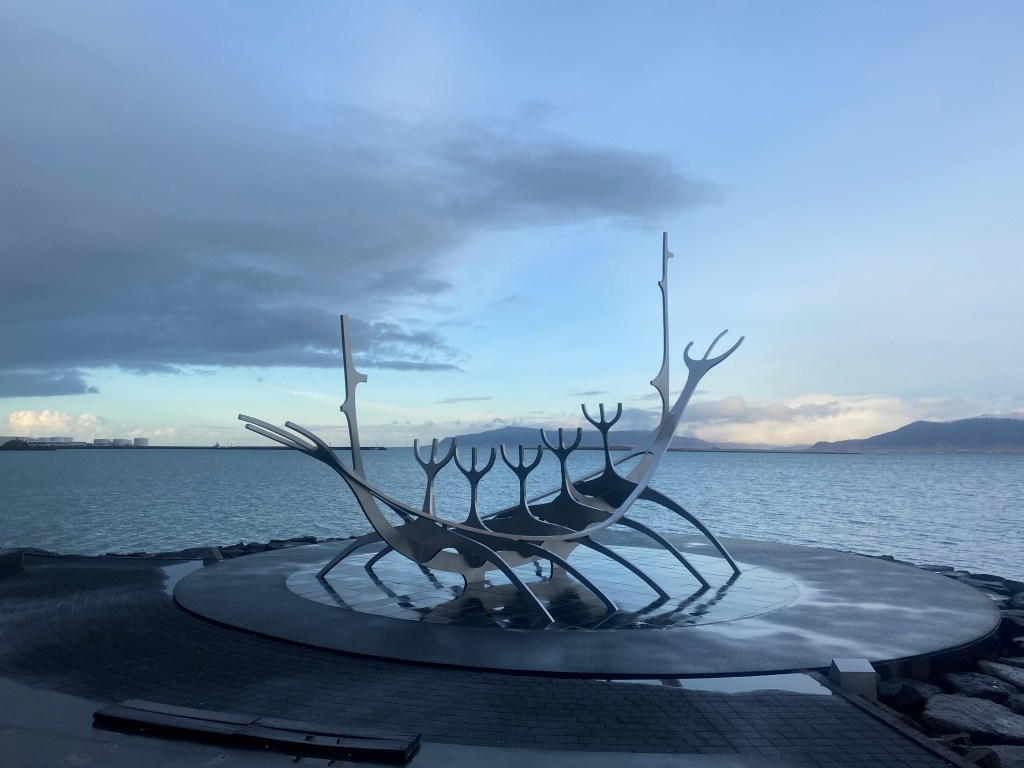
Reykjavík

We flew out on November 11th, but I had the distinct feeling I would be back, hopefully in more normal? times!

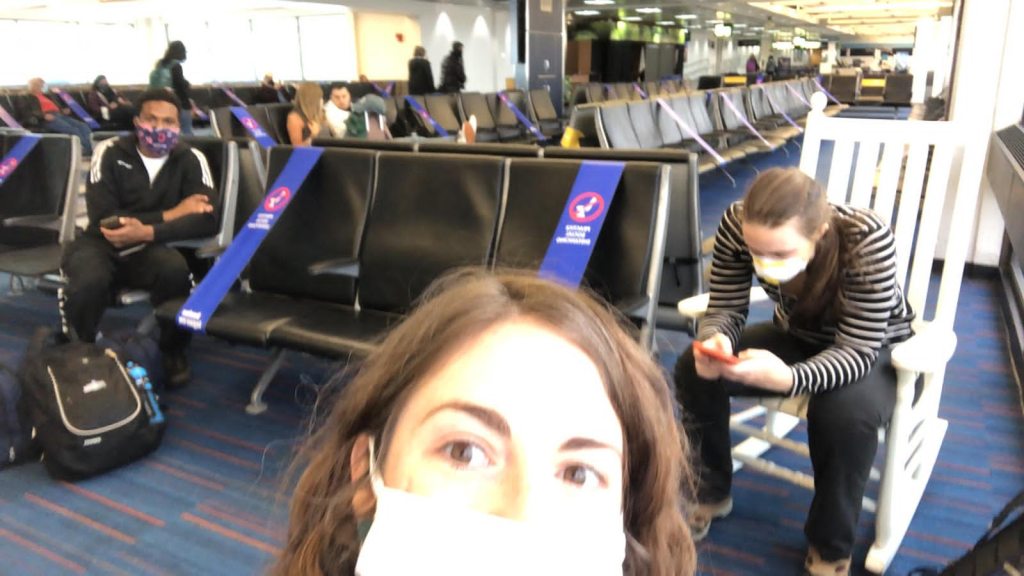
Bonus photo: I arrived home November 12th to that states. Pictured below you can see the reality of graduate school abroad during a global pandemic. It was… interesting!
See you next time, when I finally blog Zanzi, and our bonus time in Kenya! Takk!
Zimbabwe

The last time I blogged, I was job searching and visiting my brother and (not yet) sister-in-law in Guatemala. That was 3 years ago almost exactly. Since then, I moved to Athens, Ohio, where I have lived and worked since February of 2022. I have also traveled here and there. By my reckoning I have a backlog of 5 posts to do after this! But as this is my most recent travel, I thought it was a good place to start in getting caught up.
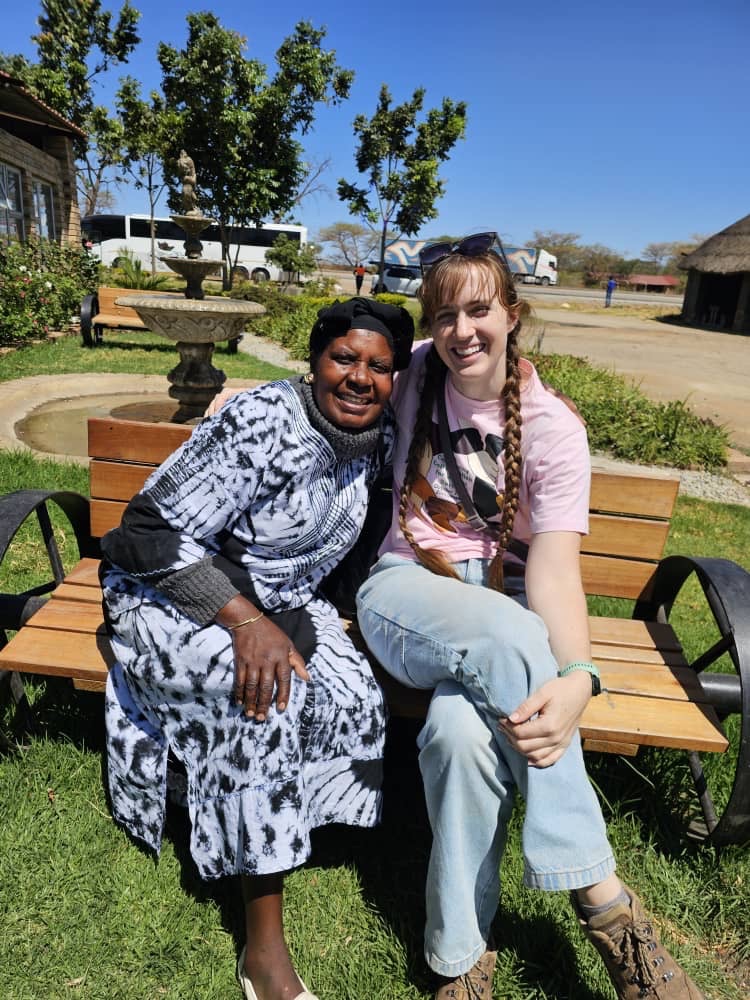
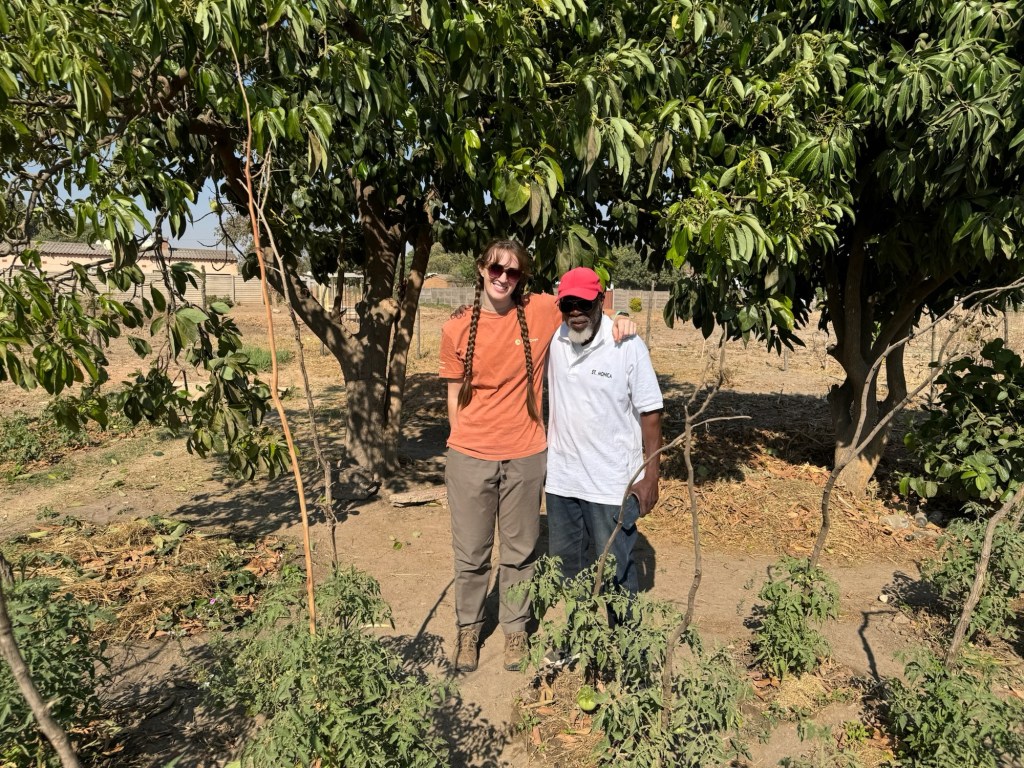
For some background: I work as a Whole Farm Program Manager in The Sustainable Agriculture program of an asset based community development organization, Rural Action. While my day to day consists mostly of beginning farmer support and resource management, I have been lucky enough to also engage in some international development work as well. This is mainly through a leadership development exchange program funded by the US State Department known as the Community Solutions Program (CSP). Through this program, we hosted two fellows for four months in 2022, one fellow from Tanzania, and one fellow from Zimbabwe. The fellow from Zimbabwe, Darlington Mafa, was hosted with us at the sustainable agriculture program. We became fast friends! From the day we met, Darlington and I were more like siblings than strangers so, when I found out that CSP allows for reciprocal exchange grants, we decided to pursue a project.

Fast-forward to Summer 2024, and I am informed that we have received the Community Collaboration for Impact (CCI) Grant, and I will be spending the first two weeks of October in Zimbabwe, working on a program of workshops and school visits that we modeled after my work at Rural Action, and reflective of the needs that Darlington’s nonprofit, RimaAfrika, has identified in Zimbabwe.

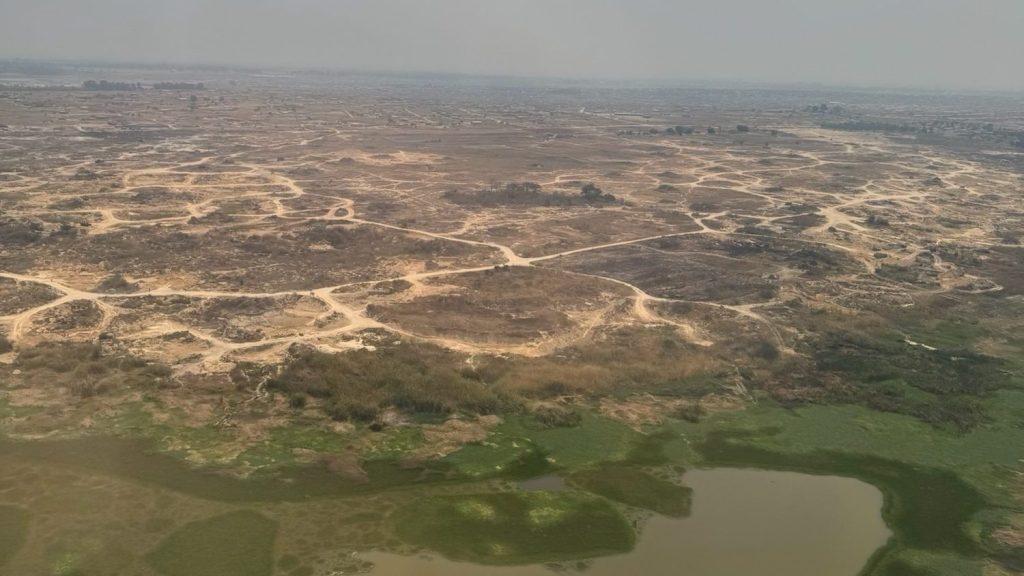
October 1: After around 24 hours of travel, a brief delay and overnight stay in Johannesburg, South Africa, I landed in Harare where Darlington was waiting for me at the airport. We spent the afternoon exploring the city (I finally got to meet Tracy, Darlington’s wife, and their kiddos!) and running errands to prepare for the next day and our first workshop on beekeeping in a rural village north of the city called Gweshe.

Gweshe: Beekeeping Training

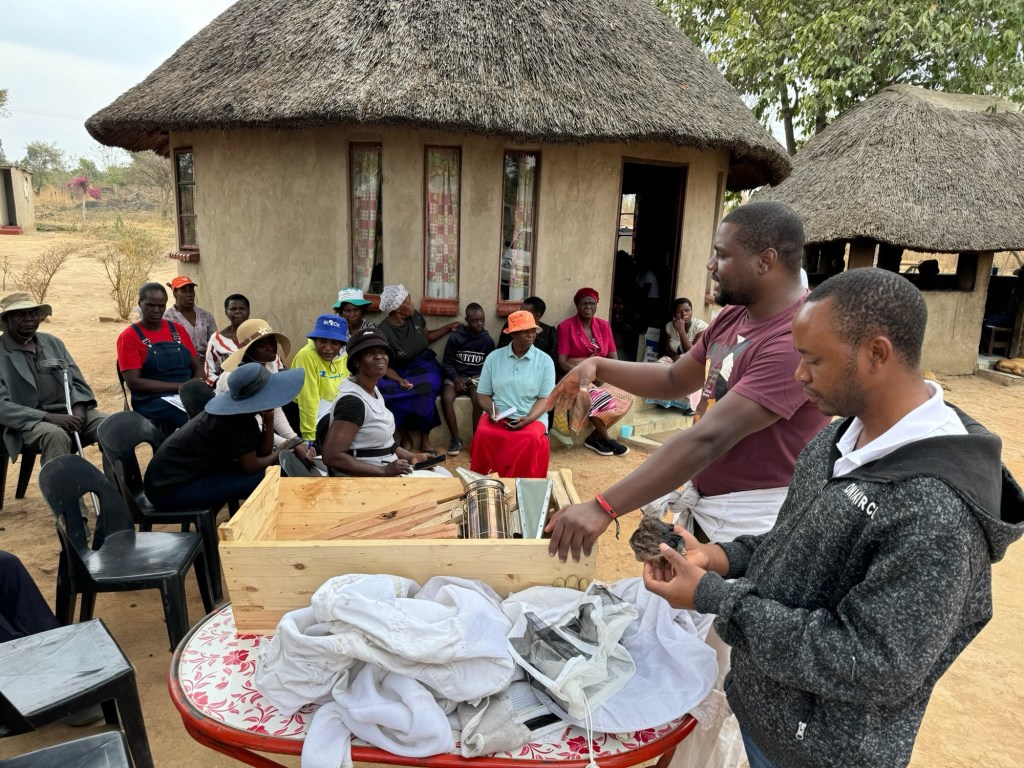
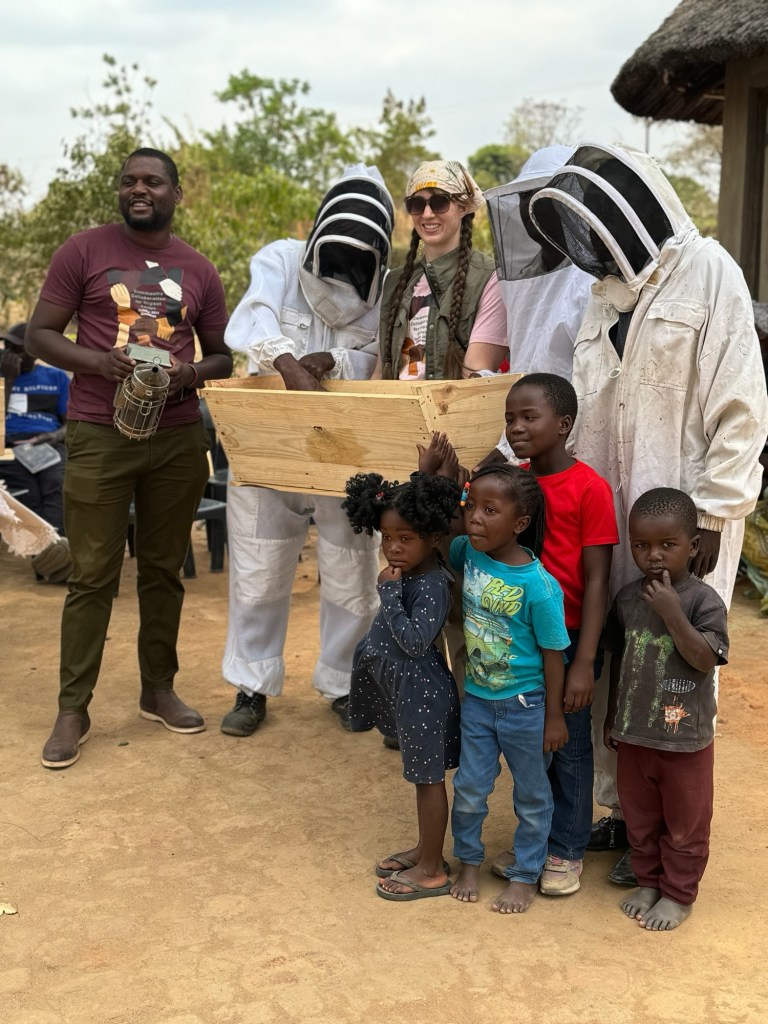
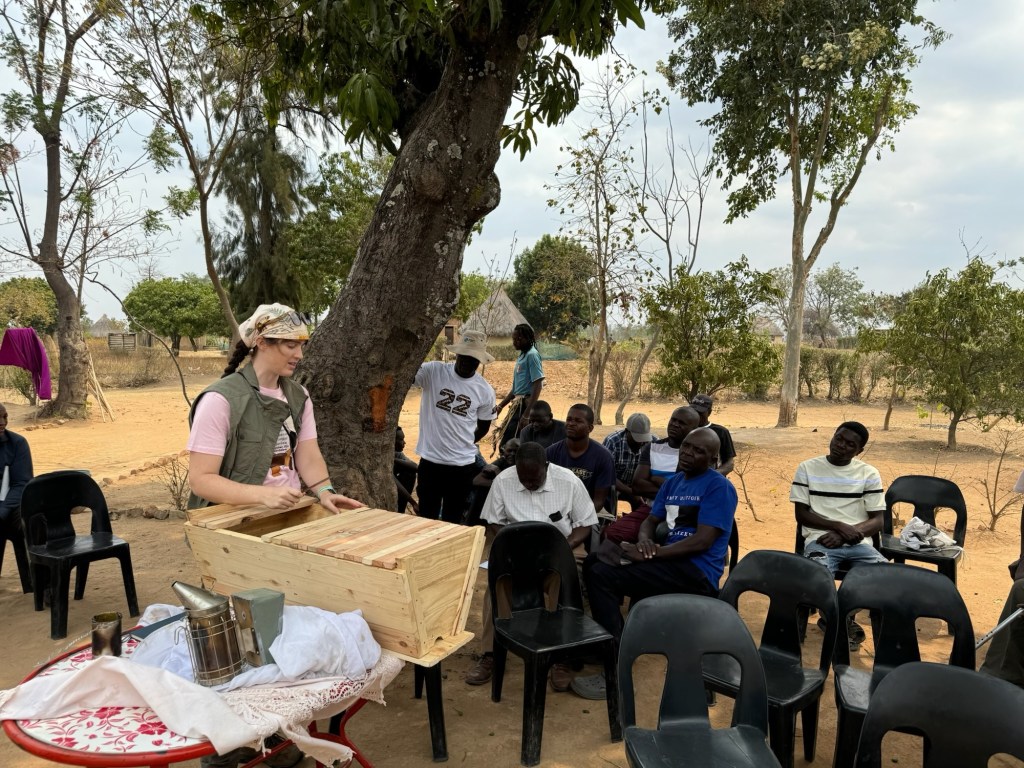
October 2: Darlington and I held a beginning beekeeping workshop in the rural village of Gweshe, North of the capital city of Harare. The grant paid for transport to this village, alongside payment to a local beekeeper (Mr. Solo) who facilitated the training with his expertise as a beekeeper. Solo was able to communicate our materials in the local dialect, and the grant allowed basic beekeeping guides, a Kenyan Top Bar hive, and bee suits, smokers, and hive tools to be provided to the village to start their own beekeeping demo site, to be kept at the demo farm owned by a RimaAfrika partner. After the workshop and Q&A session, attendees ( 15 men, and 14 women, 2 facilitators ) participated in a grant funded meal.

Langham Girls School

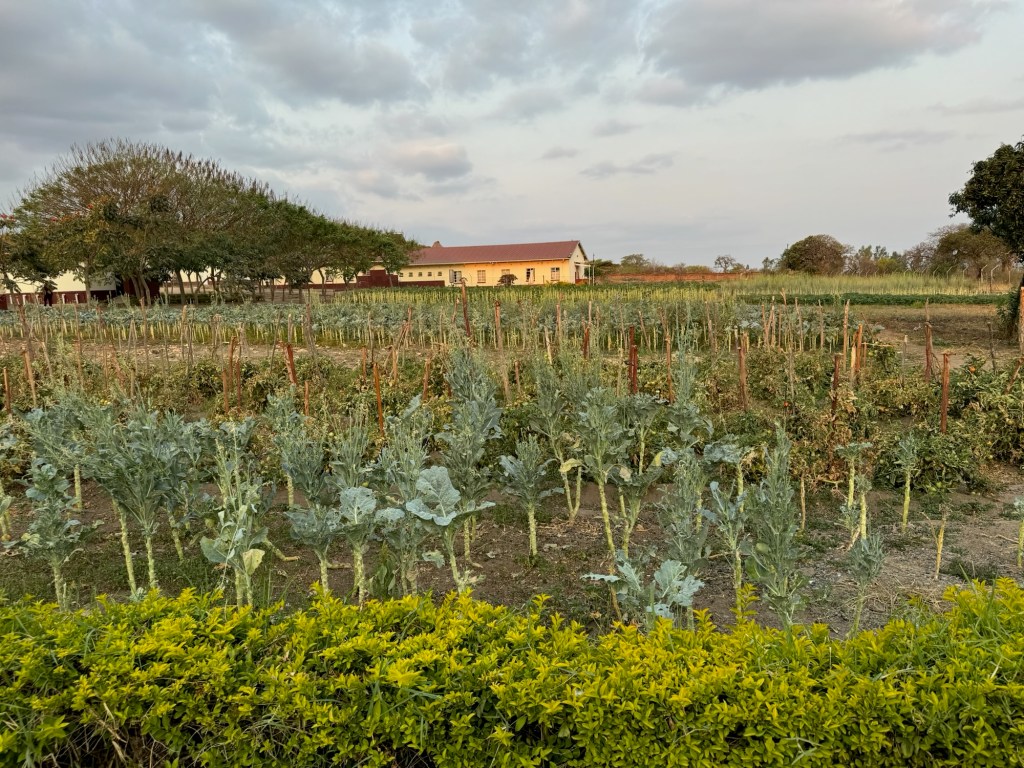
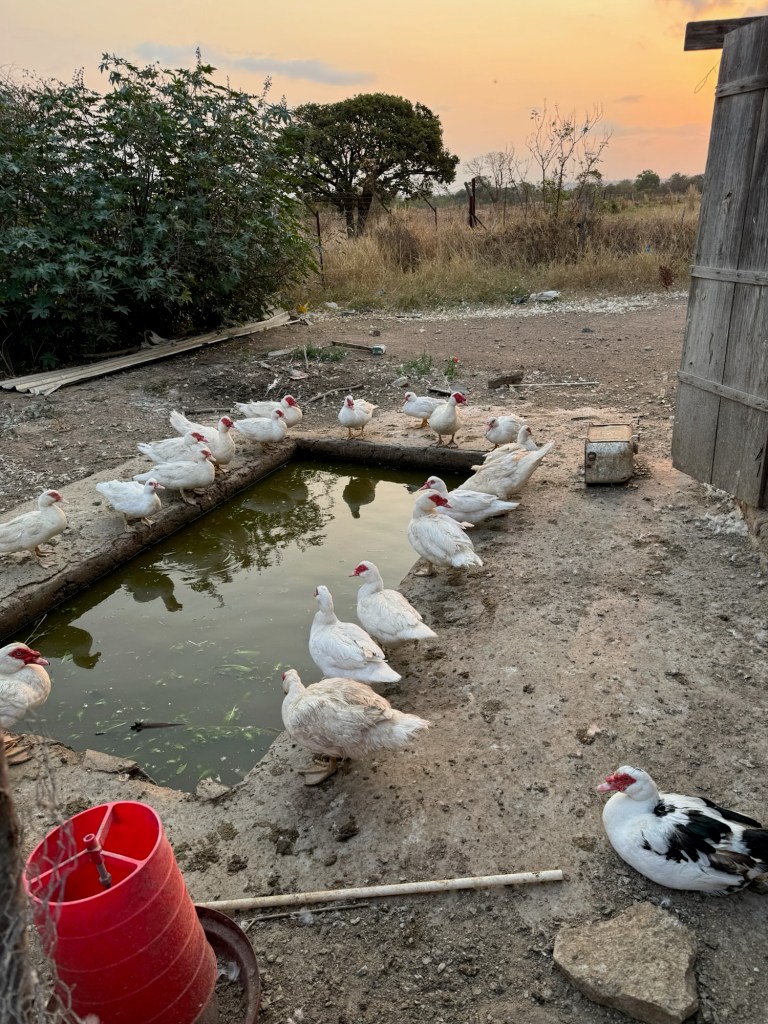
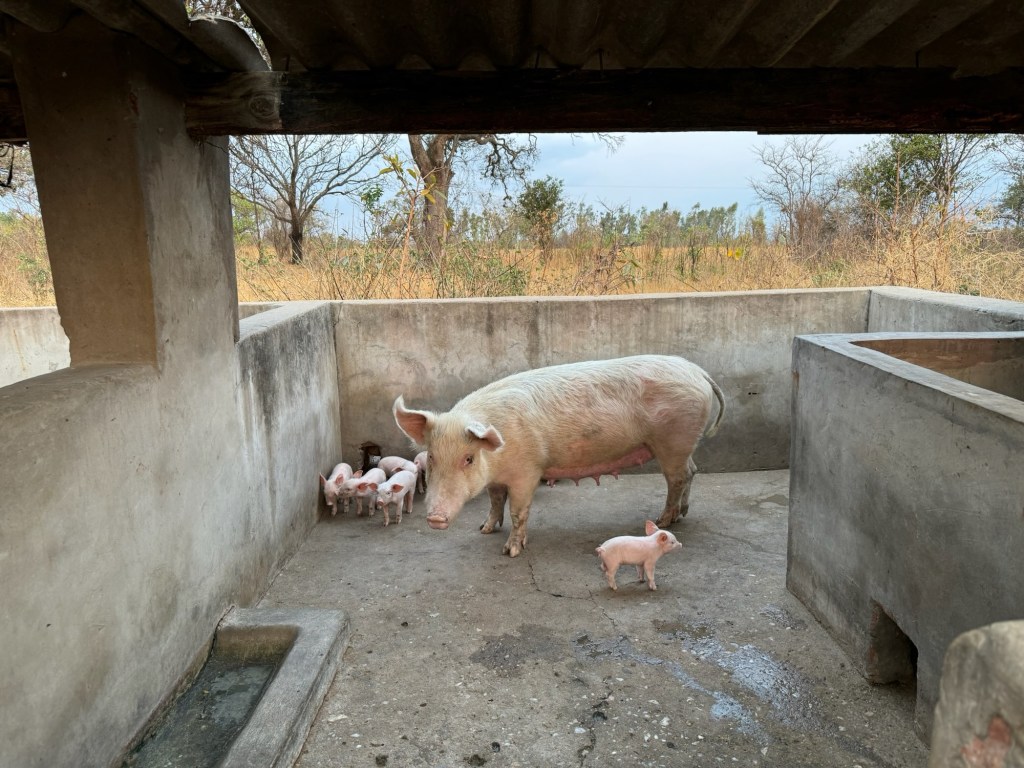
Directly from Gweshe, we traveled on to Concession, and an all girls boarding school where we toured their grounds (almost all of their food is grown/raised on-site) and stayed with Darlington’s in laws, who both teach at the school.

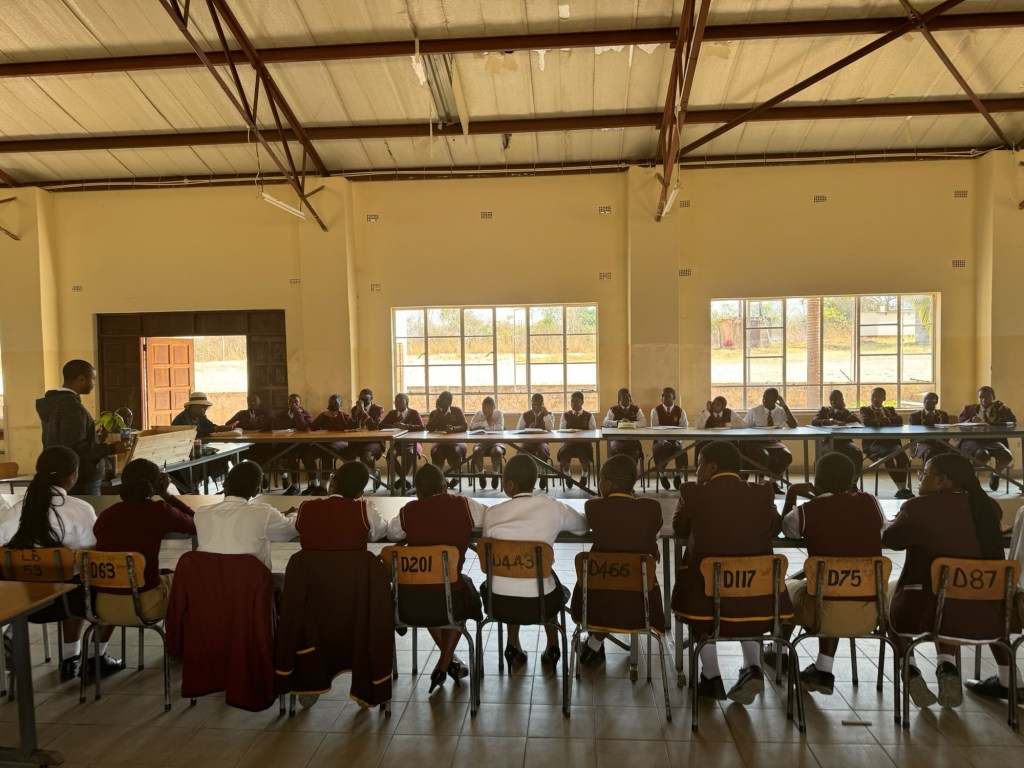
October 3: In the morning we spoke to the Environmental Club at Langham Girls High School, discussing careers in agriculture, with an emphasis on exchange opportunities such as CSP, and beekeeping, as we were donating a hive to the school. The school has their own farm (produce, chickens, cattle, piggery, and fish farm) on-site, so we believed that an addition of an apiary would be complementary to their existing work. There were 48 students in attendance, alongside their club teacher, our educator Solo, and Darlington and myself.

Beginning Farmer Training

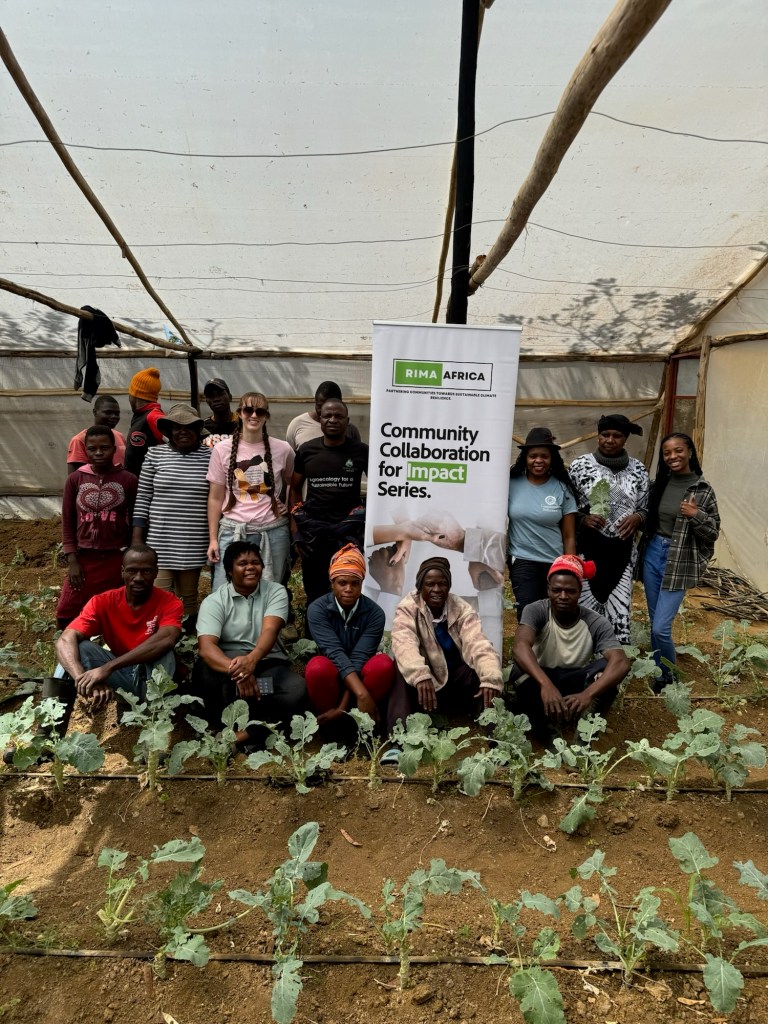
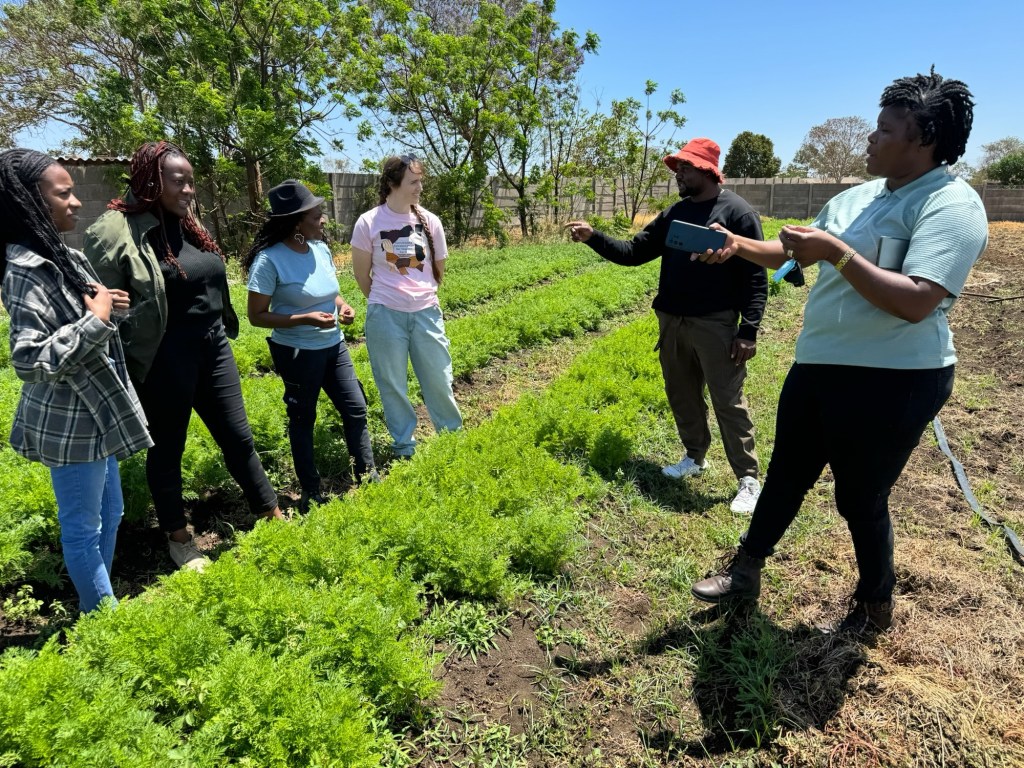
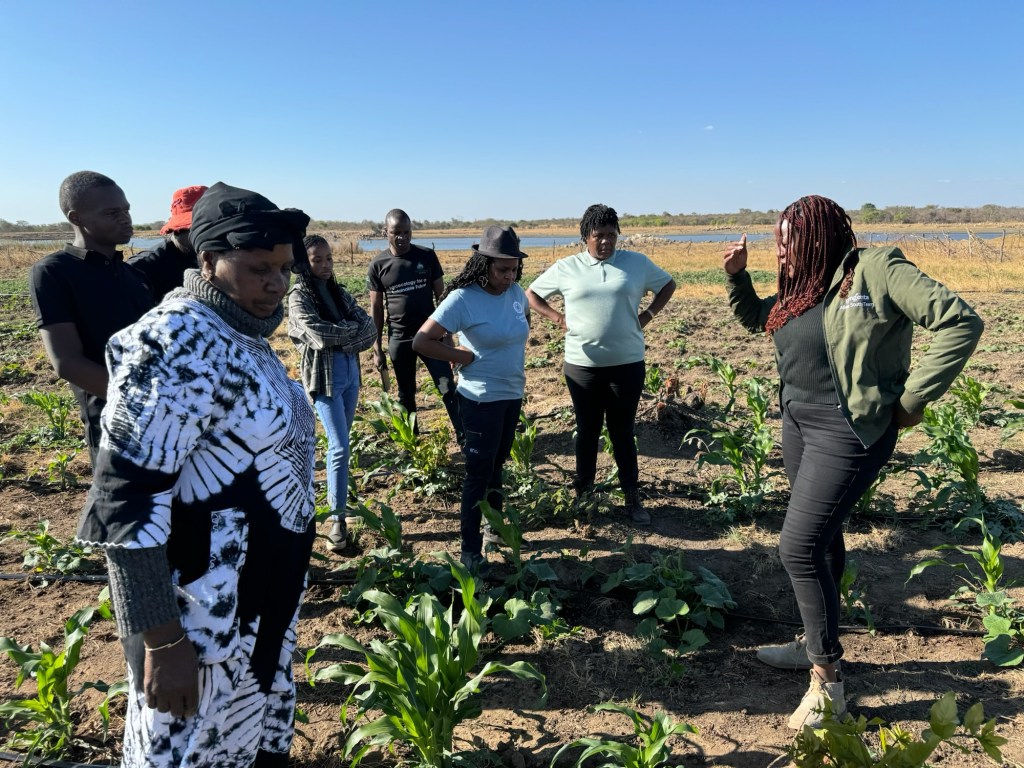
October 4: In the morning we met with mentor farmers Brenda and Precious in Norton Town, outside of Harare, and hosted beginning farmers on their two farming sites. Four aspiring farmers were in attendance, and an agronomist (Salome) was with us from the seed company Syngenta, sharing her experiences with small scale farmers in Zimbabwe. We introduced and handed out our beginning farmer toolkit with the aspiring farmers, and made plans to produce a revised version (with input from Salome) that is less general, and more targeted to farmers in Zimbabwe.

Agritourism Training

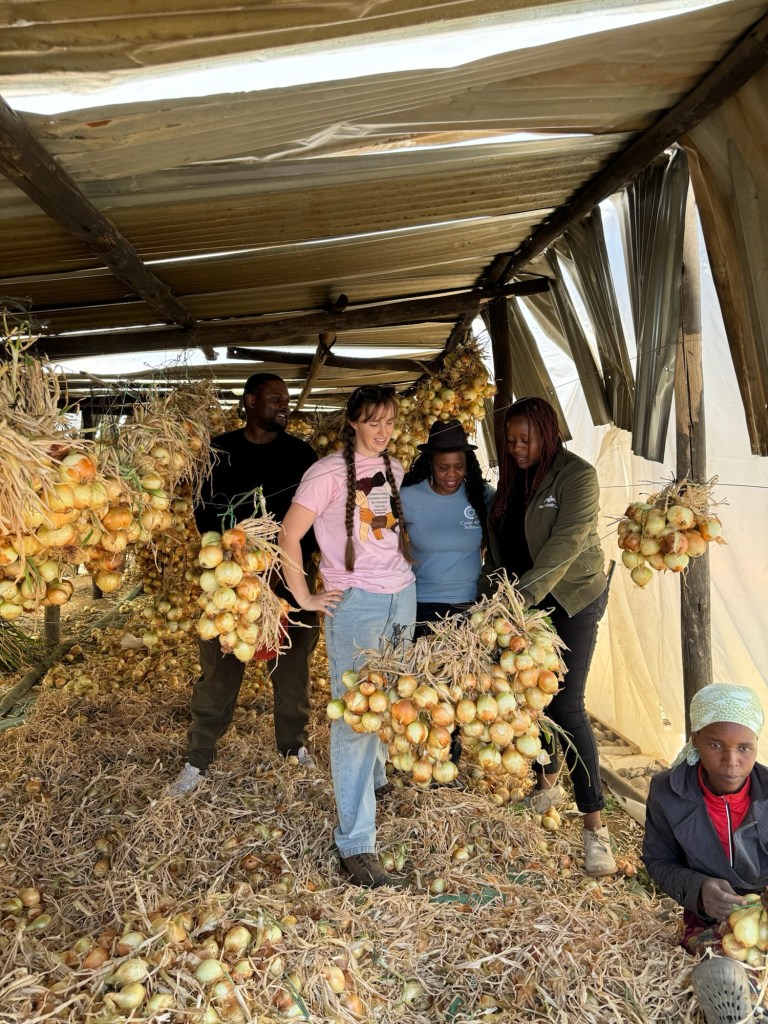
In the afternoon we visited the region of Mhondoro to see an example of potential Agritourism training. In addition to raising tomatoes in Norton Town, mentor Brenda has a herd of cattle in this area and the same group of trainees from the morning session visited her farm in a more rural setting of the country. It is Brenda’s hope that such visits to her greenhouses in Norton Town and her cattle ranch in Mhondoro could be potential tourist attractions, and we discussed those opportunities with the group and handed out our agritourism toolkit.

A break for some tourism…

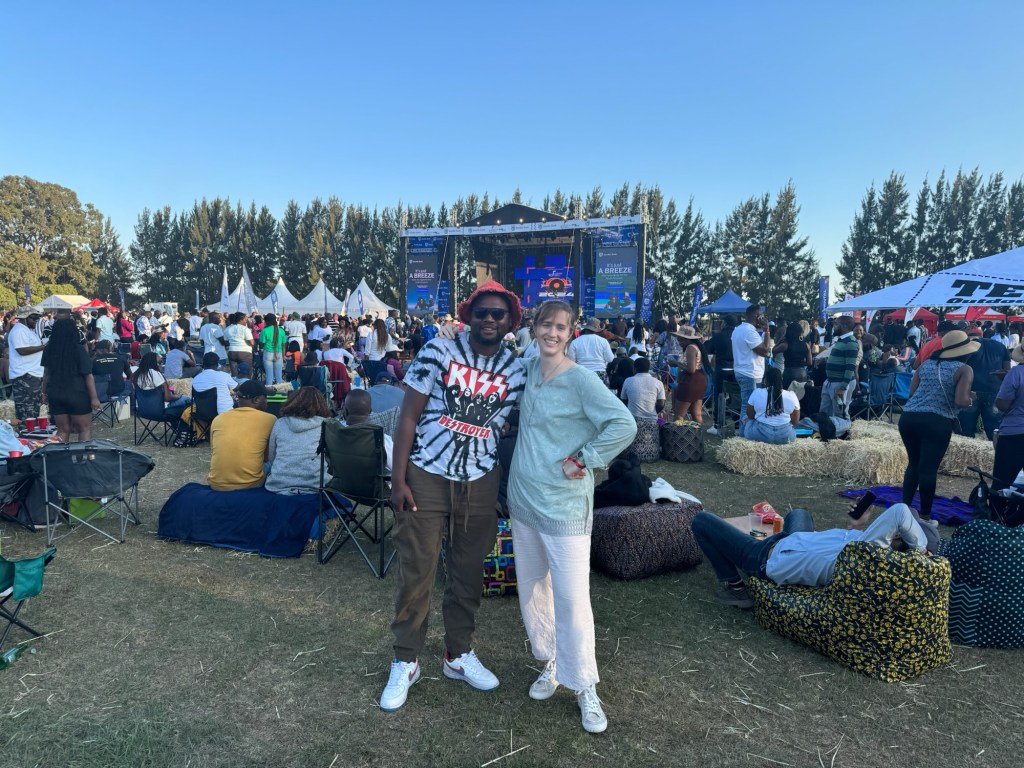
October 5: We spent Saturday afternoon and evening at the Jacaranda Music Festival, a yearly celebration of local musical talent. The standout performance for me was Feli Nandi, who really moved me and made a lasting impression. I encourage you to listen to her music! Jacaranda is named after the iconic purple flowered trees (native to South America) that cover Harare, and I just happened to be in the city during their peak blooming time.

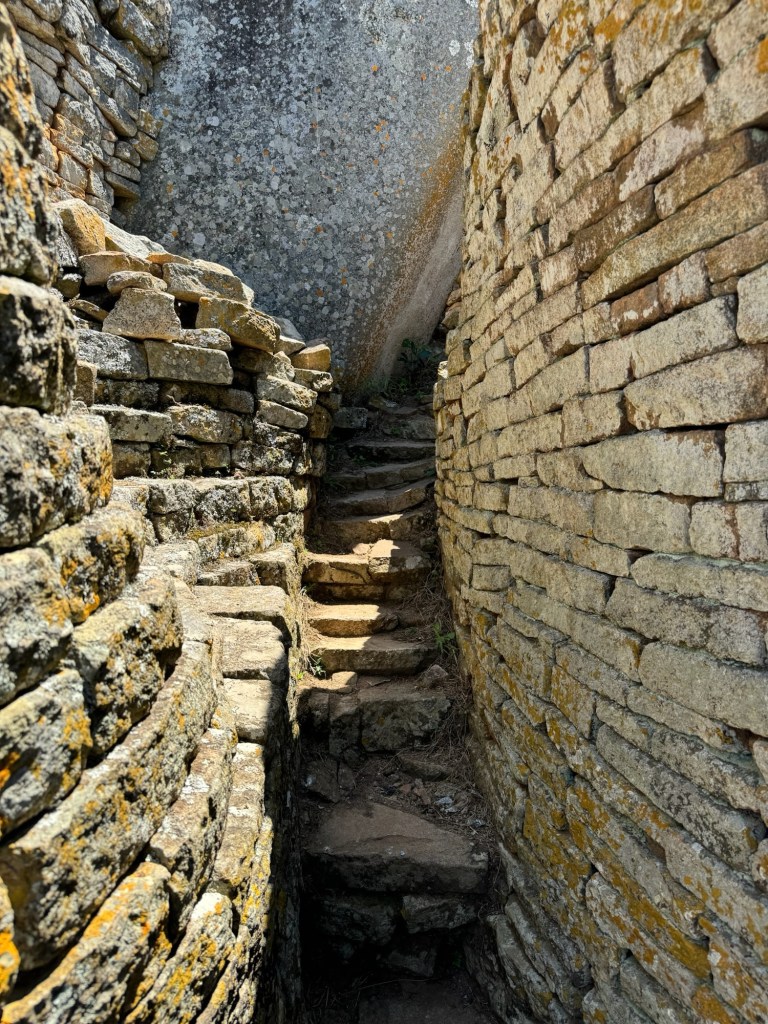
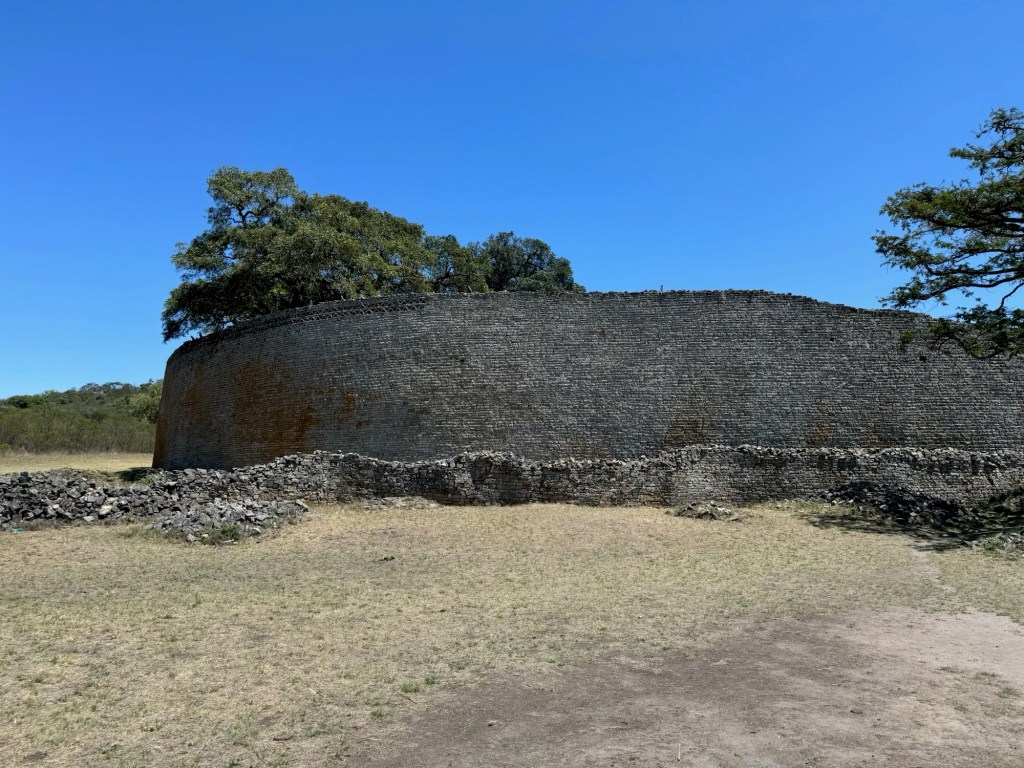
October 7: We spent the day prior driving South to Masvingo, and the site of the famous Great Zimbabwe. This was one of the two places I really wanted to go to for cultural exchange during my trip (the second being Victoria Falls). On the morning of October 7th we left Masvingo and drove to the site of the ruins. Great Zimbabwe is made up of dry (mortar-less) stone, and consists of the Hill Enclosure, said to be home of the reigning monarch, which overlooks the Valley Enclosure.

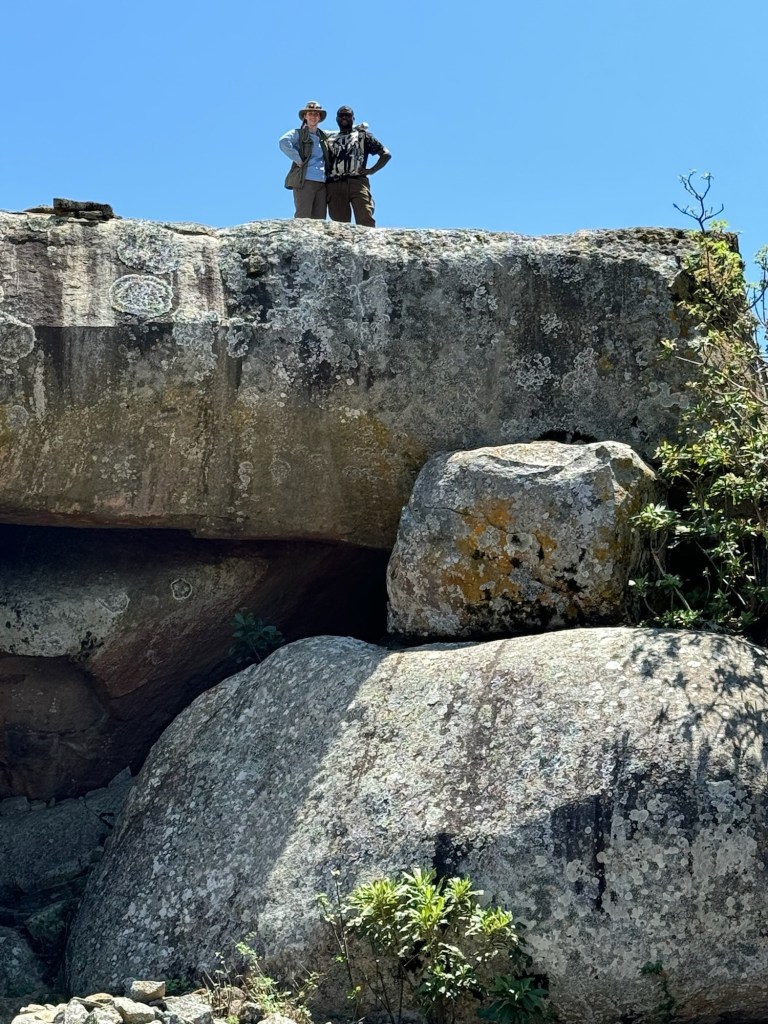
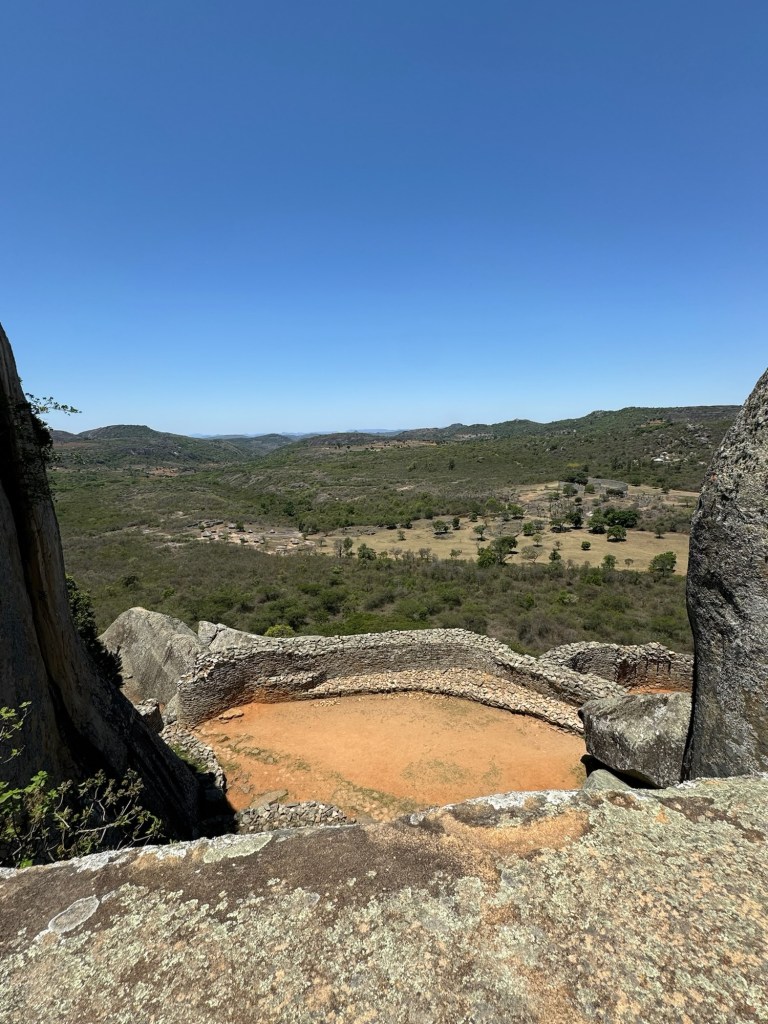
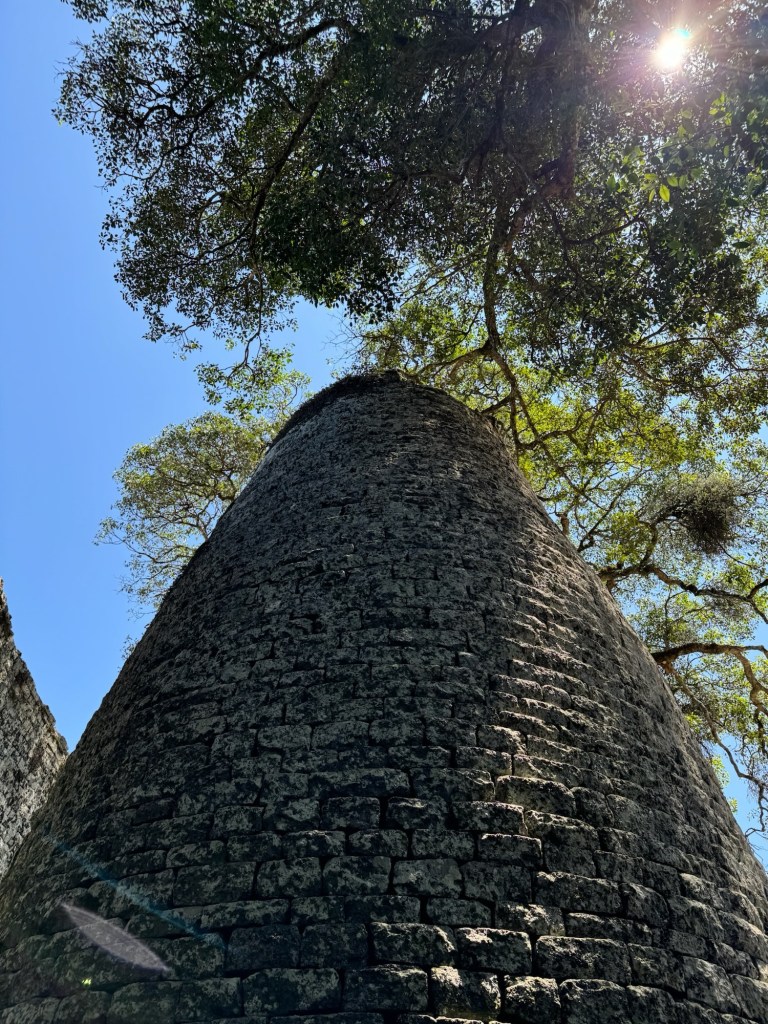
We started the hike up to the Hill Enclosure with our guide, who informed us that the site was constructed from the 11th century to the 15th century, and served as the capital of the Kingdom of Zimbabwe from the 13th century on. From the top of the hill, we had a stunning view into the valley below, home to the impressive Valley Enclosure. It was in the Great Zimbabwe museum in the valley that I learned that, when Zimbabwe was known as Rhodesia, the white government discouraged archaeologists from attributing this site to black Africans. After liberation, the new government named the country after this UNESCO world heritage site. The name “Zimbabwe” means “stone houses” in Shona, and the Zimbabwean flag also references the bird totems found at the ruins, as well as the conical stone tower in the Valley Enclosure.

This archaeological site was truly stunning, it was shocking to me to learn that this is not a well visited landmark by international visitors, as I consider it well worth the trek out to Masvingo from Harare.

Overlooking the Valley Enclosure (seen at the top right) from the top of the Hill Enclosure
The outer walls of the Valley Enclosure

October 7: After our visit to Great Zimbabwe, we made the decision not to return to Harare as planned, and instead continued on Northwest to Darlington’s hometown of Gweru. This meant we ended up traveling for a week with a small bag each, and I got to wear the two outfits I packed a fair few times.

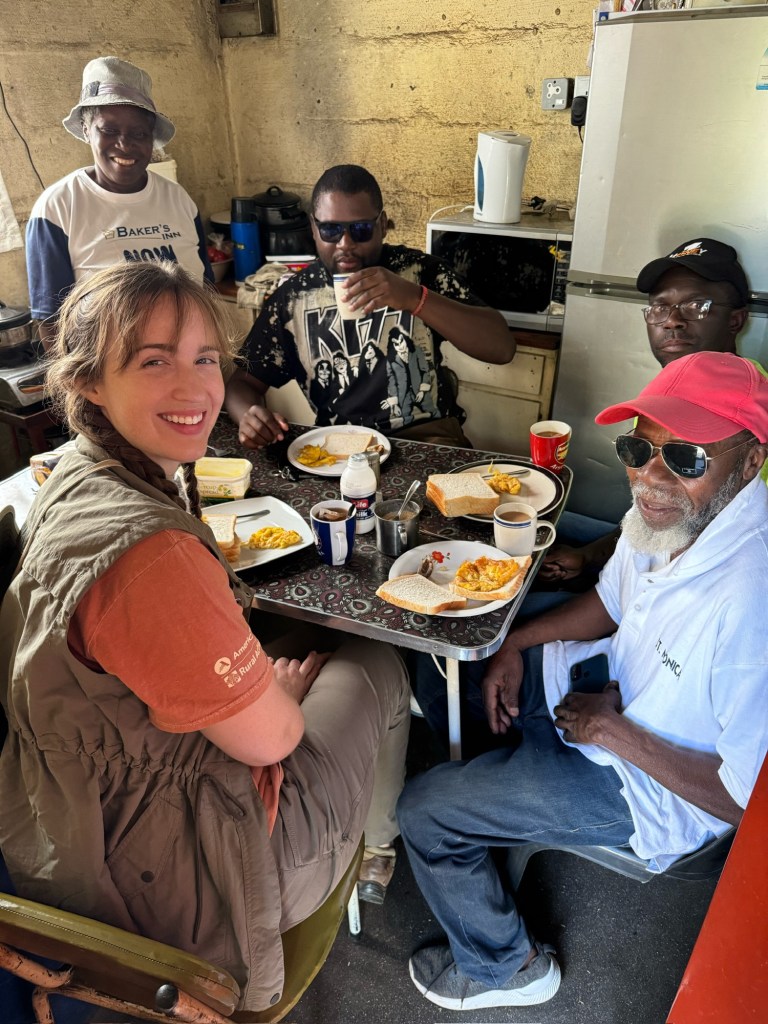
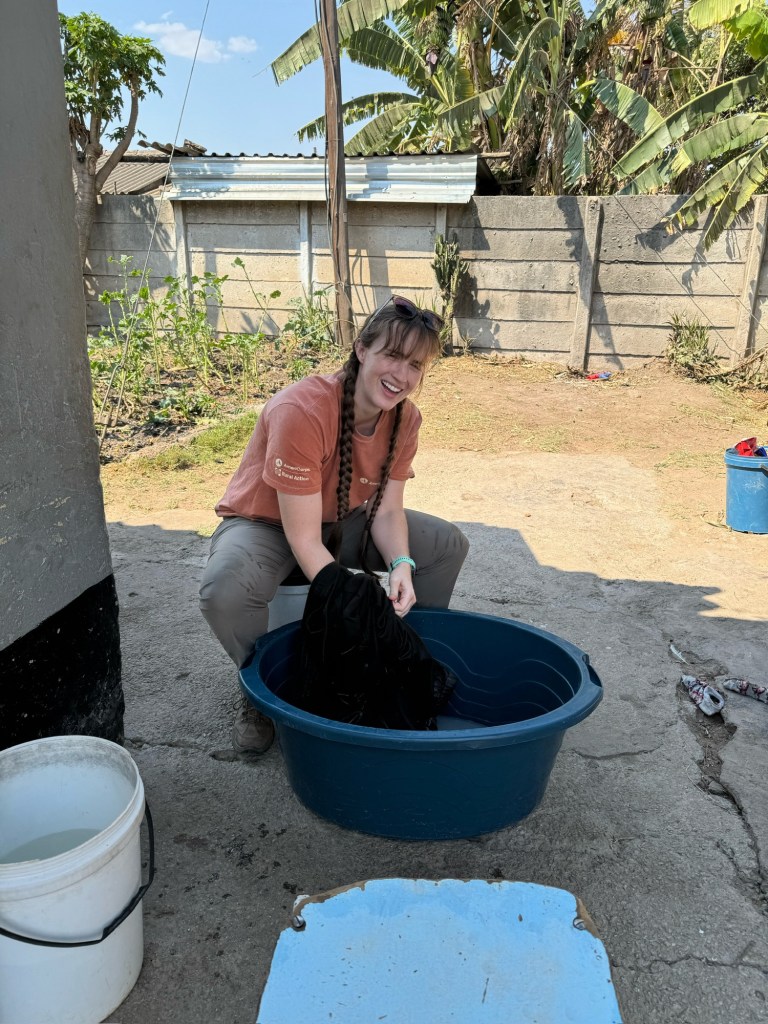
October 8: In addition to spending time with Darlington’s family and neighbors, washing clothes, and generally getting ourselves organized, Darlington scheduled an impromptu meeting at his old primary school to discuss opportunities for collaboration with the agriculture teachers there. It is our hope that this connection could lead to another teaching learning apiary for the students. Following a full day, Darlington and I took an overnight bus to Victoria Falls, at the very Westernmost point of the country.

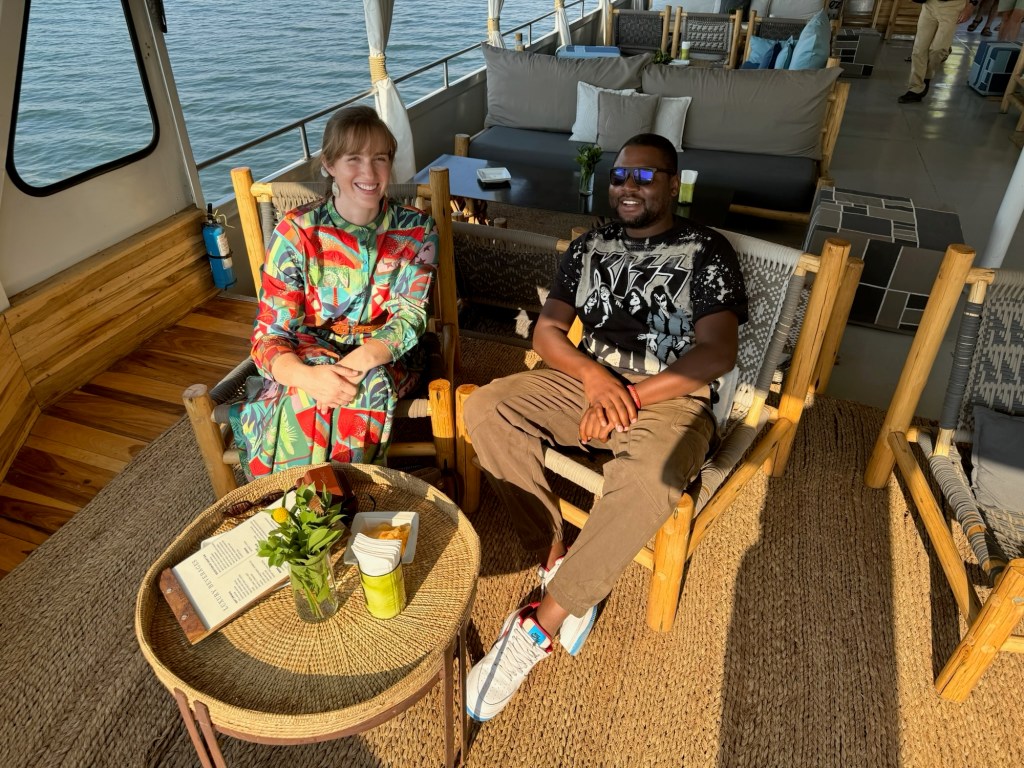
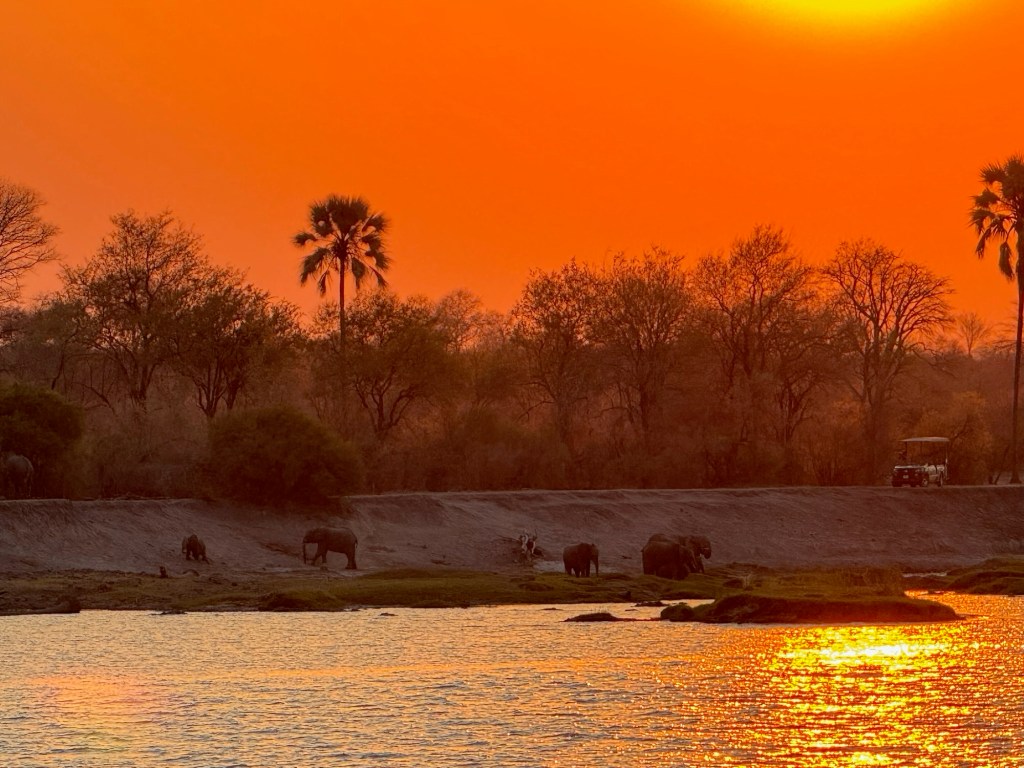
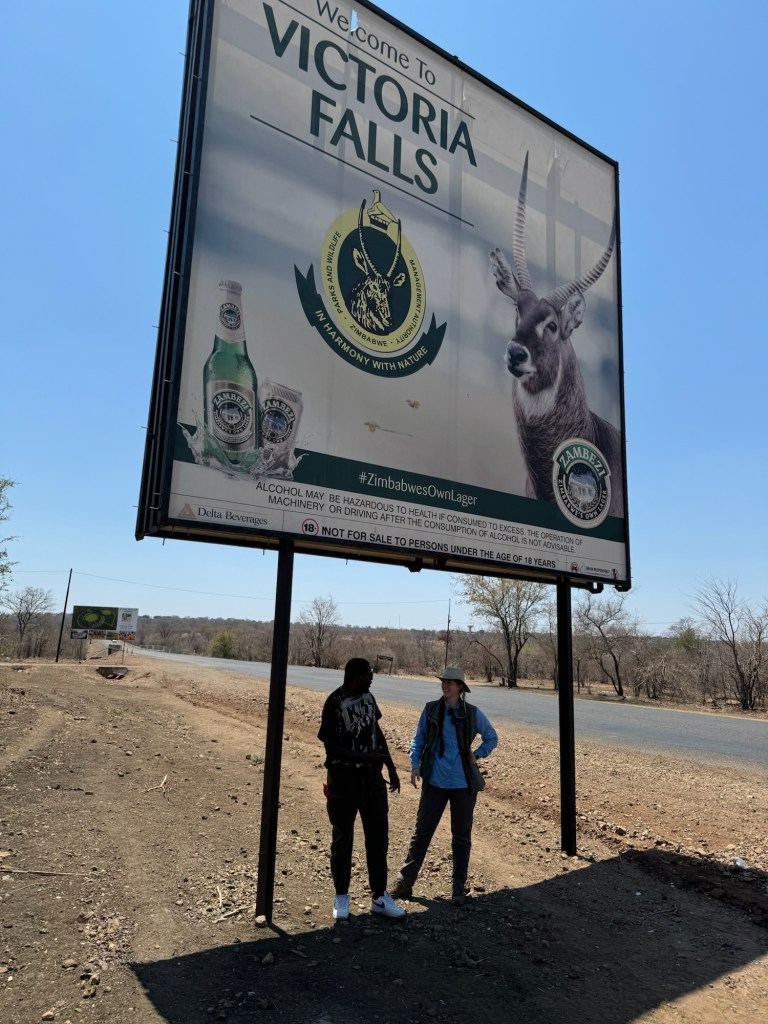
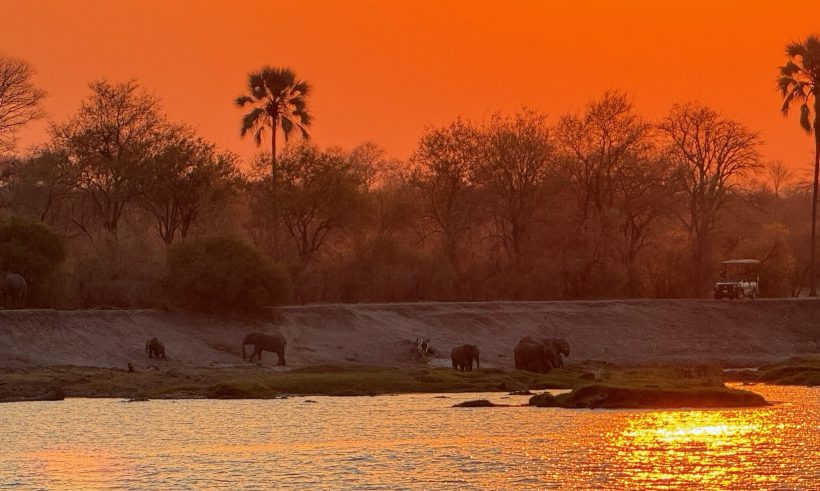
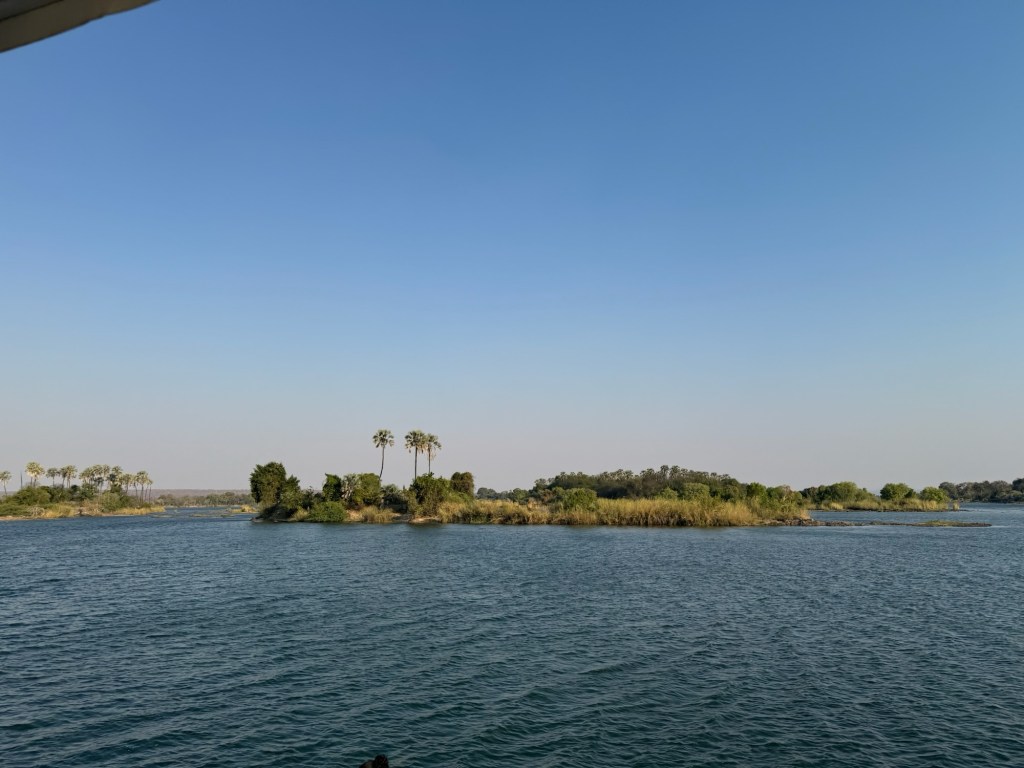
October 9: We arrived early morning to Victoria Falls, and after gathering ourselves, took a sunset cruise on the Zambezi. This is the fourth longest river in Africa, and borders Zimbabwe, Zambia, and Mozambique. On the river we saw elephants watering, hippos popping their heads up, and a truly stunning sunset.

Lesedi School Visit

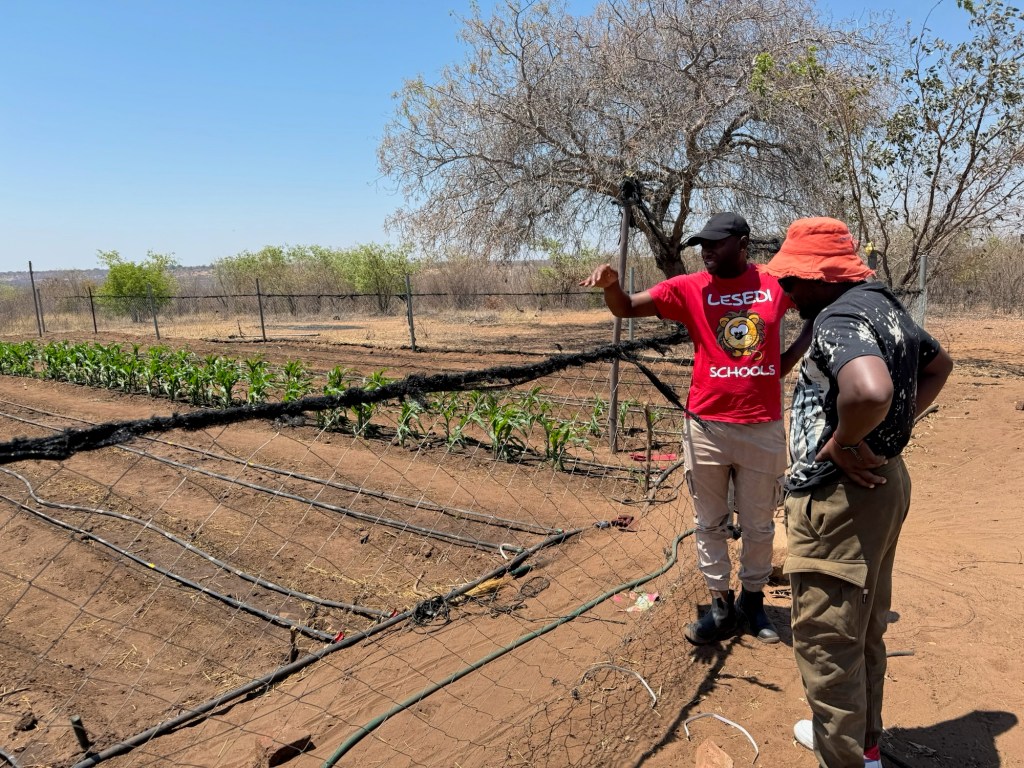
October 10: We visited Darlington’s Food Sovereignty partner Romeo while in Victoria Falls to observe the work he was doing with students there. We discussed human wildlife conflict collaboration there, and visited a community nutrition garden. This garden gives families of students a place to grow for their families and for market. The campus itself includes a home economics education building, modern biology lab, computer lab, and school farm, chicken coop, and piggery that feeds a biogas installation. The gap that we discussed filling in future includes educational programming and funding for sustainable agriculture topics at the school.

Victoria Falls and Hwange National Park

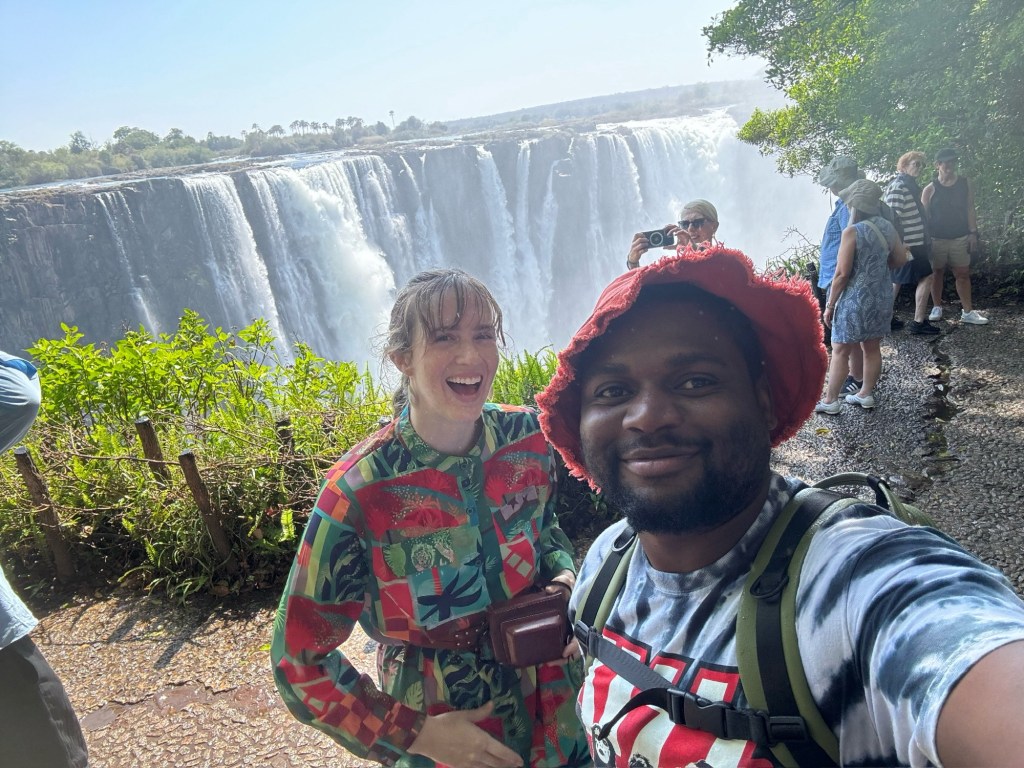
October 11: On our last full day in Victoria Falls, I finally laid eyes on the falls themselves. Victoria Falls borders Zambia and Zimbabwe, and is 1,708 m (5,604 ft) wide, making it one of the world’s longest waterfalls. While water flow was low during my visit as it was dry season, it was still spectacular.

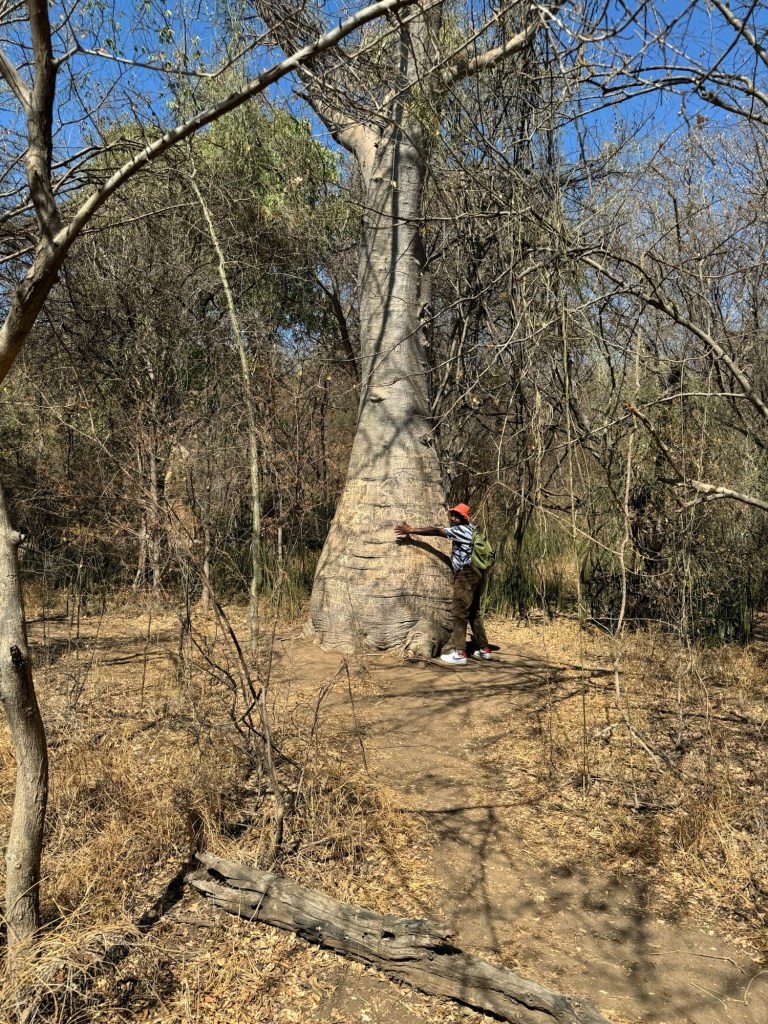
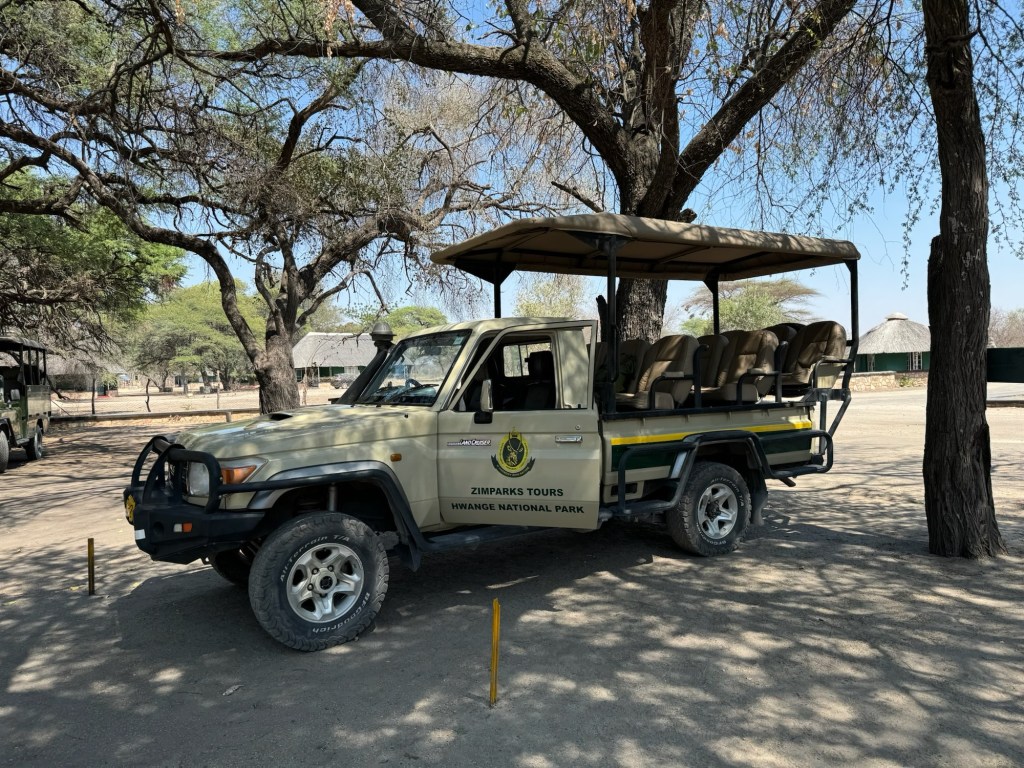
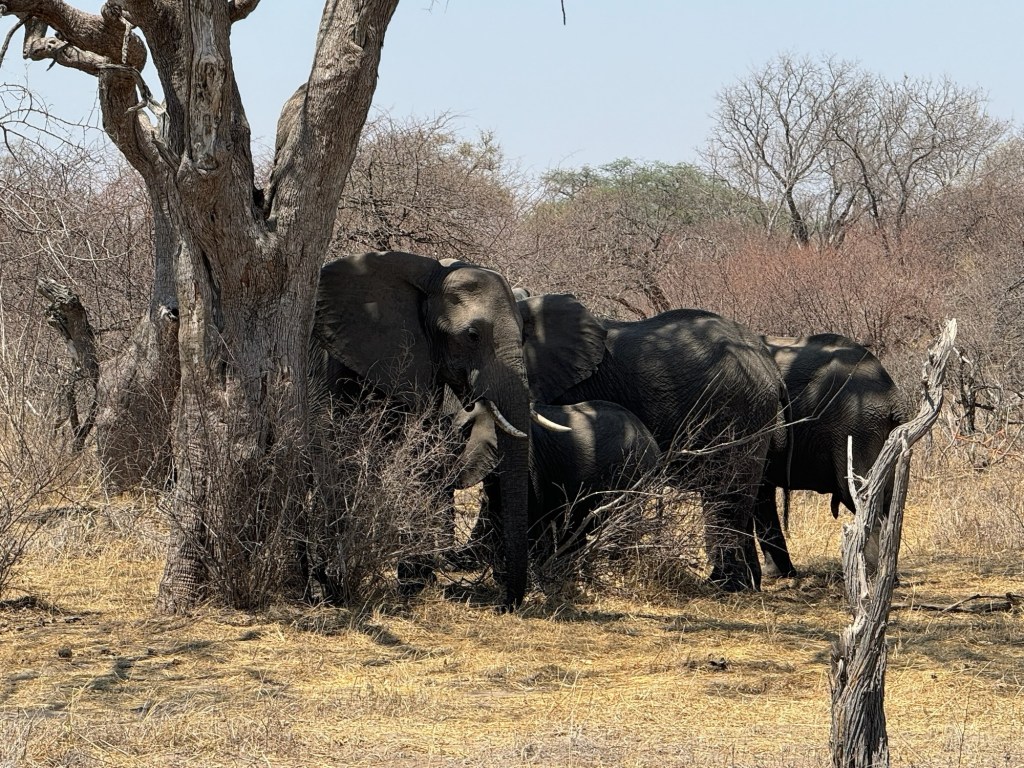
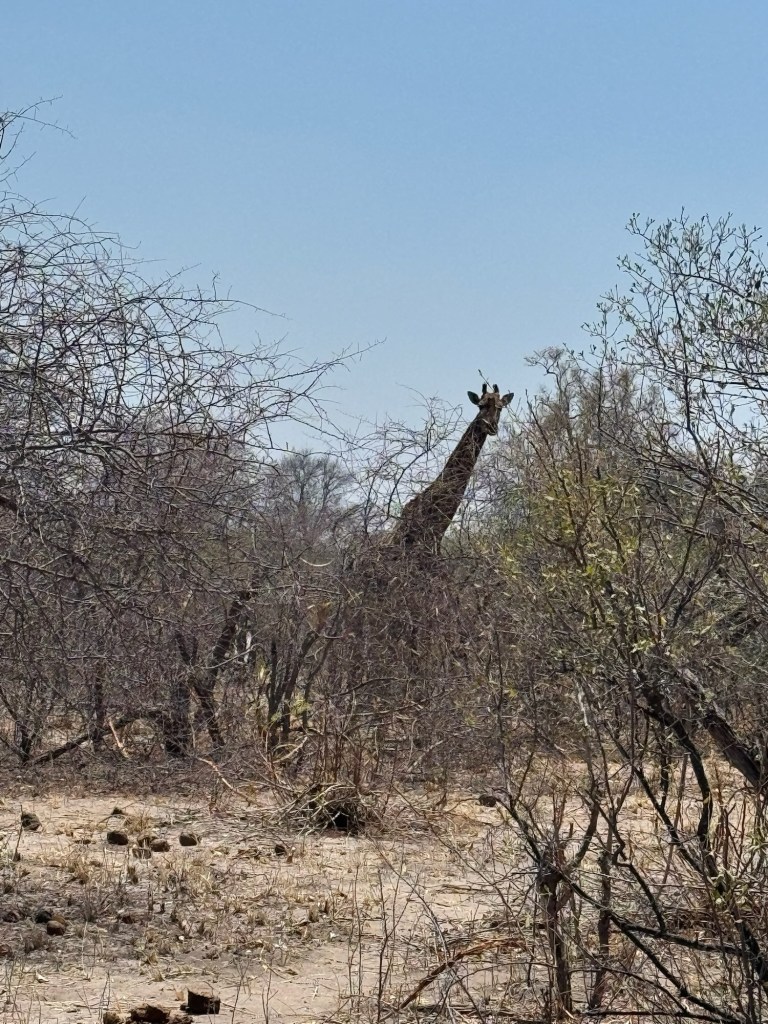
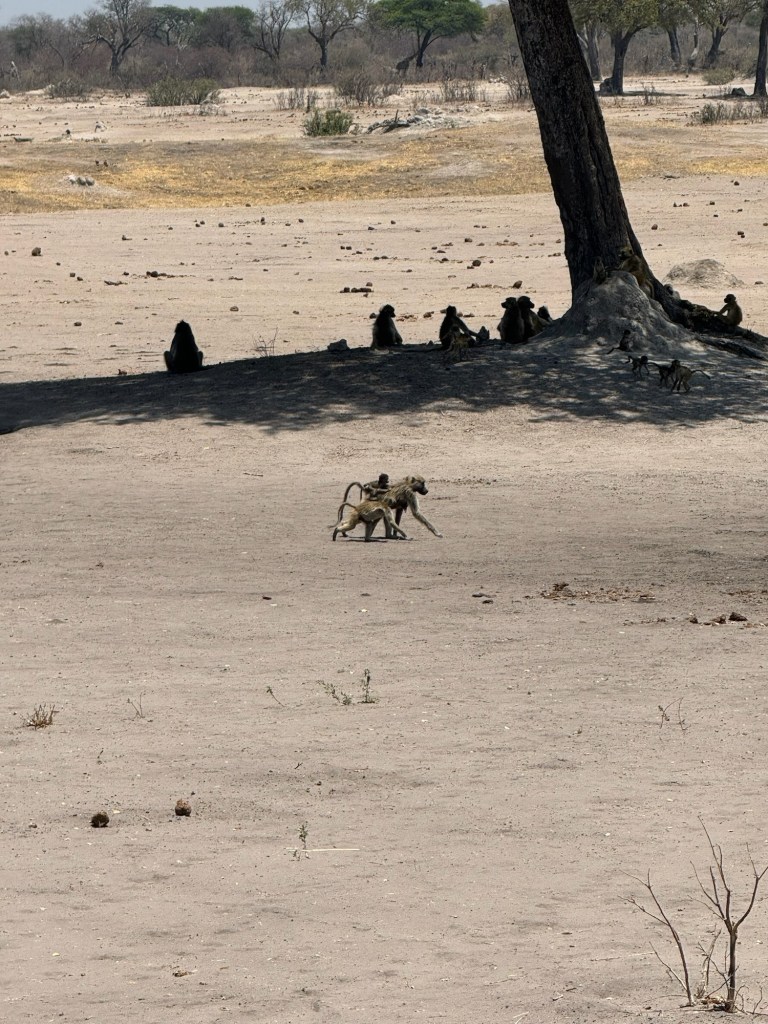
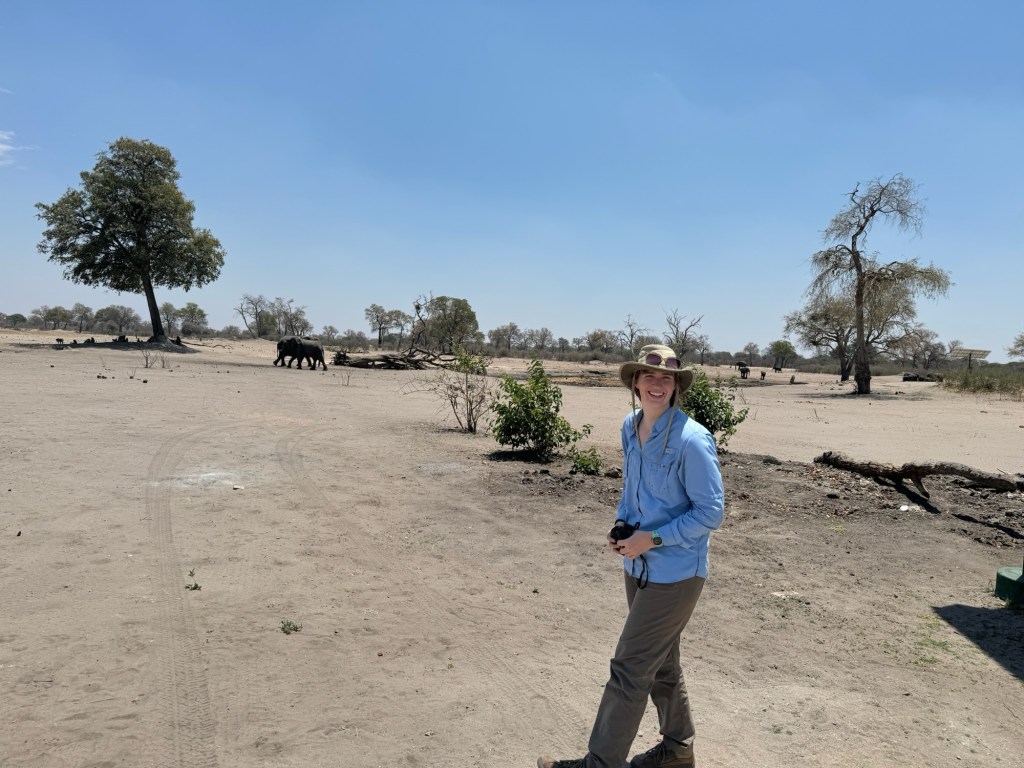
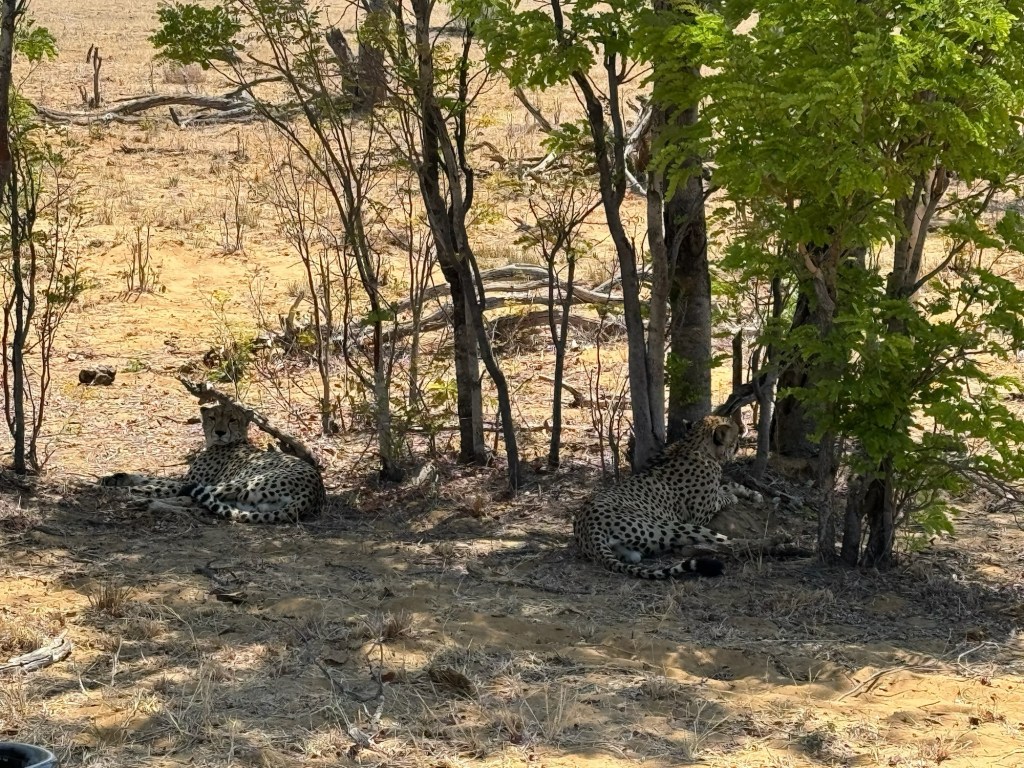
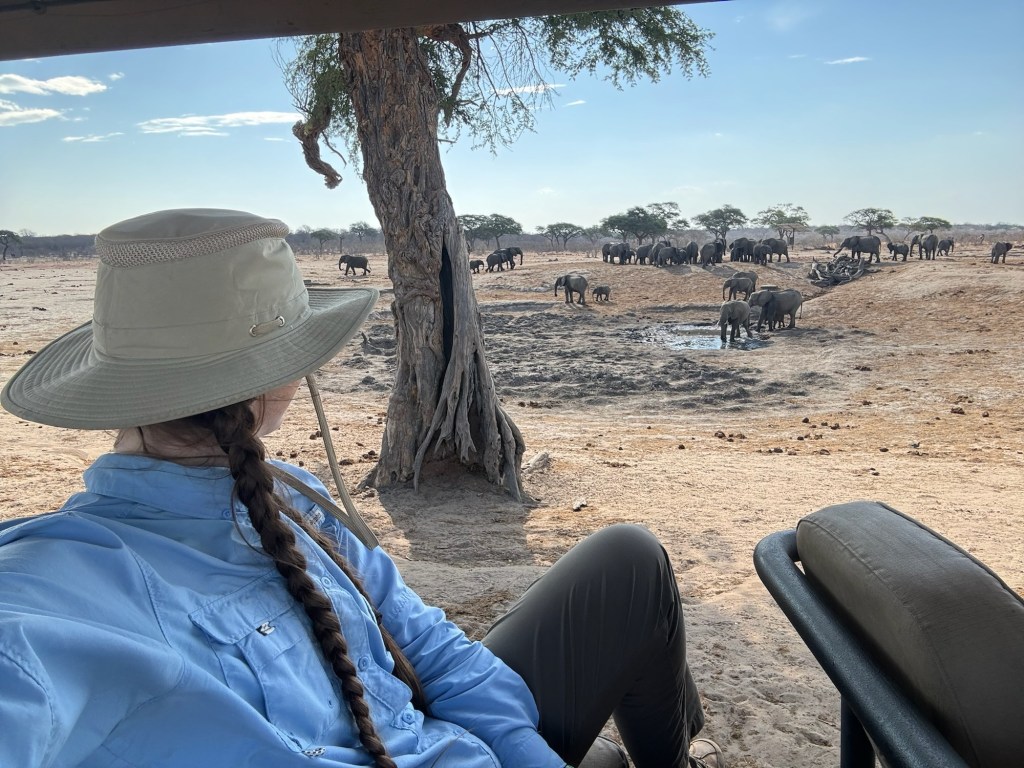
October 12: The benefit of traveling to Victoria Falls during dry season is that the animal viewing opportunities are wonderful, as wildlife gathers at water sources to get though the dry season. I knew we had to take advantage of this, and early on the morning of our last day in the West, we took a bus to Hwange National Park. There we had a guide for a day long safari in Zimbabwe’s largest nature preserve.

This was easily a top 10 nature based life experience for me. I took detailed notes with timestamps and hundreds of photos, so if you are looking into a safari and have any questions, please reach out. I highly encourage you to support the park-staffed safaris where possible, and avoid commercial outfits to get an authentic experience.

Observing the wildlife at a watering hole. Everywhere we stopped I wanted to spend hours, but as our guide explained (and he was very right) we had a day of excellent wildlife viewing ahead of us.
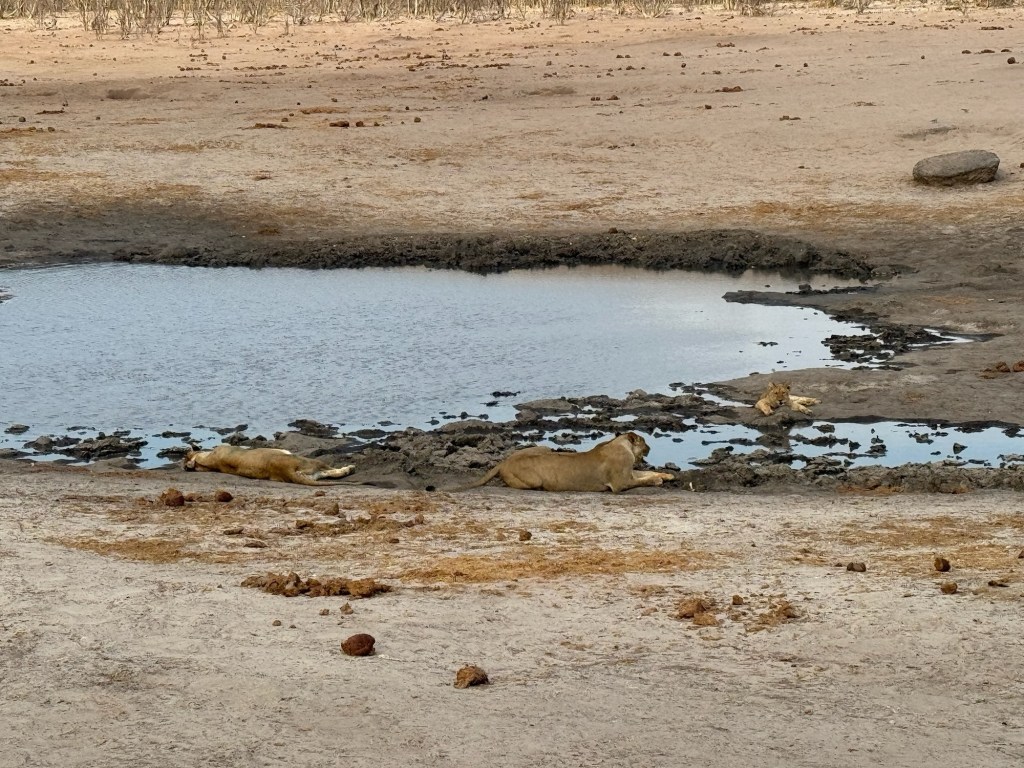
We managed to come upon two lionesses and a cub, sleeping off a large meal of a downed elephant we found nearby (16:30)
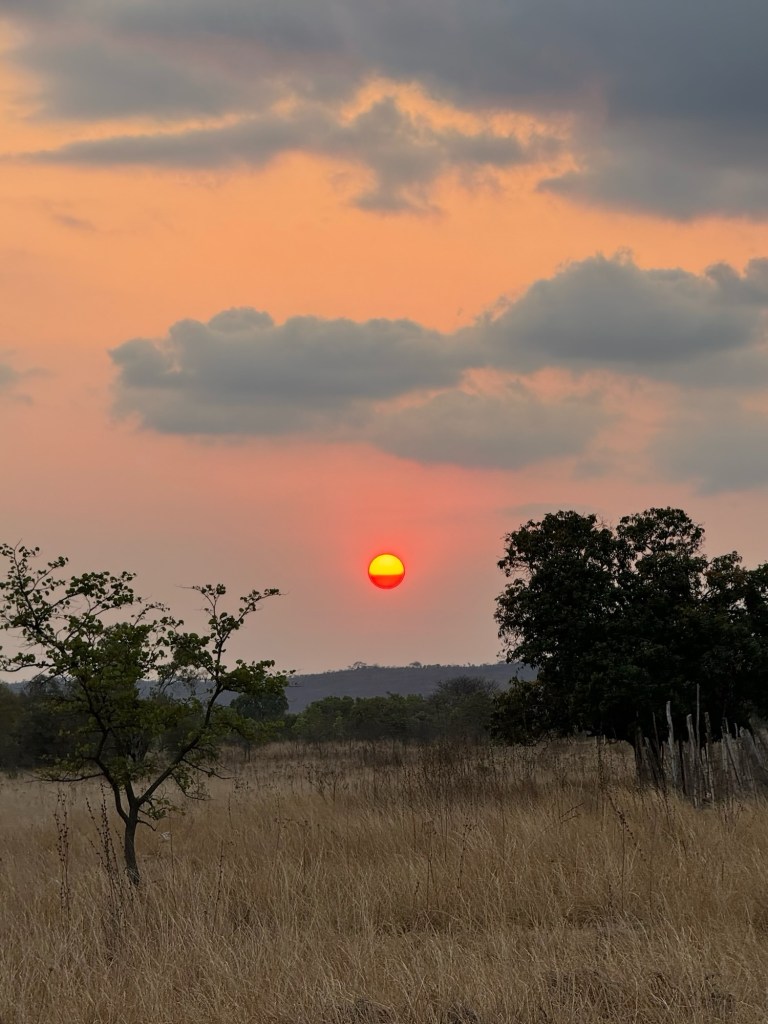
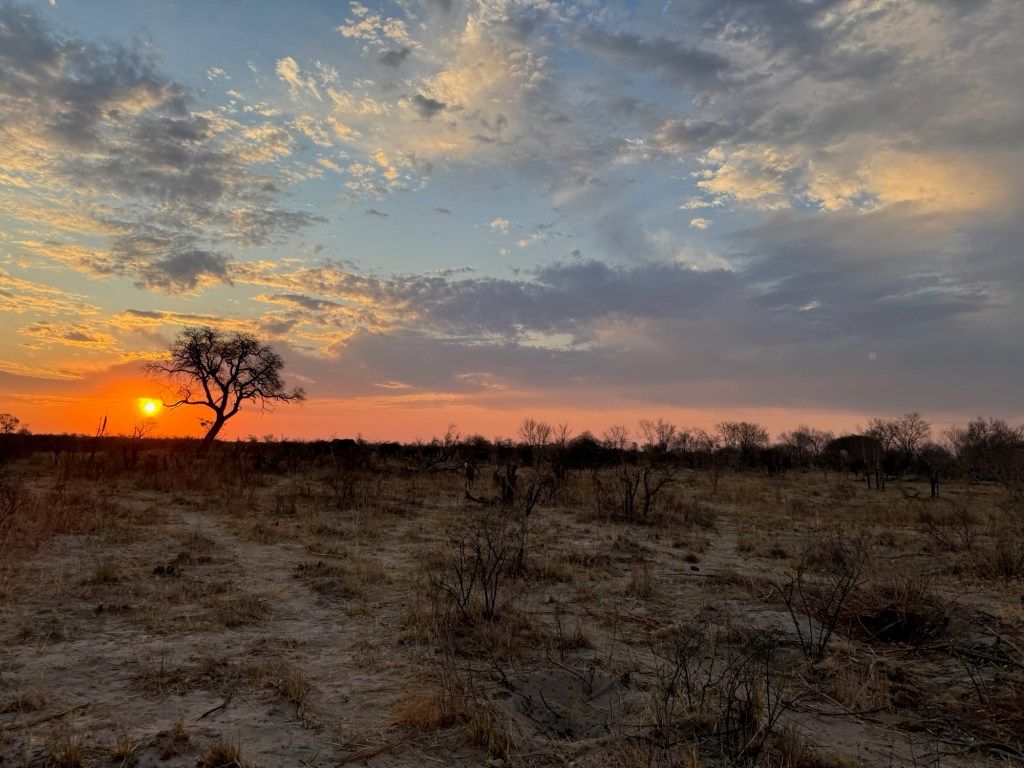
Sunset over Hwange. If you look closely in this photo you can find impala, alongside a herd of elephants (18:00).
Zebras, with a hippo getting ready to breach the water (18:15).

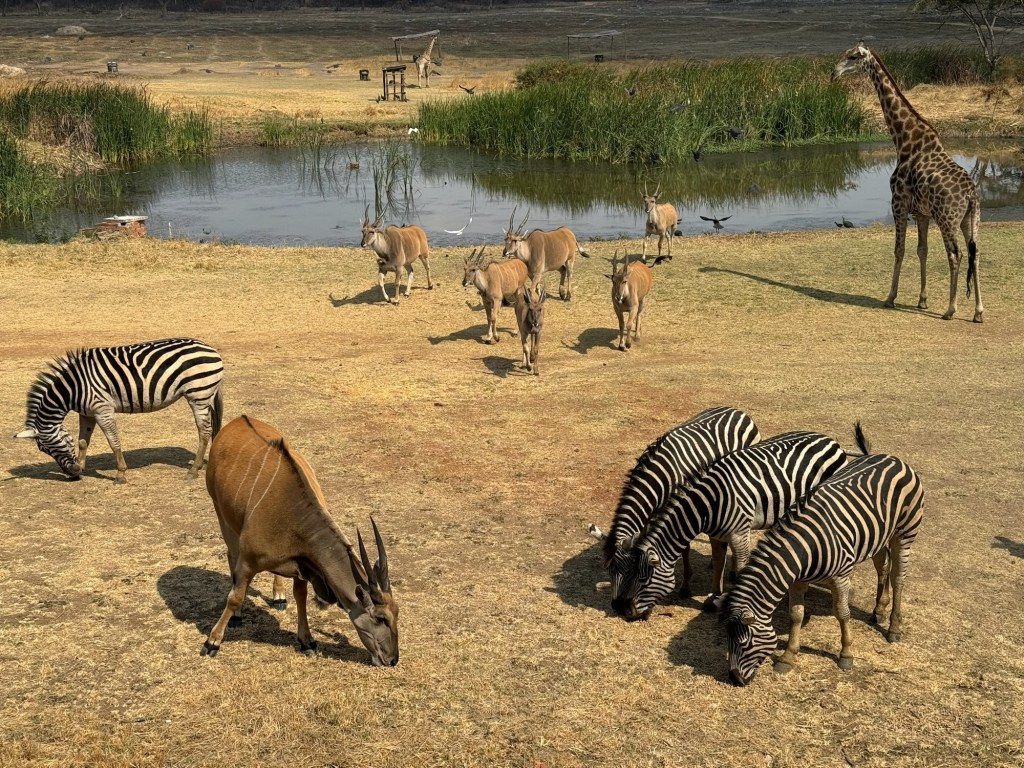
October 13: My last full day in Zimbabwe was spent souvenir shopping and observing more animals at Mukuvisi Woodlands. This is a far more accessible location for folks in Harare to see safari animals up (very) close and personal. It is here I first had the opportunity to observe the Eland, a very large antelope, and (according to Darlington’s family and others I met during my travels) my totem.

I will never forget the time I spent in Zimbabwe, and I am forever grateful to Darlington and his family, and to Tracy and her family, for welcoming me with open arms and introducing me to their beautiful country and culture. Zimbabwe is a country of many firsts for me, and I hope that someday I can return, and perhaps bring my own family to discover this truly special place.