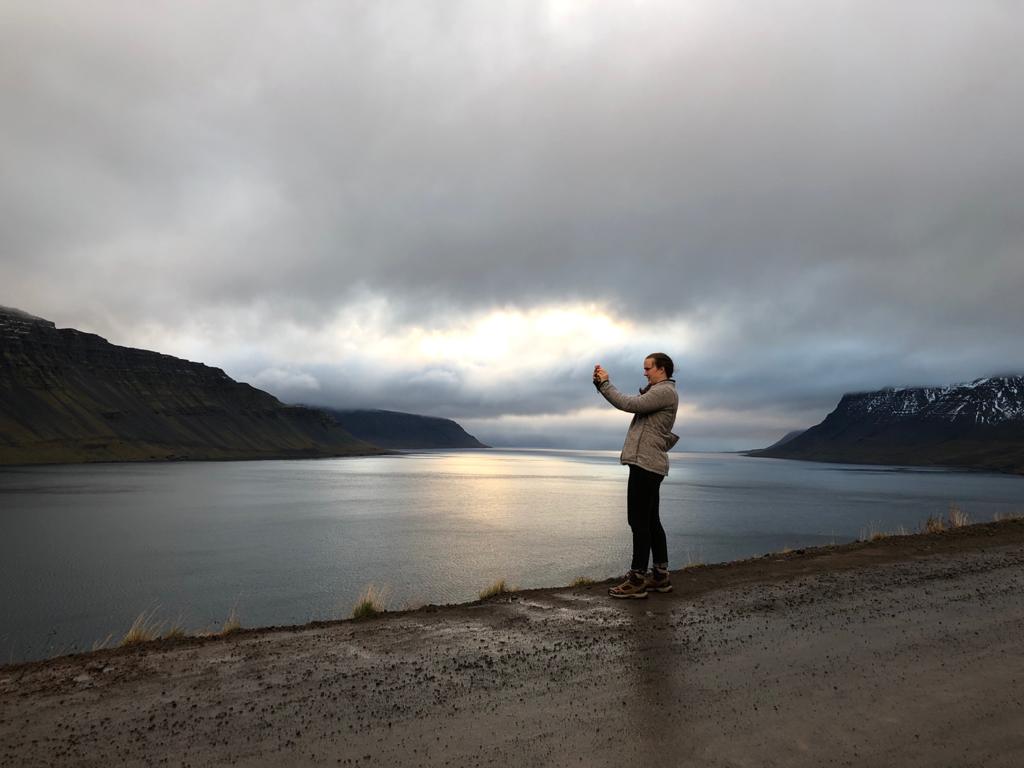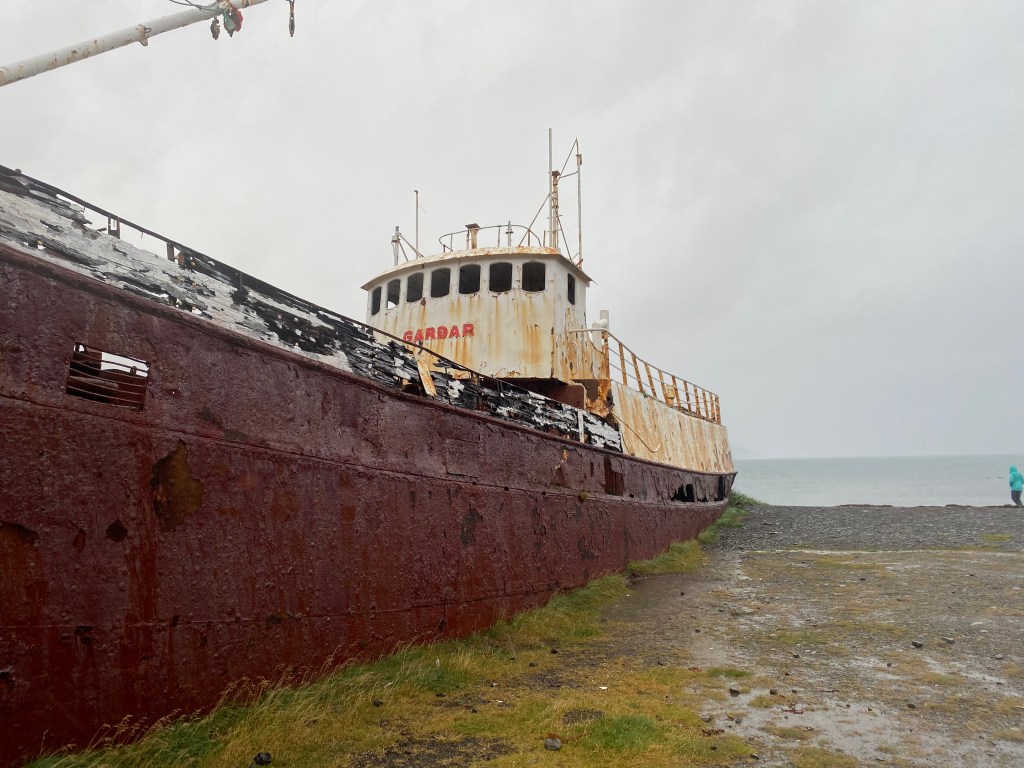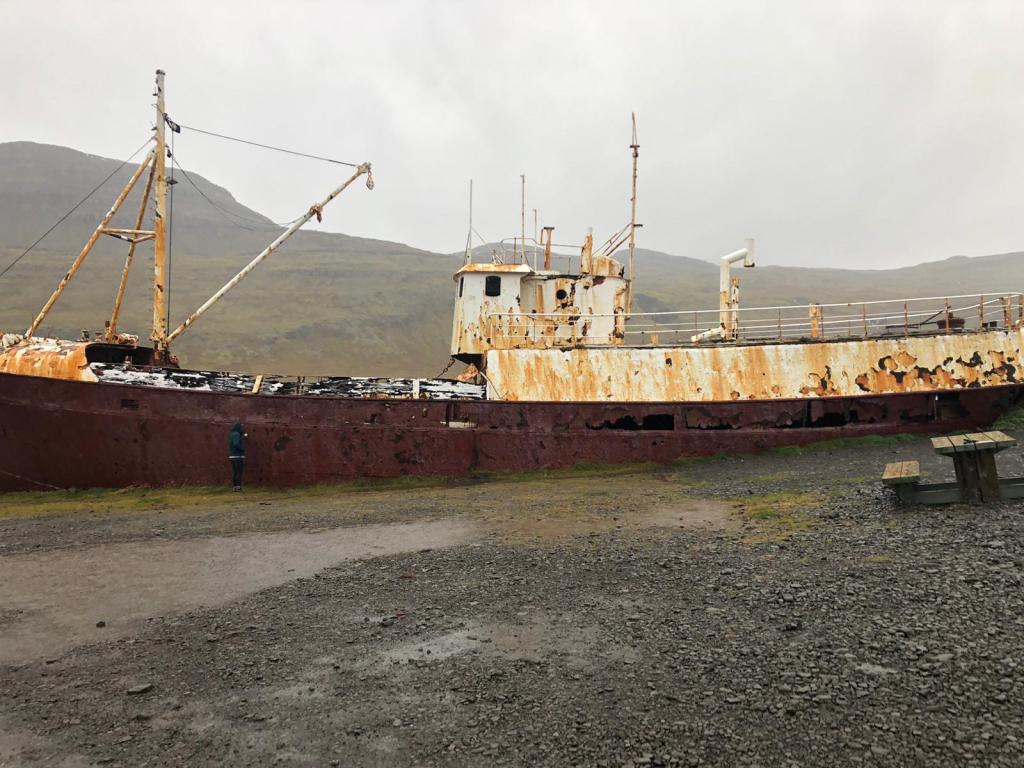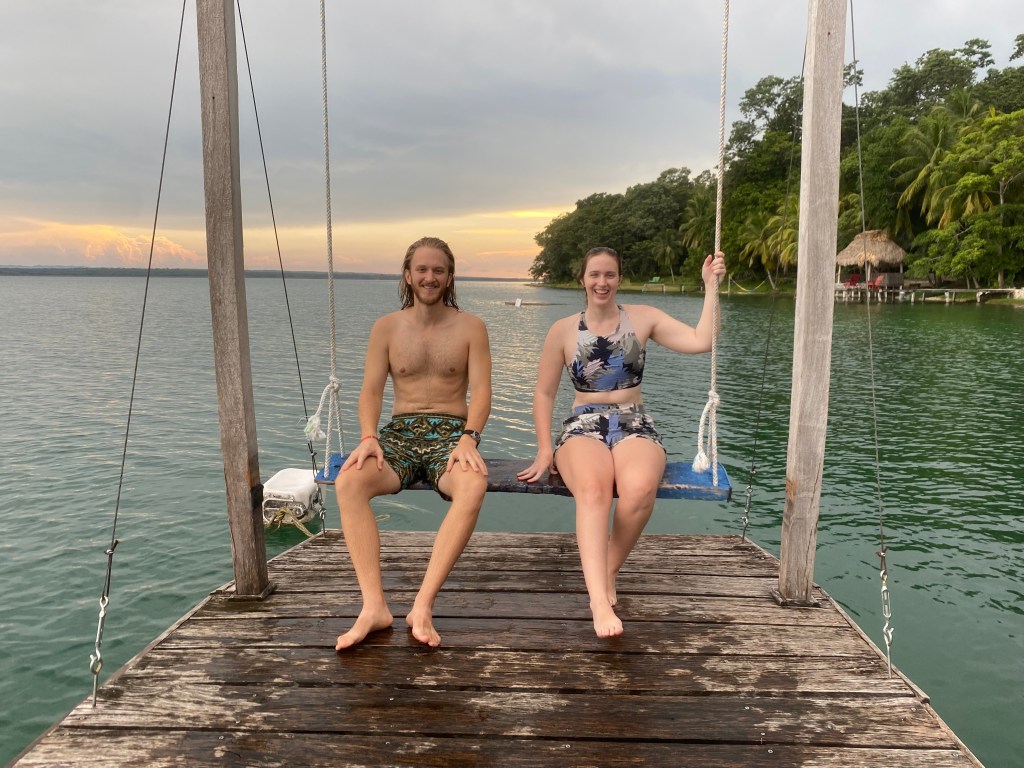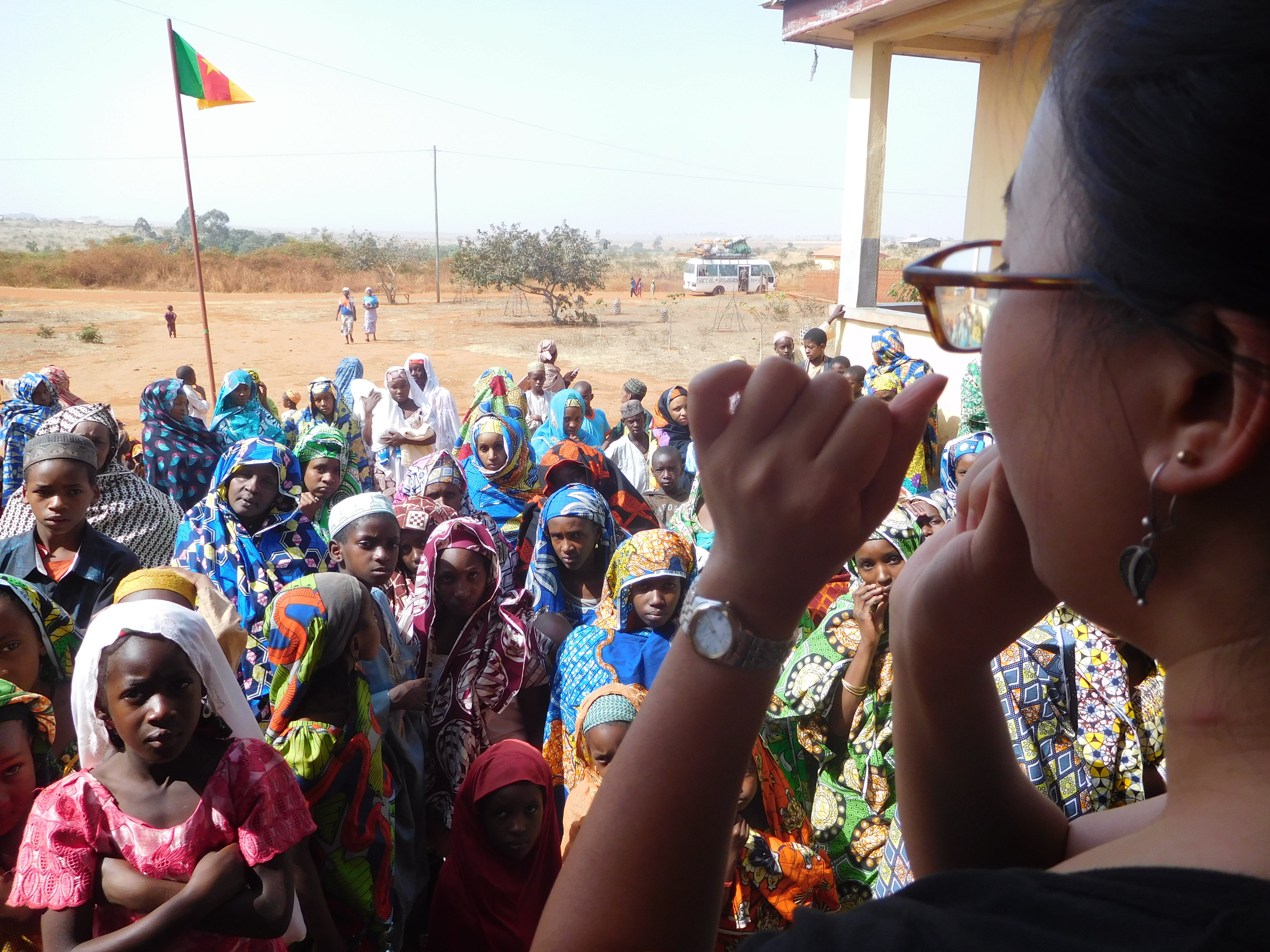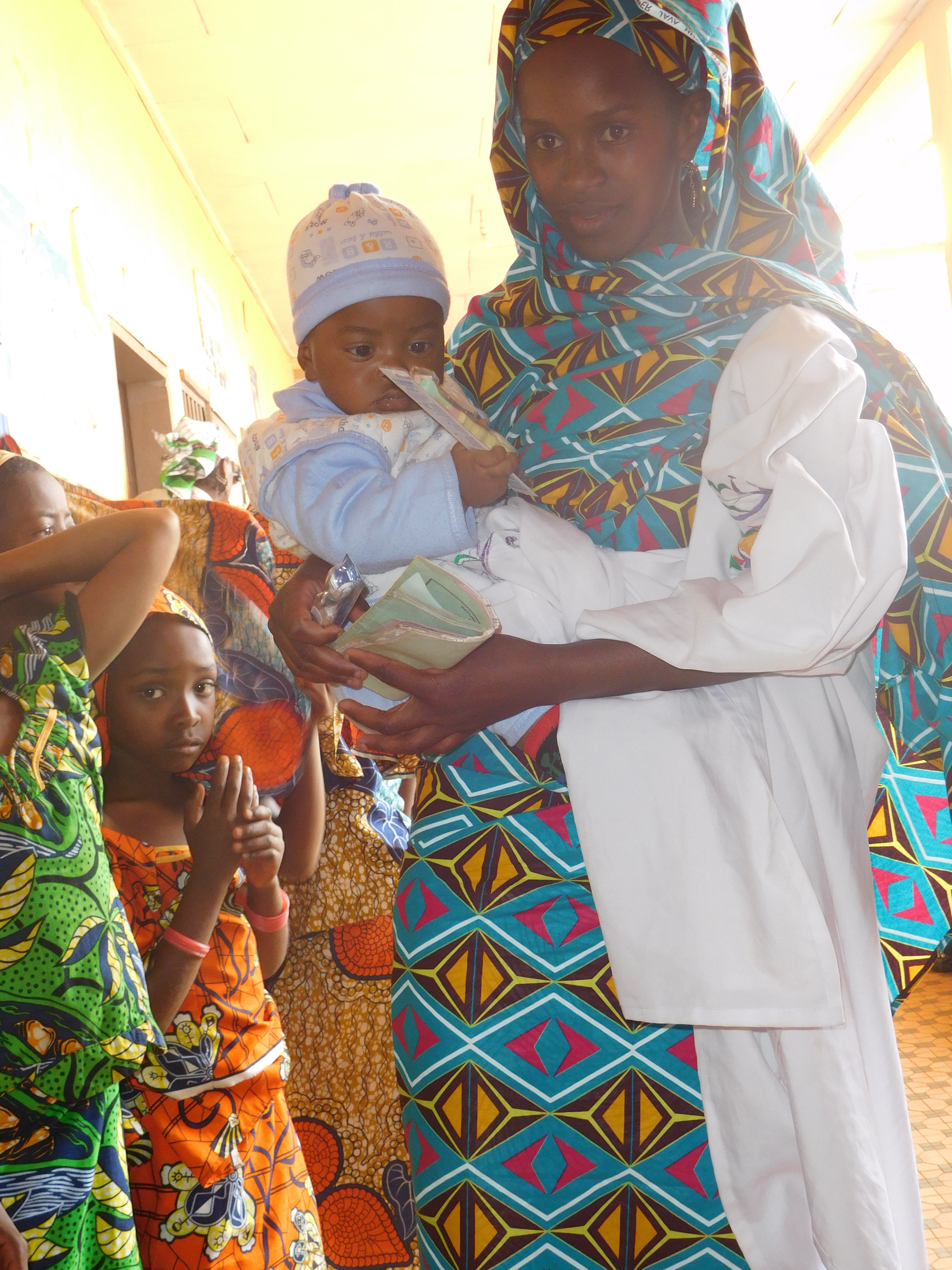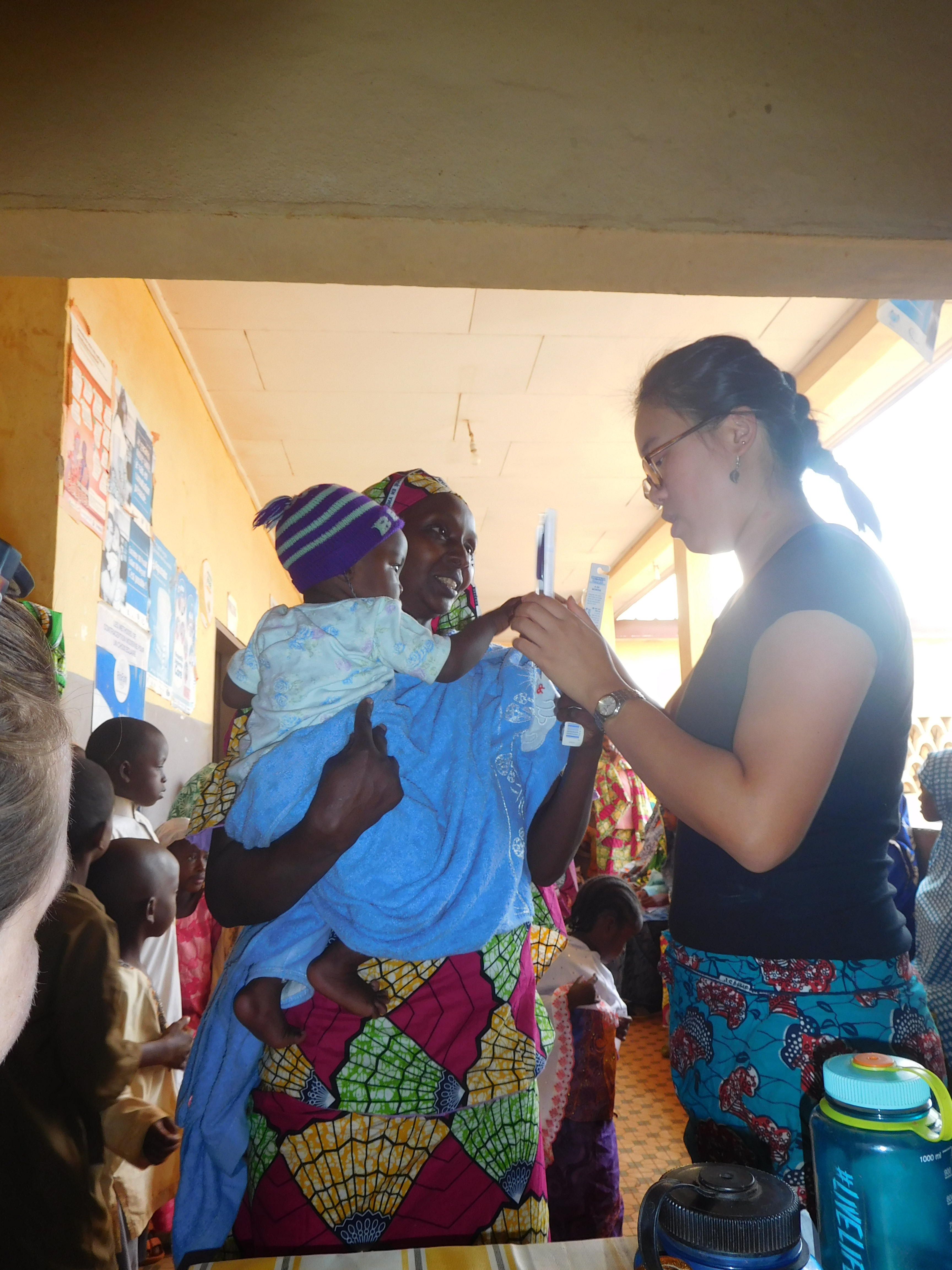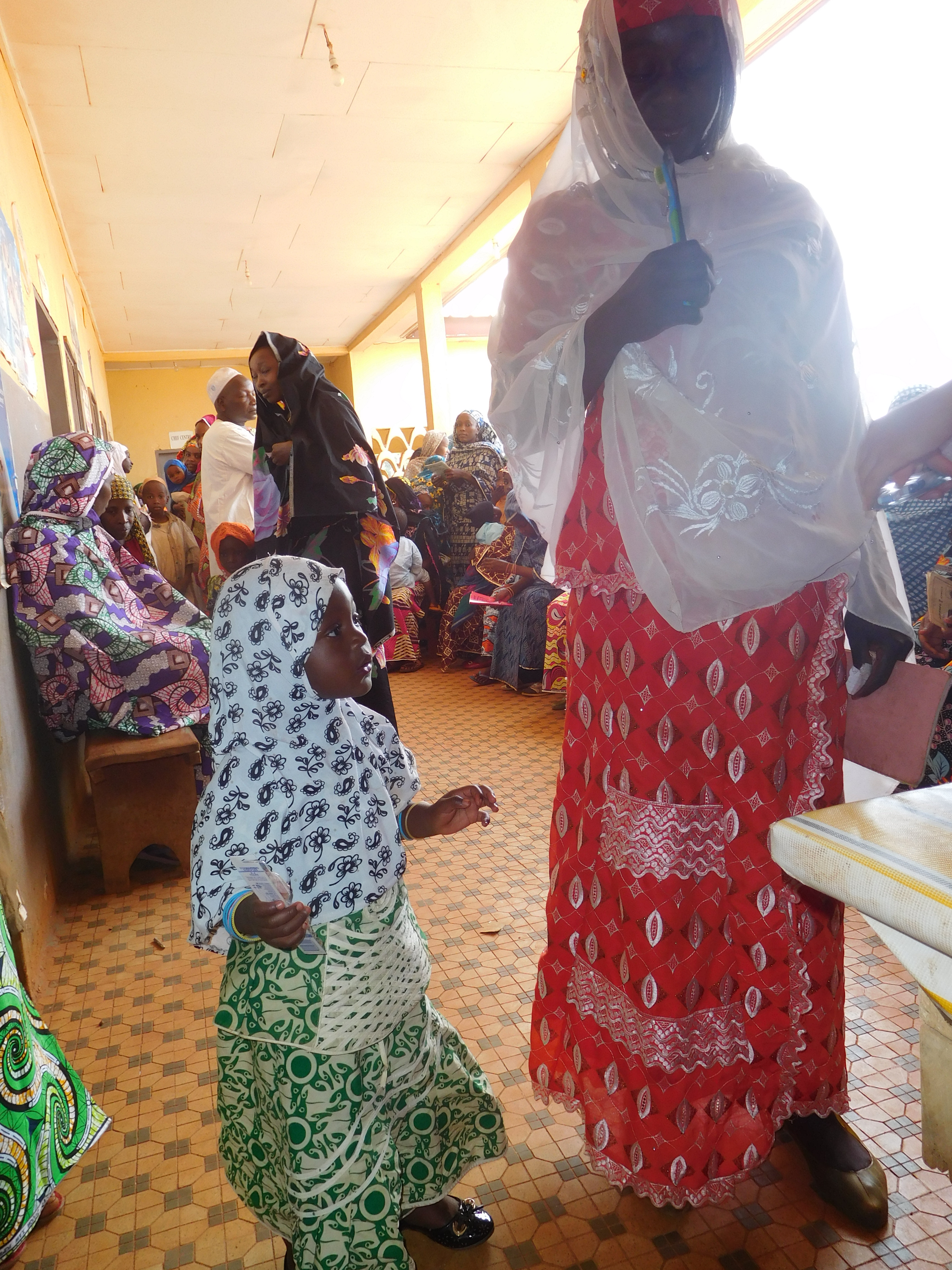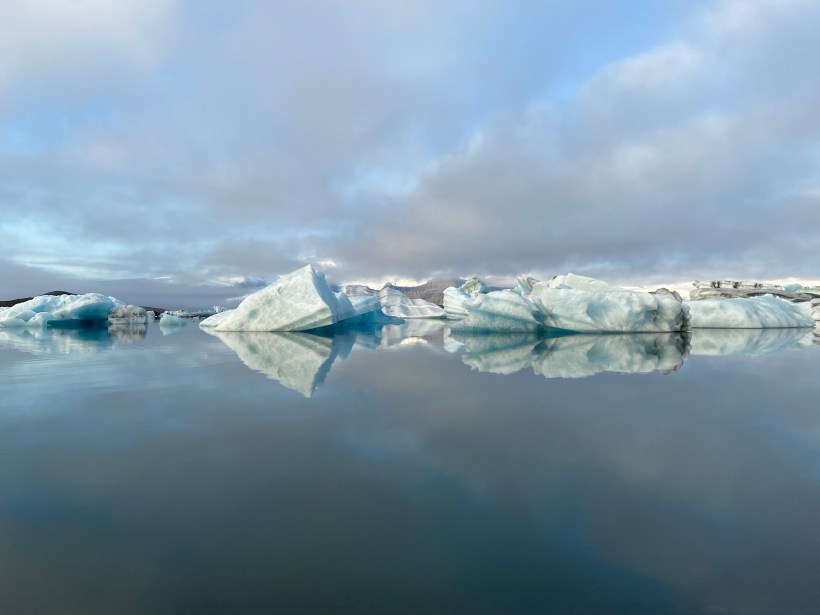
Iceland – Finally

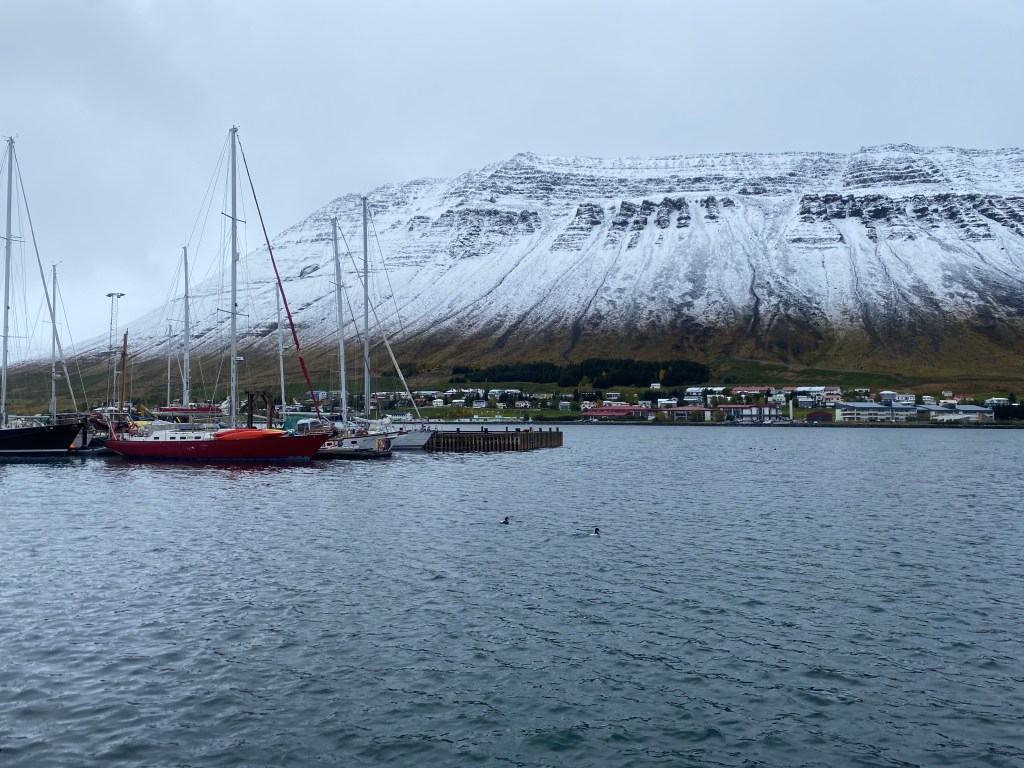
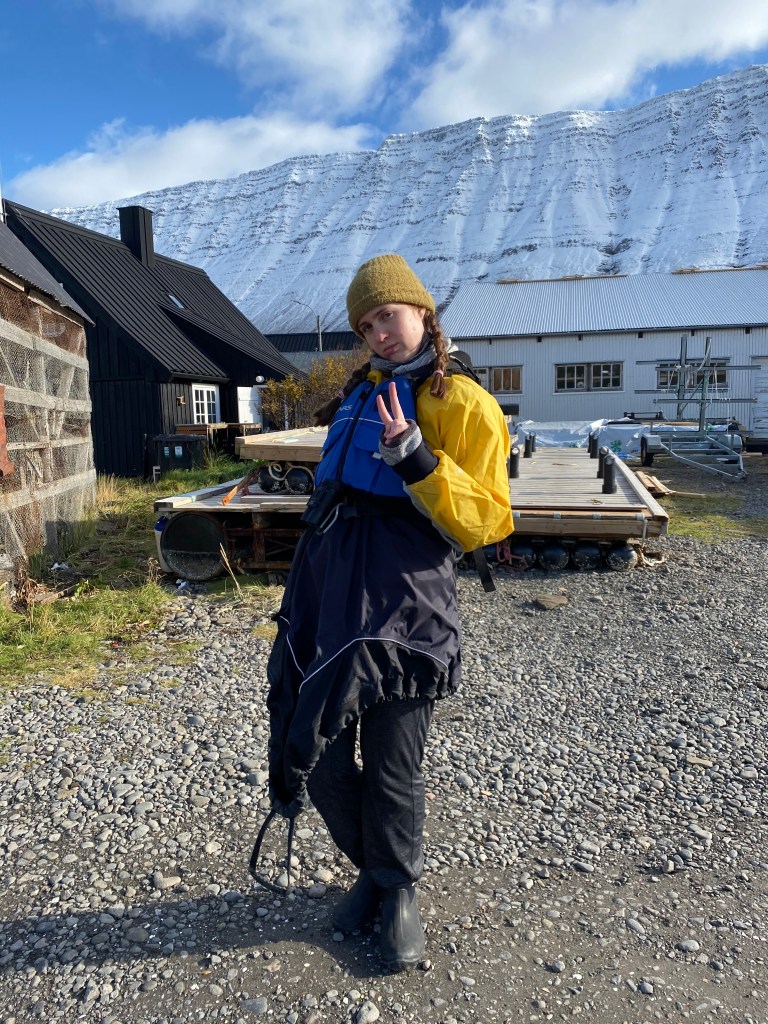
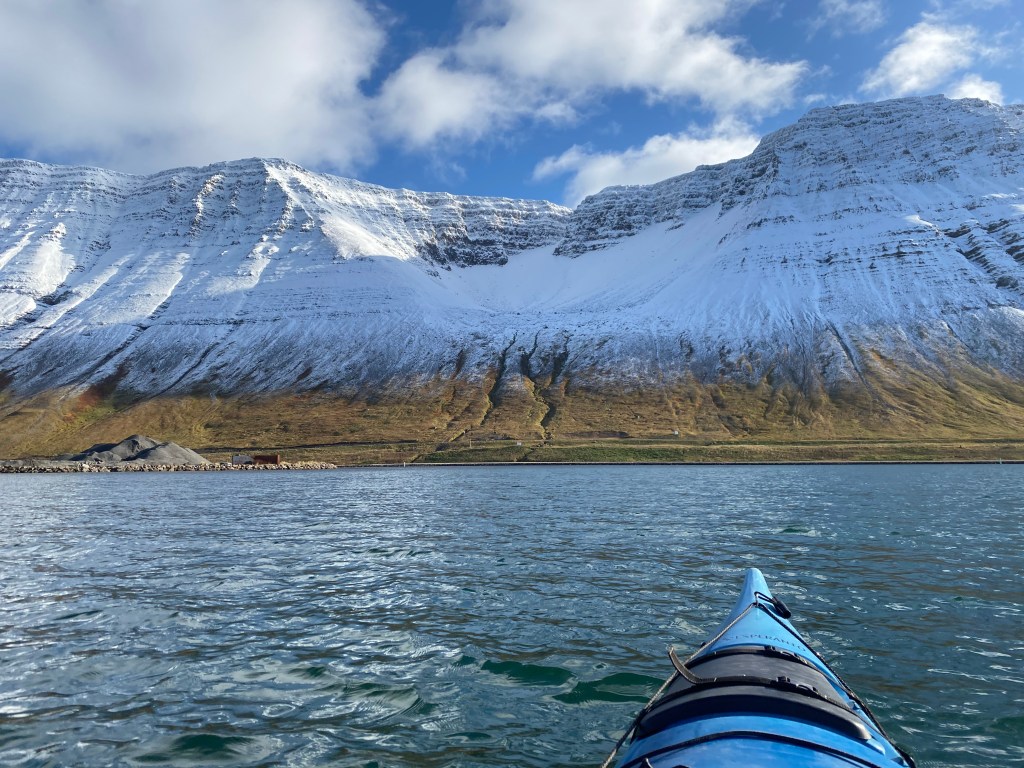
Believe it or not, this post is nearly 5 years late. In the fall of 2020, I started an MA program abroad through the School for International Training, and my first semester took place in Ísafjörður, Iceland. I did one brief blog about the beginning of that program here, but then swiftly was overtaken by the reality of graduate school and didn’t finish recording my travels. I then had my second semester in Zanzibar and Kenya, graduated, visited my brother in Guatemala, got a job, went to Italy, and Zimbabwe.

I am catching up, and starting with Iceland. There should be around 2-3 posts to go after this one before I am up to date! So, let’s see how good my memory is after almost 5 years have passed.
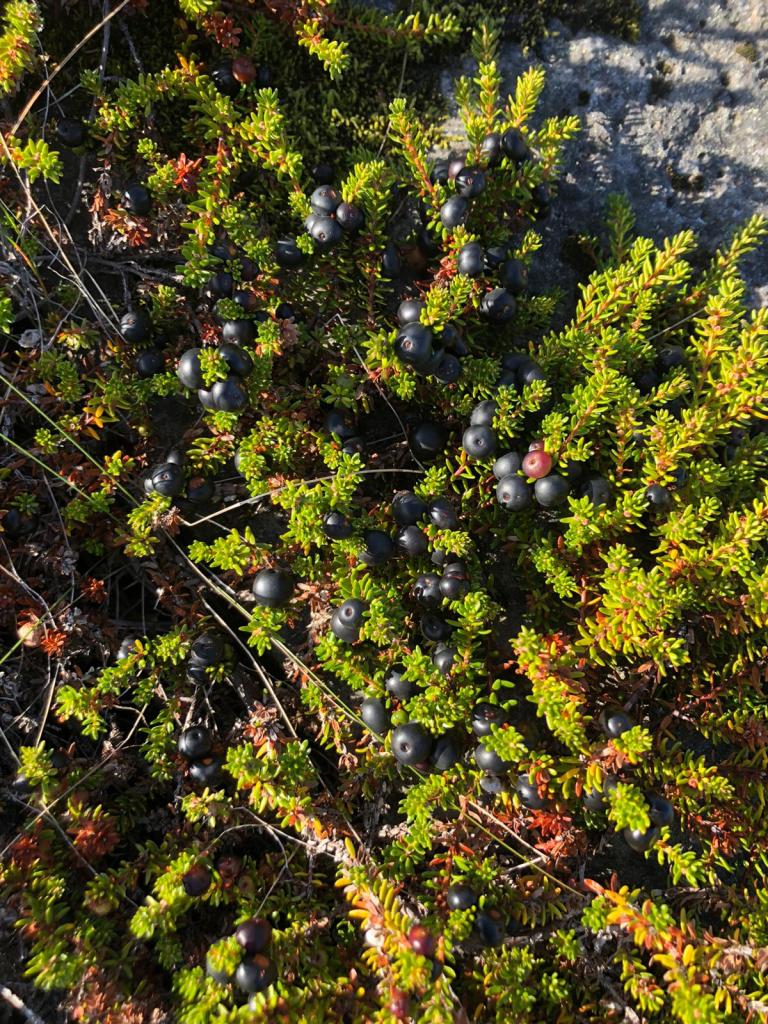
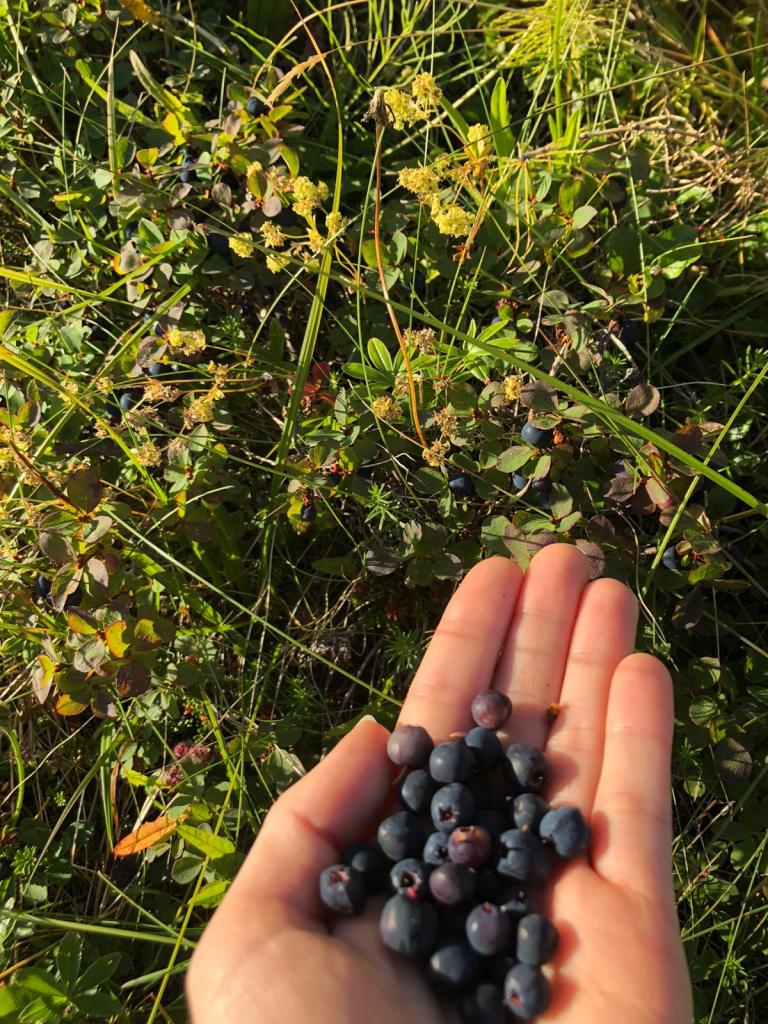
Once we were free from quarantine, finally, I remember our blueberry picking quite well!
When combing through my 2,000+ photos to pick around 150 for this post, I noticed a lot of them included my good friend, Francesca! It is no wonder we stayed in touch and I visited her in Italy last year.

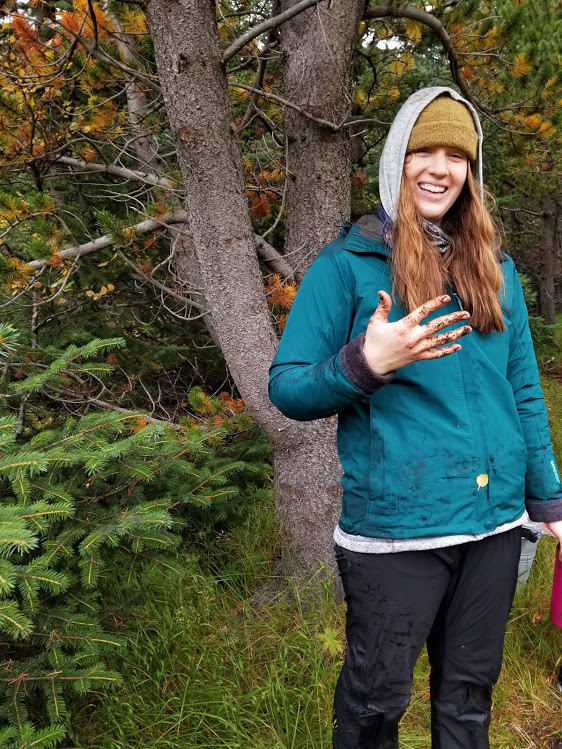
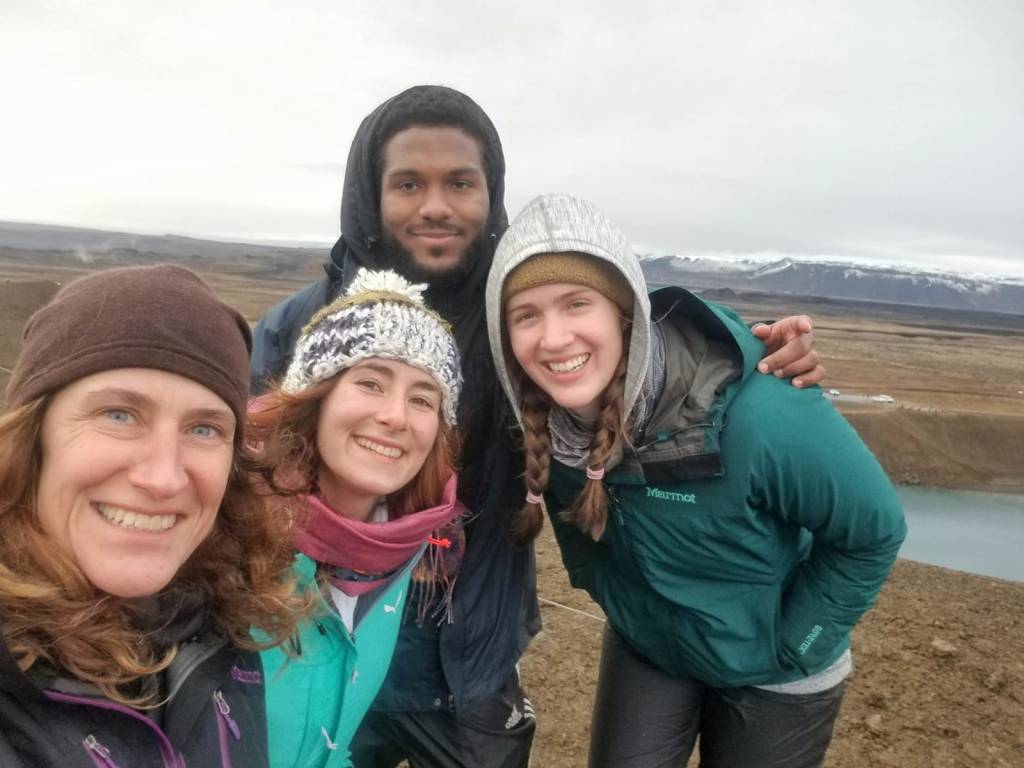
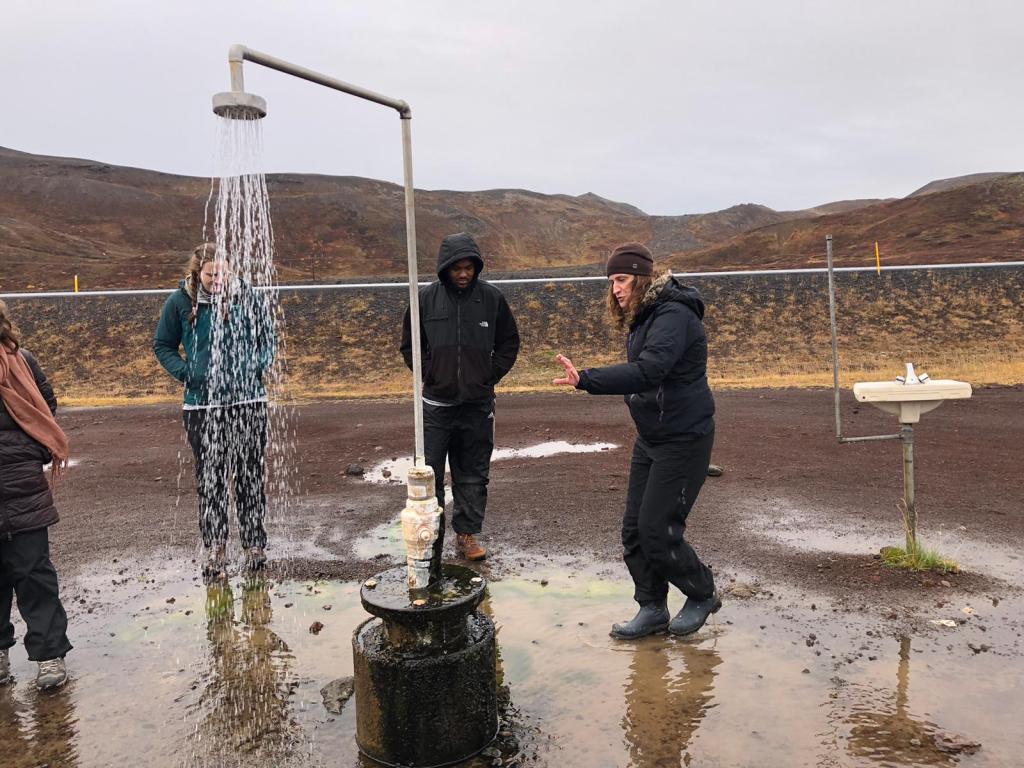
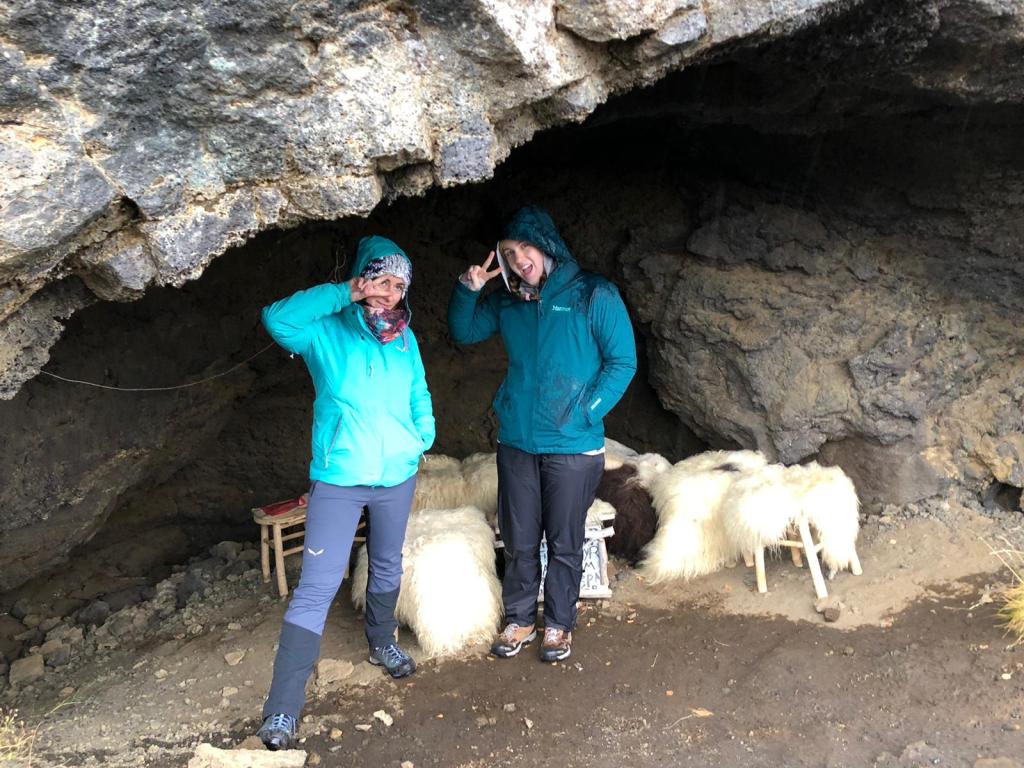
Here are some photos from our first few weeks out of quarantine, during which we were collecting field data/doing research!
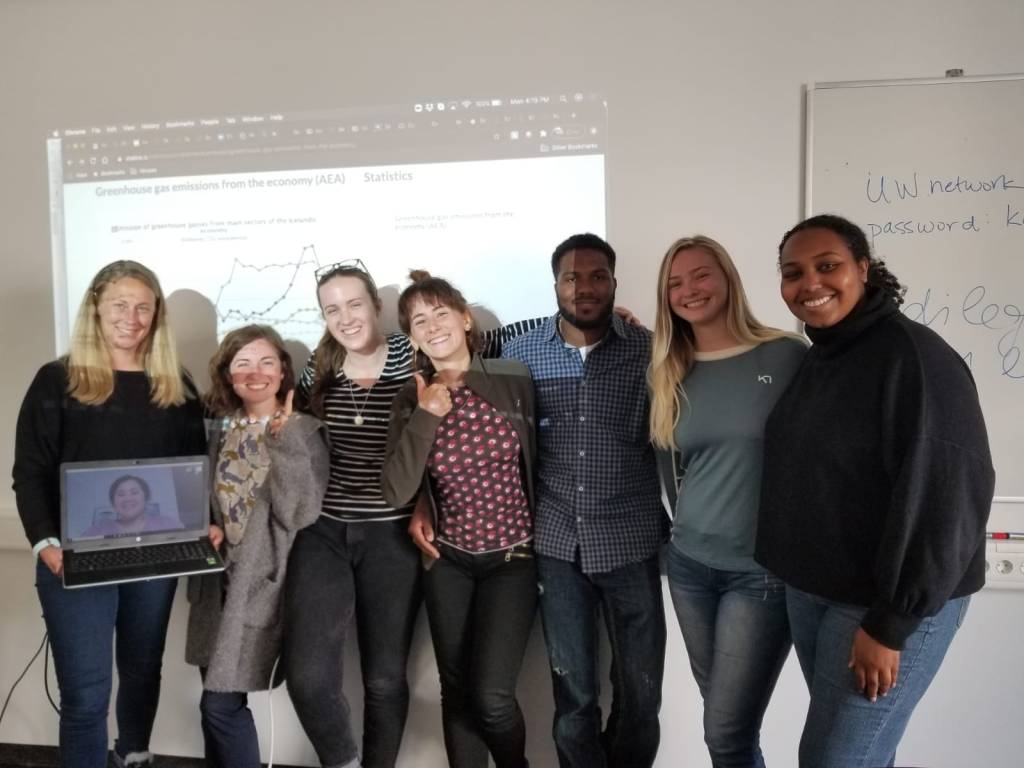
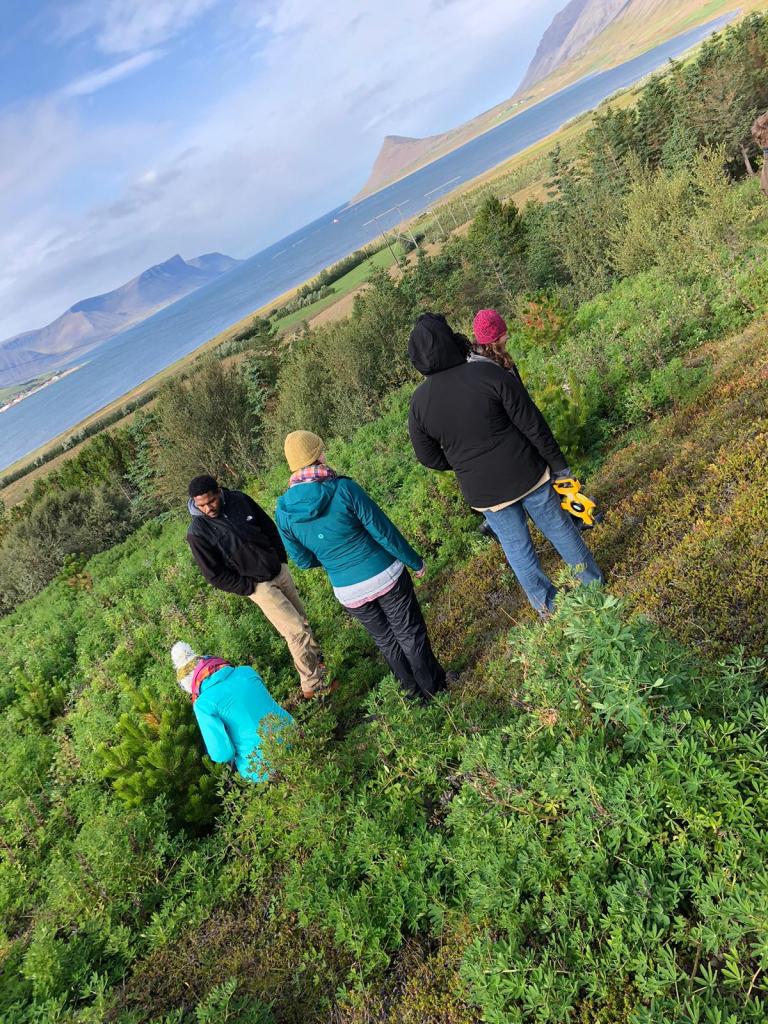
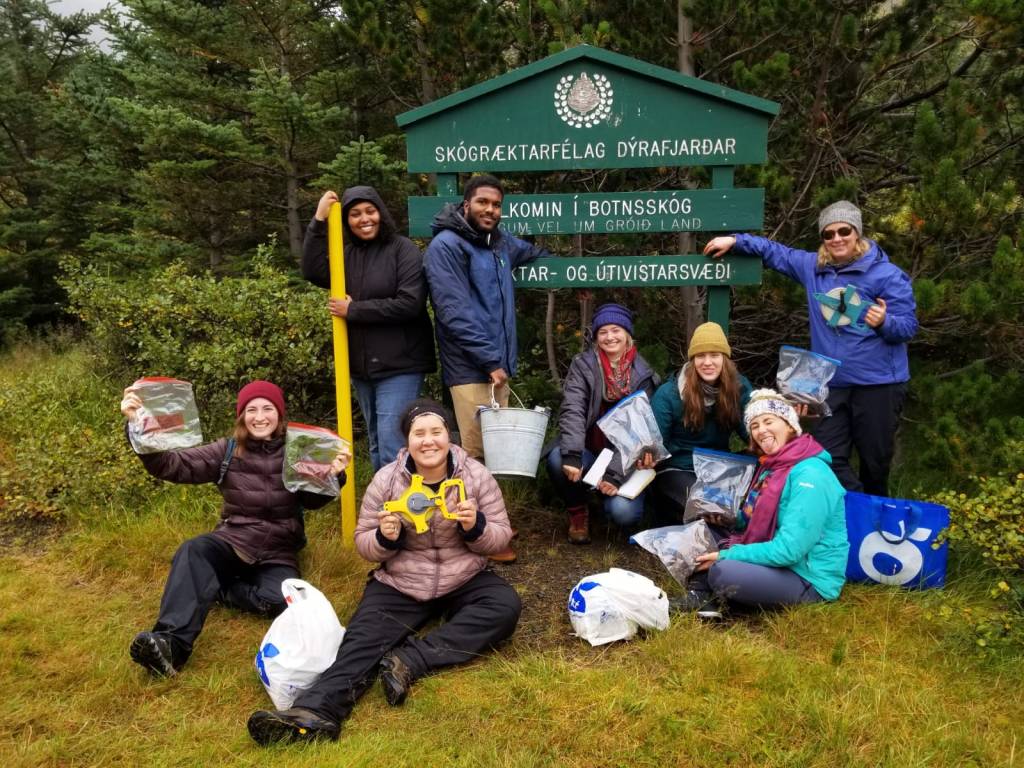
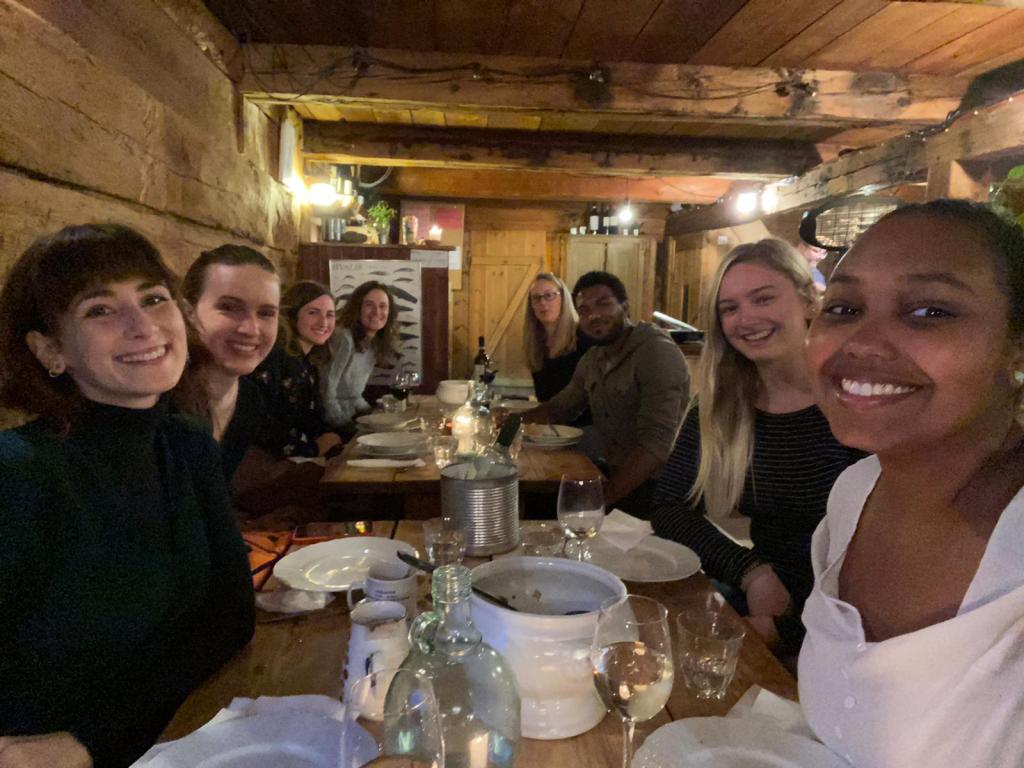
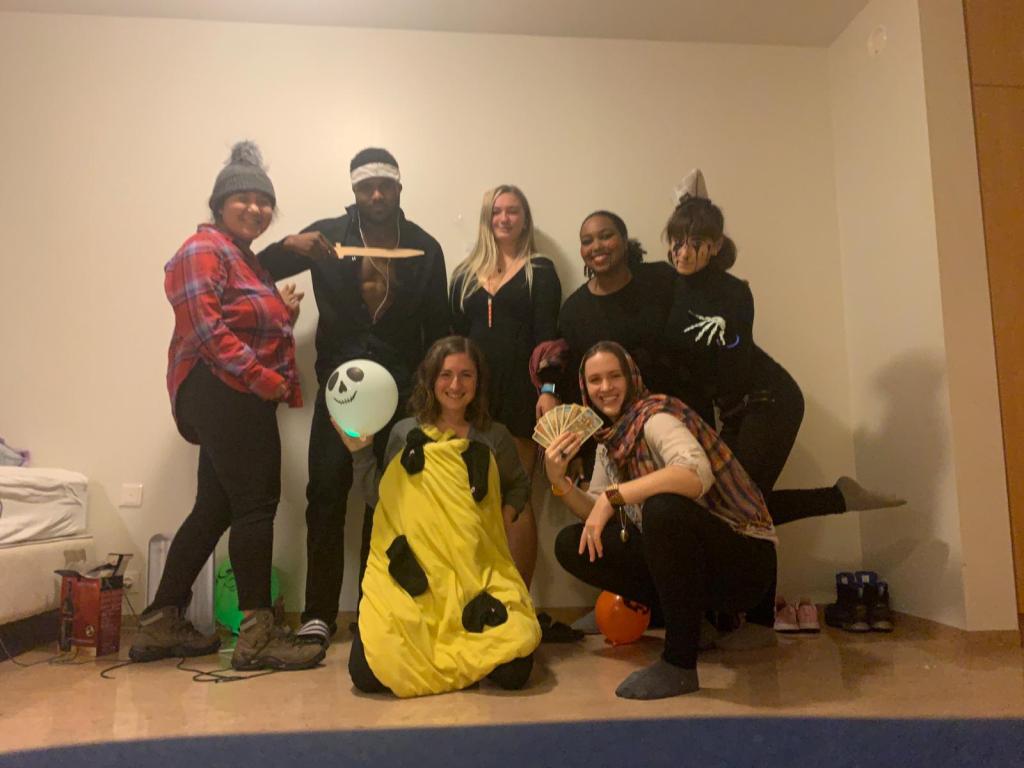
The crew! Passion (on the laptop) and Amanda holding her, Dani, me, Fra, Blake, Christy, and Nazmah

The field work was fun! It was usually two of three things in Iceland: cold, windy, or wet. I always joked that I could handle two of those things at once, but not all three. One of the most memorable things about my time there was probably the geothermal heat, and the heaters in each room that you drape wet clothes over to dry. I would warm my socks on them before putting them out and heading outside. It was a wonderful time for someone who liked to come inside and get cozy!

I kept an EXTENSIVE planner during my time in Iceland (wish I still did) but none of that is interesting unless you are curious about the schedule of an MA student abroad in Iceland, so I’ll stick to talking about sight seeing, after sneaking just one photo of the planner in here:
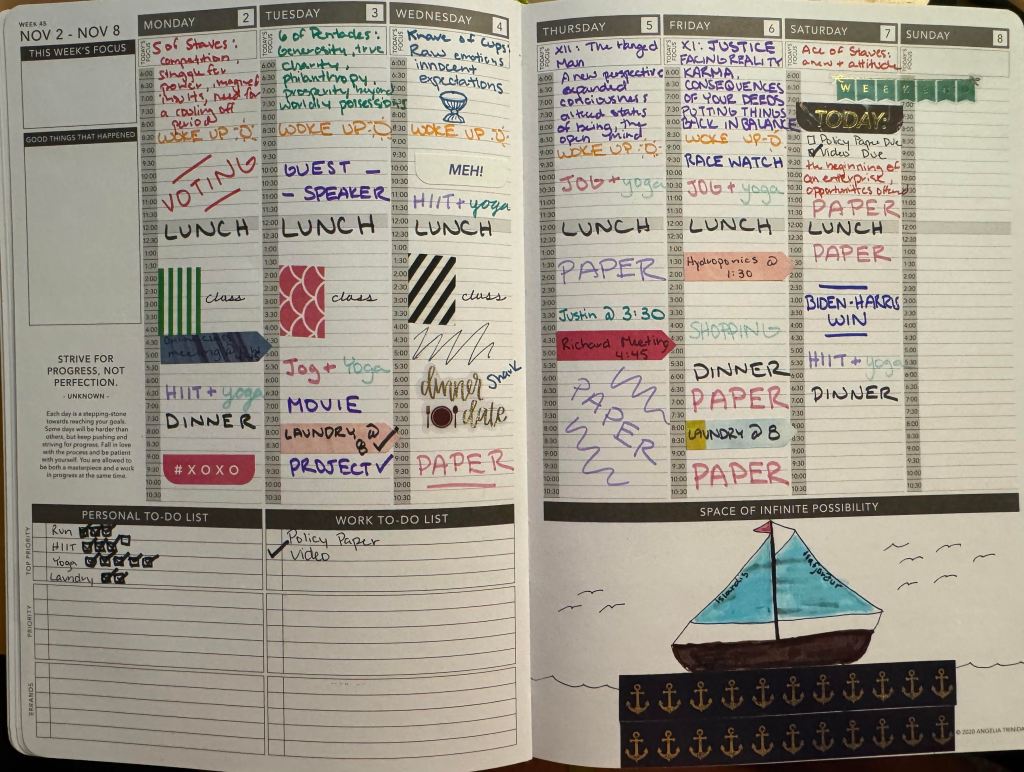
This was my final full week in Iceland, with all my final projects due. And as if that wasn’t enough, it was also the 2020 presidential election. I got no sleep. But I did eat fermented Greenland shark (Hákarl) that Wednesday, with no chaser shot, because I quit drinking in Iceland. If I decide to one day upgrade my WordPress subscription, I’ll pop the video of that in here.

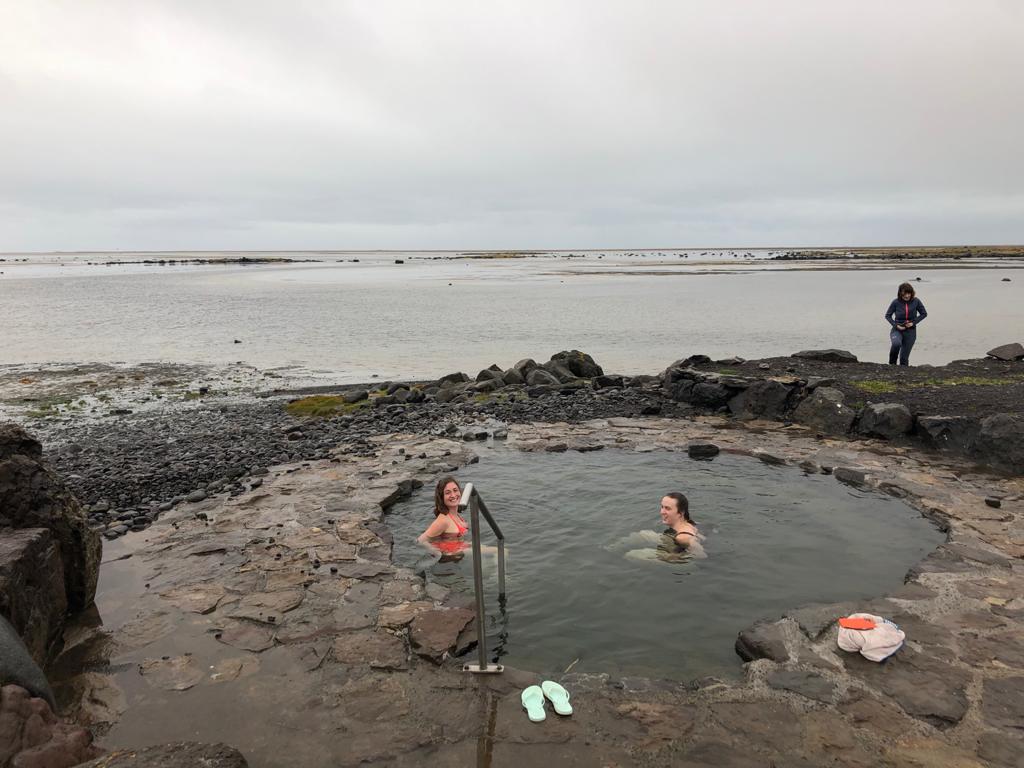
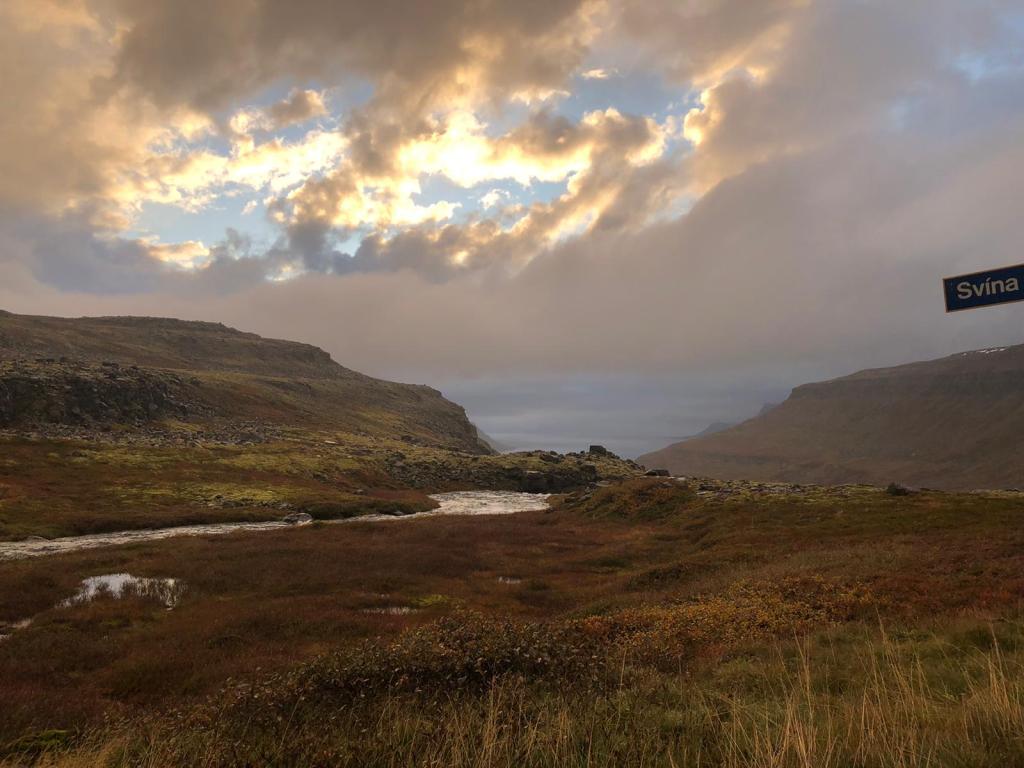
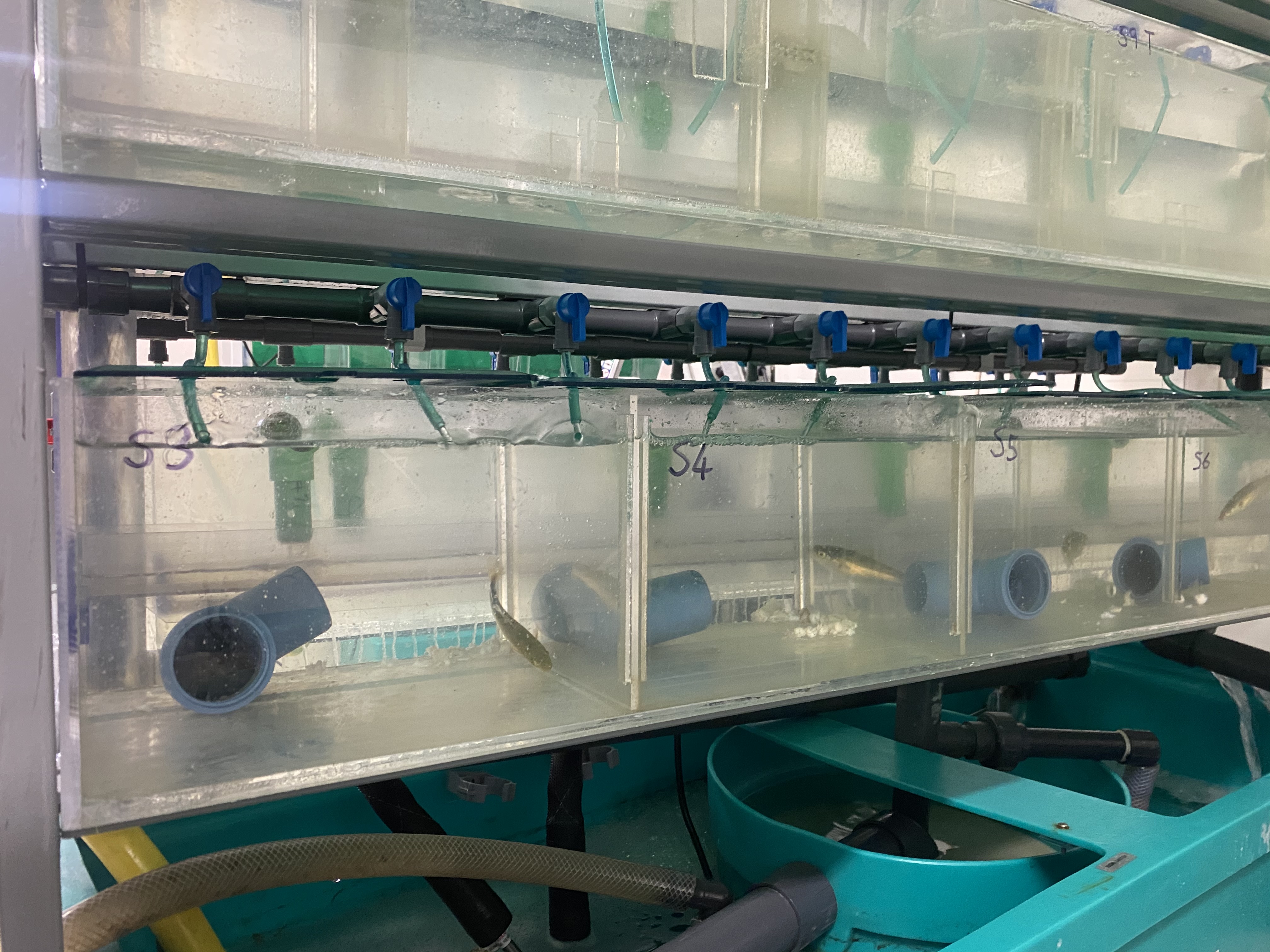
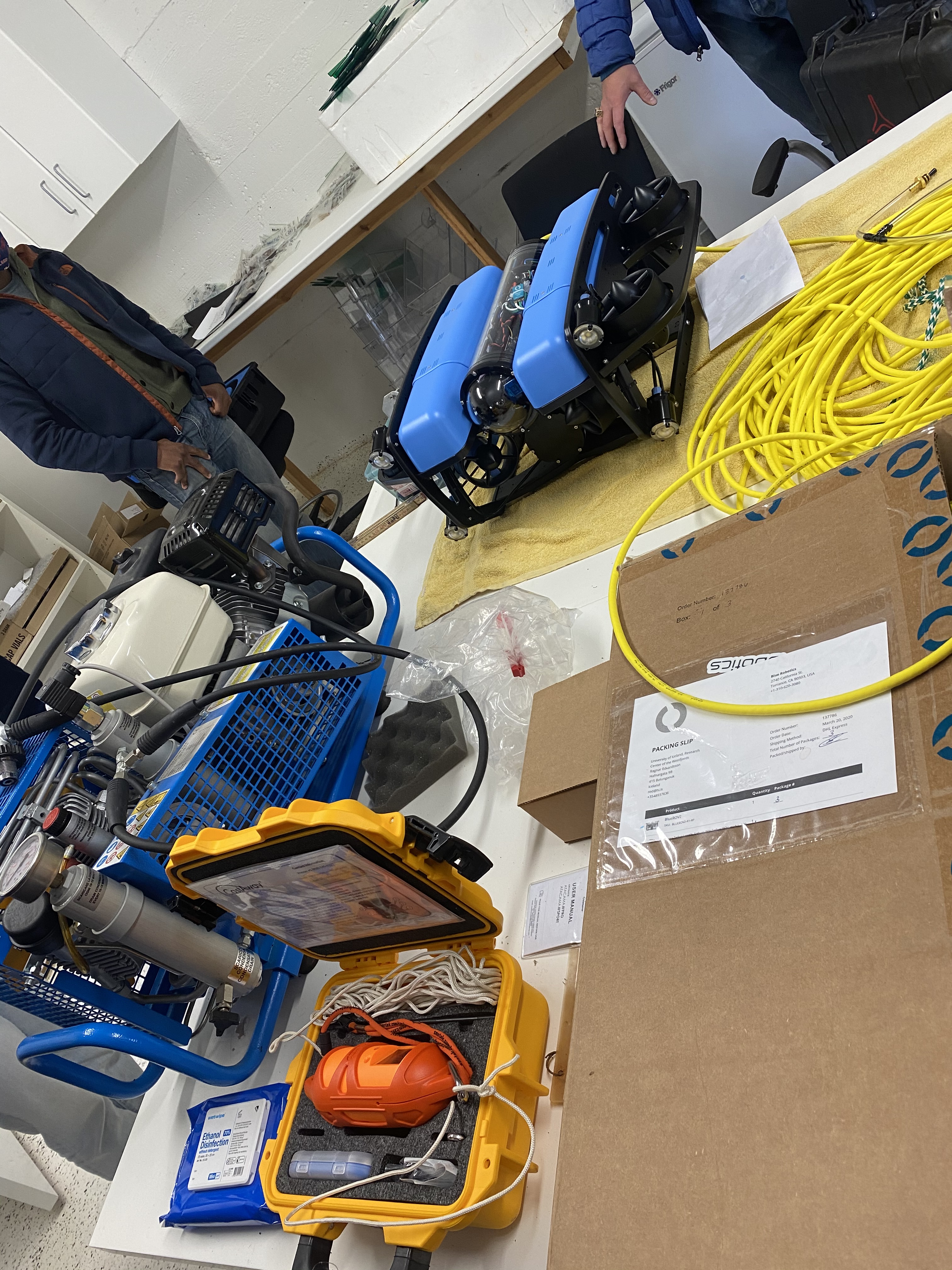
For a school trip, we visited a research facility in Bolungarvík, a neighboring town in the Westfjords, and the northernmost village in the region. I also recall it having an AWESOME indoor and outdoor pool. Icelanders believe it to be a right to have access to “hot pots” or man made or natural hot pools. Which was fine by me, I love a good soak. You would too if you lived in Iceland year round!
September in Ísafjörður:
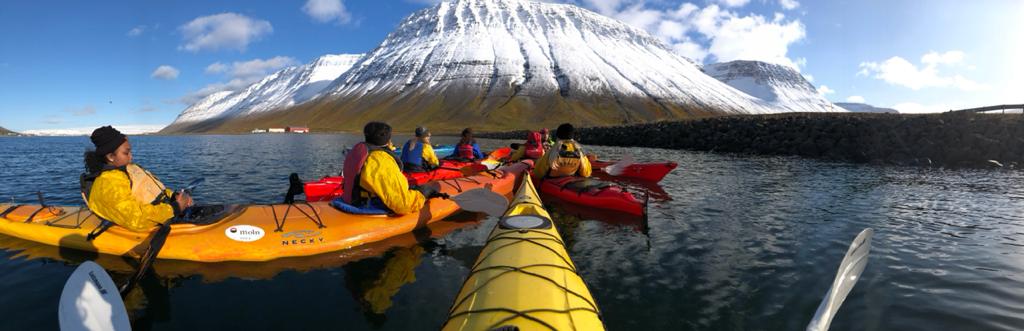
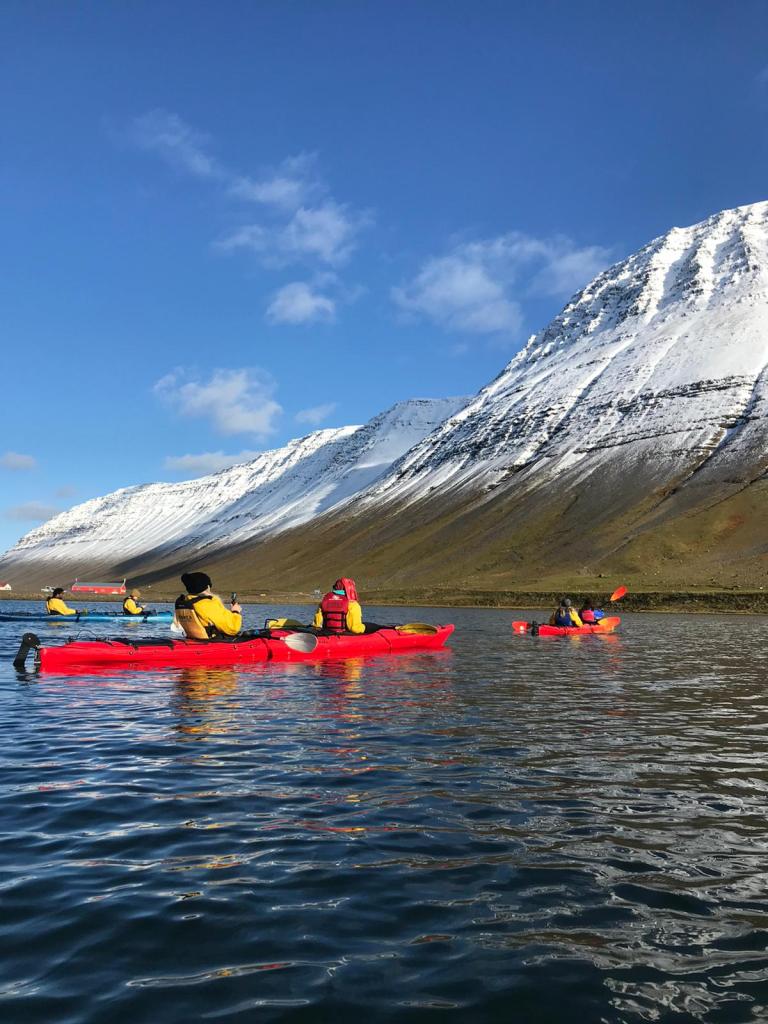
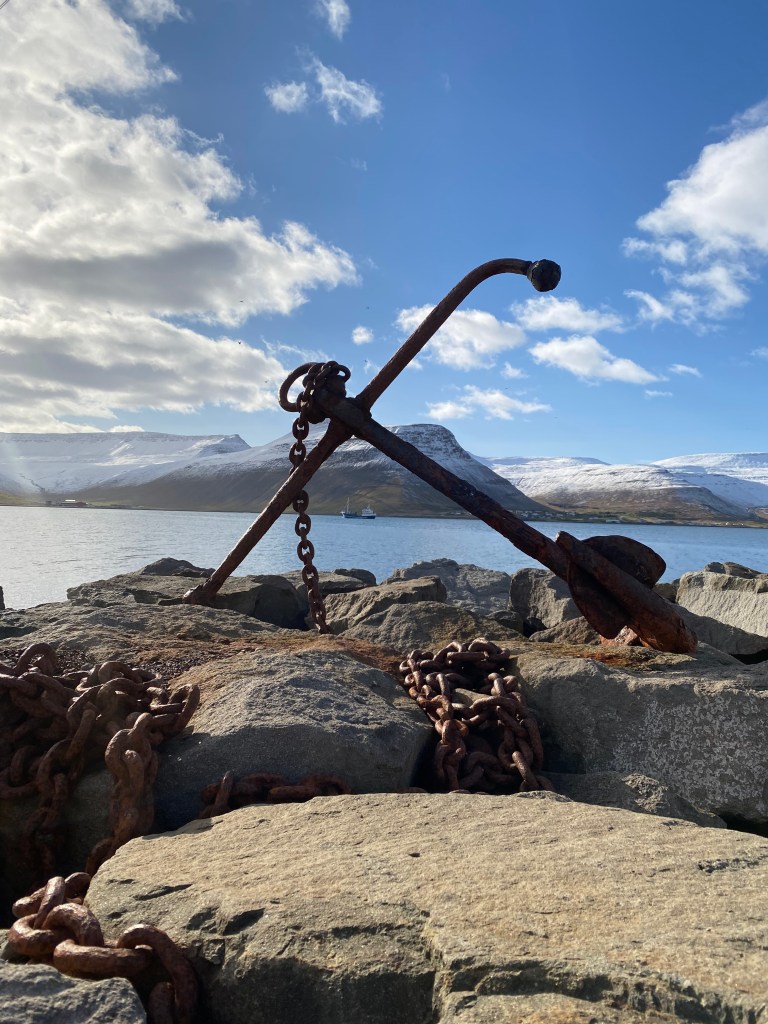
We went on a team kayak at the end of September. I’d never been kayaking in the cold like this, it kinda heightened the risk of falling into the water. You do NOT want to fall into the Fjord in late September… or really any time of year. It is pretty damn cold.
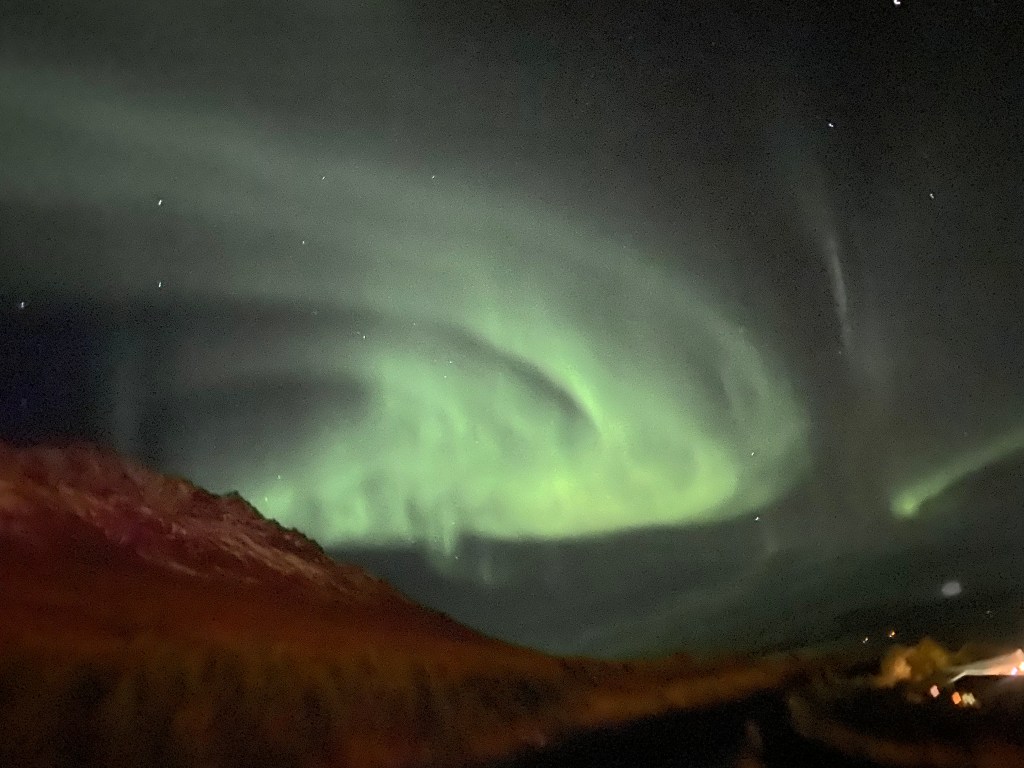
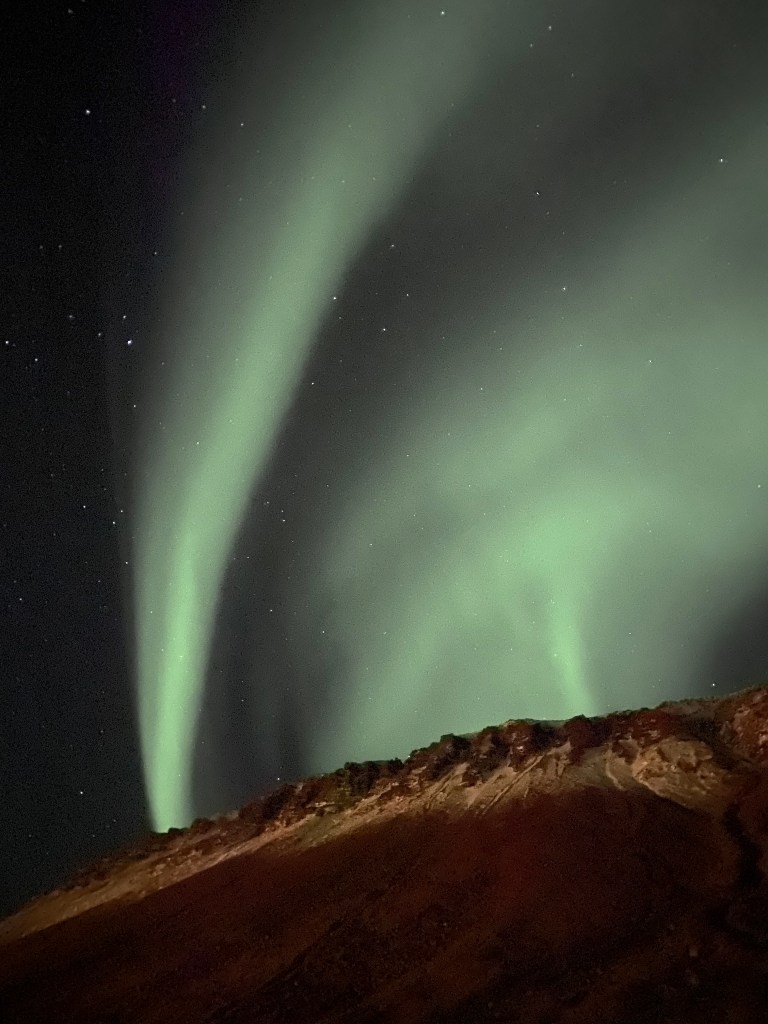
The same day as the kayak trip (September 24th, 2020) we FINALLY got our first Northern Lights sighting. I know they always say pictures don’t do them justice but… yeah, they’re right.

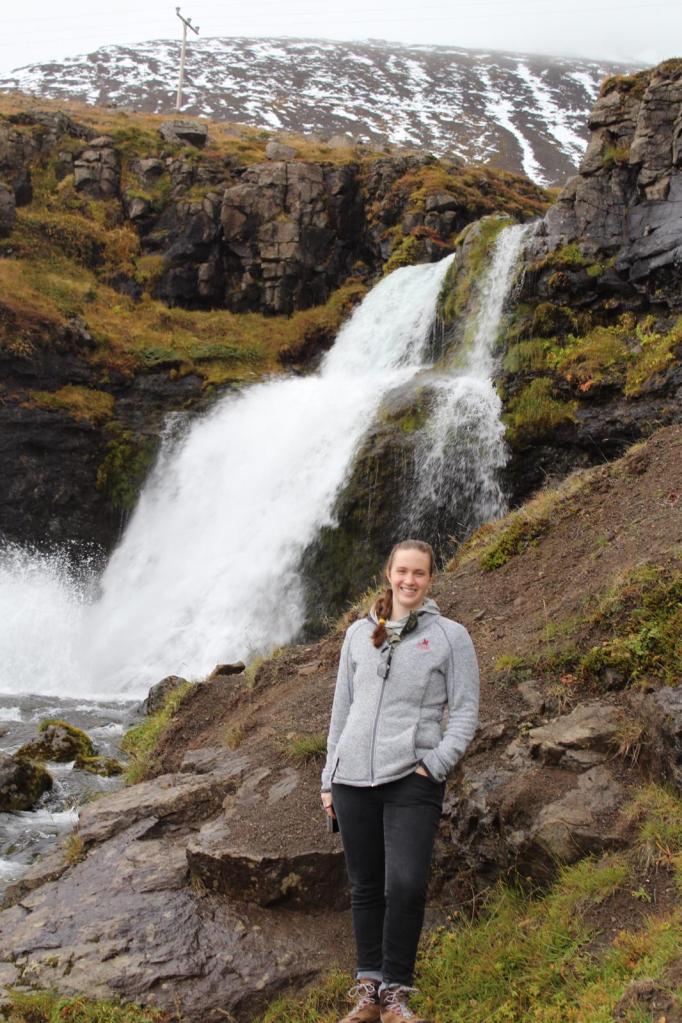
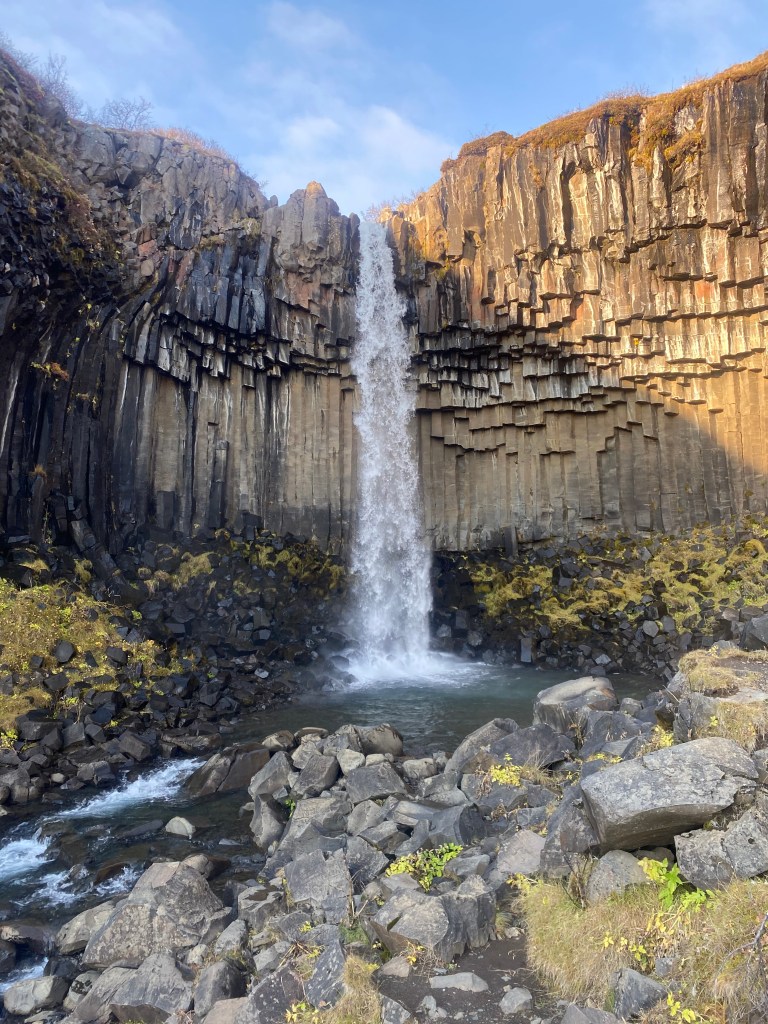
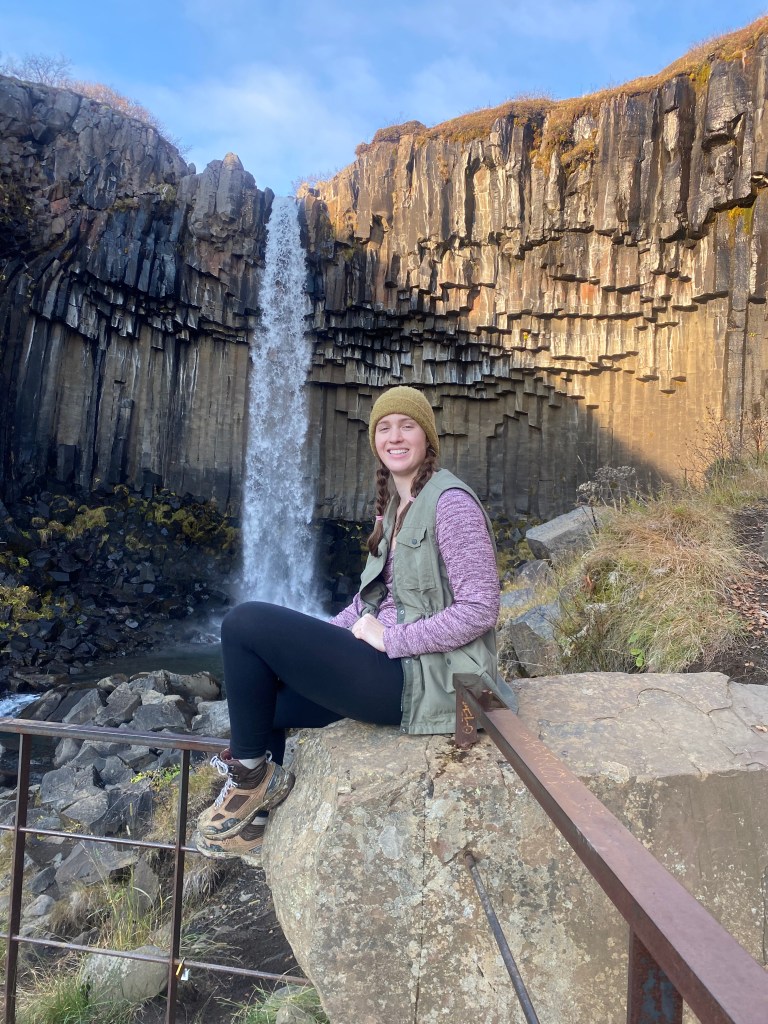
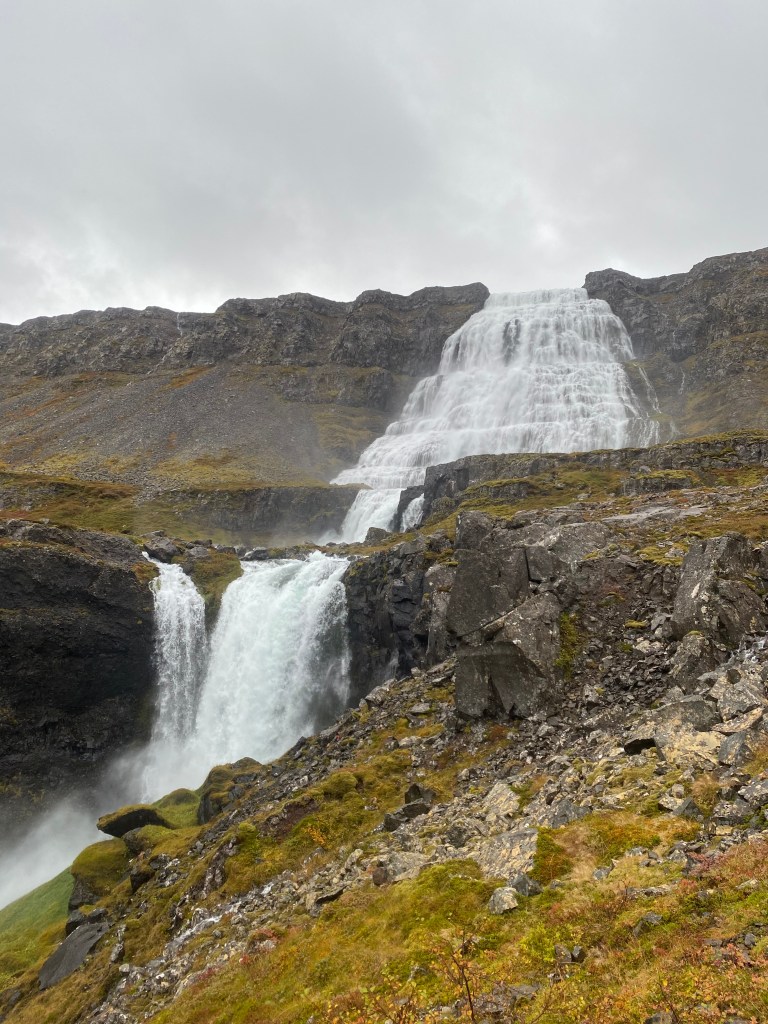
A few of us took a trip to Dynjandi (meaning thundering noise), a stunning waterfall that tumbles down hard basalt layers and stands 99 meters high, 30 meters wide at the top, and 60 meters wide at the bottom.
That same afternoon, we headed into Patreksfjörður, first running into one of two stone men, the first being in Vatnsfjordur. We found very local hot pots (I recall changing in a lean-to), some good food in Bíldudalur, and got some unreal photos that I don’t have location stamps for as they were taken with good old fashioned cameras. Enjoy:
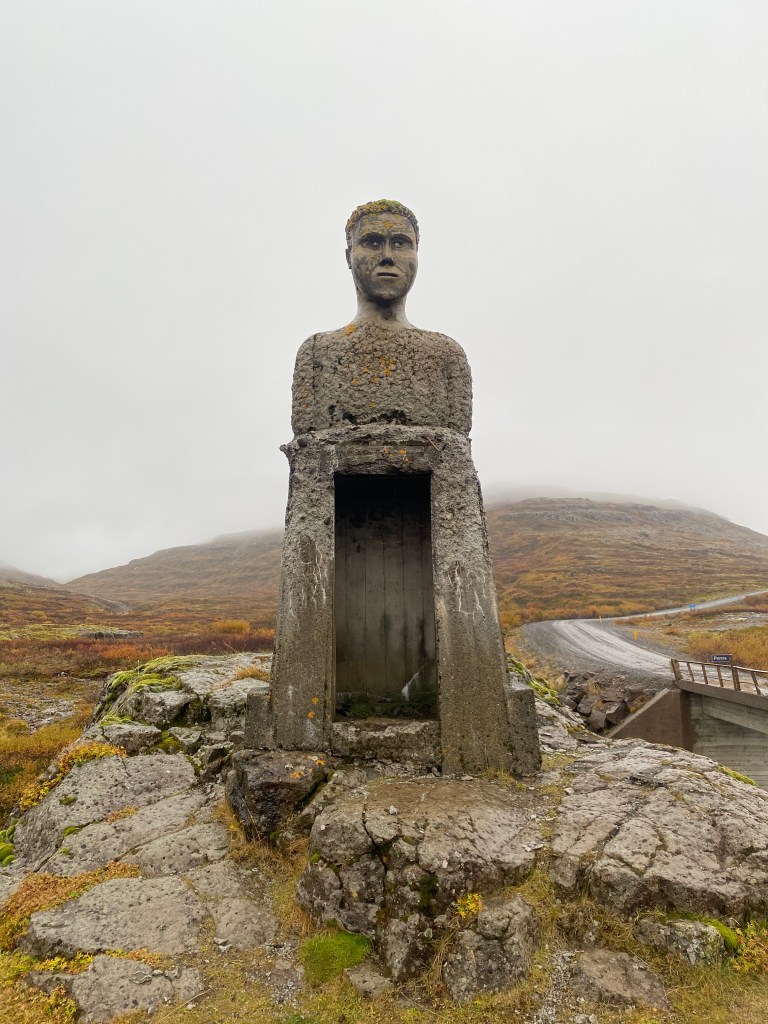
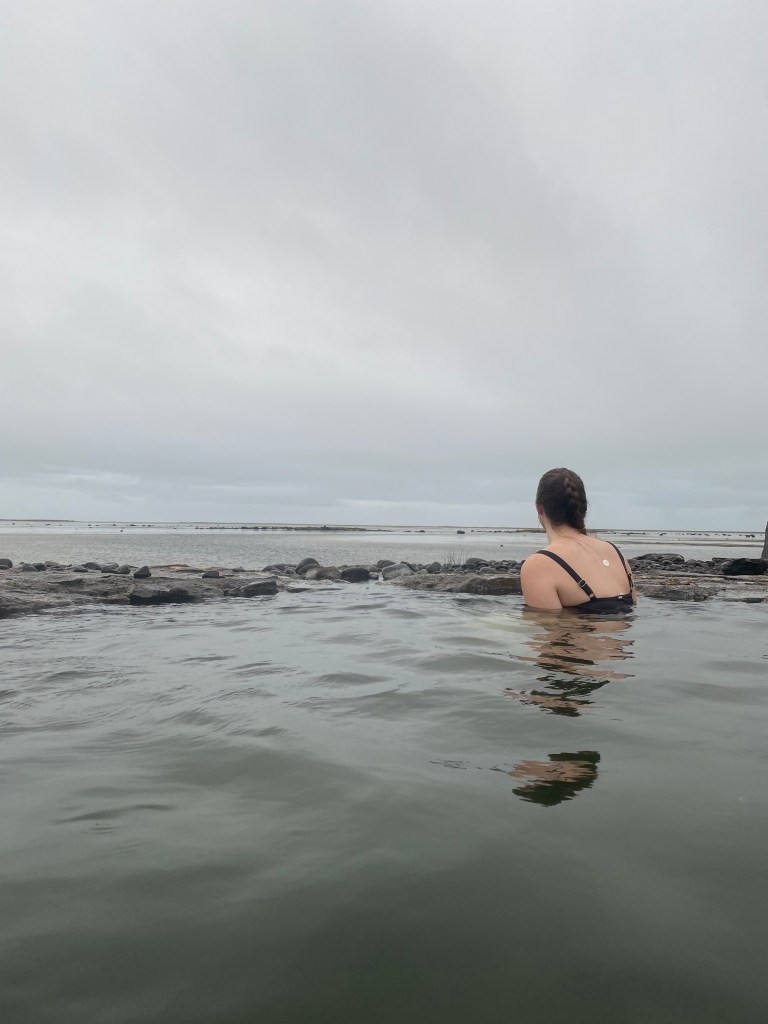
The next day, we had one of the best meals of my life at Tjöruhúsið. It was such an affair, I got dressed up for it. A beautiful multi-course meal, and a soup I still think about to this day.

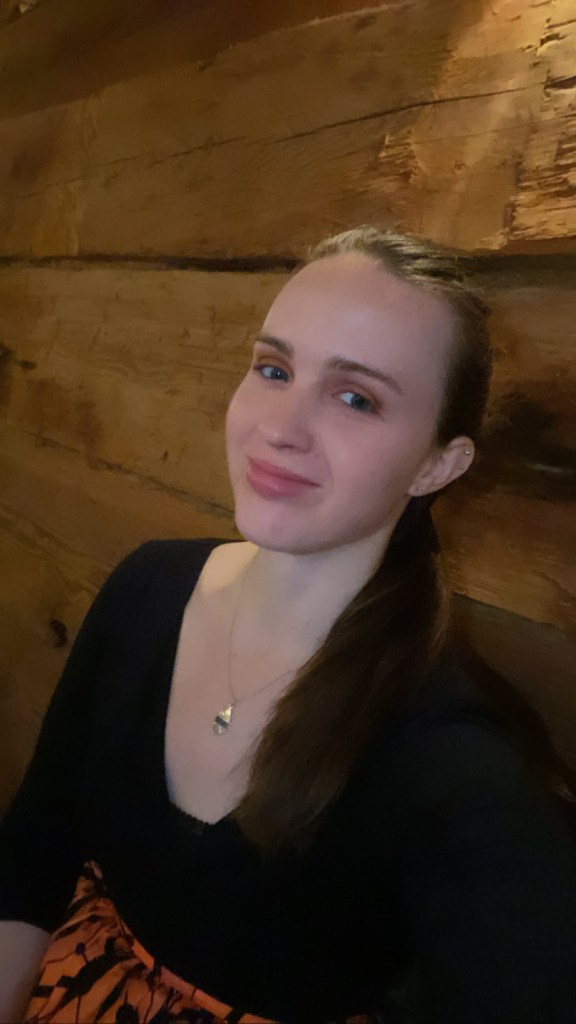
The day after that (man we really packed it in, no wonder I was too tired to write!) we took a boat out to Hornstrandir Nature Reserve.

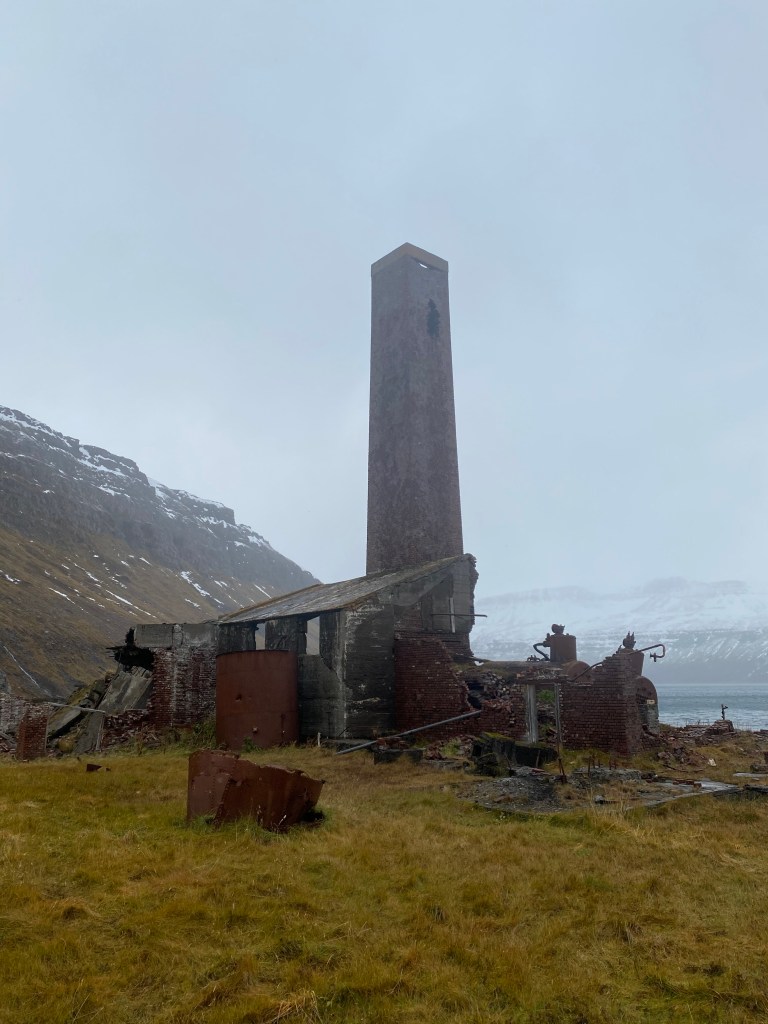
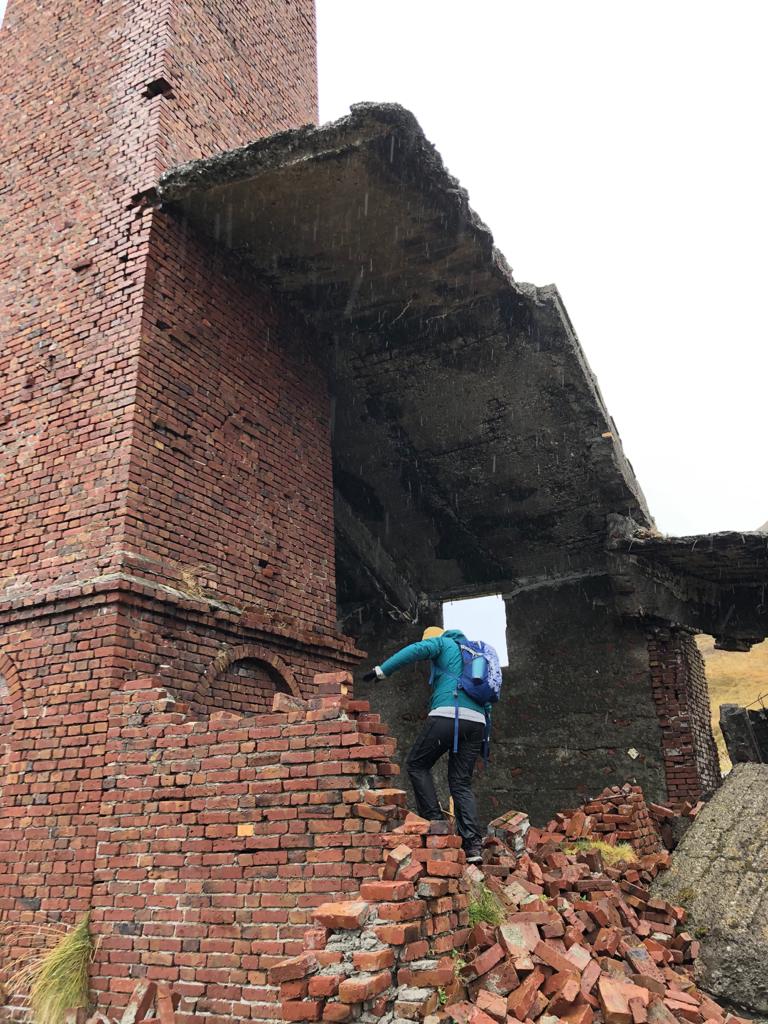
We ate lunch outside the deserted village of Hesteyri , if memory serves. The ruins are The Hesteyri Whaling Factory, a Norwegian Whaling factory from 1894, which eventually shifted to processing herring, before closing in 1940.
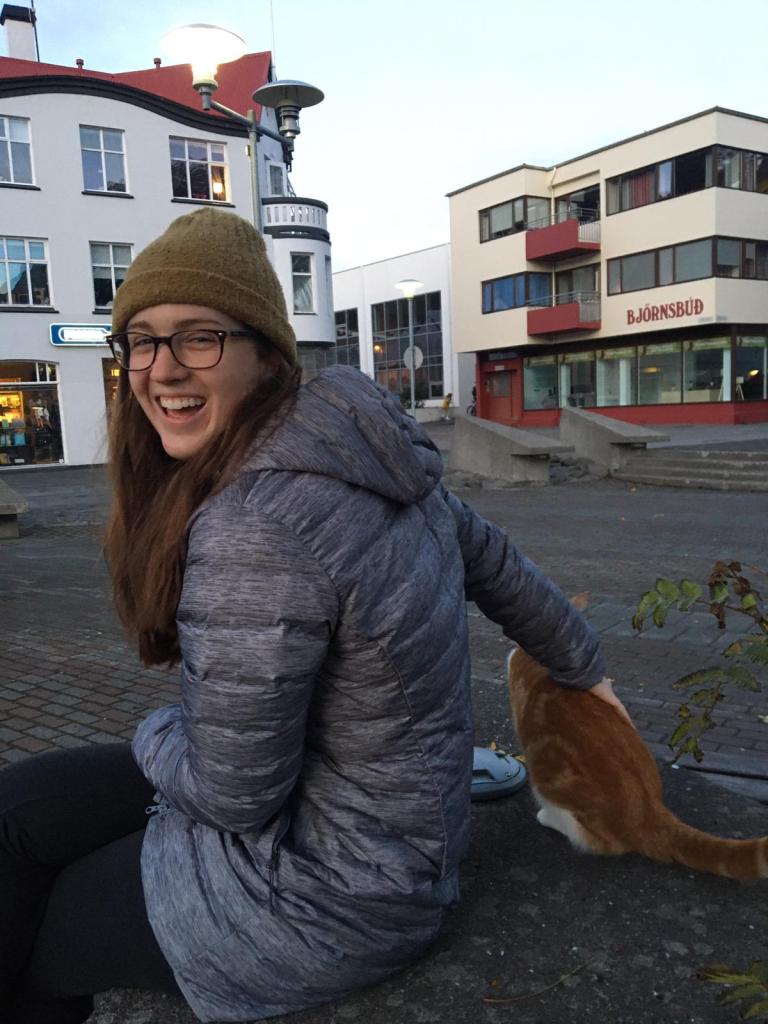
Cat break! There were loads of cats in town. We would buy cat food and sit and wait for them to flock to us.

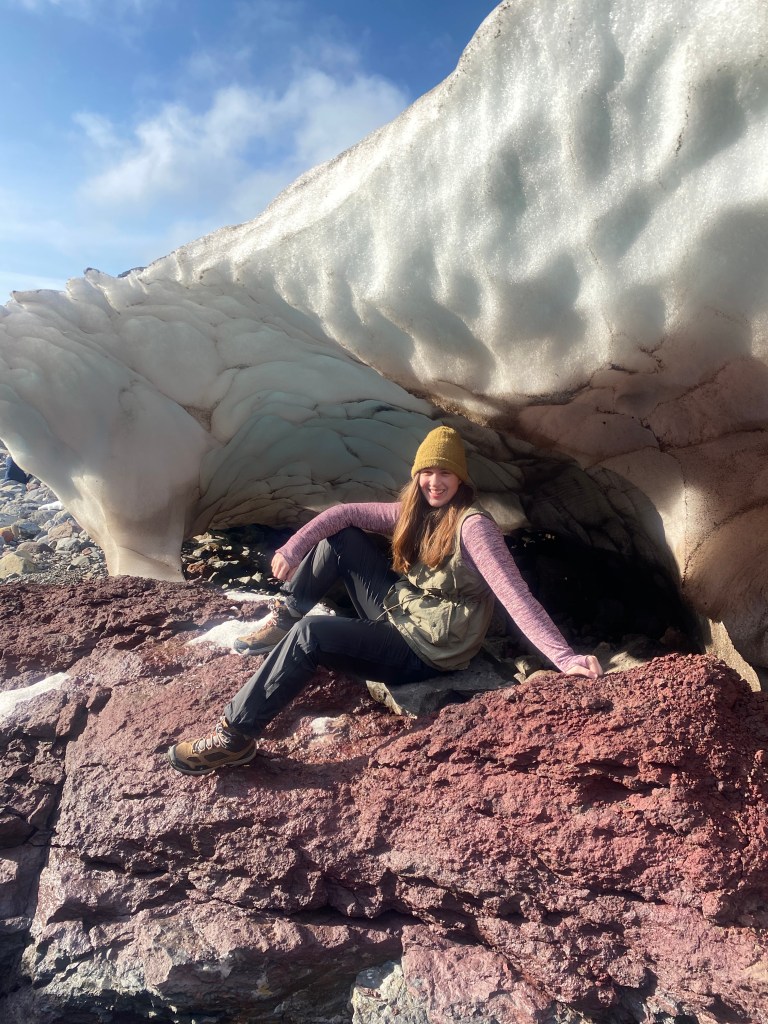
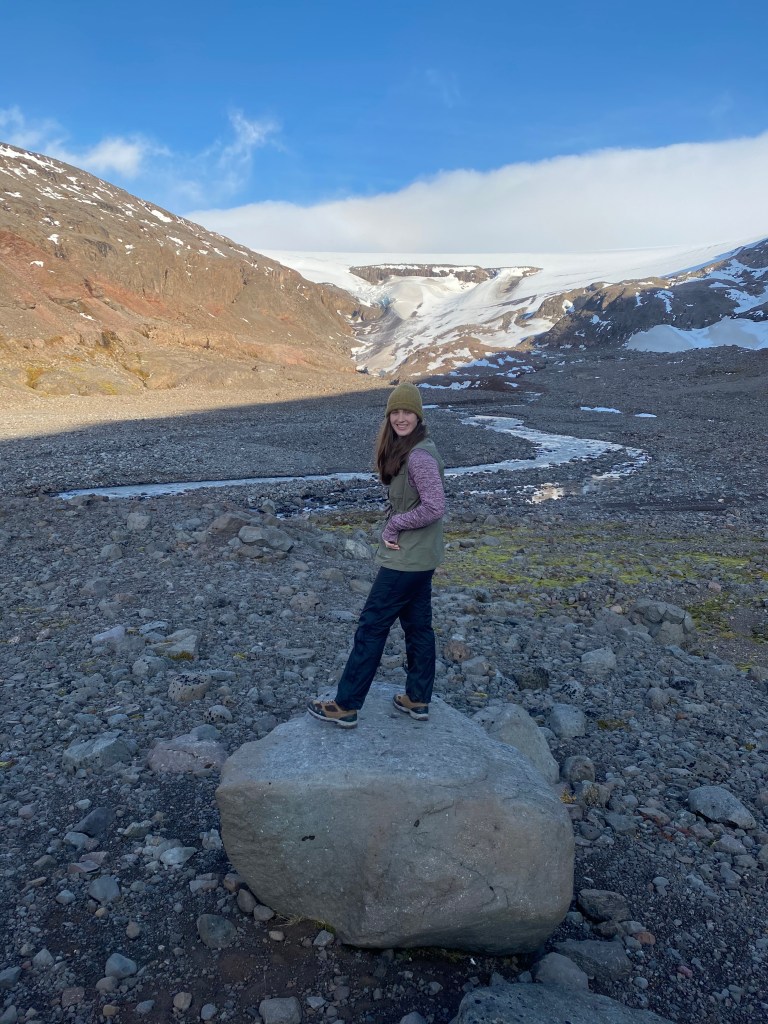
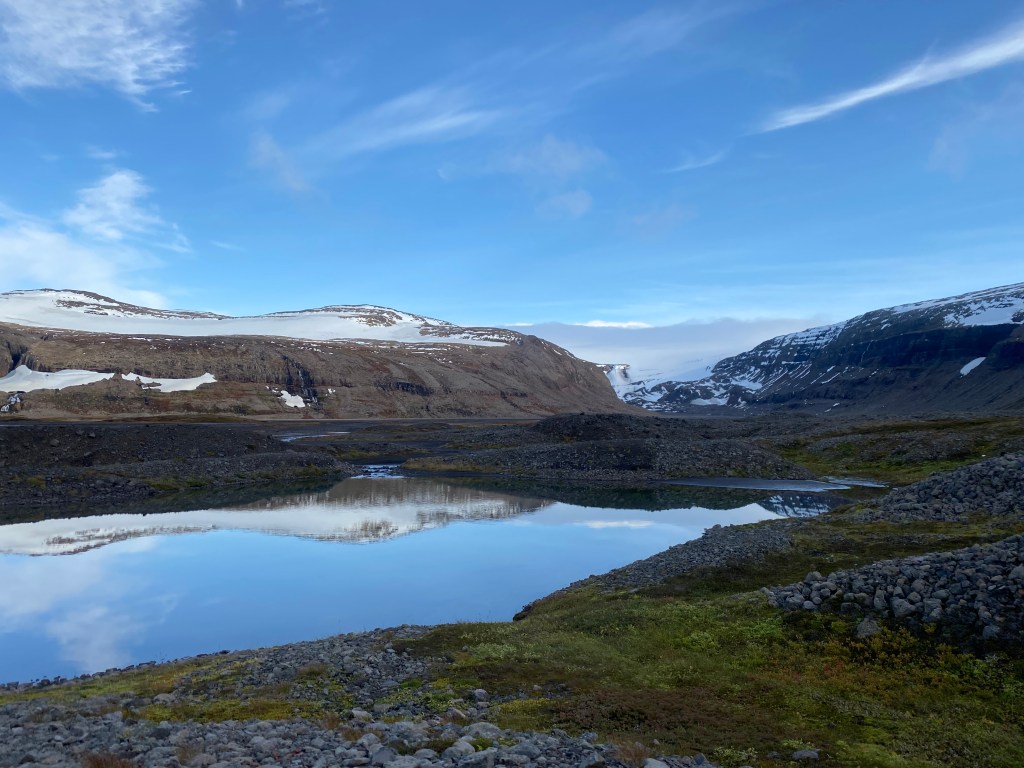
On October 5th, we took a field trip to the northernmost glacier in Iceland, Drangajökull. I dressed like I was going to visit a glacier, and was surprised to find myself sweating like it was a spring day. We all ended up shedding multiple layers.
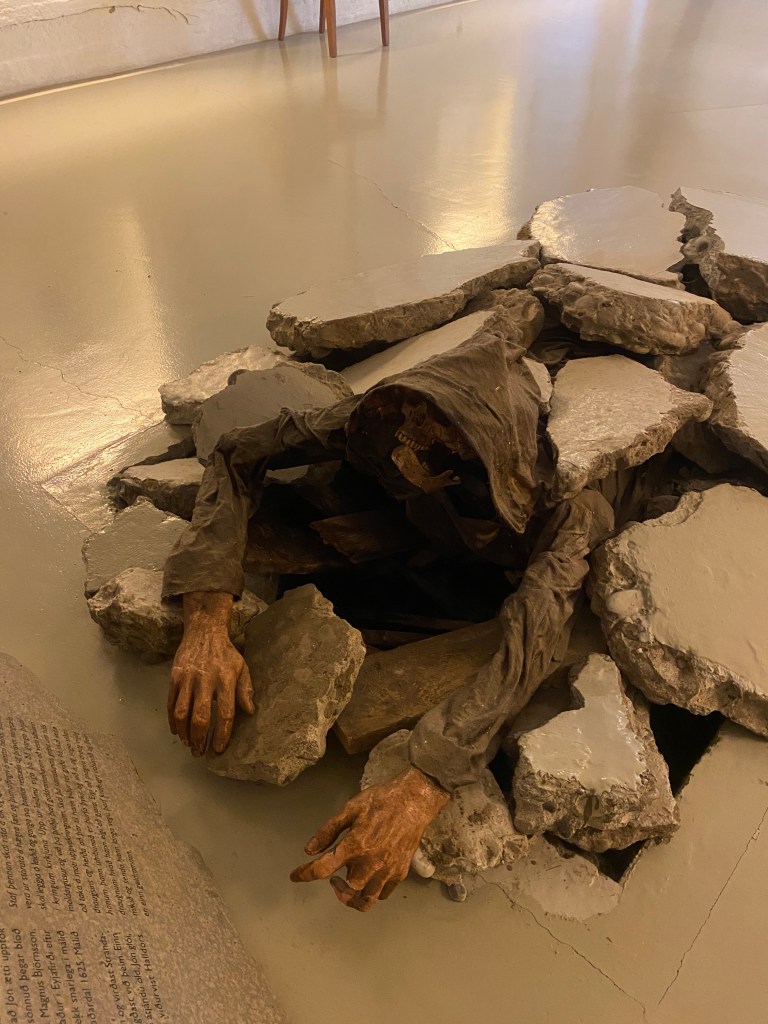
On October 9th, we started to head towards Husavik, stopping along the way at the very interesting Museum of Sorcery and Witchcraft in Hólmavík, where I finally laid eyes on some replica necropants (not pictured here because I do not wish to get flagged for nudity, follow this link if you are intrigued).

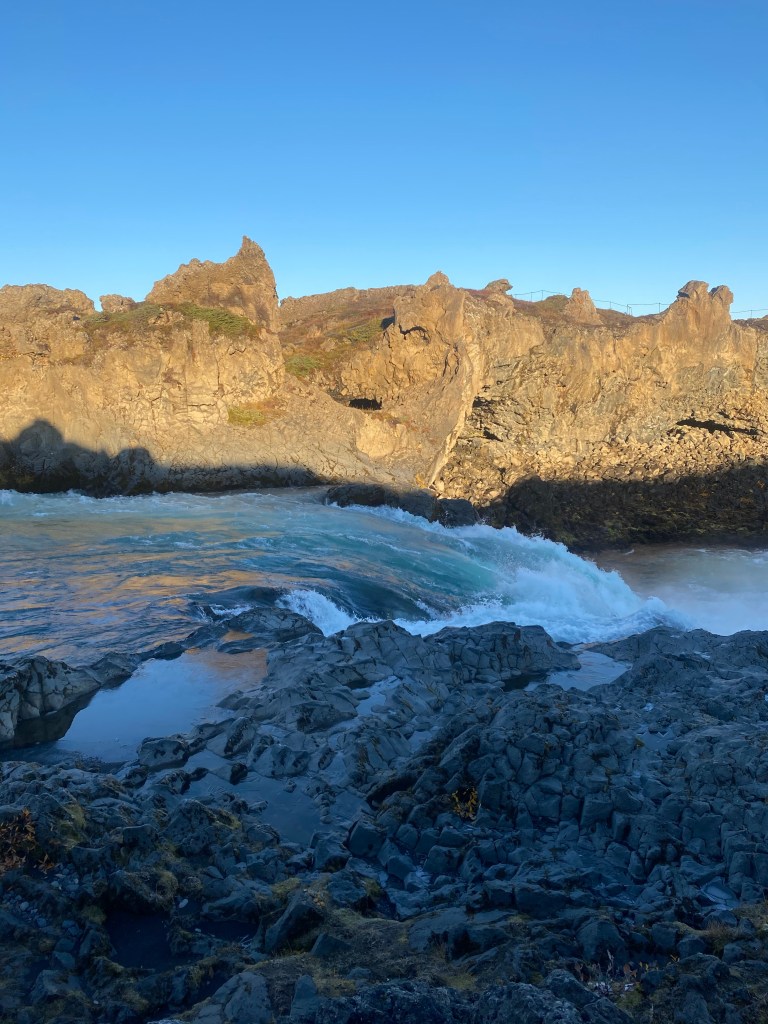
On the trek to Husavik, we spent the night in Akureyri, and on the morning of October 10th we stopped at the Goðafoss waterfall and Botnstjörn in Vatnajökull National Park
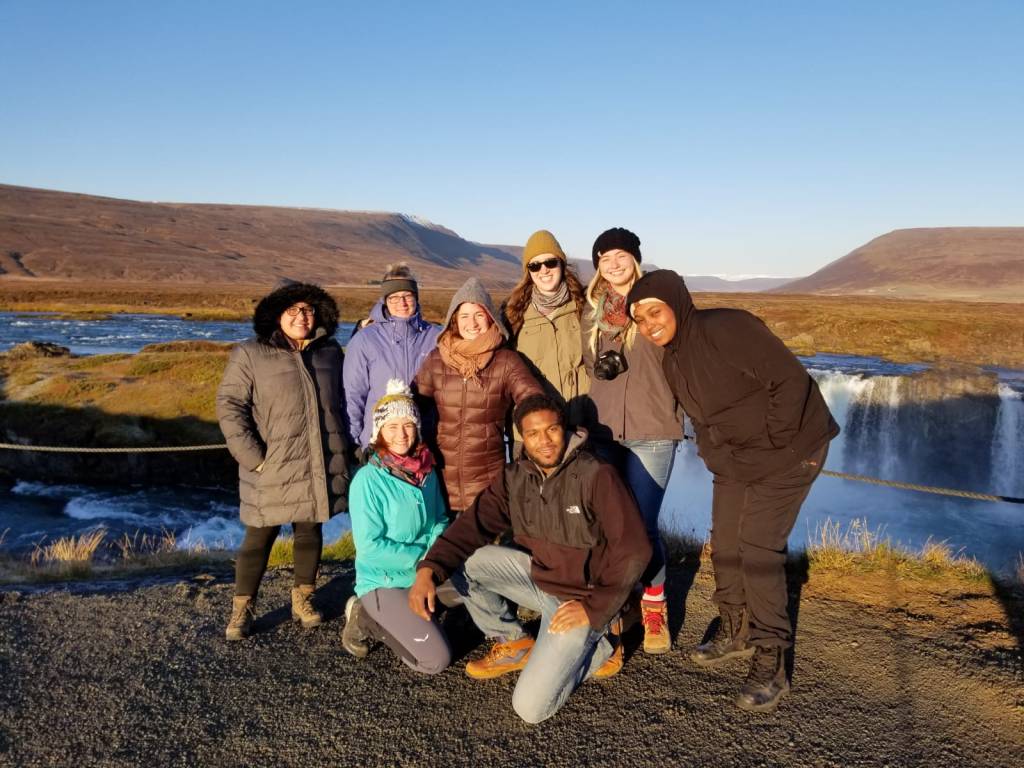
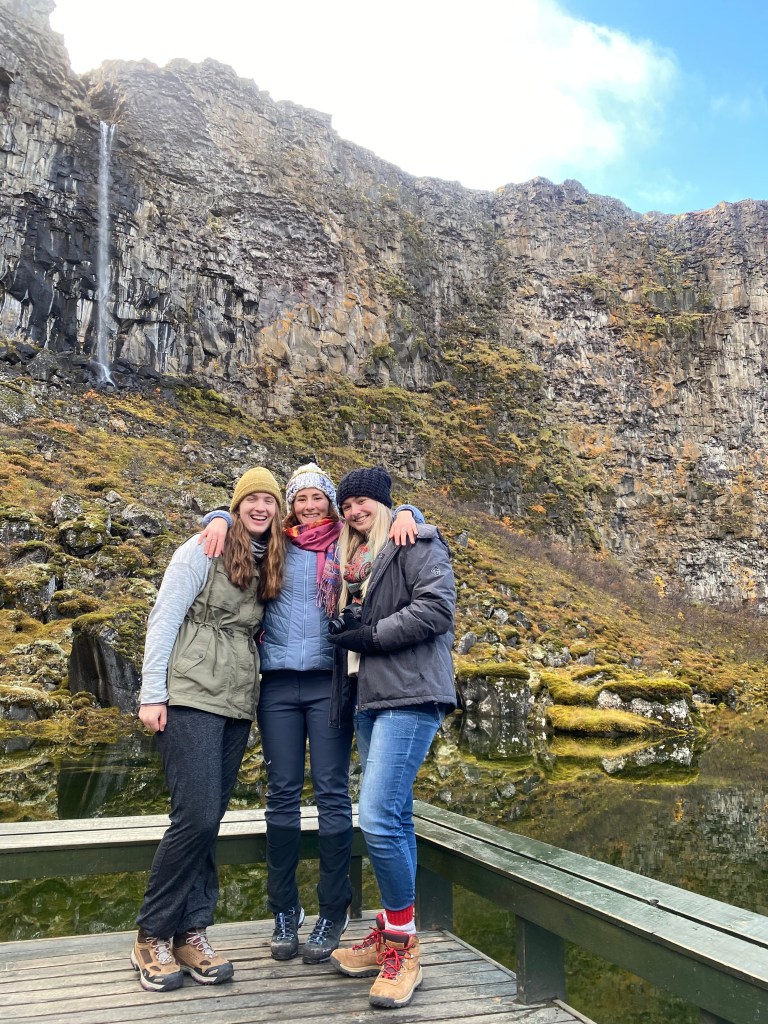
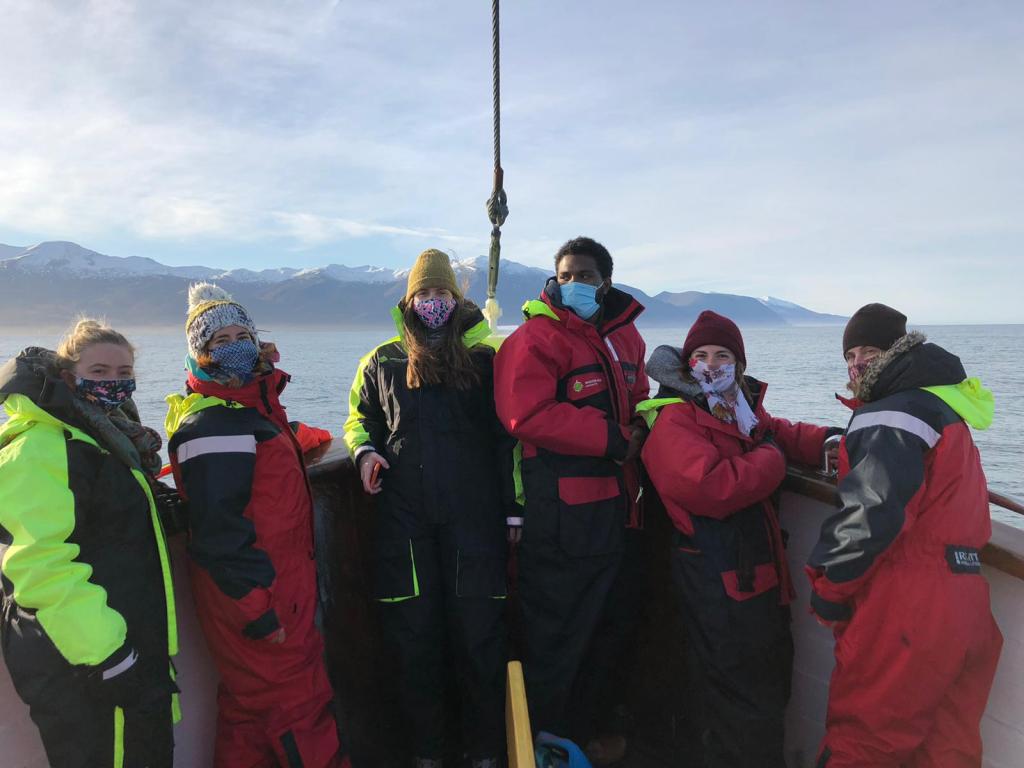
The crew at Goðafoss

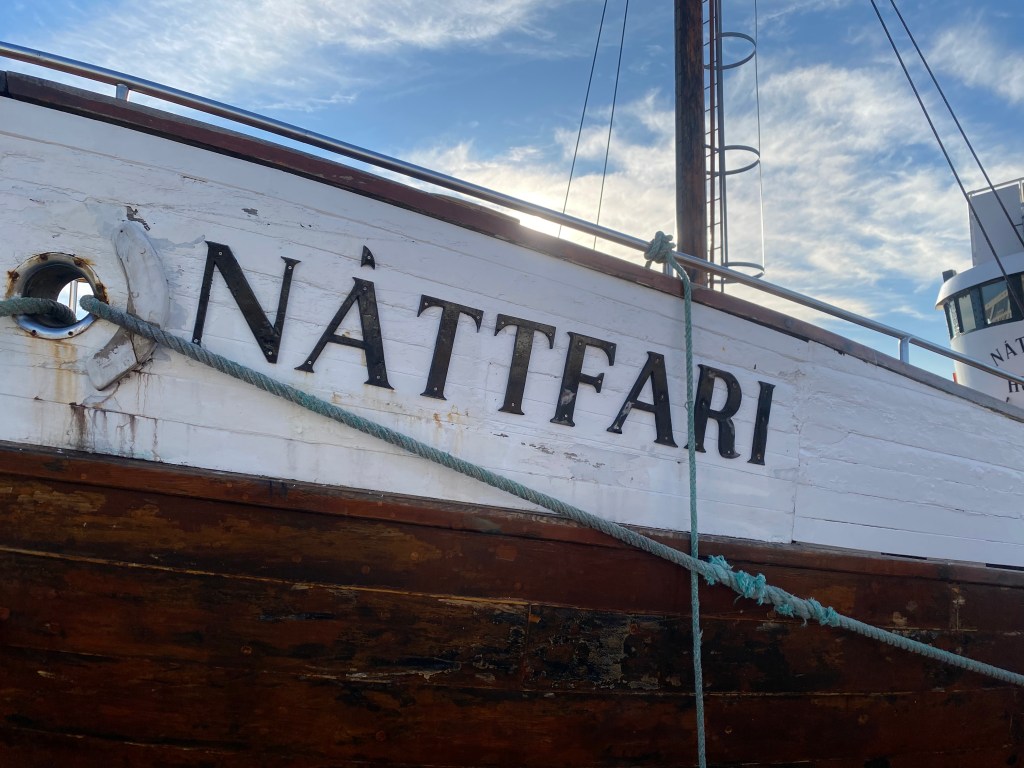
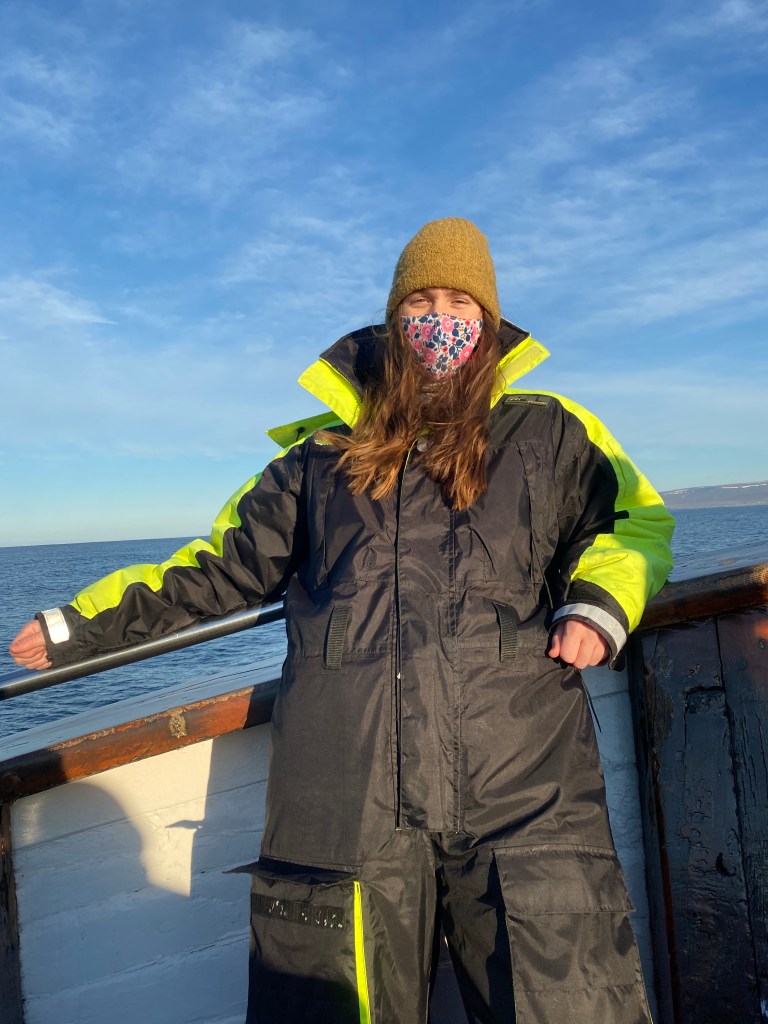
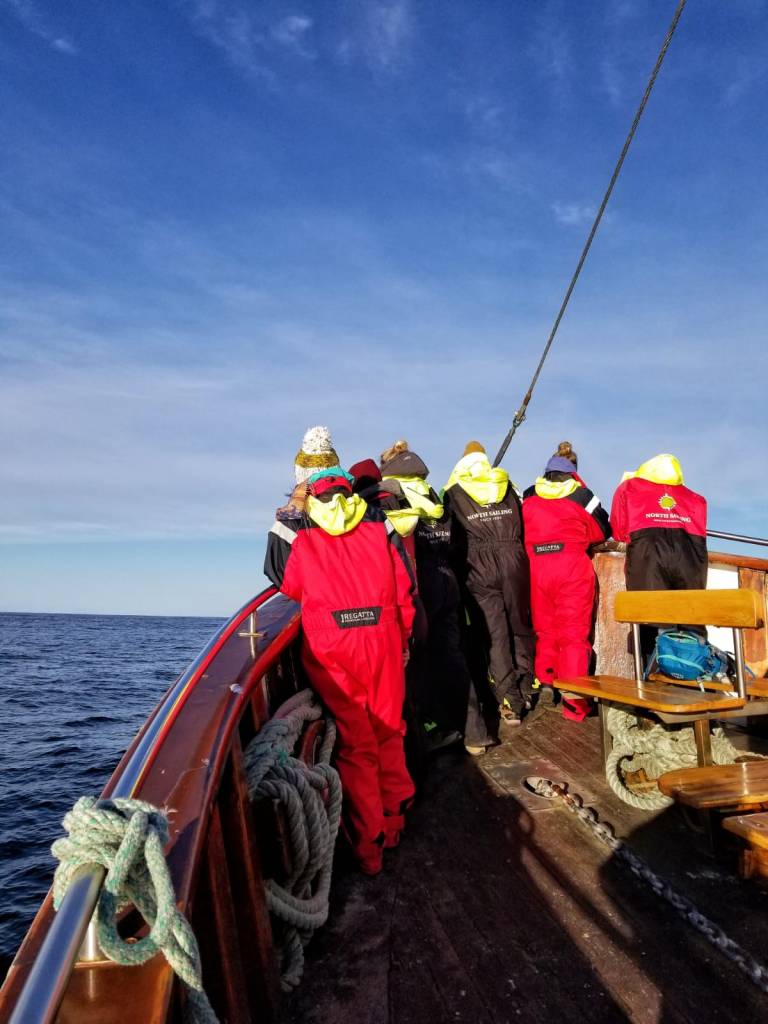
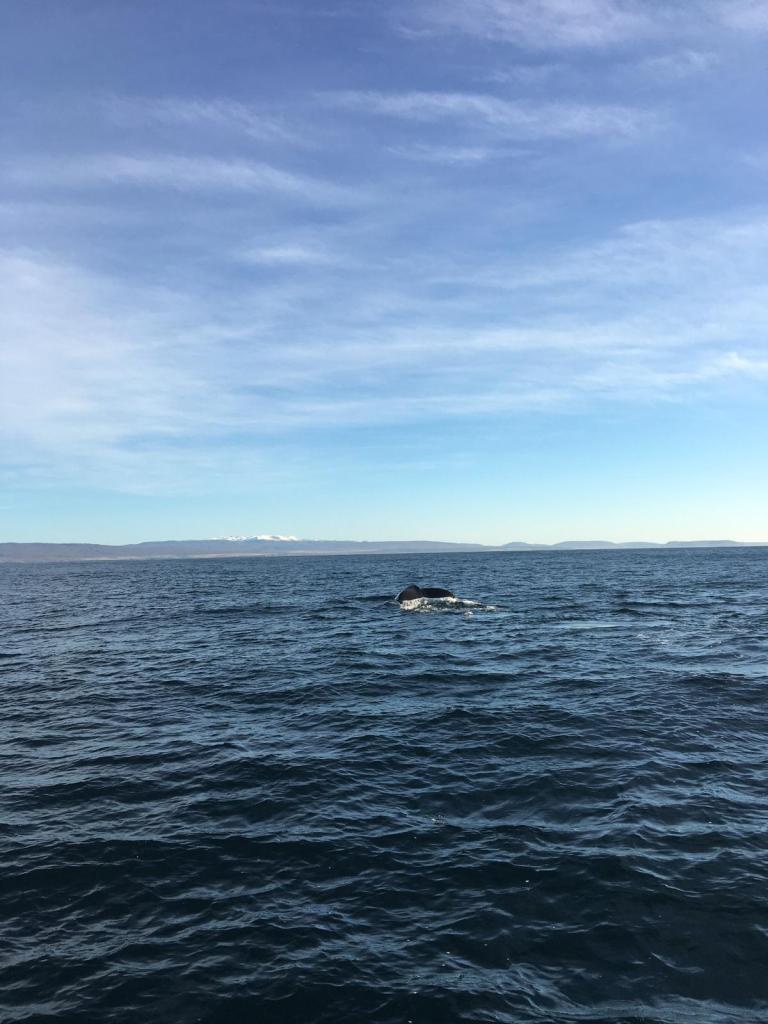
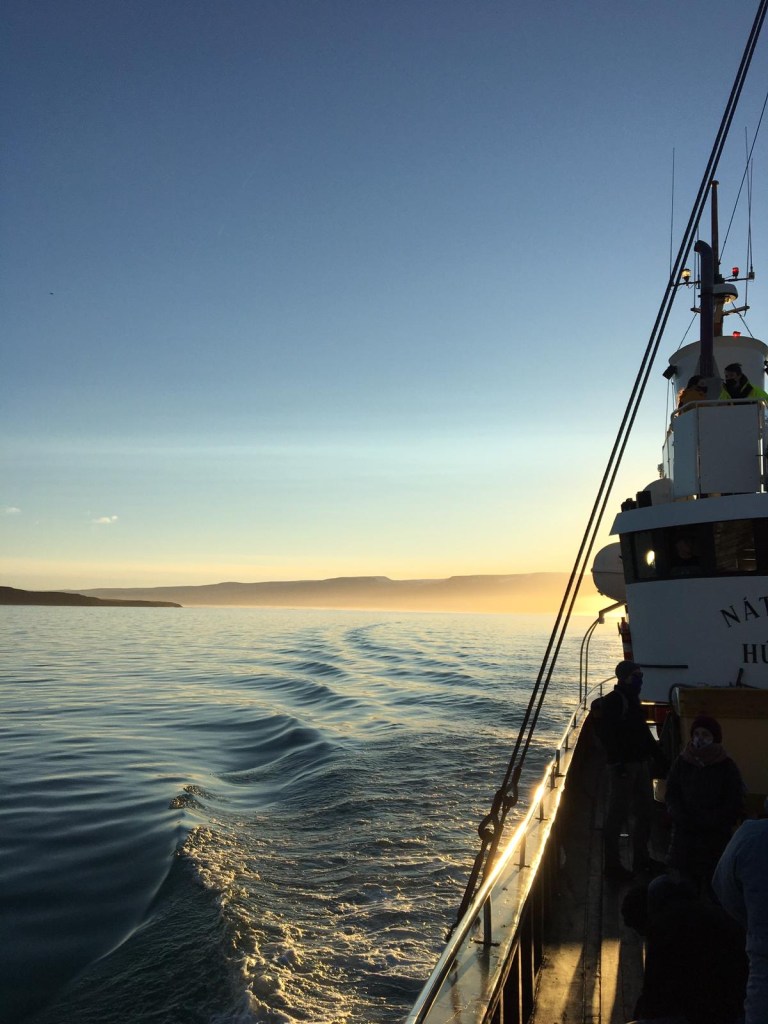
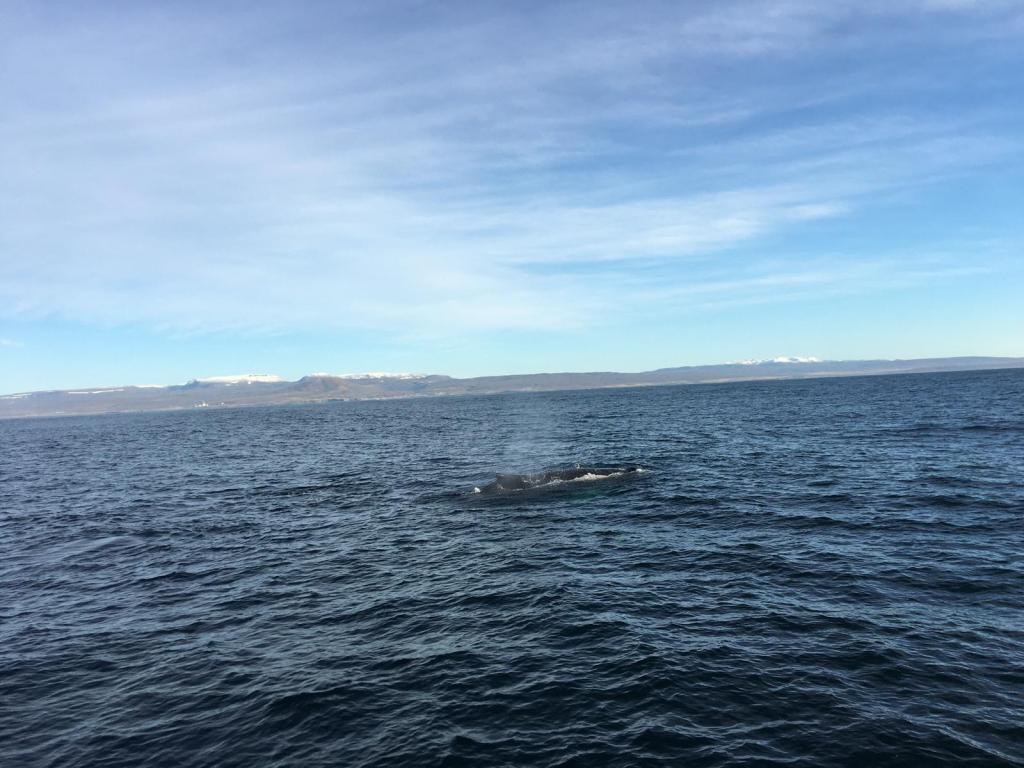
In the afternoon, we went whale watching. I cried, we saw so many whales and dolphins.
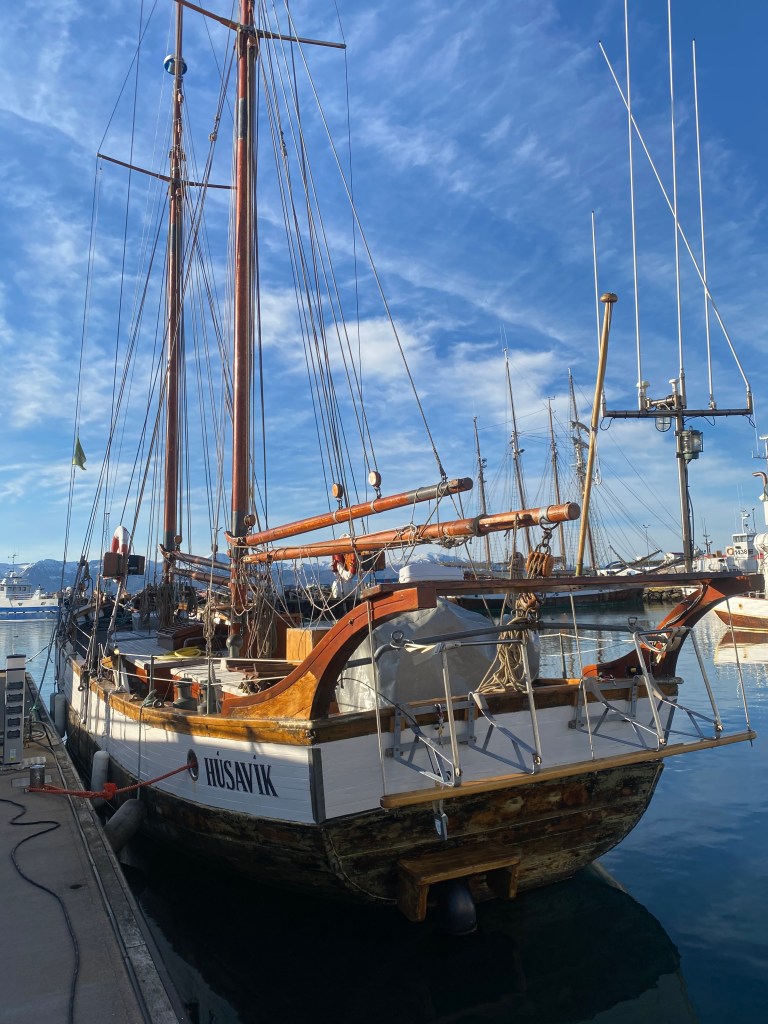
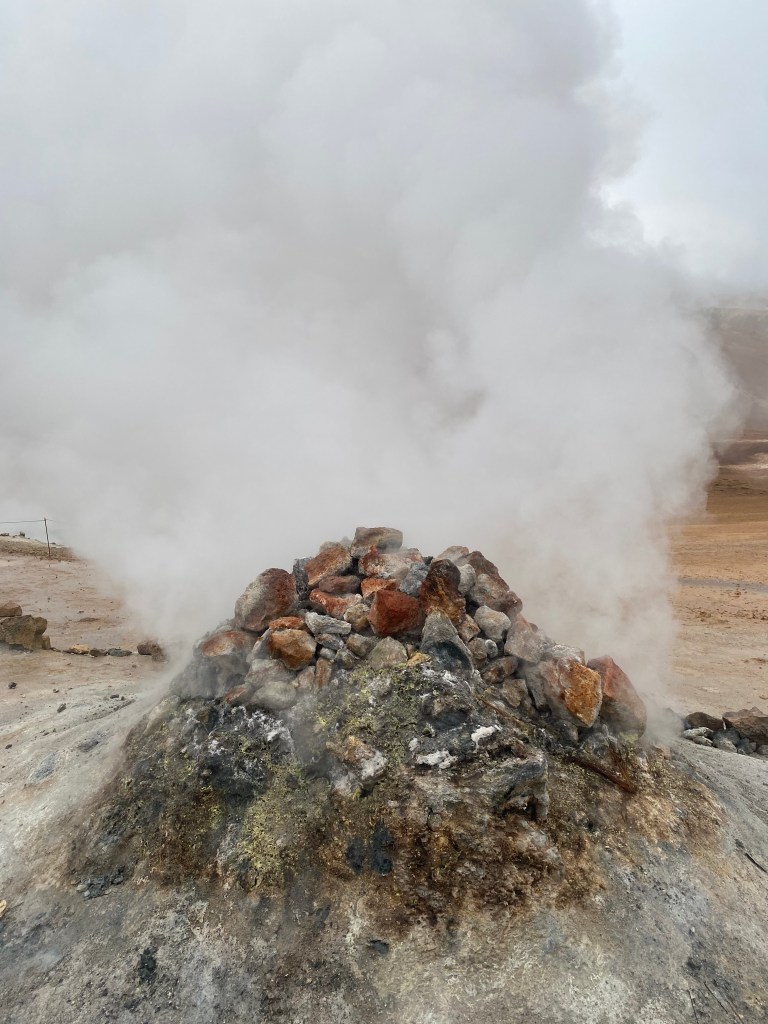
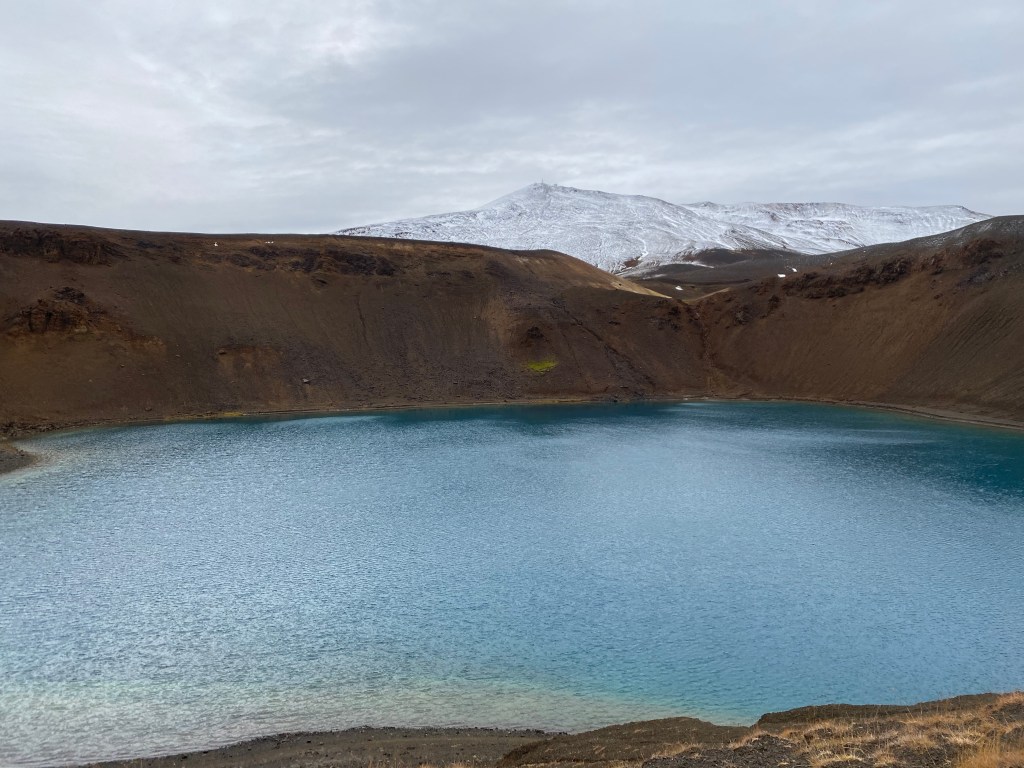
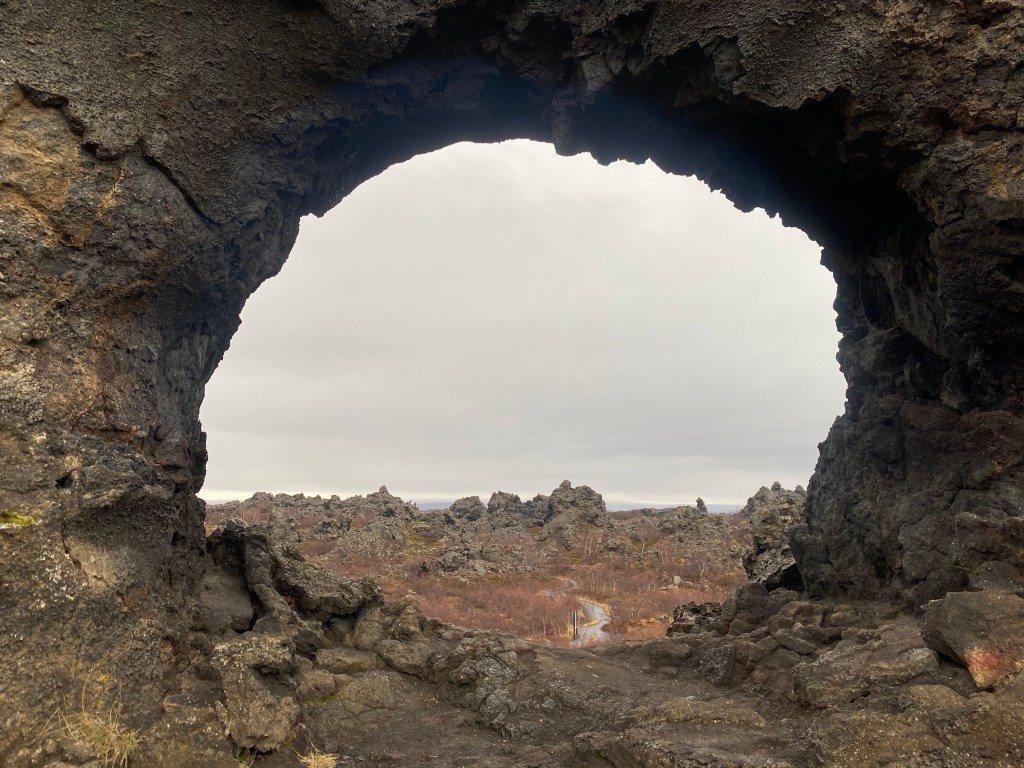
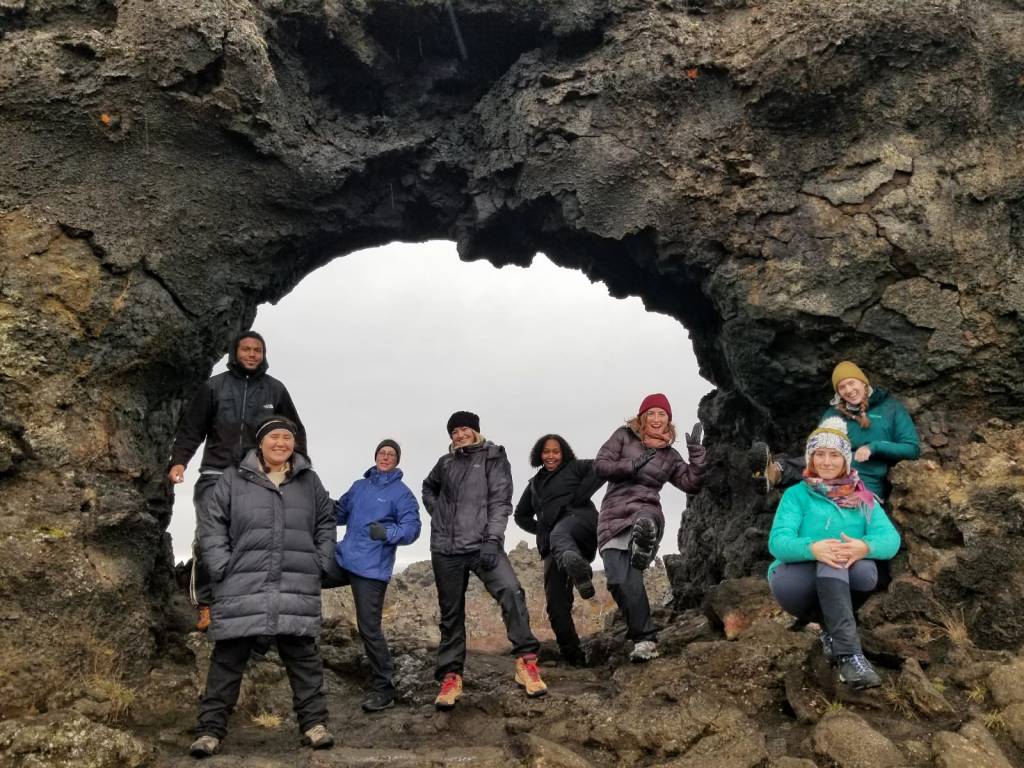
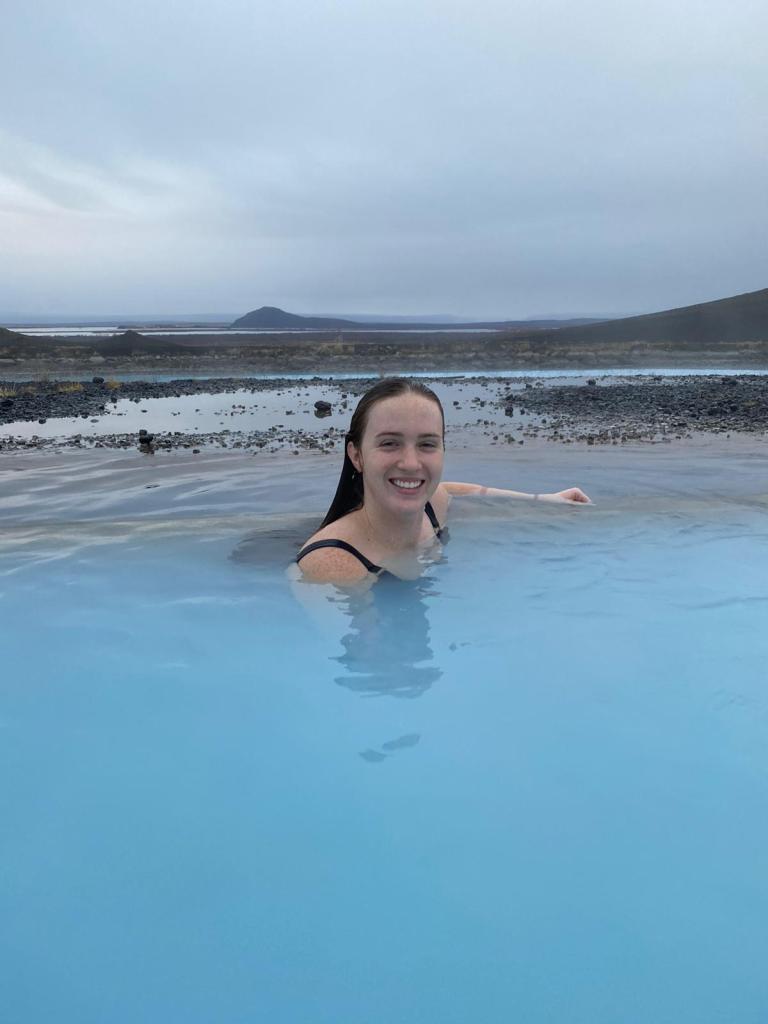
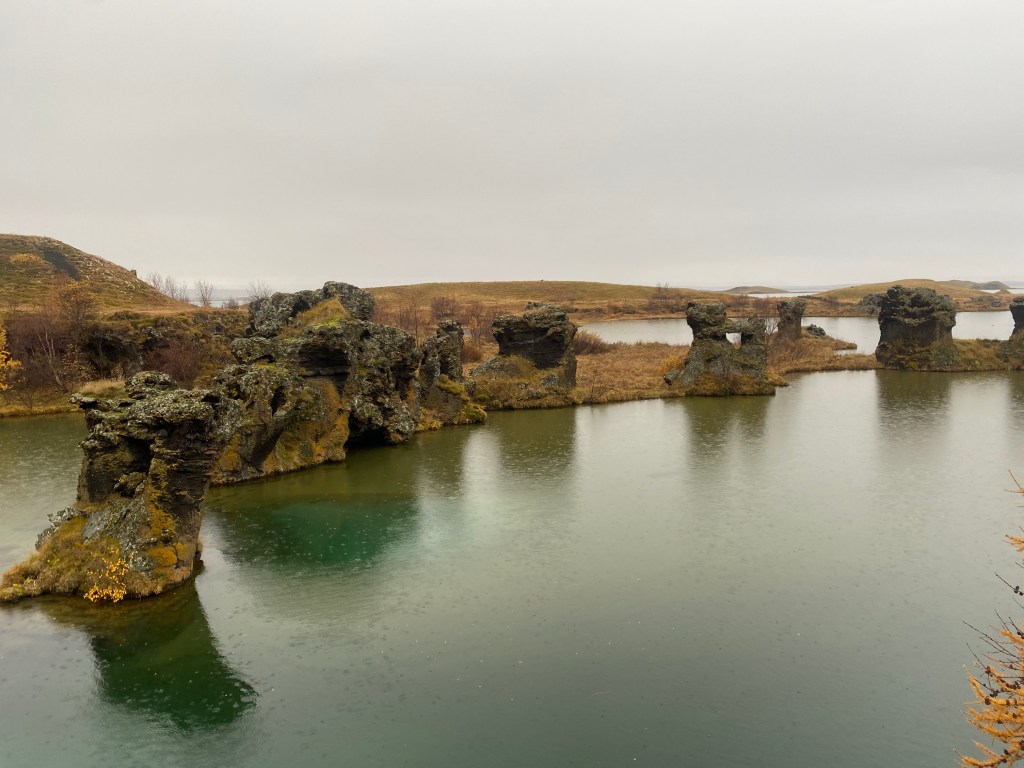
We did some more sight seeing around Husavik. Including Lake Mývatn and Mývatn Nature Baths, geothermal areas, Víti (an explosion crater in the Krafla fissure area of North Iceland), Detifoss, and the lava fields of Dimmuborgir.
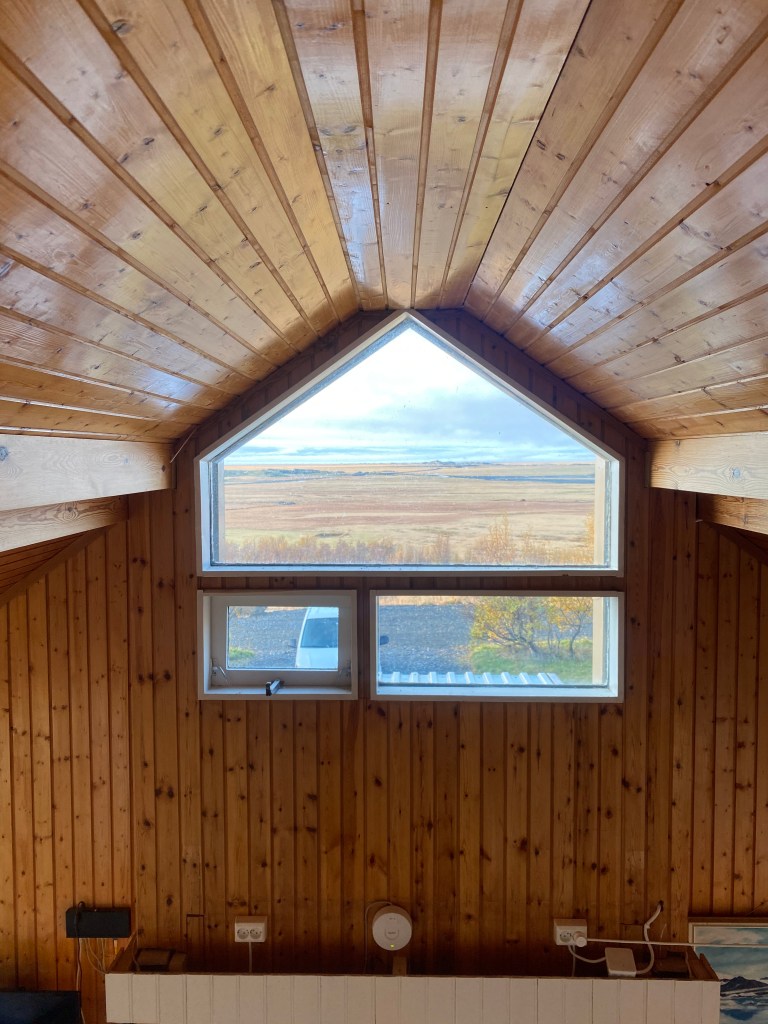
After Husavik and the surrounding adventures, a few of our group peeled of (myself included) for a quick ring road trip, so brace yourself for a lot more touristy photos. We spent the night in a PRECIOUS cabin in Höfn í Hornafirði, then hit the road.
Fagurhólsmýri
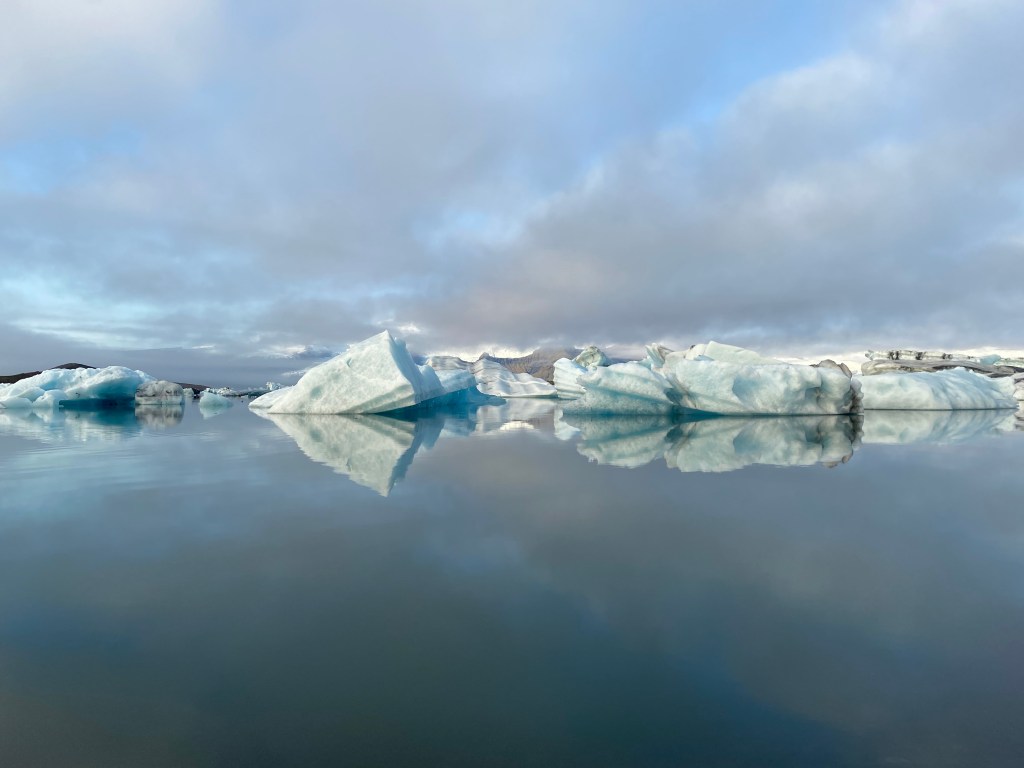
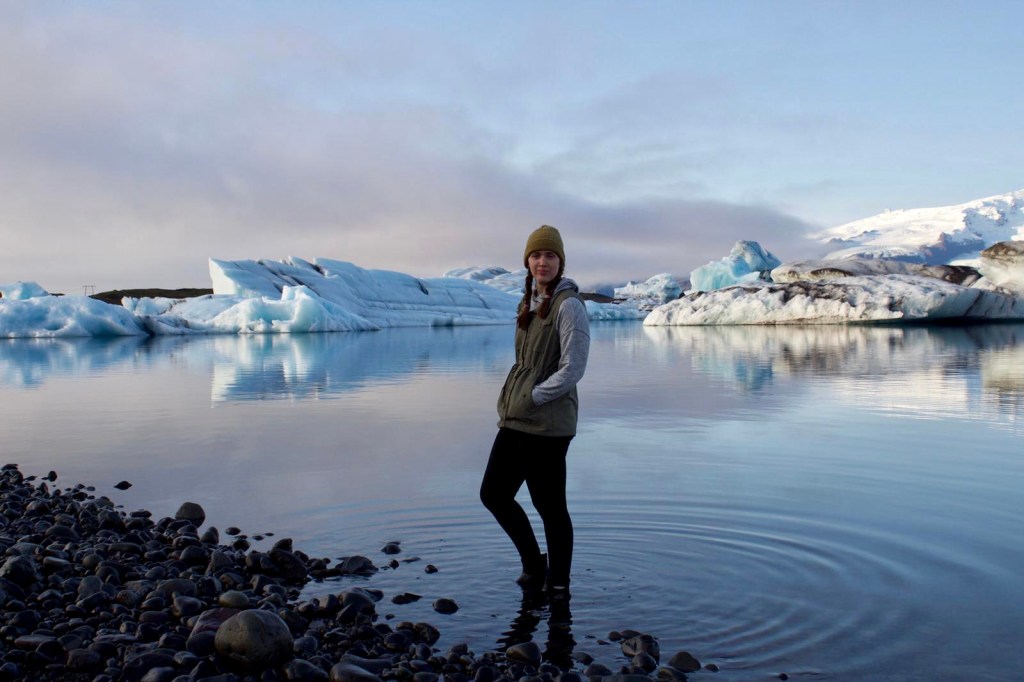
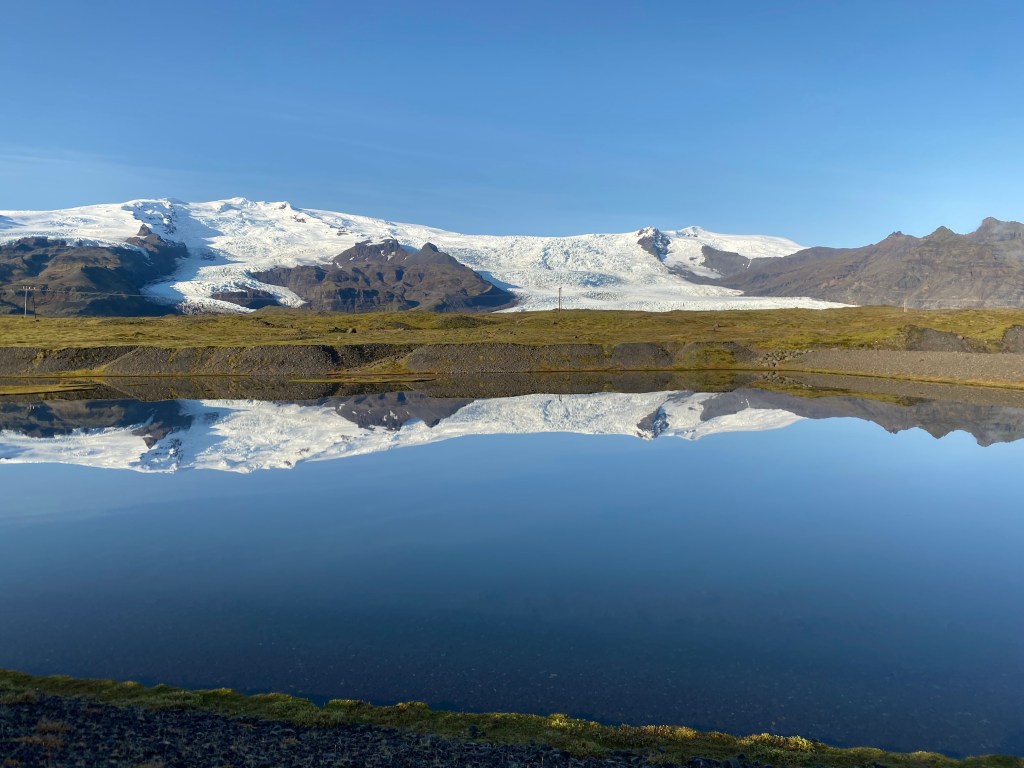
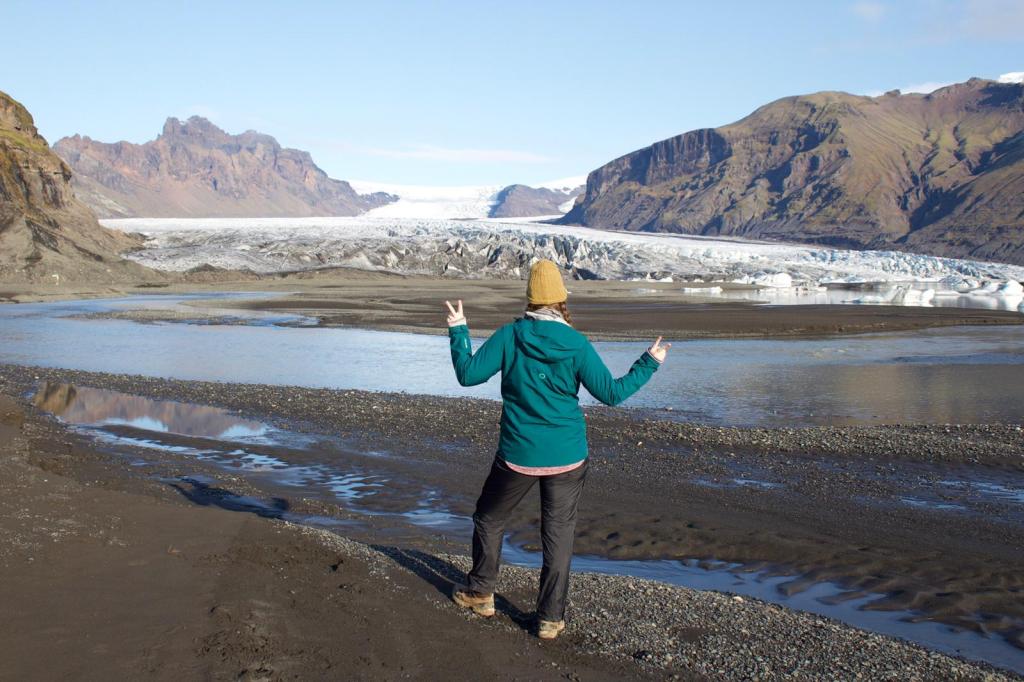
Posing in front of the Vatnajökull Glacier, the largest and most voluminous ice cap in Iceland. Fun fact: I have a photo of myself posing just like this in front of a glacier in the Alps.

Believe it or not, all of the above photos are from one day, October 13th. We stopped a lot on our tour.

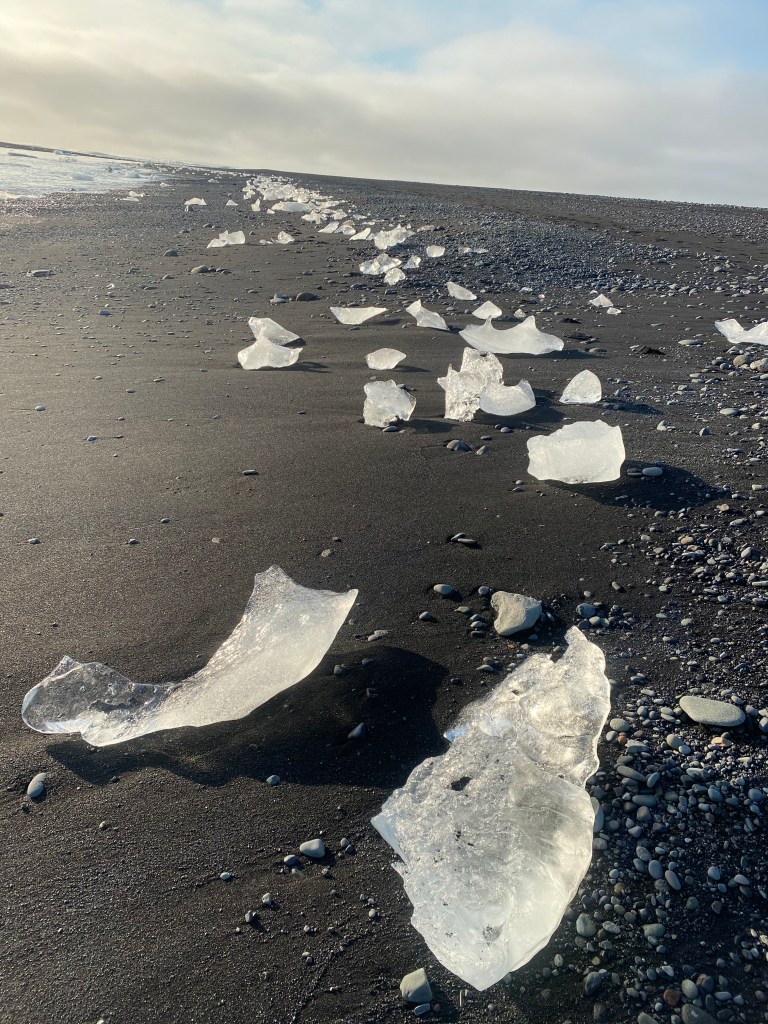
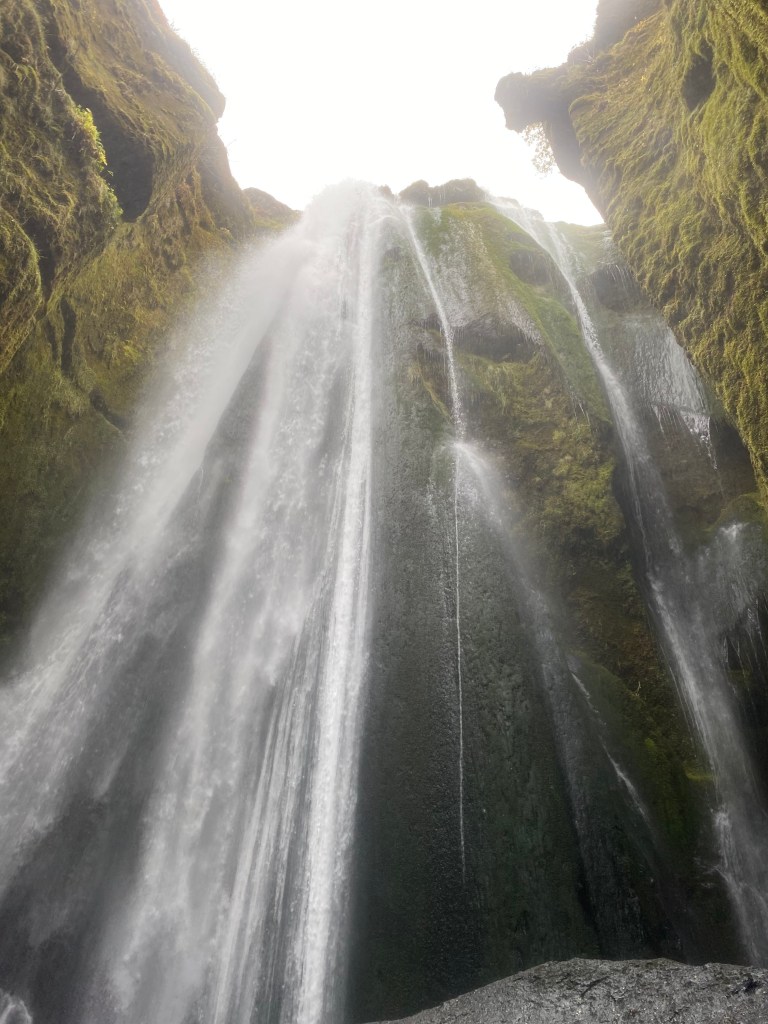
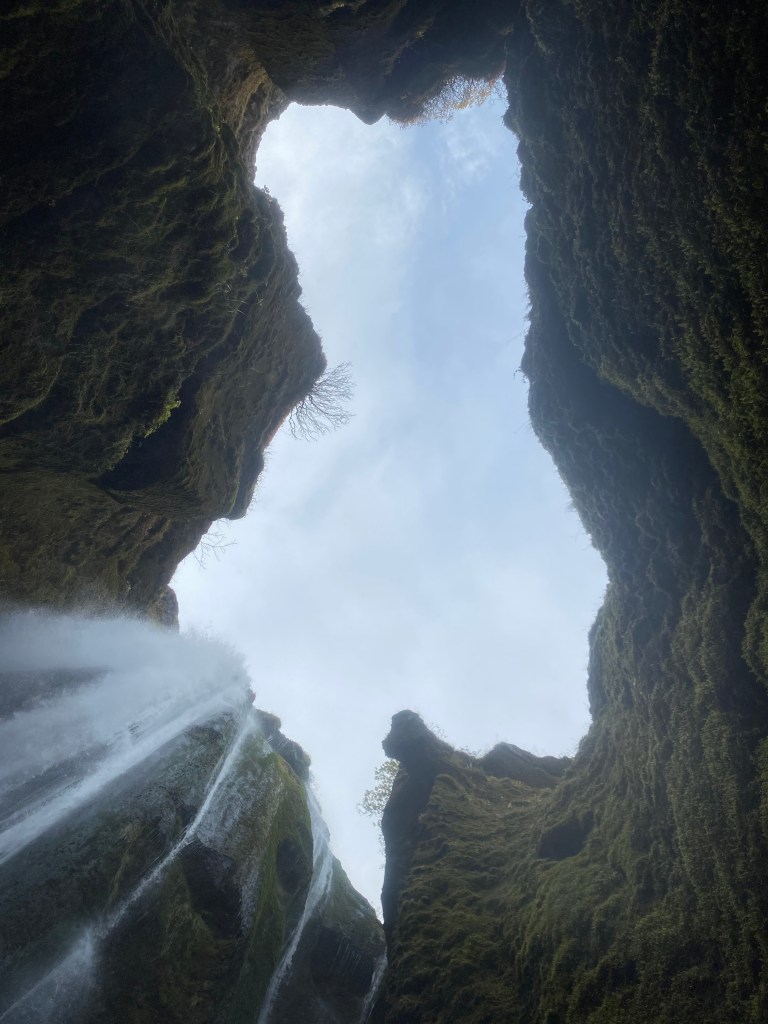
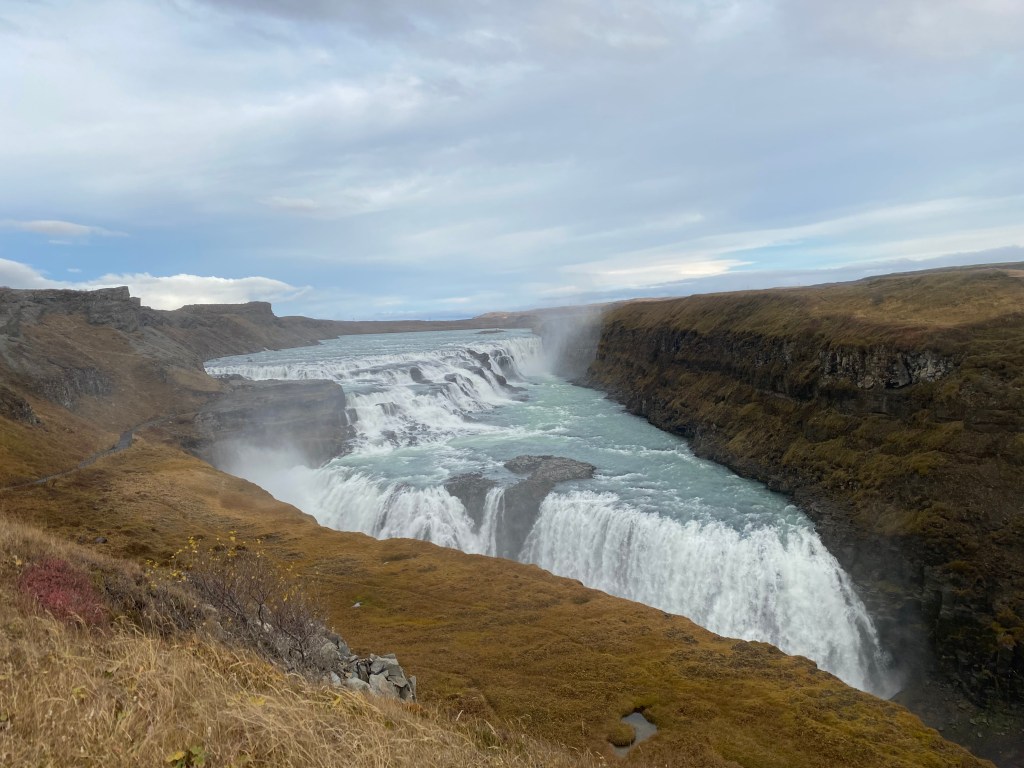
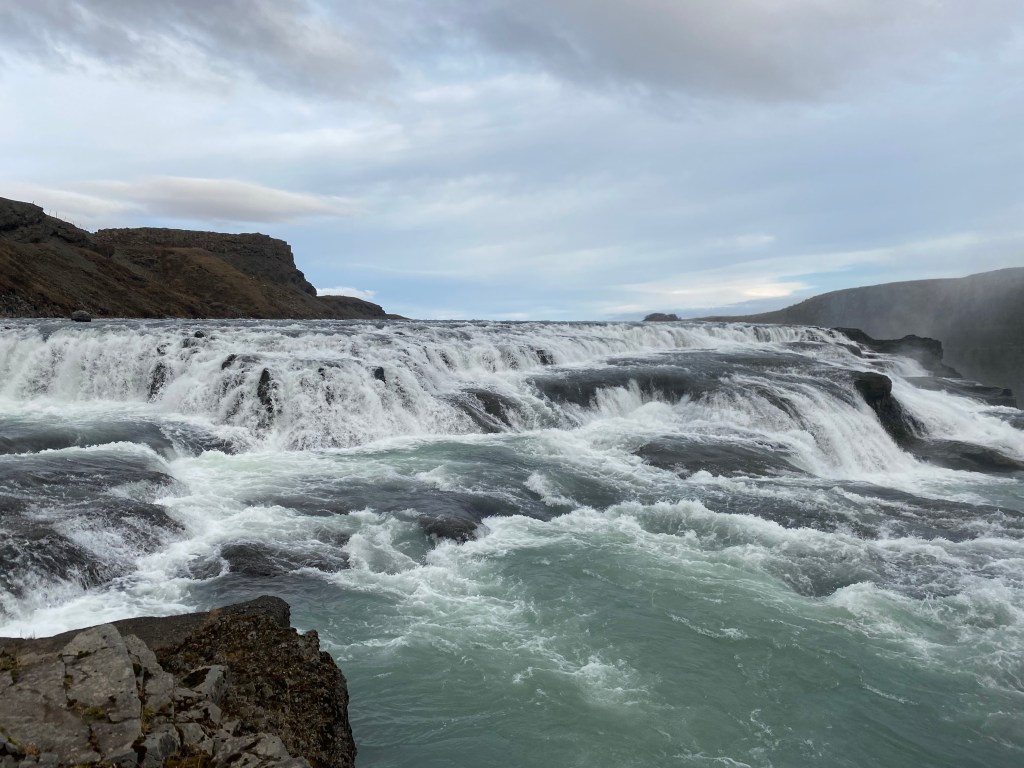
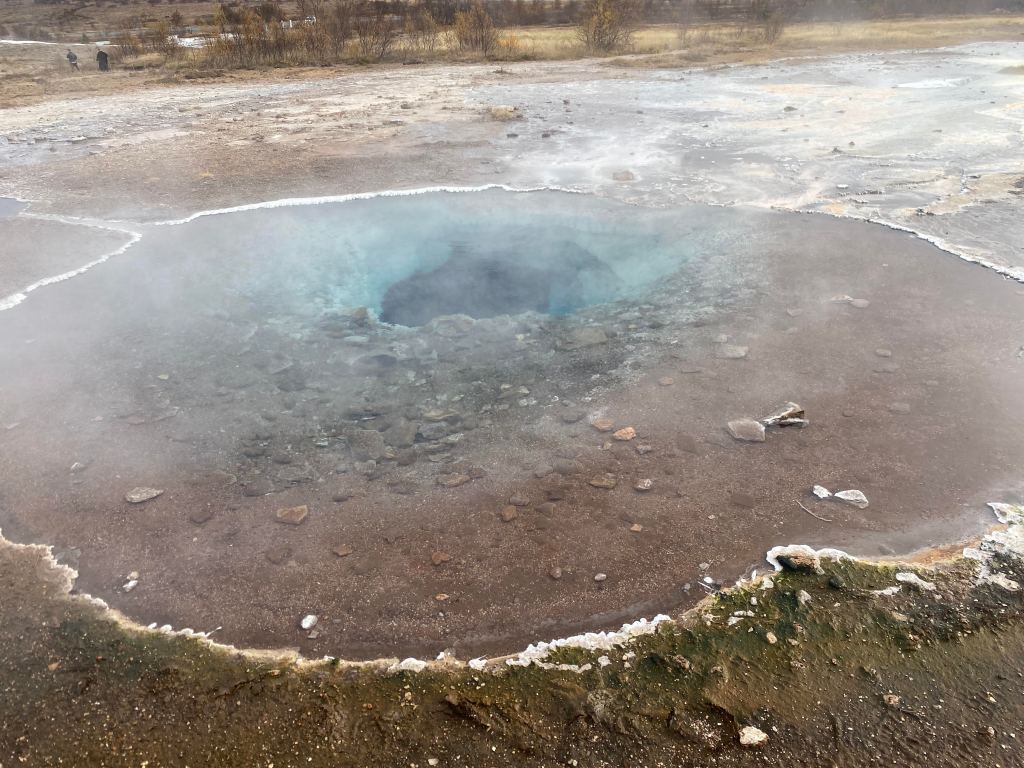
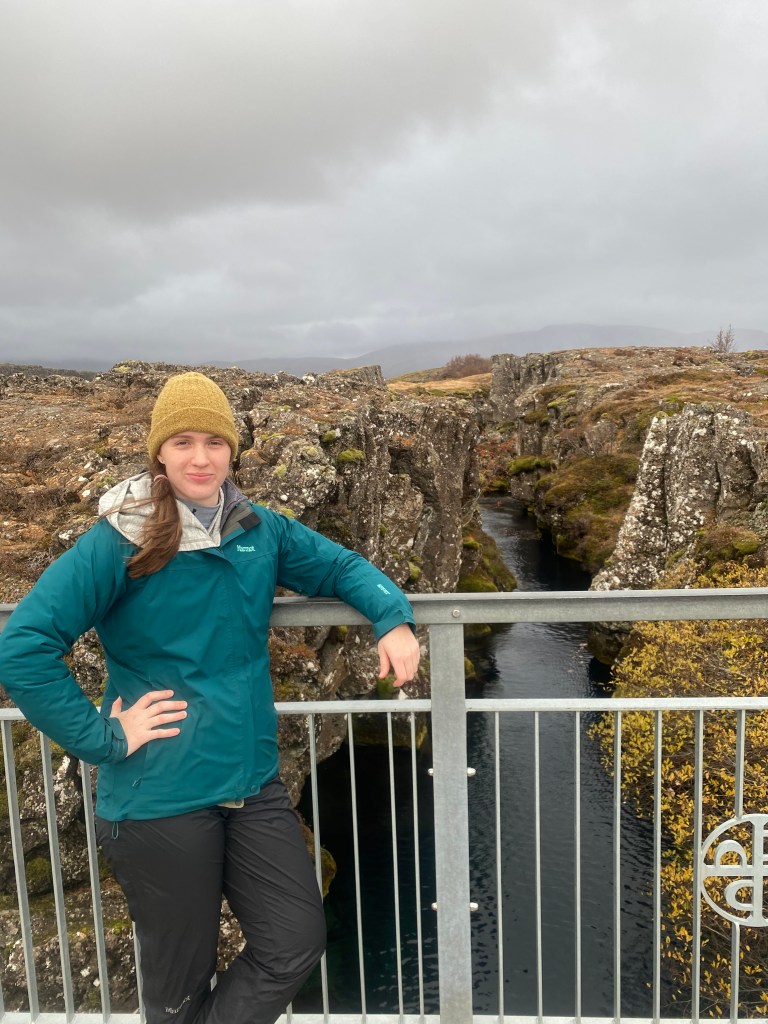
The next day, we hit up a few other highlights including the famous black sand beaches and basalt columns of Reynisfjara (watch out for the sneaker waves if you go! I was mega paranoid about that and we always had someone watching the water while we took photos). We saw a TON of waterfalls on this trip, but for me Gljúfrabúi took the cake. It is a waterfall in a gorge, and was absolutely stunning. On that same day, we say Gullfoss, a geothermal park with geysers, and the stunning Þingvellir National Park. Some cool facts about this park: The Alþingi (Iceland’s parliament) was founded there around 930, and was active for 868 years or until 1798 and that makes it the oldest operating parliament in the world! Þingvellir means “Assembly Plains”, which a fitting name considering the historical significance. As if that isn’t cool enough, it is also home to the Almannagjá Gorge, or the North-American and Eurasian continental plate divide. And I got to stand on it. Heck yeah.

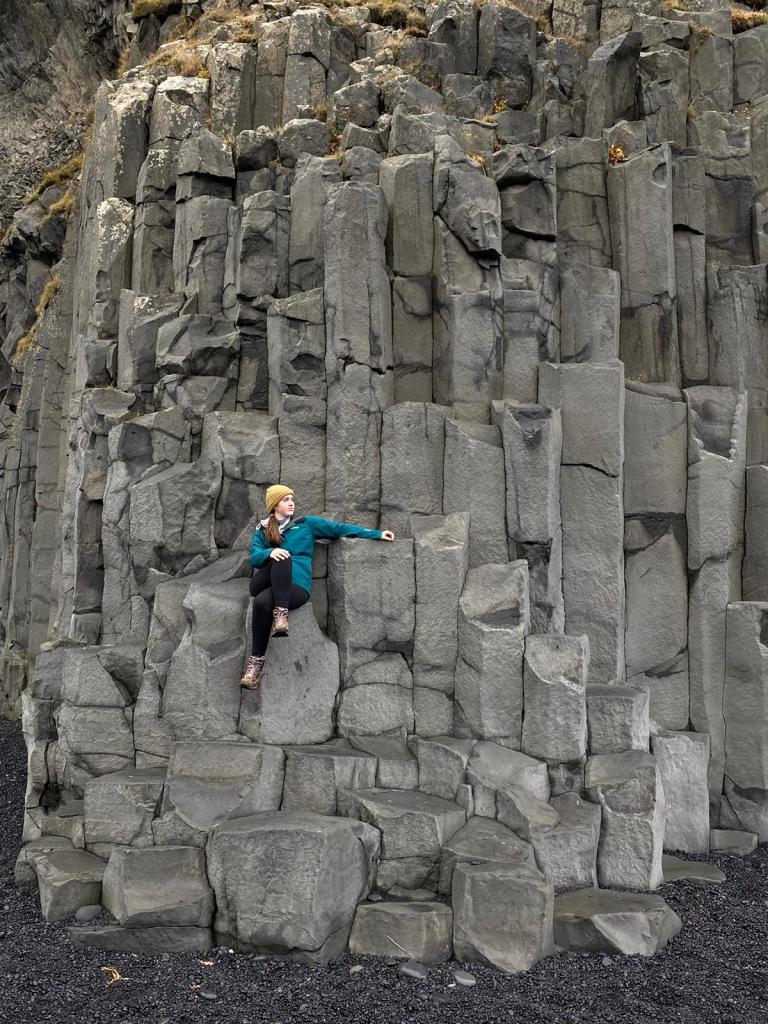
Looking back on my photos from my trip around Iceland, I can’t believe the timing. It was very difficult to get into the country due to COVID travel restrictions, but we had incredibly popular tourist destinations all to ourselves. A blessing and a curse. If you are lucky enough to explore Iceland on one of the ring roads, I recommend a good set of waterproof hiking boots (and rain pants and jacket depending on the season). I also recommend getting a cooler and packing food from the grocery store. You’ll save time and money, and get to see more sights if you can eat on the go.

After that trip, we were pretty wiped. Here is a collection of photos from October 23rd – 31st.
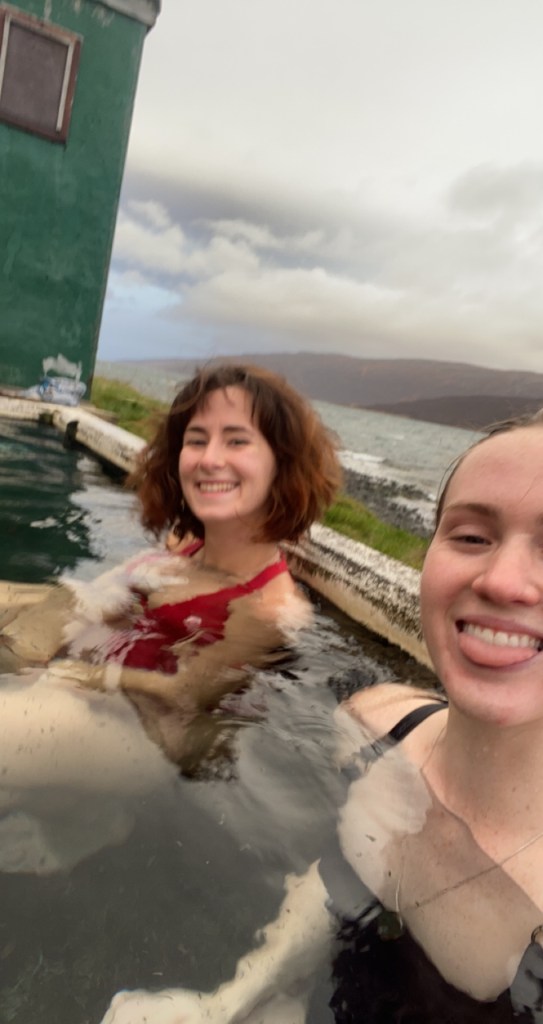
Once we hit November, it really started to get cold and dark. Days got quite short by the end of our stay. In early November, Ísafjörður has about 8 hrs of daylight. That decreases by 90 minutes every two weeks. In December, day length is 4-5 hrs. It makes you really appreciate the hot pots and happy lights! I brought a happy light in preparation (although it made me quit nauseous) and we took daily supplements, but I know folks still started to feel funky by this point. Here are some photos from November 3rd- 6th in Ísafjörður!

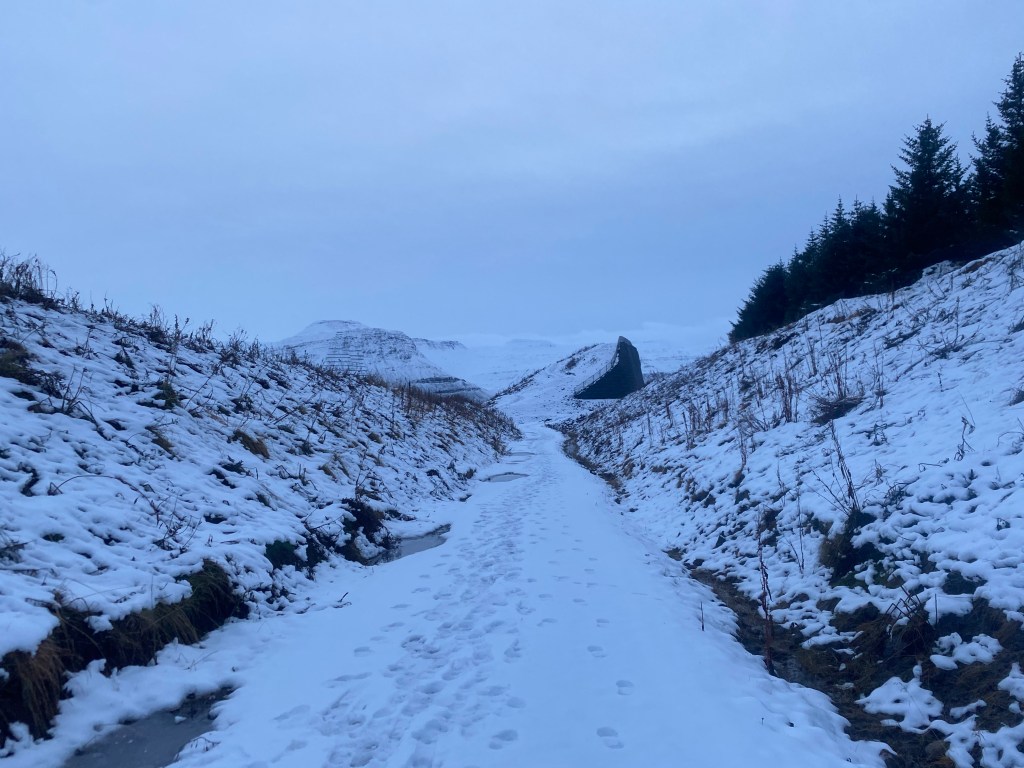
By mid November, it was time for us to depart! We finally headed to Reykjavík, but were pretty limited on sight seeing due to COVID restrictions. A reason to visit again, I suppose!

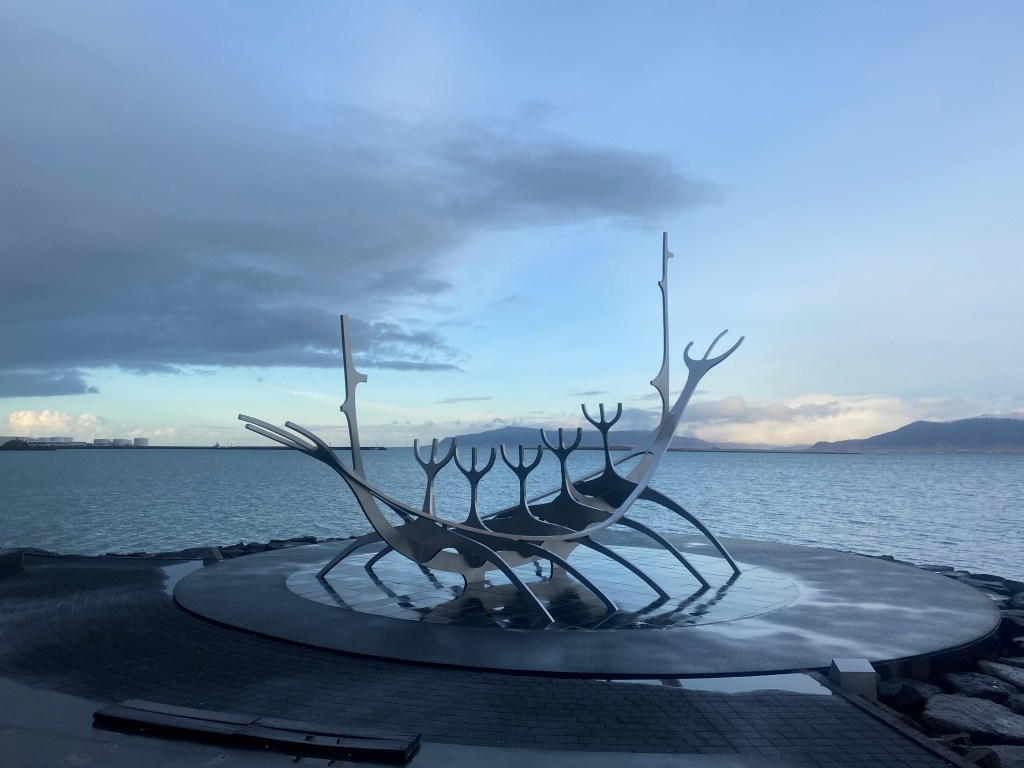
Reykjavík

We flew out on November 11th, but I had the distinct feeling I would be back, hopefully in more normal? times!

Bonus photo: I arrived home November 12th to that states. Pictured below you can see the reality of graduate school abroad during a global pandemic. It was… interesting!
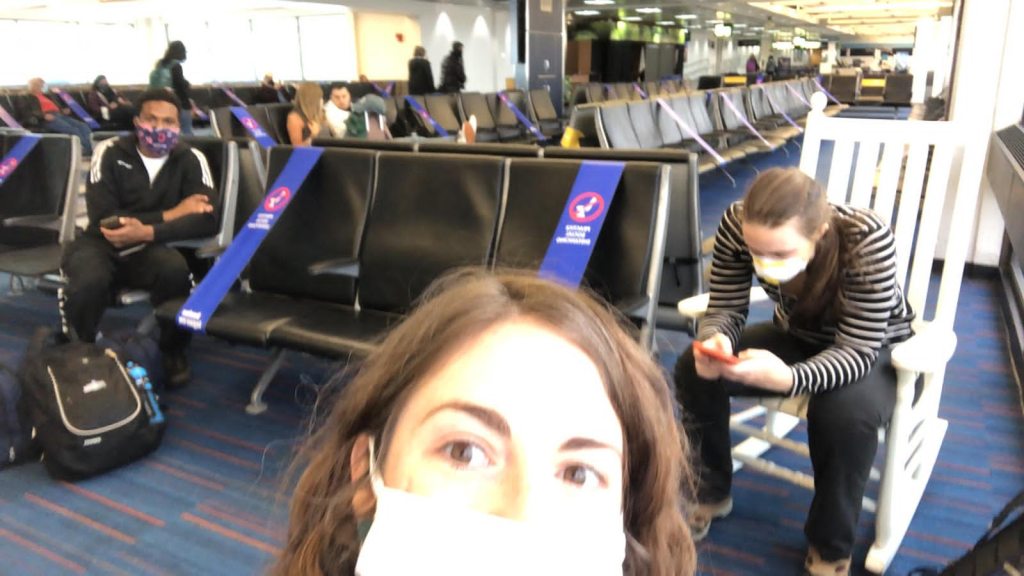
See you next time, when I finally blog Zanzi, and our bonus time in Kenya! Takk!
Zimbabwe

The last time I blogged, I was job searching and visiting my brother and (not yet) sister-in-law in Guatemala. That was 3 years ago almost exactly. Since then, I moved to Athens, Ohio, where I have lived and worked since February of 2022. I have also traveled here and there. By my reckoning I have a backlog of 5 posts to do after this! But as this is my most recent travel, I thought it was a good place to start in getting caught up.

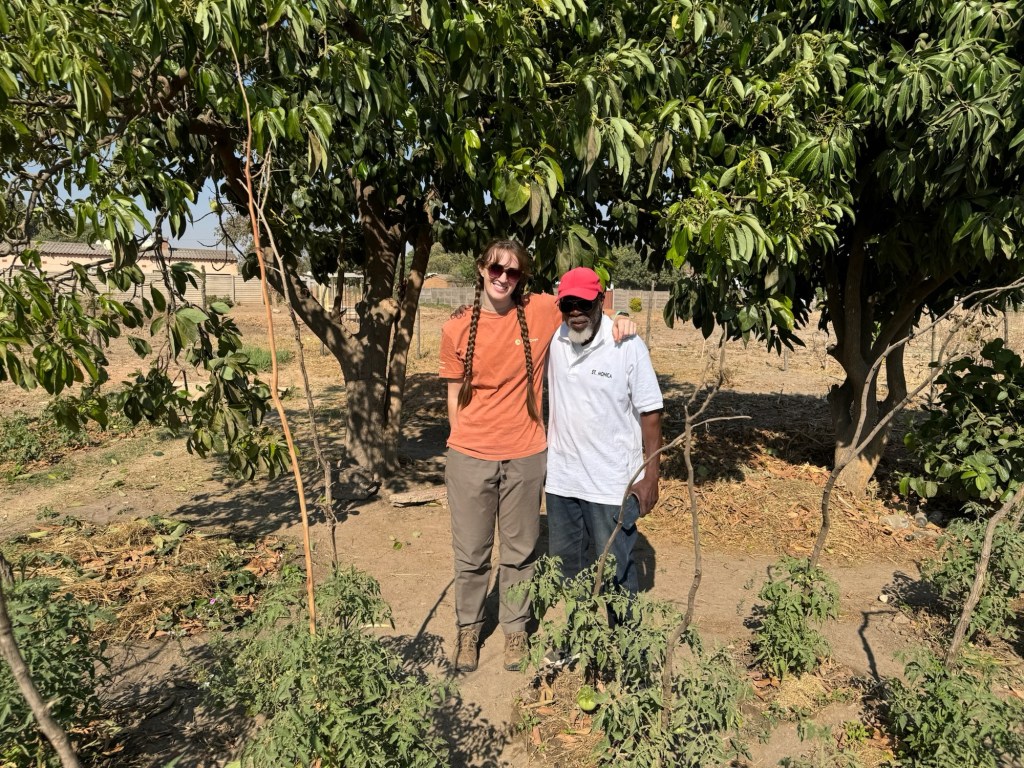
For some background: I work as a Whole Farm Program Manager in The Sustainable Agriculture program of an asset based community development organization, Rural Action. While my day to day consists mostly of beginning farmer support and resource management, I have been lucky enough to also engage in some international development work as well. This is mainly through a leadership development exchange program funded by the US State Department known as the Community Solutions Program (CSP). Through this program, we hosted two fellows for four months in 2022, one fellow from Tanzania, and one fellow from Zimbabwe. The fellow from Zimbabwe, Darlington Mafa, was hosted with us at the sustainable agriculture program. We became fast friends! From the day we met, Darlington and I were more like siblings than strangers so, when I found out that CSP allows for reciprocal exchange grants, we decided to pursue a project.

Fast-forward to Summer 2024, and I am informed that we have received the Community Collaboration for Impact (CCI) Grant, and I will be spending the first two weeks of October in Zimbabwe, working on a program of workshops and school visits that we modeled after my work at Rural Action, and reflective of the needs that Darlington’s nonprofit, RimaAfrika, has identified in Zimbabwe.

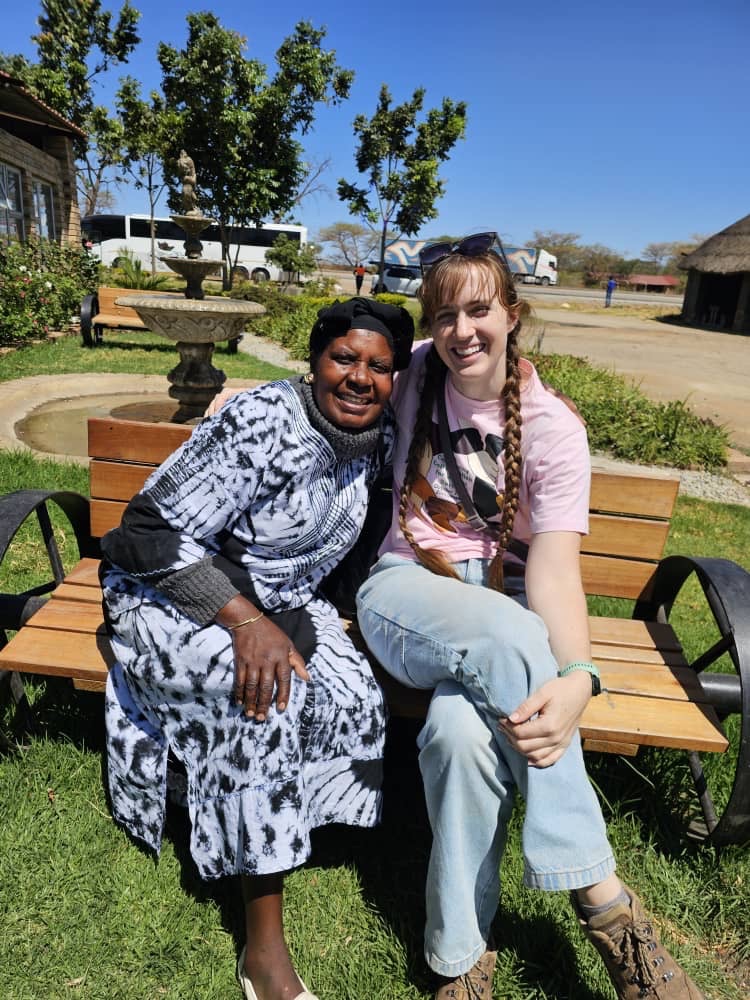
October 1: After around 24 hours of travel, a brief delay and overnight stay in Johannesburg, South Africa, I landed in Harare where Darlington was waiting for me at the airport. We spent the afternoon exploring the city (I finally got to meet Tracy, Darlington’s wife, and their kiddos!) and running errands to prepare for the next day and our first workshop on beekeeping in a rural village north of the city called Gweshe.

Gweshe: Beekeeping Training

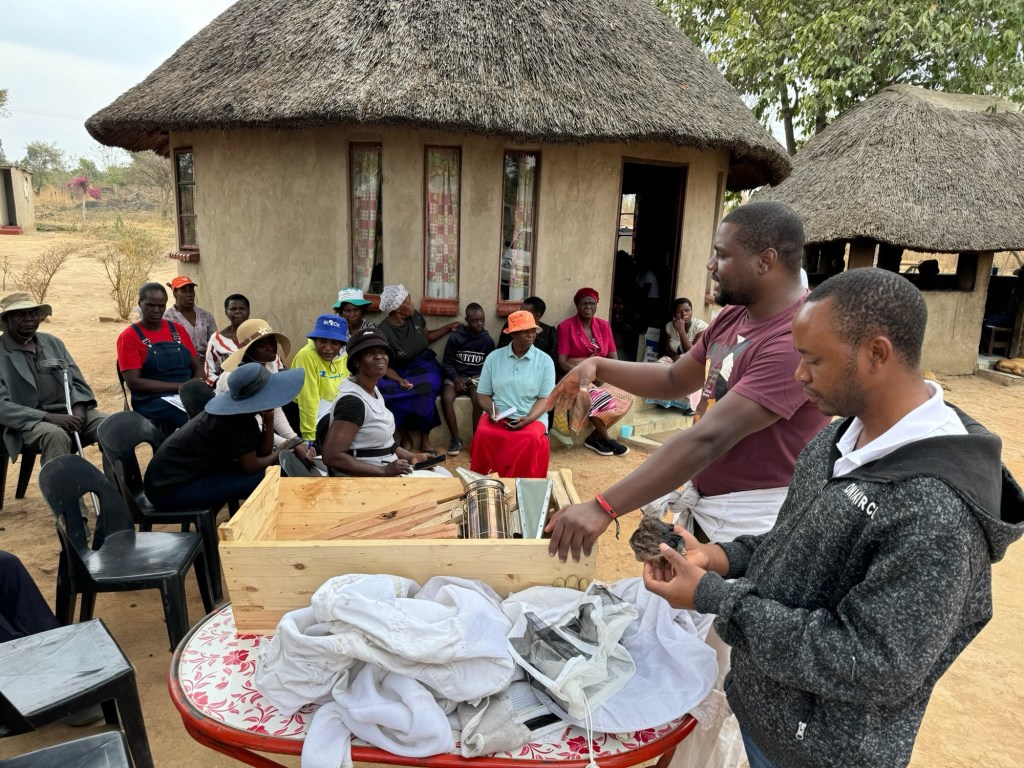
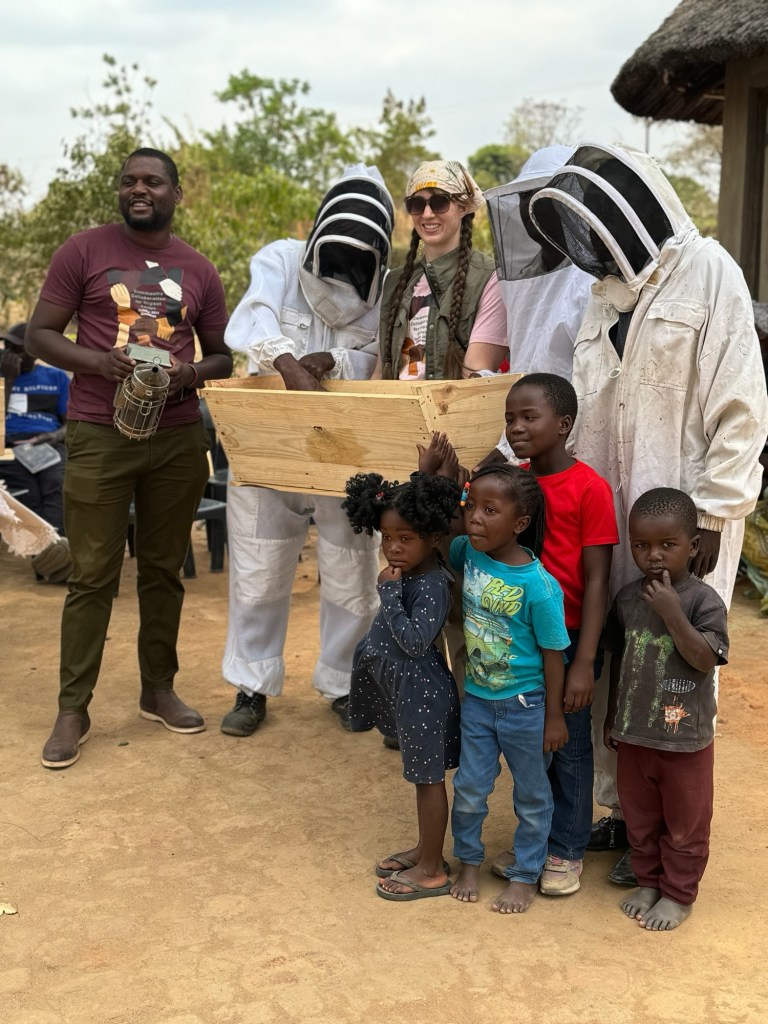
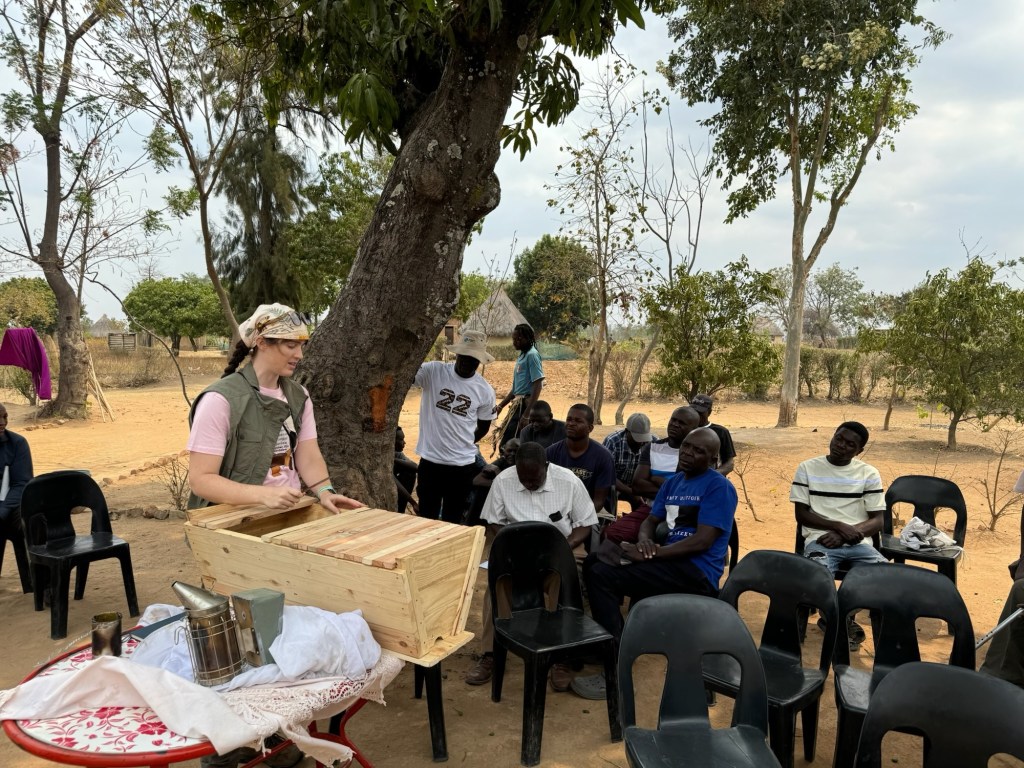
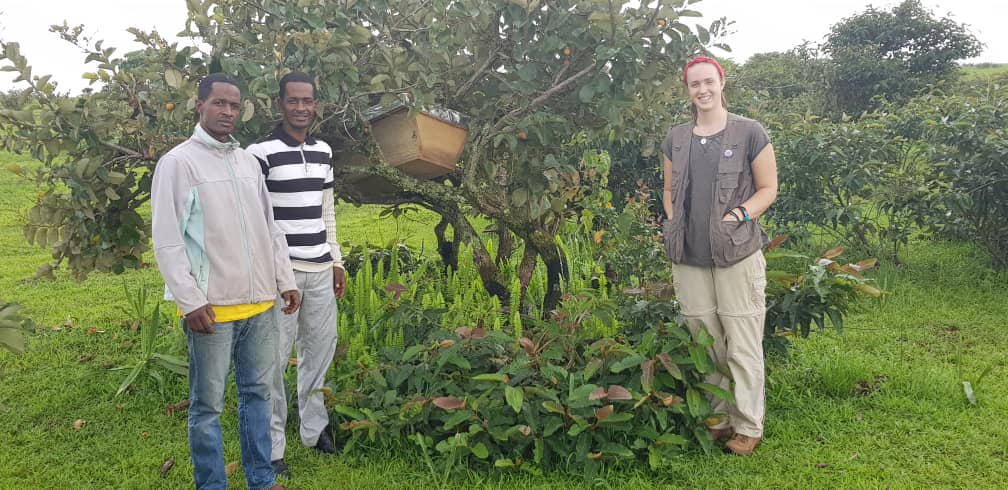
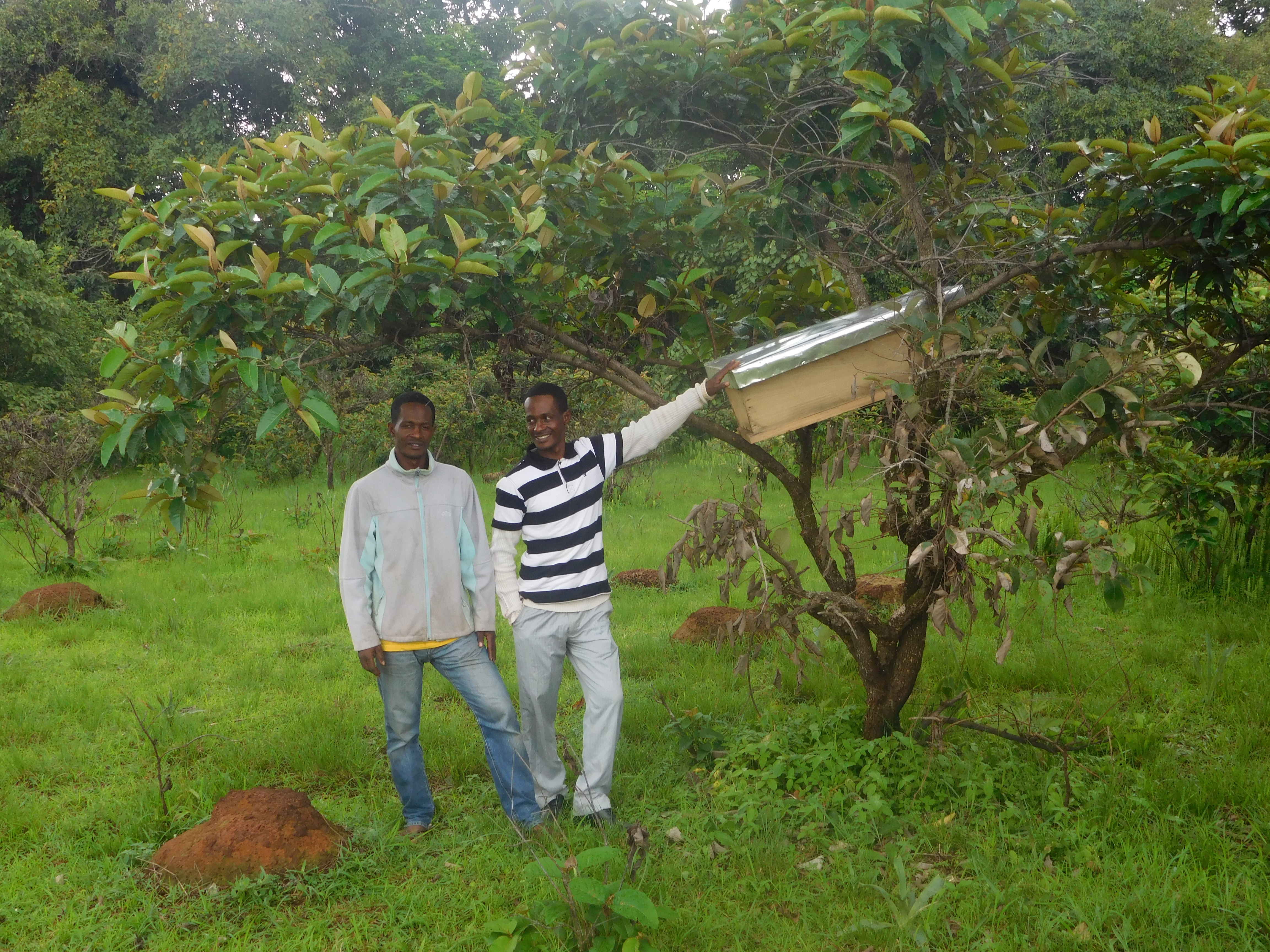
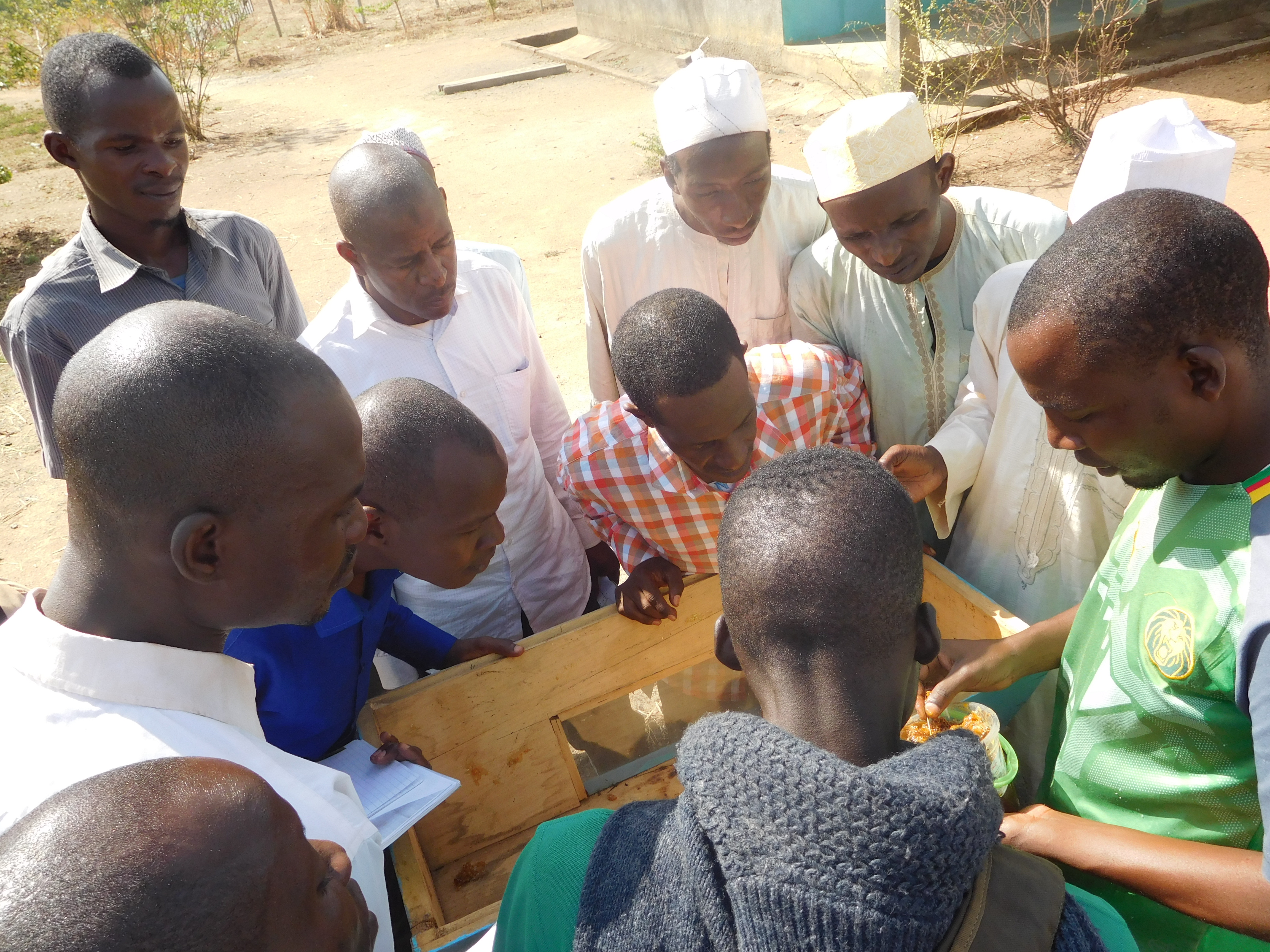
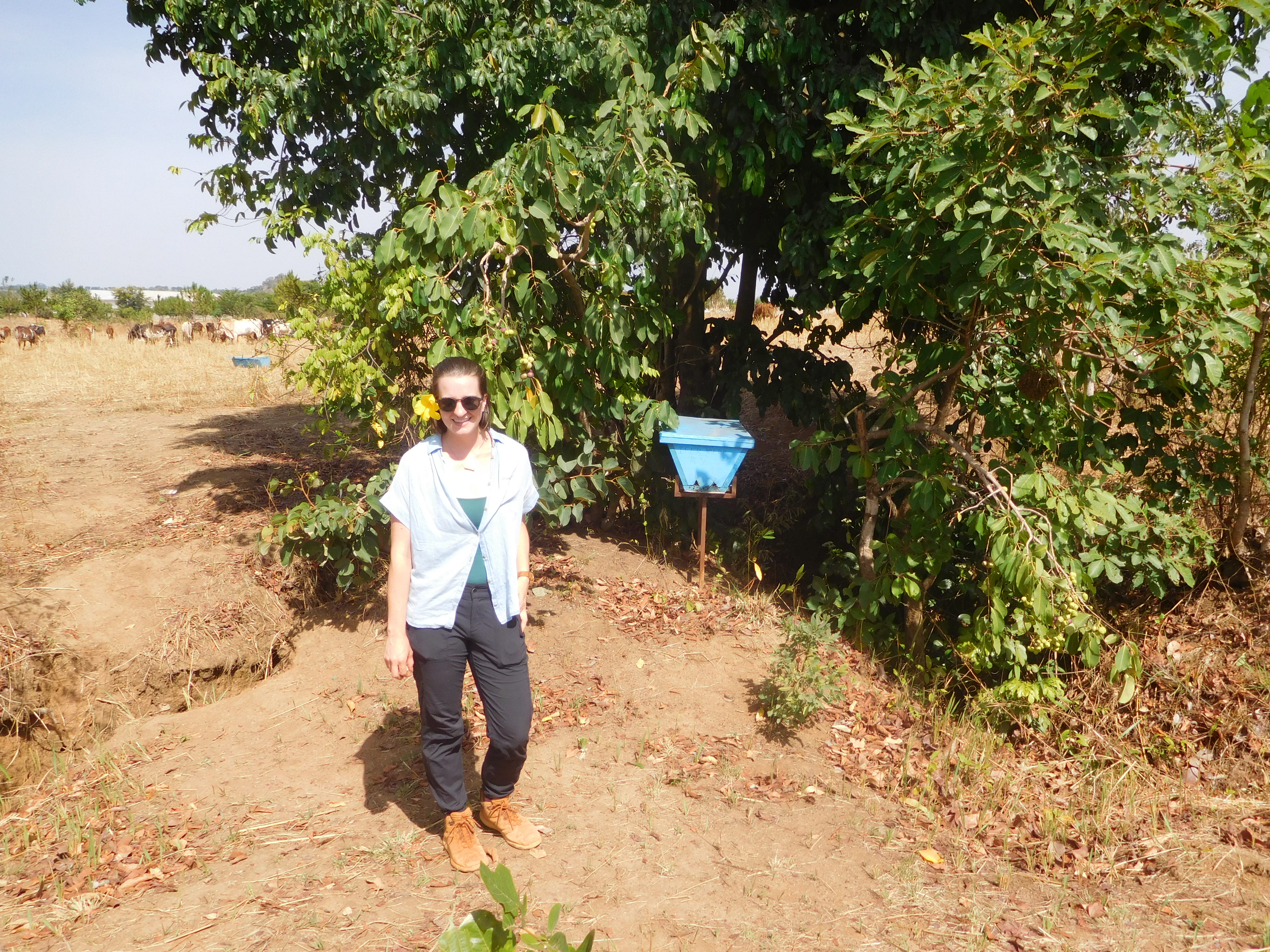
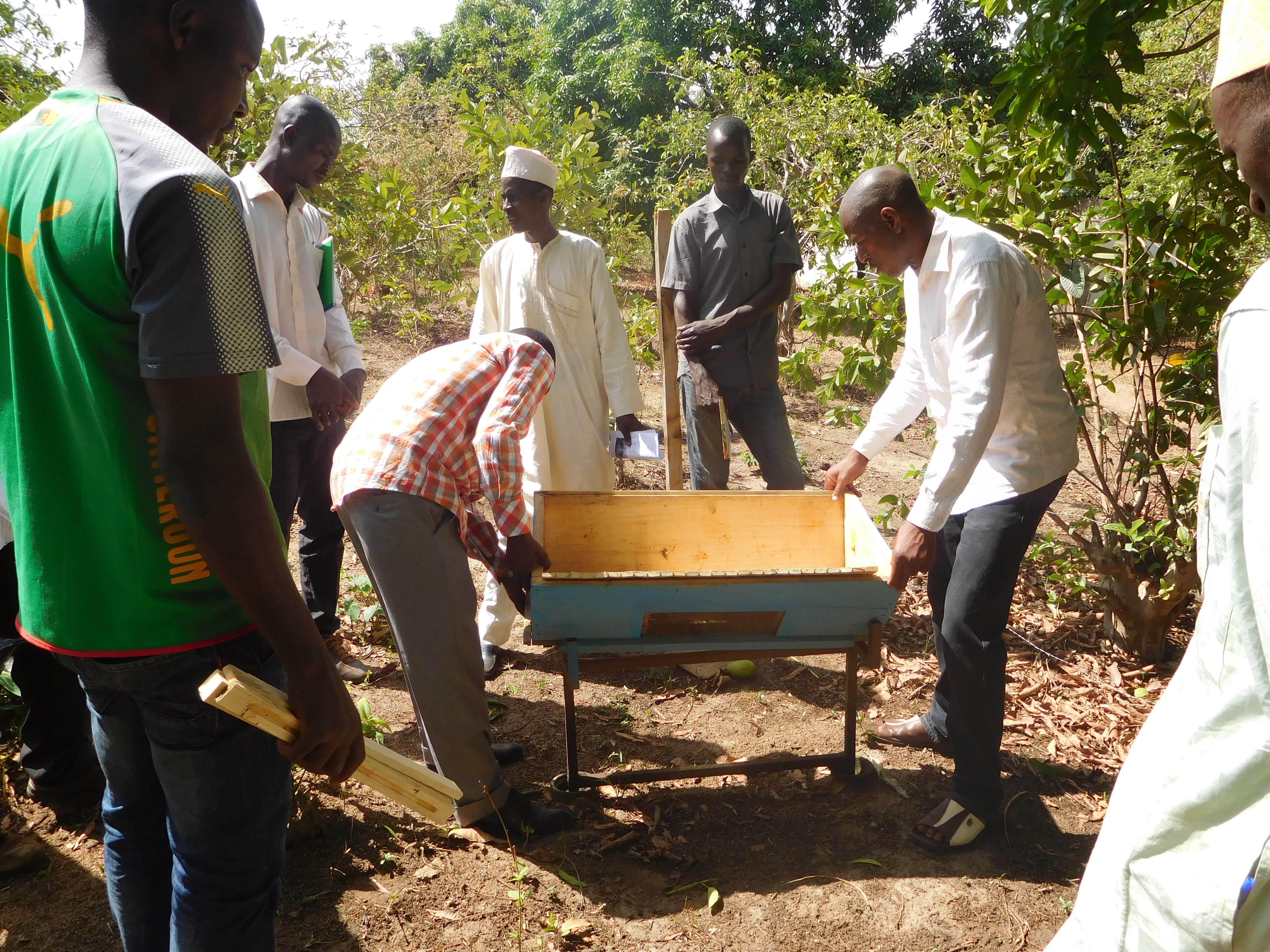
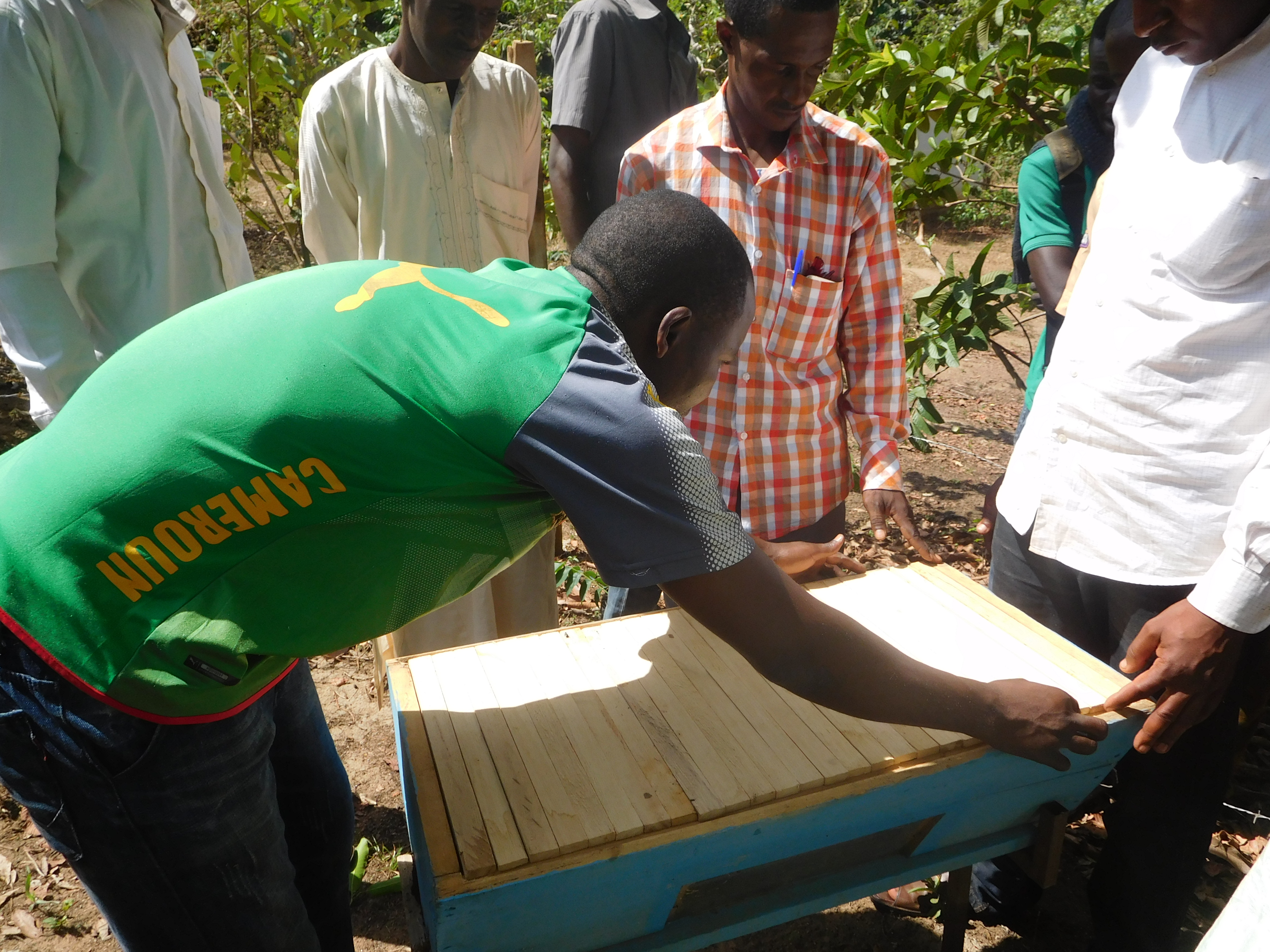
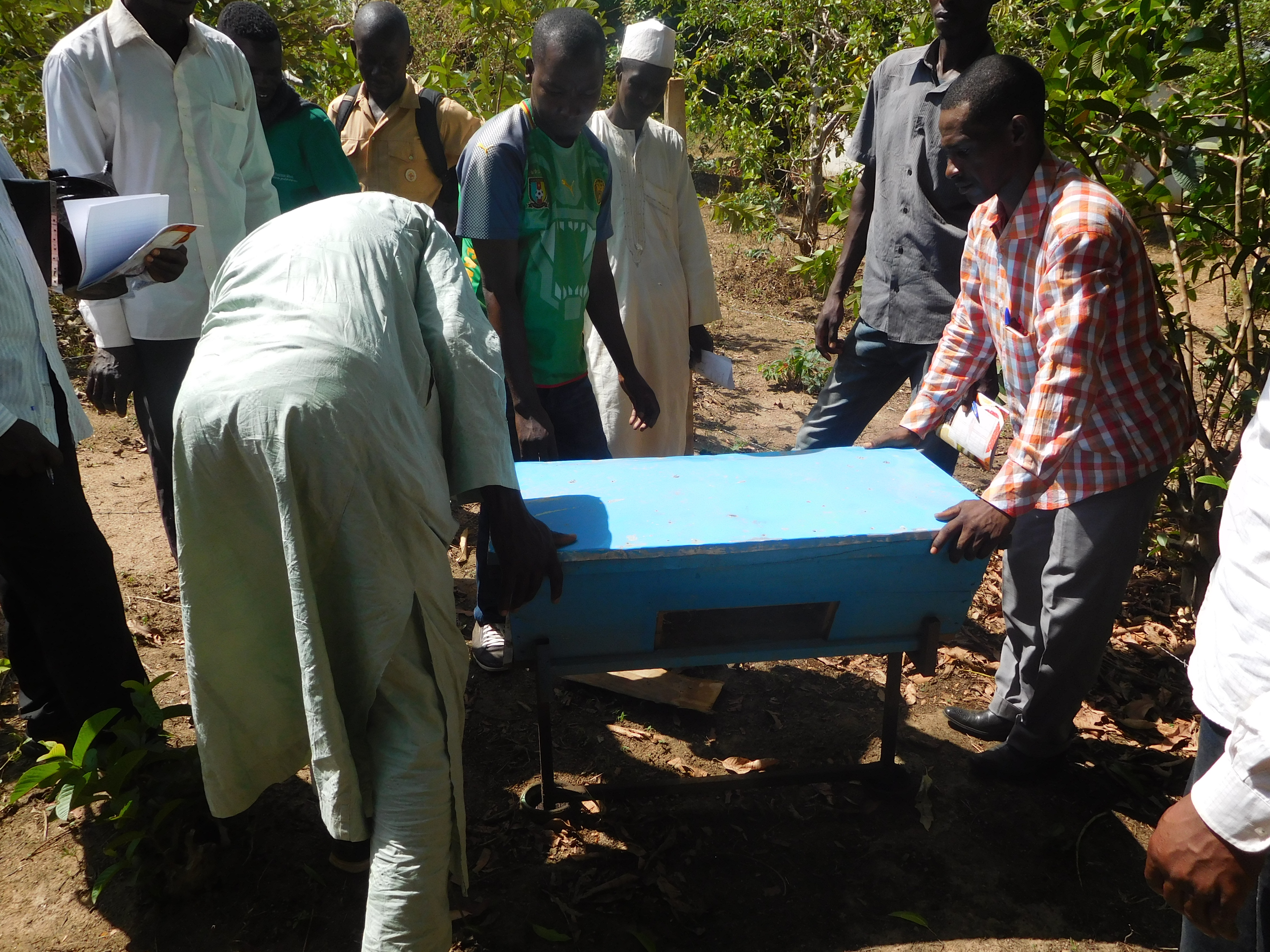
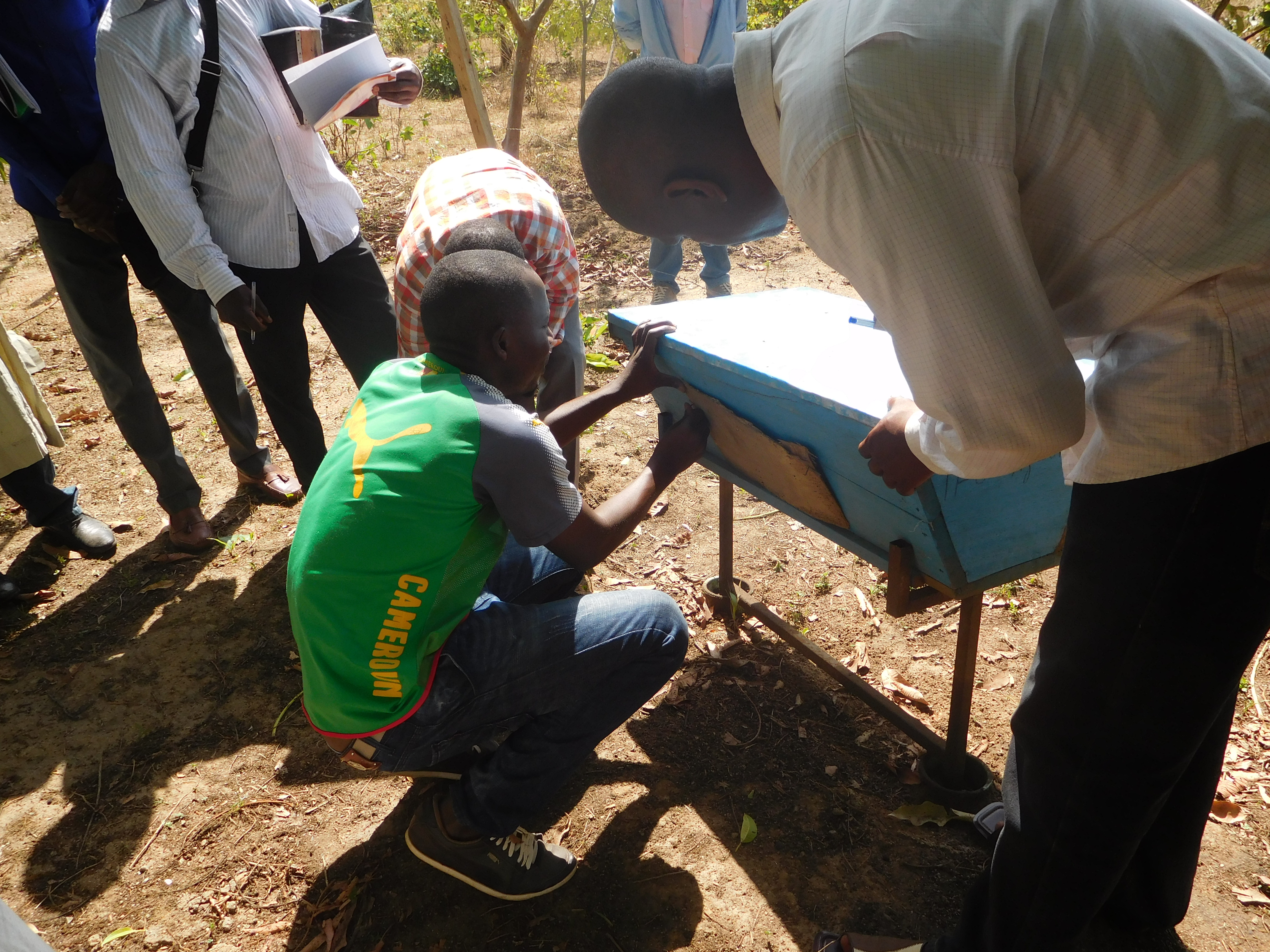
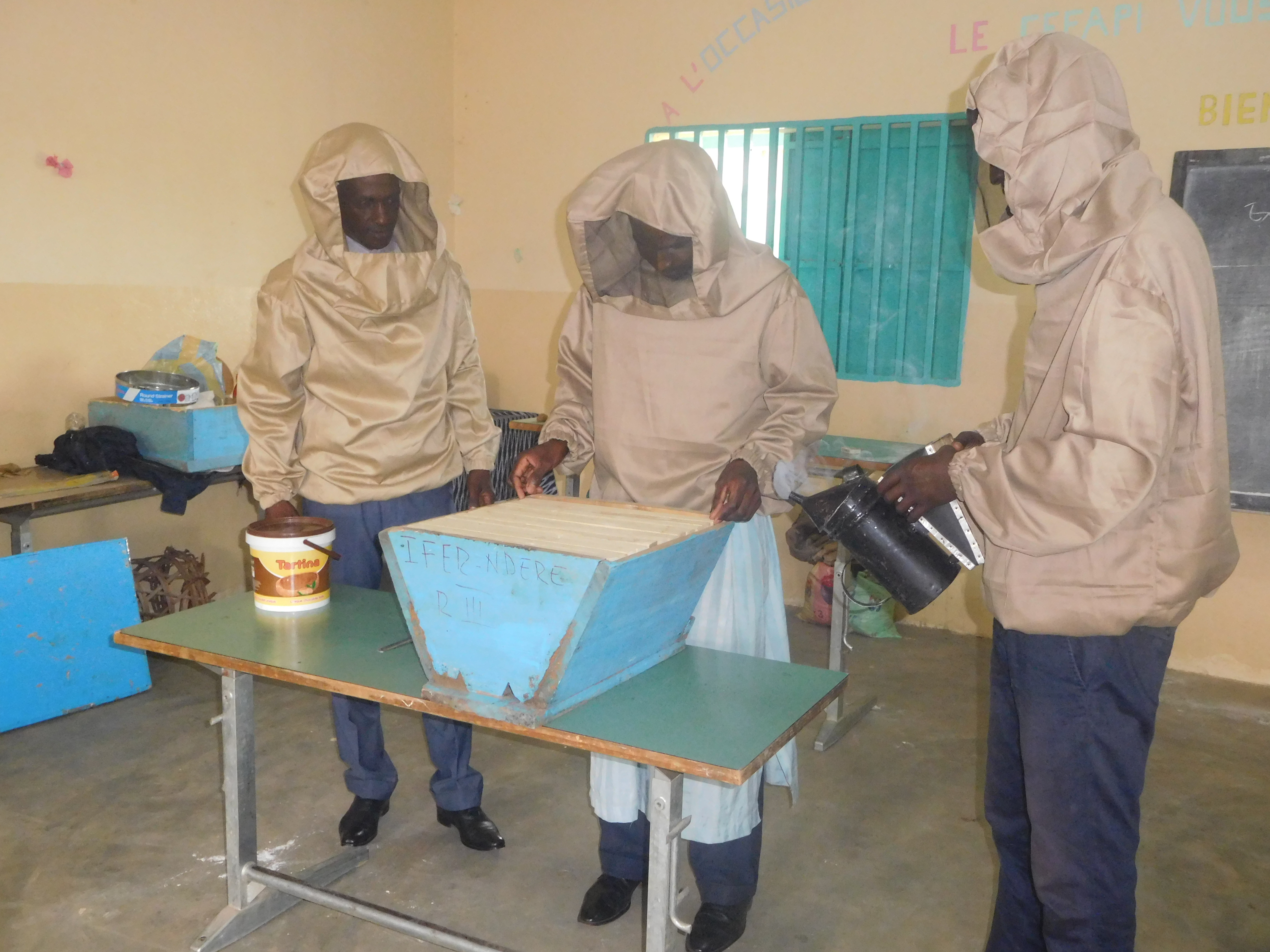
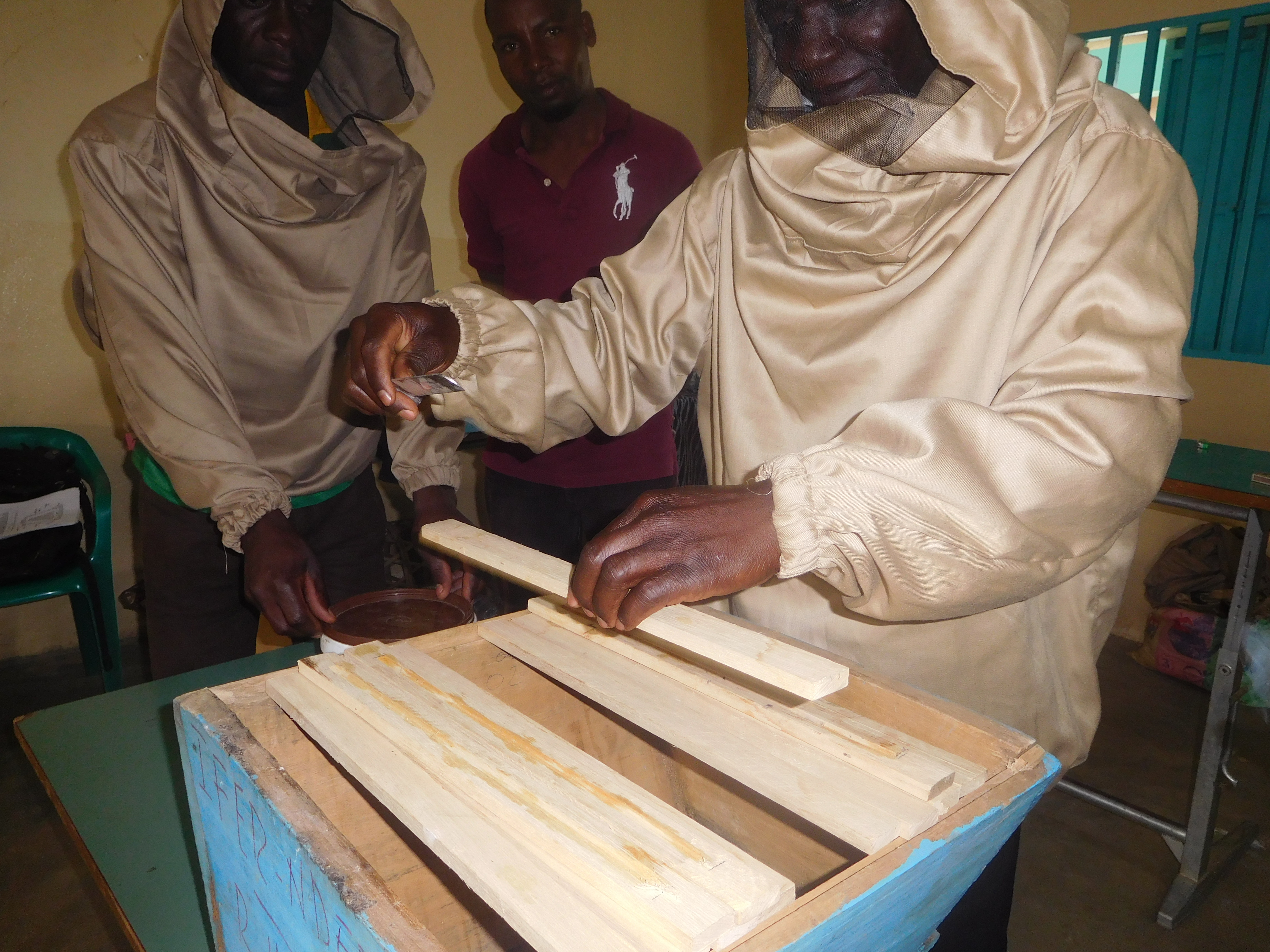
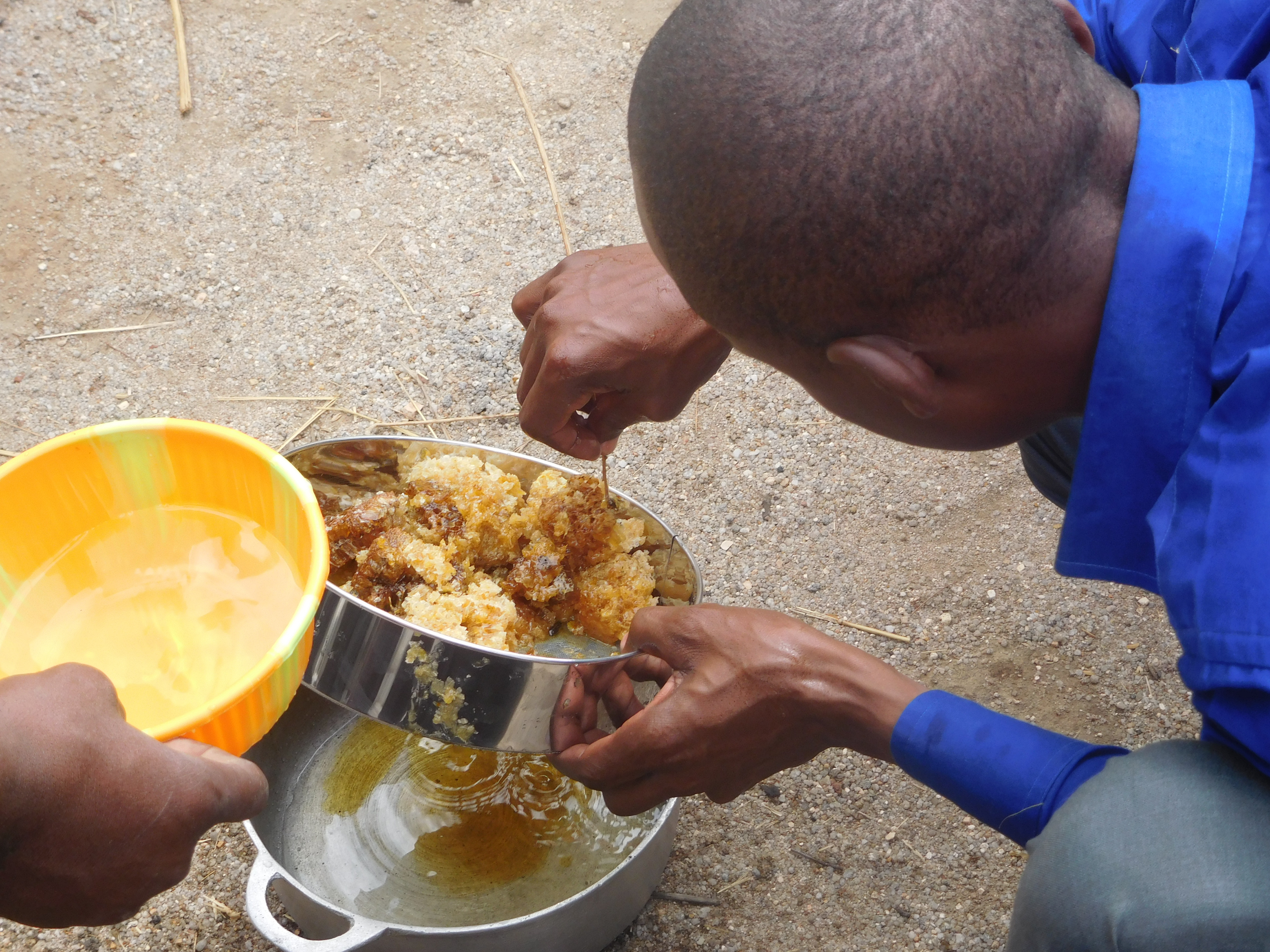
October 2: Darlington and I held a beginning beekeeping workshop in the rural village of Gweshe, North of the capital city of Harare. The grant paid for transport to this village, alongside payment to a local beekeeper (Mr. Solo) who facilitated the training with his expertise as a beekeeper. Solo was able to communicate our materials in the local dialect, and the grant allowed basic beekeeping guides, a Kenyan Top Bar hive, and bee suits, smokers, and hive tools to be provided to the village to start their own beekeeping demo site, to be kept at the demo farm owned by a RimaAfrika partner. After the workshop and Q&A session, attendees ( 15 men, and 14 women, 2 facilitators ) participated in a grant funded meal.

Langham Girls School

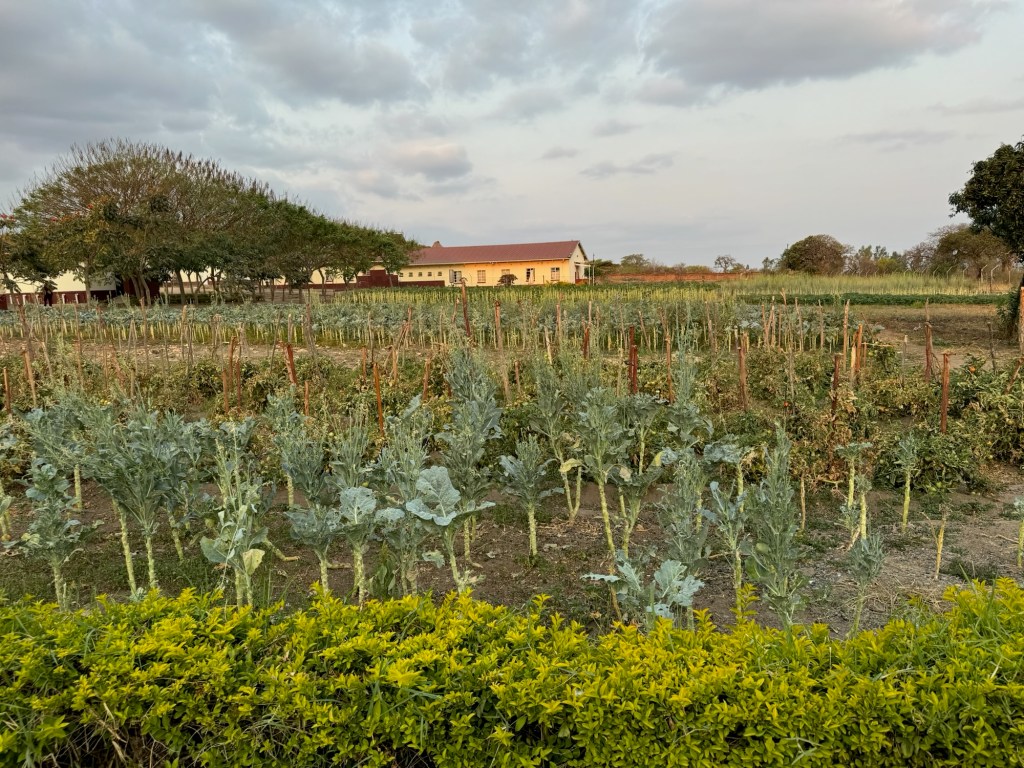
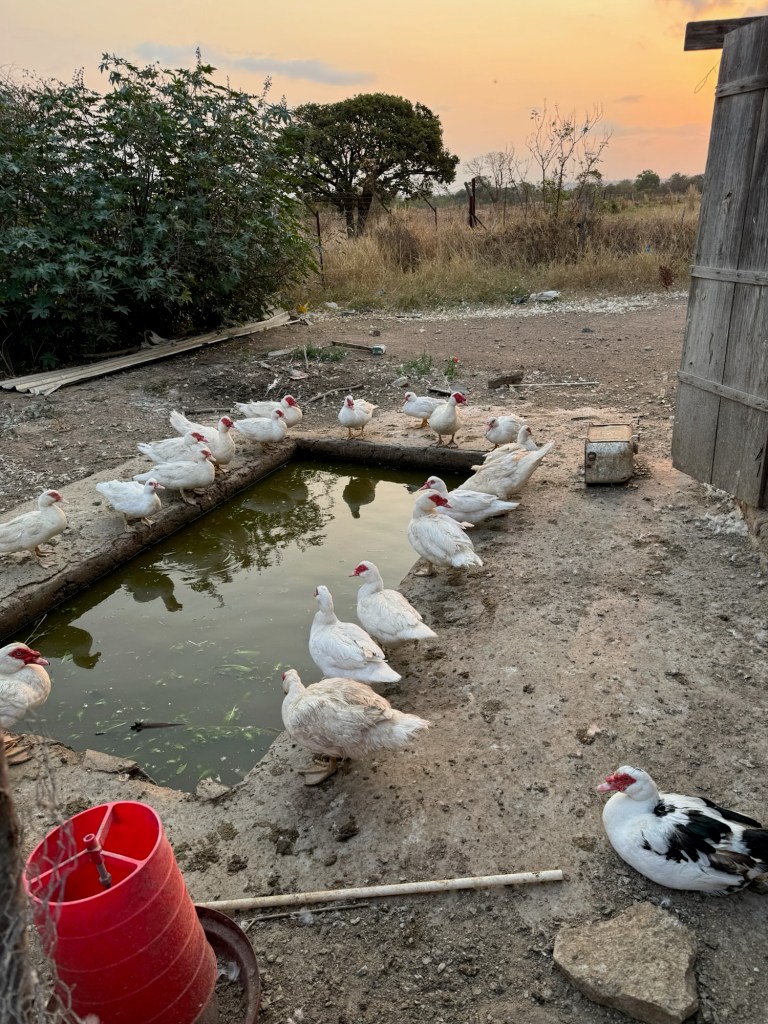
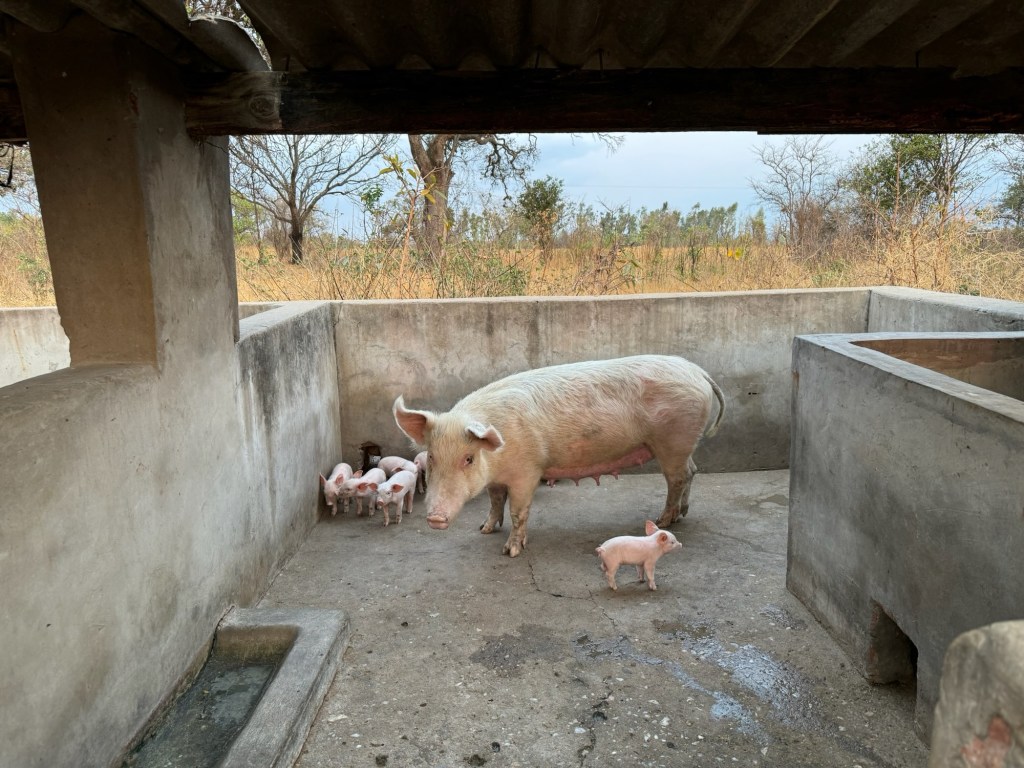
Directly from Gweshe, we traveled on to Concession, and an all girls boarding school where we toured their grounds (almost all of their food is grown/raised on-site) and stayed with Darlington’s in laws, who both teach at the school.

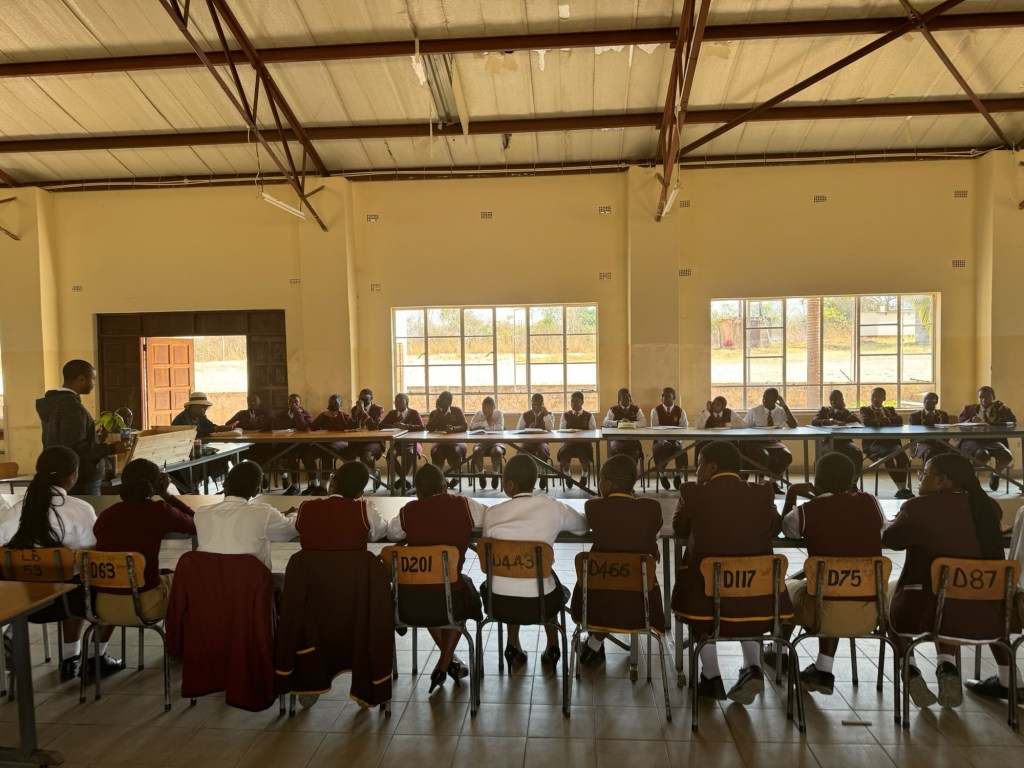
October 3: In the morning we spoke to the Environmental Club at Langham Girls High School, discussing careers in agriculture, with an emphasis on exchange opportunities such as CSP, and beekeeping, as we were donating a hive to the school. The school has their own farm (produce, chickens, cattle, piggery, and fish farm) on-site, so we believed that an addition of an apiary would be complementary to their existing work. There were 48 students in attendance, alongside their club teacher, our educator Solo, and Darlington and myself.

Beginning Farmer Training

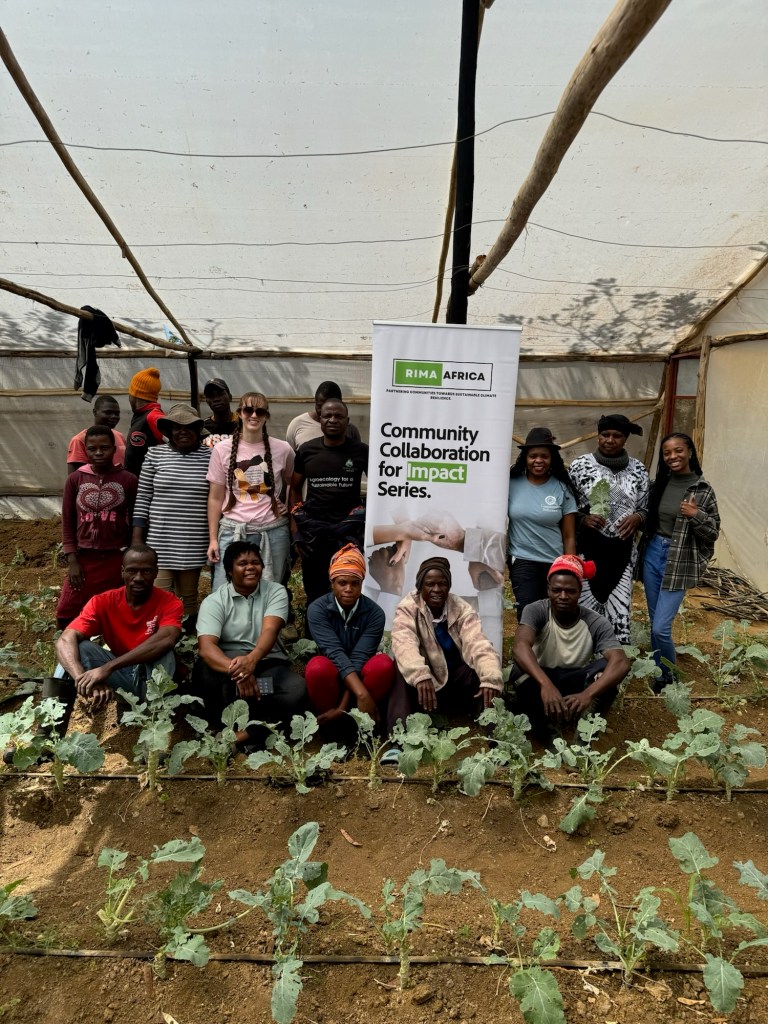
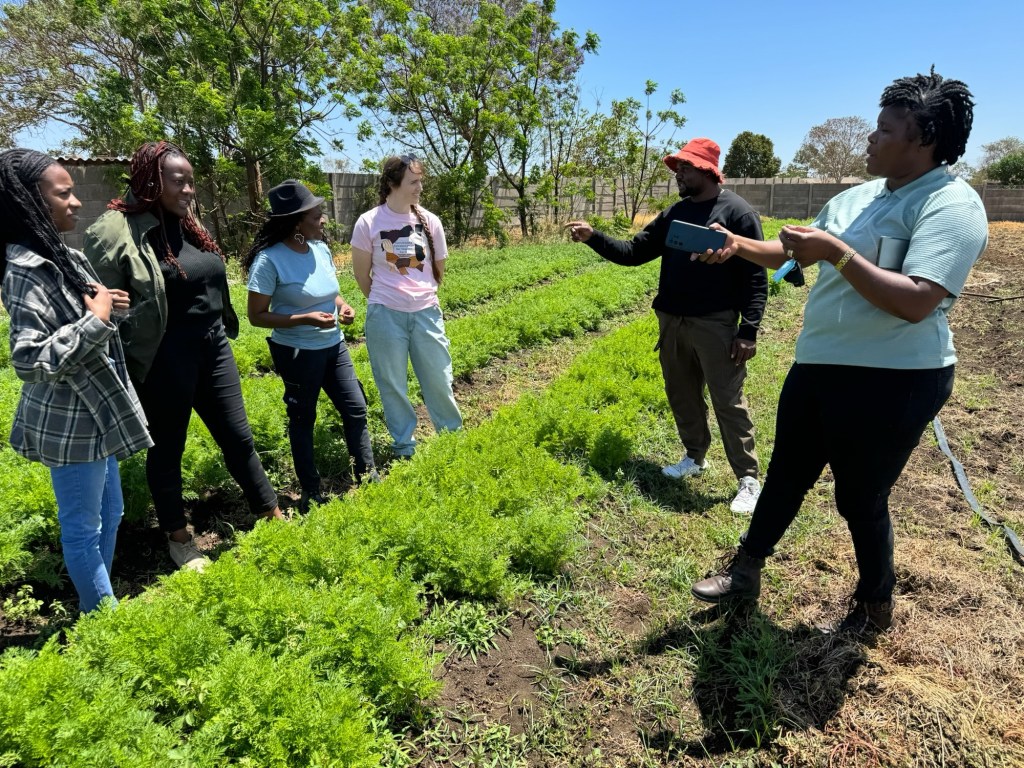
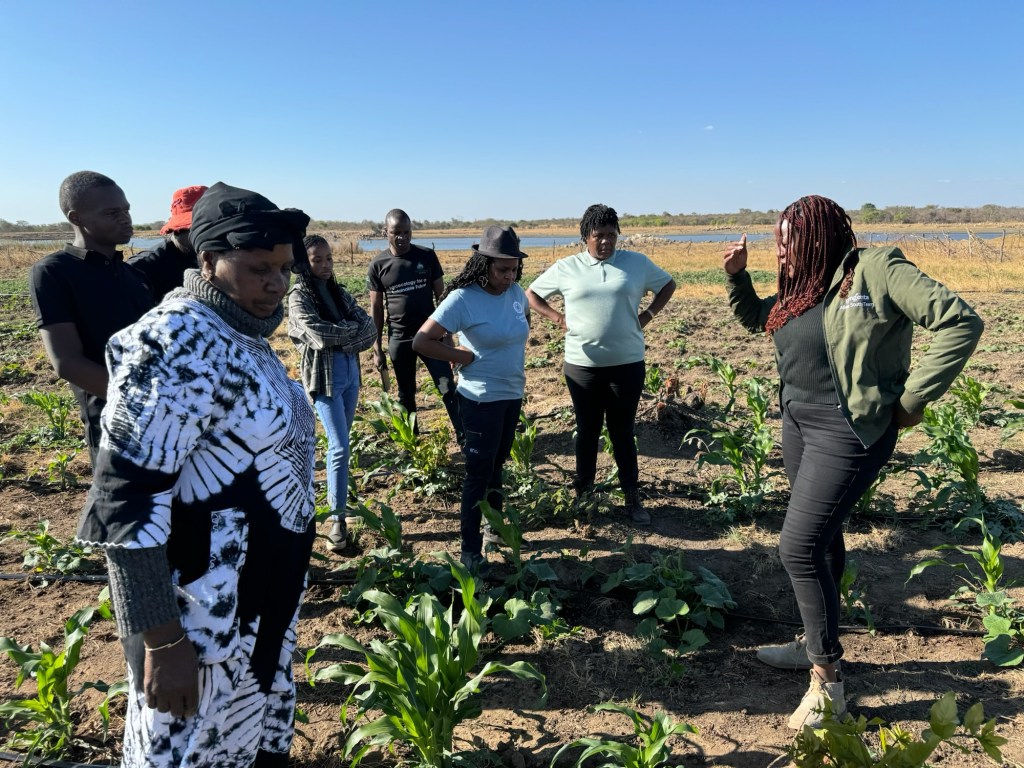
October 4: In the morning we met with mentor farmers Brenda and Precious in Norton Town, outside of Harare, and hosted beginning farmers on their two farming sites. Four aspiring farmers were in attendance, and an agronomist (Salome) was with us from the seed company Syngenta, sharing her experiences with small scale farmers in Zimbabwe. We introduced and handed out our beginning farmer toolkit with the aspiring farmers, and made plans to produce a revised version (with input from Salome) that is less general, and more targeted to farmers in Zimbabwe.

Agritourism Training

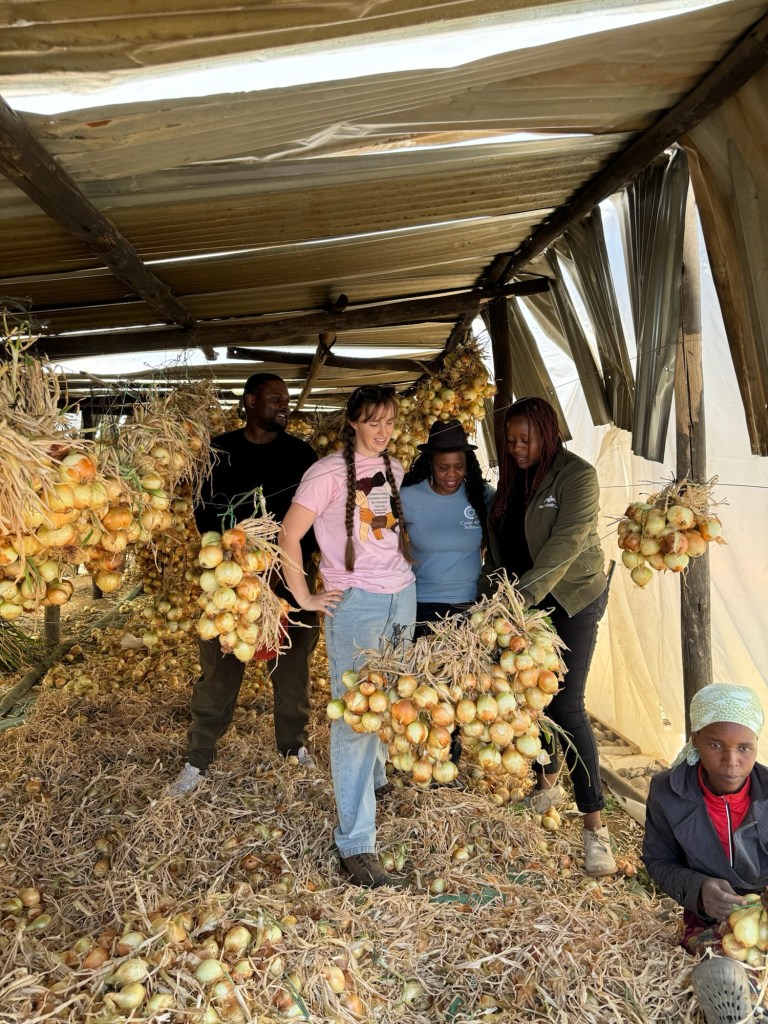
In the afternoon we visited the region of Mhondoro to see an example of potential Agritourism training. In addition to raising tomatoes in Norton Town, mentor Brenda has a herd of cattle in this area and the same group of trainees from the morning session visited her farm in a more rural setting of the country. It is Brenda’s hope that such visits to her greenhouses in Norton Town and her cattle ranch in Mhondoro could be potential tourist attractions, and we discussed those opportunities with the group and handed out our agritourism toolkit.

A break for some tourism…

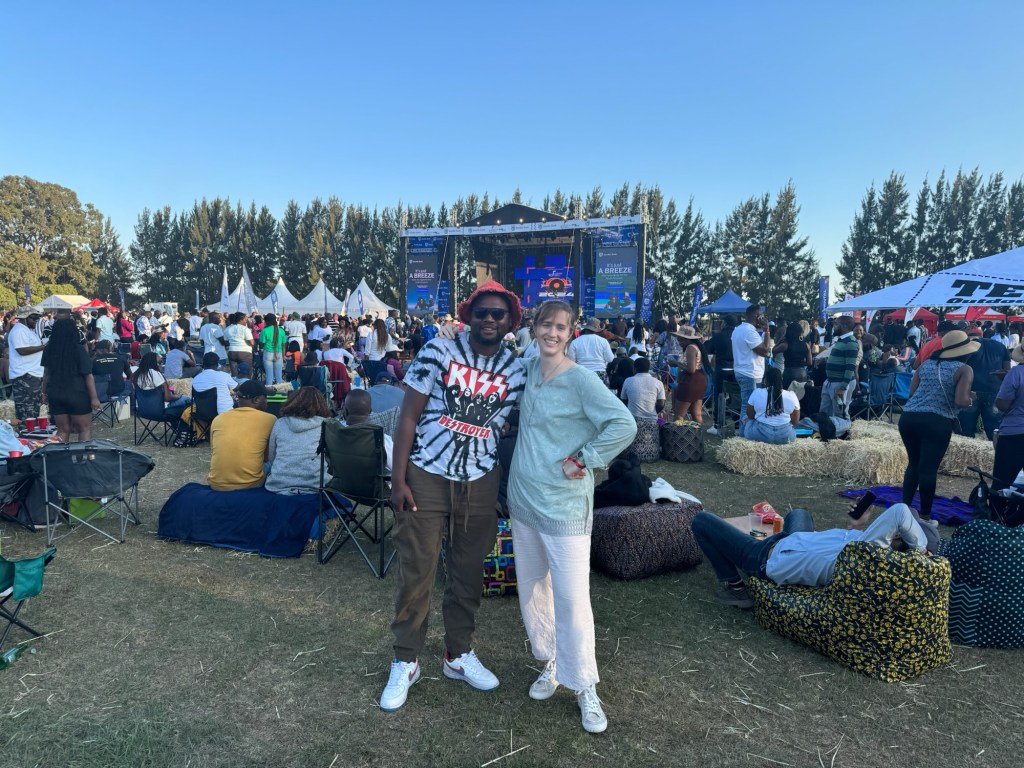
October 5: We spent Saturday afternoon and evening at the Jacaranda Music Festival, a yearly celebration of local musical talent. The standout performance for me was Feli Nandi, who really moved me and made a lasting impression. I encourage you to listen to her music! Jacaranda is named after the iconic purple flowered trees (native to South America) that cover Harare, and I just happened to be in the city during their peak blooming time.

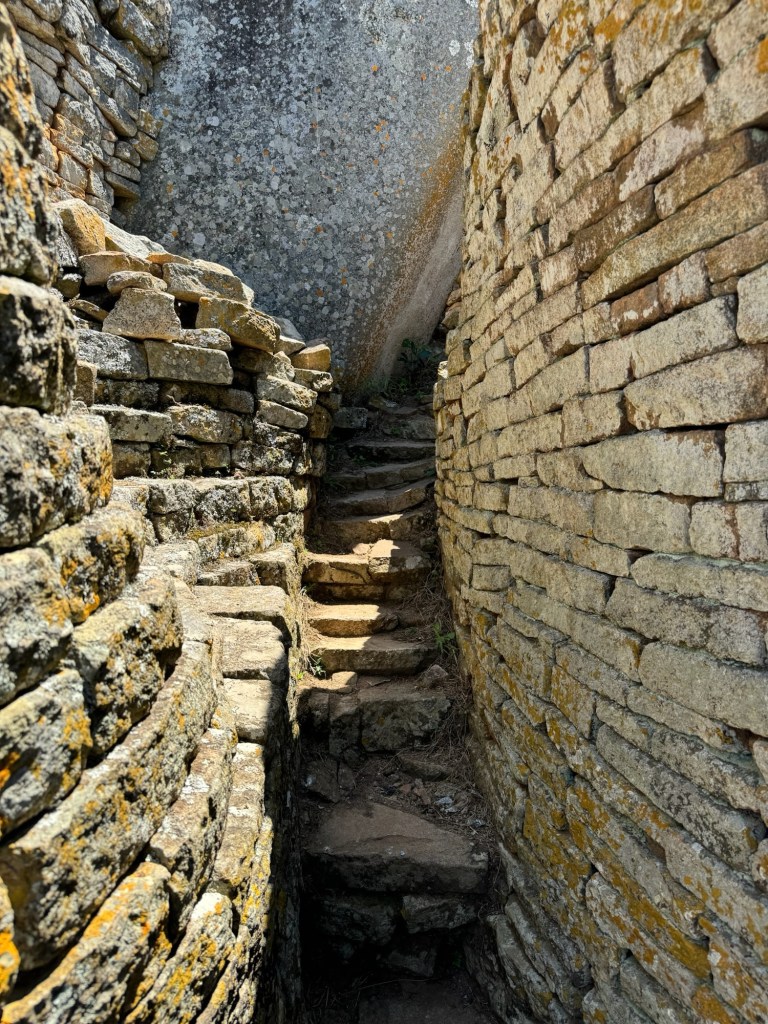
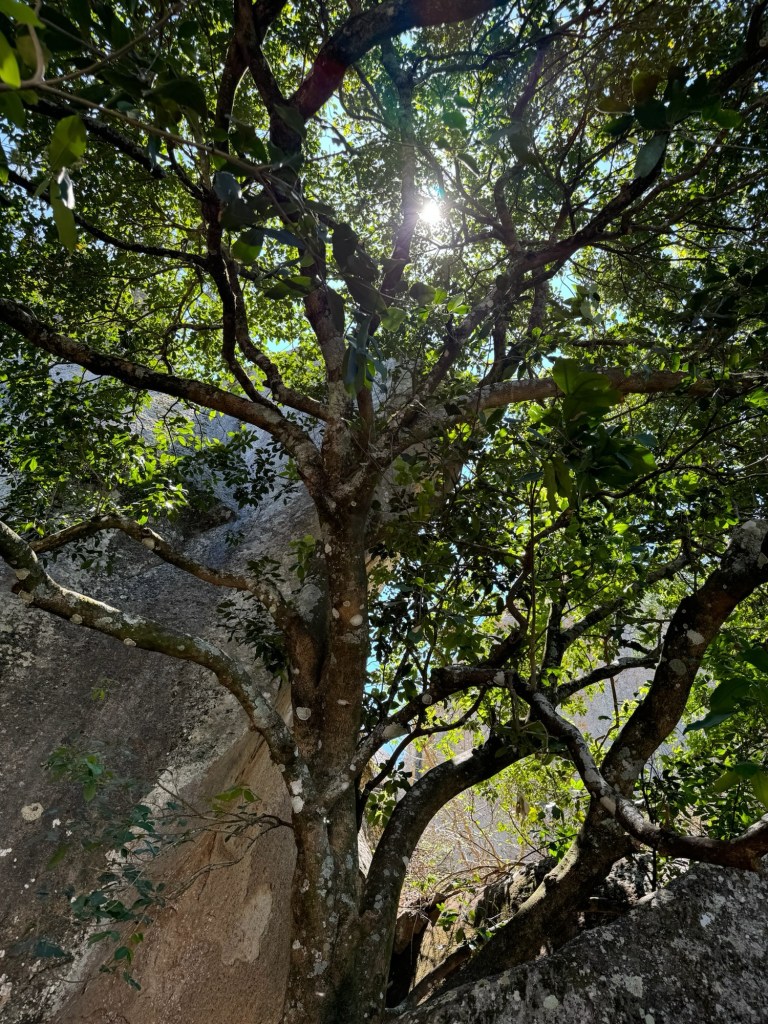
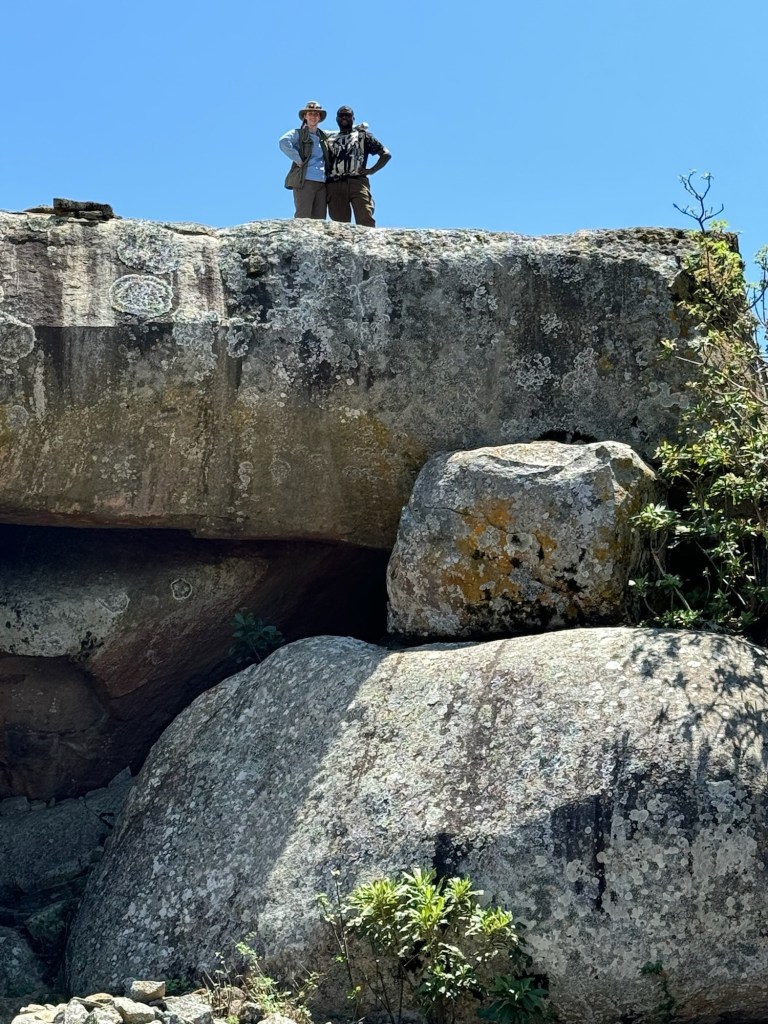
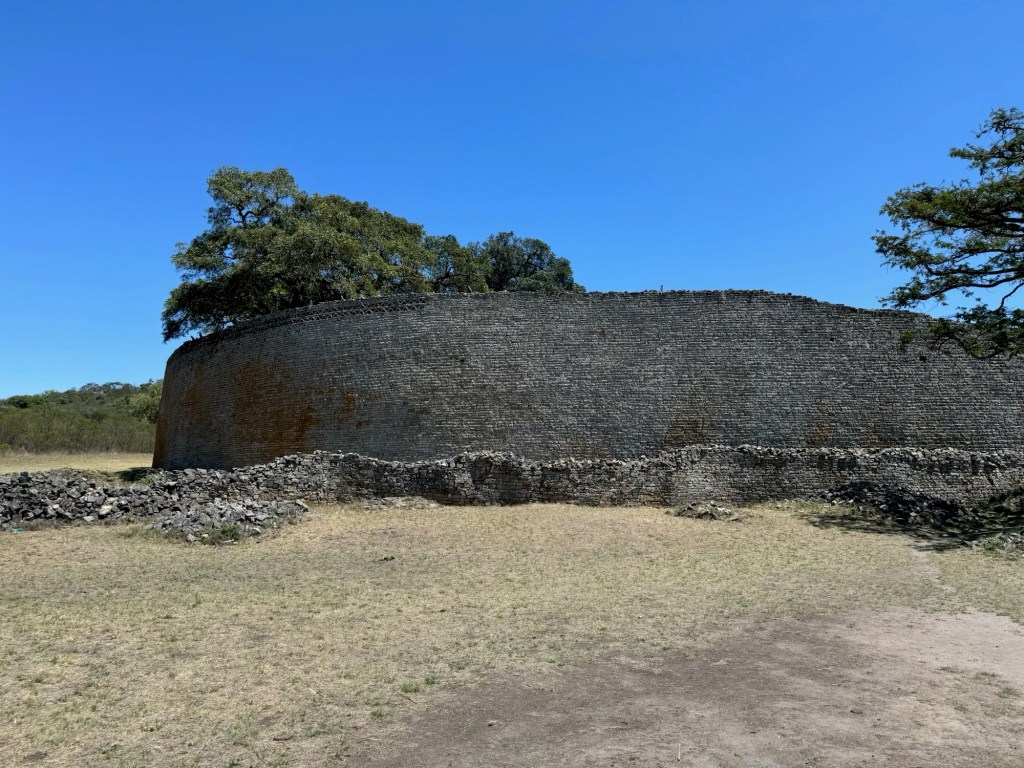
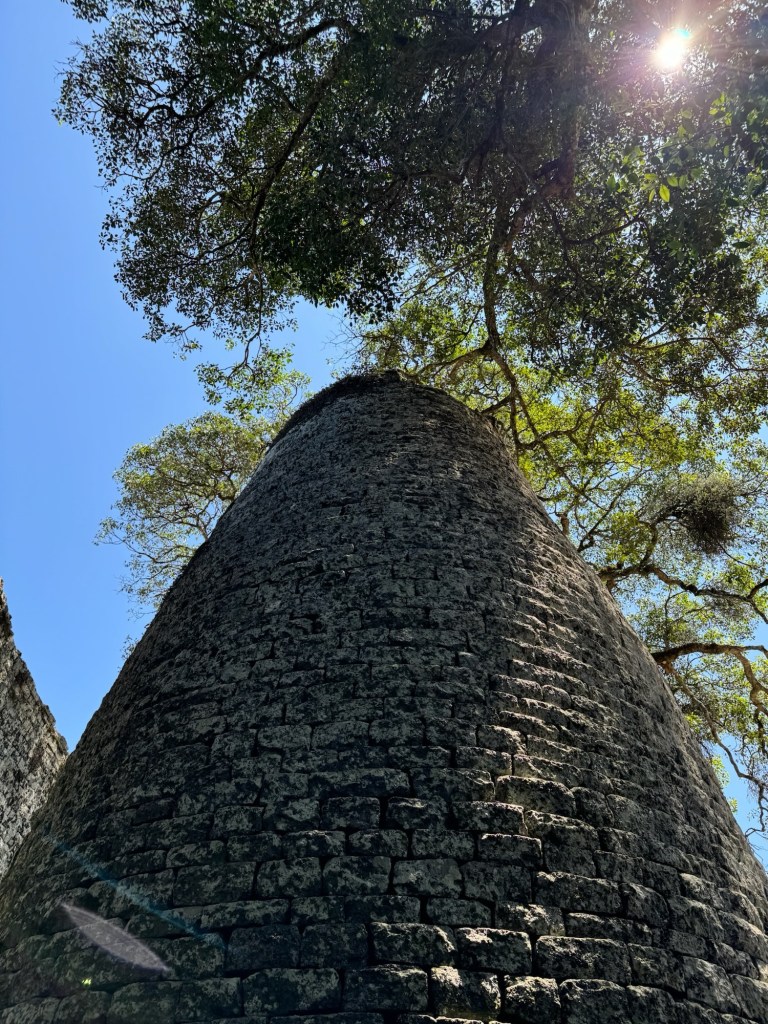
October 7: We spent the day prior driving South to Masvingo, and the site of the famous Great Zimbabwe. This was one of the two places I really wanted to go to for cultural exchange during my trip (the second being Victoria Falls). On the morning of October 7th we left Masvingo and drove to the site of the ruins. Great Zimbabwe is made up of dry (mortar-less) stone, and consists of the Hill Enclosure, said to be home of the reigning monarch, which overlooks the Valley Enclosure.

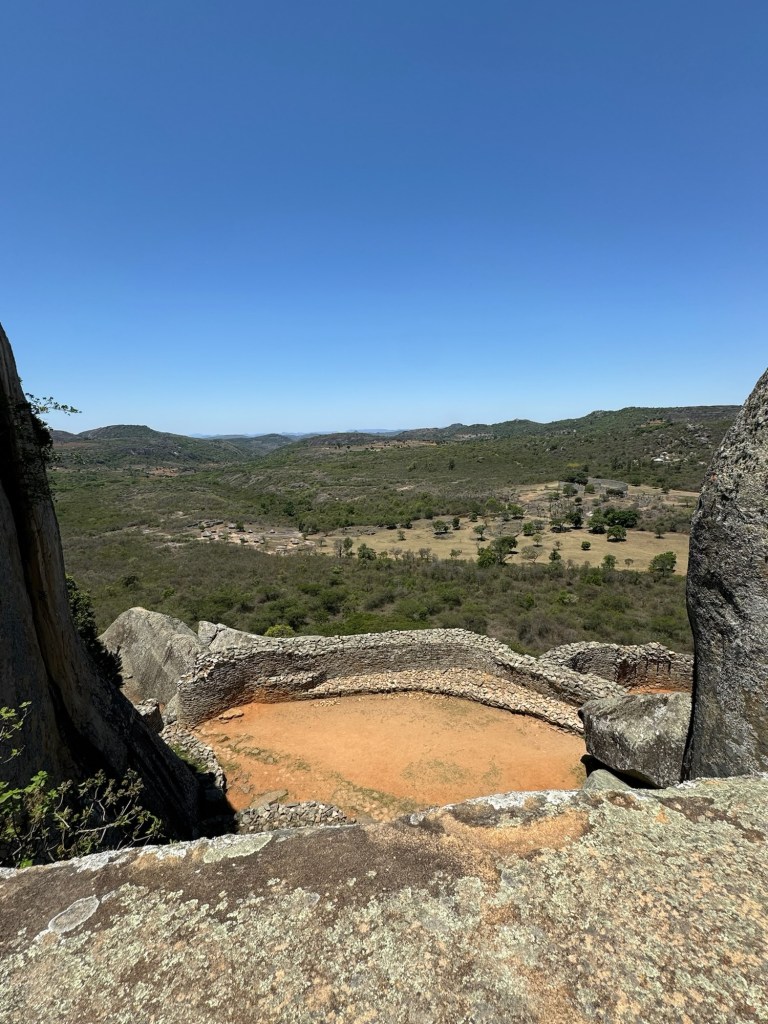
We started the hike up to the Hill Enclosure with our guide, who informed us that the site was constructed from the 11th century to the 15th century, and served as the capital of the Kingdom of Zimbabwe from the 13th century on. From the top of the hill, we had a stunning view into the valley below, home to the impressive Valley Enclosure. It was in the Great Zimbabwe museum in the valley that I learned that, when Zimbabwe was known as Rhodesia, the white government discouraged archaeologists from attributing this site to black Africans. After liberation, the new government named the country after this UNESCO world heritage site. The name “Zimbabwe” means “stone houses” in Shona, and the Zimbabwean flag also references the bird totems found at the ruins, as well as the conical stone tower in the Valley Enclosure.

This archaeological site was truly stunning, it was shocking to me to learn that this is not a well visited landmark by international visitors, as I consider it well worth the trek out to Masvingo from Harare.

Overlooking the Valley Enclosure (seen at the top right) from the top of the Hill Enclosure
The outer walls of the Valley Enclosure

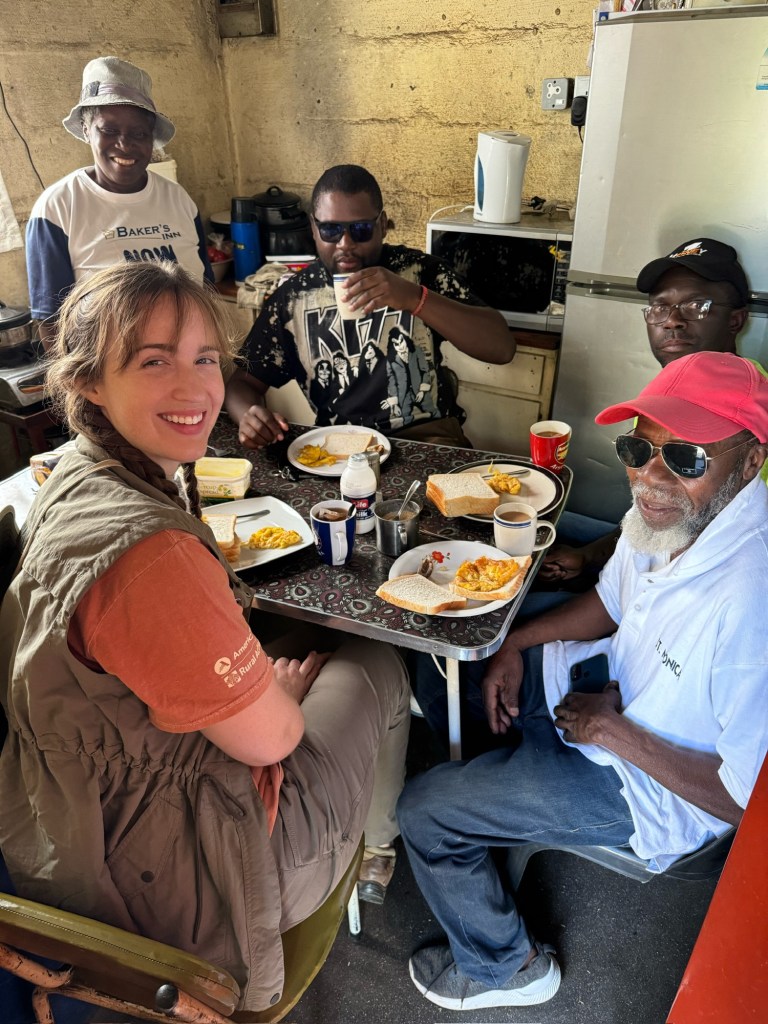
October 7: After our visit to Great Zimbabwe, we made the decision not to return to Harare as planned, and instead continued on Northwest to Darlington’s hometown of Gweru. This meant we ended up traveling for a week with a small bag each, and I got to wear the two outfits I packed a fair few times.

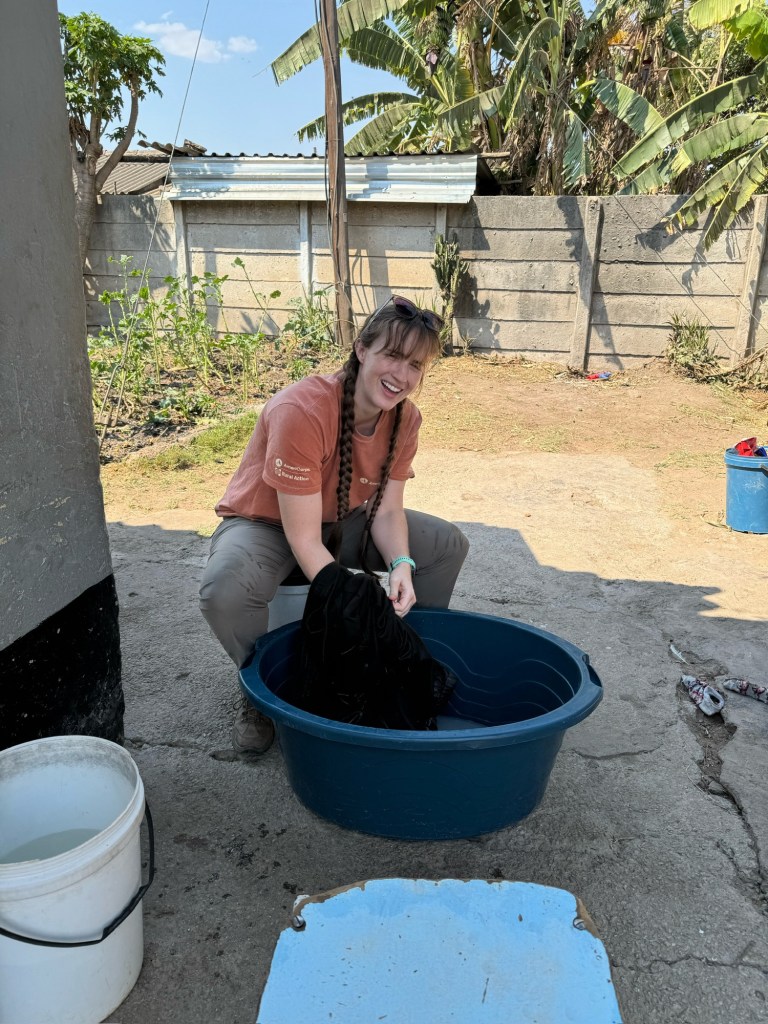
October 8: In addition to spending time with Darlington’s family and neighbors, washing clothes, and generally getting ourselves organized, Darlington scheduled an impromptu meeting at his old primary school to discuss opportunities for collaboration with the agriculture teachers there. It is our hope that this connection could lead to another teaching learning apiary for the students. Following a full day, Darlington and I took an overnight bus to Victoria Falls, at the very Westernmost point of the country.

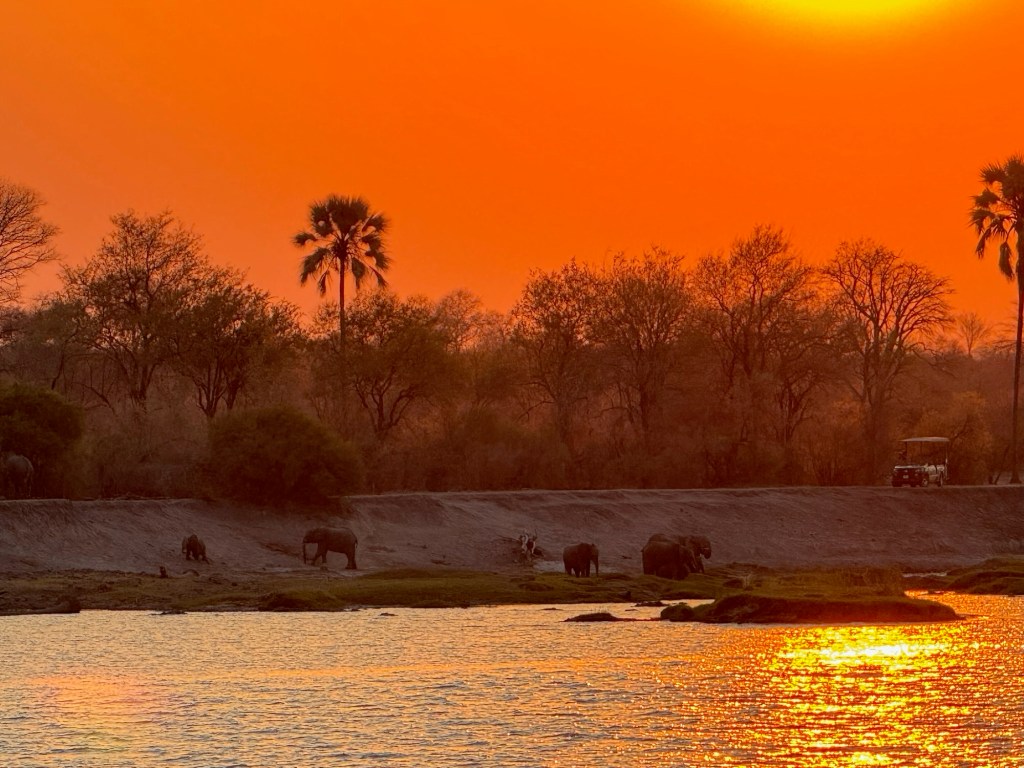
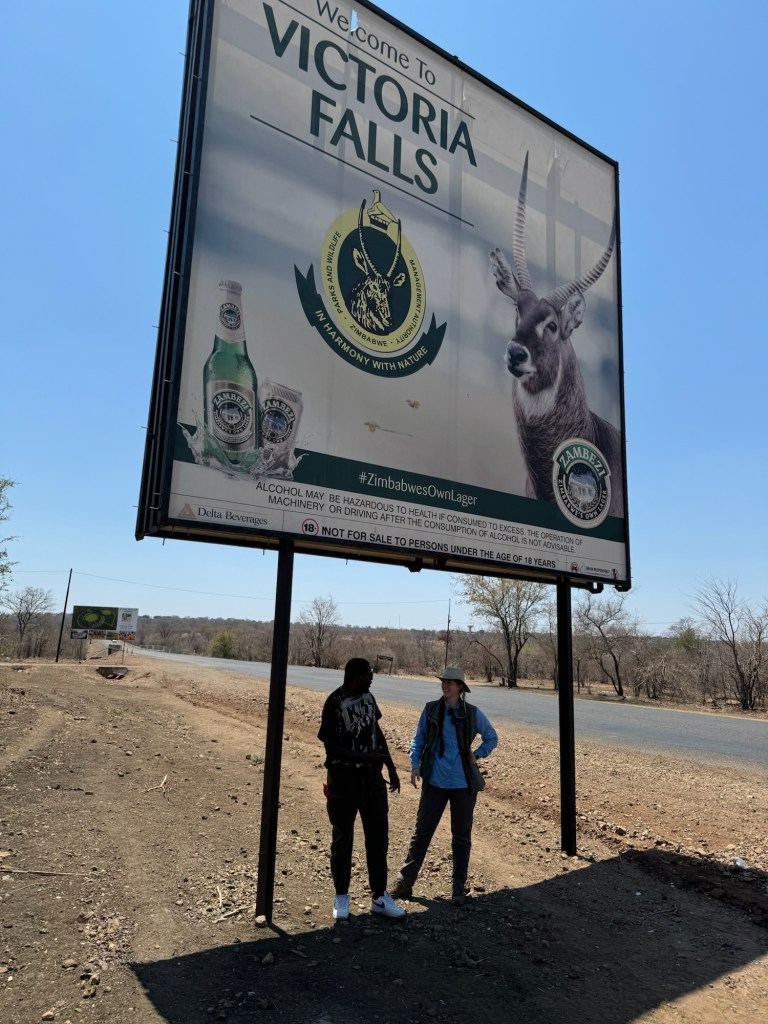
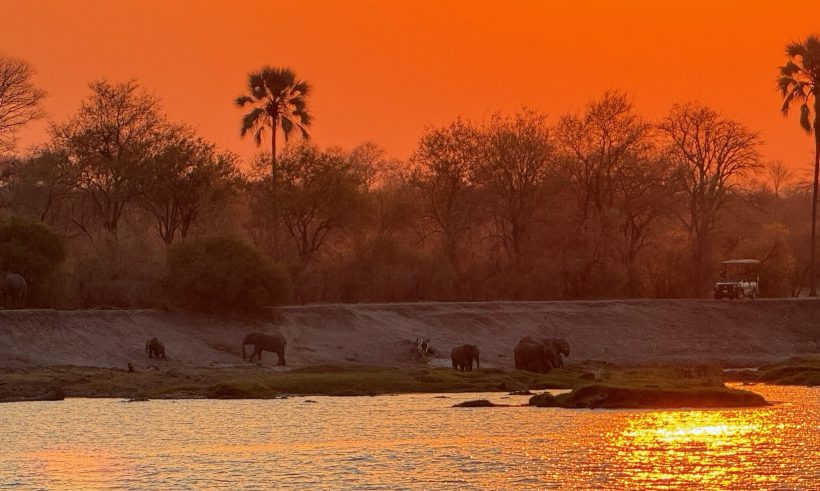
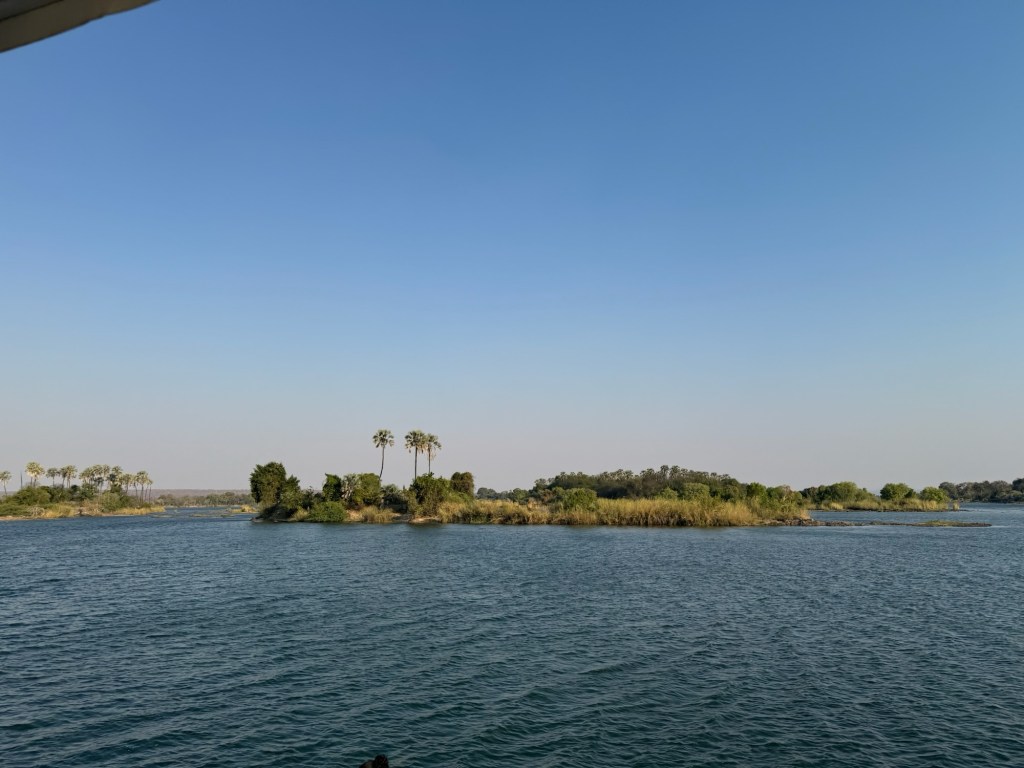
October 9: We arrived early morning to Victoria Falls, and after gathering ourselves, took a sunset cruise on the Zambezi. This is the fourth longest river in Africa, and borders Zimbabwe, Zambia, and Mozambique. On the river we saw elephants watering, hippos popping their heads up, and a truly stunning sunset.

Lesedi School Visit

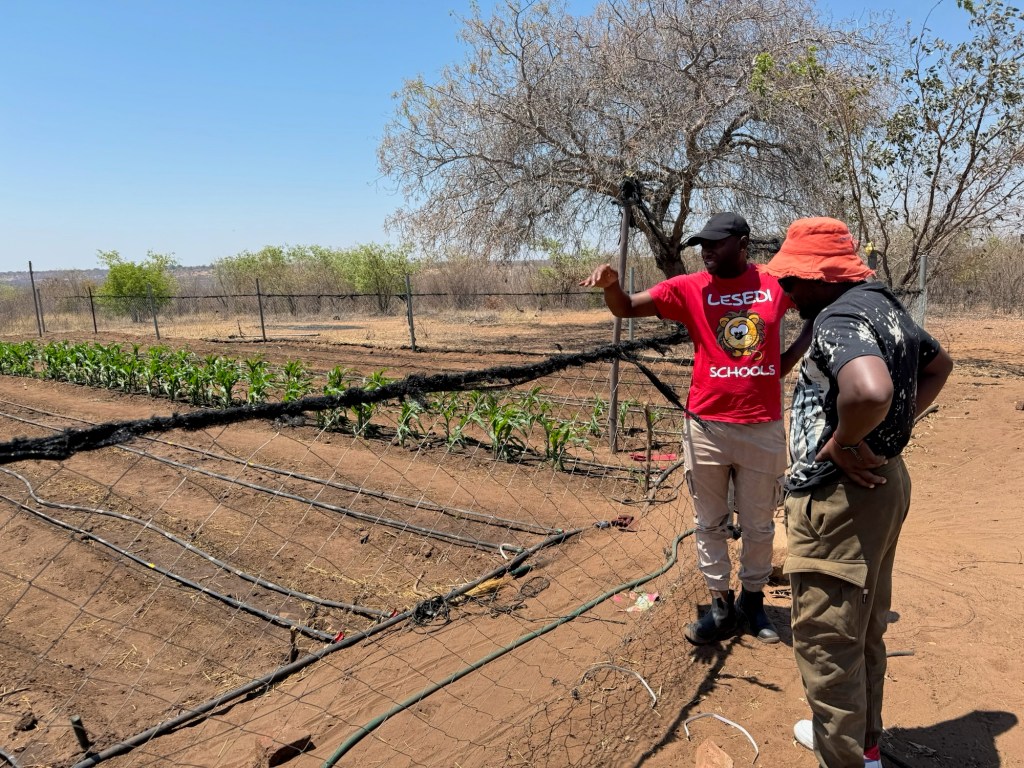
October 10: We visited Darlington’s Food Sovereignty partner Romeo while in Victoria Falls to observe the work he was doing with students there. We discussed human wildlife conflict collaboration there, and visited a community nutrition garden. This garden gives families of students a place to grow for their families and for market. The campus itself includes a home economics education building, modern biology lab, computer lab, and school farm, chicken coop, and piggery that feeds a biogas installation. The gap that we discussed filling in future includes educational programming and funding for sustainable agriculture topics at the school.

Victoria Falls and Hwange National Park

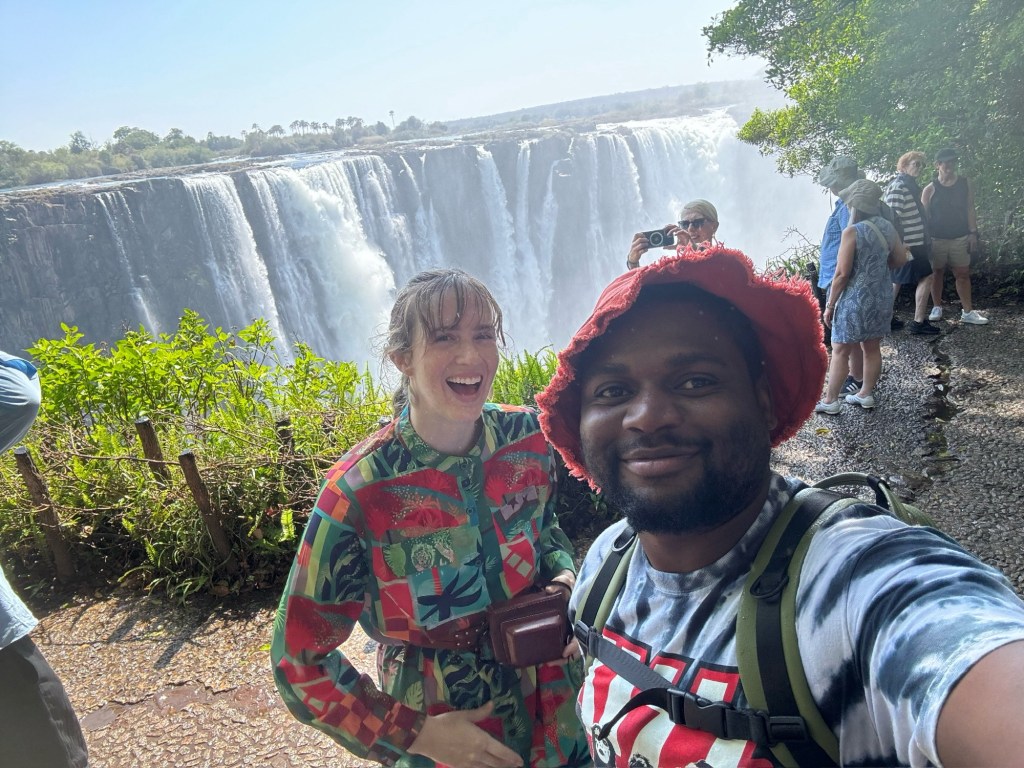
October 11: On our last full day in Victoria Falls, I finally laid eyes on the falls themselves. Victoria Falls borders Zambia and Zimbabwe, and is 1,708 m (5,604 ft) wide, making it one of the world’s longest waterfalls. While water flow was low during my visit as it was dry season, it was still spectacular.

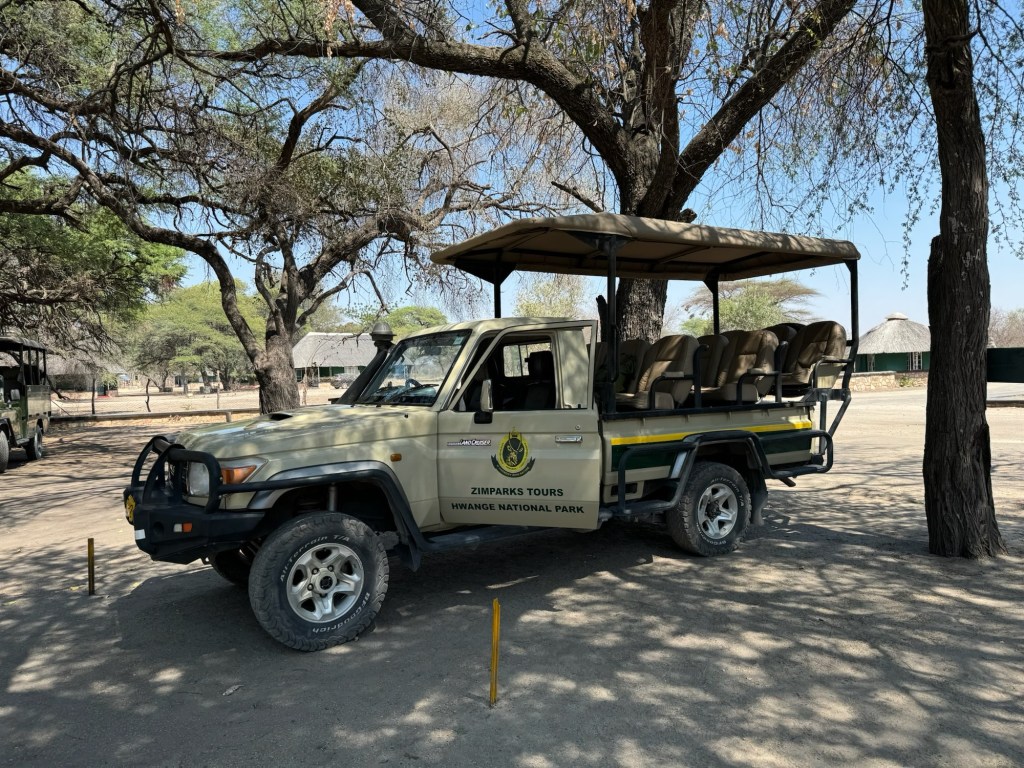
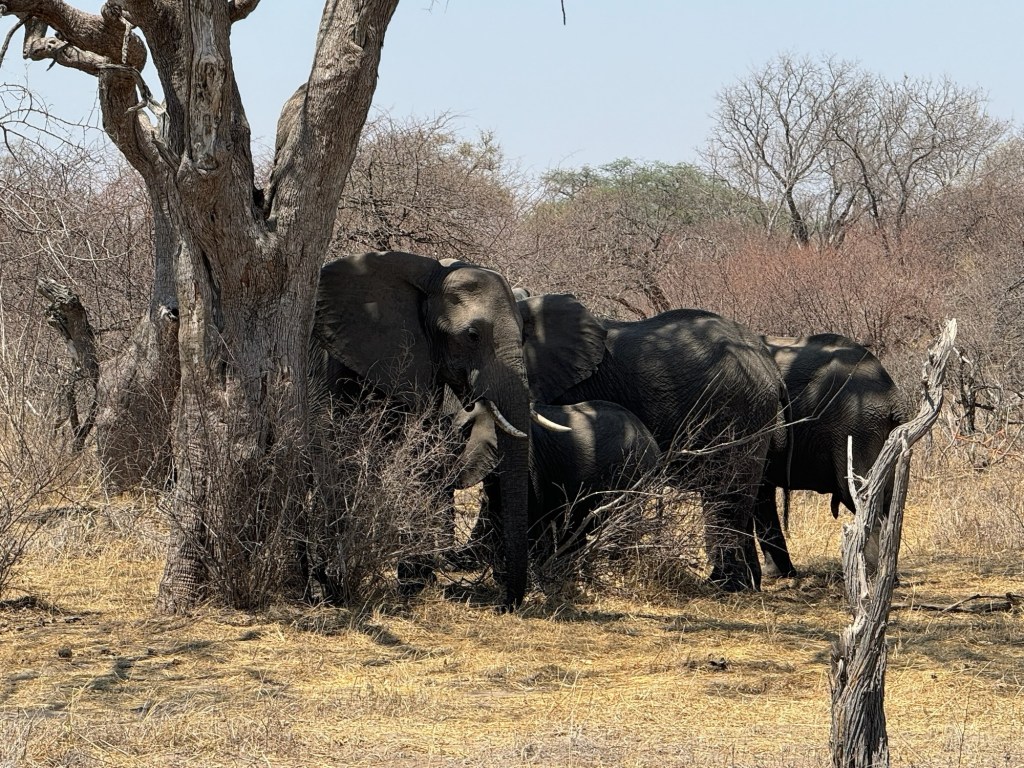
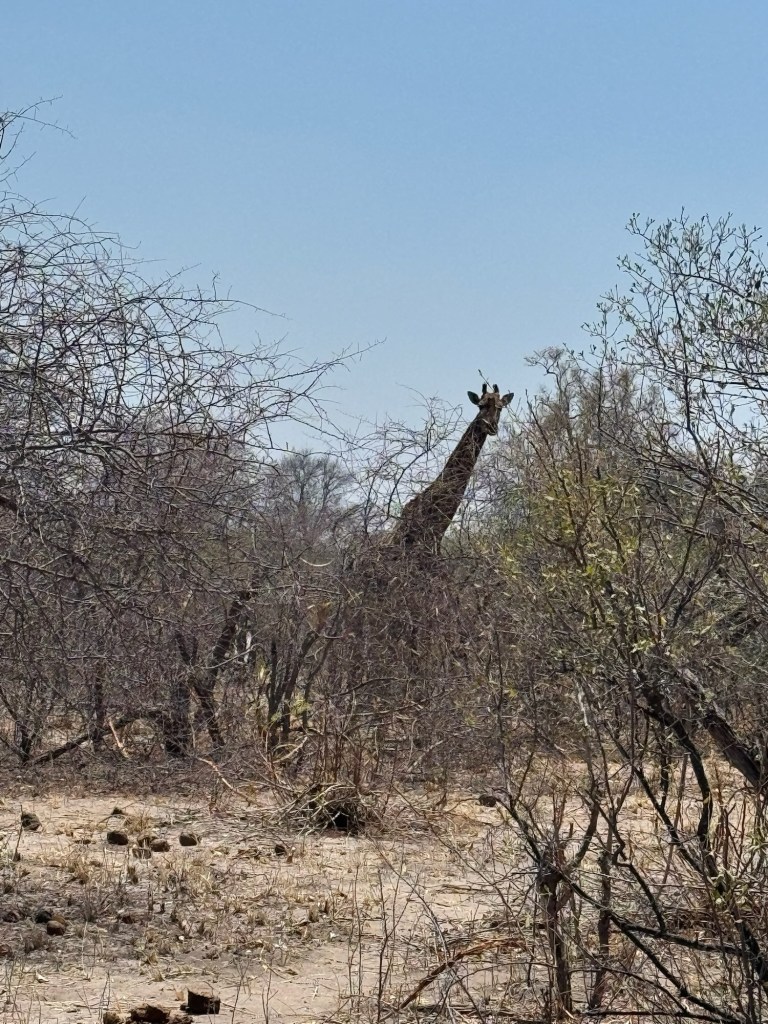
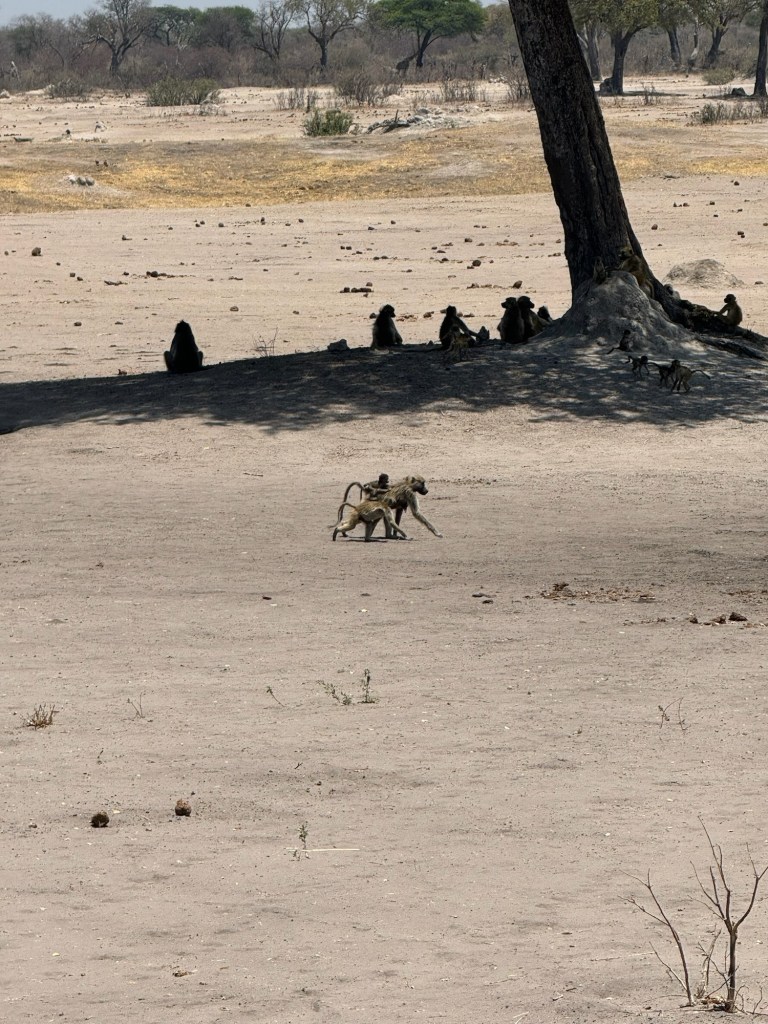
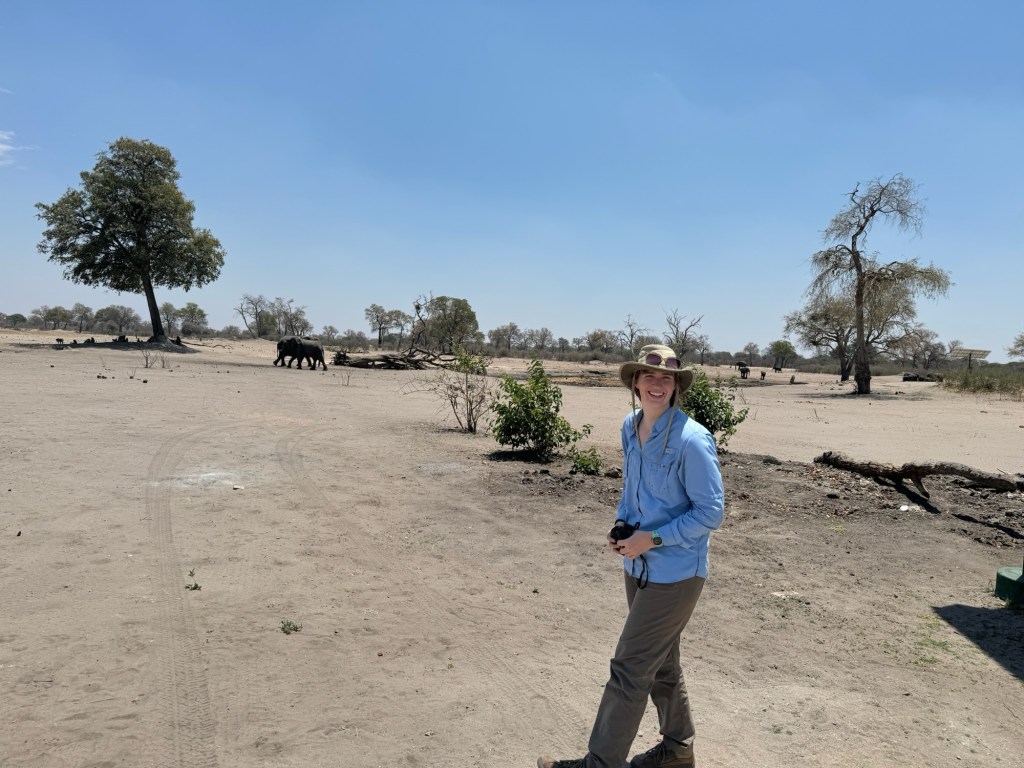
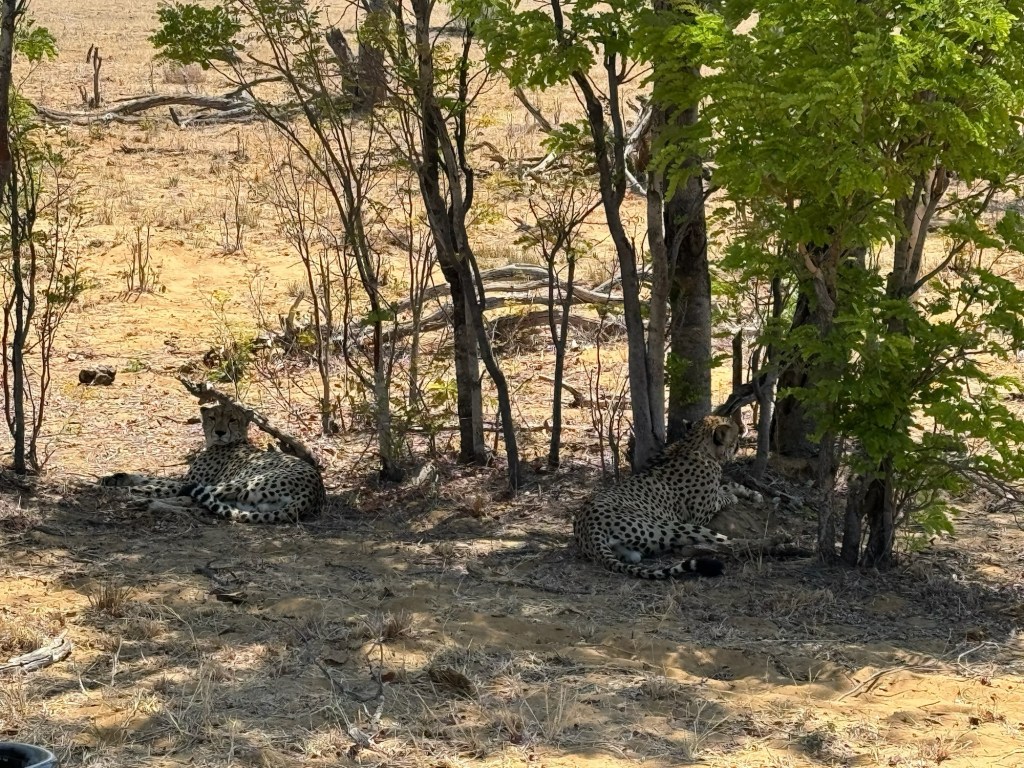
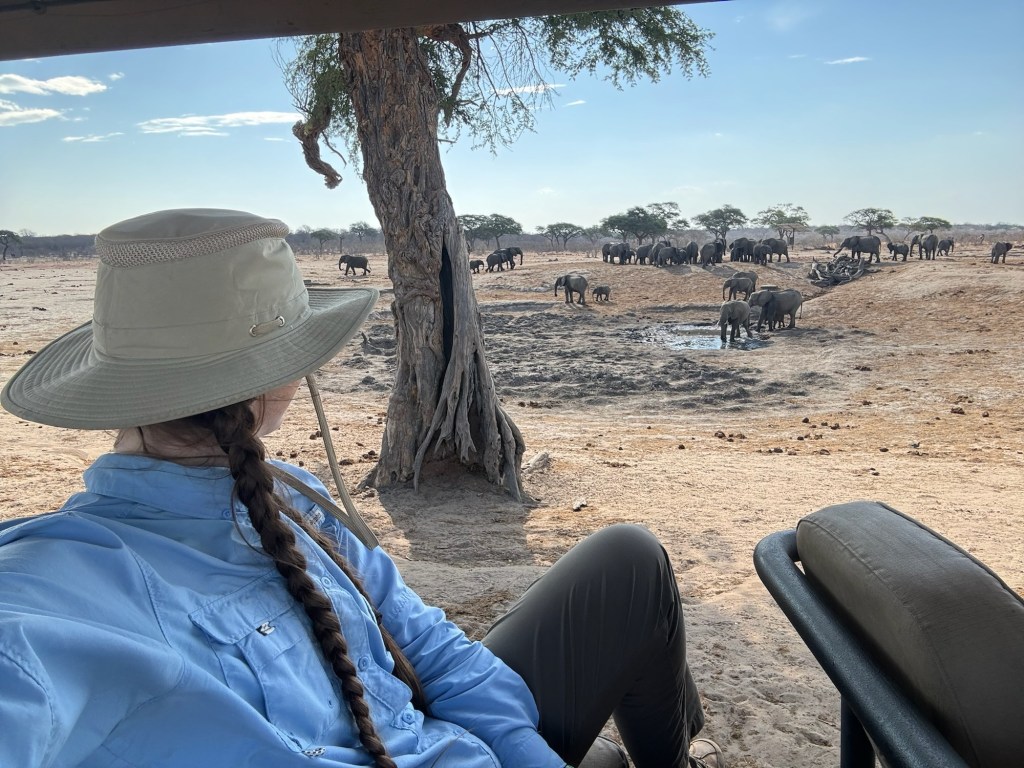
October 12: The benefit of traveling to Victoria Falls during dry season is that the animal viewing opportunities are wonderful, as wildlife gathers at water sources to get though the dry season. I knew we had to take advantage of this, and early on the morning of our last day in the West, we took a bus to Hwange National Park. There we had a guide for a day long safari in Zimbabwe’s largest nature preserve.

This was easily a top 10 nature based life experience for me. I took detailed notes with timestamps and hundreds of photos, so if you are looking into a safari and have any questions, please reach out. I highly encourage you to support the park-staffed safaris where possible, and avoid commercial outfits to get an authentic experience.

Observing the wildlife at a watering hole. Everywhere we stopped I wanted to spend hours, but as our guide explained (and he was very right) we had a day of excellent wildlife viewing ahead of us.
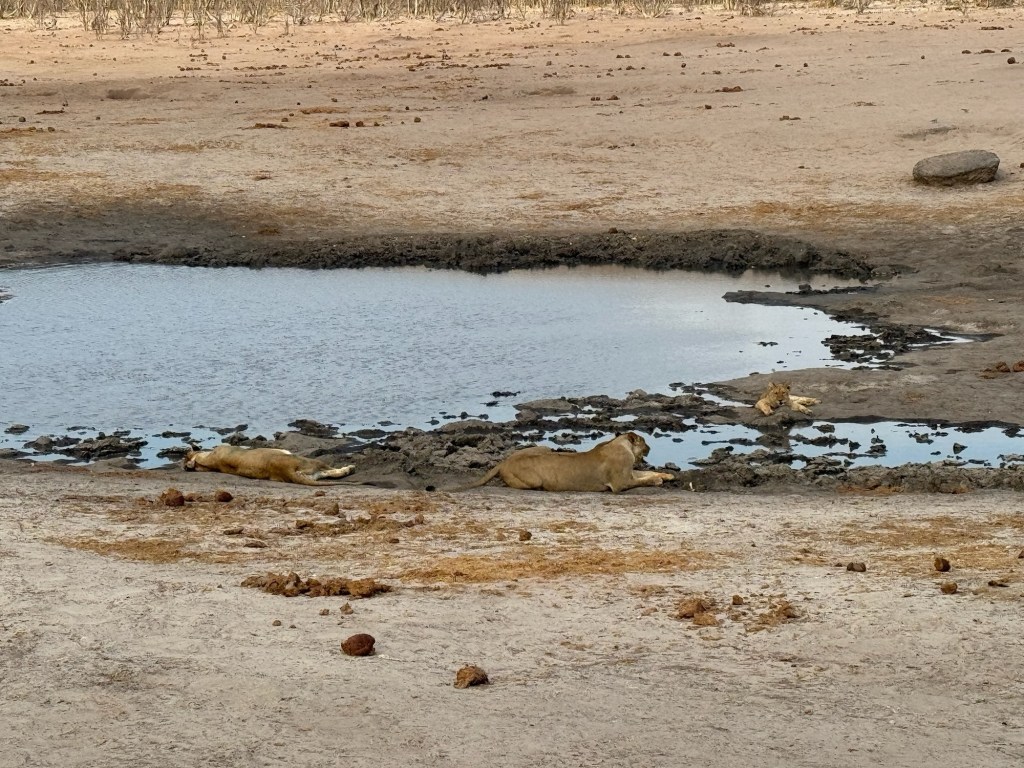
We managed to come upon two lionesses and a cub, sleeping off a large meal of a downed elephant we found nearby (16:30)
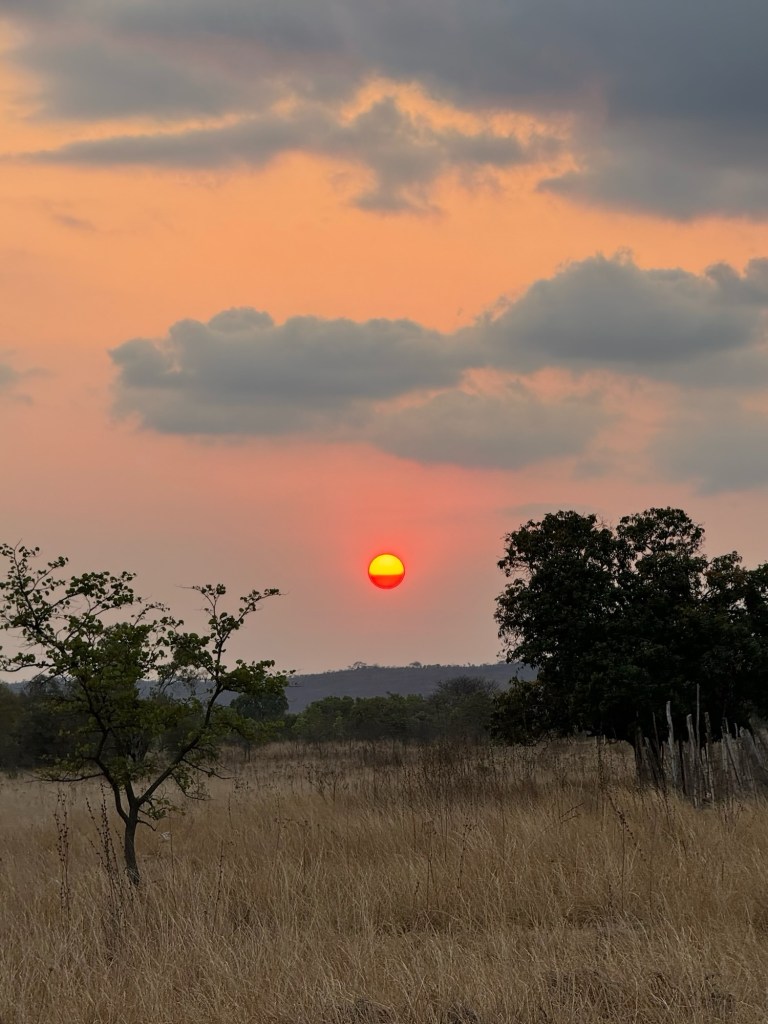
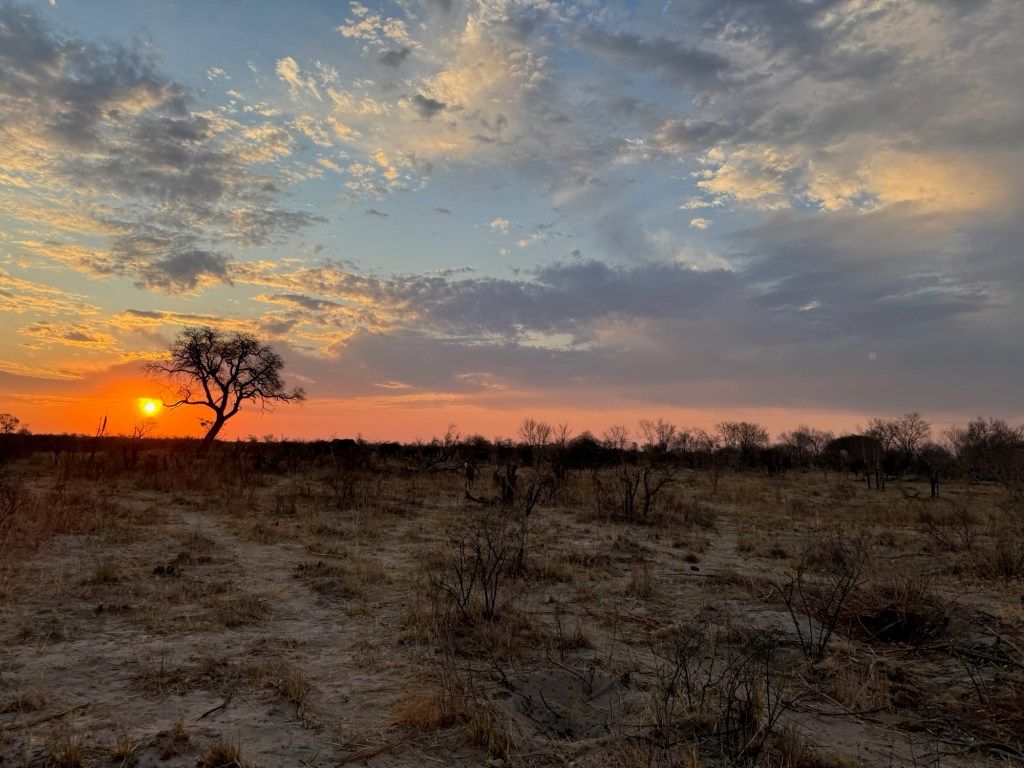
Sunset over Hwange. If you look closely in this photo you can find impala, alongside a herd of elephants (18:00).
Zebras, with a hippo getting ready to breach the water (18:15).

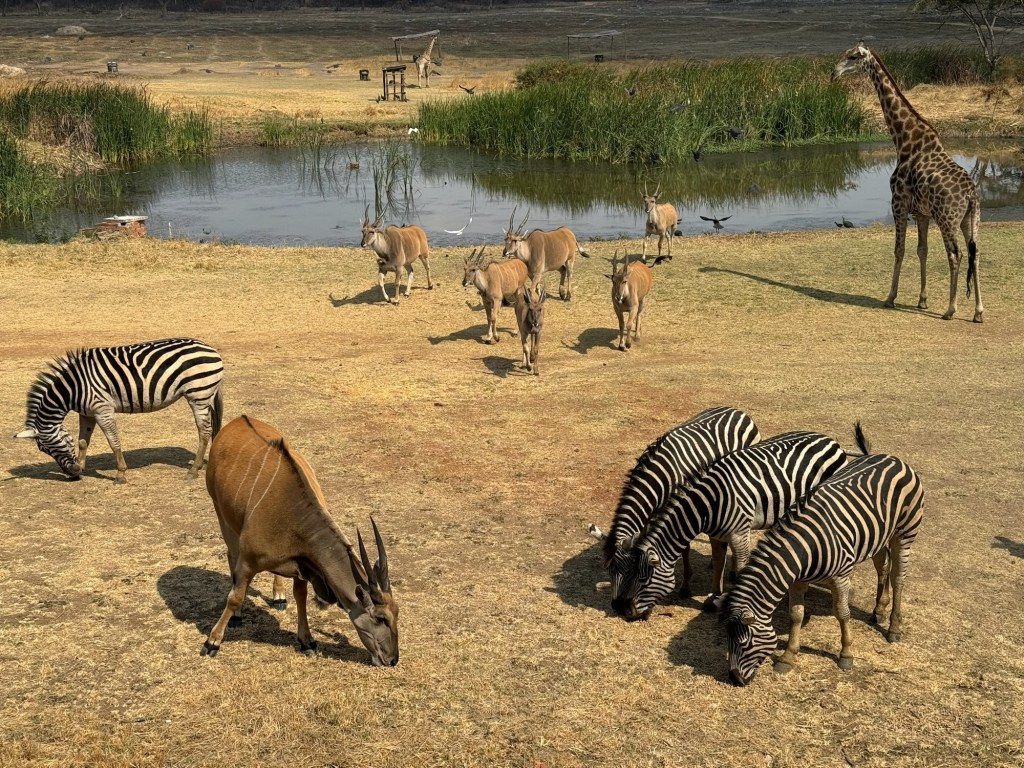
October 13: My last full day in Zimbabwe was spent souvenir shopping and observing more animals at Mukuvisi Woodlands. This is a far more accessible location for folks in Harare to see safari animals up (very) close and personal. It is here I first had the opportunity to observe the Eland, a very large antelope, and (according to Darlington’s family and others I met during my travels) my totem.

I will never forget the time I spent in Zimbabwe, and I am forever grateful to Darlington and his family, and to Tracy and her family, for welcoming me with open arms and introducing me to their beautiful country and culture. Zimbabwe is a country of many firsts for me, and I hope that someday I can return, and perhaps bring my own family to discover this truly special place.

Guatemala

It was my intention to catch up on my blogging of the rest of my semester in Iceland and my Spring term in Zanzibar (and Kenya, where we were eventually evacuated due to covid before going home 2 weeks early) before I peaced off to a whole other country that would require its own post, but alas. I went to Guatemala for 10 days. When your brother needs supplies from the US, and you want to cart some Spanish language books over to an Education Centre, you do it. I reminded myself that James began his fun trip to Greece in 2017/18? by stopping in Cameroon for a few days to see my village and drop off a whole suitcase for me, so it was very easy to tackle the challenge of packing the essentials for myself plus everything else I could think of to bring James and Lily in a carry on and person item. I packed 3 outfits, and I am quite proud. Despite being an RPCV, I have always tended to be an overpacker/preparer.

This foray into Central America was my first, and it surprised me how similar and different it was to Africa. It was a culture shock, but not in the way I anticipated. The pace of life was similar, I quickly learned that lazy afternoons were out of self preservation, as was common in my village. It was truly too hot to move between about 11am-3pm. I had to admit within the first day that it was even hotter than dry season in the Adamawa. The humidity of the jungle added an extra fun element and I found myself dripping sweat in new and fun places. And out of habit I had packed pants, used to Muslim communities. I wore a swimsuit half the time I was there. The next shock was the scale of development. Before I left, James told me that Guatemala is like Cameroon, but several decades more developed. I completely agree, the infrastructure is more present and fleshed out, they had a fair amount of tourism (the first thing I noticed was relative lack of plastic garbage), but there were still stands by the side of the road selling vegetables, and kids who couldn’t afford to go to school. This I am familiar with. Women also seemed more independent, while girls are still the first to miss out on education in deference to their male siblings, women rode motos, something I certainly never would have seen in the Adamawa.

The biggest culture shock of all for me was having to defer to my brother for all translation needs. I hadn’t realized how accustomed I was to being in charge while traveling, or how competent I felt navigating a developing country (at least at the end of my service in PC, compared to the beginning) until I realized I couldn’t haggle the bus prices down for us all. James did great though, and I’m sure if he spent 2 years in Guatemala he’d also only spend 25% more than locals for everything. So begins my journey in Guatemala, with James and Lily picking me up from the Flores airport, on September 12th.

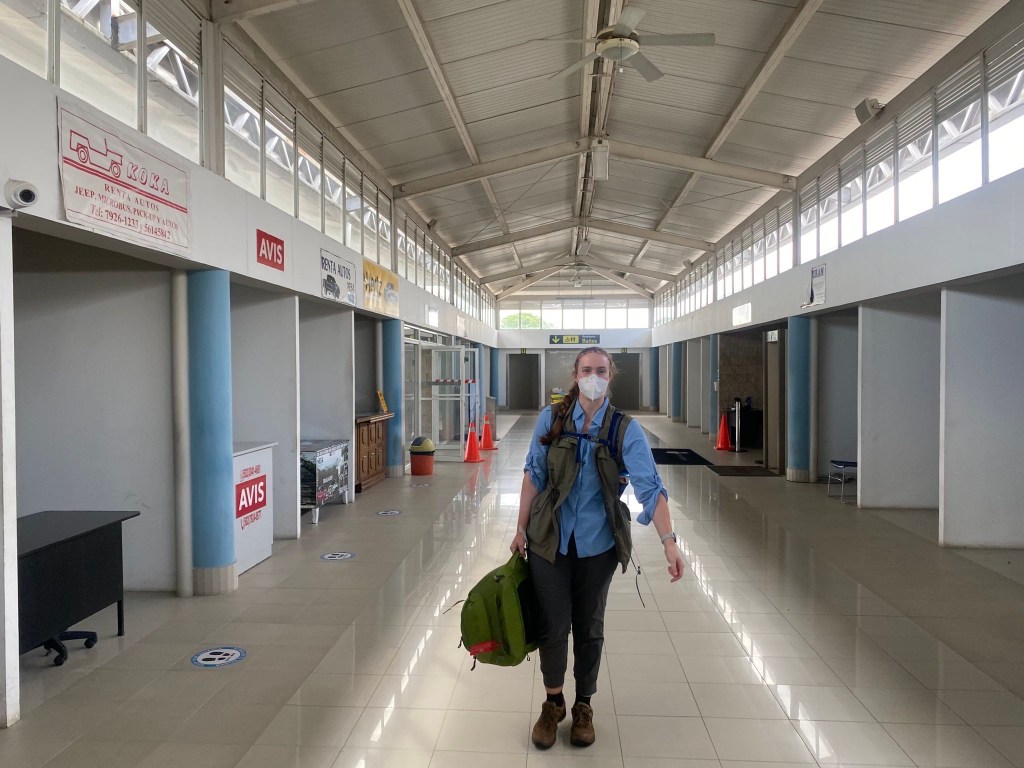
I sat at the emergency exit on the way in, right on the propeller (my first prop plane!). I was pretty freaked out if I’m honest, I kept picturing it coming off and decapitating me, but I ended up opting for that seat on the way out.
I arrived very sweaty and regretting wearing my go-to saving space travel outfit of pants, fishing shirt, hiking shoes, and my travel vest
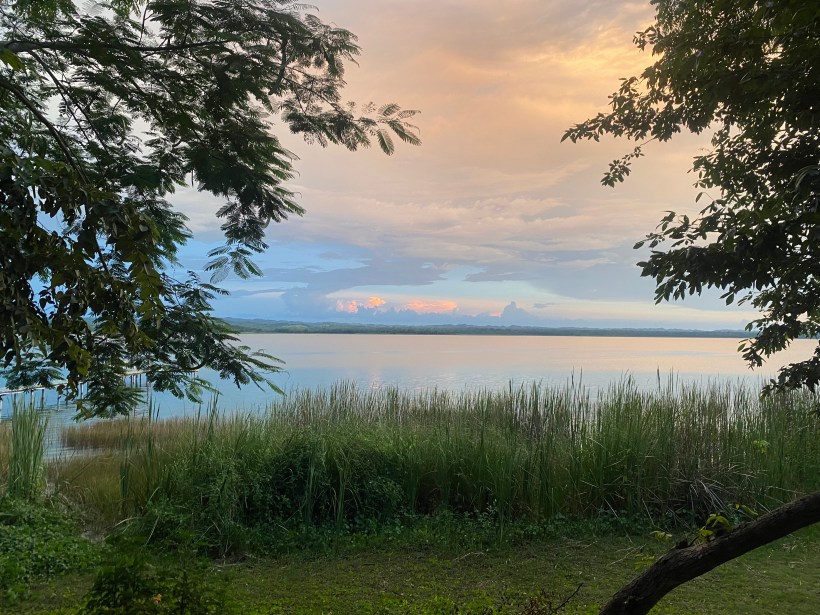
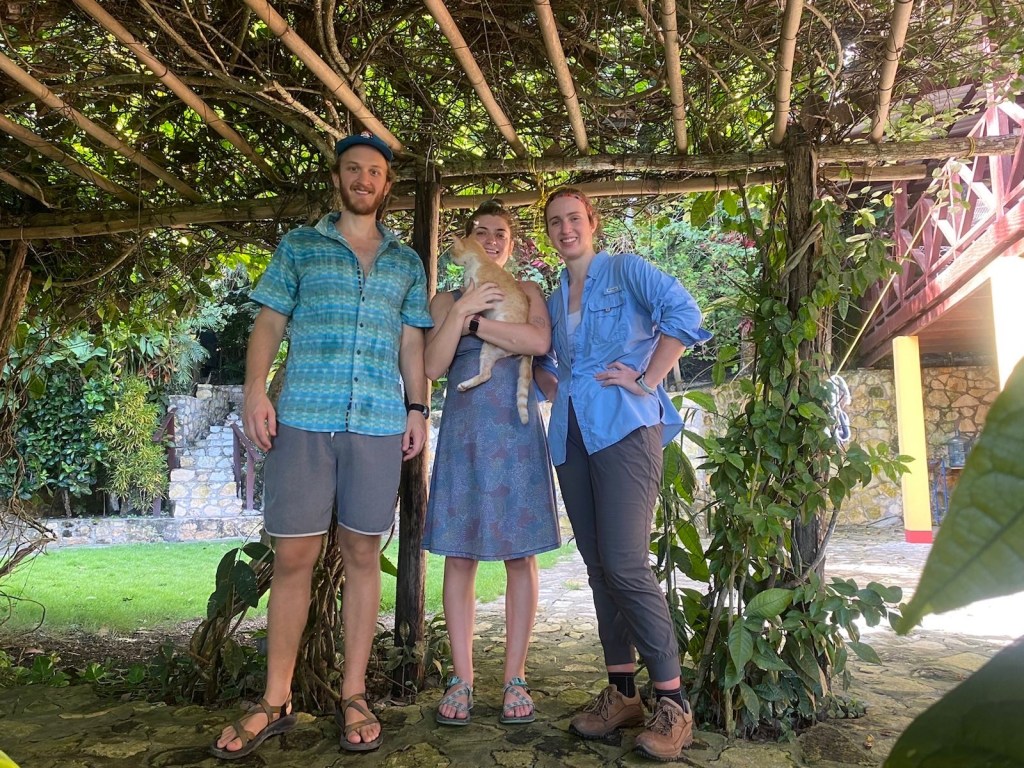
Arrival in El Remate. Lily and James’ place is gorgeous, a double decker wooden house with 2 bedrooms and plenty of outdoor space!

The first few days I got to see the local go to stores and what they offered (everything!! well, not really, but plenty for Lily to make some of the best food I’ve ever had) and we added the books I brought from the US to the ed center library. I also got to have a go at painting the shelves for the books, so they were all spruced up when the new ones were added. I sat in on James and Lily tutoring in English (they have several sessions a week at the center with especially motivated kiddos) and they did great! They use the same method I used when I taught English (via French and Fulfulde) and it’s perfect when you yourself are also trying to learn as you teach.

My favorite place to visit (other than the local ex-pat chill hang spot, the hotel/bar/restaurant/swimming spot “El Gringo Perdido”) was the permaculture farm Sol y Verde. This farm, started by an extension worker from the states named Andrew, accepts volunteer workers who work on projects ranging from tree planting to experimental vanilla propagation. We had the pleasure of planting a bit, and helping set some (also sort of experimental) mole traps, which we intended to deal with the very real mole problem the farm has. They wreck havoc on the plants with all their tunneling.

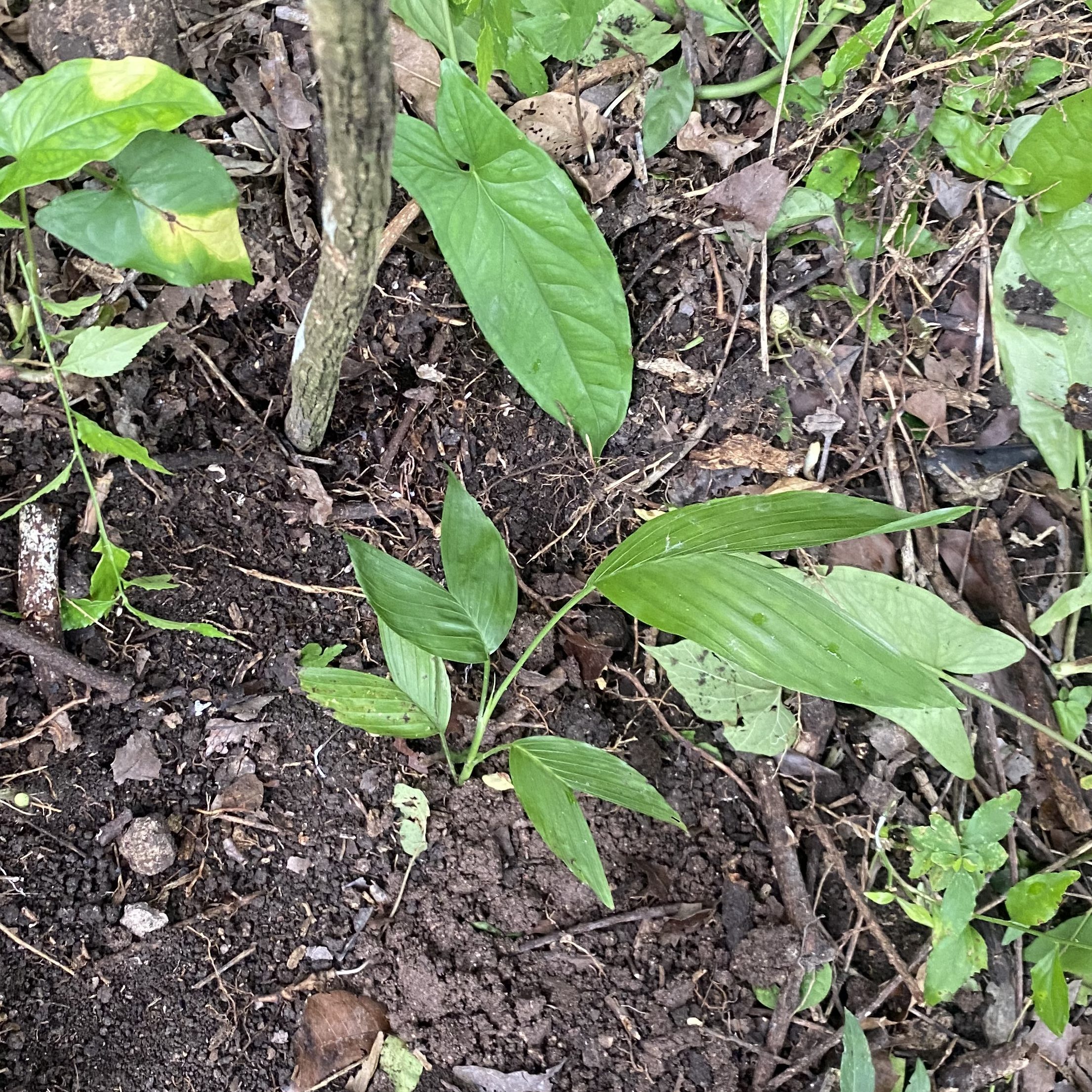
The plants we helped with came from the good sized nursery that the farm has going. They give some of these trees away for local people to plant, and experiment with planting techniques/locations/plant varieties on the farm.
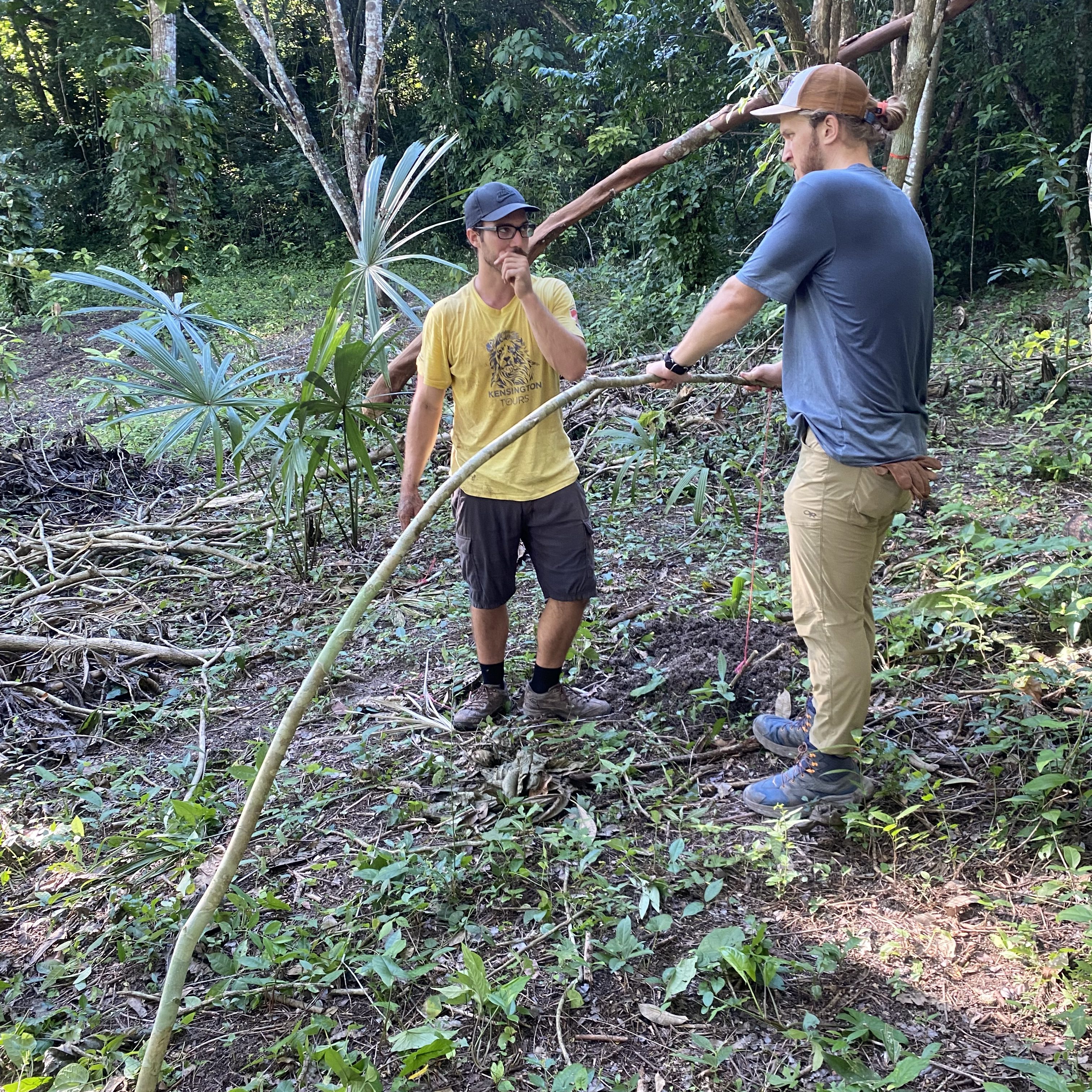
James and Andrew setting a snare.

The visit to the farm was very interesting to me. Andrew knew a lot more about permaculture than I ever have, and it was cool to see what worked and what didn’t in Central America from a food security standpoint. I brought some resources about beekeeping with me (including a simple handbook I put together for those just starting out) but found out that lots of people kept bees locally, and mostly using modern techniques. I’m happy that Lily and James have a place they can go to do the kind of volunteering that you see the results from very quickly, but I do think their strengths lie in the long view of aid work: improving livelihoods through education and resource access. It’s a bigger time scale, but no less important than improving crop diversity or farming practices.

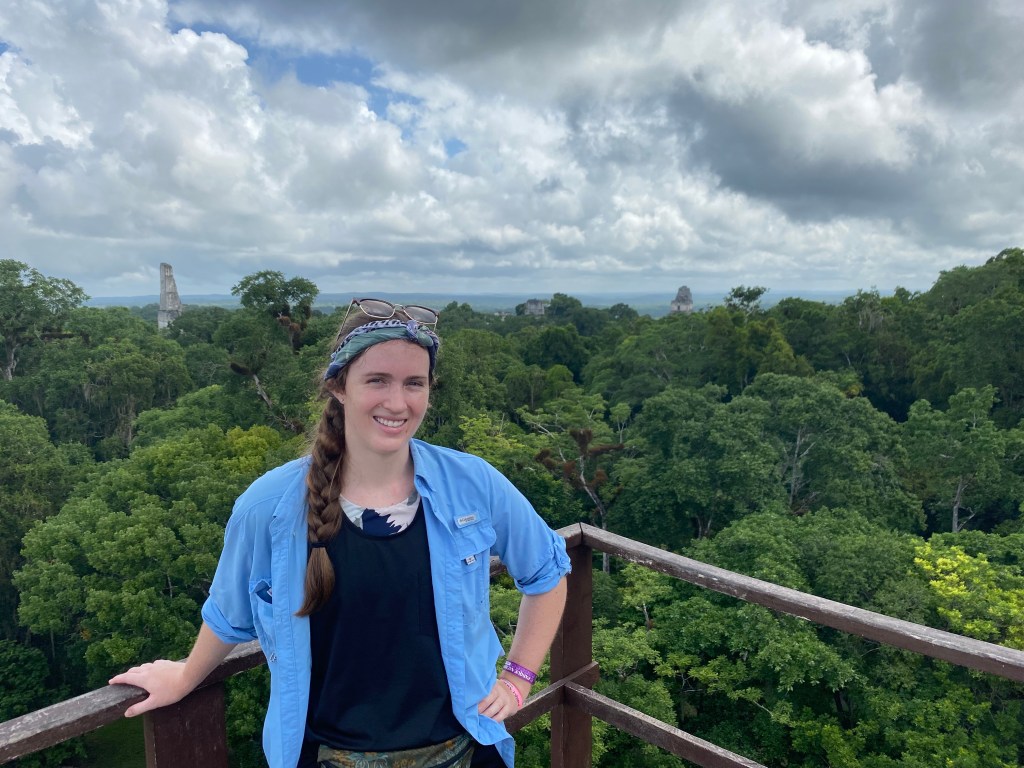
The tourism aspect of my trip was pretty lit too. We spent a few days at El Gringo, a place I would have sold my left kidney to have access to within walking distance in Cameroon (free coffee and tea and filtered water for volunteers?? a lake without schisto??), we visited the island city of Flores, and we trekked to Tikal.

Sibs pic at El Gringo
My favorite pic of James and Lily from the trip, for obvious reasons. Anyone who pushes my brother off a floating platform is in my good book for life.
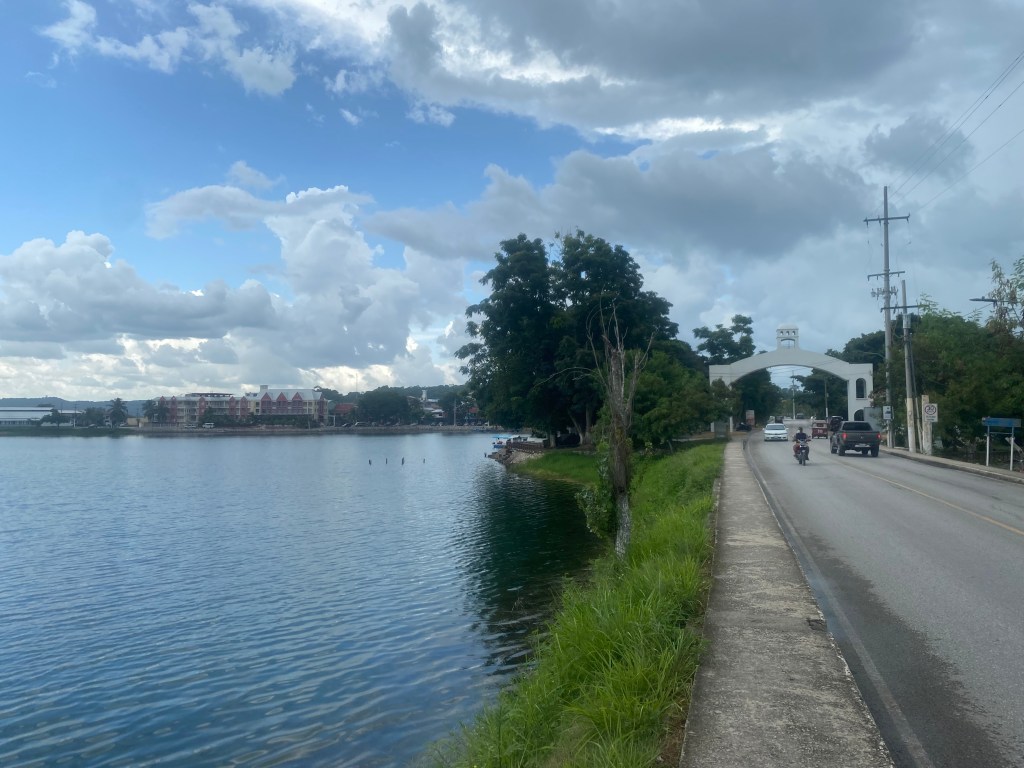
I could tell that in normal tourist season, Flores would be bustling. It had lots of waterfront restaurants and neat little shops.
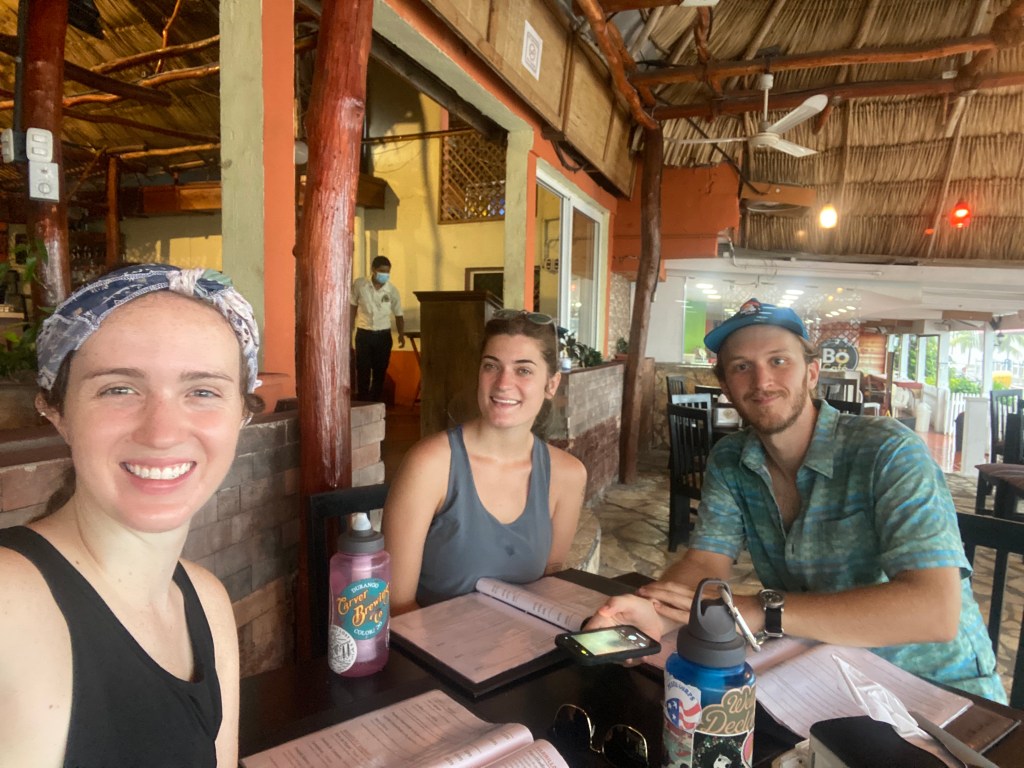
We got trapped at this restaurant during the normal afternoon downpour, which is good because Lily and I had some really fabulous local fish there.
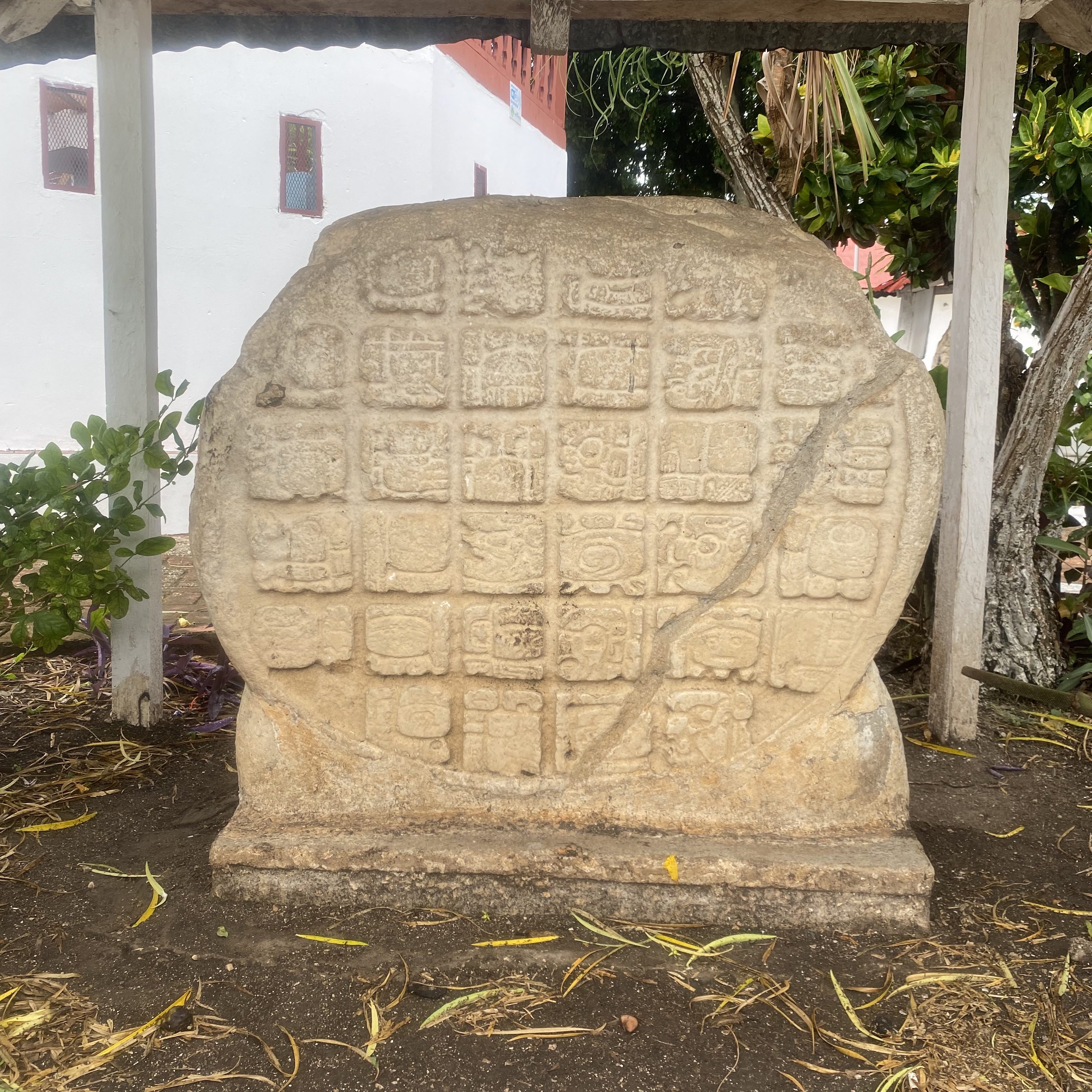
I was shocked to find these Stela in Flores, apparently Guatemala is just riddled with them. I took an Intro to South America Archeology course in undergrad for fun, and used to be able to read some Classic Mayan written words. Not anymore!
I was hoping I had correctly identified this Stela as representing Chac, the Maya God of rain, but I have zero clue if I’m right.

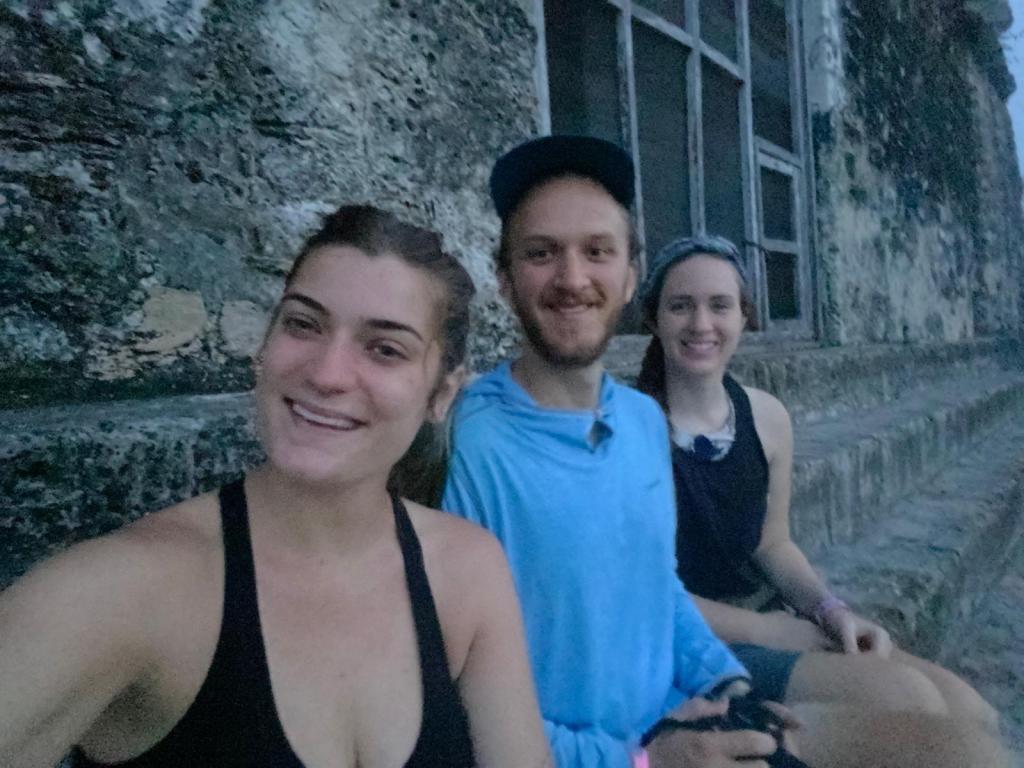
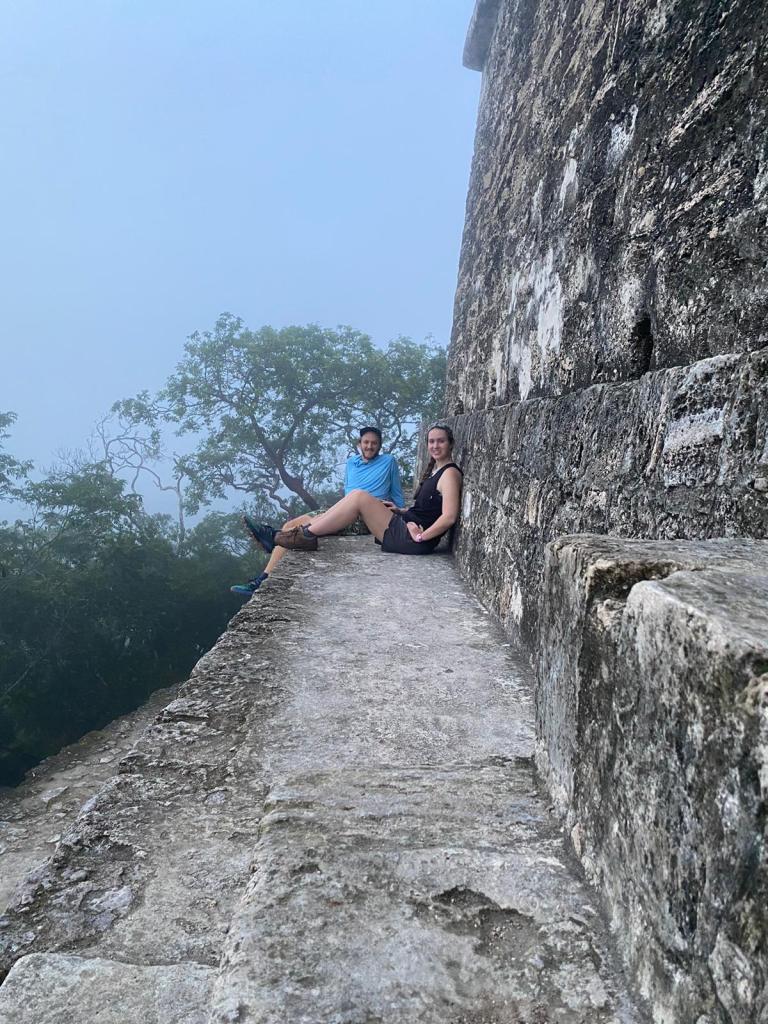
Tikal. Oh my. Top 5 experiences of my life, without a doubt. We woke up at 4 am to make it to the top of the highest temple at the ancient Mayan citadel with plenty of time before sunrise. To do this, a guide takes you into the park in the pitch dark, and you climb up lots of stairs until you reach the top of Temple IV (the tallest at Tikal), which has no handrails. That’s ok though, because sitting up there in the dark and the fog is pretty distracting from how easy it would be to topple down the ancient steps and die. To my dismay (but understandably) you couldn’t enter the 3 chambered room at the top of the temple, which really made me seriously consider going to school for archeology just for the opportunity to do so, but the view made up for that. Holy crap. We didn’t see the sun as it came up due to the fog, but the general other worldliness of it all was really hightened by this fact. At one point we saw what I believe was Temple III (The Temple of the Jaguar Priest) through the fog, and I had to pinch myself. I felt like Indiana Jones. The freaky sound of the howler monkeys made it feel even more like a movie.

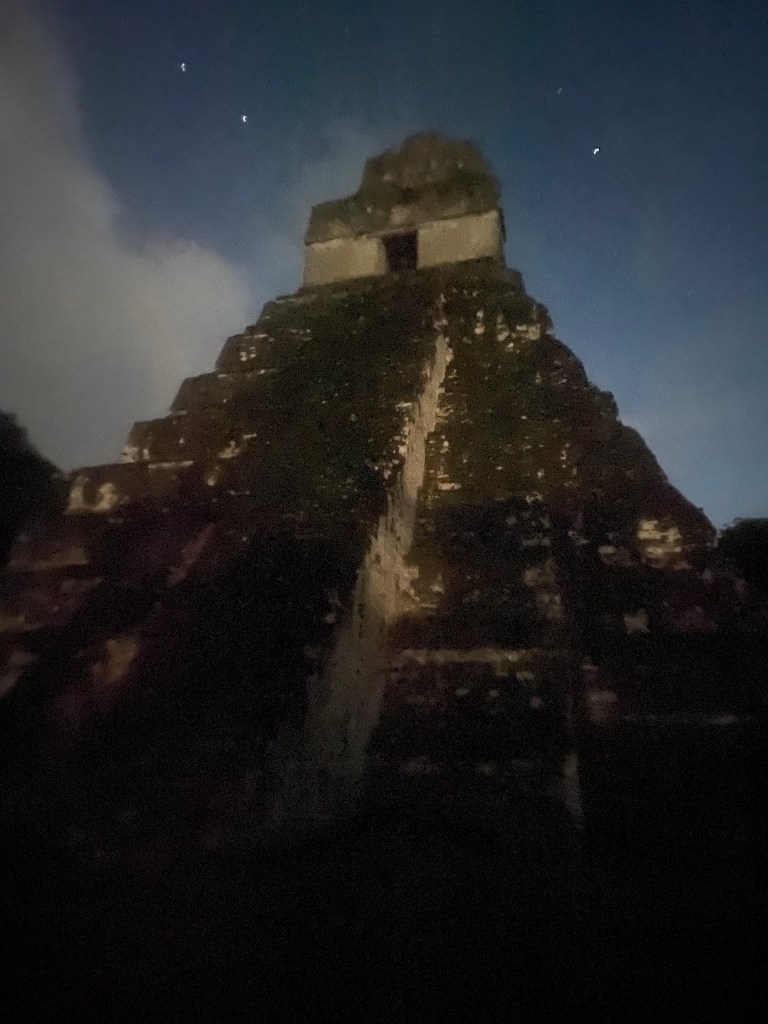
Long exposure of Temple I on our way into Tikal in the dark. The temples came looming out of the dark like something alien. It made an impression on me like no other large structure ever has. The whole area around the temples also had a unique mineral wet stone smell
The top of Temple IV, next to the entrance to the inner chambers.
Sibs pic! Temple Edition.
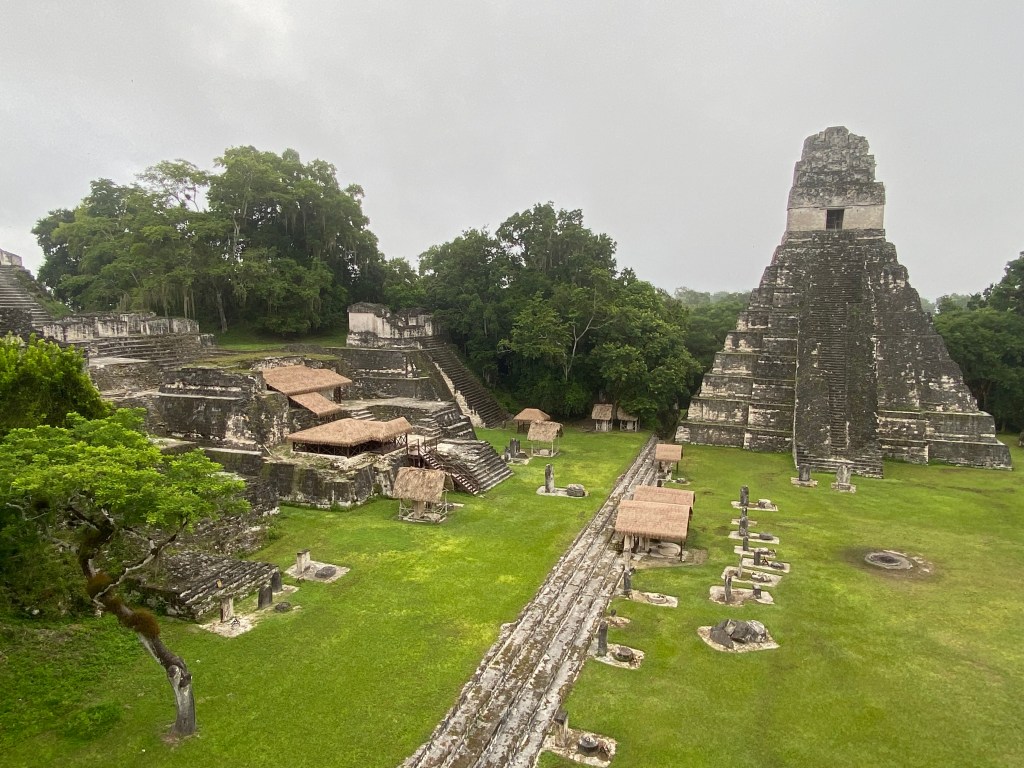
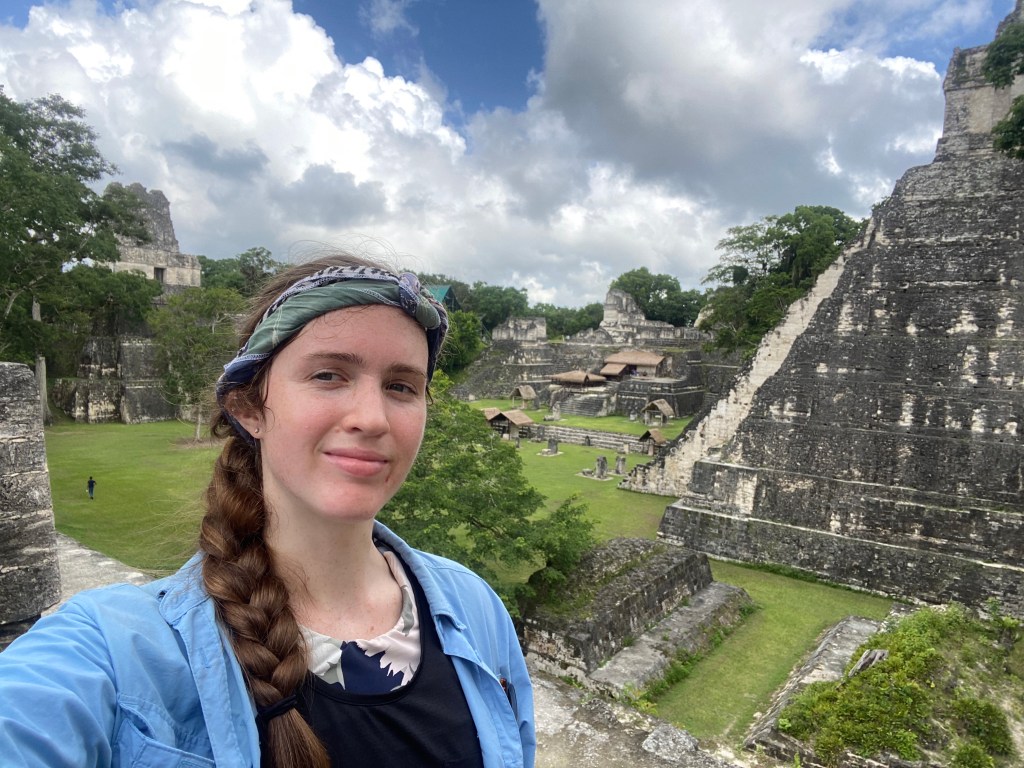
Main plaza at Tikal, facing Temple I (Temple of the Great Jaguar) from the top of Temple II (Temple of the Mask).
View of Temples III, II, and I (left to right) from the Lost World (Mundo Perdido) section of Tikal.
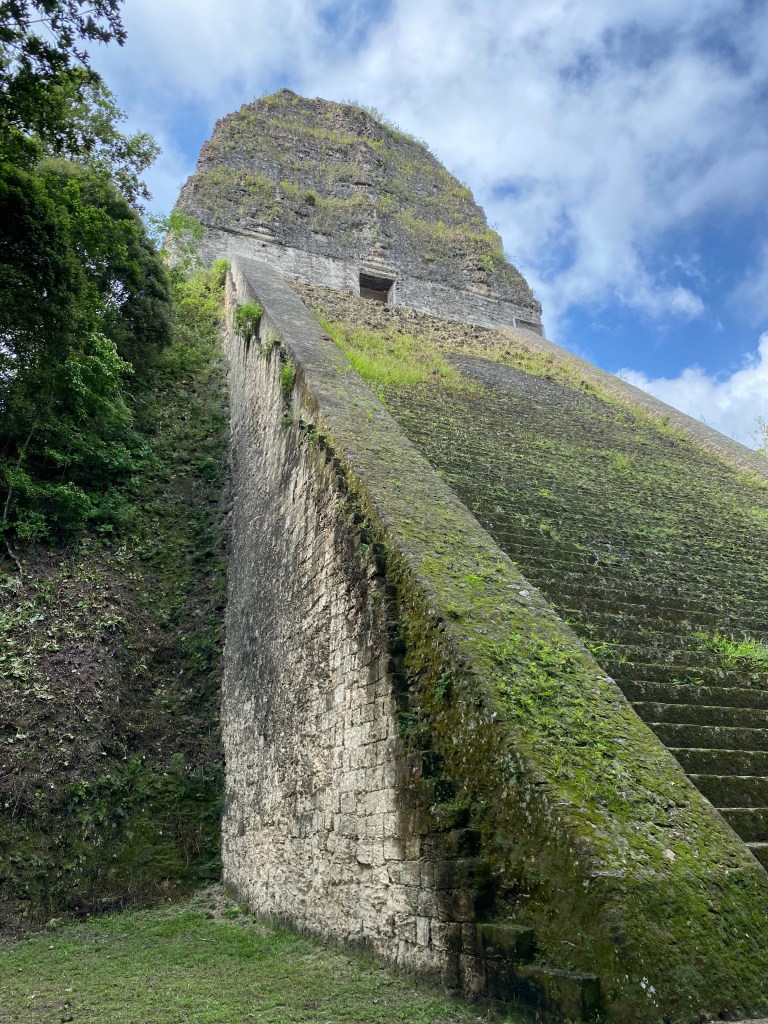
Temple V, my personal favorite. It isn’t the tallest but it’s so wide that it’s the most impressive to me. it’s a mortuary pyramid for an unknown ruler.
Overlooking the Main Plaza from the Central Acropolis (Palace Complex)

I can’t say enough about Tikal. I wish I’d had a week to see the rest of it all, but I think we really hit the highlights. If you ever have the chance to be on top of an ancient Mayan temple as the sun rises, take it. I have to thank my excellent hosts for such an amazing trip! James did a great job helping me navigate (and buy souvenirs, I got a really cool Guatemalan hammock, which I had plenty of space for on the way home), and Lily impressed me as usual with her ability to stand my brother for long periods of time, cook amazing food, and watch good tv with me (thanks for introducing me to Lost, Lily!). I had such a great 10 days in Guatemala, and I am happy to know that James and Lily are thriving there and having life changing experiences. The only consolation I had on having to return home was that I flew from Guatemala City straight to a Harry Styles concert in Chicago. Without that, I would have been pretty darn bummed!

If you’ve made it this far, great job! I hope to have more posts in future chronicling the trips I’v neglected, but until then I just have to find a real person job as a recent MA grad. As of now I have what I am calling a “full-time part-time job” or a full-time job not in my field, but I am hoping to have something I’m truly passionate about soon, whether that is located in the states or abroad again. We’ll see!

See yeeso, au revoir, adios, until next time!

Ísafjörður: Month 1

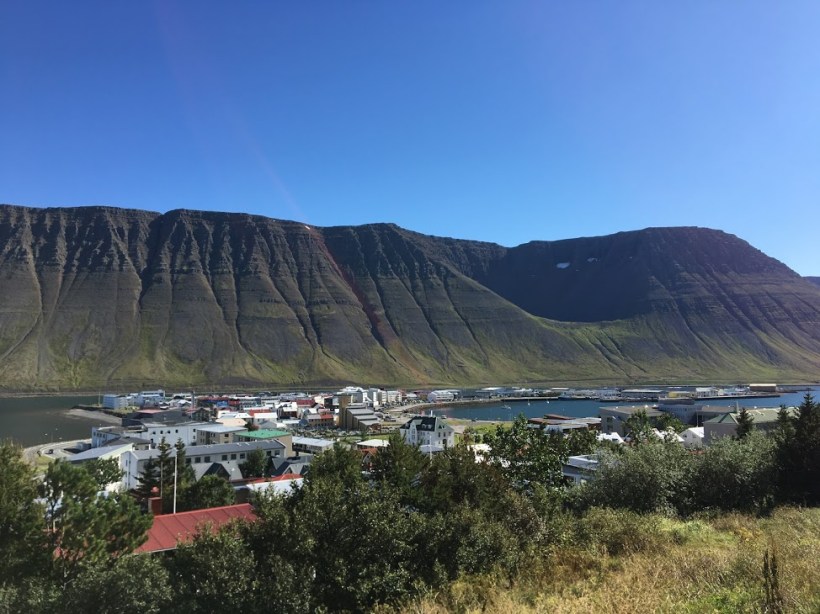
My last post on this site was about Camp LEAD in Cameroon. Since then I wrapped up Peace Corps service, lived and worked at home for 6 months, and a global pandemic started. Oh, and I got into a grad school program on climate and change and global sustainability based out of Iceland and Zanzibar. It’s all casual, let’s just get into it! So we have been in Iceland for a month now! Iceland in covid times is very different from the states. For one, we could actually come here. We landed and were tested, then allowed to leave the airport and quarantine at a hotel. Our results were messaged to us and posted in the Iceland covid tracking app, and at that point, testing negative, we could move about the hotel. We still had to be careful until our 5 day test, and so the program rented vans for us to drive to our home for the next 3 months: Ísafjörður. Ísafjörður is located in the Westfjords region of Iceland, and is about a 6 hour drive. It is a town of about 2,300 people, and is home to a University Centre, where I am now attending classes! I say NOW because a week ago I was just finishing up a two week quarantine. Unfortunately one member of our cohort (there are 8 of us in total) tested positive in the second round of testing so our whole group had to quarantine for 2 weeks alone in our dorm rooms. We continued with online classes via zoom, and had many kind and helping hands who brought us food and groceries during that time.

BUT NOW WE ARE FREE!

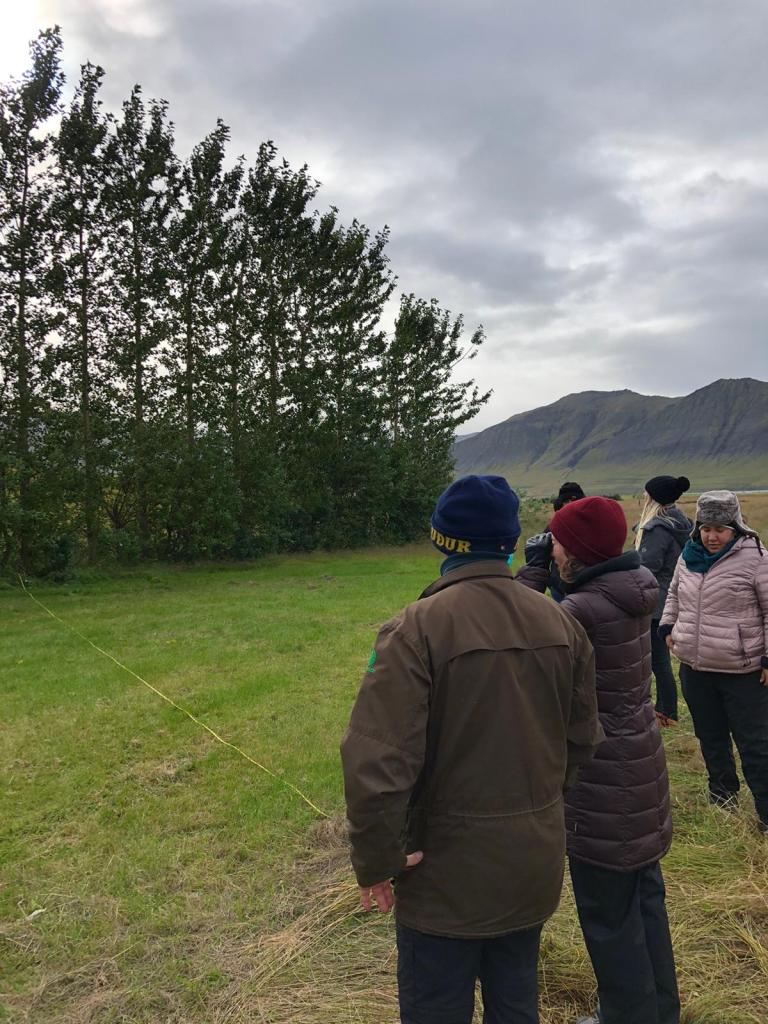
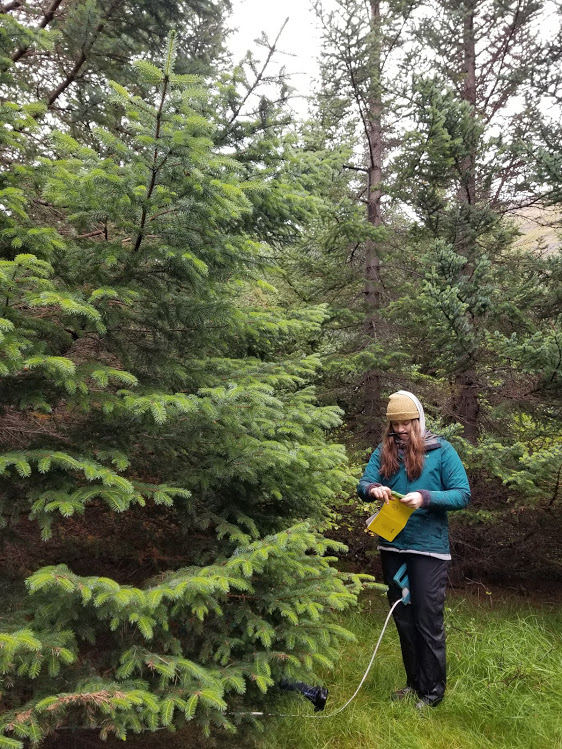
We are currently wrapping up our first course on methods, and our finalizing a research paper based on sampling we did in a local man-made forest. We also had the opportunity this past weekend to participate in a MakeATHON, where we had to use the “byproduct” of the salmon fishing industry (a big thing here) to create a marketable product. The winning team had the opportunity to pursue this product with a grant and office space! My team did not win, but I am a but grateful for that, as we are busy enough as it is without thinking about starting a small business here…

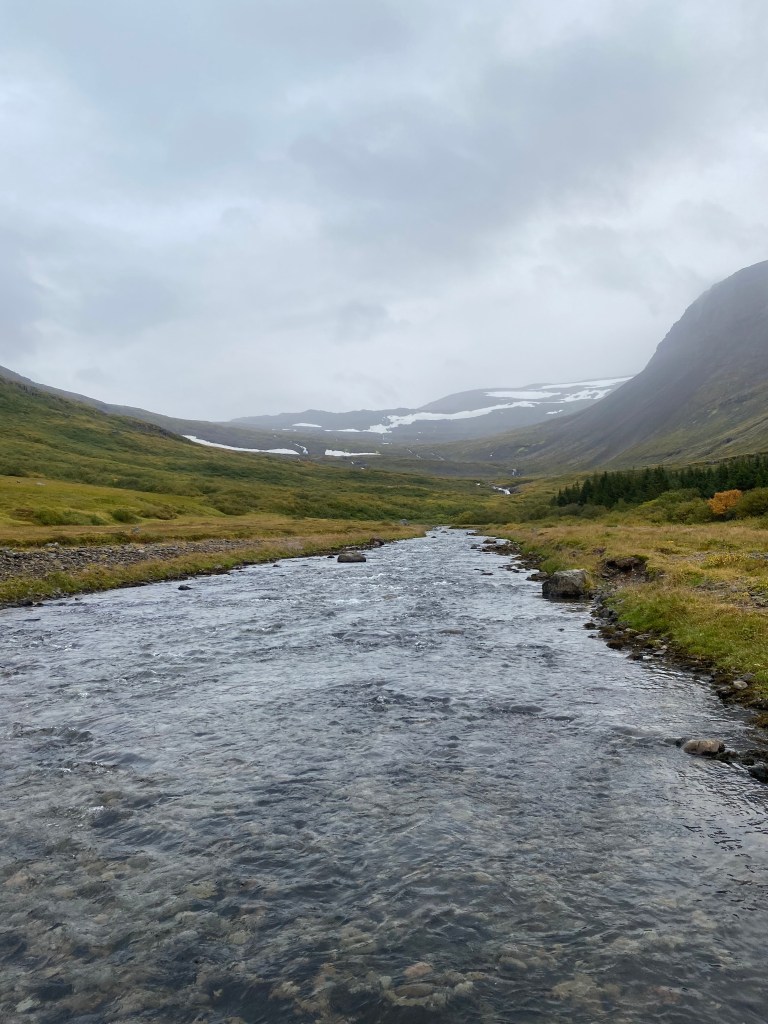
We haven’t had the opportunity to travel (for obvious quarantine reasons) but I am hoping to see more of Iceland soon. For now, some pictures from my first month!

Until next time (and much sooner than over half a year, I promise)

Takk!
Katie

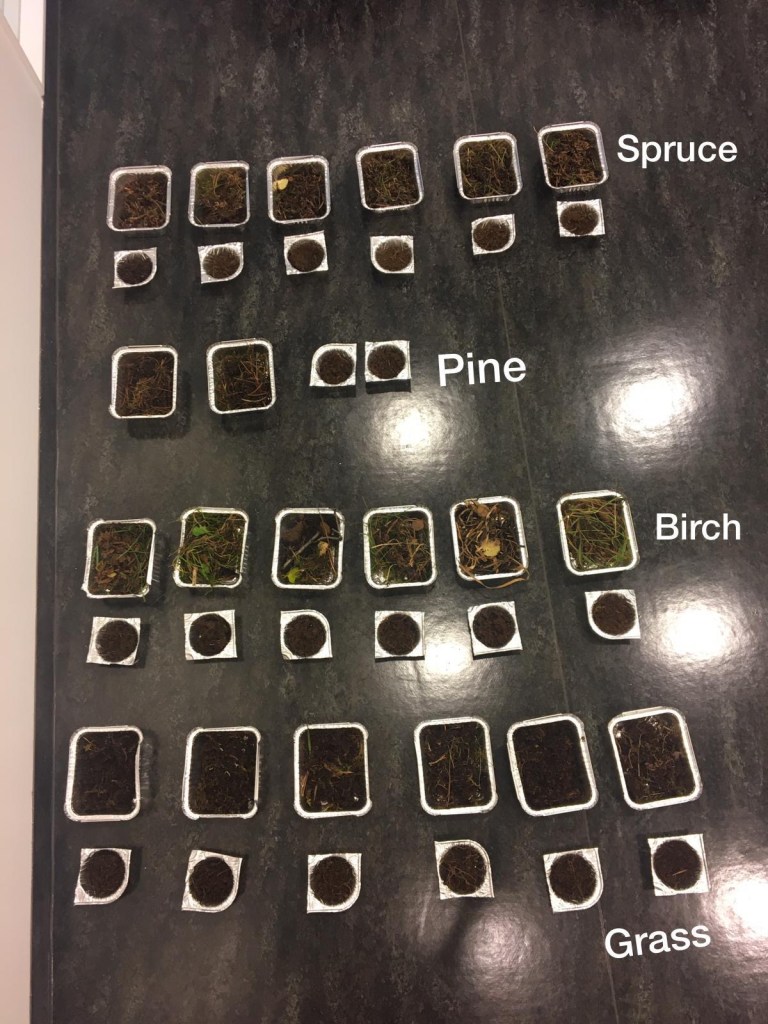
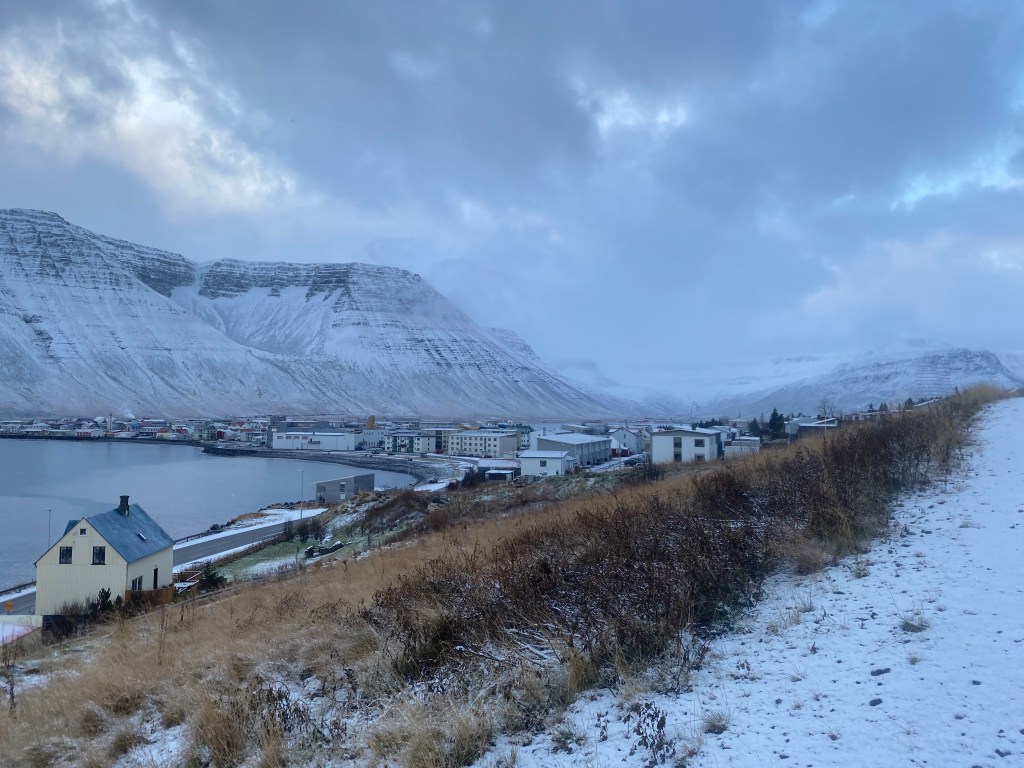
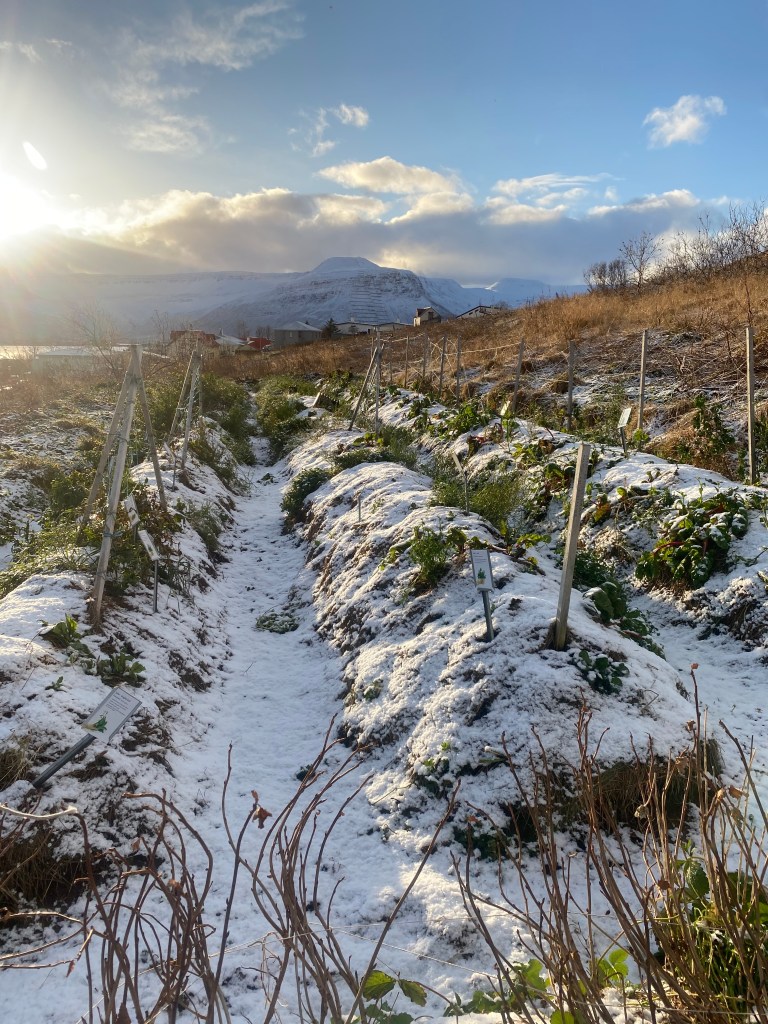
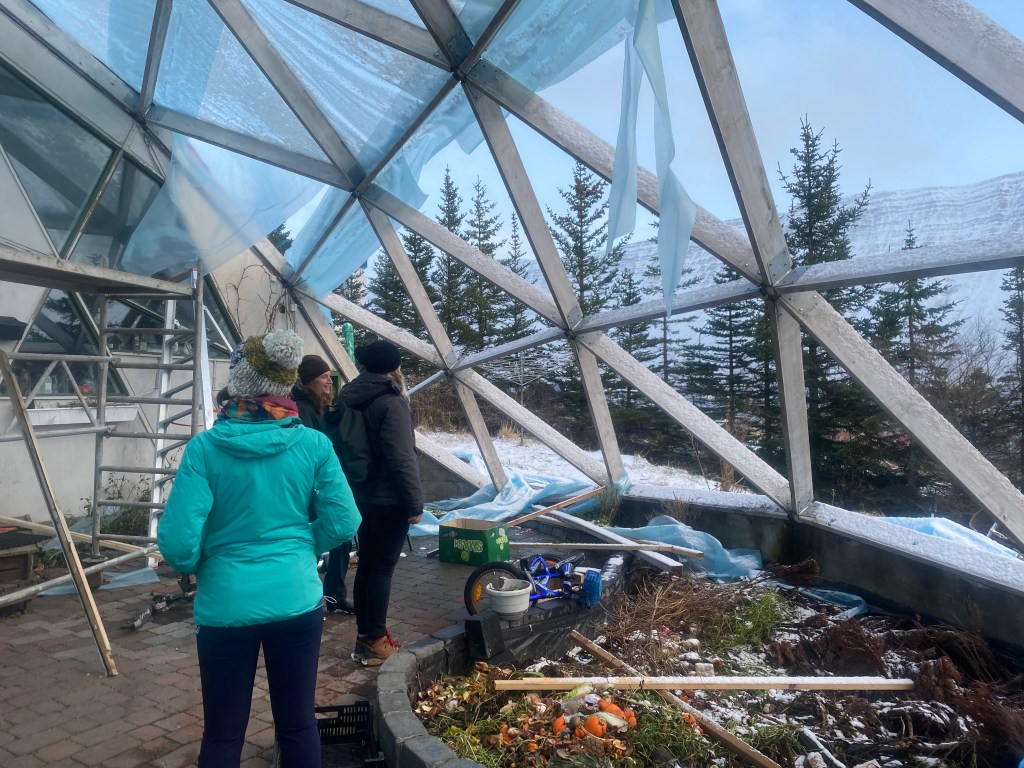
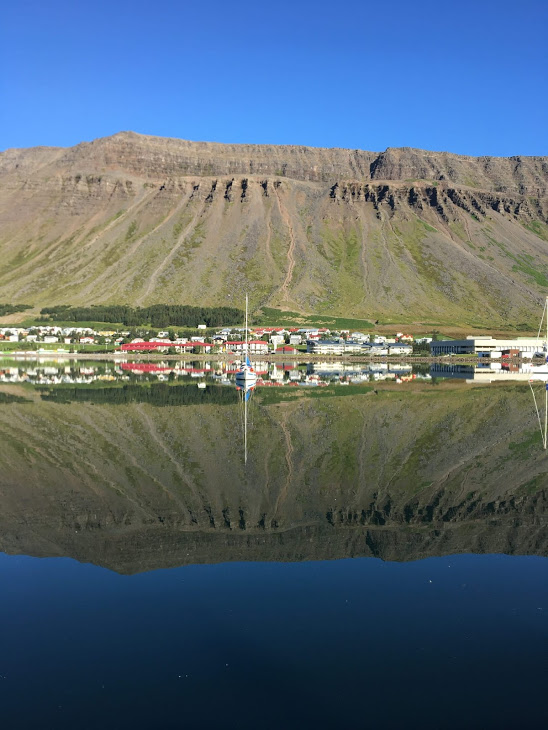
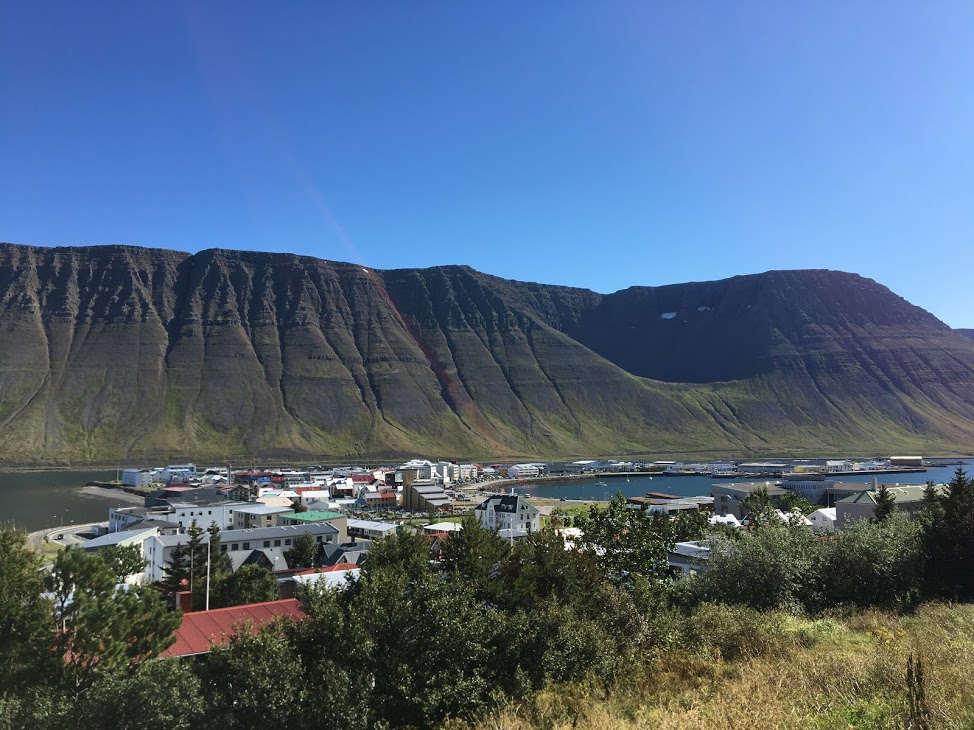
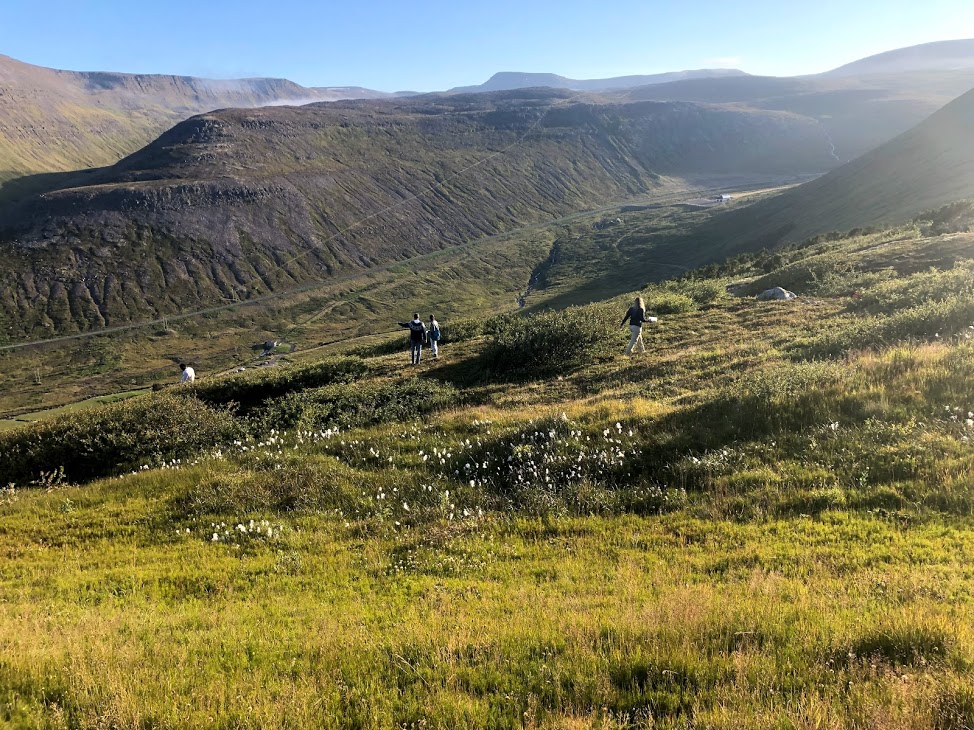
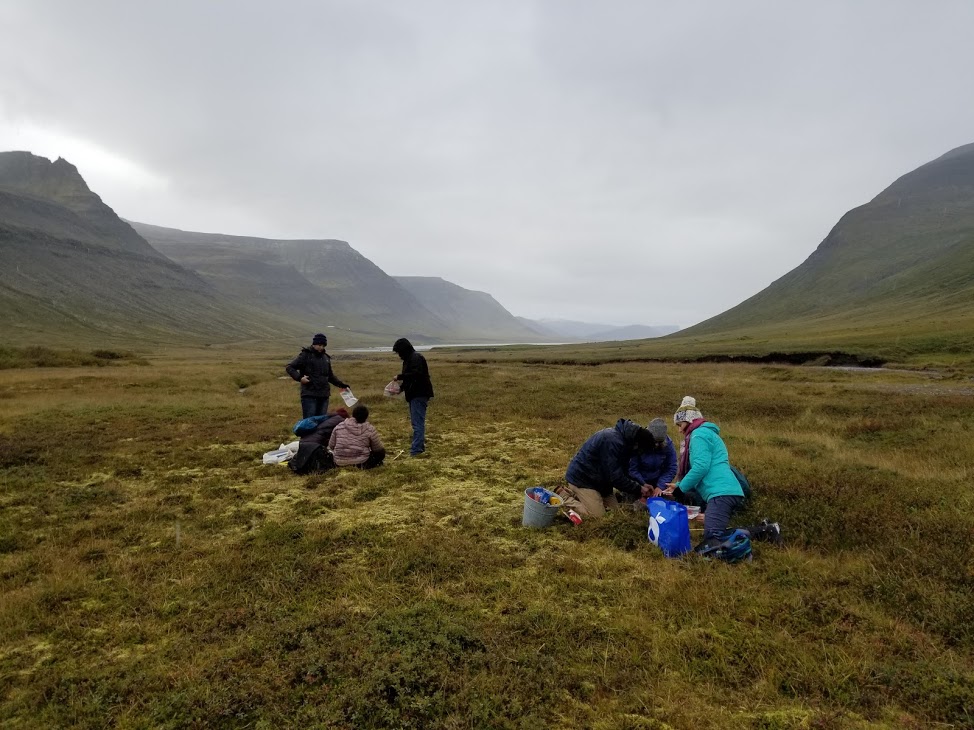
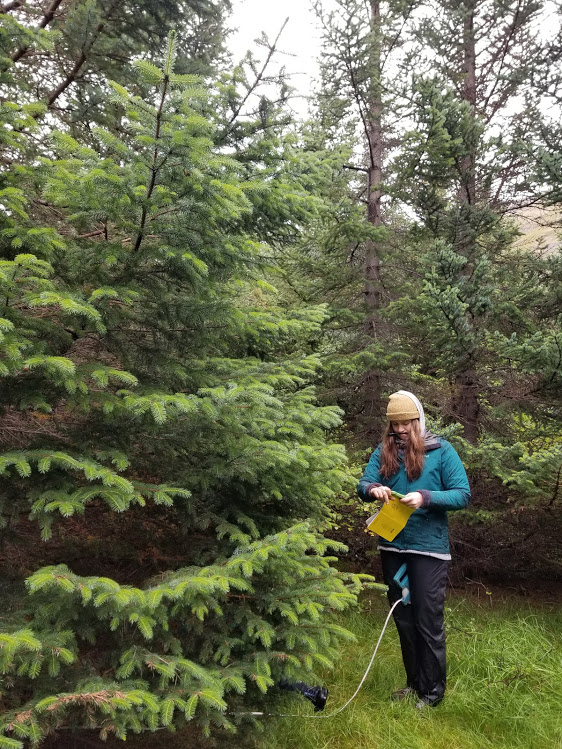
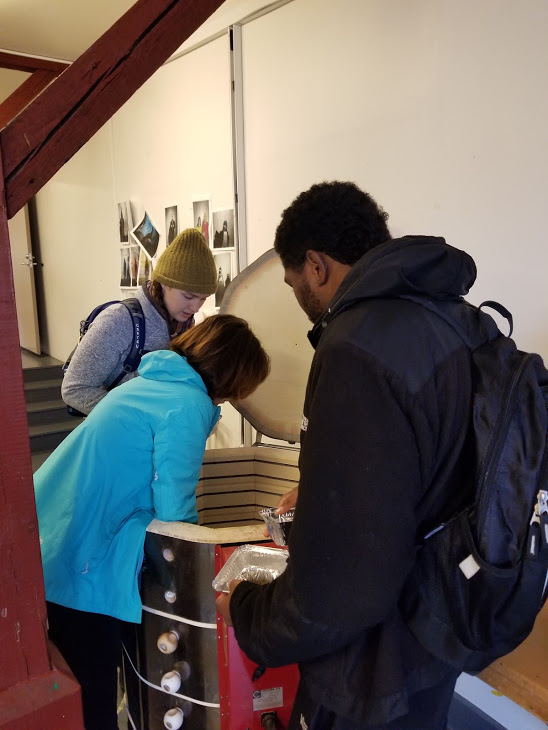
Here you can see some beautiful pictures of Ísafjörður bay, blueberry picking in the mountains, and some of the scientific process of data collection in the forest. We were able to use a kiln in the art centre in town today as a way to burn our soil samples. Burning them at a very very high heat allows us to calculate carbon content, the focus of our research paper.

Camp LEAD

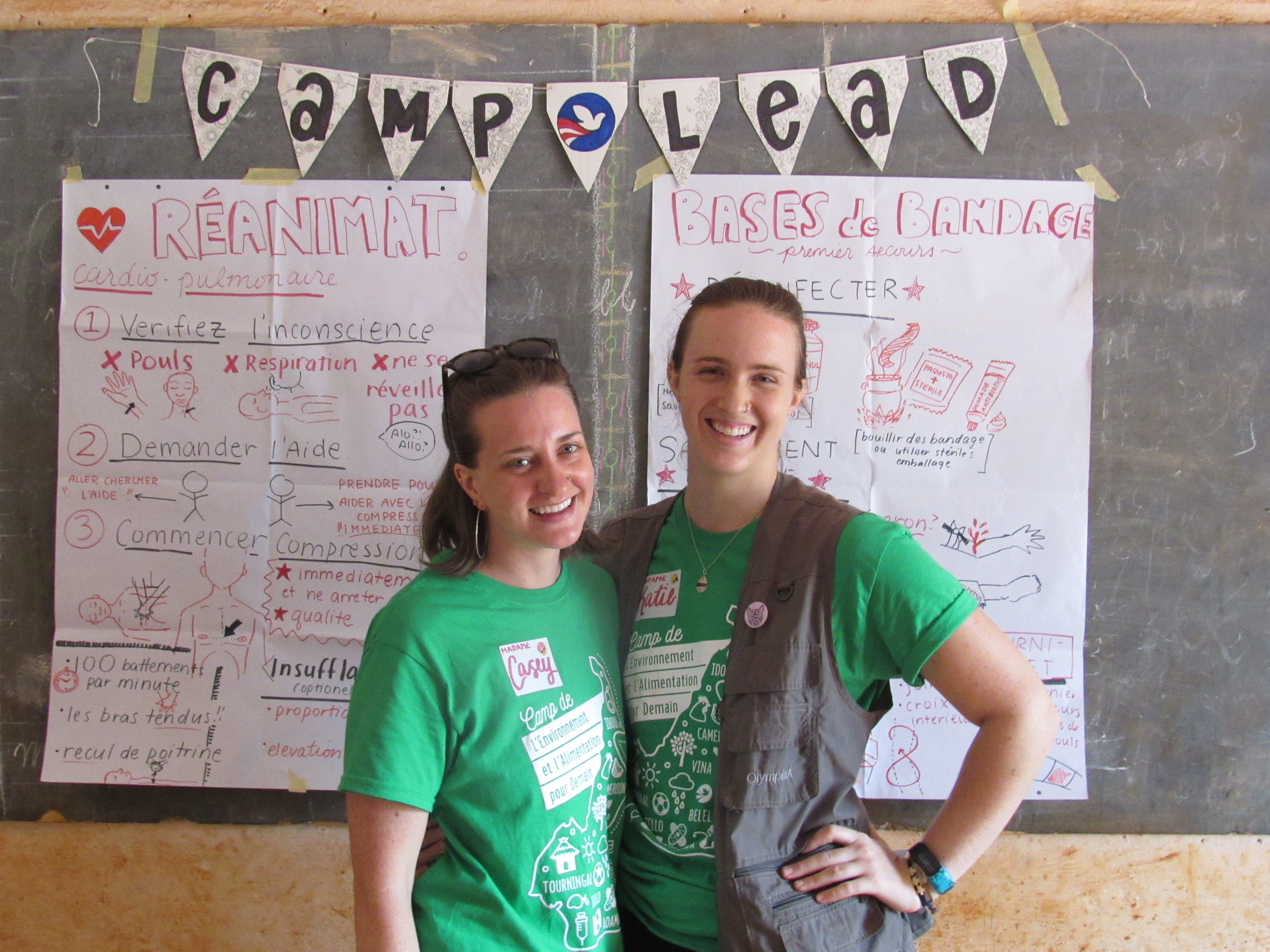
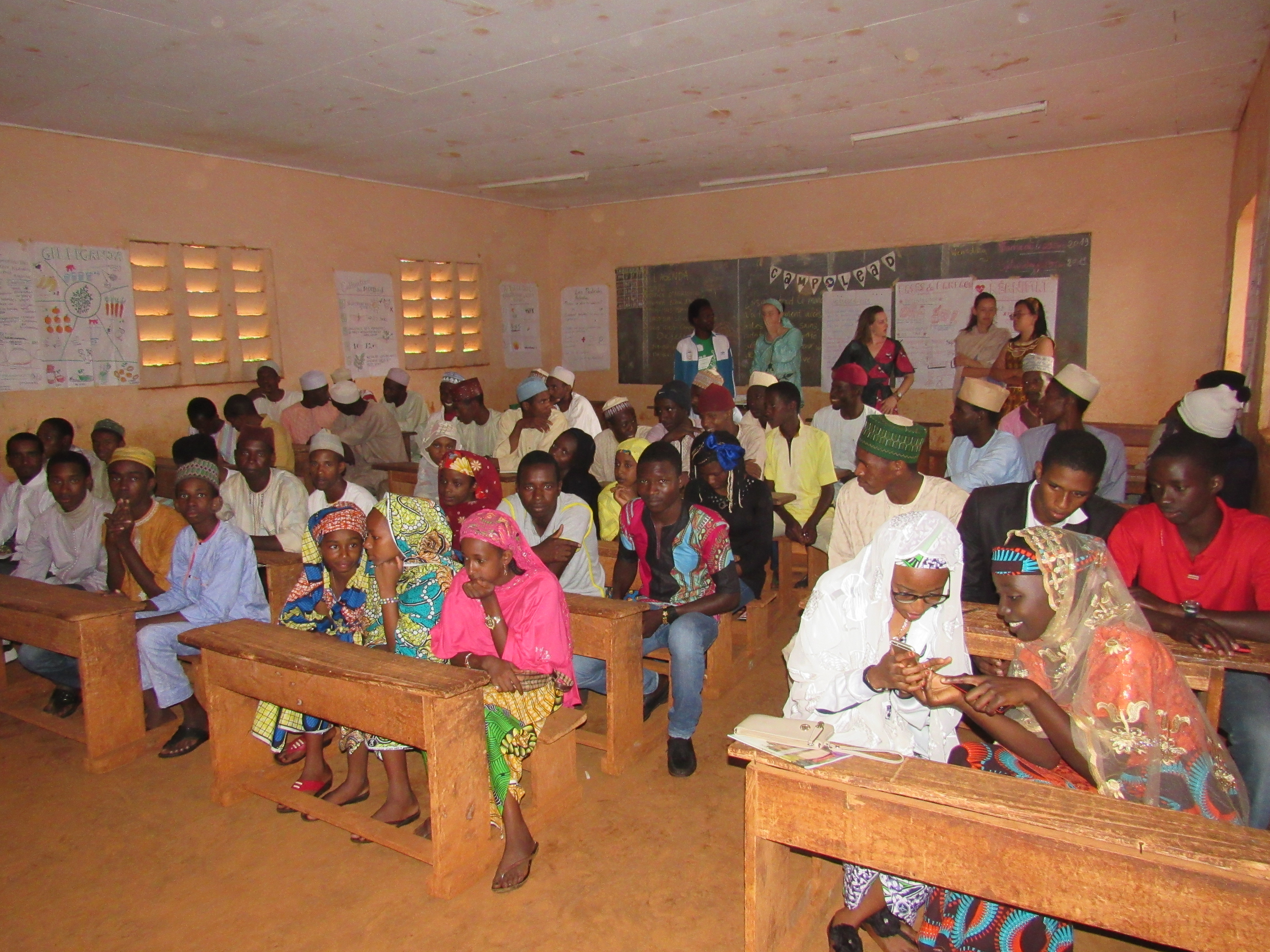
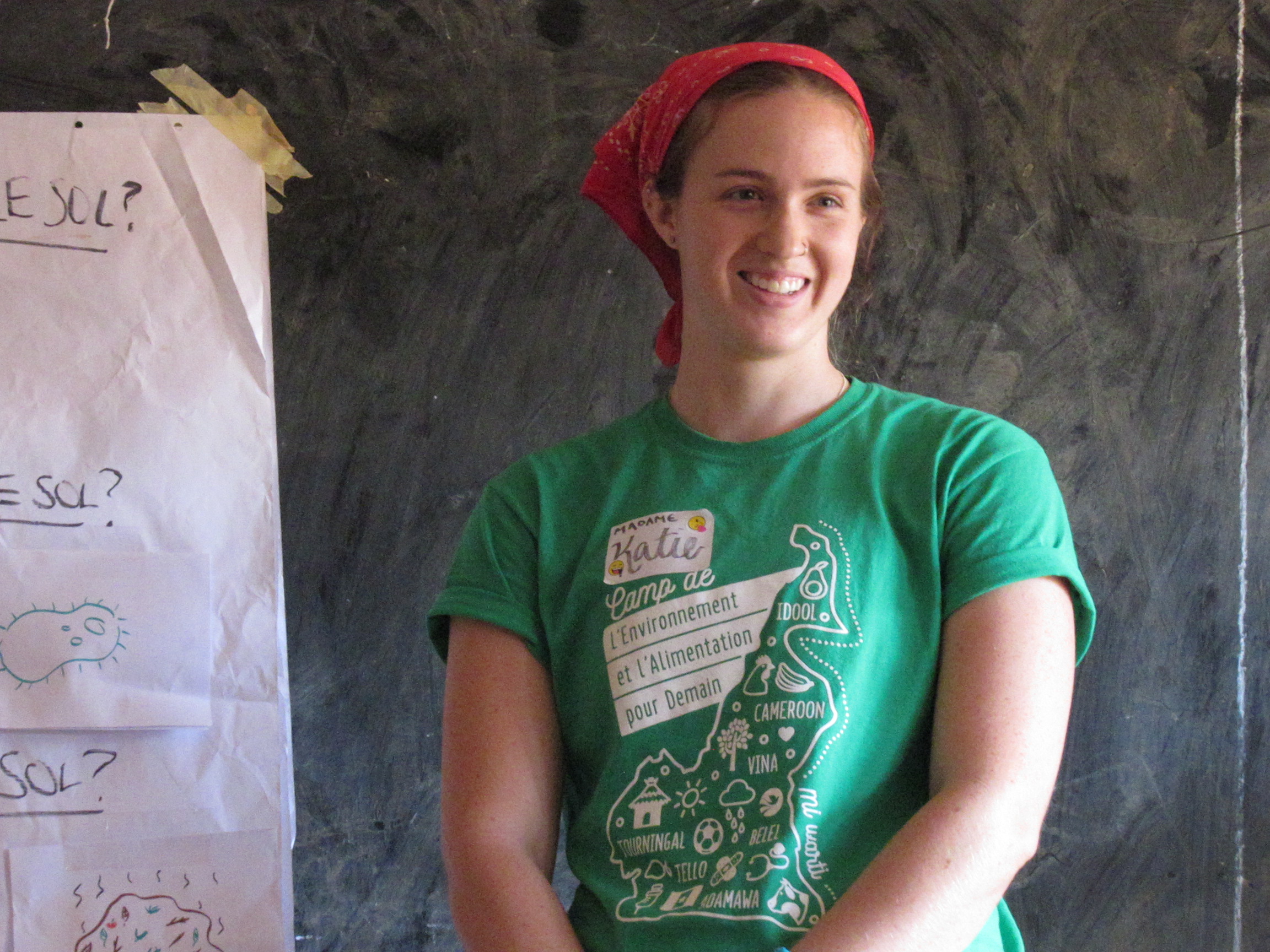
Hi everyone!! For the past month, I’ve been working on a project with my fellow volunteers called Camp LEAD. Camp LEAD stands for “Camp de l’environnement et alimentation pour demain” and focuses on teaching kids about health and agriculture topics. My camp occurred the last weekend of June, with the Camp in Fanning and Casey’s village the following weekend, and Krista’s village the weekend after that! Each camp spanned 3 days, with Health topics the first day (run by Fanning and Krista) and Agriculture topics the second day (run by Alec, Casey, and myself). The third day of each camp was devoted to a mural of some kind, a certificate ceremony, and screening of Black Panther in French. The whole experience was amazing, I learned a lot from the kids and from my fellow volunteers, and I had so much fun. While it was exhausting, it was one of the most rewarding experiences of my service thus far.

IMG_7295
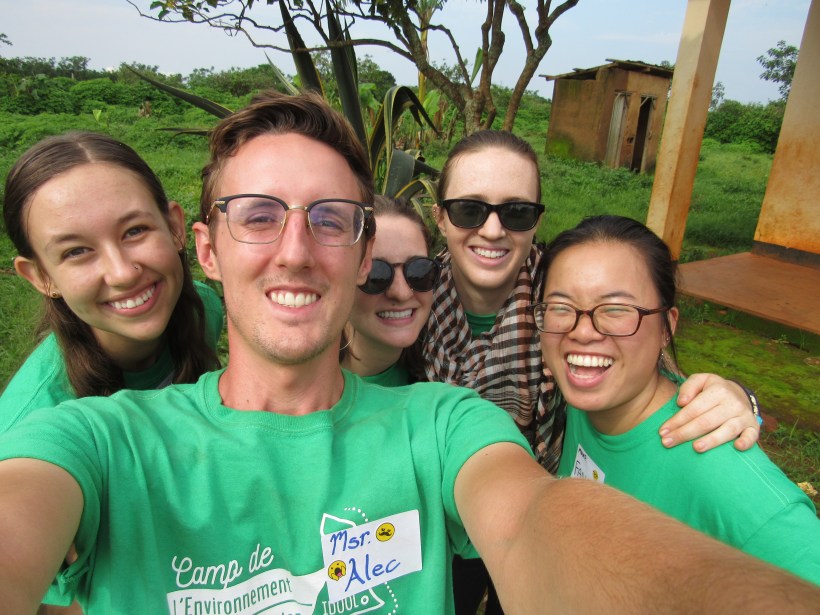
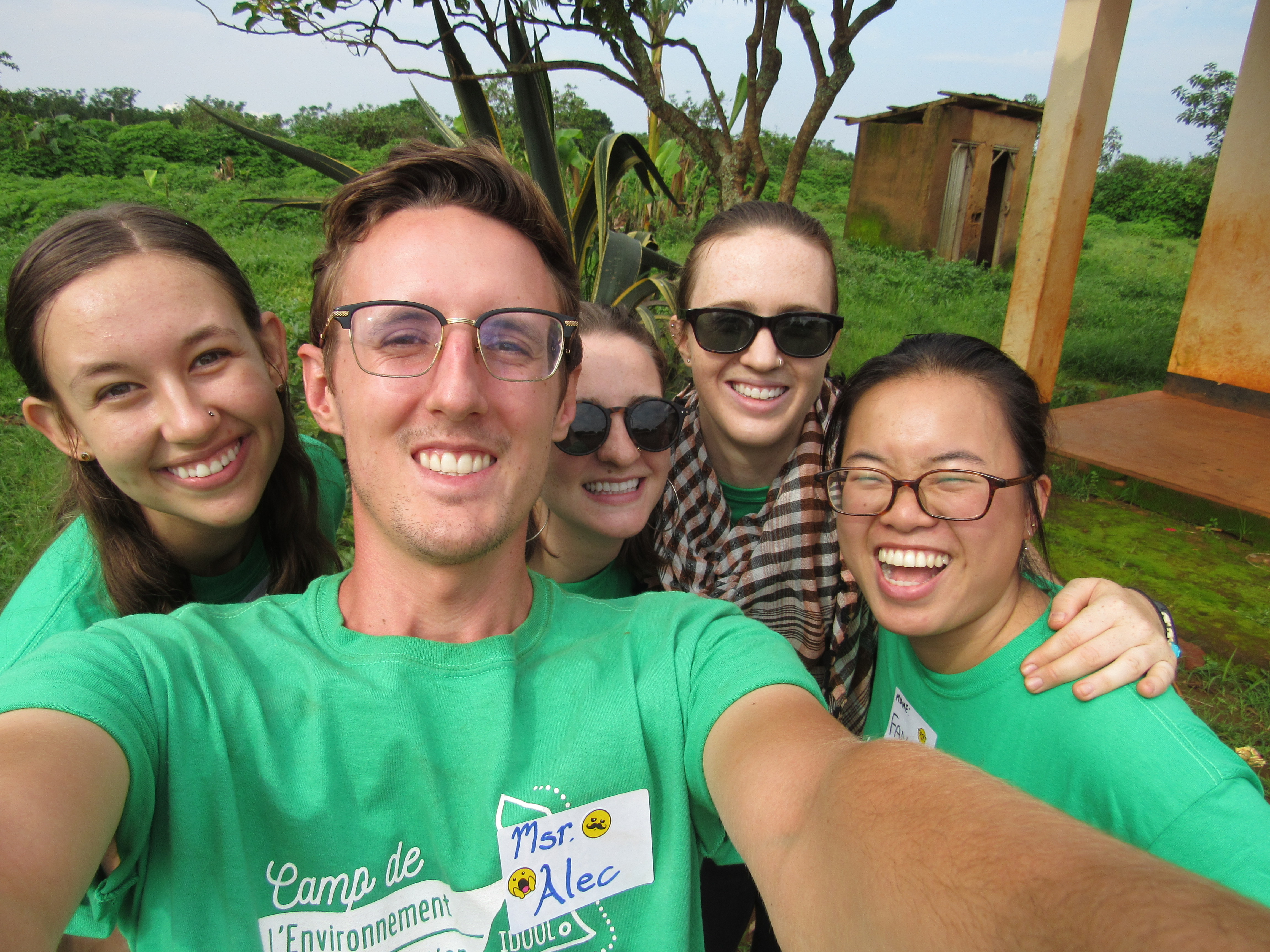
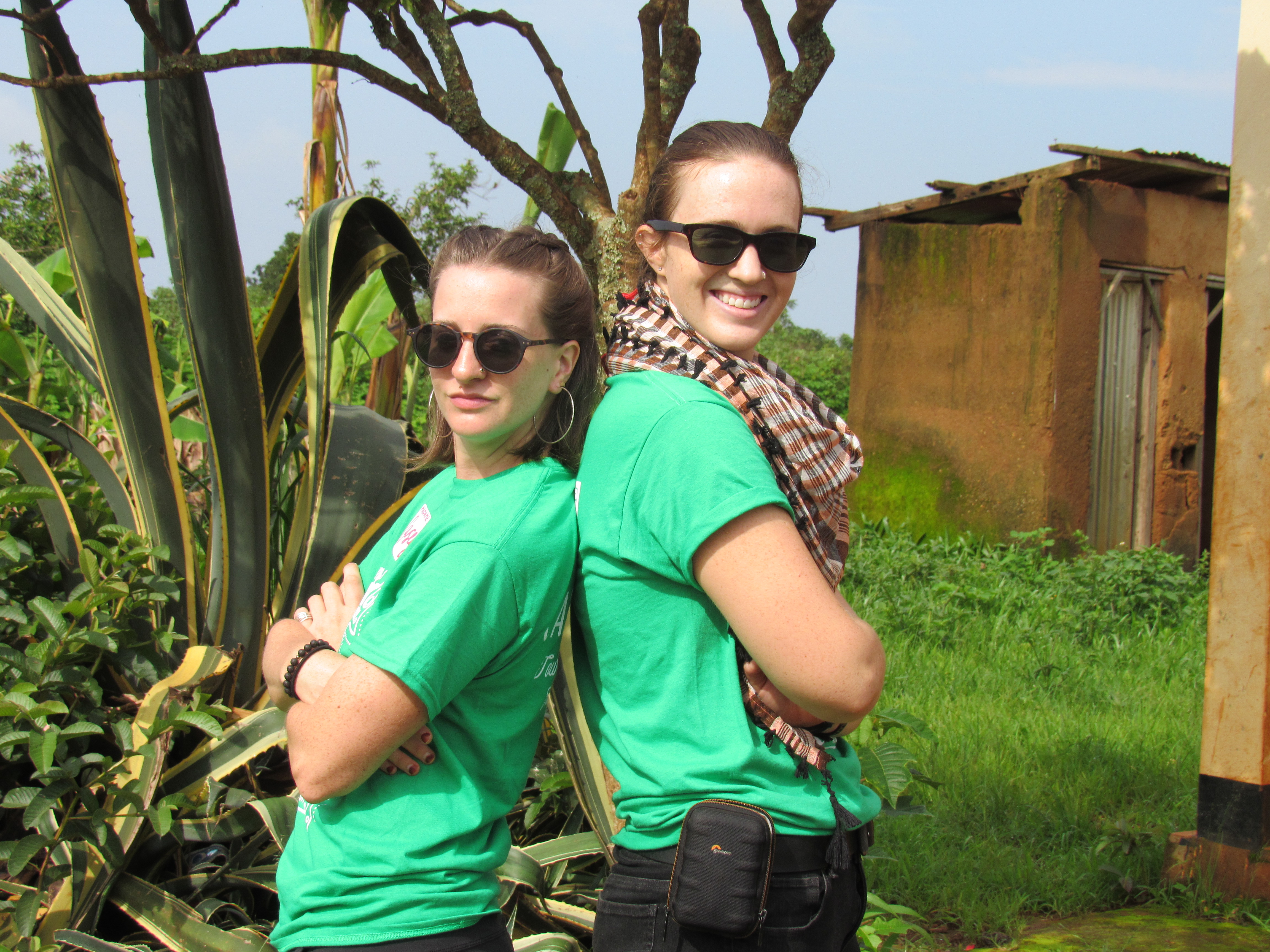
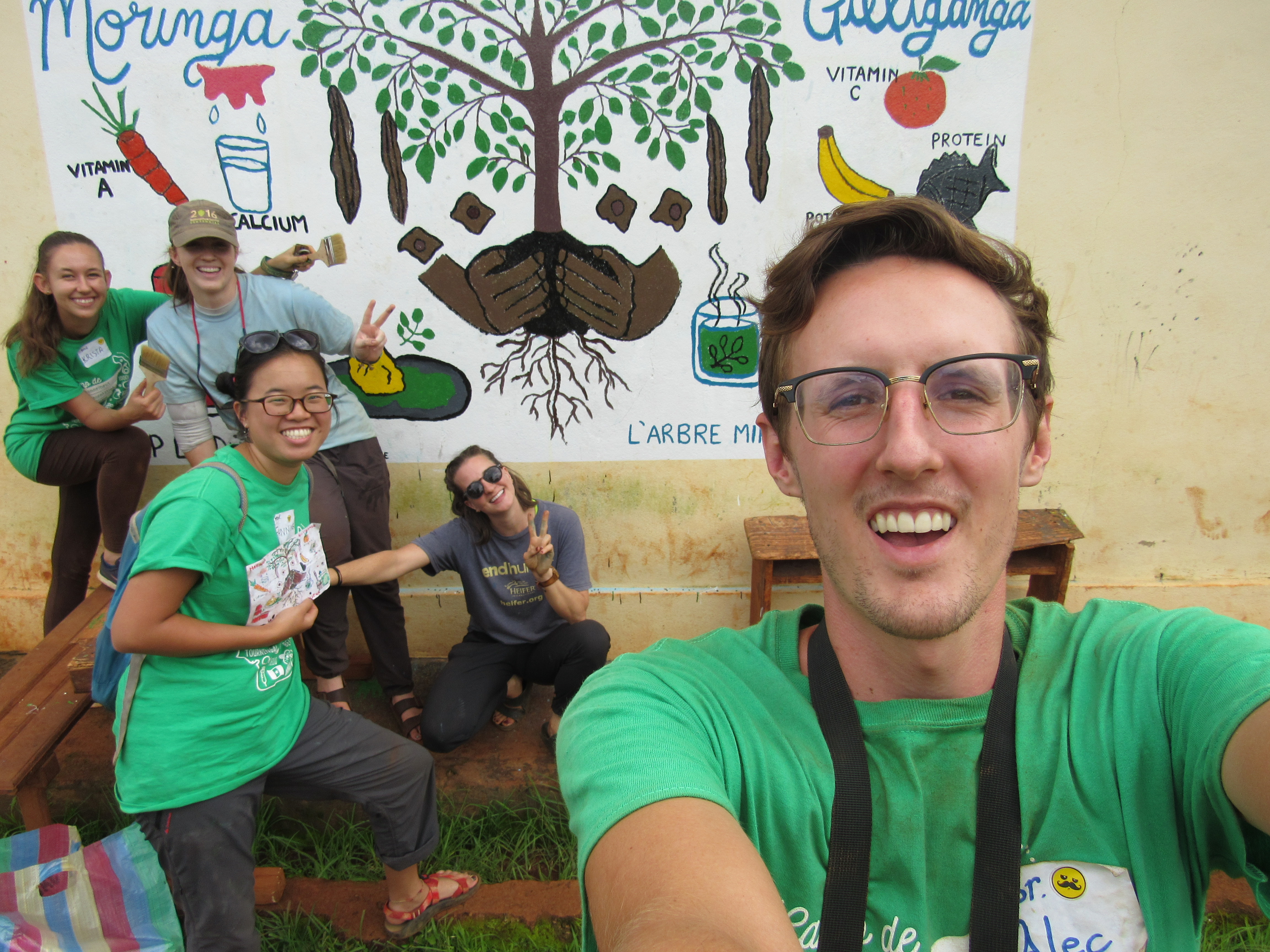
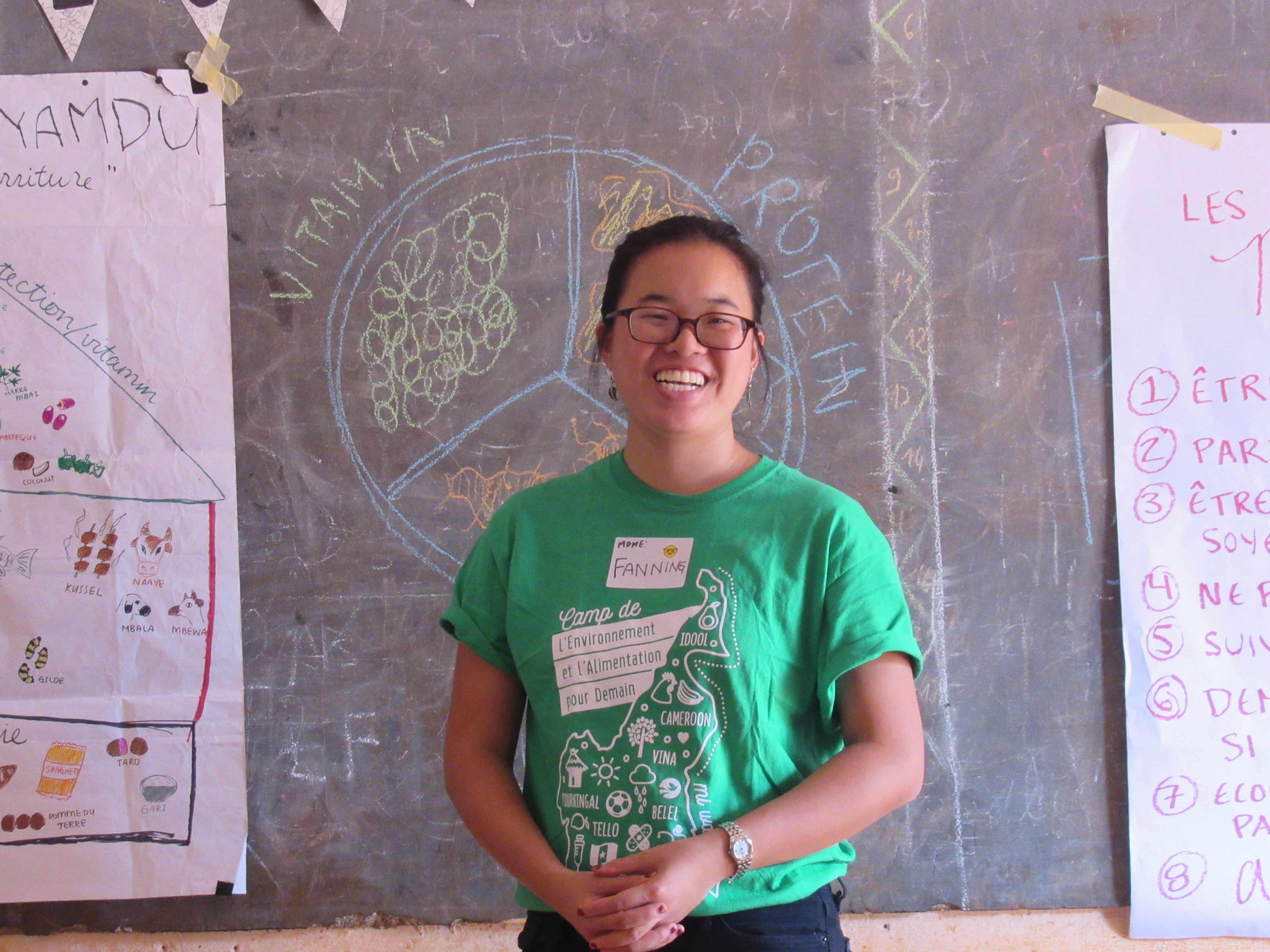
Our pre-Camp selfie: Krista, Alec, Casey, me, and Fanning!

IMG_7292

IMG_7288
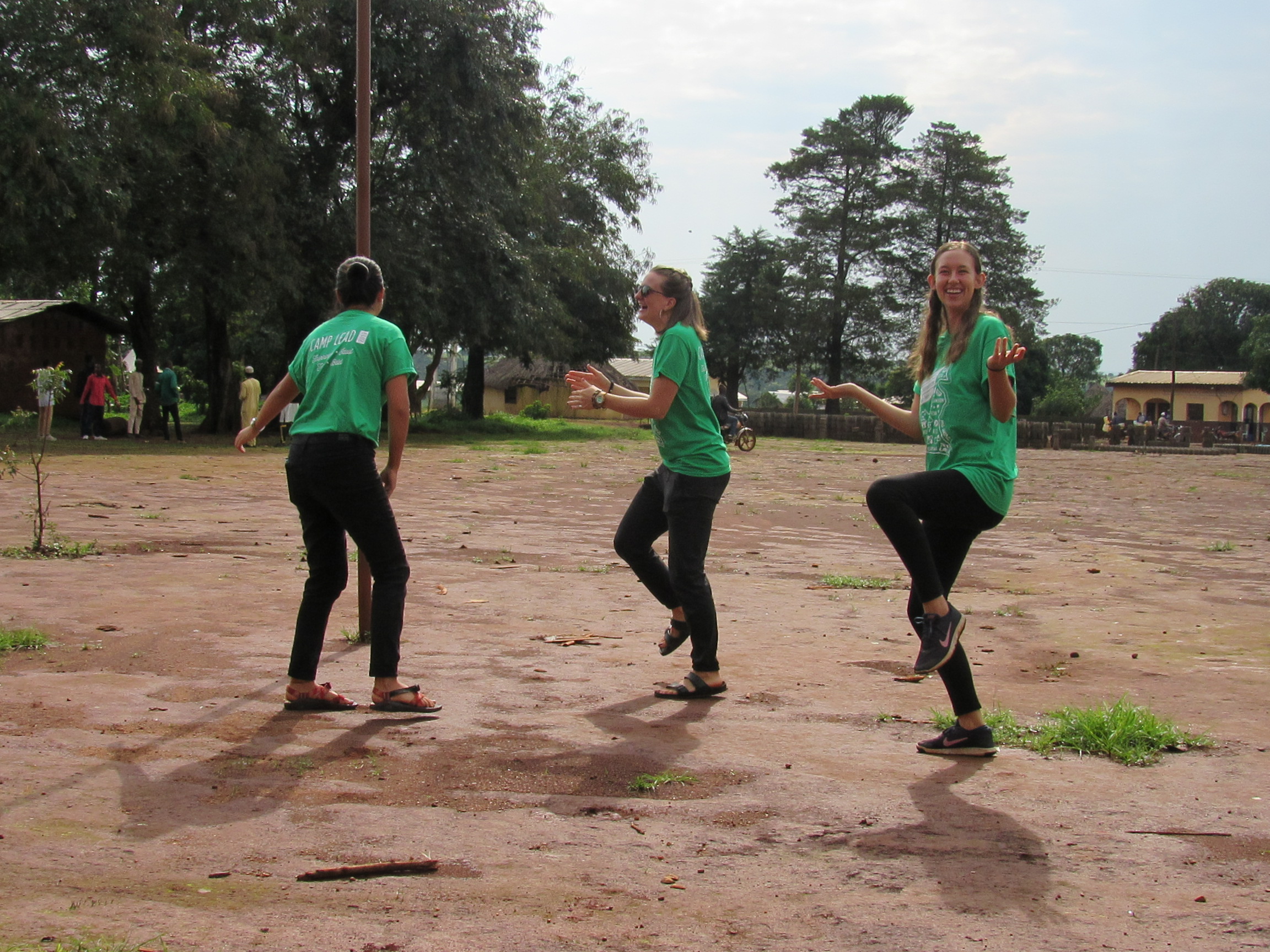
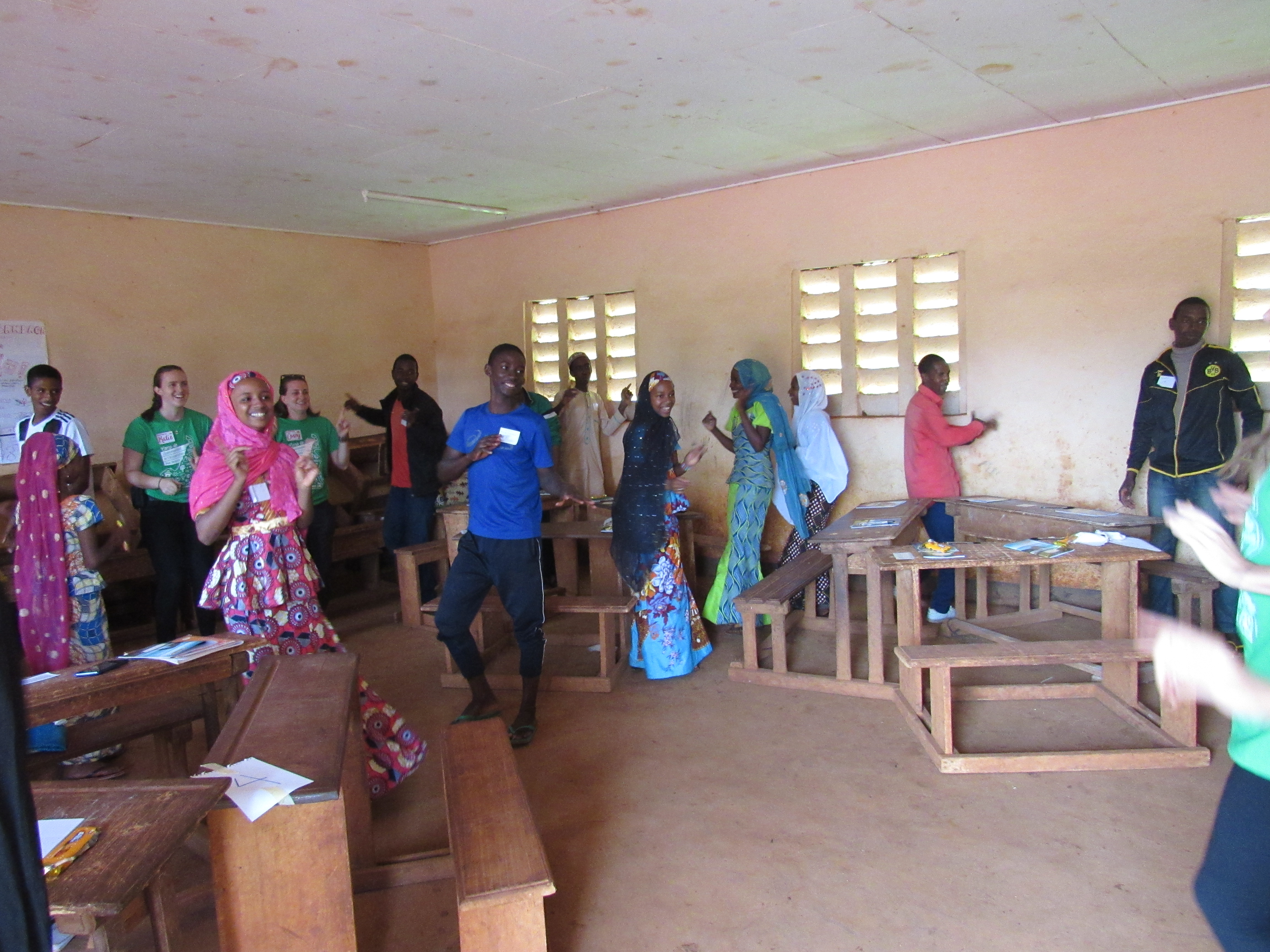
Getting warmed up with dance!

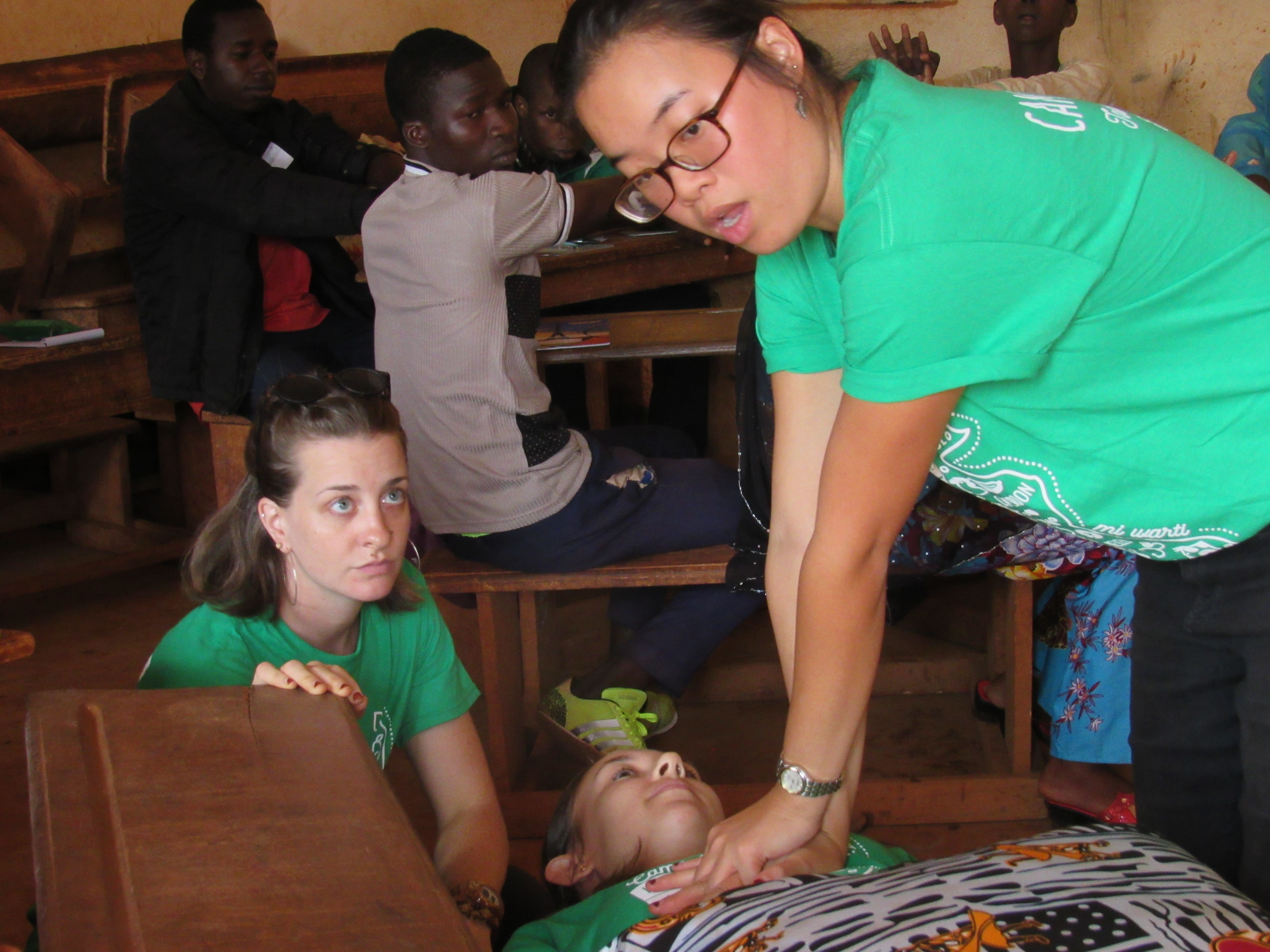
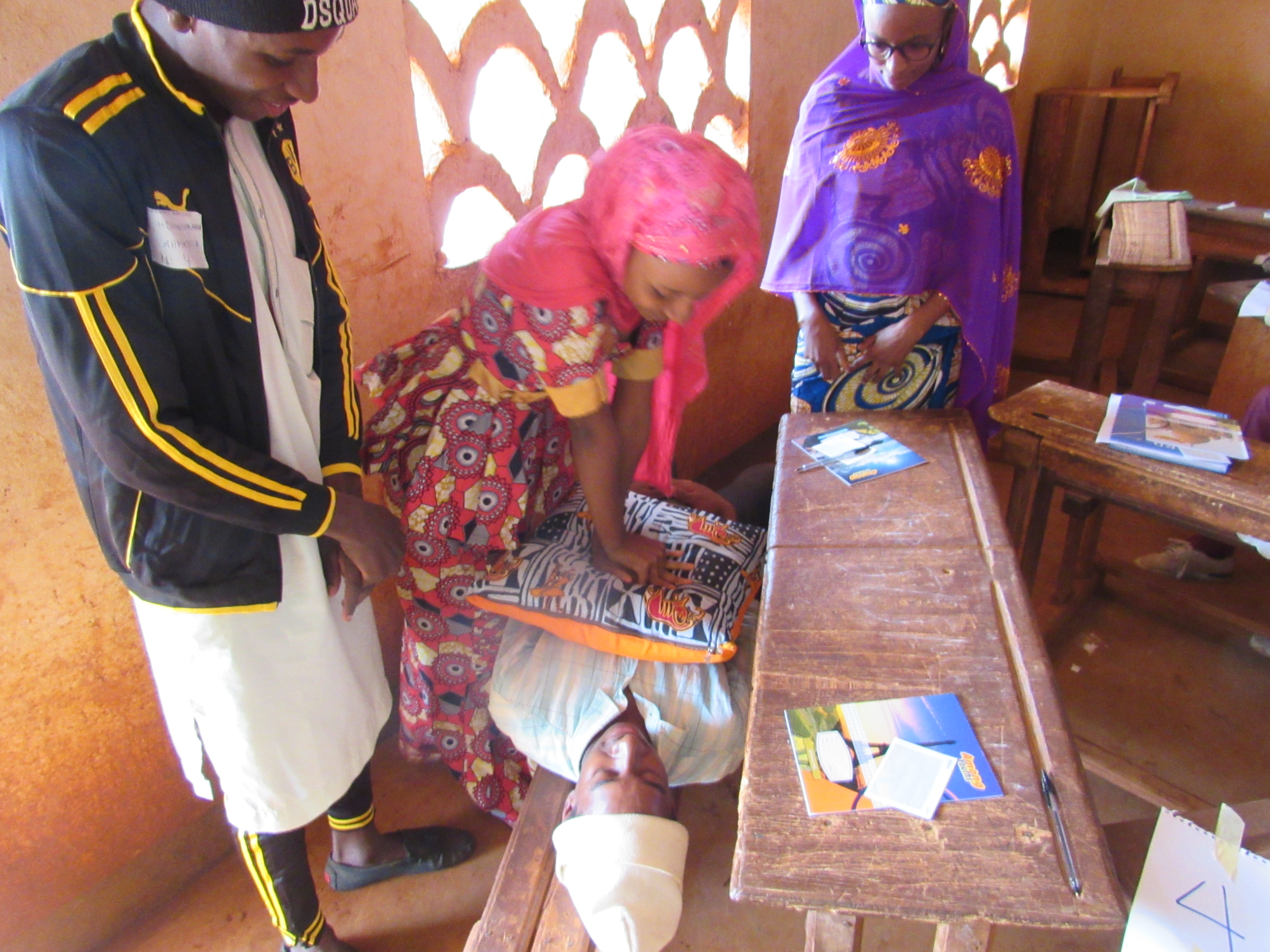
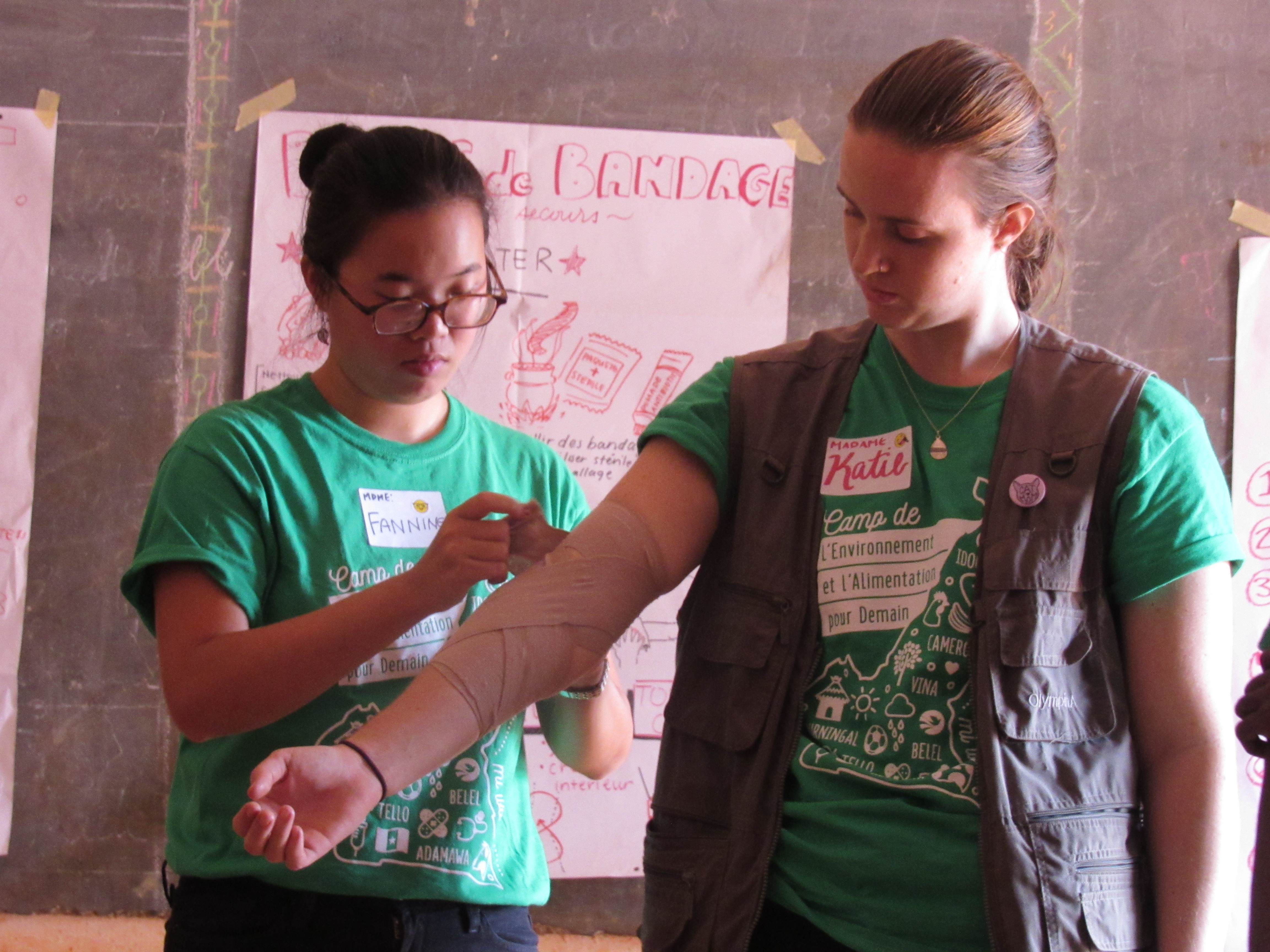
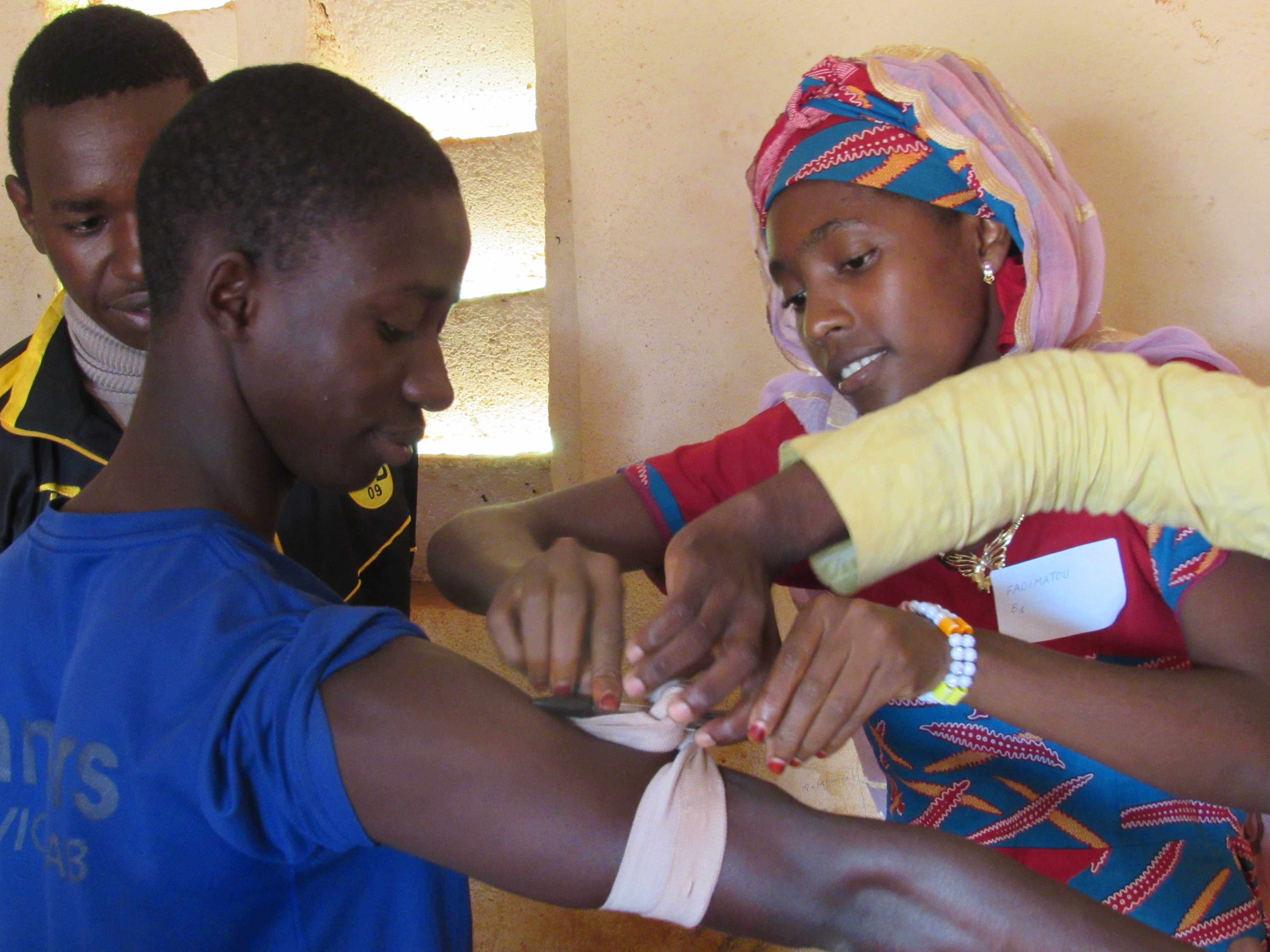
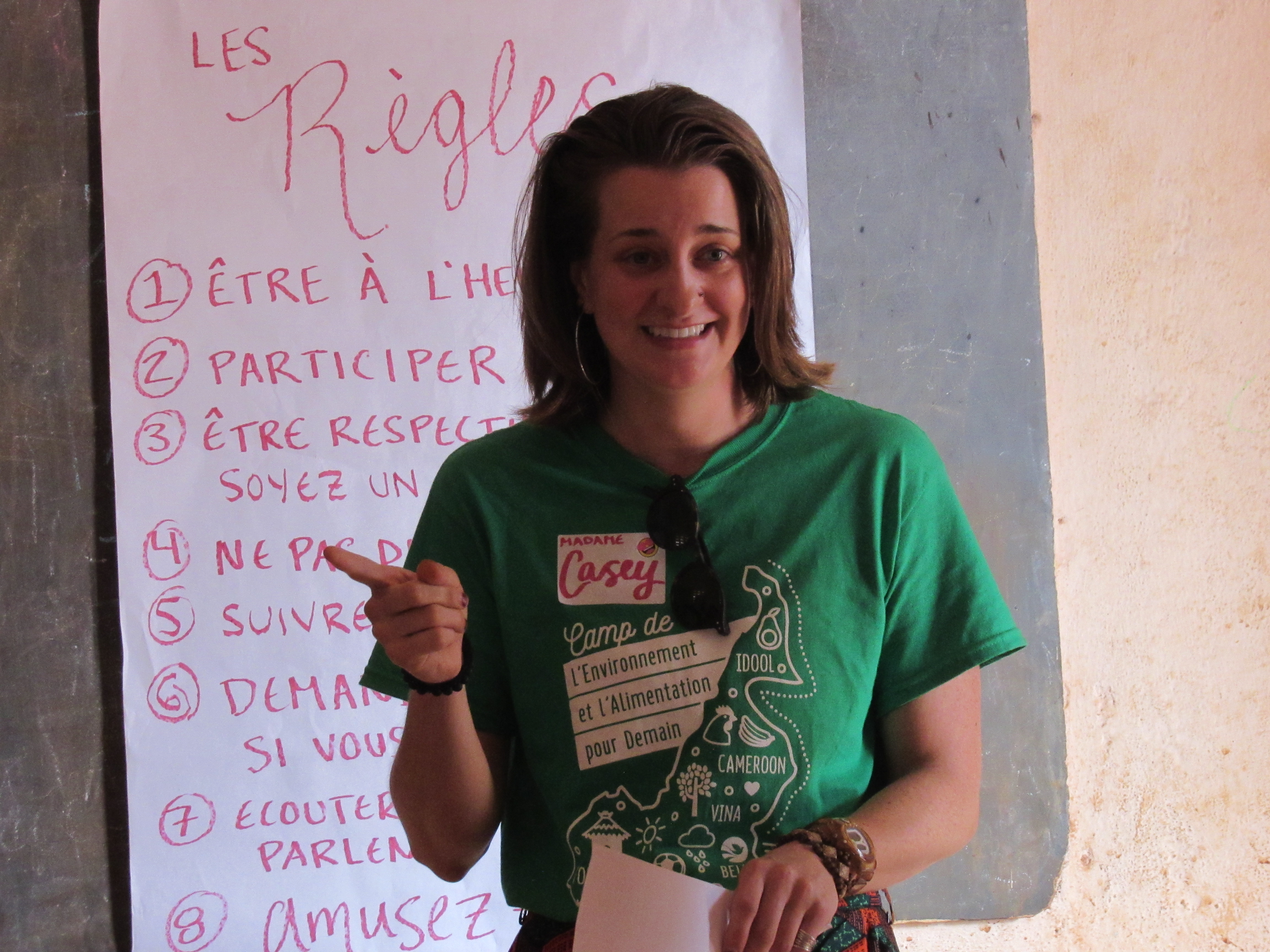
Each camp started with a reading of the camp rules, assigning teams, and going over the schedule. I have included lots of pictures from the camp in my village, and then some photos of my favorite moments from the other camps! The first day began with an amazing session by Fanning on first aid.

IMG_7314
Demonstrating CPR on Krista

IMG_7317

IMG_7338
Some bandaging practice on me

IMG_7355

The average age of my kids were late teens, so they took to these concepts extremely well!

IMG_7369
Between most sessions we did an energizer, the kids loved it!

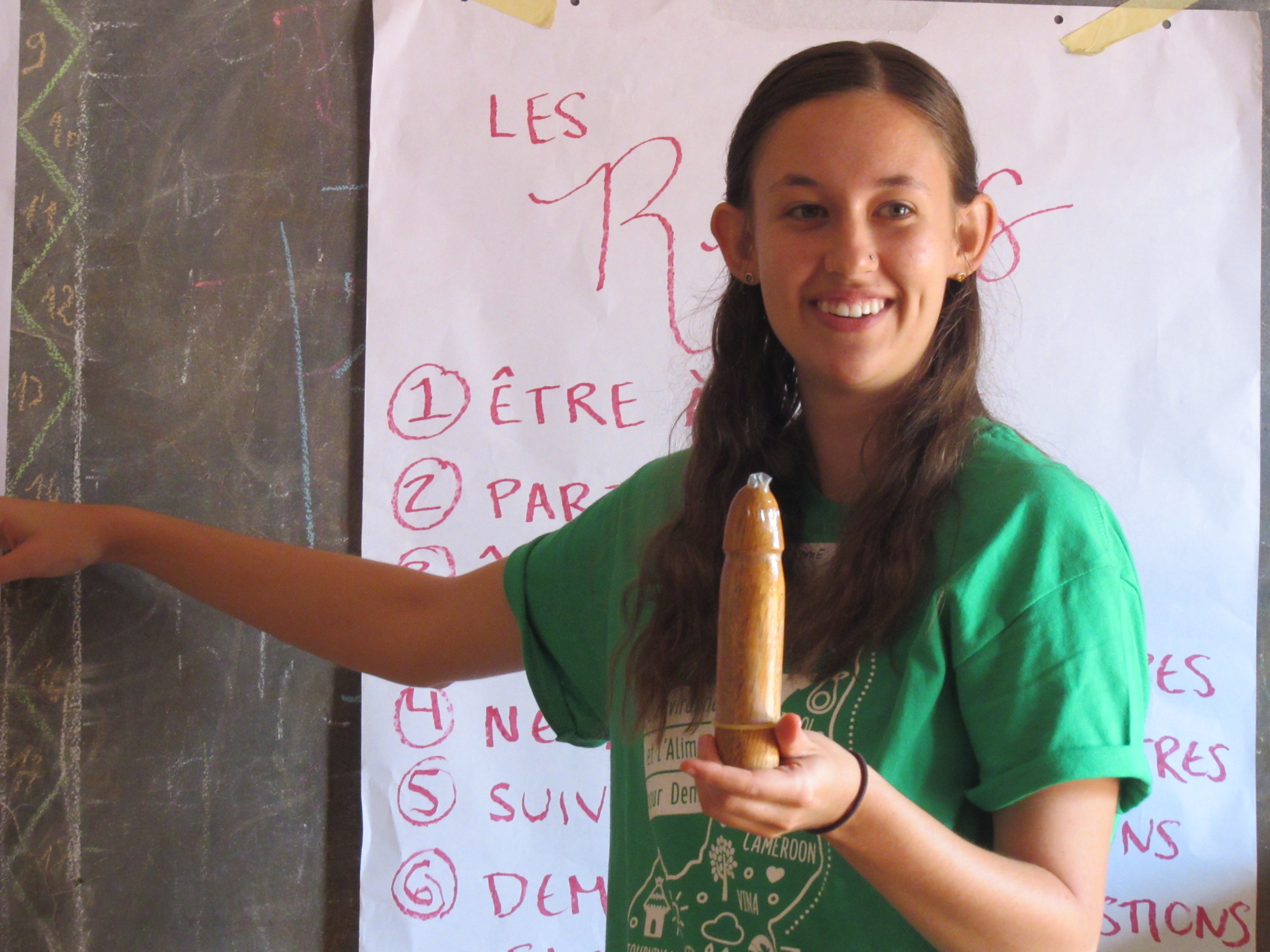
The next session was done by Krista, about STIs

IMG_7371

IMG_7382
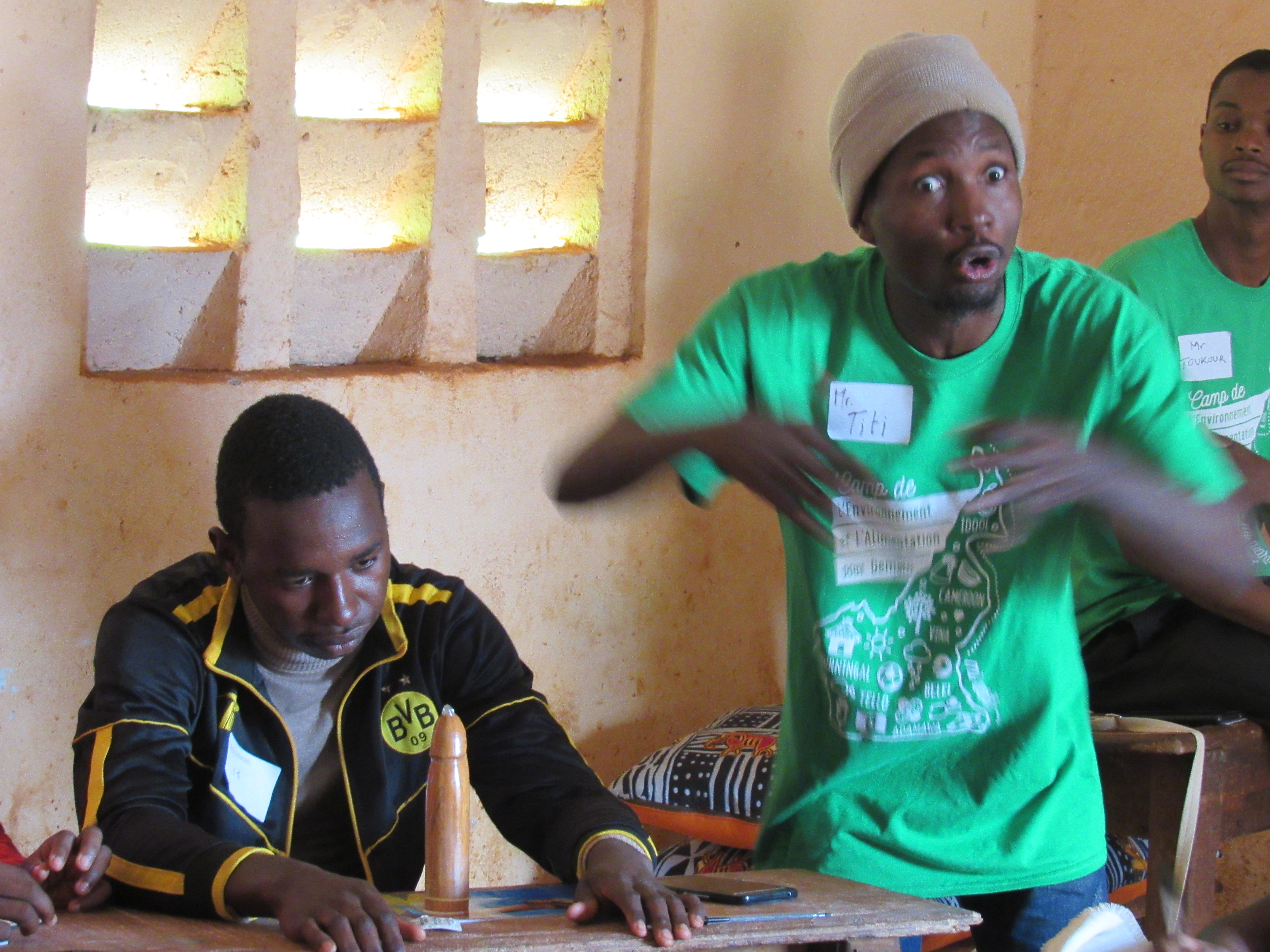
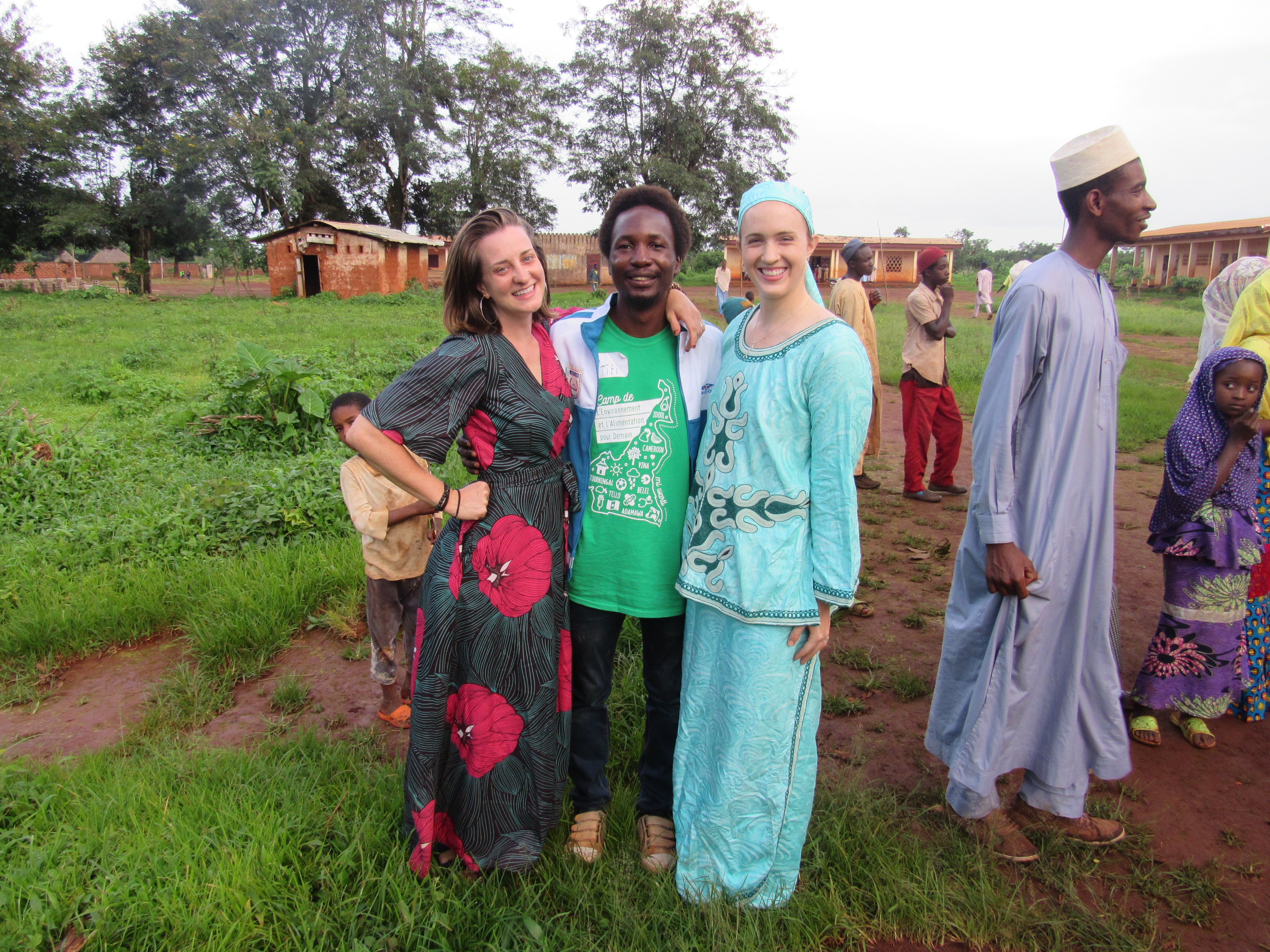
This is my favorite photo of my AMAZING counterpart Titi, he’s an English teacher at the High School and was VERY helpful, we couldn’t have done our first camp without him

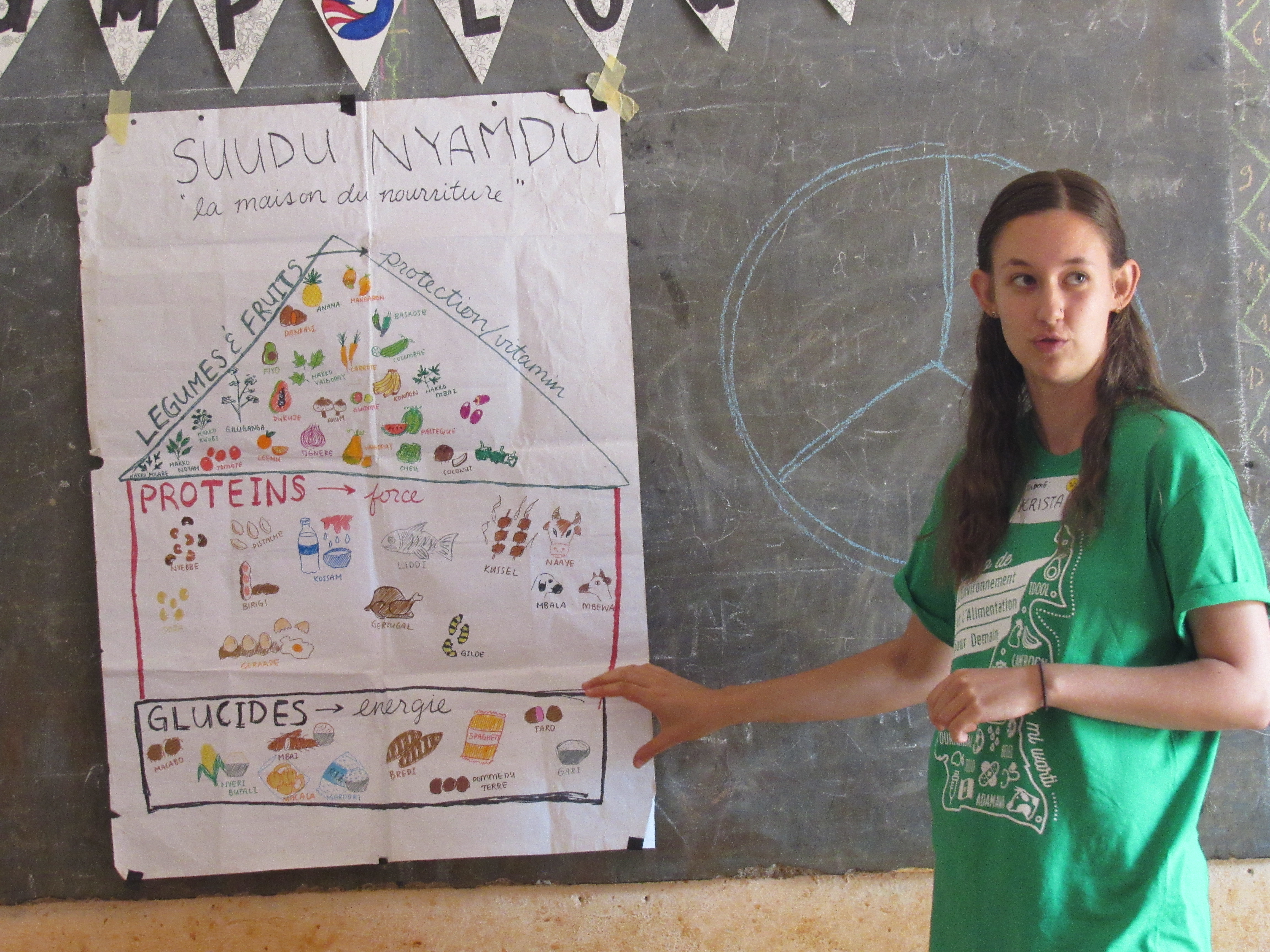
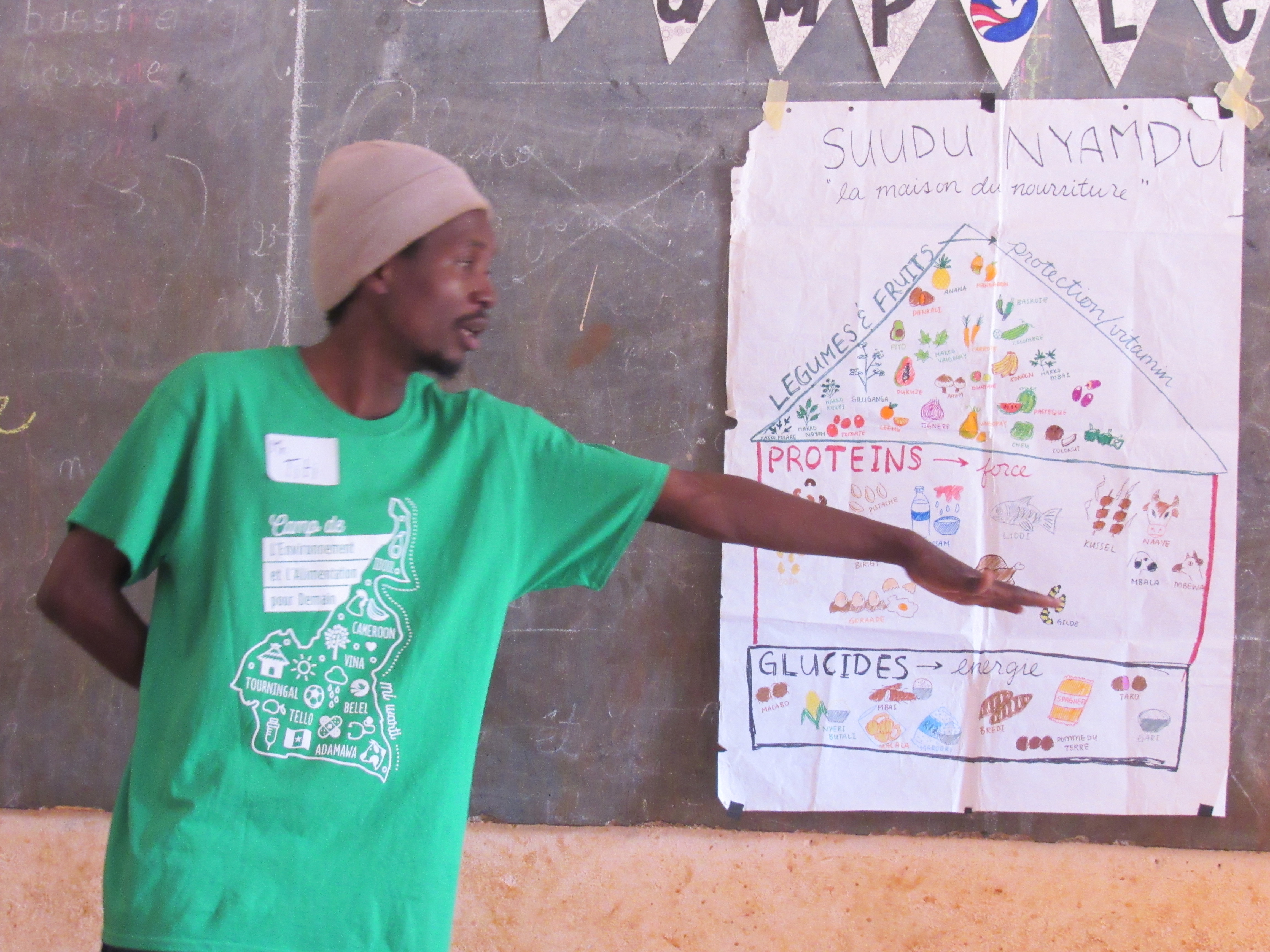
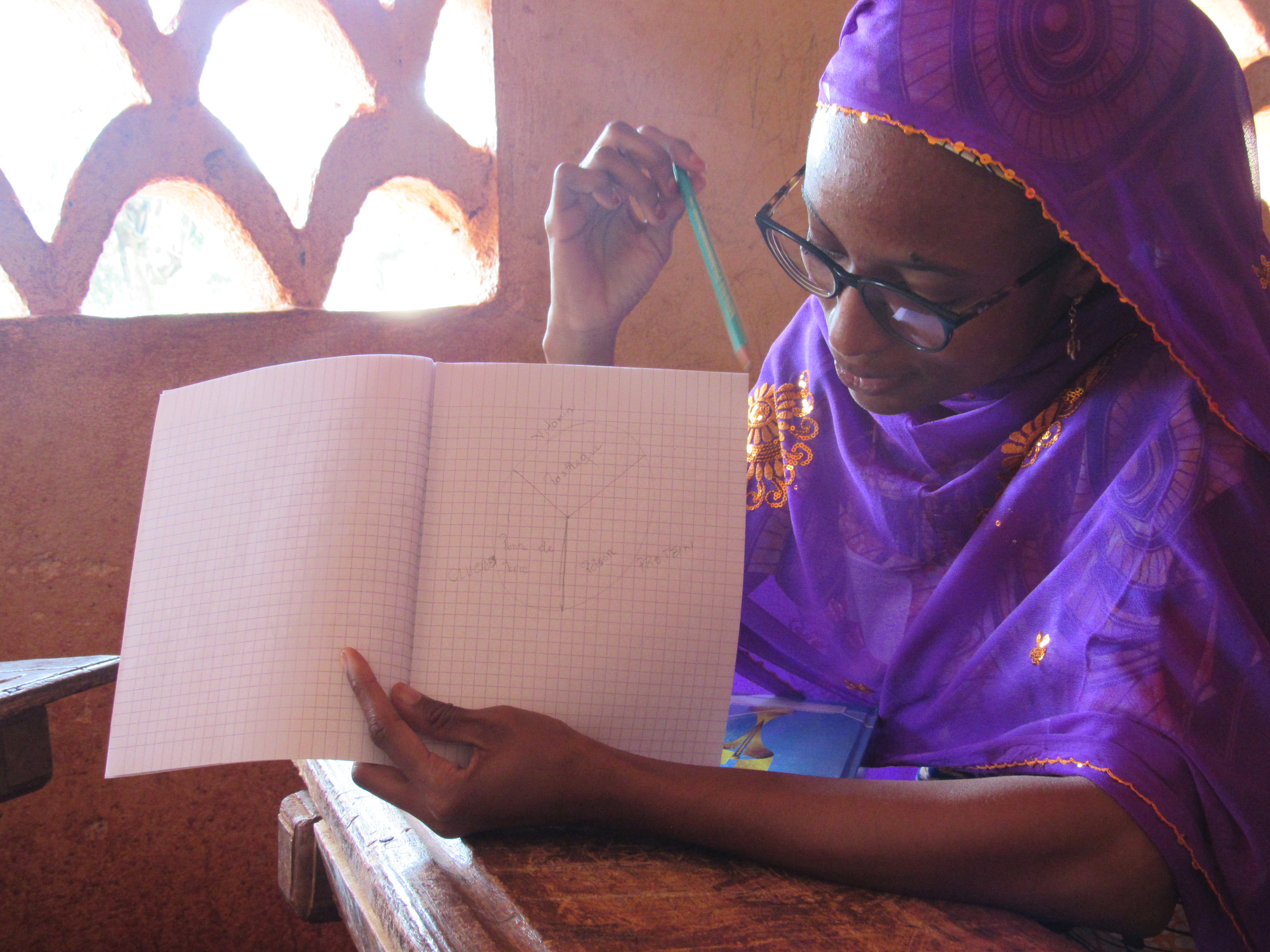
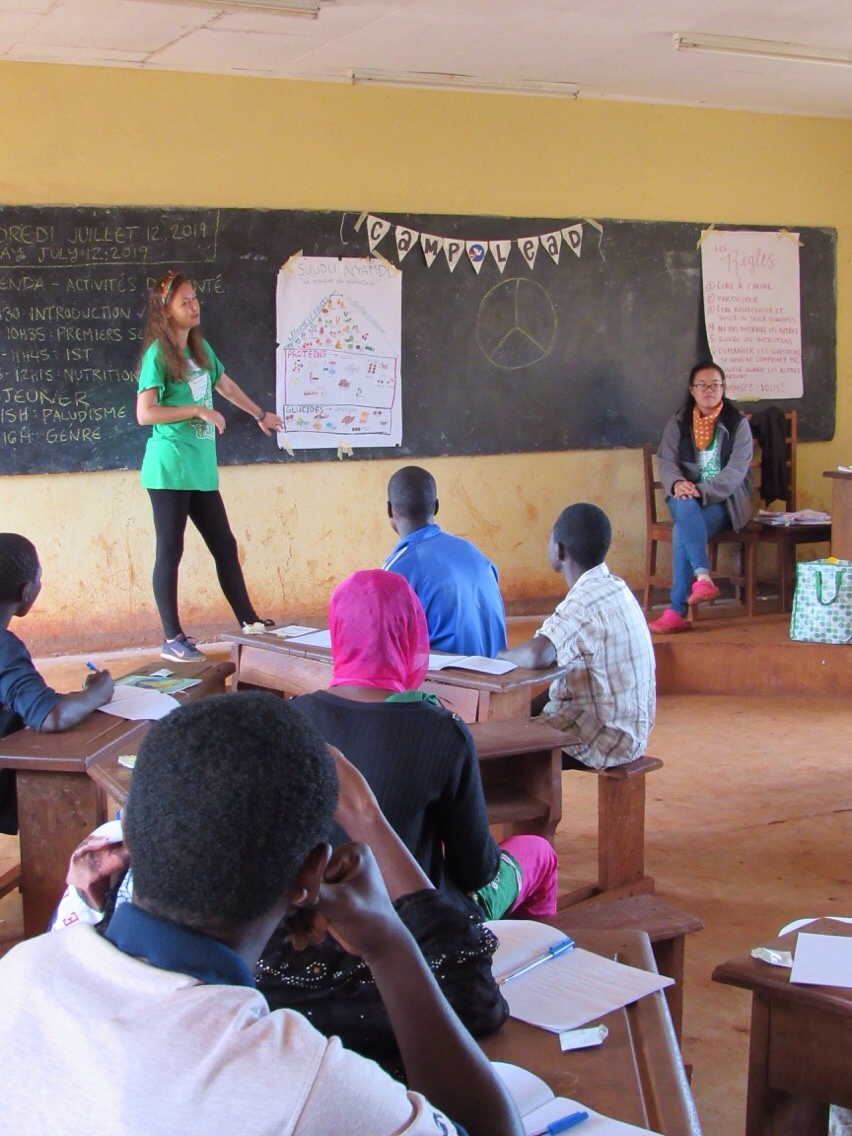
We then moved on to the nutrition section of the morning, and the kids learned about balanced meals and drew examples of their “plates” in the notebooks we provided for them. After that, they went off to lunch!

IMG_7394IMG_7404IMG_7406IMG_7407

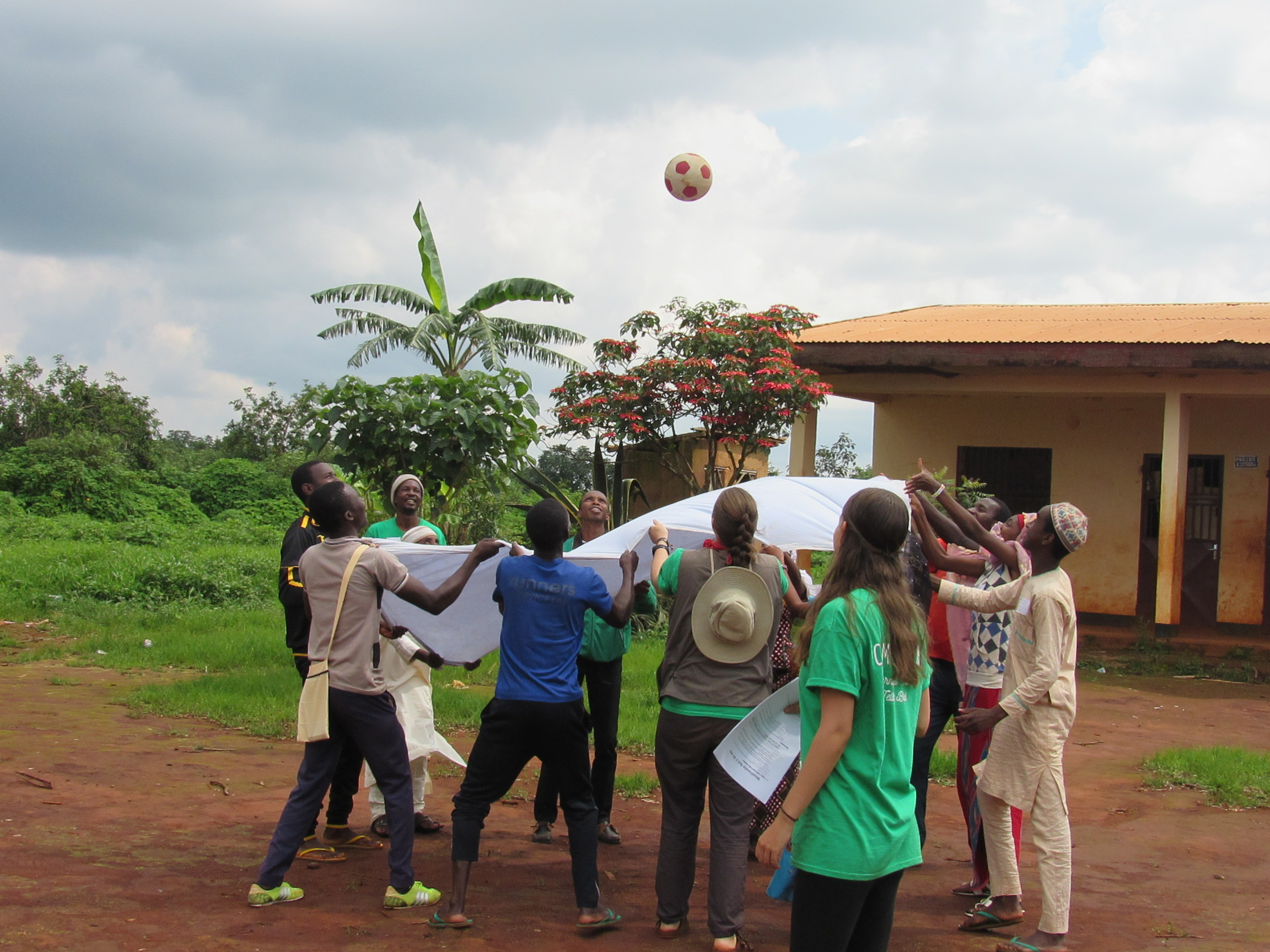
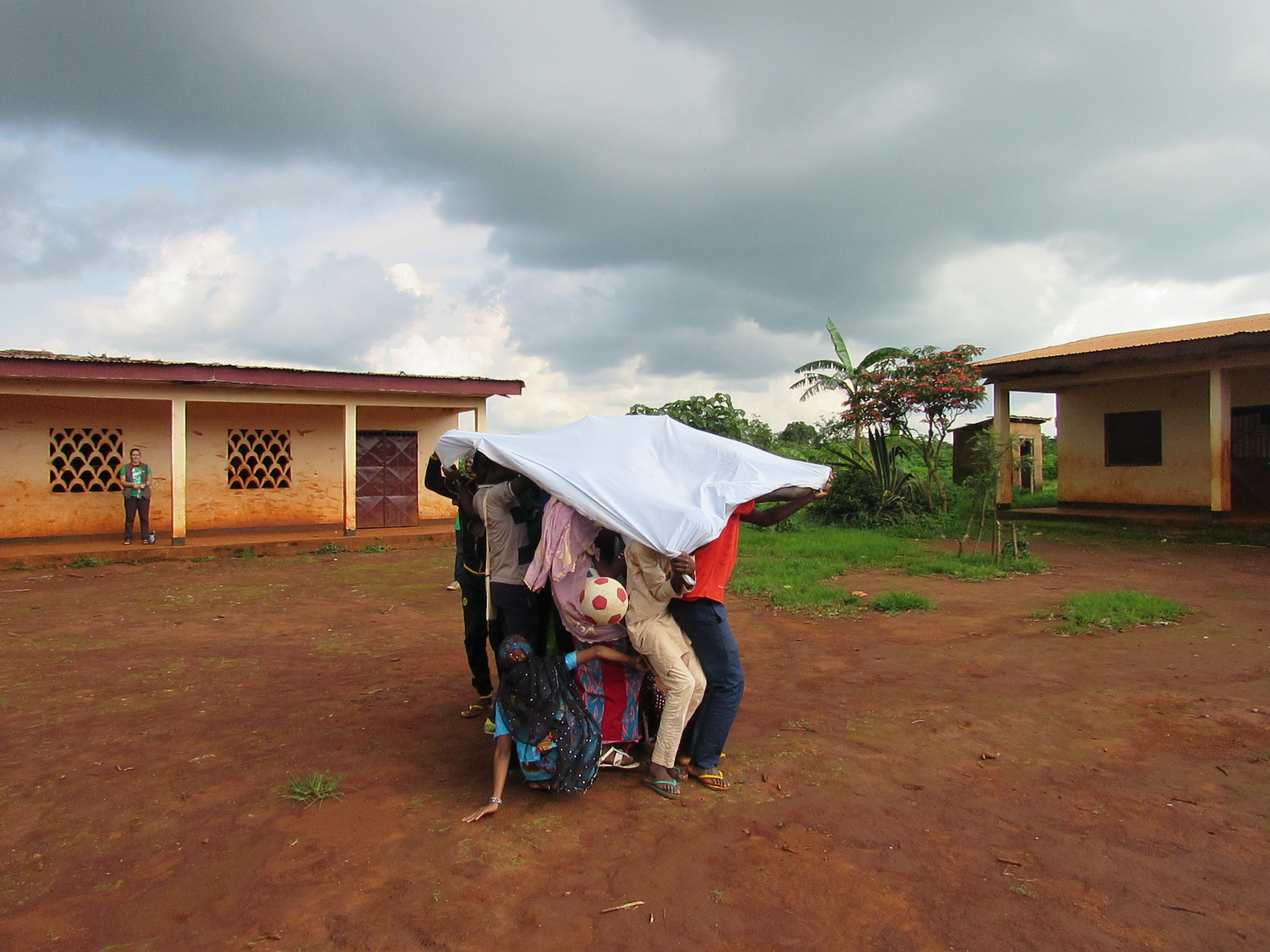
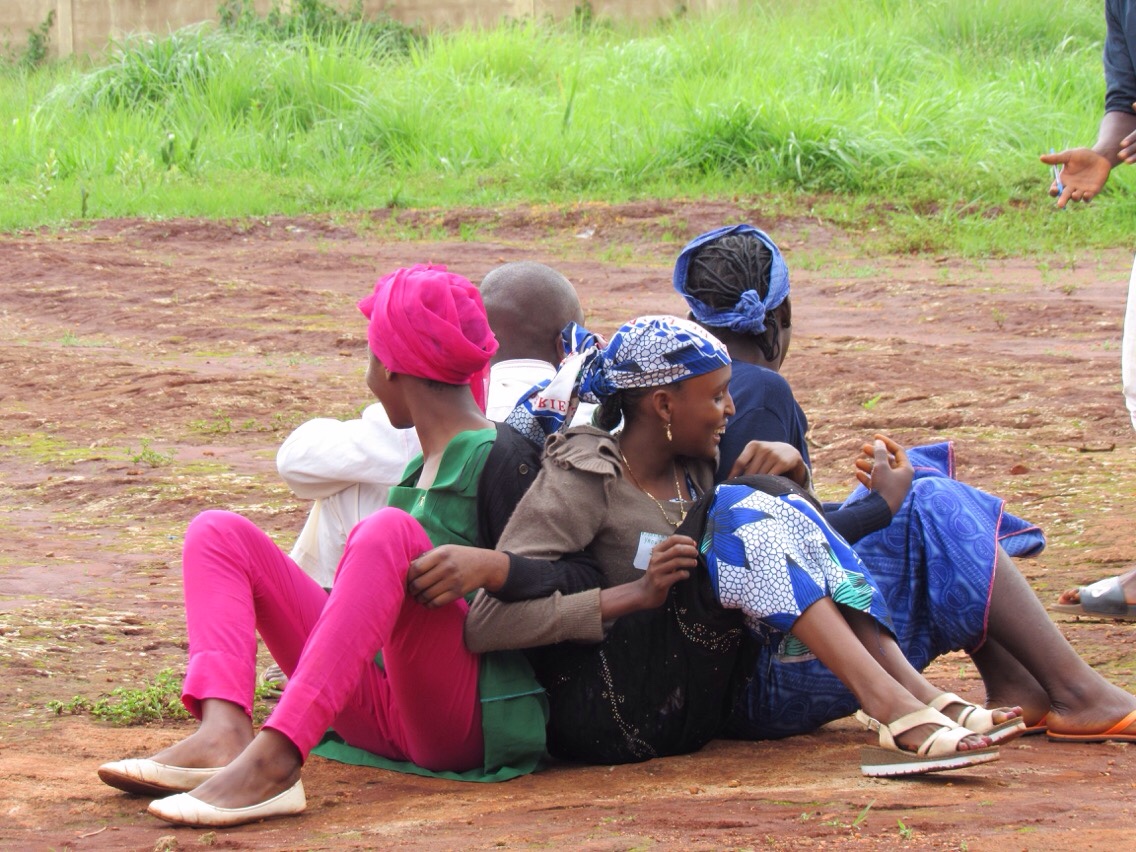
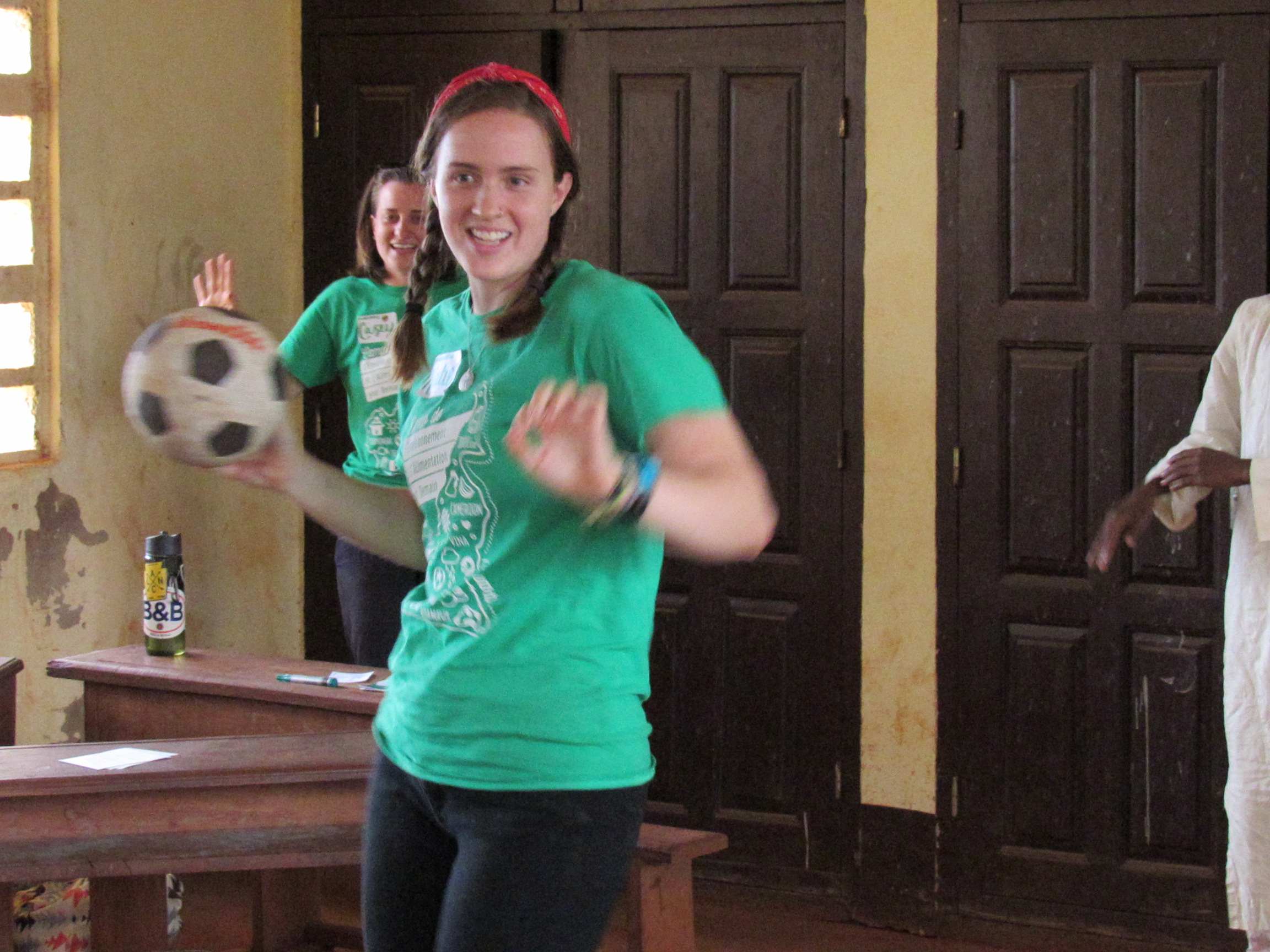
After lunch,  we had a more hands-on activity about malaria. The kids take a soccer ball (representing a mosquito) and a bedsheet (the mosquito net) and play a game that demonstrates the importance of sleeping under a net every night.IMG_7424

IMG_7524
If you got hit, you had malaria!

The rest of the day was spent on a gender fishbowl activity, which encouraged the boys and girls to share their experiences and viewpoints of gender in their everyday lives, and is always a very interesting activity. After that, day 1 was over!

Day 2 began with Casey’s talk on Moringa trees, how to plant them and their nutritional benefits.

IMG_7361

IMG_7622
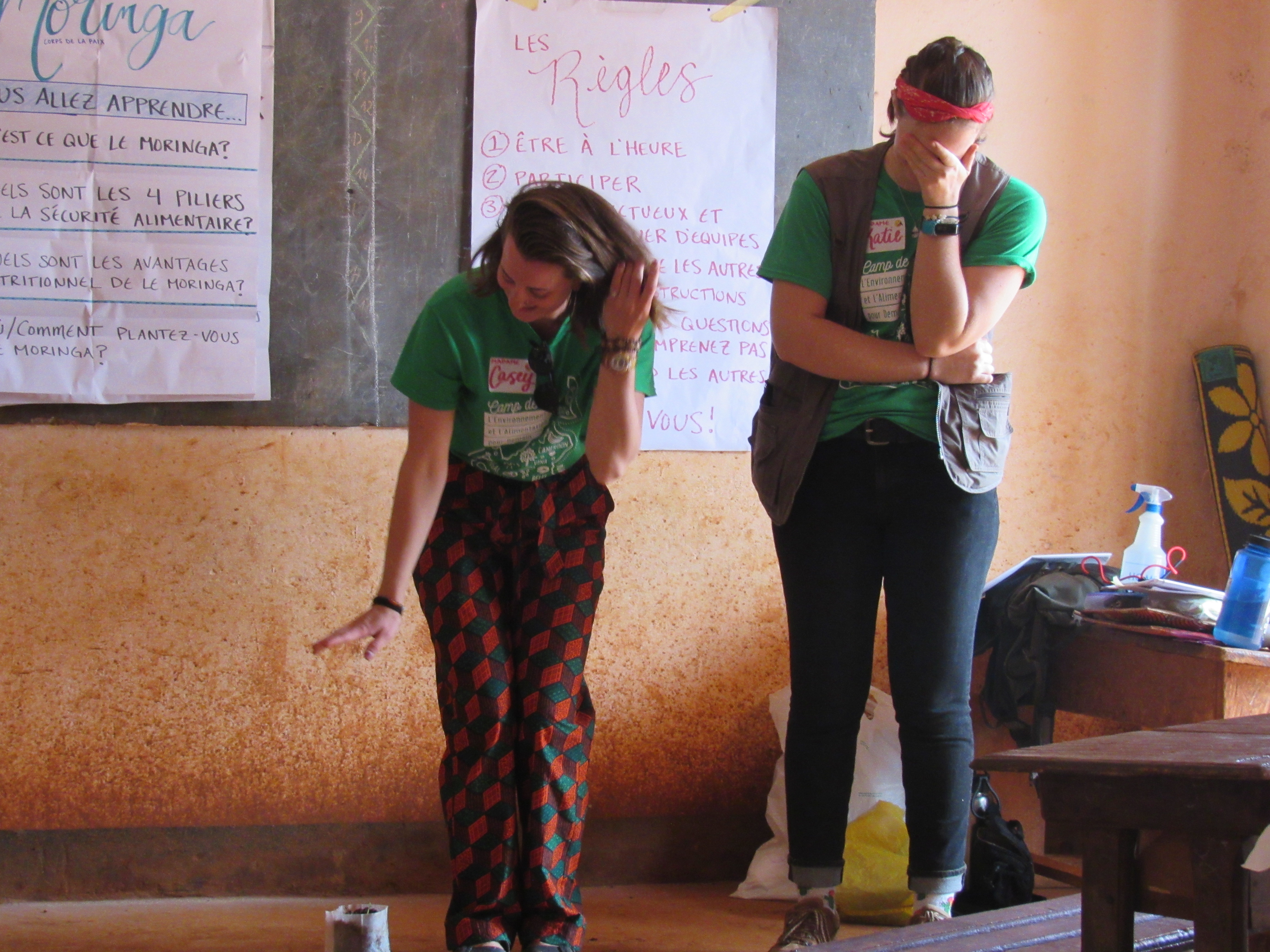
Professor Casey

IMG_7624
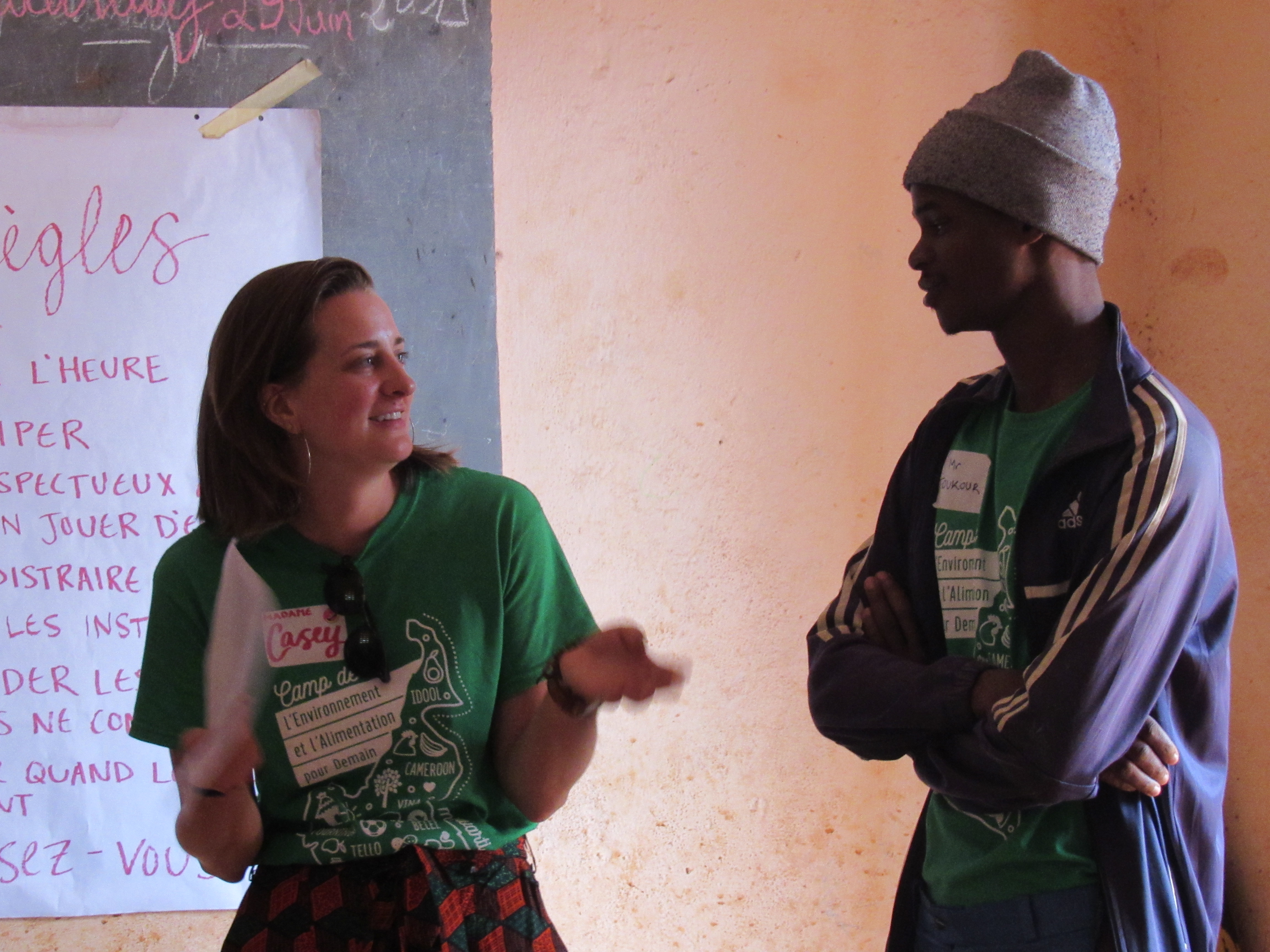
My other counterpart, Toukour (and our resident awesome moto man), was very  helpful during agriculture day

IMG_7628
Here’s a great summary of our friendship in one picture, Casey explaining the height of the moringa tree and me facepalming

IMG_7632
Also a perfect representation of our friendship

For those who do not know, moringa trees are considered to be a miracle tree because of the massive amount of nutrients contained in their leaves, which can be used to make a powder and put in many local foods. For this reason, it is a very popular project for PCVs in various countries. These trees, once grown, are also VERY resistant to drought, which is another reason for our promotion, as climate change leaves our rural communities the most susceptible to adverse environmental conditions.

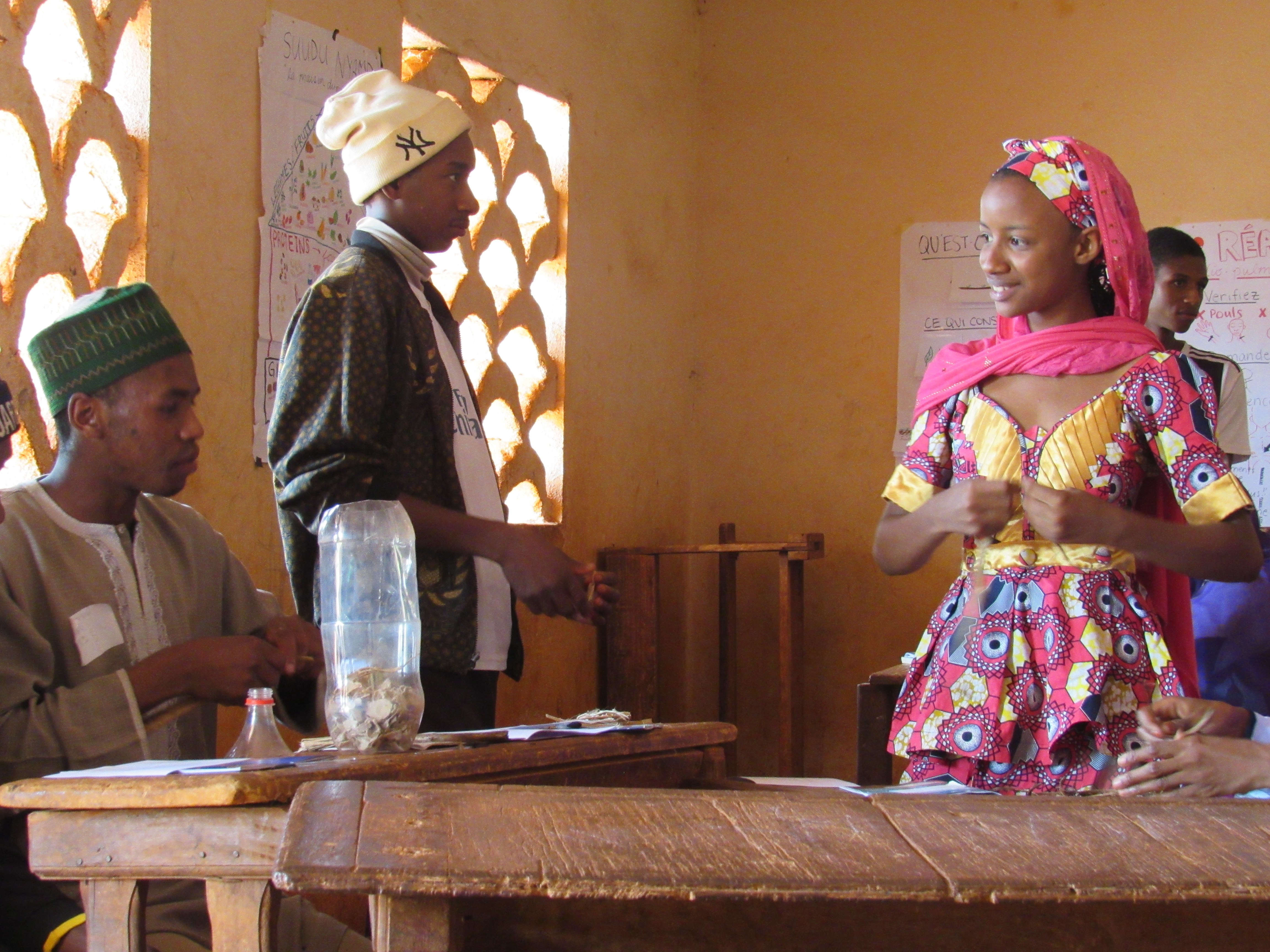
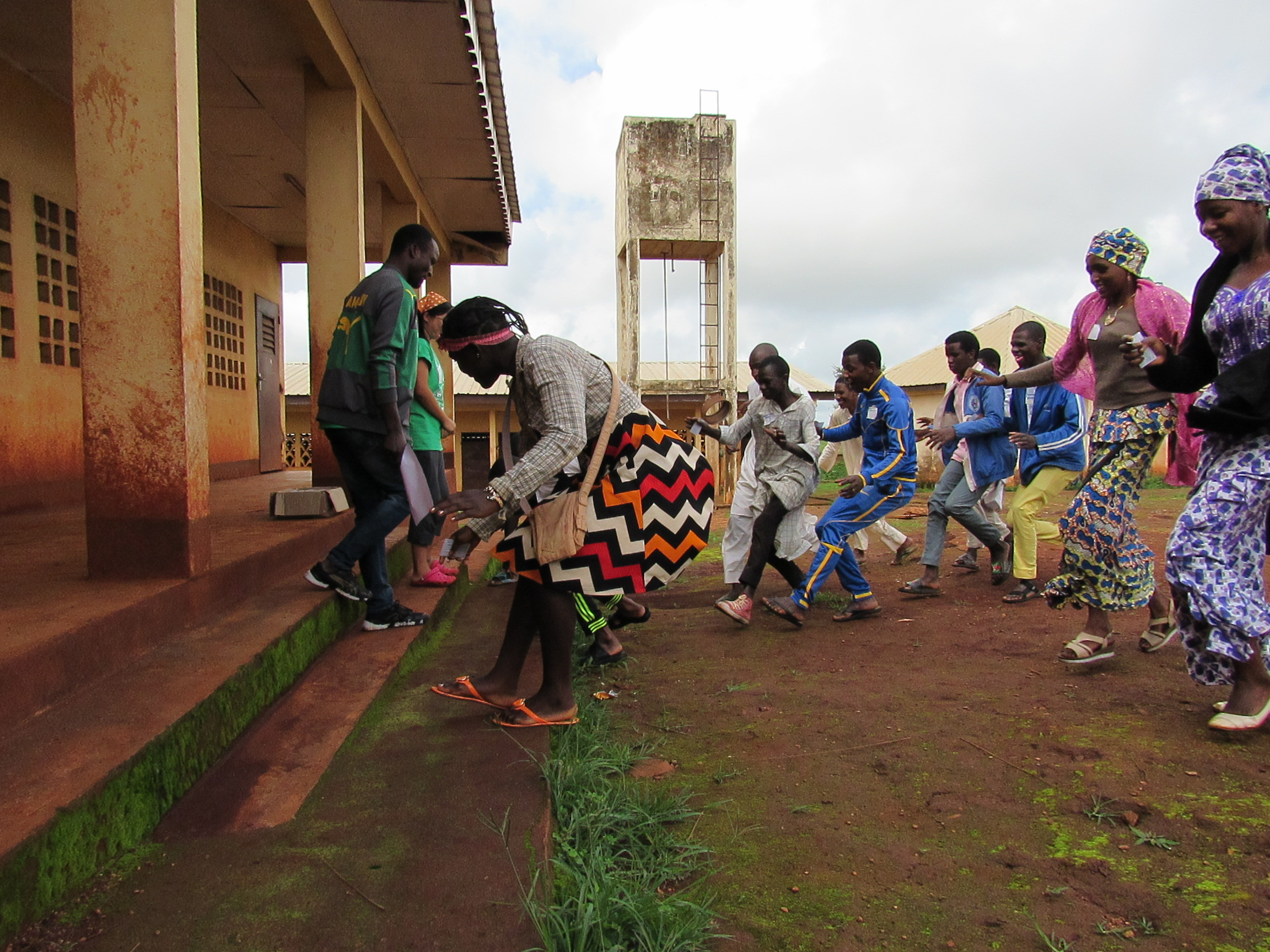
We followed that session up with an activity on food security, where each kid got an identity card, and the information on that card impacted whether they took steps forward out of line (practicing integrated agriculture, having a fixed salary, being a farmer) or steps back (being female, illiterate, burning fields, having an illness, etc). This opened up to a discussion on the advantages and disadvantages in life and how/why they impact our forward progress.

This slideshow requires JavaScript.

The last session of the morning was mine, and I discussed soil fertility and composting! I added a slideshow of pictures of me teaching, mostly for my parents, since they’ve never seen me do a session in french on dirt (and never will!) I then followed this up with a small activity where each team made a mini composter with a plastic bottle.

IMG_7754
A team working on their composter

After lunch, Alec took over with a session on natural insecticides. This session promotes the use of nonchemical and affordable options for insecticides that can be used on a small home garden and the kids loved it! Materials include hot peppers, onions, soap, and more!

IMG_7782
We used one of my tomato plants as a demo for the spraying

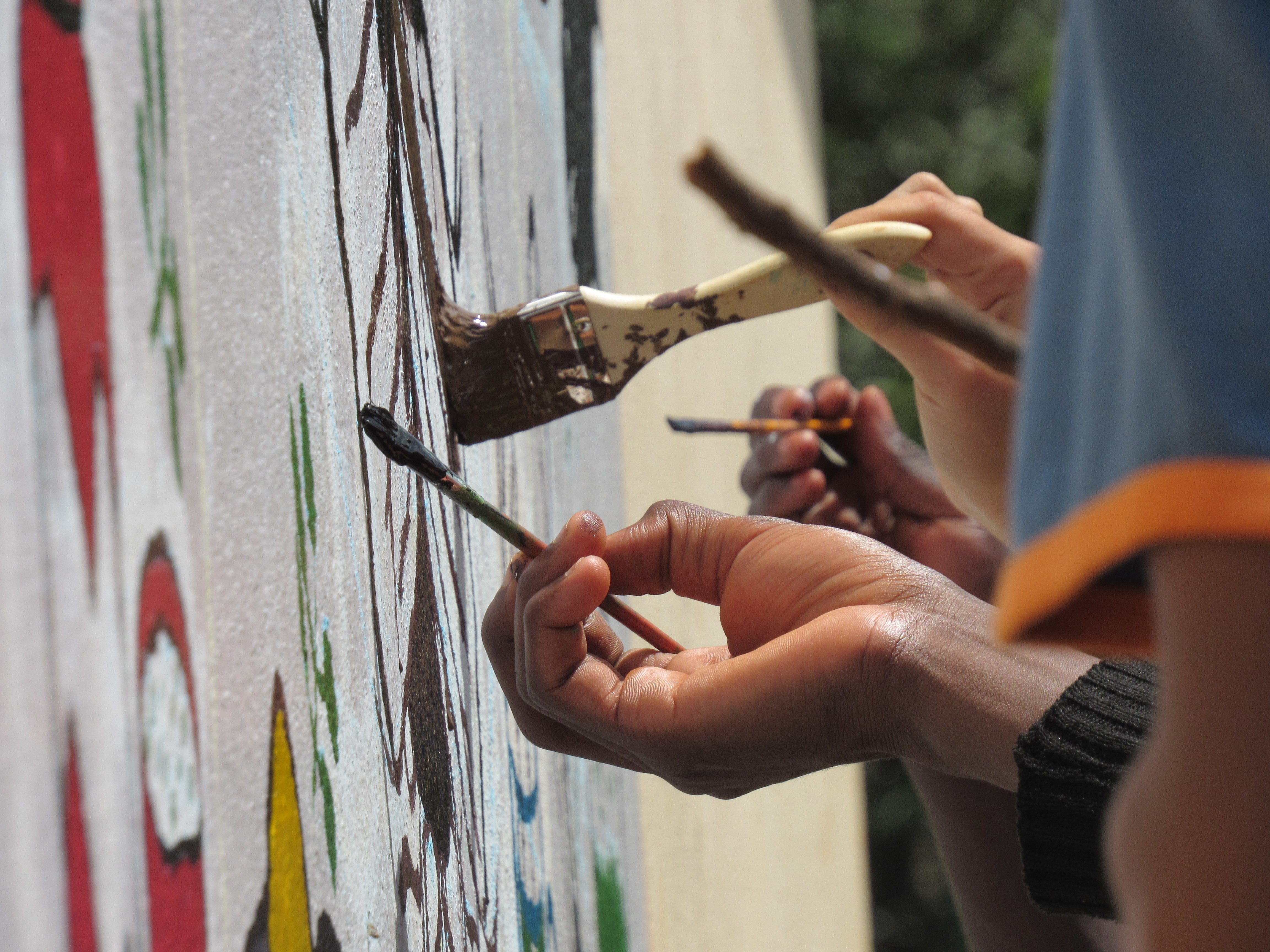
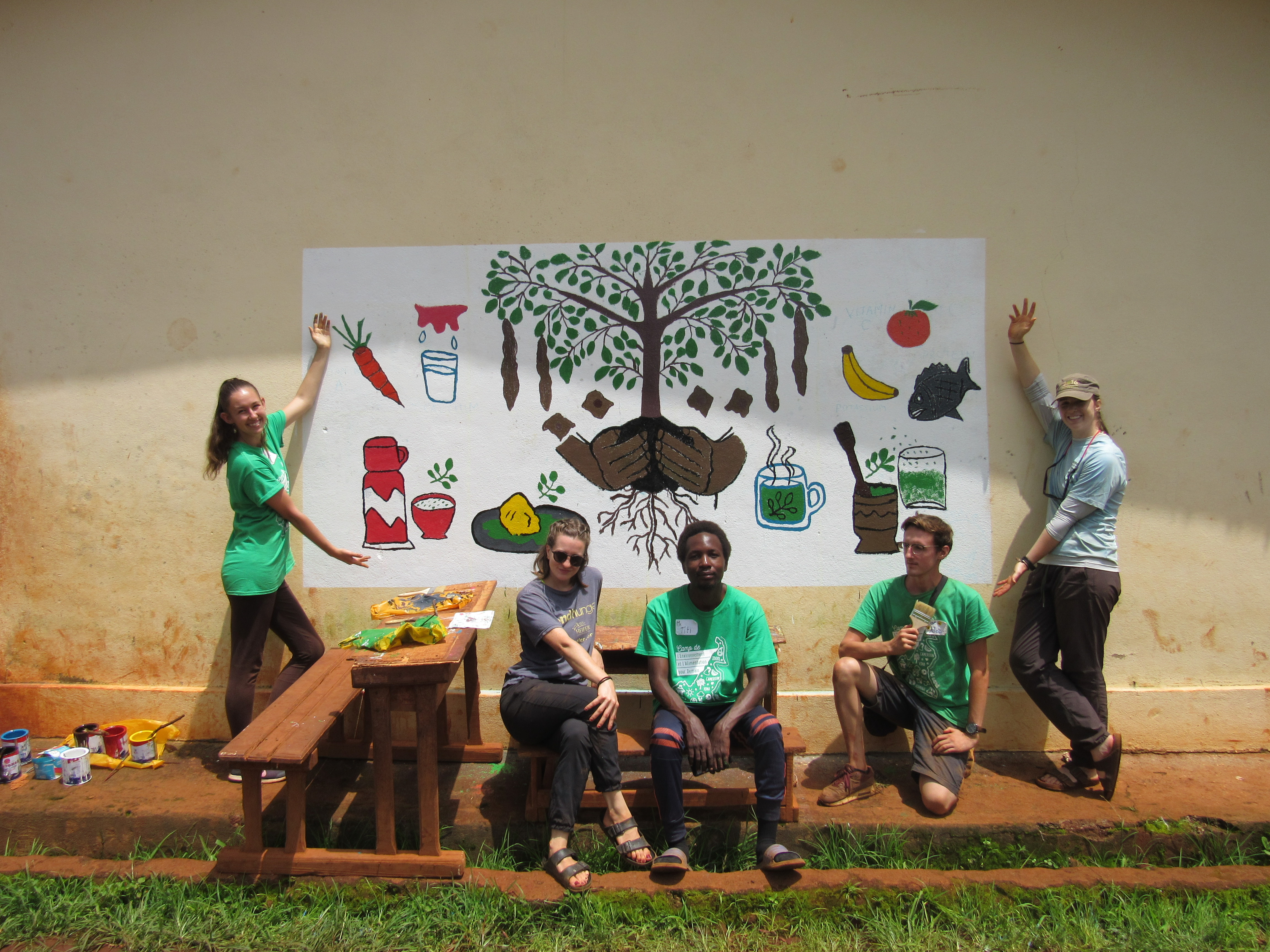
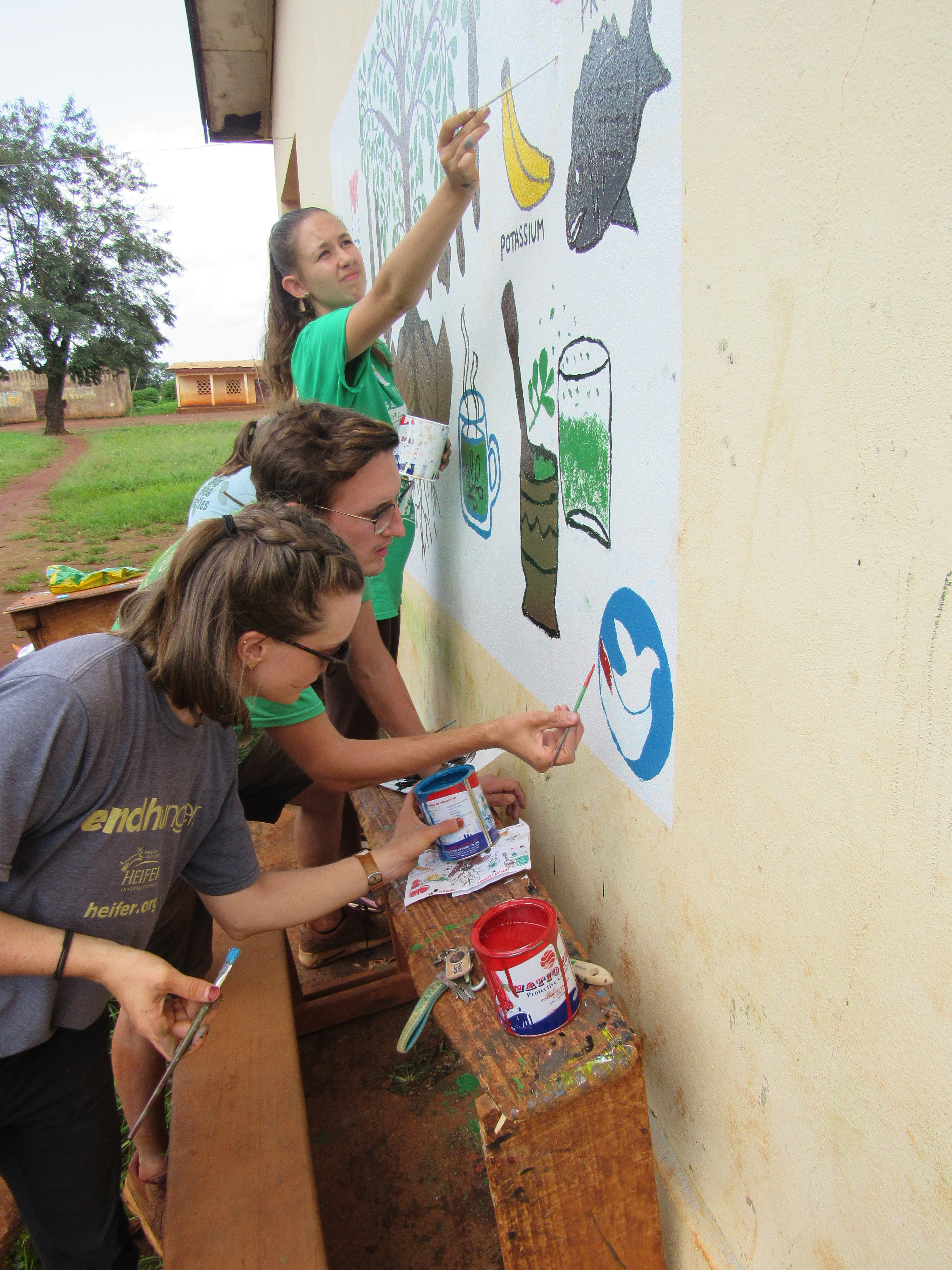
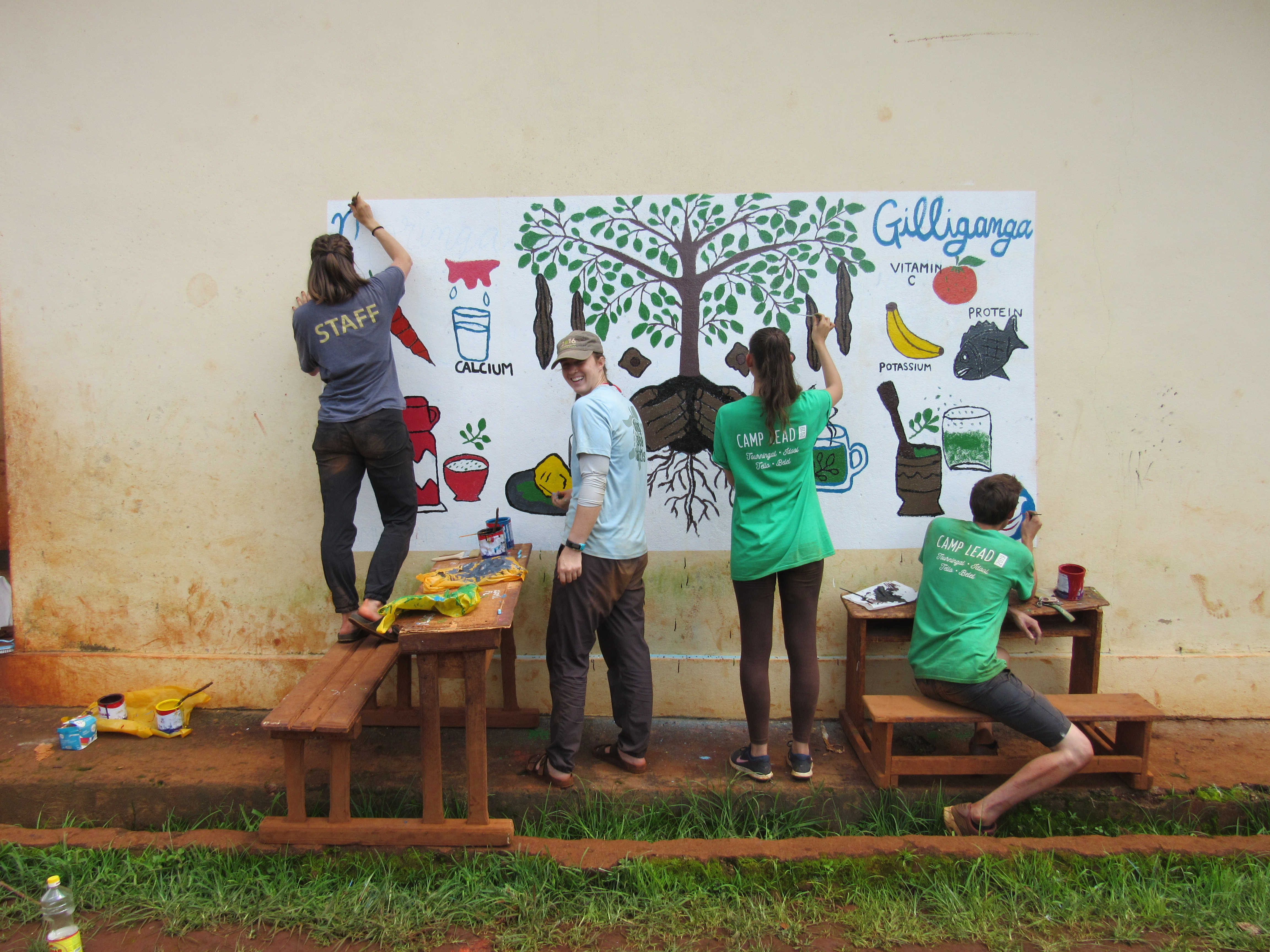
The very last day in my village we painted a mural on my Elementary School that promotes Moringa and is a visual representation of its nutritional properties!

IMG_7903
The kids in action!

IMG_7930
Volunteers in front of the kid’s amazing artistry

IMG_7939
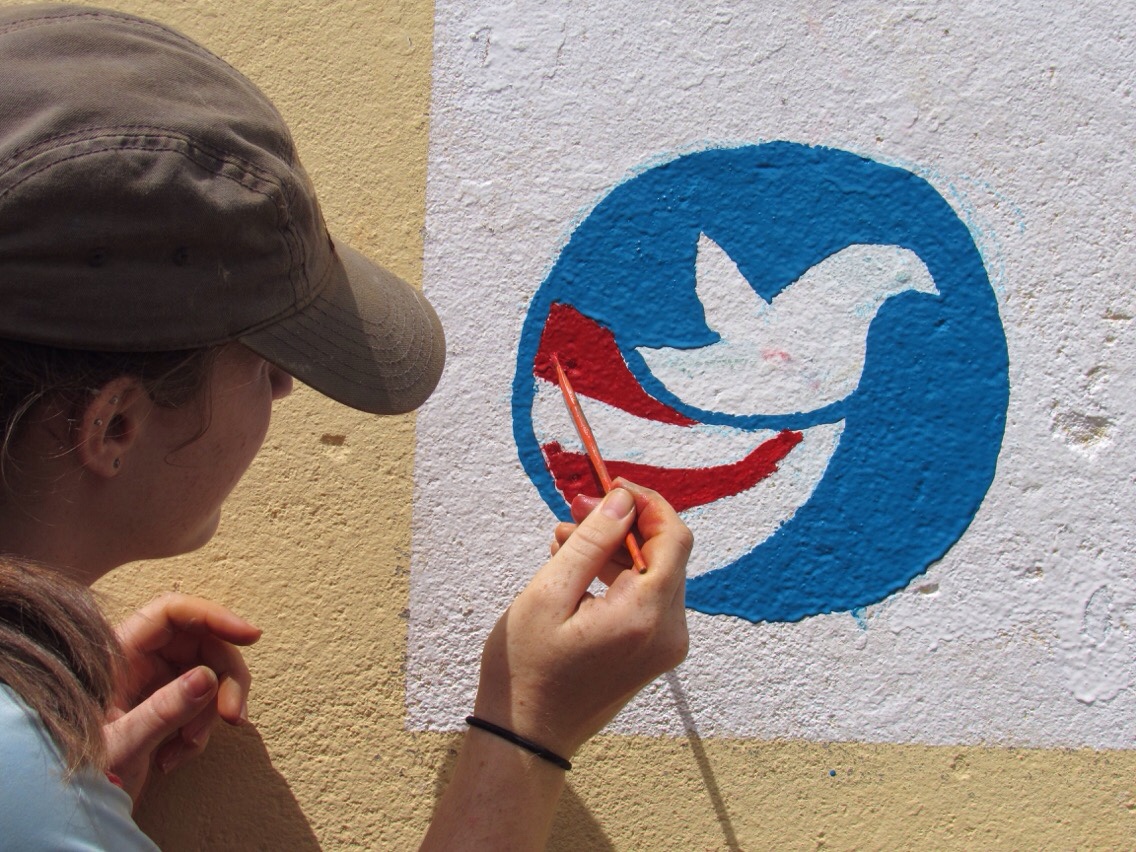
Adding the Peace Corps logo

IMG_7956

IMG_7965
Working on the lettering, with VERY dirty butts!

IMG_7974
Finished selfie

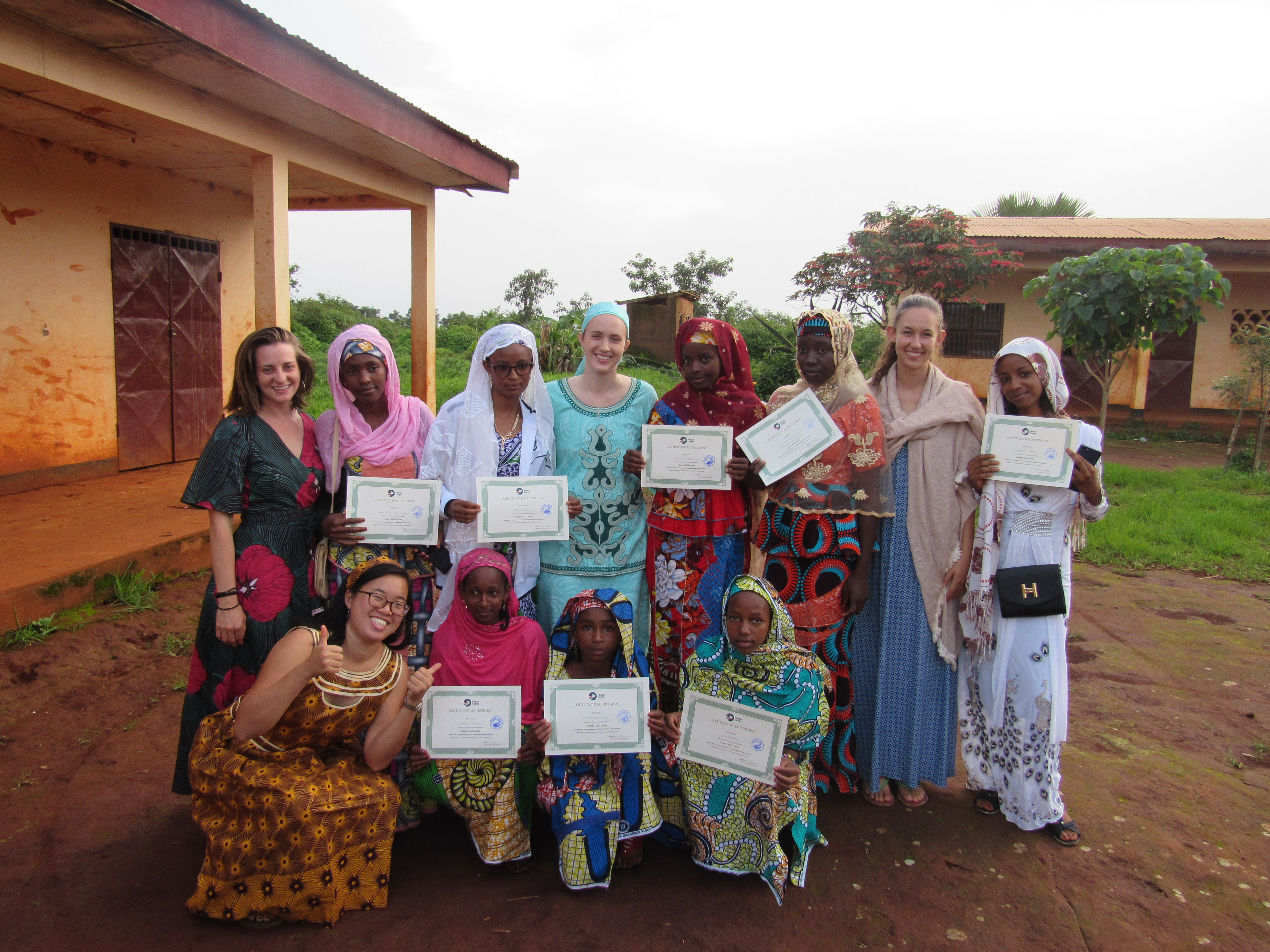
After working on the mural during the day, we had the ceremony!

IMG_7977
Kids all ready to get their certificates

IMG_8015
Casey and me with Titi!

IMG_8016
The girls of camp with the lady PCVs!

All in all Camp LEAD in my village could not have gone better! We learned a lot from our first camp and were able to take what we learned and apply it to the second camp in Casey and Fanning’s village! This was a similar size to my camp (22 kids) but the age range was younger, which was a nice new experience!

IMG_8964
Same shirt, same soil talk, different day

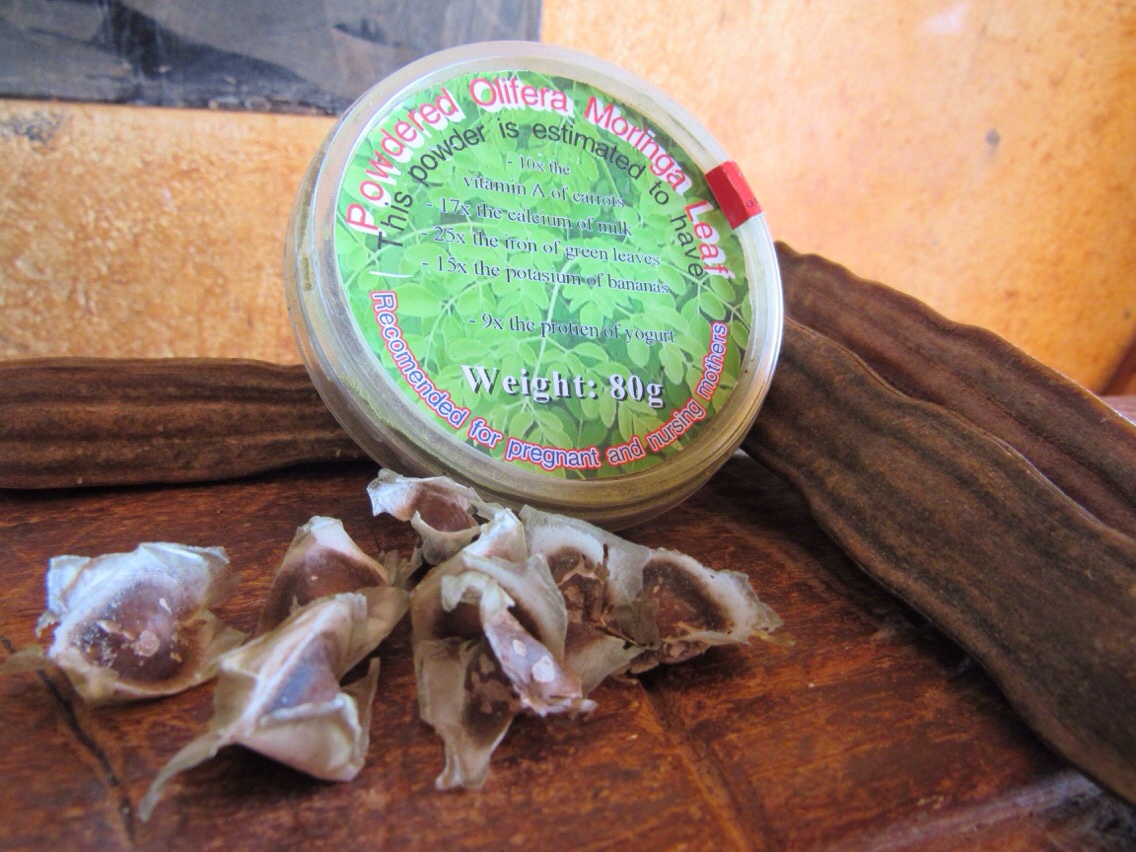
Artistic photo of $$$$ moringa powder (1500 CFA!), seeds, and seed pods.

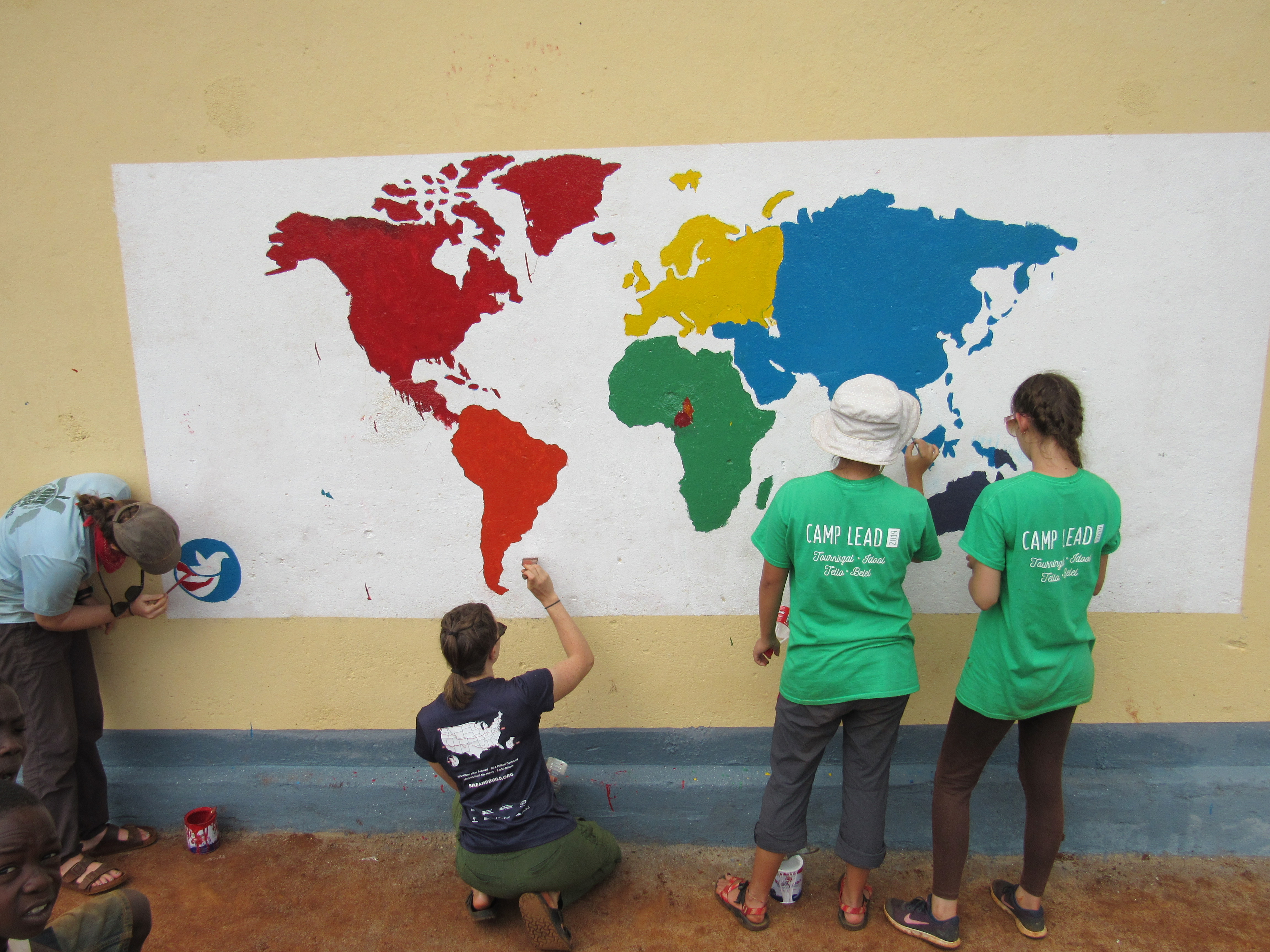
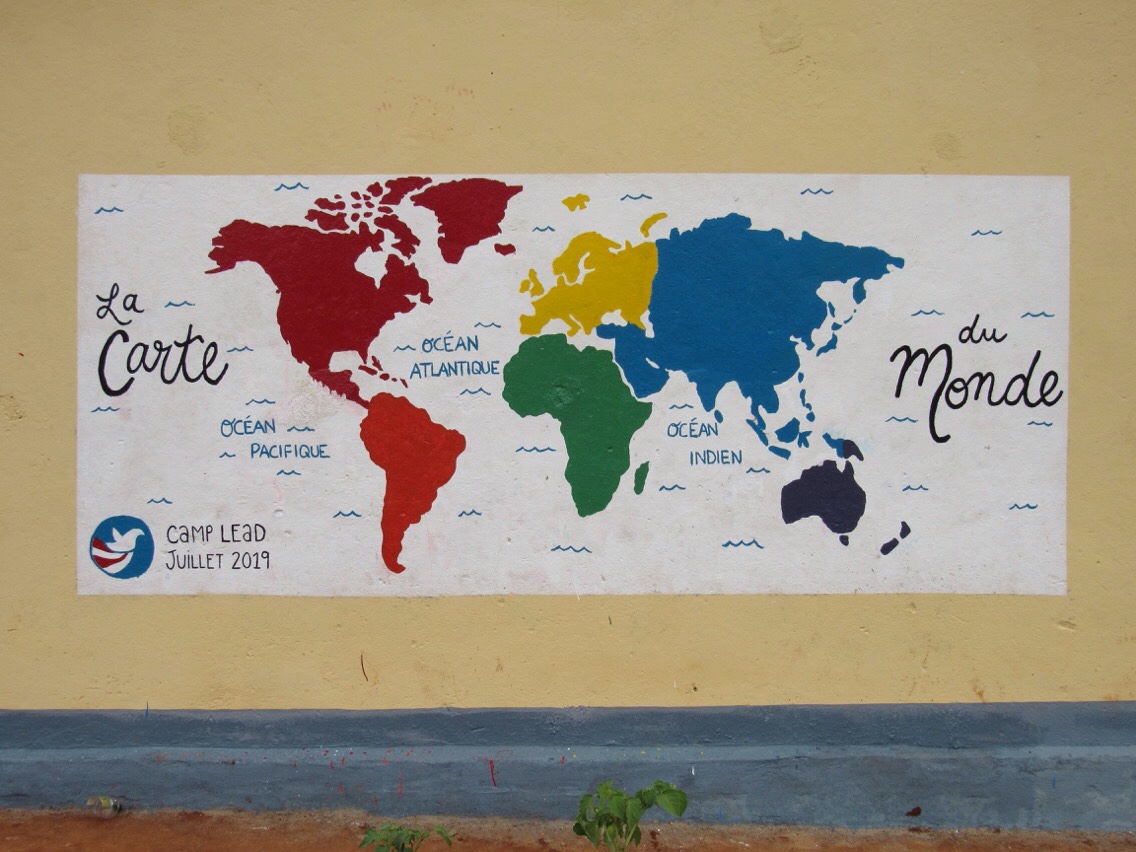
The mural in the second village was a map of the world! The kids got it done veeeeery fast (too fast, lots of drips!) but they had fun. We fixed it up and it was good to go!

IMG_9119

I did the ocean names and waves! ❤

The final camp was Krista’s!

Krista doing her awesome nutrition talk

Goofing around

IMG_0232
The food security game. We ask the kids to run to the building from their various places in line to demonstrate the disparity between their identity cards

IMG_0181
Embarrassing picture of my during an energizer

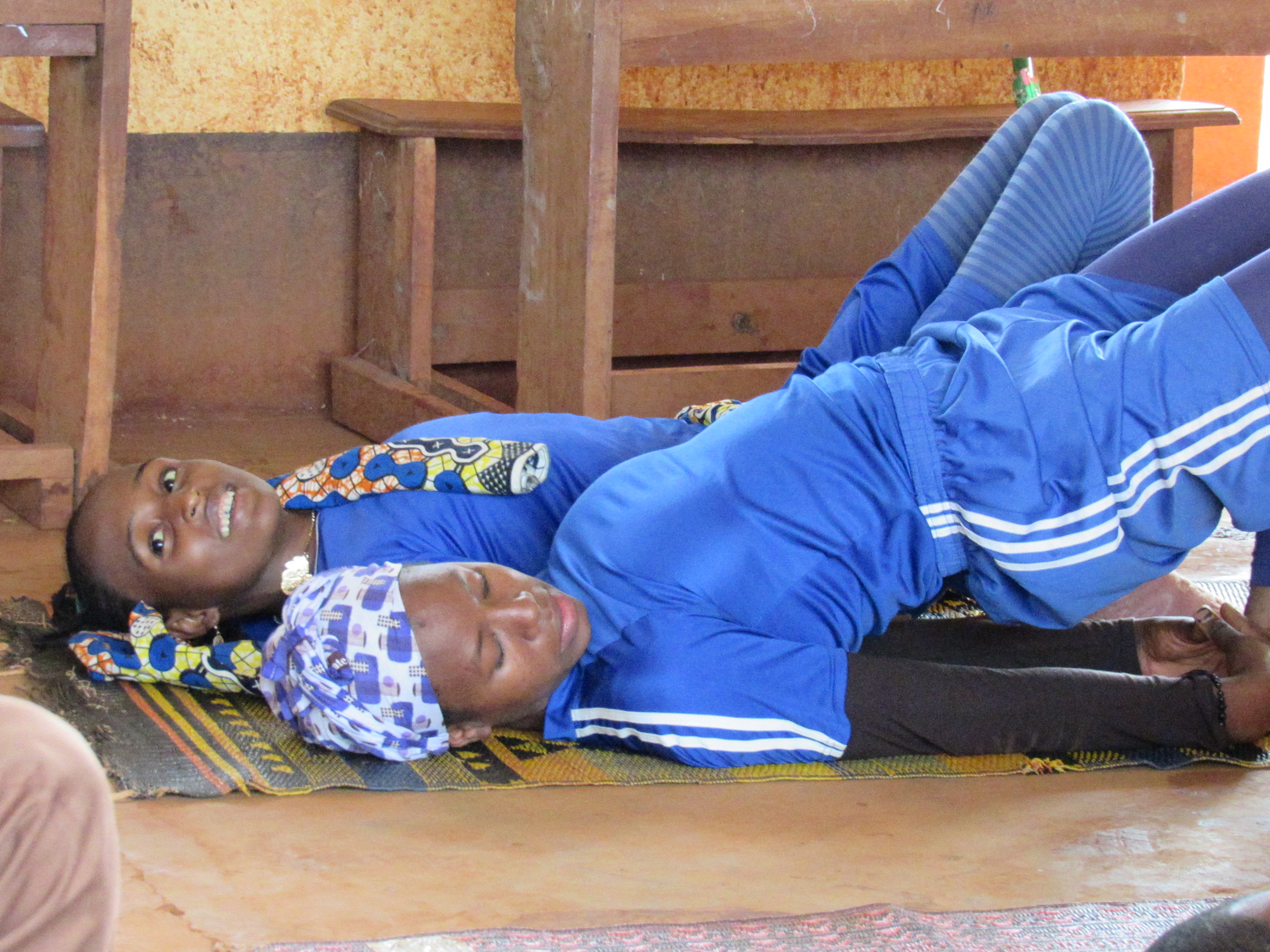
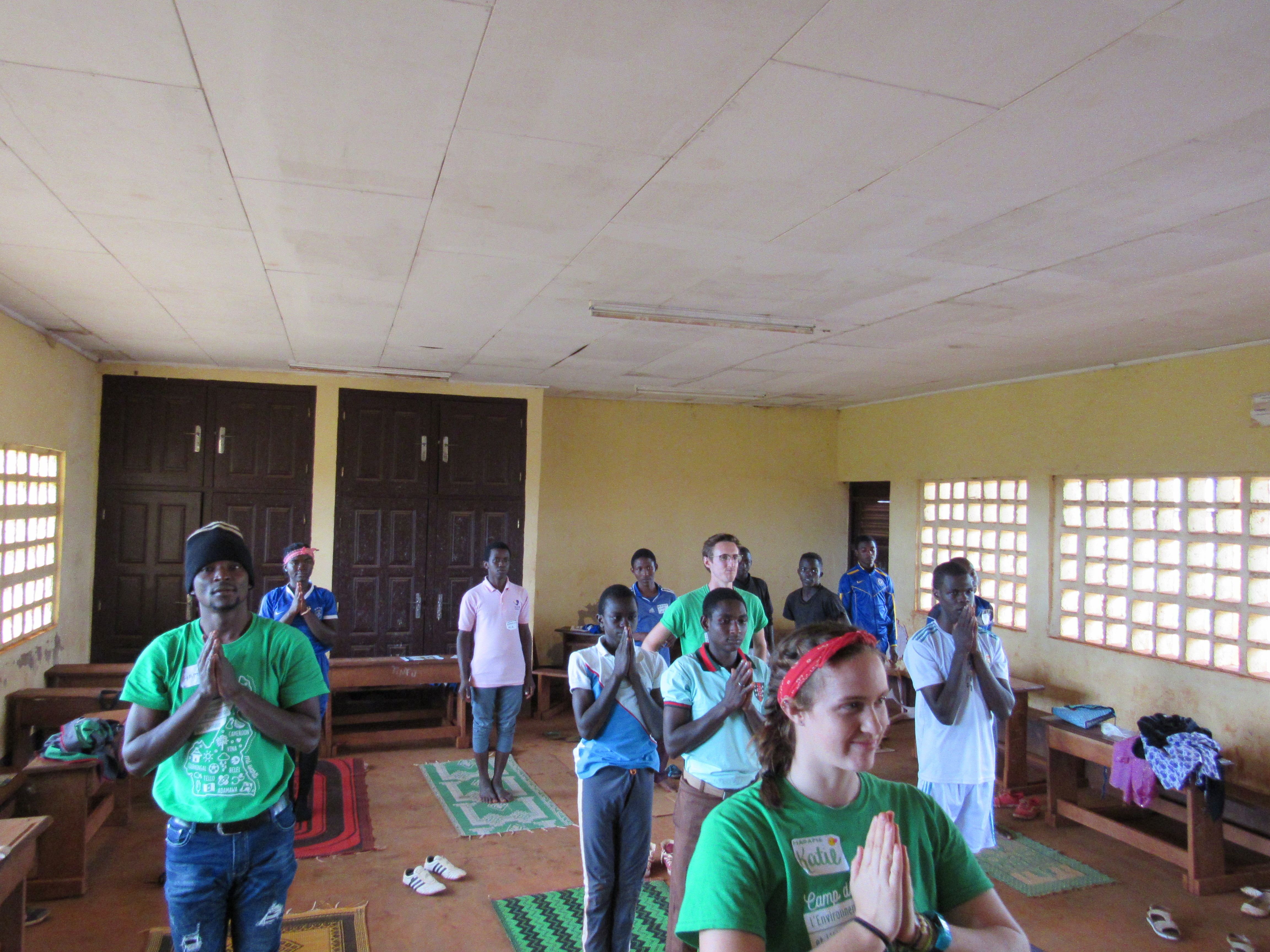
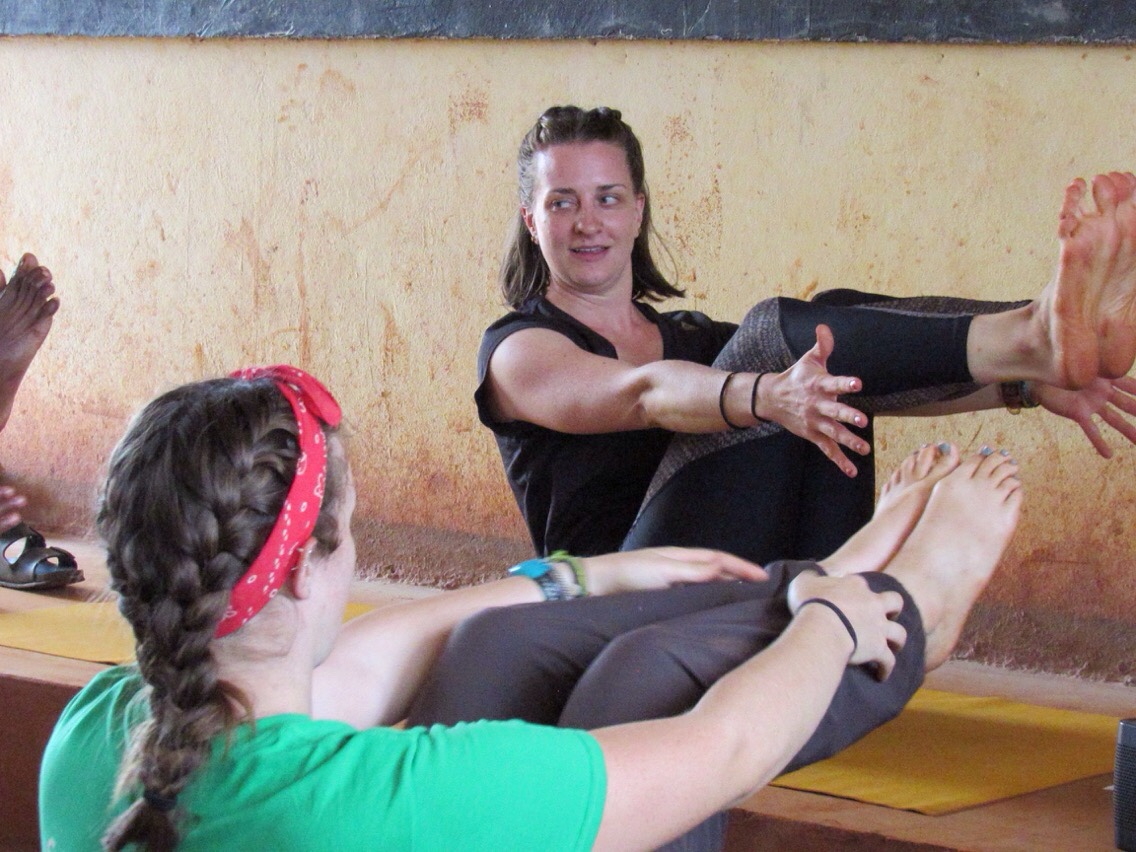
So at the end of each agriculture day, Casey taught a yoga class! The best pictures are from the last camp so I put some in here as a closer for this post. The kids had fun in each village and I know it was a favorite for us volunteers.

IMG_0291
Upward facing dog!

IMG_0396
The girls had a lot of fun with it

IMG_0288

Our amazing Yoga teacher, Casey!

I think Casey and I loved the yoga activity a lot for the same reason I love to jog in village. It gave us a chance to demonstrate that woman are strong and capable of “doing sport”. After a long weekend of airing out sexist cultural gender norms, it was nice to see the boys struggling to do poses that Casey and I (although more Casey in all fairness!) did with ease. You could see the kids having to reevaluate their ideas of what yoga was and go from viewing it as “easy” to something that takes practice, strength, and determination, but can be done by anyone with enough hard work! After painting a banner for the health center on mosquito nets and the ceremony, our last camp came to an end! I could hardly believe that 3 weeks and 3 camps had already come and gone! I think it went by so quickly and smoothly because of all the initial work and organizing we did as a group before the camps even began, as well as uncompromising teamwork and great counterparts day in and day out. I mean it when I say that the camps would not have been as successful without such an amazing group of volunteers. I truly believe that PC work really shines when we are able to collaborate, work to our strengths, and impact as many people as possible by combining forces. One volunteer could not have held a 3-day camp in 3 villages for 60 odd students. It was truly an honor to learn and grow so much along with Alec, Casey, Fanning, Krista, and all of our great counterparts! I hope that this camp, which has been done in other PCV countries with great success, can be continued with the next volunteers in our villages, and in other parts of Cameroon as well!
Well, that’s it for me! Camp has really been the majority of my last month or so, but I hope to have a few more updates on work and general life before Close of Service in November. But, for now, see yeeso and au revoir!

Trois Fêtes

Hello friends! It’s been awhile! This post is in honor of Father’s Day. I figured since I posted on Mother’s Day as a gift to my mom, it was only fair to do the same for my dad! He was bummed when I sent him pictures yesterday of my guava picking hike and sent zero photos of my face, so prepare yourself for way more pictures of myself in this post than I am comfortable with. My last post was about the beekeeping training, and since then I’ve had several meetings with the apiculture group in my village, getting them on track for the hive installations. Power has been off for pretty much the past 3 months, other than a few days here and there, and the group has been having issues making the metal supports for the hives without electricity. So, my counterpart, Hady, decided to just go ahead and install the hives in trees for the interim.

IMG-3863
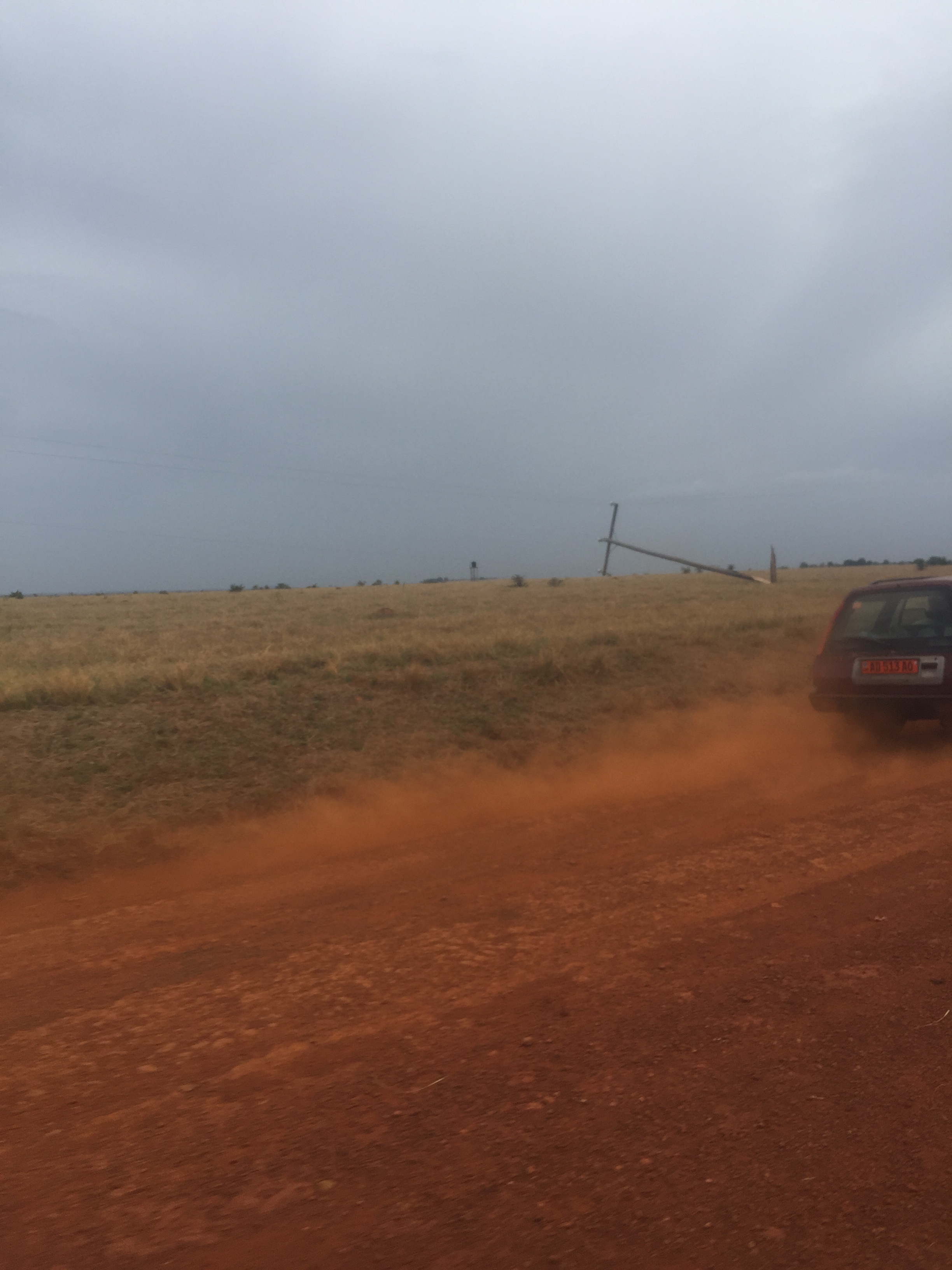
The guilty party for all the power outages. The wooden poles just can’t handle the crazy rainy windy season here, at one point 20 of these were down! It’s not an easy fix either.

IMG-3912
Garga messing around with the bee suits during a meeting

IMG-3926
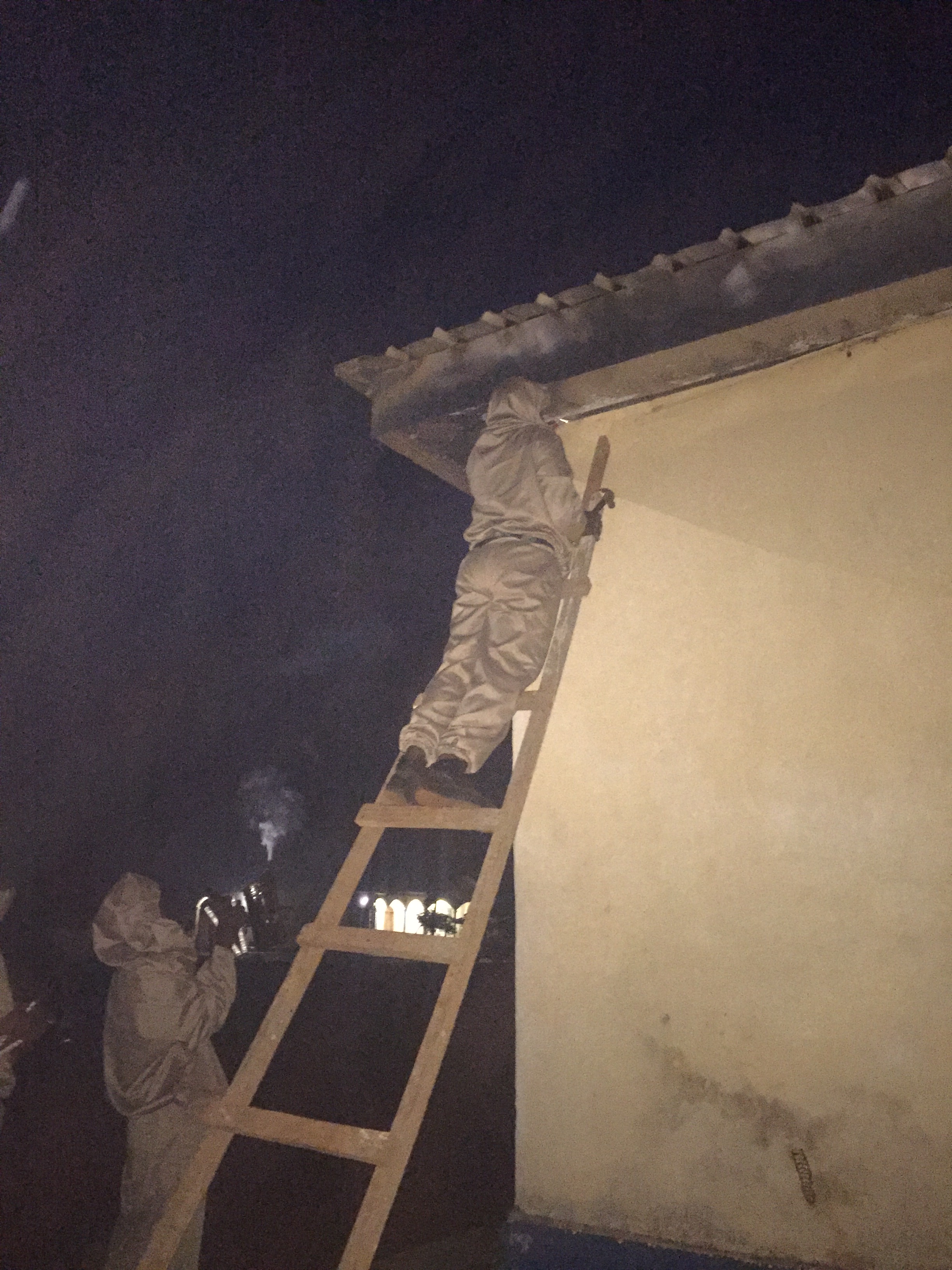
Removing bees from a roof with a VERY rickety ladder (I got stung twice on this little trip)

IMG-4144
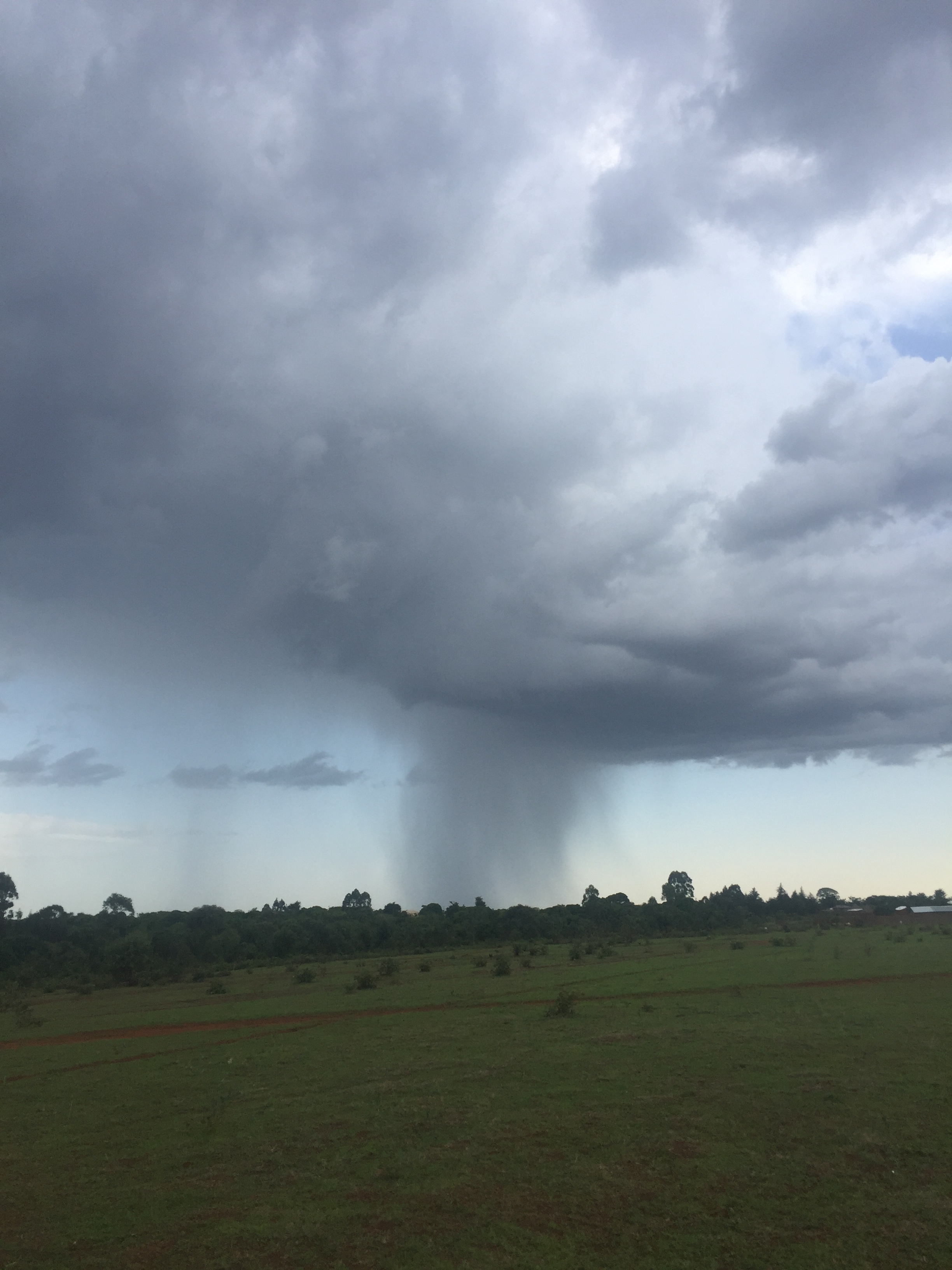
You can see the rain coming from miles off here! it reminds me of South Carolina a lot

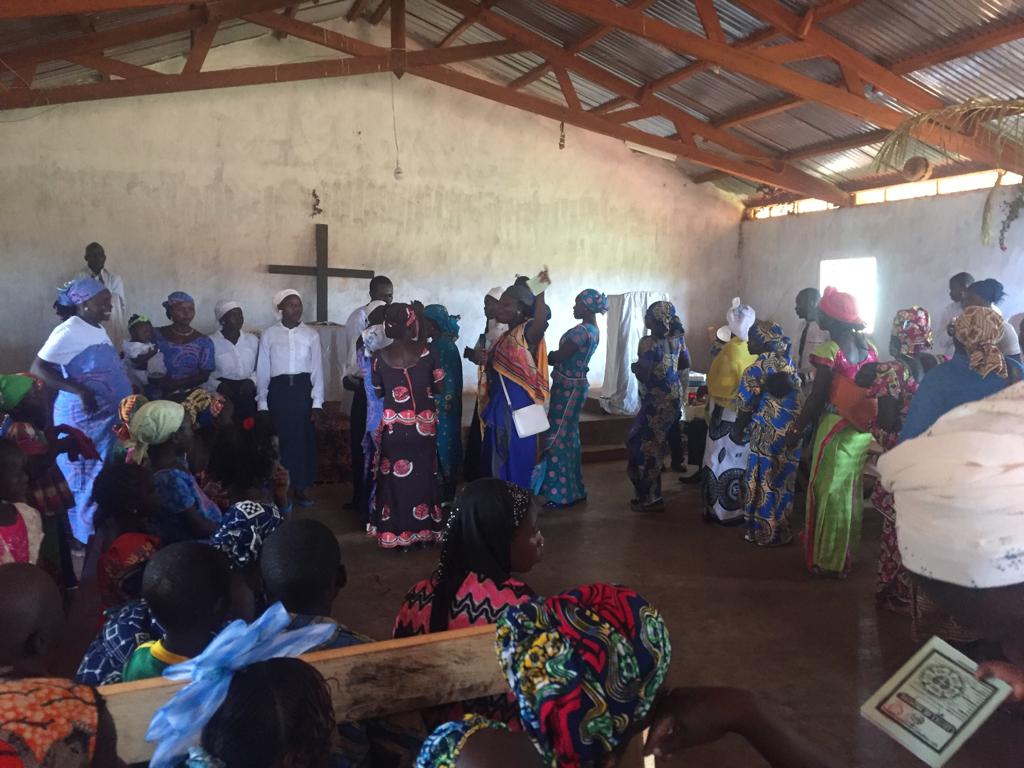
I visited Fanning in her village for Easter, and went to a morning church service. There was a lot of singing and dancing.

6d3f9d72-94cd-42b0-b709-743ea01551a9


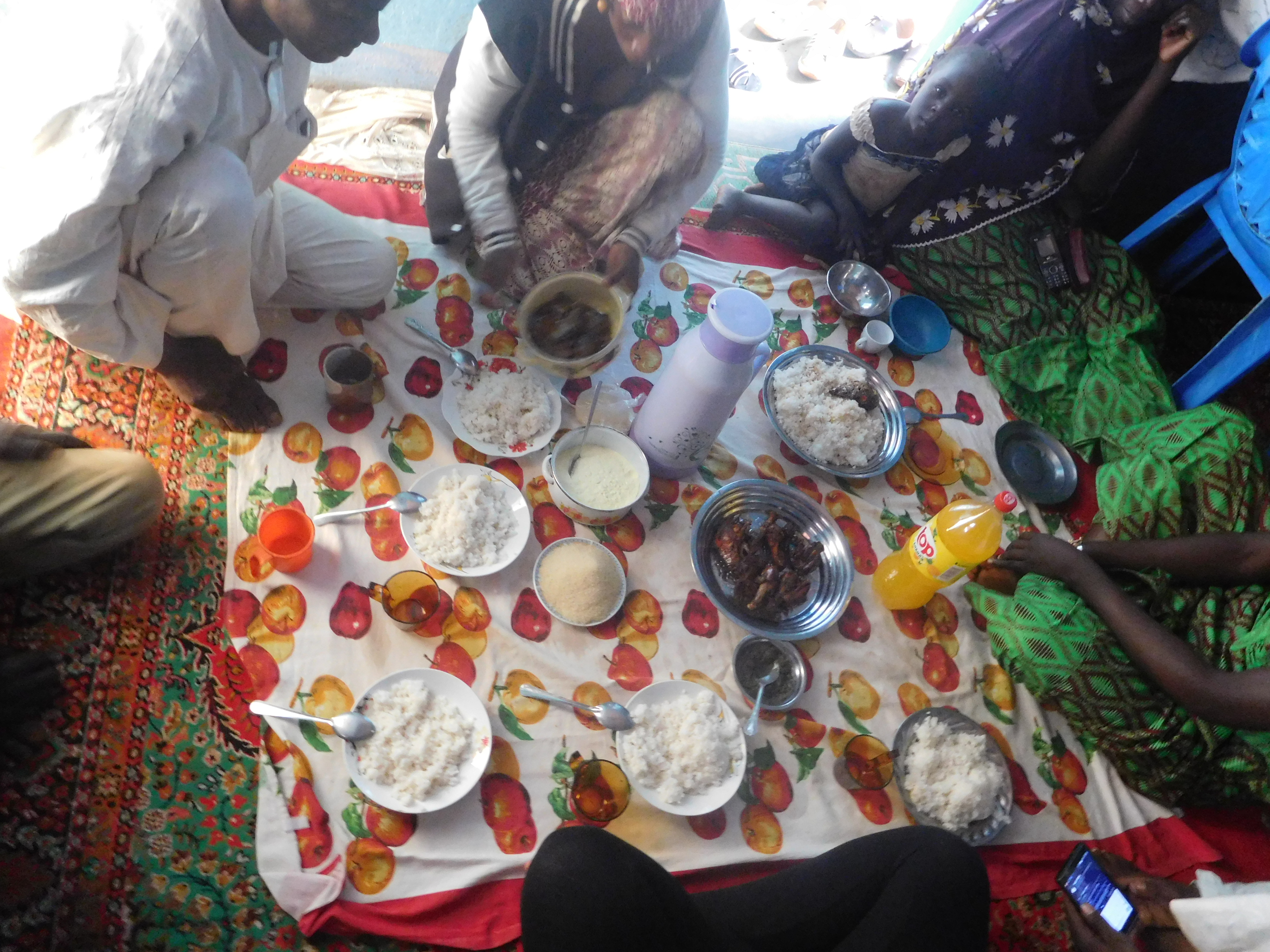
We then went to Dorien’s house (she’s our friend that makes grilled fish for us on market day!).DSCN5000DSCN5001

DSCN5008
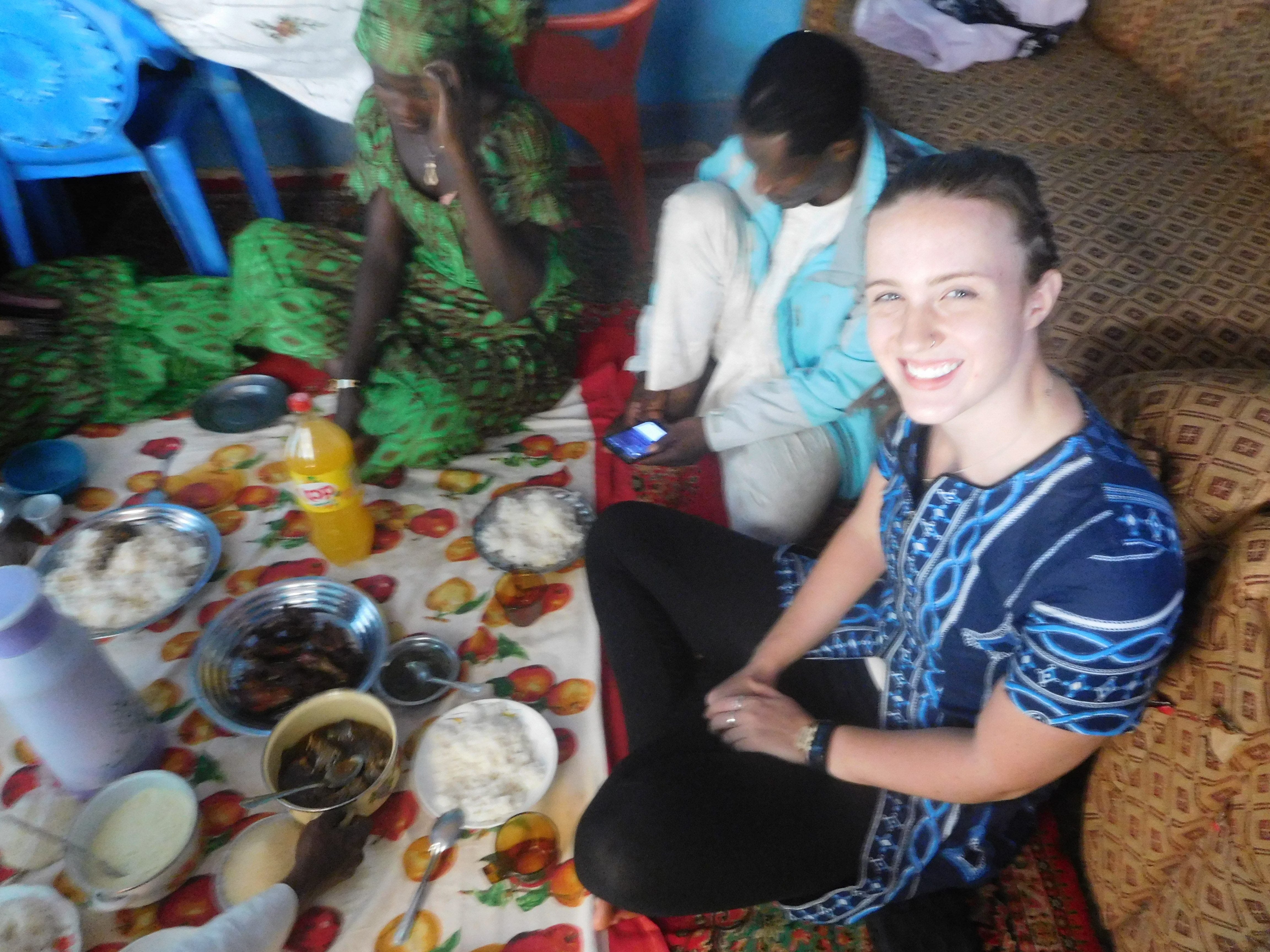
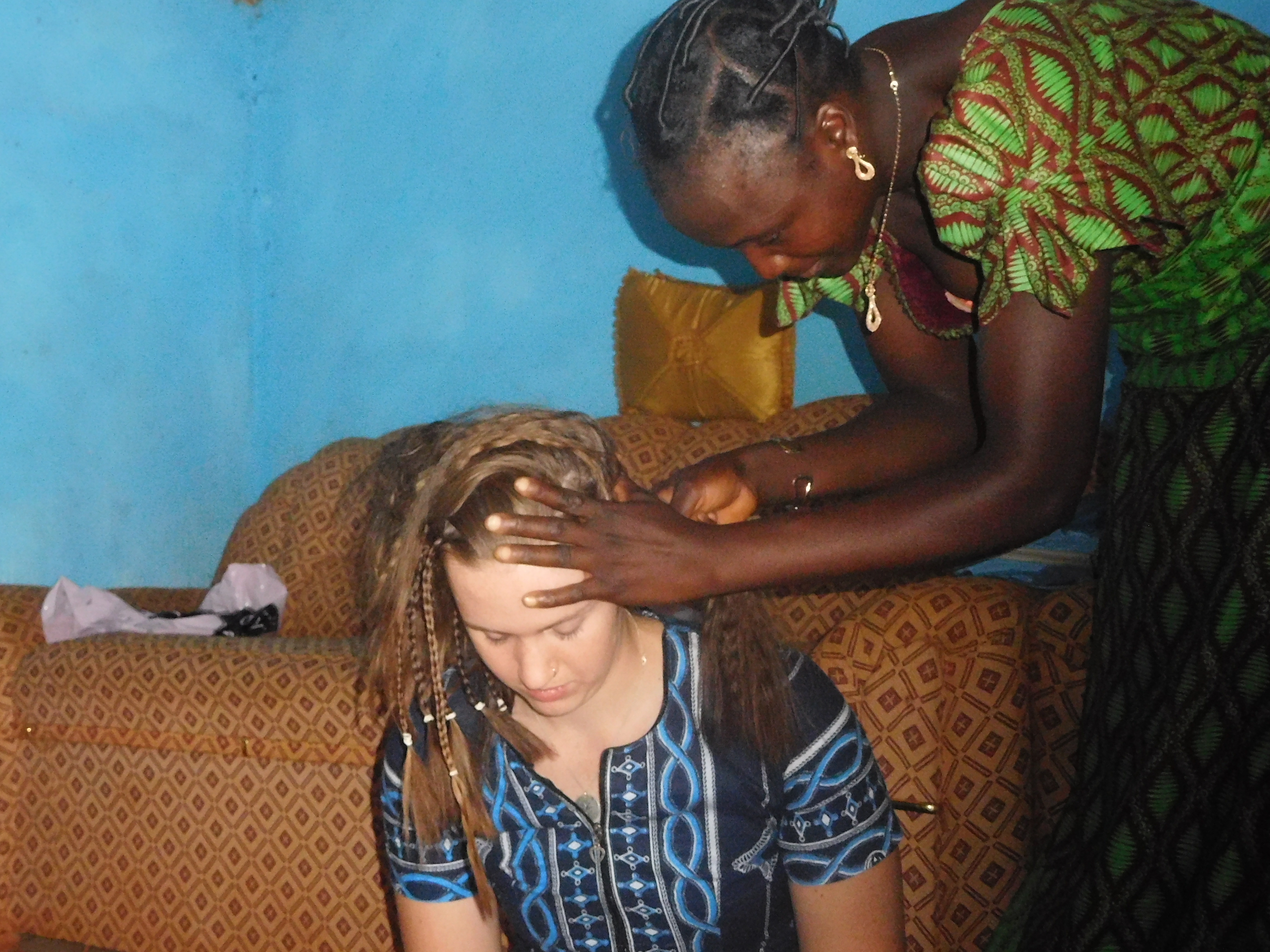
Dorien took one look at the braids in my hair and decided to fix them haha

700e07ab-e1a8-43b1-b6b9-bbd45f0416fa


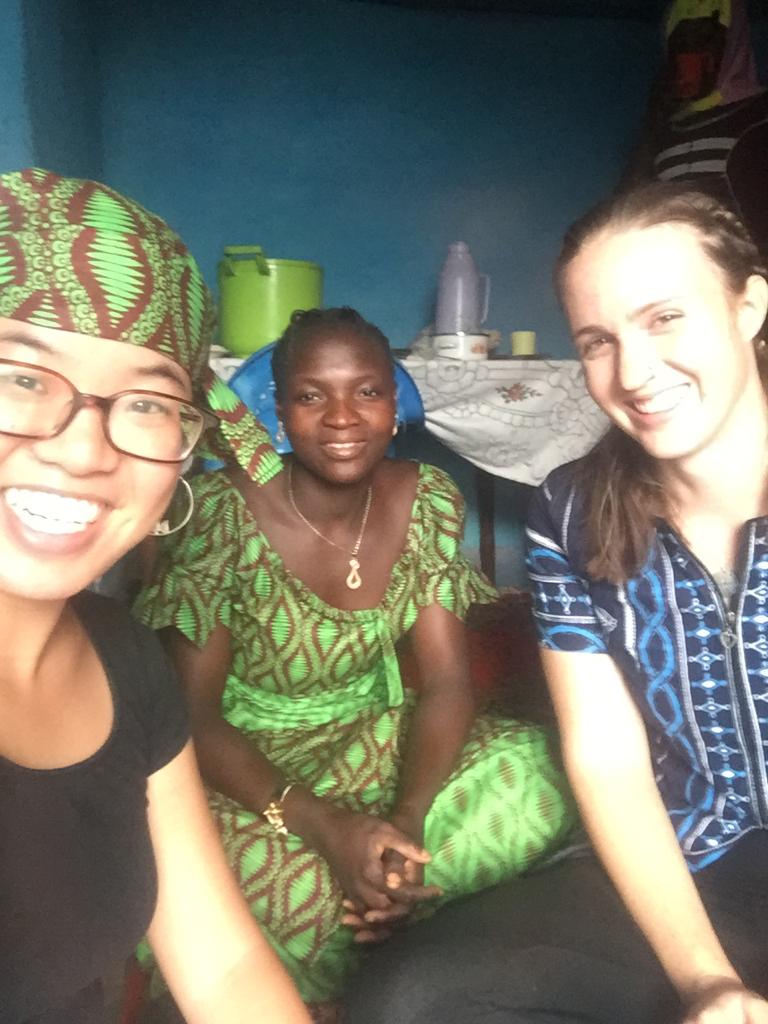
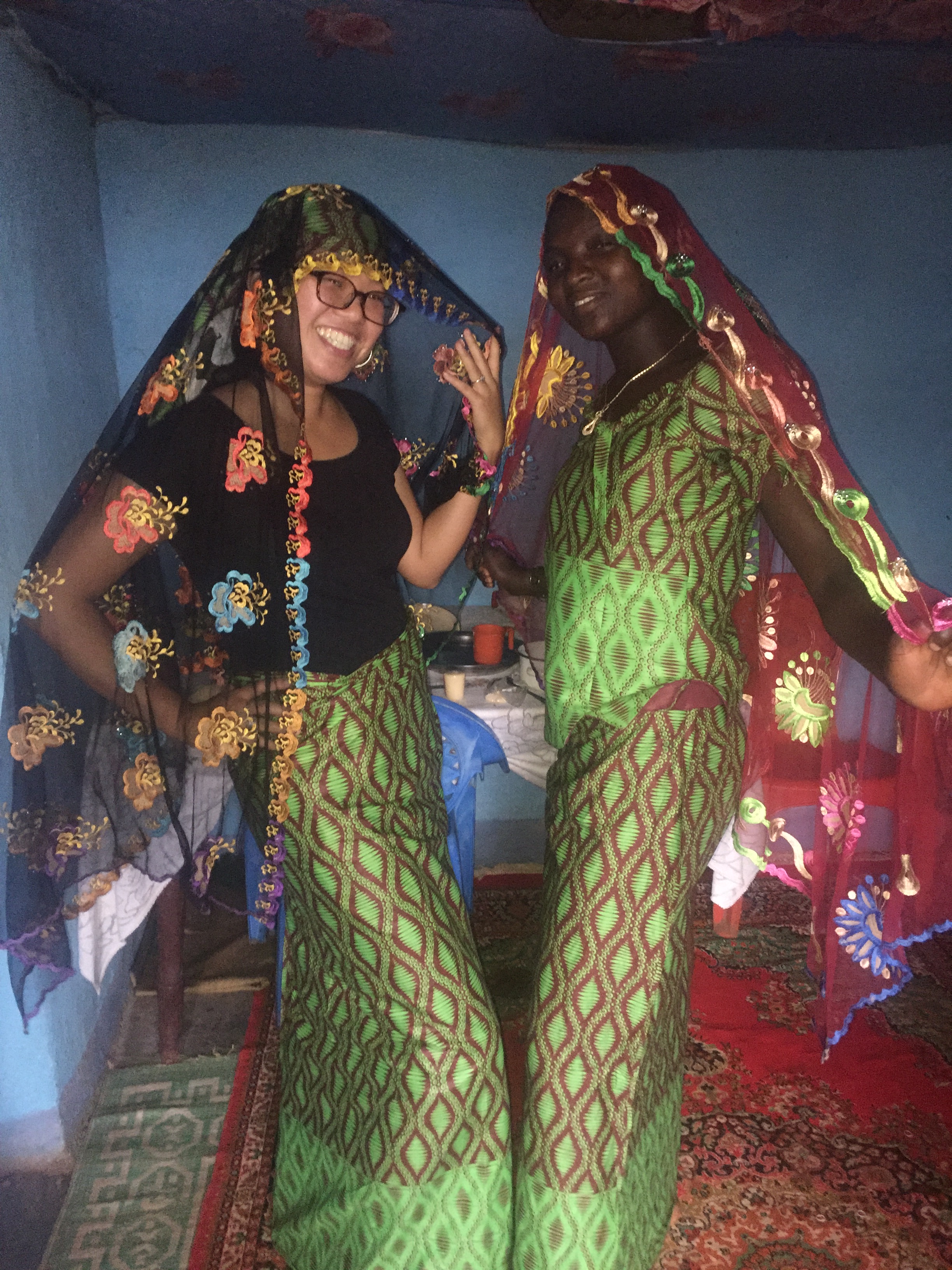
After the guys left (I think the hair styling had something to do with that) we had fun doing a bit of dress up and dancing!IMG-3976IMG-3983

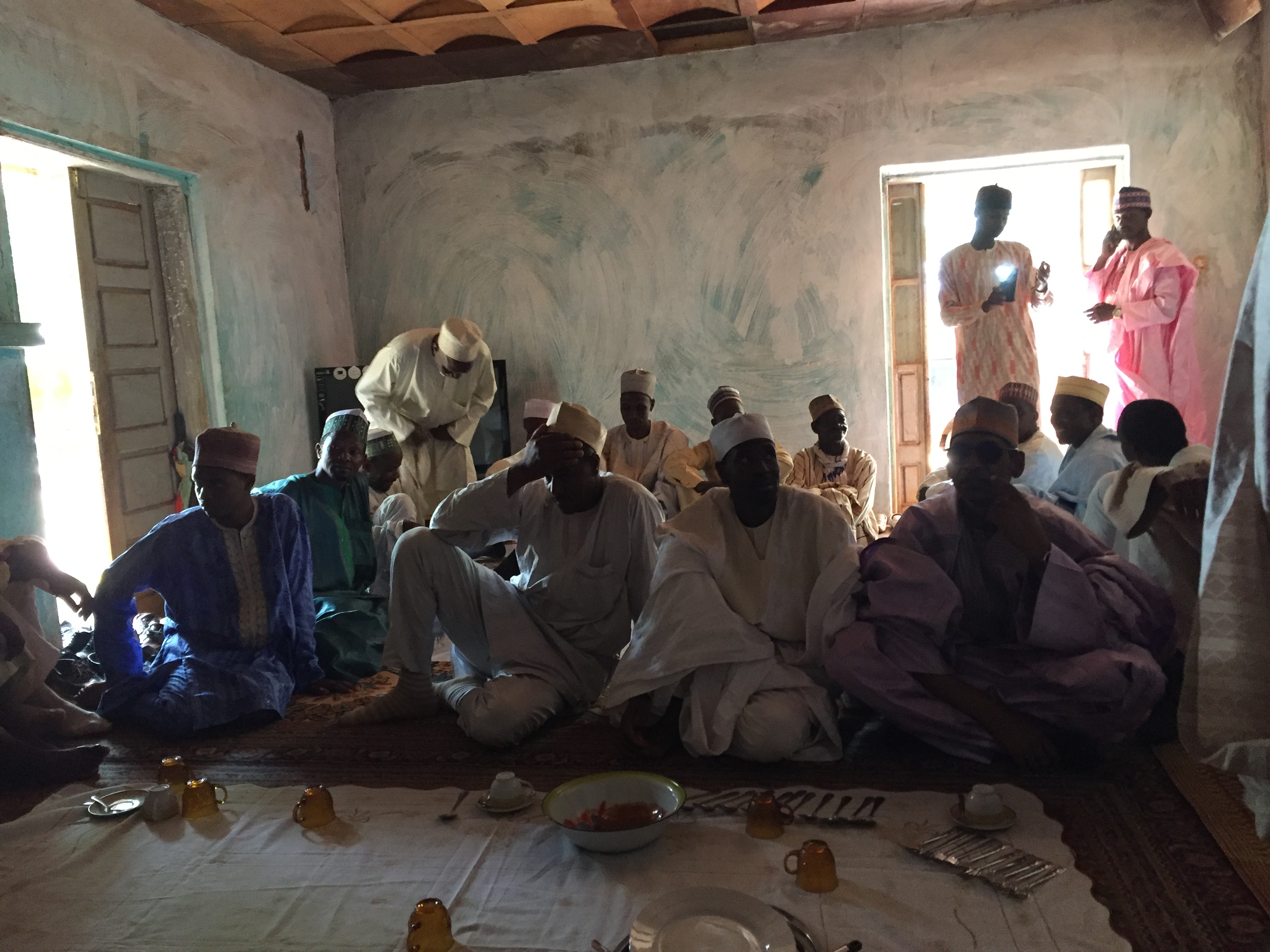
More recently, I visited Fanning and Casey again for Eid Mubarak, the party at the end of Ramadan. While I didn’t fast during the month of May, I did start using an app to count my calories that was recommended to me by a fellow volunteer that uses it to make sure she’s getting the right nutrients. While I haven’t lost much weight using it (not having the luxury of lots of vegetables and having to eat a fair amount of bread/rice/pasta) I have noticed it has changed my relationship with food and I feel leaner and healthier! I definitely make more conscious decisions about meals now, based on what I need to fuel my body, and less what I want and is easiest (mac and cheese, always). It’s also forced me to get creative with my recipes! Wish I had used it sooner in my service. So, while I hadn’t been fasting, I had definitely been depriving myself of junk food and empty calories for a month, so when Fanning made chocolate cake balls for the celebration, I may have eaten my weight in them.

DSCN5046
Fanning looking fly in her complet (I am wearing leggings under this dress, per usual)

DSCN5052
Kiddos messing around outside the mosque before morning prayer

DSCN5063
The mosque was overflowing

DSCN5071

DSCN5090
After prayer I finally got to hold Casey peetal (little Casey, the latest addition to the family in Casey’s concession and named after her!)

IMG-4380


Later that night, Fanning made the amazing cake balls and then we feasted on this meat sauce with noodles that she slow cooked for hours. It was AMAZING.

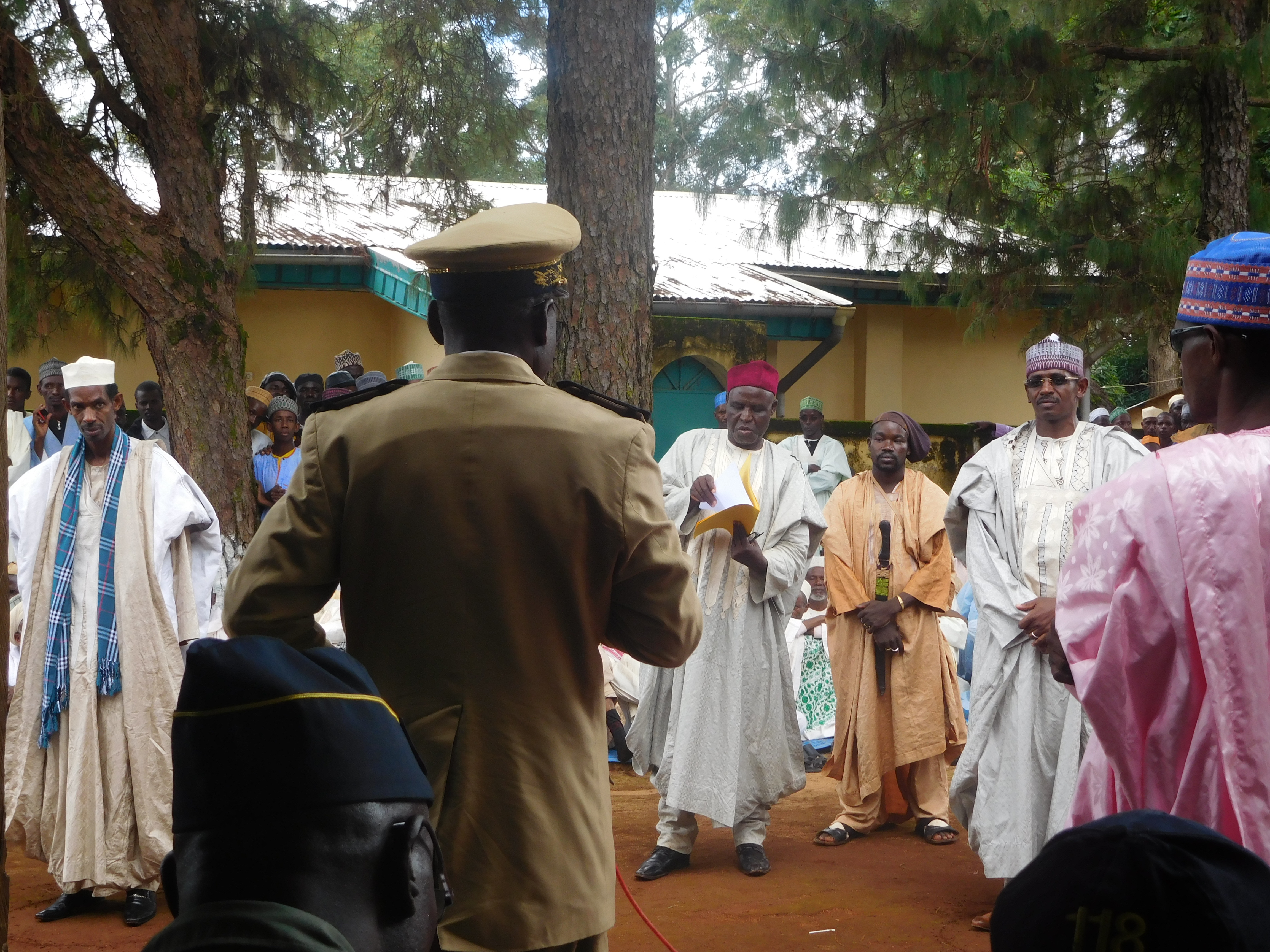
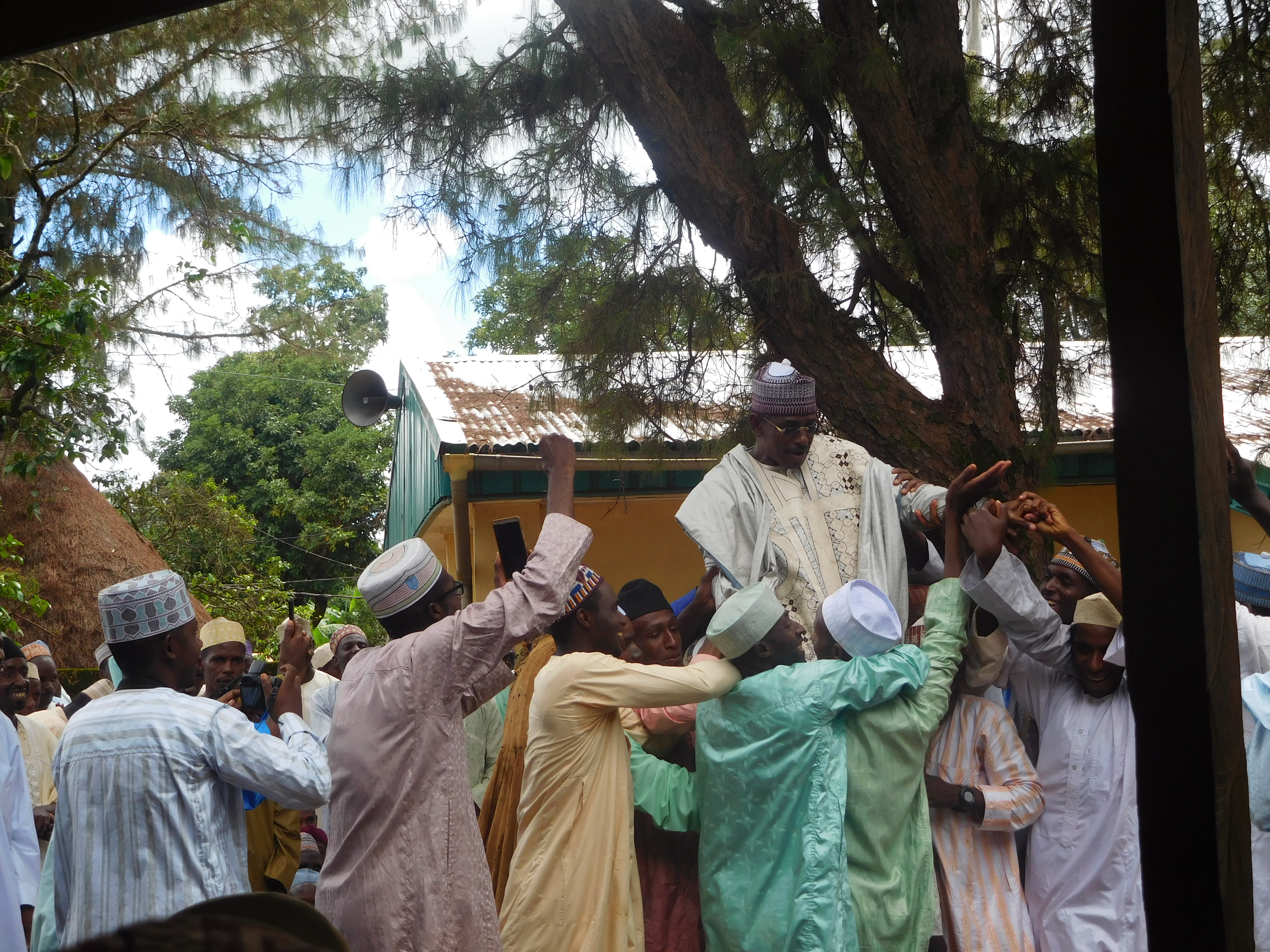
Just days later, there was another party, this time in my village! It was in honor of the return of power to my chef de village, after his younger brother had temporary power during the regular chef’s absence.

DSCN5094
Waiting for everyone to gather outside the mosque and chefferie

IMG-4438
The Sous-Prefet and all the big men arrive

DSCN5100
The interim chef (left with blue scarf) and chef (right with sunglasses) listen to the sous-prefet speak

DSCN5105
People were very excited and carried the chef around after the ceremony

IMG-4467
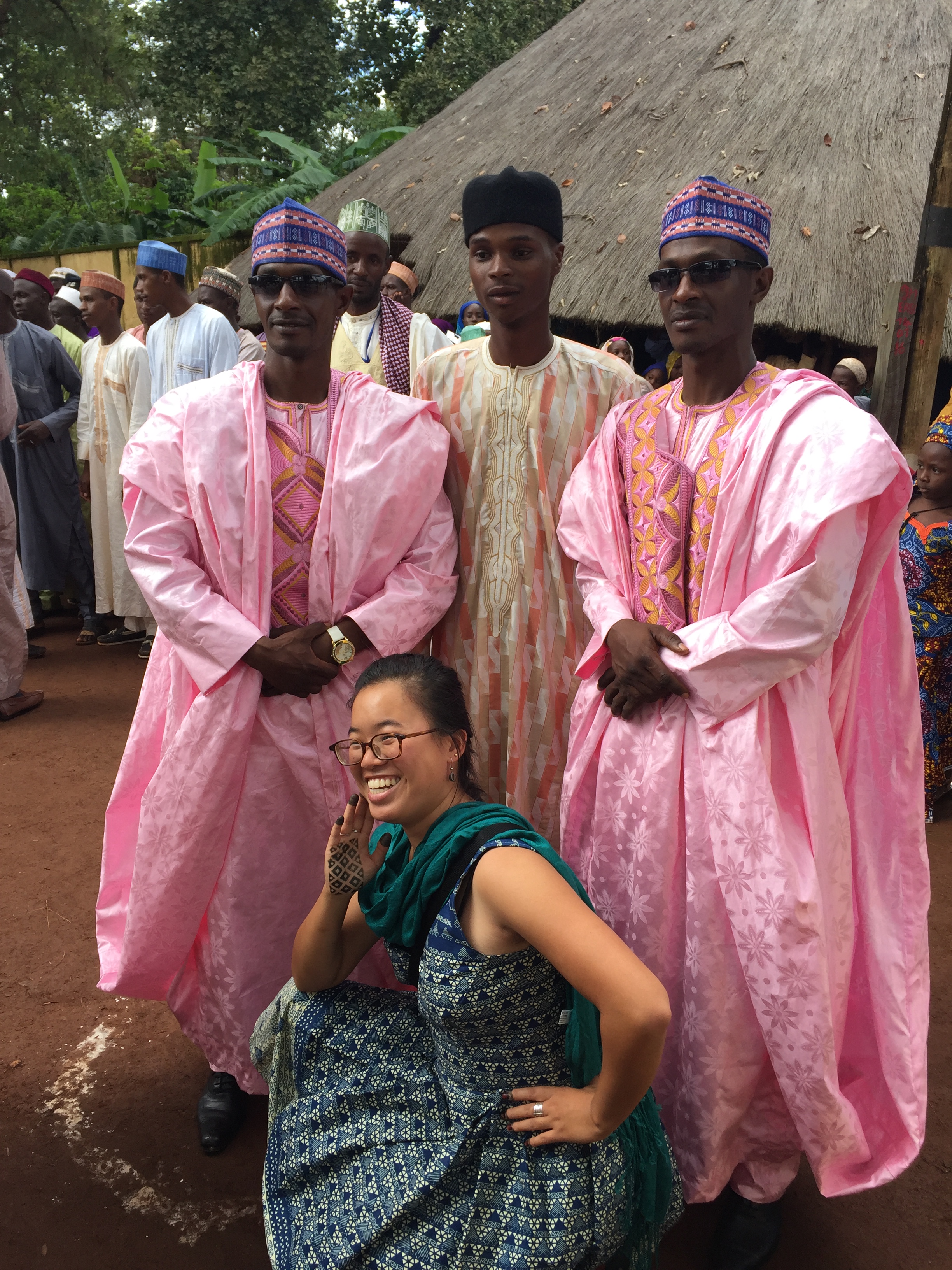
The twins looking fly in bright pink with Toukour (our moto man) and Fanning

DSCN5106
Casey and I striking a pose in the chefferie gardens

IMG-4475
Post fete meal! So much food, and GREAT chicken

After that party I was all partied out, and it was a relief to get some work done.

IMG-4344
Casey and I planted moringa, to be distributed later to a women’s group I wish to form after wrapping up the bee grant

I also got to finally visit the orphanage where my fellow volunteer Ella worked in Ngaoundéré, right before she left for the states to go to veterinary school! I brought my projector so the kids could watch Hidden Figures, and this little one spent most of the movie crawling all over me.

IMG-4524

The last big event was my project manager visit to my site! She met with my counterpart and the twins insisted that we all drive out to see the hives, where she took our photo. It was great to see how proud they were of their achievements!2a52b873-03a8-46ff-bdf9-d9287f2789ecDSCN5123

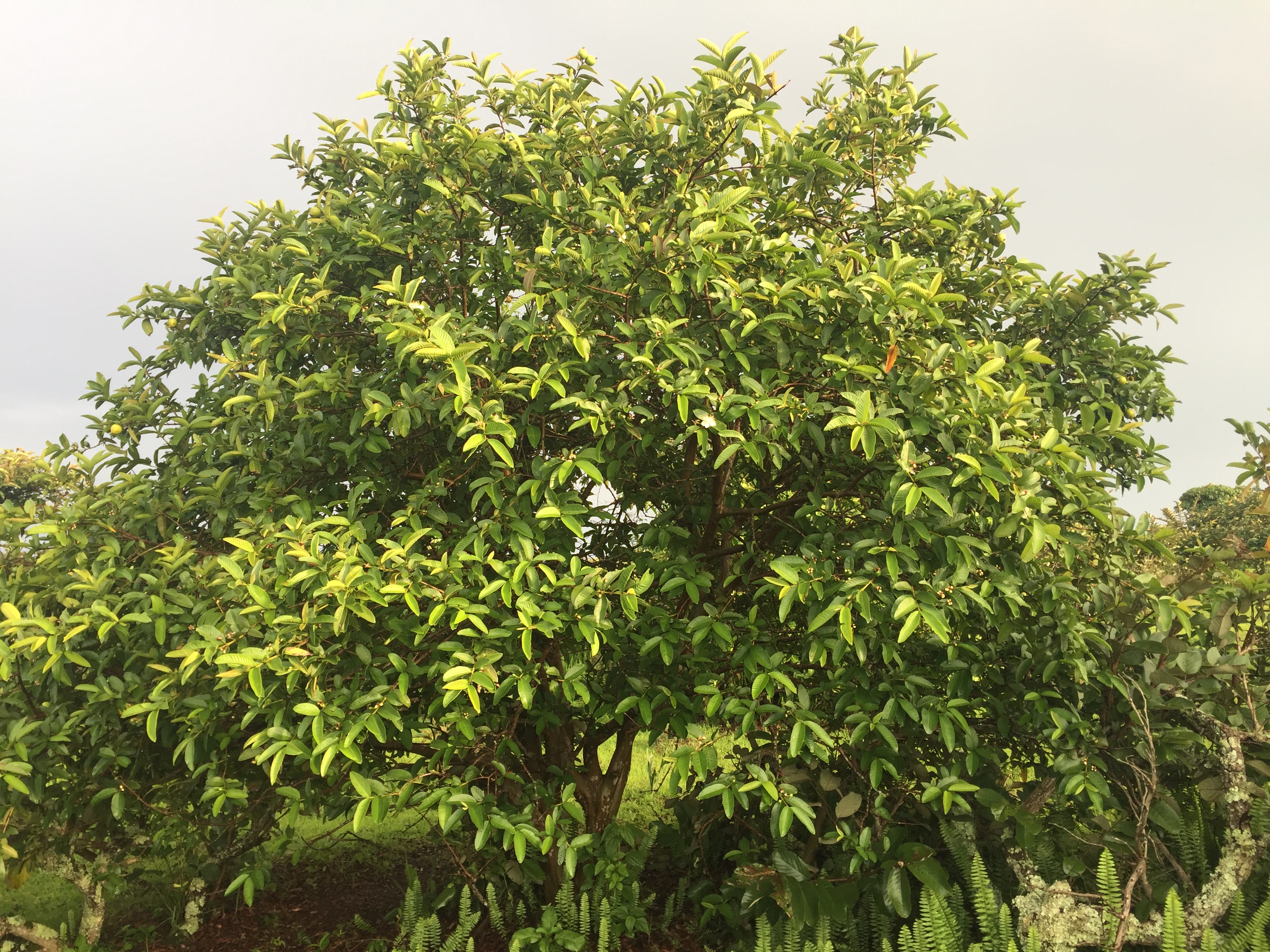
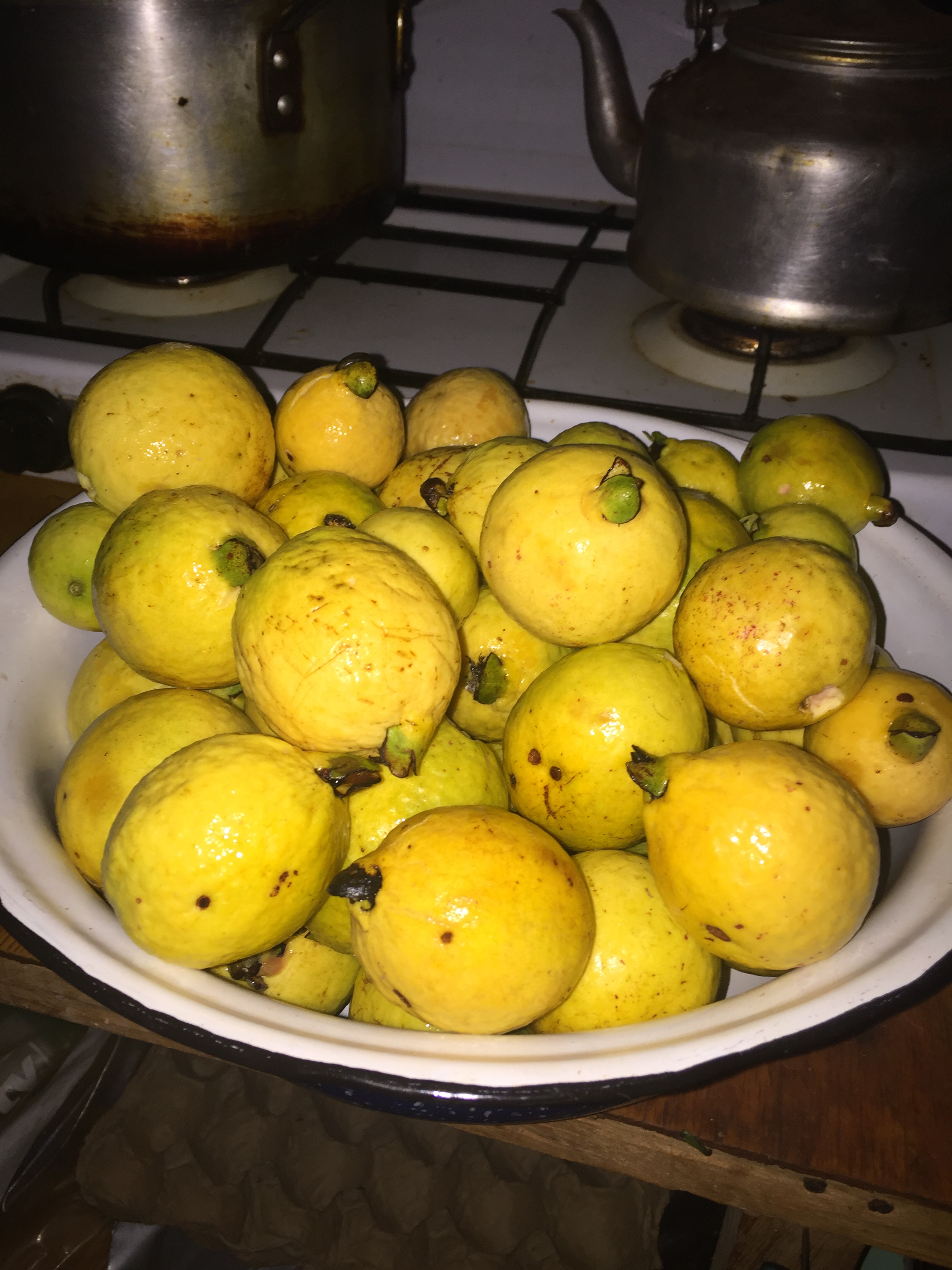
Now, to wrap up this post, here are some pictures from my guava picking adventures yesterday! It’s my new favorite pastime, as the groves are right next to the hives and allow me to check on the bees and collect fruit at the same time! Win-Win!IMG-4586

Guava tree

IMG-4594

Big pile o’ guava

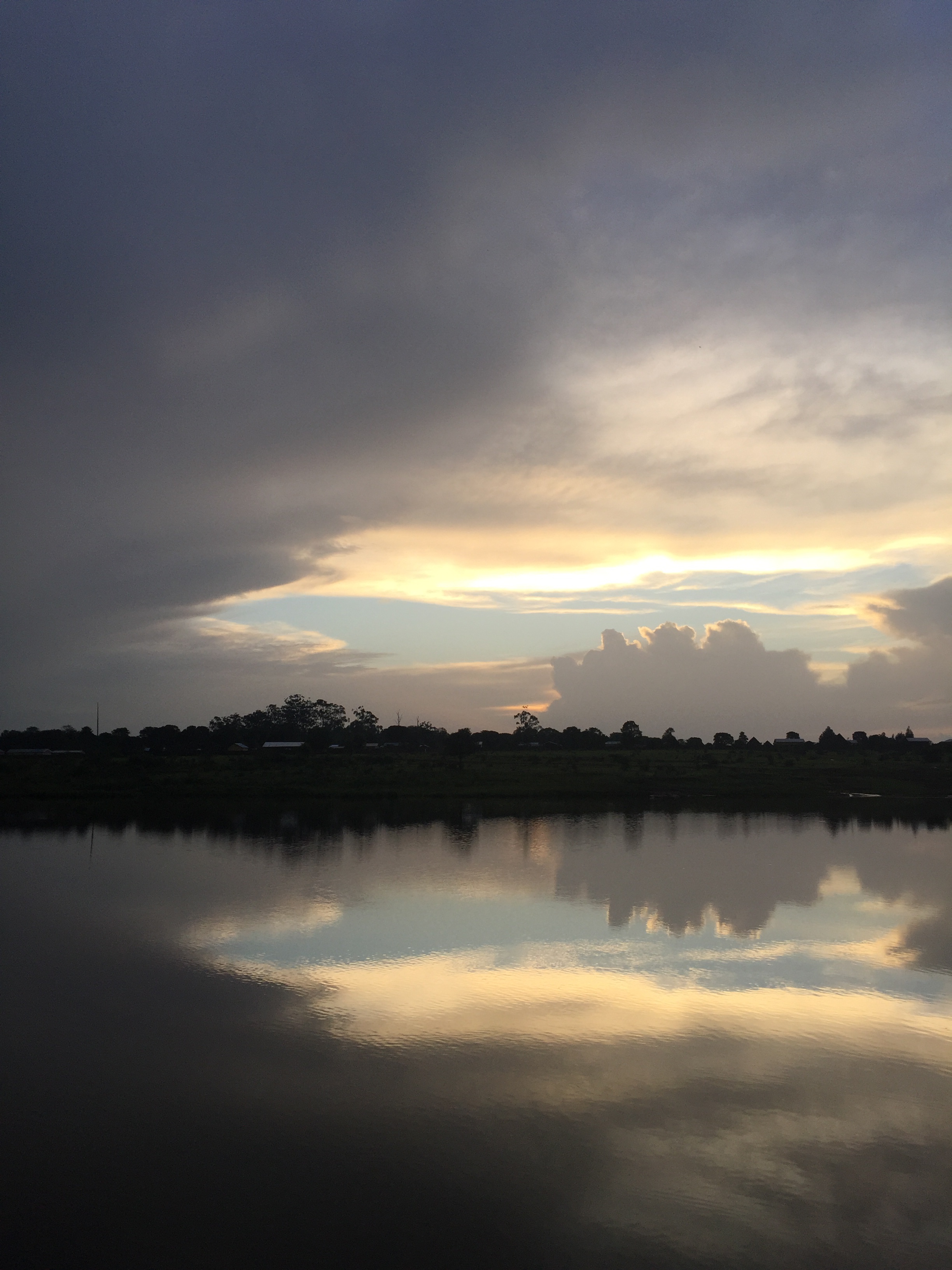
I leave you with another beautiful picture of the sunset over the lake, facing my home. The next post will be all about Camp LEAD, the 3 day camp for kids that we are holding first in my village (the 28th-30th) then in Casey and Fanning’s village the following weekend, and finally in Krista’s village the weekend after that! It’ll be a crazy 3 weeks, but we’ll have each other to help out! It’s a great opportunity to be able to hold such a large scale training for students on health, agriculture, and other important topics, and wouldn’t be possible with just one volunteer, so we are really lucky to be close enough to each other to make this happen!

Thanks for reading! Until next time!

(P.S. Enough pictures of me, dad?)


Beekeeping Training

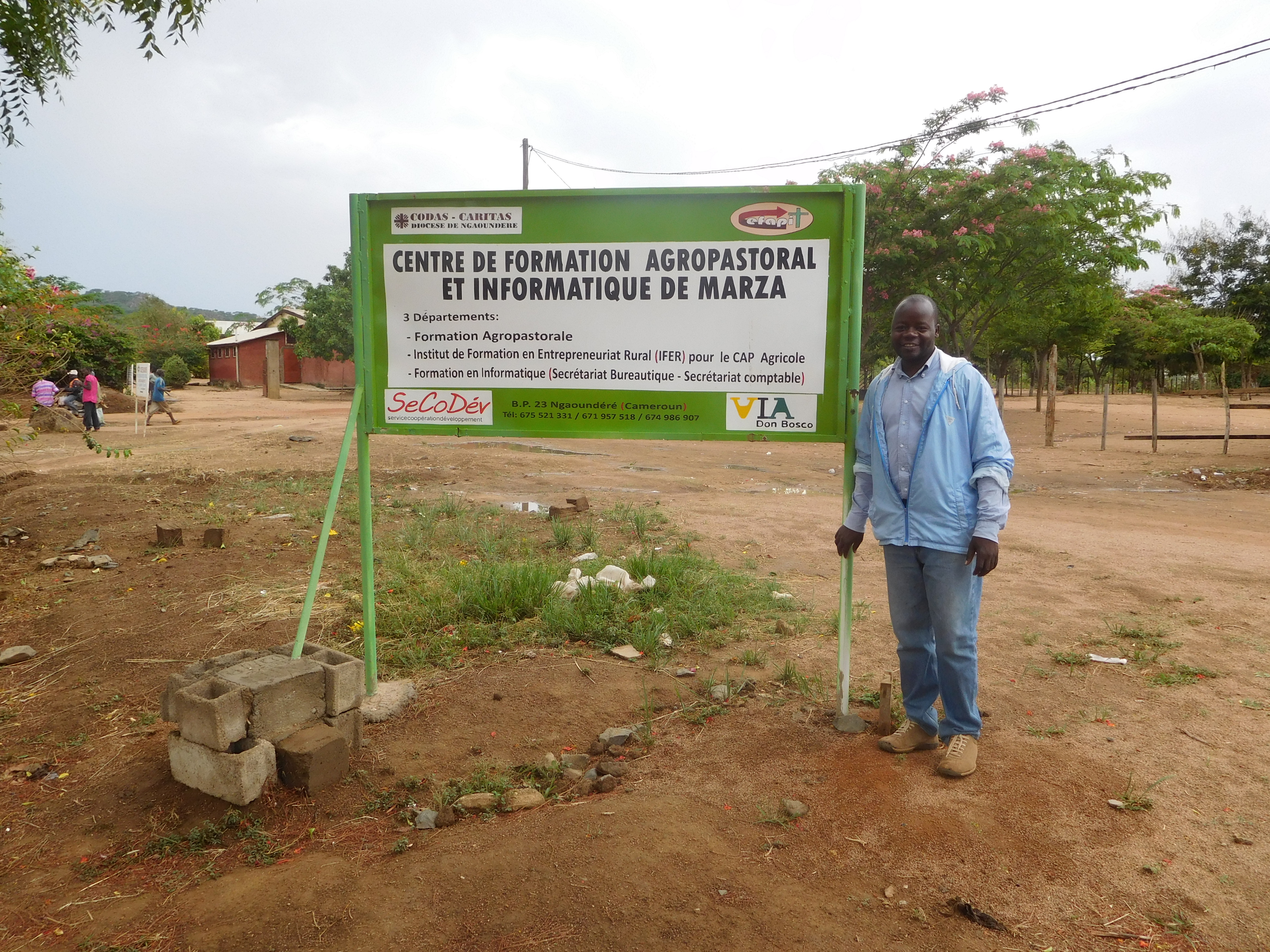
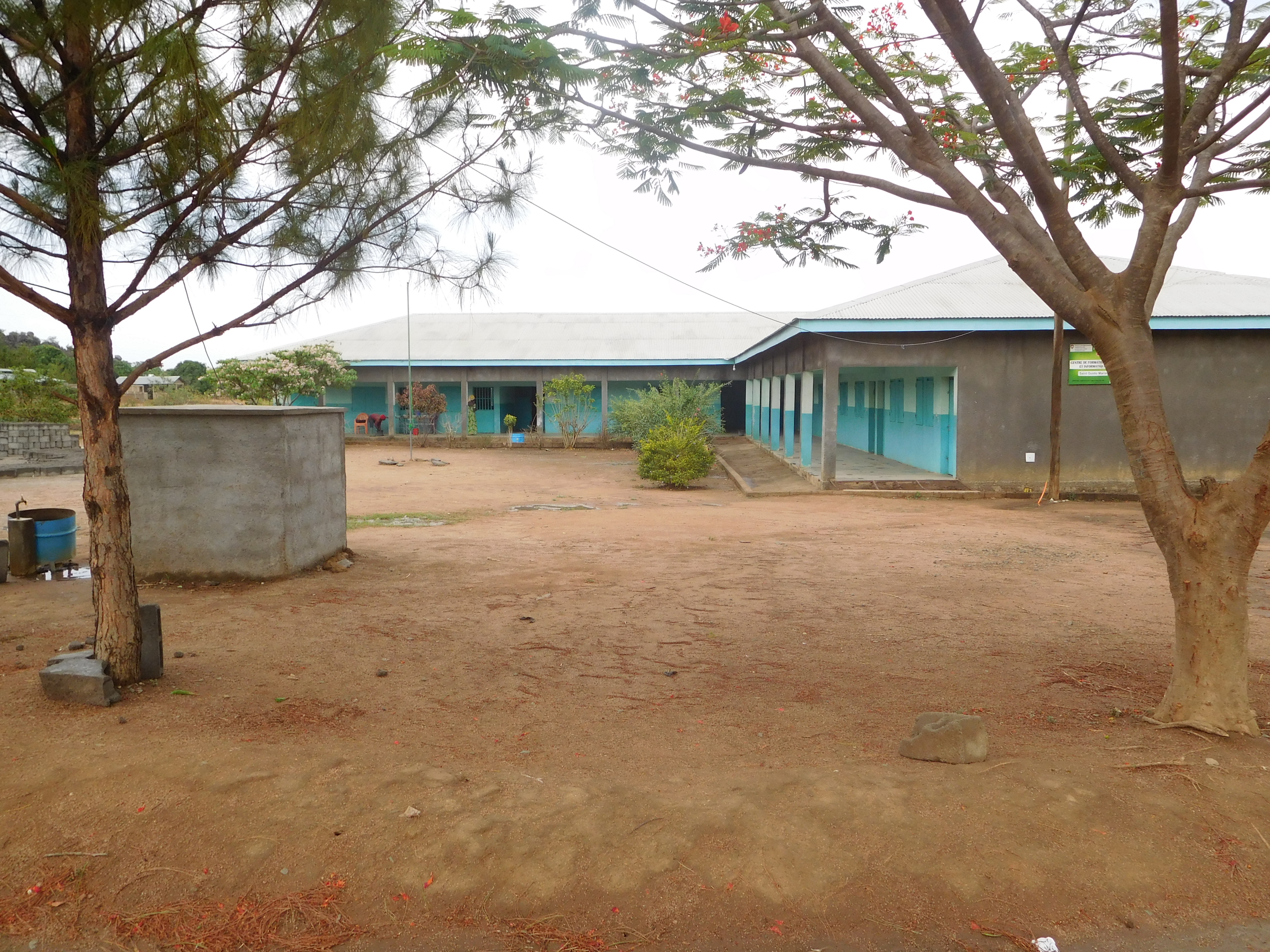
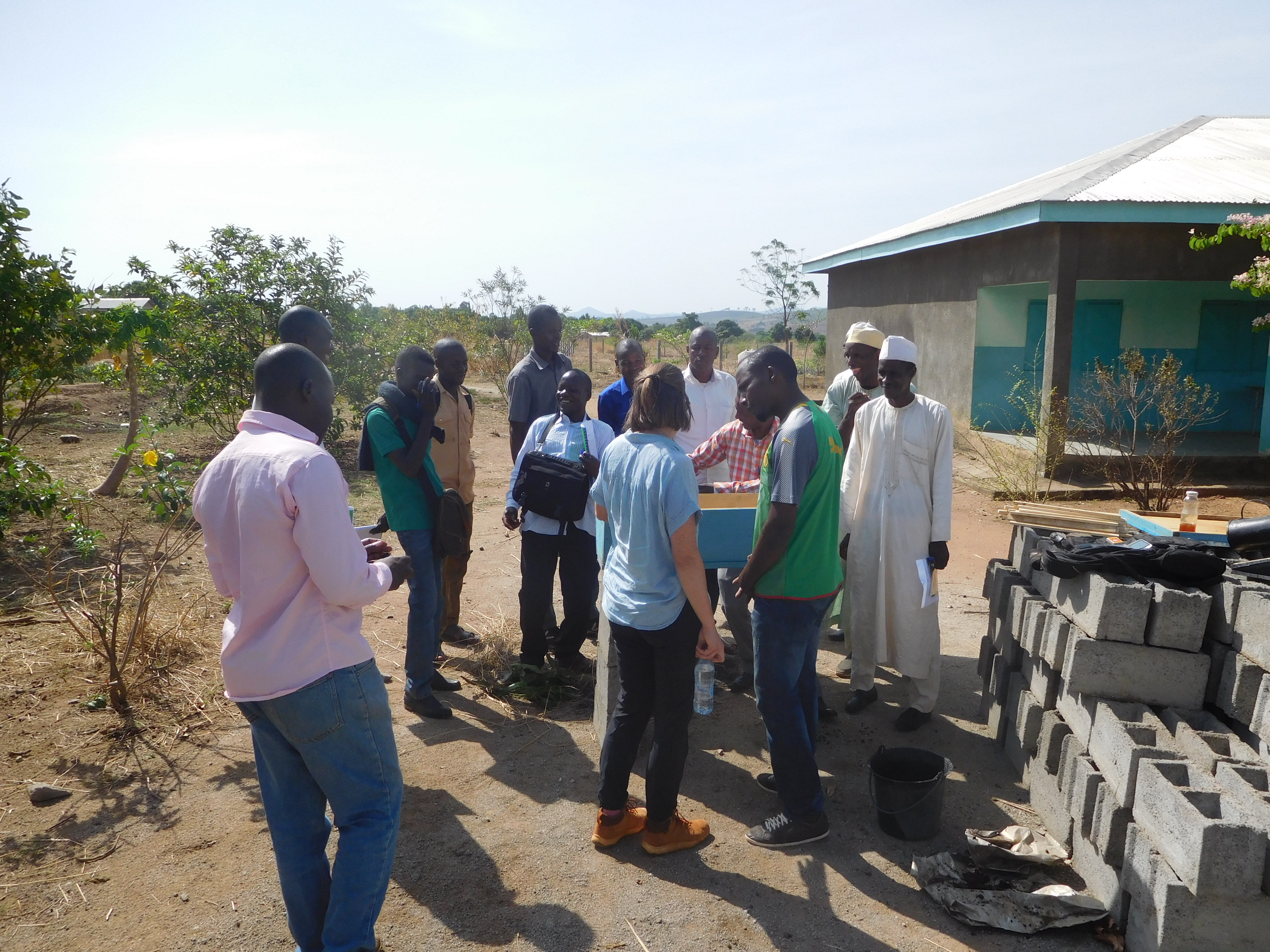
The long awaited beekeeping training took place this past weekend, April 5th-7th, in Ngaoundéré. Casey and I arrived in the city the day before the training in order to meet with out replacement trainer (our initial one had fallen through last minute…) and to secure the lecture room and a mama to provide lunch for the trainees. This all went well, which was a huge relief after all of the bad news we’d received the week beforehand, and we set out to make copies of the beekeeping manual for each of our group members. We truly lucked out with the organization (Centre de Formation Agropastoral et Informatique de Marza) and our trainers, Richard and Oumarou. The center not only had active beekeeping, it also had intensive chicken and rabbit raising, as well as a newly installed irrigation system for their tree nursery. They were already practicing grafting in the nursery, and Casey and I were very impressed with their various pursuits. The trainers were very knowledgeable and each day of their program covered a vital part of apiculture. I’ll provide a brief overview of what we discussed each day (with photos!) so you can get an idea of what a (very good) hands-on agricultural training in Cameroon looks like.

Day 1:

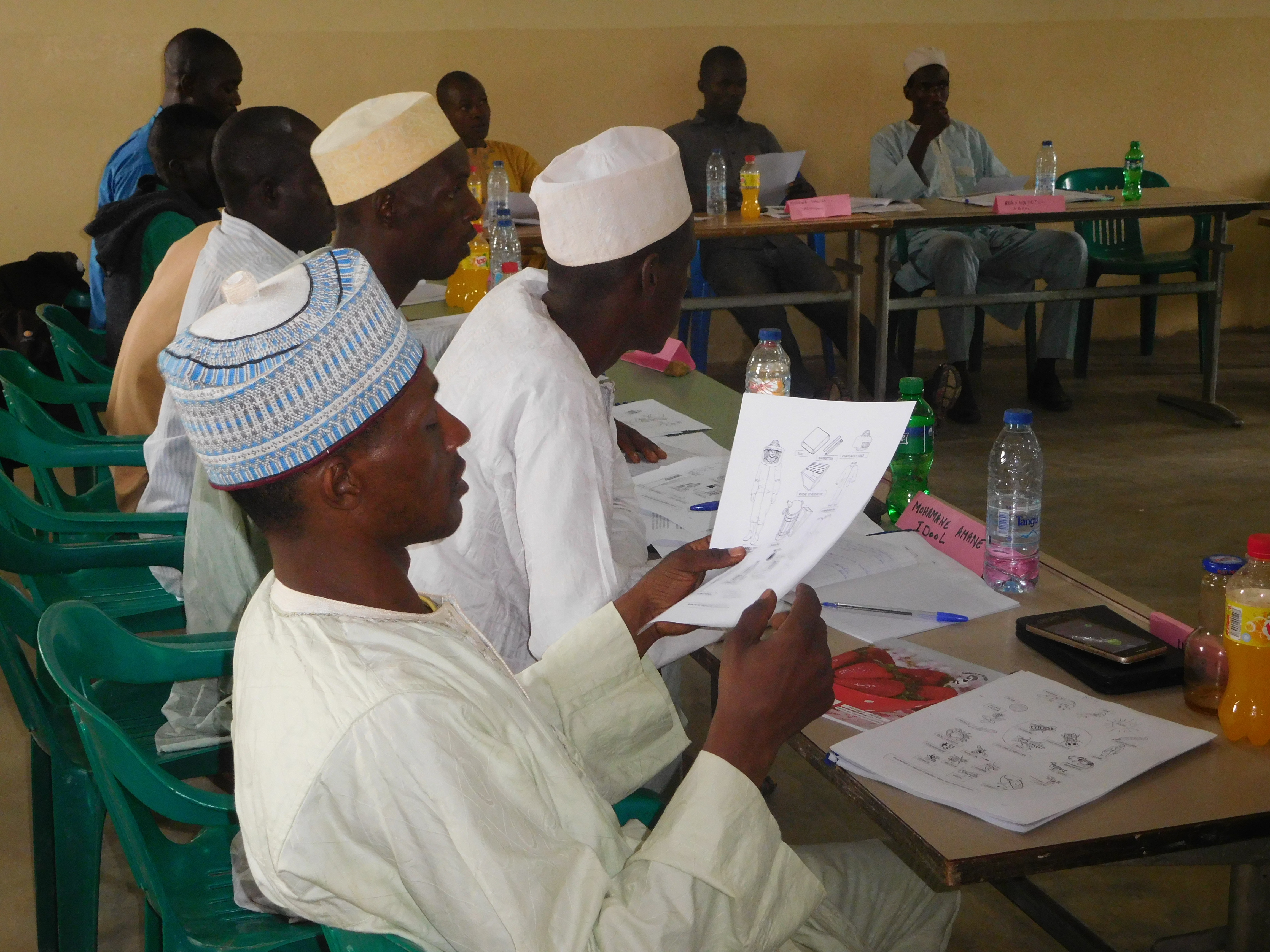
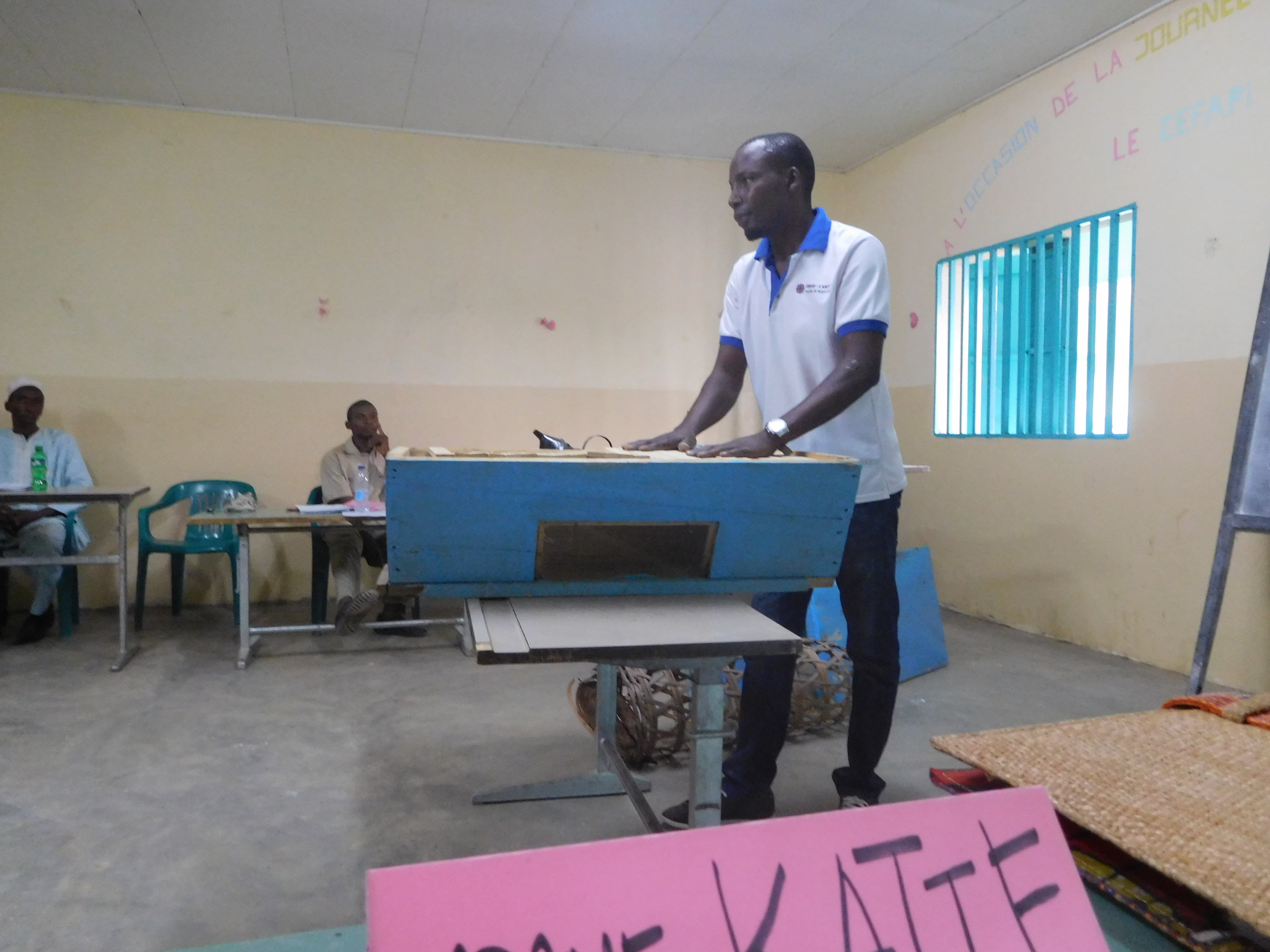
The day already started successfully, as all of our expected trainees arrived and we managed to start around 9:30 am. The first day was all lecture, but went over very crucial aspects of beekeeping (roles of bees in the environment, parts of the hive, reasons for practicing apiculture, the evolution of beekeeping from traditional methods, and the materials of beekeeping). These subjects opened up the conversation to not only the technical aspects of beekeeping, but the environmental impact of sustainable beekeeping. It was a very pleasant surprise to Casey and to me that we covered these subjects so thoroughly. One of the biggest concerns that we have as agriculture volunteers is the overuse of pesticides and insecticides. The trainers explained that the overuse of these chemicals can harm all insects, even the beneficial ones such as bees, and that it is in the best interest of the beekeepers and environment in general to keep their use to a minimum. A big win! After lunch we reviewed the plants that promote healthy bees, and the trainers showed us the Kenyan Top Bar hive, the type of hive we are promoting and providing for our groups.

DSCN4741
The Chef de Centre, he was immensely helpful

DSCN4745
The Agropastoral Center of Marza

DSCN4723
The trainees going over the materials

DSCN4734
Richard explaining the Kenyan Top Bar hive (KTB)


Day 2:

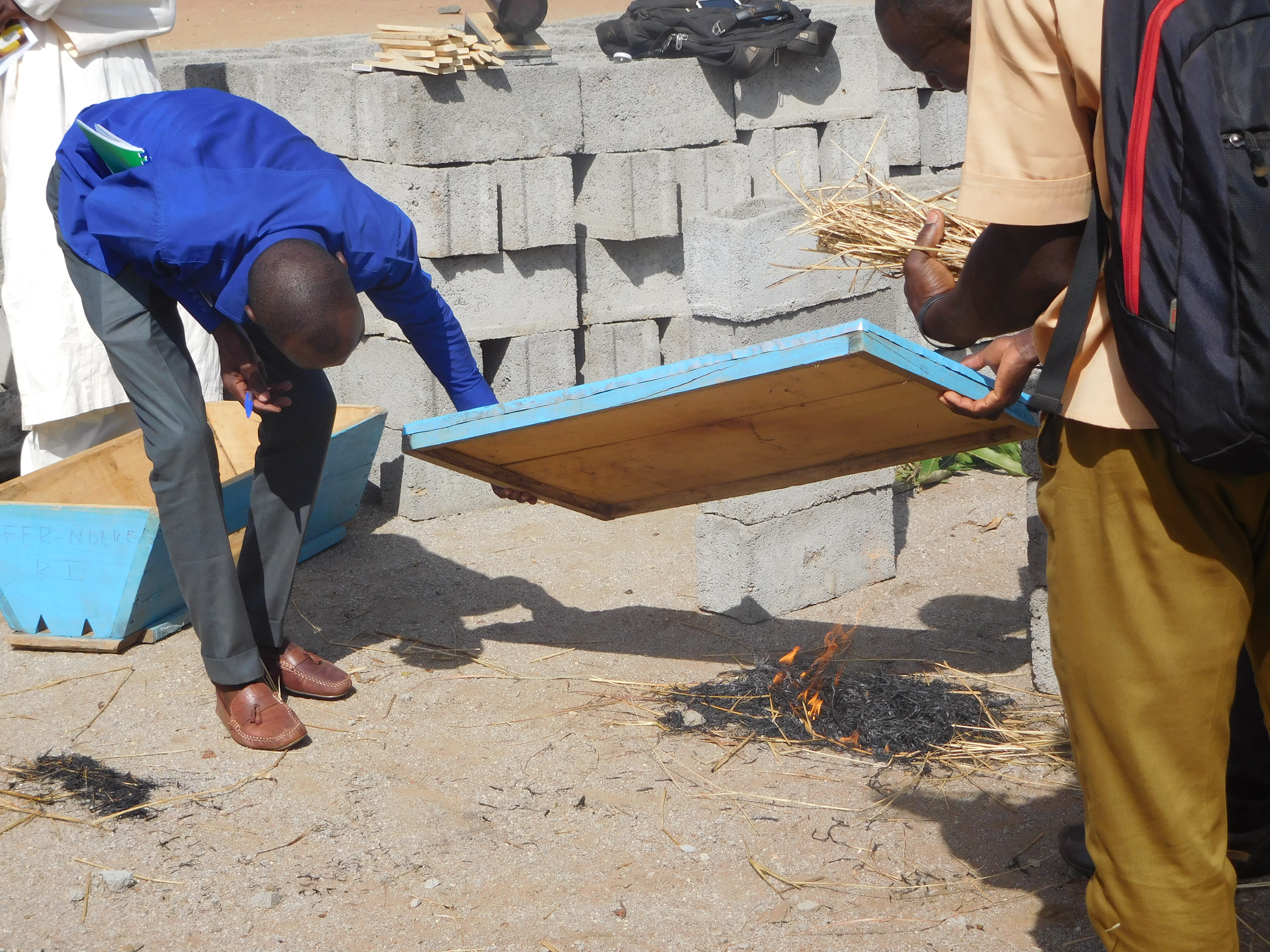
The second day we began our practical section, which started with hive installation. To be a beekeeper, you must have bees, and to do that you have to bait the hive. But first, you sterilize all parts of the hive!

DSCN4775
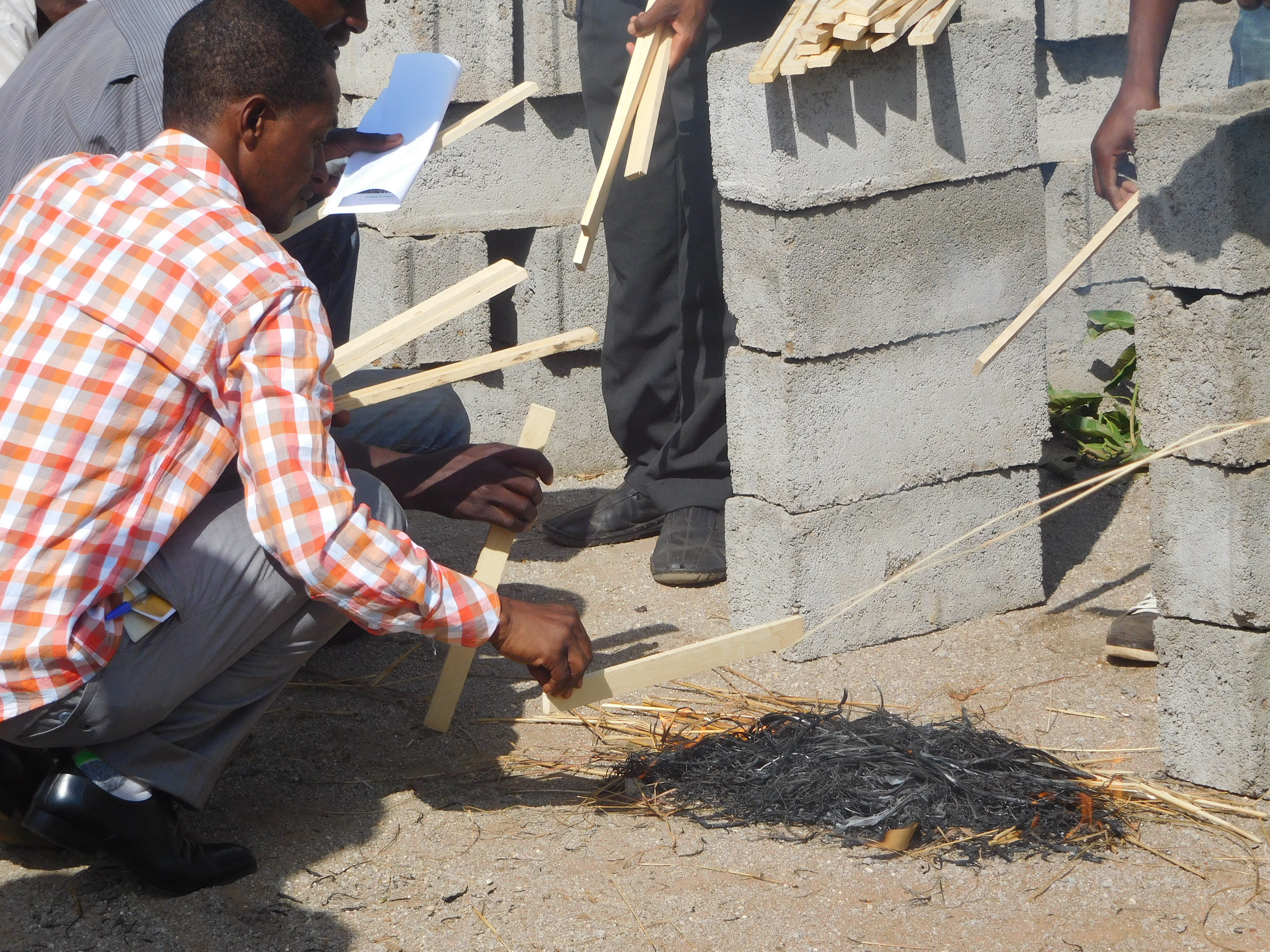
Sterilizing the “baguettes” with fire! These are the bars where the bees will build their combs

DSCN4780
Sterilizing the lid

DSCN4785
Casey with Richard

DSCN4792
Watching Richard explain how to use honey to bait the hive

DSCN4799
Richard (left) and Oumarou (right)

DSCN4804
Our trainees paid a lot of attention

DSCN4813
Baiting the baguettes

After we baited the hive, we went out to set it up, and stopped by a few hives that were already colonized and discussed the best stands and locations for hives.

DSCN4833
Casey with a colonized hive, located near a water source and in the shade

DSCN4843
Inserting the KTB into the stand, metal is best

DSCN4854
Arranging the bars

DSCN4857
Covering with a lid

DSCN4858
The cover on the clear window can be removed in order to check on the bees with minimal invasion

DSCN4864
A traditional bee hive. We are trying to replace this practice with the KTB, as it is less harmful to the bees and is a much more efficient practice

The day ended with a classroom session on how to select the best hive location and how to set the hive up.

Day 3:

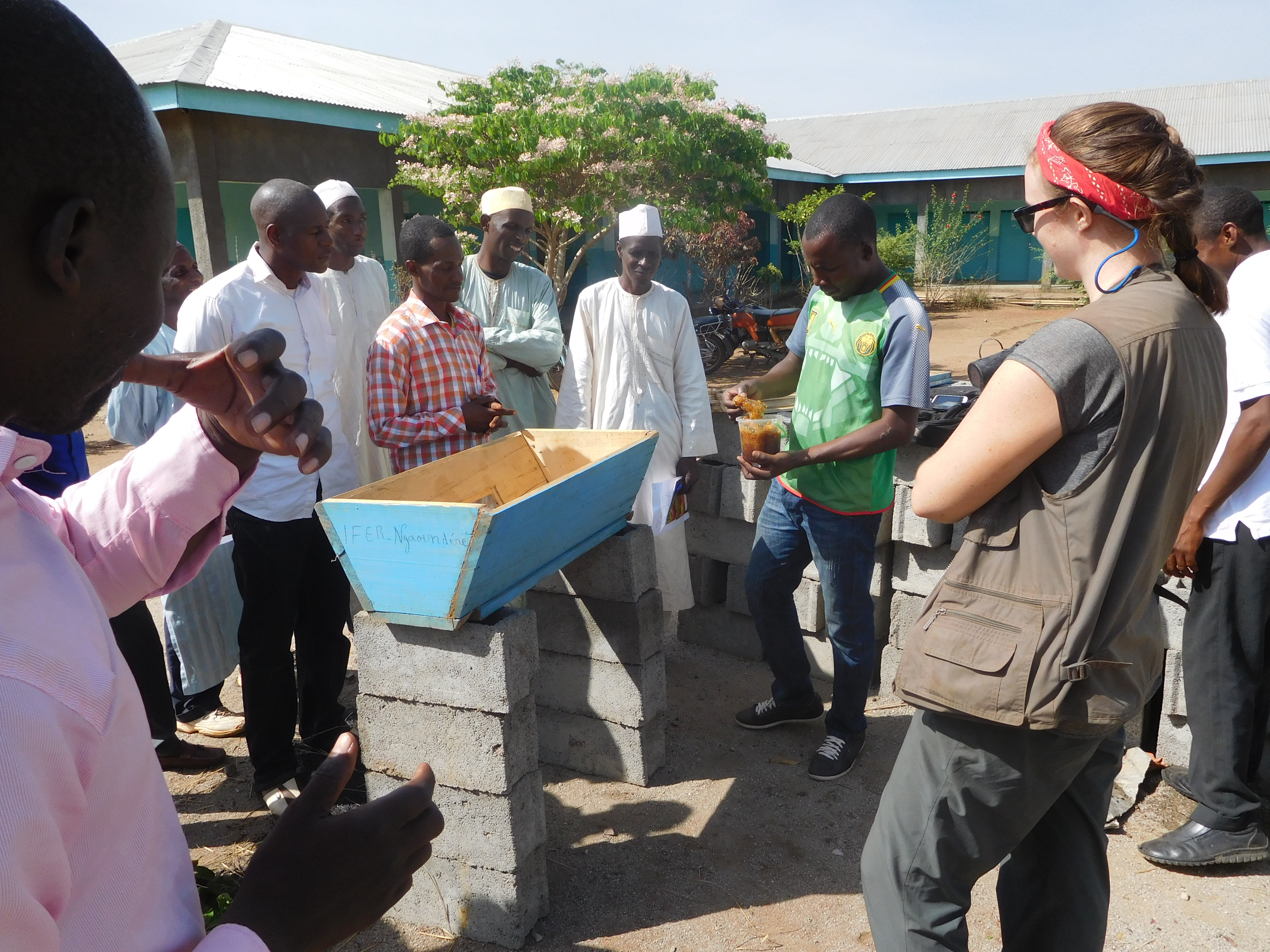
The last day of the training may have been my favorite day of the whole training. We started with a classroom session on harvesting honey, with all trainees participating in a mock honey harvest. An actual harvest was not possible at this time, as none of the hives were ready for harvesting, but the mock session allowed the instructors to give advice and fix errors. Casey and I are also considering arranging for one of the trainers to be present at harvest time to guide the groups through their first harvest. This option is yet another benefit of gaining new resources and contacts.

DSCN4891
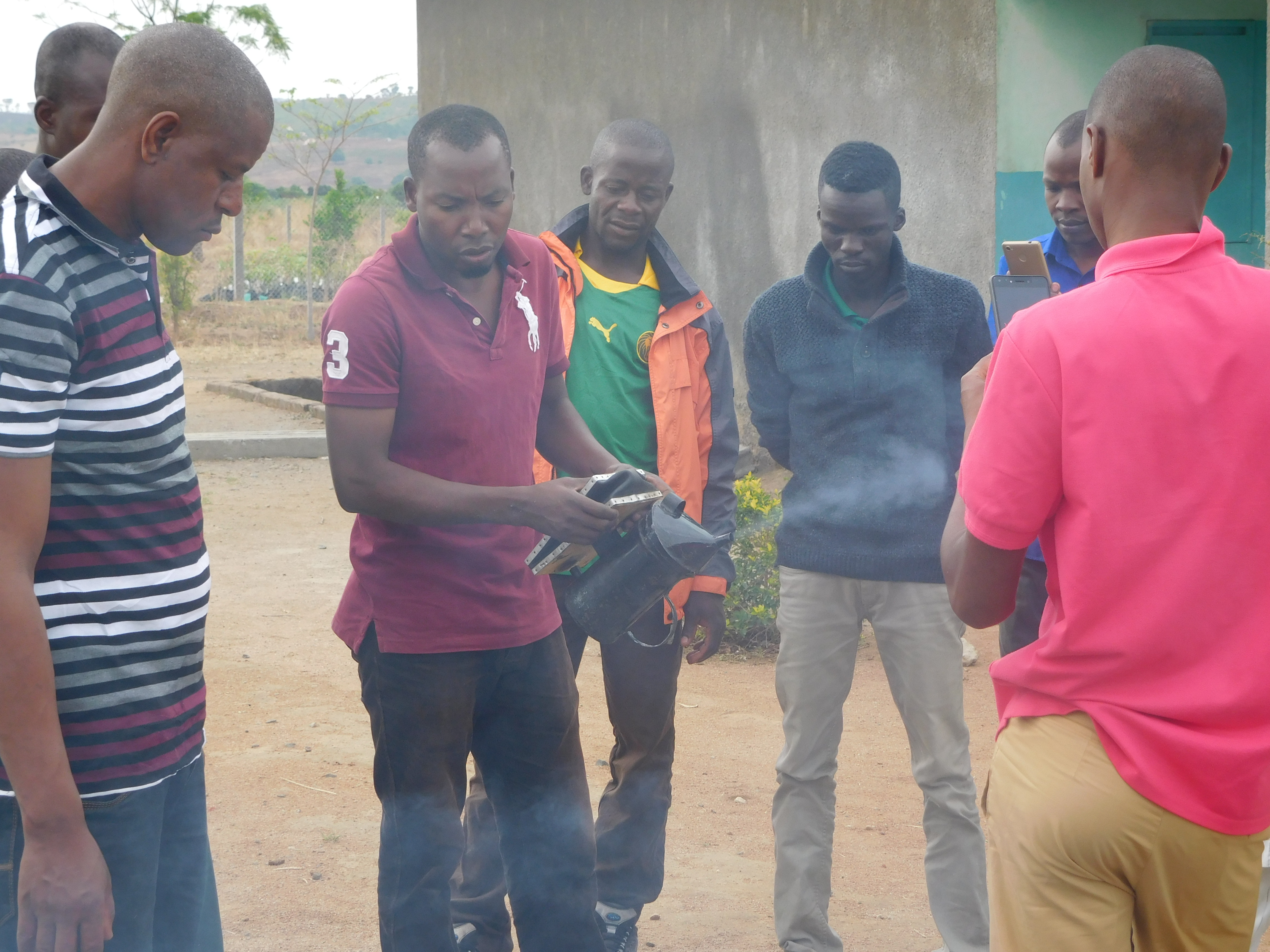
Richard showing how to use a smoker

Richard asked the group what materials are best for filling a smoker to smoke out the bees. Without hesitation a trainee suggested plastic because it would burn easily. This was a great learning opportunity. A big issue here in Cameroon is the use of plastics to start fires. Not only is this harmful and toxic to humans as the fire releases chemicals in the plastic, it is also very harmful to the bees. Richard explained this and made sure everyone understood to never burn plastic in the smokers. We were thrilled!

DSCN4926
Casey blowing on a very non-toxic smoking smoker

DSCN4914
Harvest demo

DSCN4918
“Cutting” the comb off of the bar

The next session was on transforming the harvested materials. First we began by rinsing previously harvested honey comb with water, creating a honey water that can be fermented into a honey beer, or, after a longer period of time, a stronger whiskey-like beverage.

DSCN4928
Rinsing the comb

DSCN4939
A bucket of honey beer potential

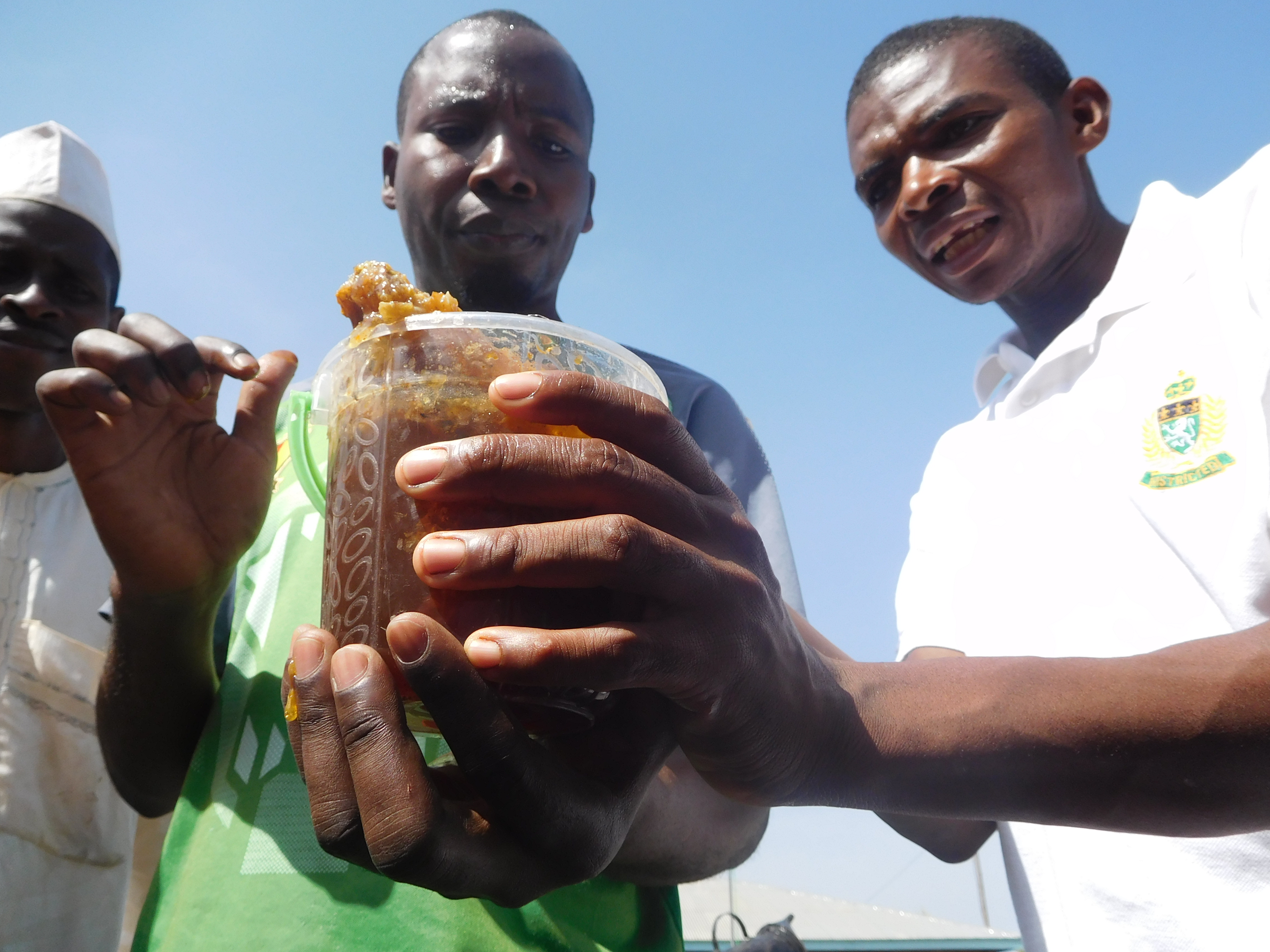
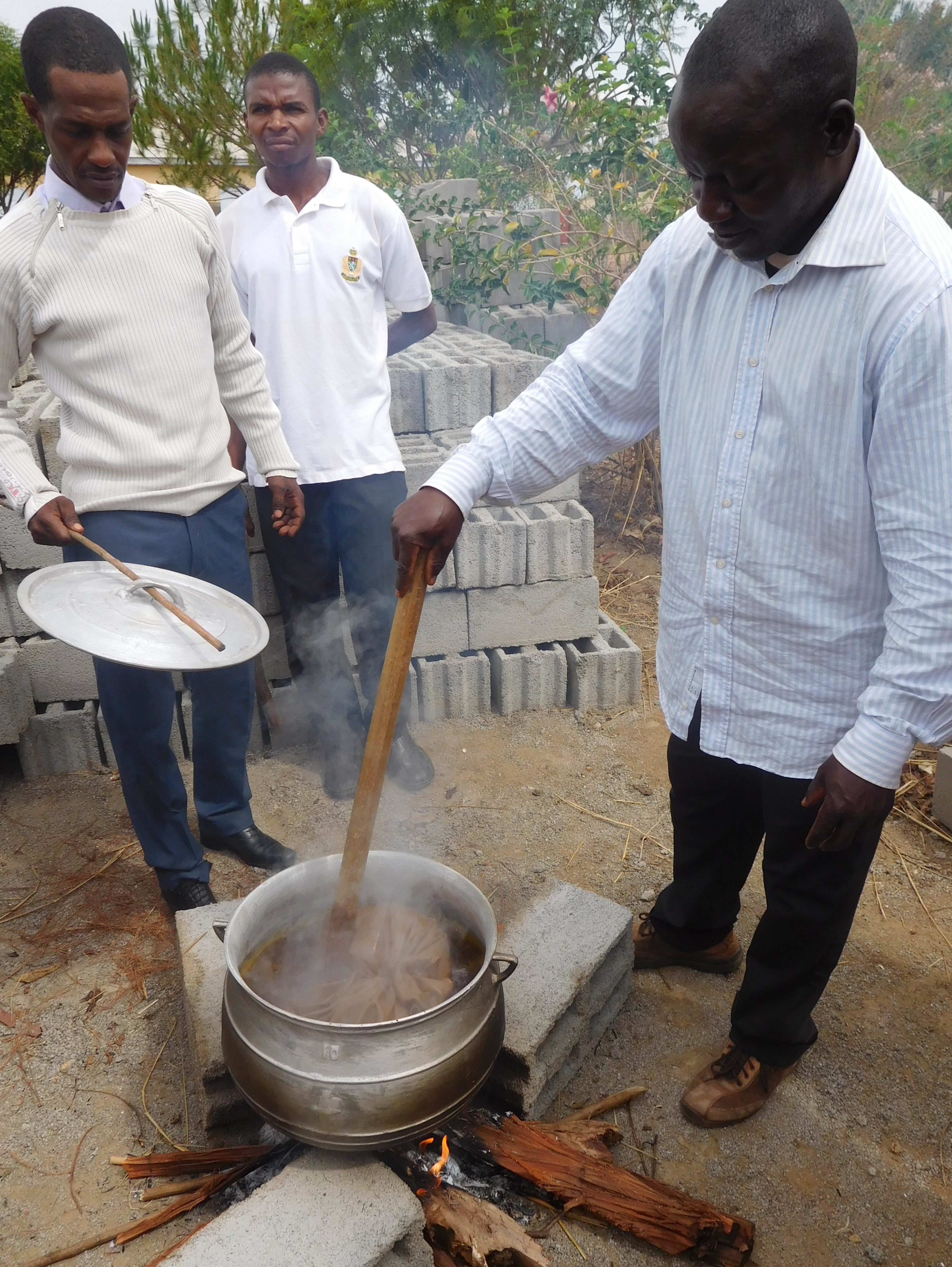
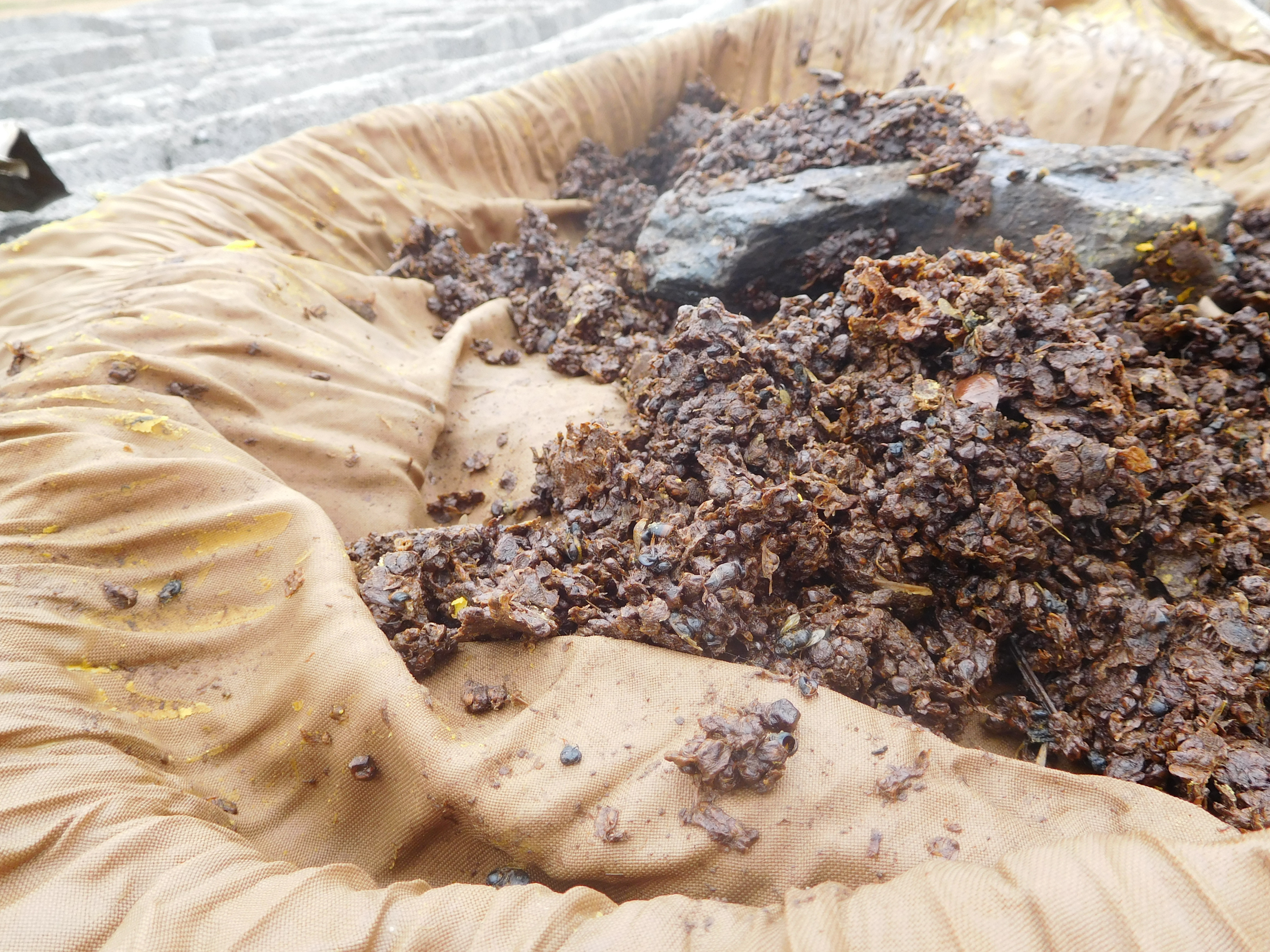
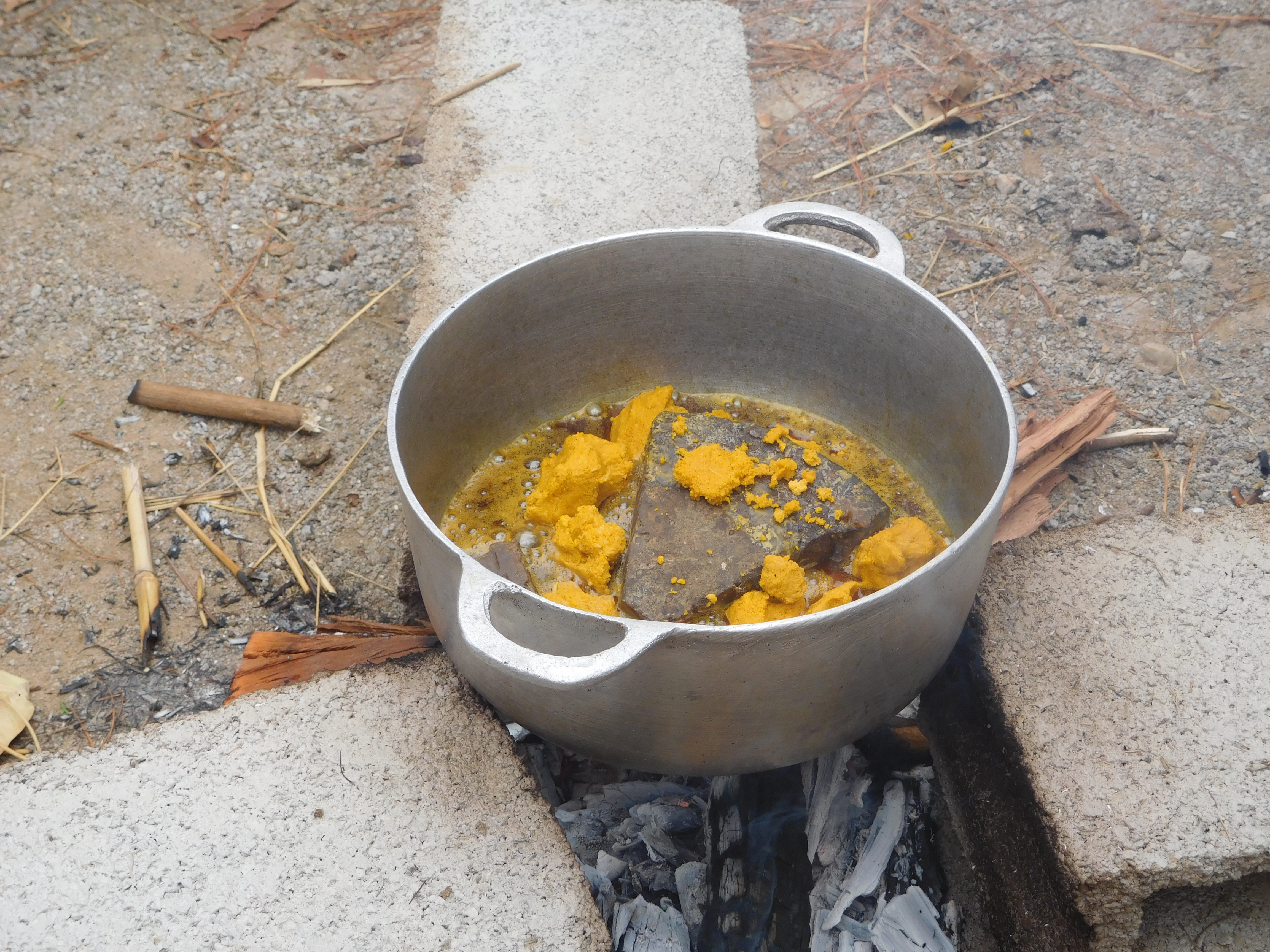
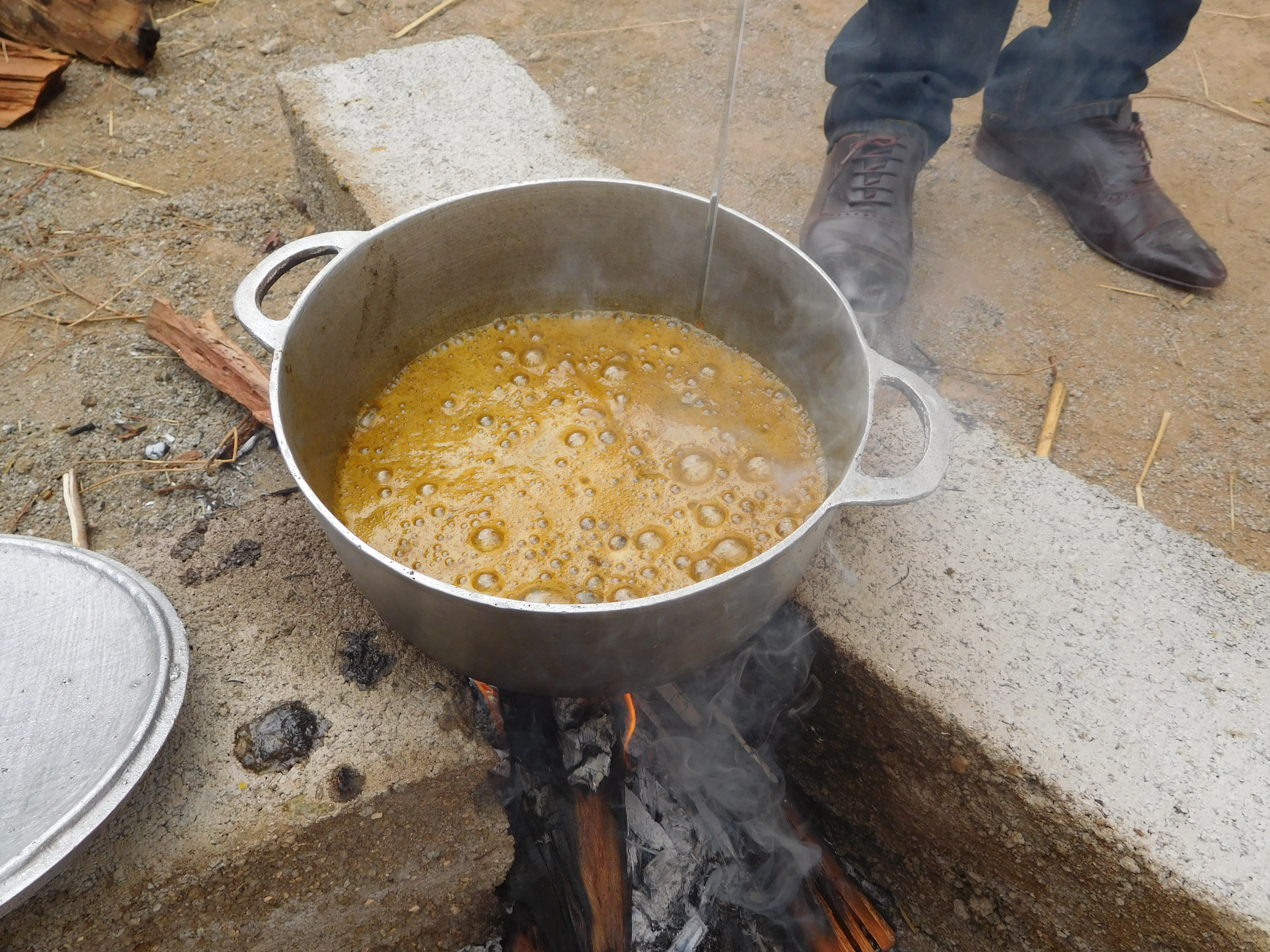
After the rinsing, we collected the comb into a bag, tied the ends, and put it into boiling water. This is called rendering, and extracts good quality beeswax for use in candles and soap, while leaving the bad stuff (like dead bees) in the bag. I’ve done a miniature version of this before in my home. Traditional beekeeping does not include this step, which takes more time but results in a much higher quality of wax.

DSCN4950
Boiling the wax

DSCN4973
The remains after boiling. This is what is left after the wax is extracted, and can be used for compost! Nothing is wasted in this harvesting process.

DSCN4962
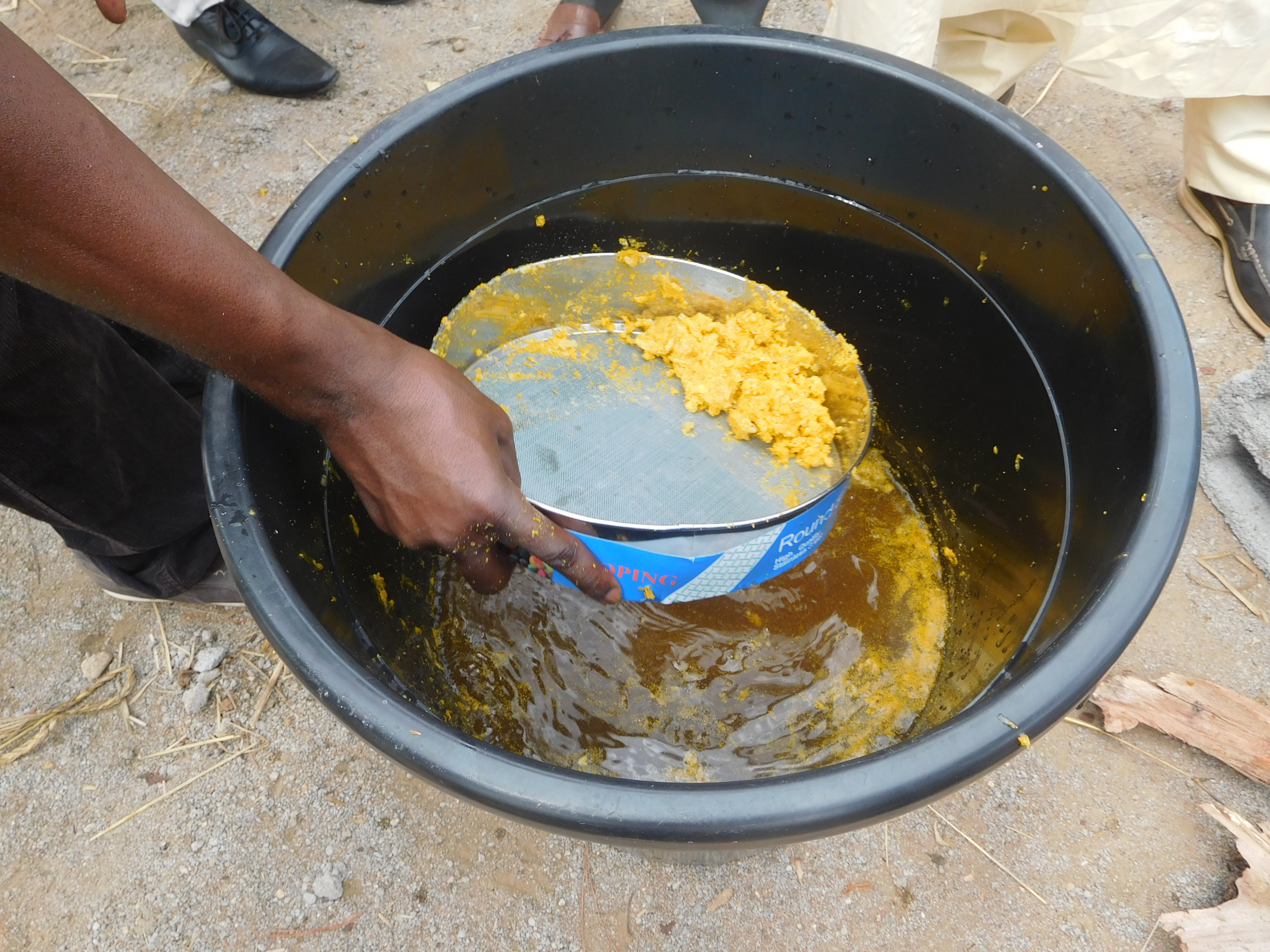
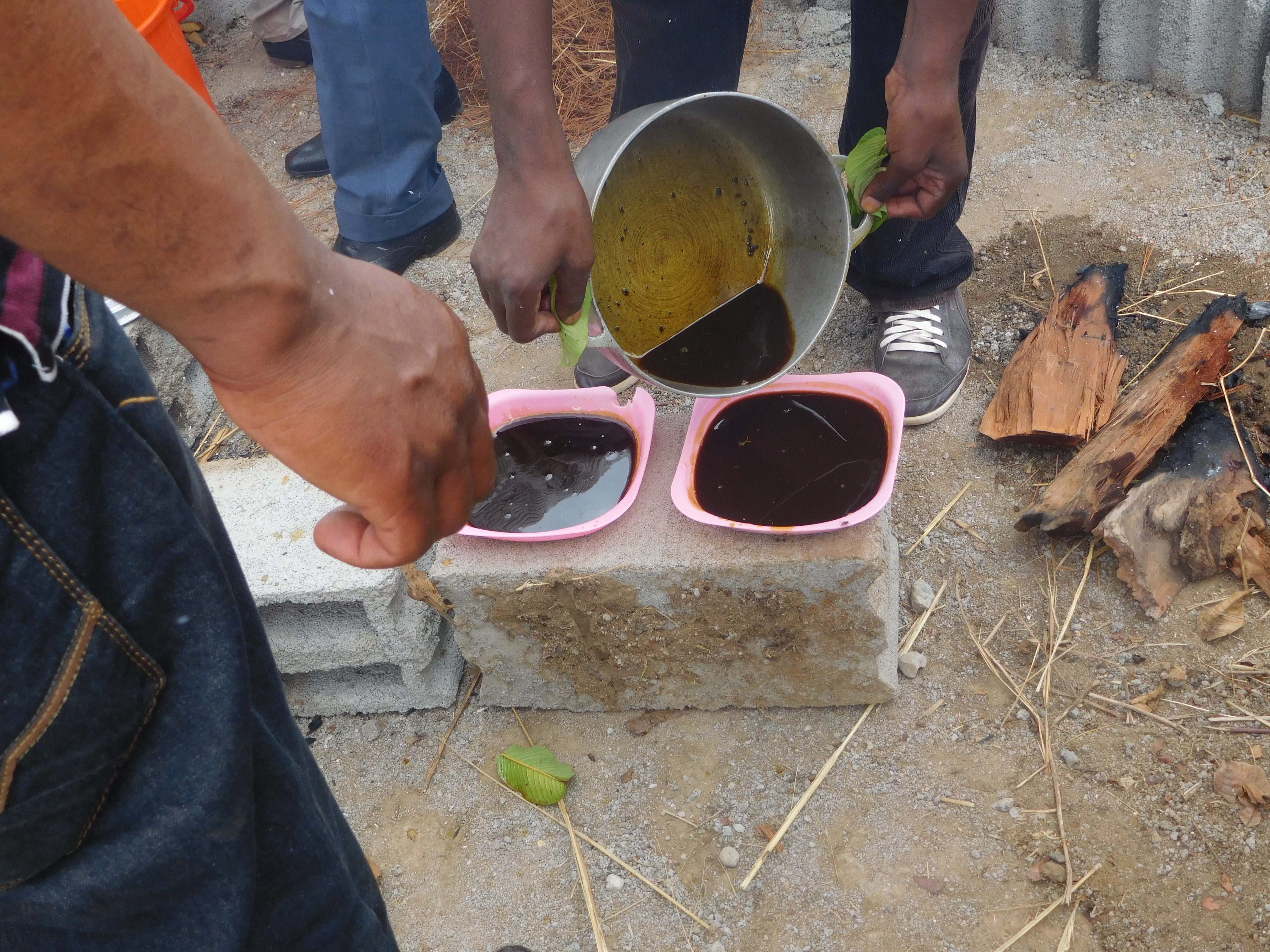
The wax is ladled from the top of the boiling pot and into cold water, this makes the wax float to the top

DSCN4966
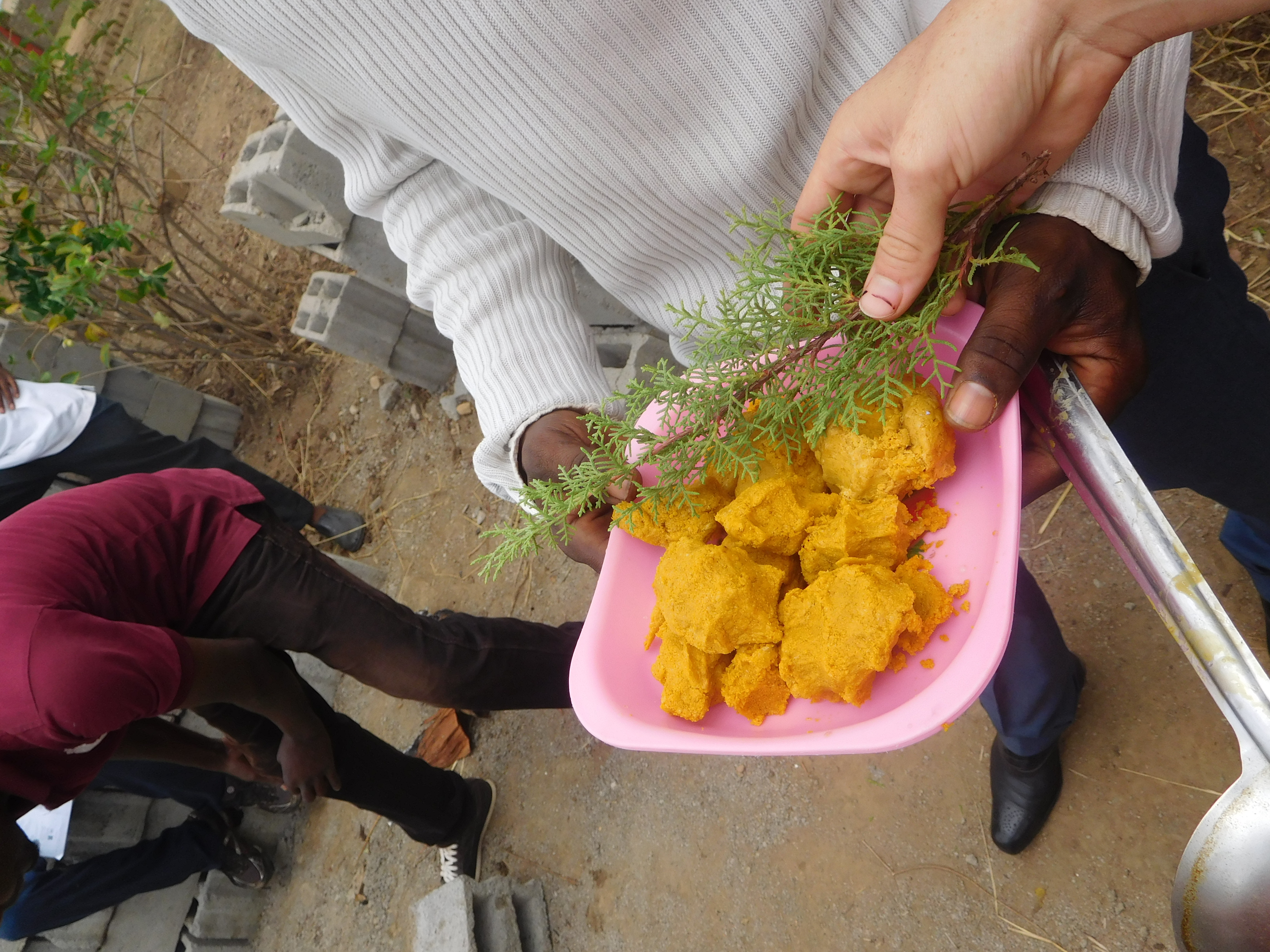
The collected wax can be scented with locally harvested plants

DSCN4968
Rendered wax melting

DSCN4975

DSCN4978
Wax being poured into molds

This is another income generating activity that comes from beekeeping, in addition to honey! Beeswax is very useful, and good quality wax can fetch a much better price than traditionally harvested wax at market.

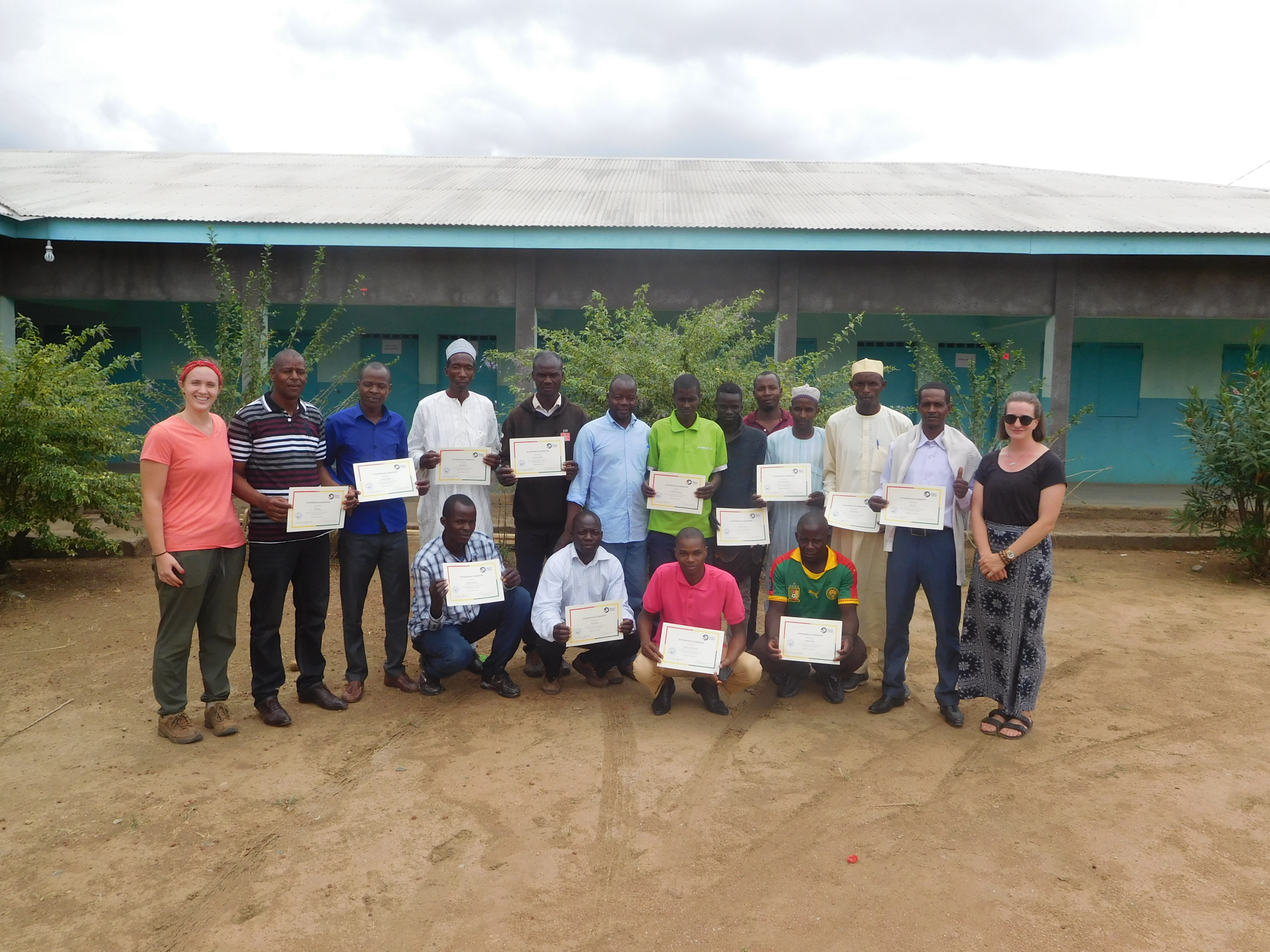
The transformation session ended the training, and after a question and answer session it was time to give out the certificates that Casey and I had printed! The Chef de Poste was kind enough to do this.

DSCN4990

This was followed by a great deal of photo taking in Cameroonian fashion, and ended the 3 day training! Casey and I bought a big bottle of honey and headed home that night.DSCN4998

A huge thank you to all the people who donated money to this project. It has been a long time in the making and Casey and I are very appreciative of all the help we received during this process. Our next step is coming up soon, as the hives are arriving and need to be baited and set up! This (big) portion of the project could not have gone smoother (after some initial speed bumps), and we left the training with amazing contacts that can help future volunteers. We couldn’t have hoped for more! Thank you all again, I’ll be posting soon with the results of the installations!


Family UK Vacation Part 2

For the last week or so of the trip, I was traveling with my brother. During scheduling, we realized we had one free night, so I picked a city in between Edinburgh and our next destination, Inverness, and we went knowing very little about my pick (Perth).

As it turns out, it was a pretty interesting city.

IMG-2613
The Black Watch Museum at Balhouise Castle (17th century)

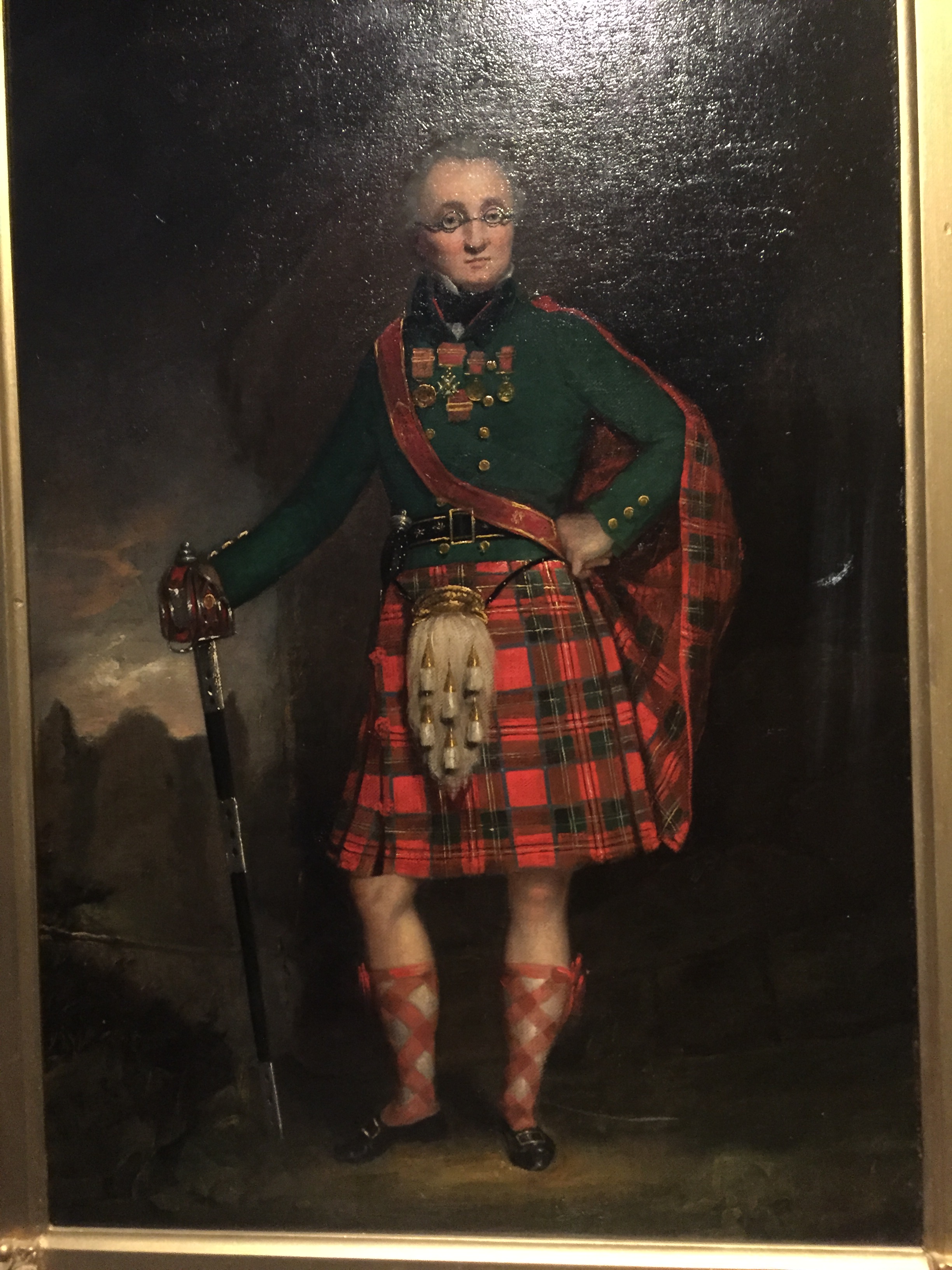
As we didn’t have a ton of time in Perth, I had researched a few stopping points beforehand to make the most of our stay. The first one was the Black Watch Museum, which ended up being far more interesting to James and to me than I could have ever hoped. The Black Guard is a infantry battalion of the Royal Regiment of Scotland, formed in 1881. Since it’s formation, it has served on every continent and every war that the UK has been involved in. They are, and I mean this with the deepest respect, complete Bad-Asses. I mean, seriously, They served in many of these places all over the world in kilts. If you ever find yourself in Perth, please consider giving it the museum a visit, and leave yourself several hours to appreciate it.

IMG-2614
I mean c’mon, how cool is this dude?

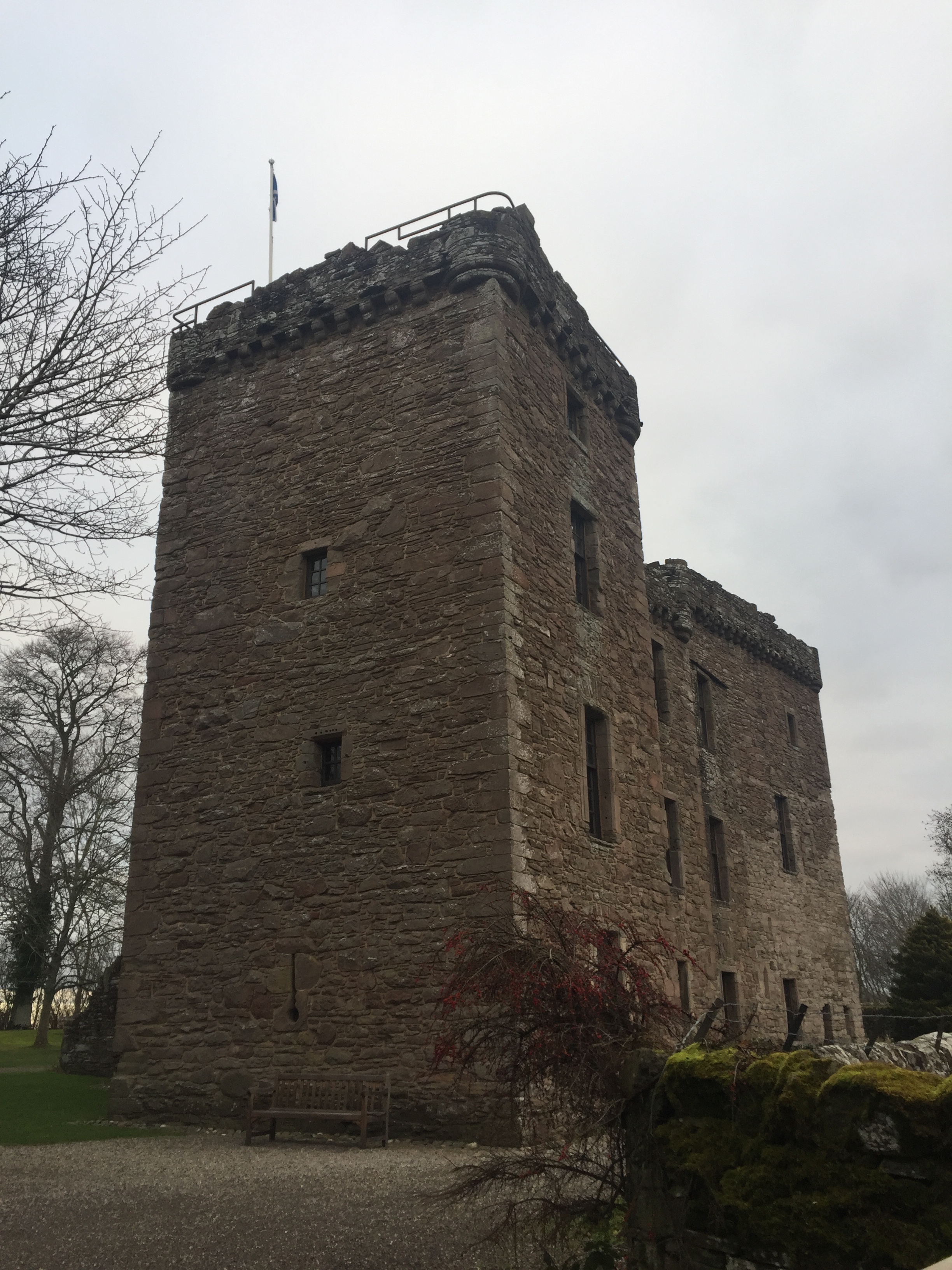
Our next stop was Huntingtower Castle, which was not open but we figured it would be impossible to stop us from getting near it for a look, which is what we did.

IMG-2618


This castle was built in the 15th century, and King James VI, the son of Mary Queen of Scots, was held here for 10 months as a prisoner in 1582.IMG-2621

The rest of the fun bits of this city involved a trip to “T.K. Maxx” and a very good Indian restaurant. The next day we were off to Inverness and a cabin on the Loch in Drumnadrochit.

We spent a decent amount of time in Drumnadrochit walking to and from the small local grocery store. Drumnadrochit is a little village on the edge of the Loch that runs on tourism during the peak seasons, which January is most decidedly not a part of. There were no open restaurants while we were there.

IMG-0201
The view from our Croft on the Loch

James and I certainly made do. I was happy to stay in Drumnadrochit the whole time, especially since the newly converted Croft we were staying in had a pull out bed in the loft which was situated by a wood burning stove, and the bathtub was enormous. The shower was luxurious as well. Some nights I took a bath AND shower.

Our very first day we walked into town to visit the Loch Ness Exhibit. Situated in the historical hotel where old timey people used to stay while on the search for Nessie, the exhibit reported the scientific findings on the Loch Ness Monster over the years. (Hint: they haven’t found her). It was an amusing stop, and we spent the remainder of the day grocery shopping and enjoying the Croft.

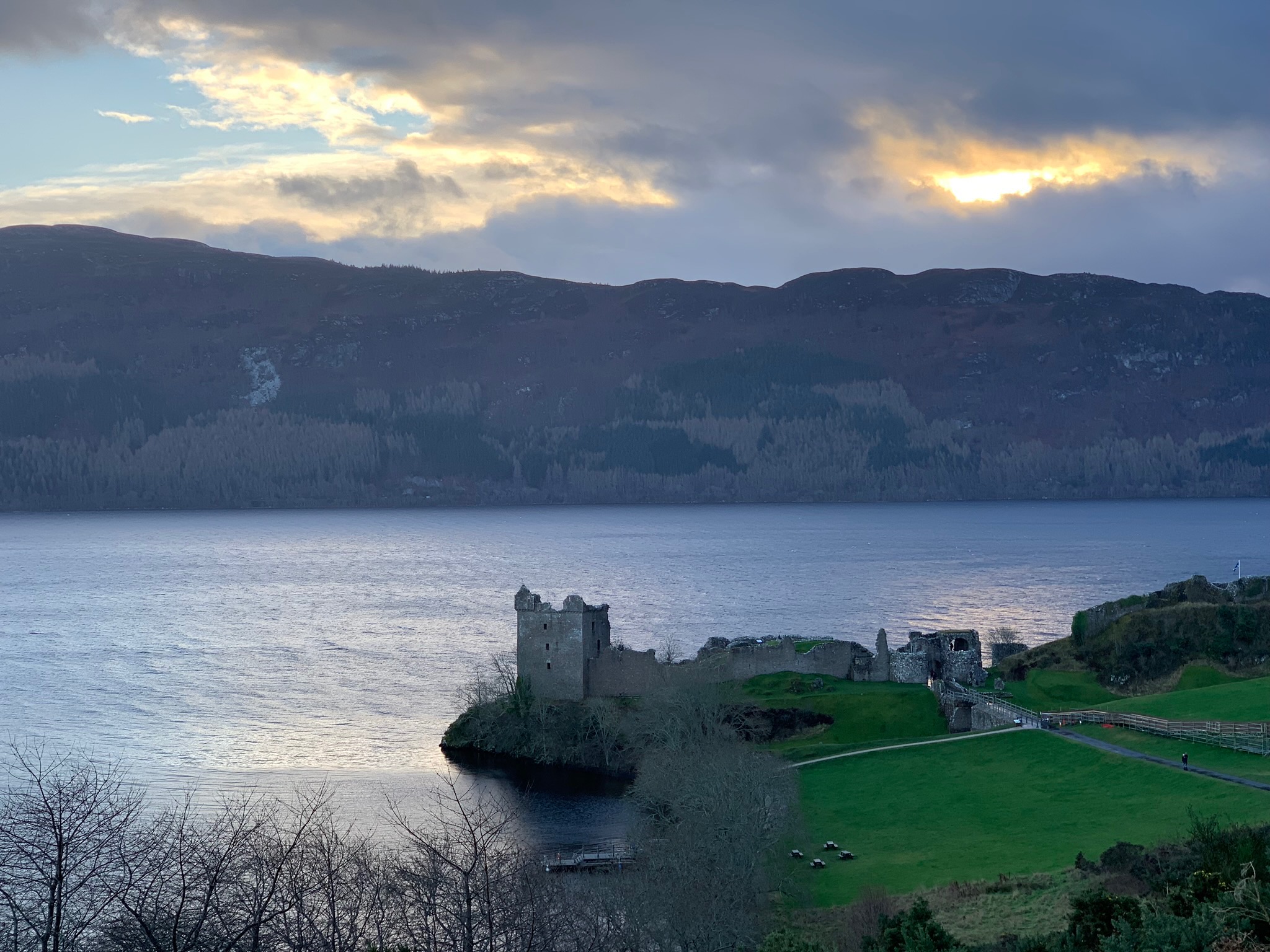
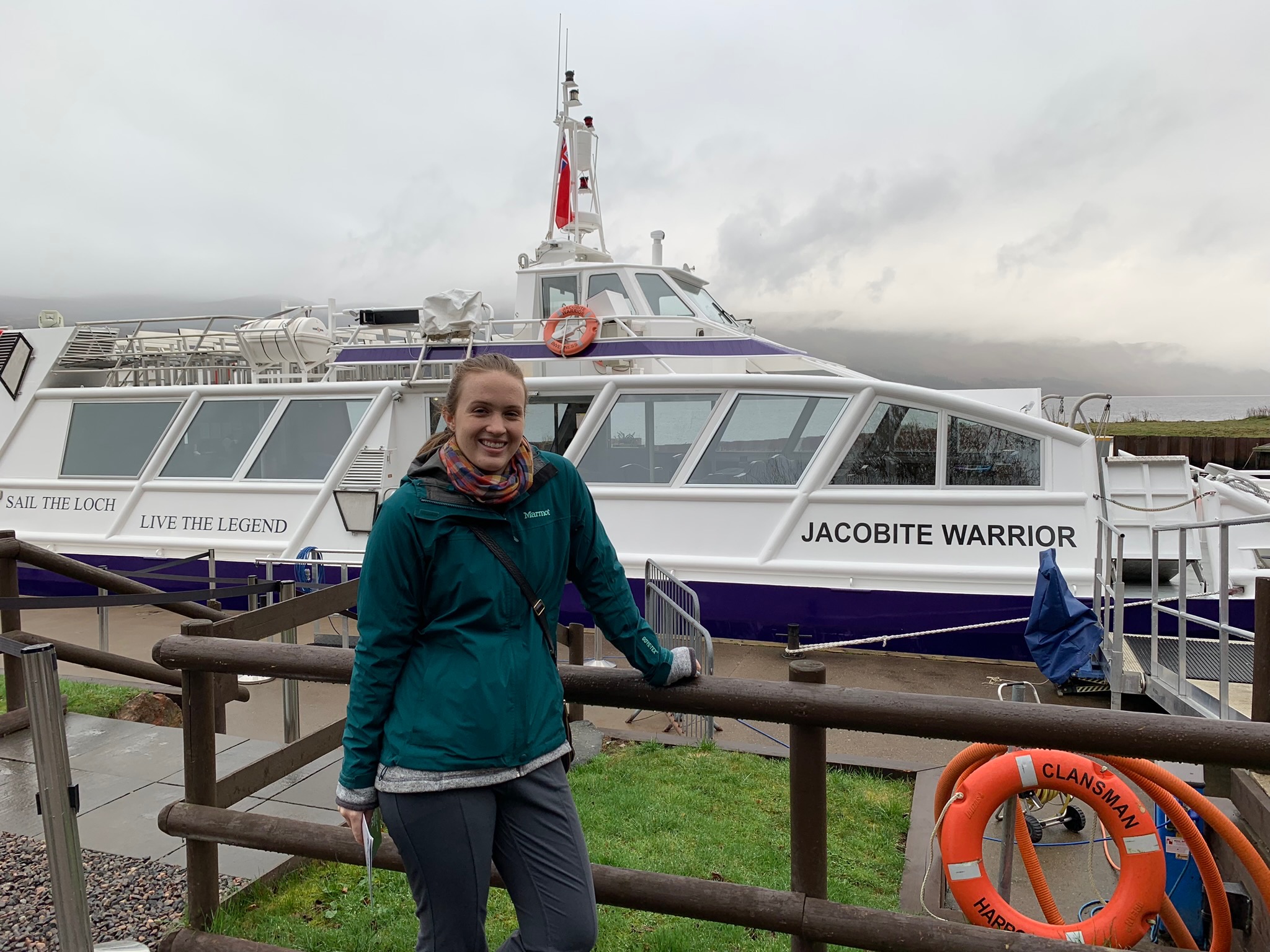
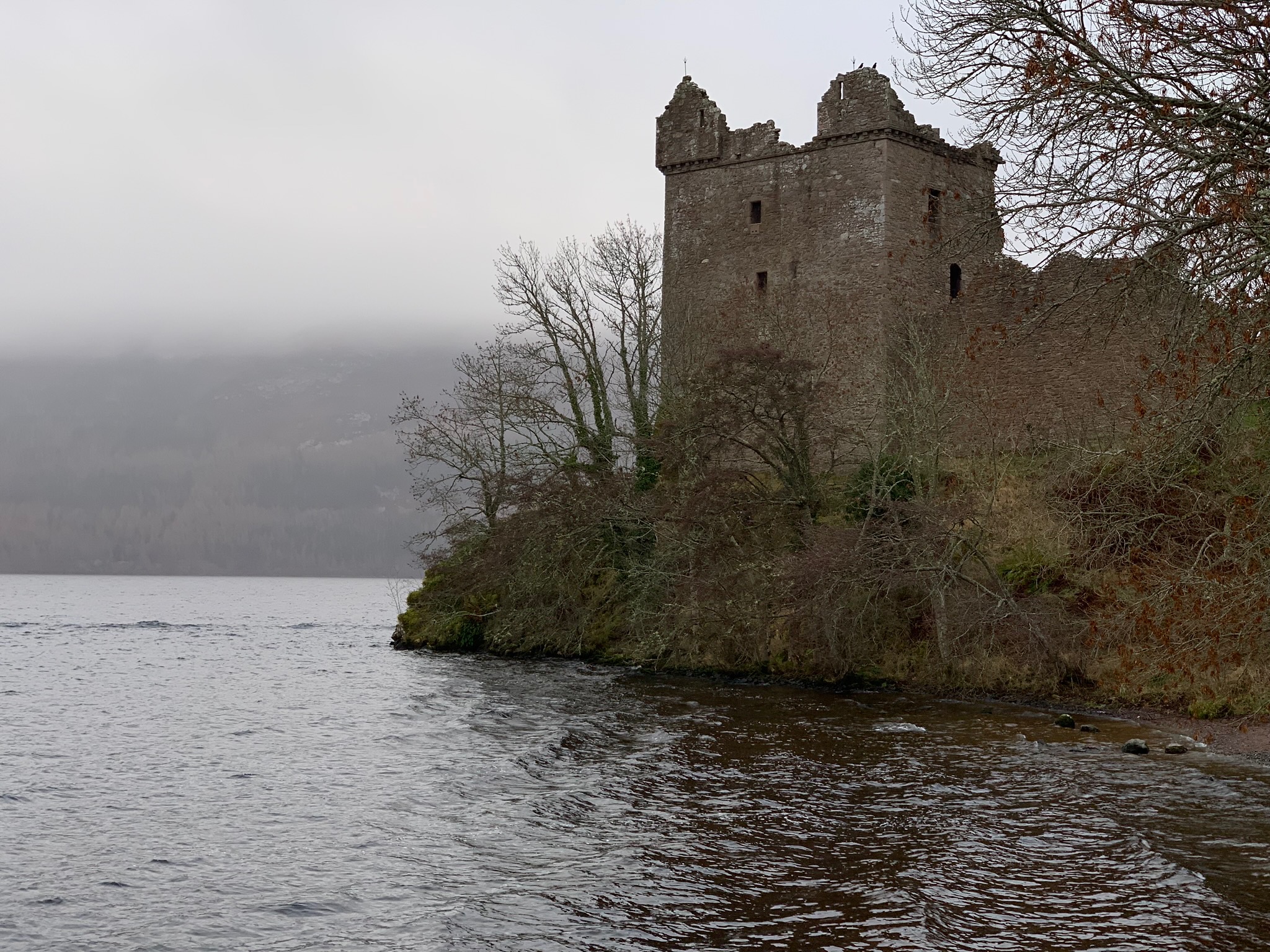
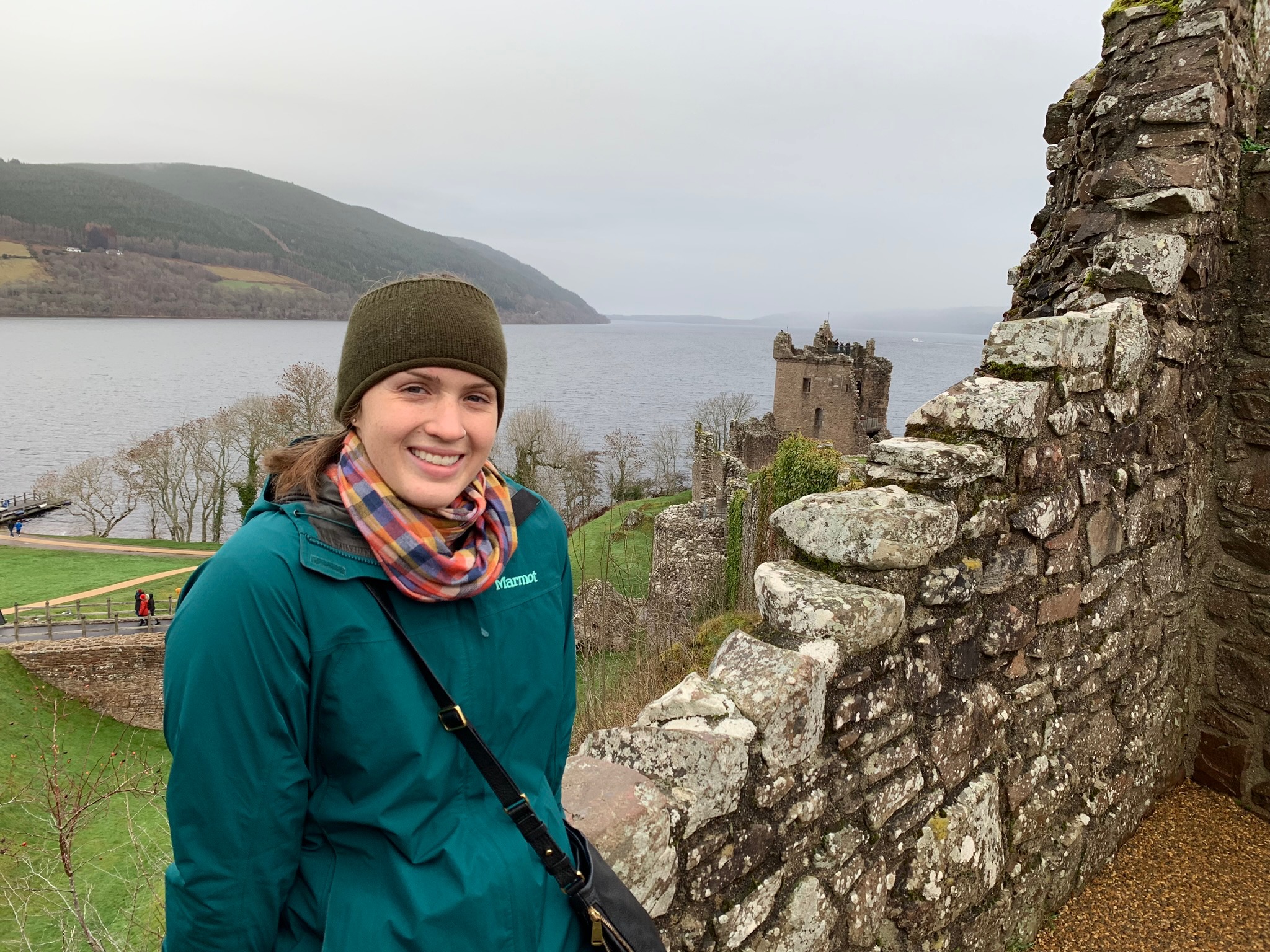
On the next day, our first full day on the Loch, we took a touristy cruise on the lake to get a closer view of the Urquhart Castle that we could see from our Airbnb.

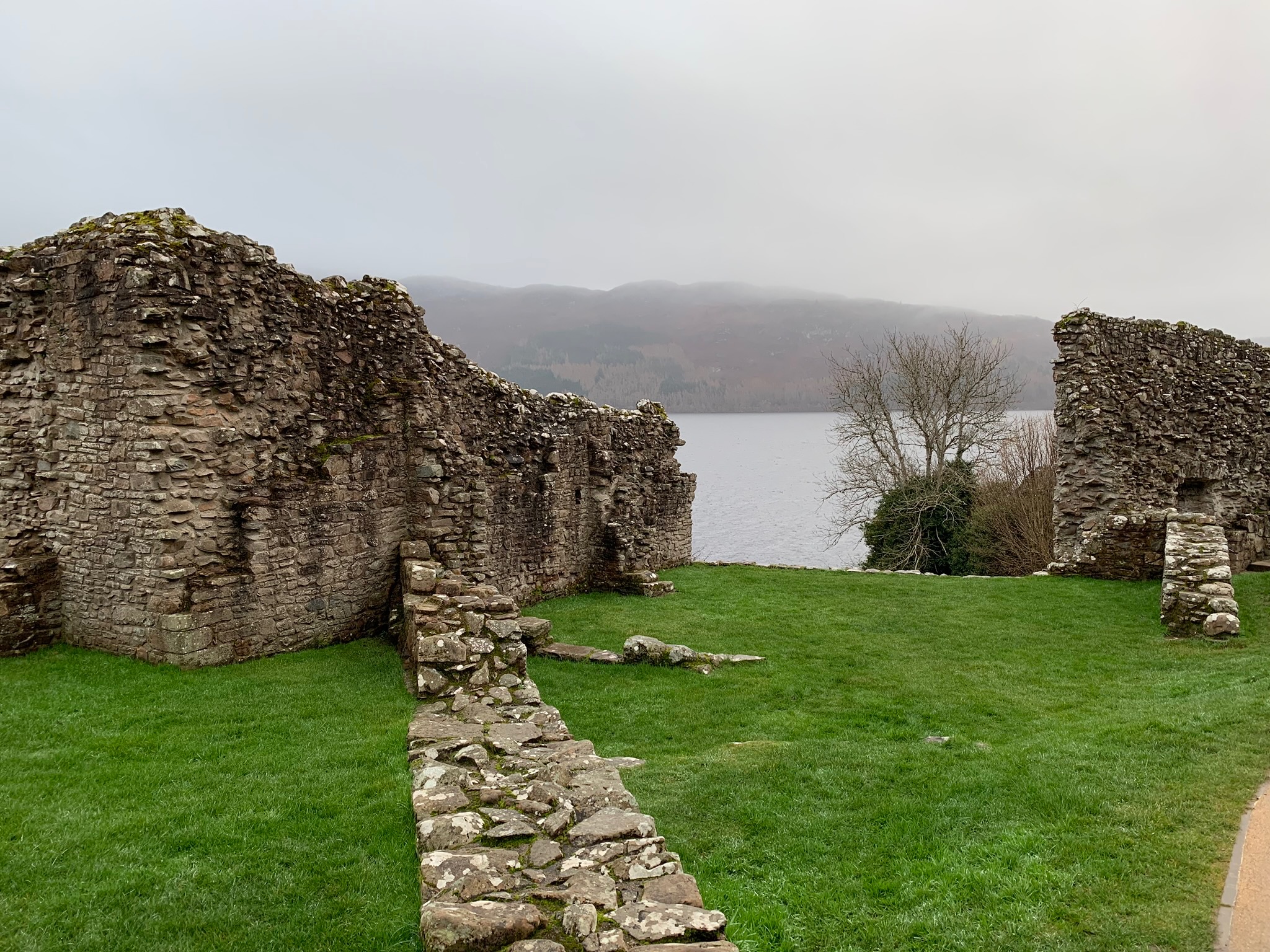
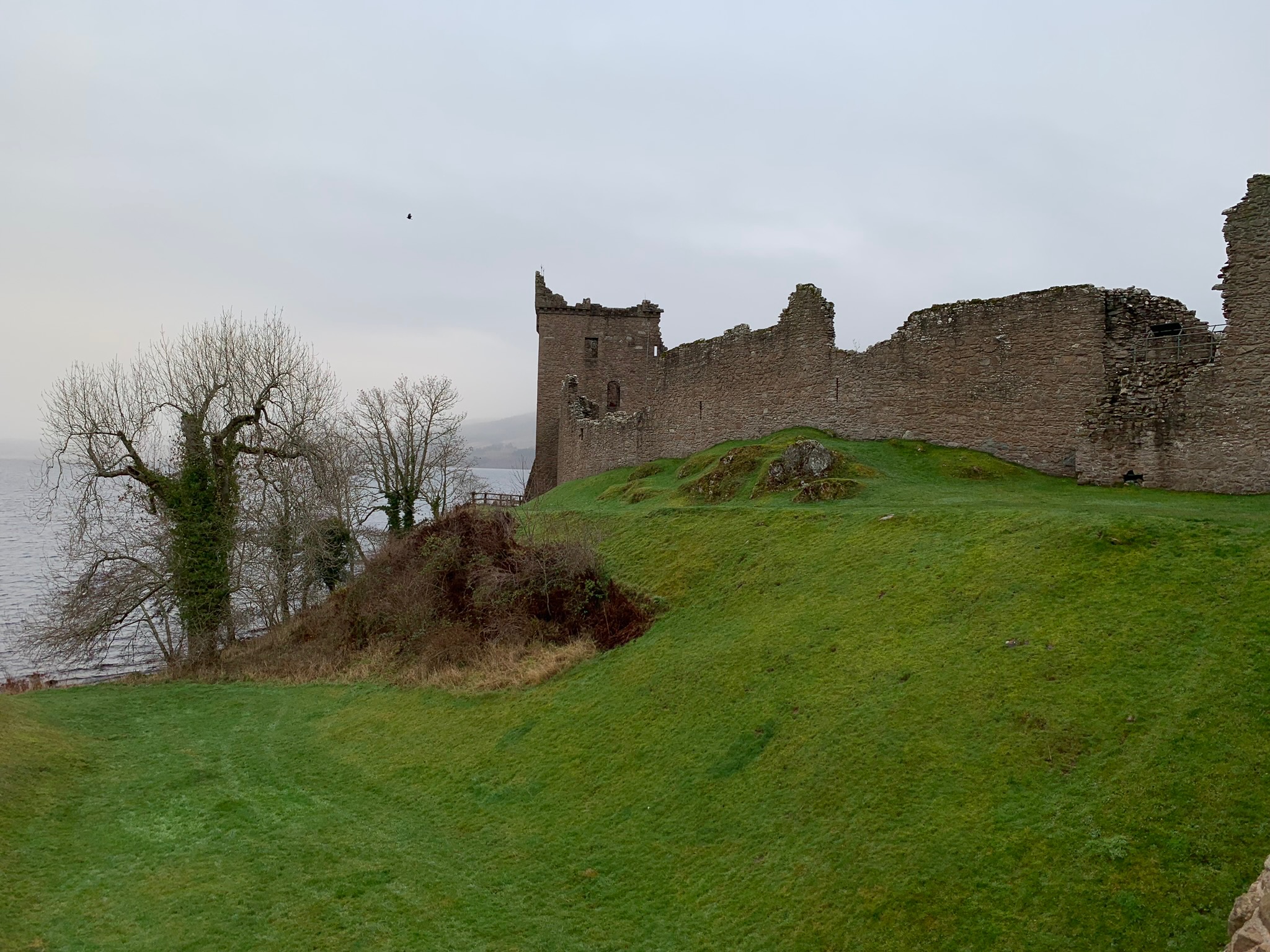
IMG-0167IMG-2766IMG-0183IMG-0182IMG-0179IMG-0162


The castle was huge. The present ruins date from the 13th to 16th century, and the castle has been occupied by many different parties throughout history. The fortification played a part in the Wars for Scottish Independence in the 14th century, then was held as a royal castle before it was given to Clan Grant in 1509. Largely abandoned in the mid 17th century, it was partially destroyed in 1692 to prevent its use by Jacobite forces. We ended that day much like the day before, by walking to the grocery and back and getting nice and cozy in the Croft.

ff4880ce-6c07-4610-9ae6-47d1867d0e04
Hiking

The next day we finally took a bus into Inverness. We walked around a bit, but found it to be more of a metropolitan area than what we were looking for, and decided to have lunch at a local restaurant called Cafe Artysan. As if the delicious food wasn’t enough, the Cafe also sold locally made soaps that smell GREAT. We headed back to Drumnadrochit and took a long walk around the lake.IMG-0203

All in all, Loch Ness was a highlight of the trip. I would highly recommend visiting on the off-season, as it is relaxing and I think you get a better idea of what the area is really like without all the cheesy tourist trappings.

The next morning, the 8th of January, we took a bus to Inverness, and from there a train to Thurso in Northern Scotland. Thurso was the nearest city to Scrabster Port with a train station that I could find. From Thurso we took a taxi to the Port and boarded a ferry. Ferry, in my opinion, is a vast understatement for this hulking behemoth of a ship that took us to the Orkney Isles. Then again, I’ve never been on a cruise ship so maybe this was a small ferry in comparison. We had apparently gotten very lucky because the day before a huge storm had come through the area and all of the ferries had been canceled. As it was, the ship was still rocking quite a bit, and James and I had fun walking around the ship like sailors three sheets to the wind. We arrived later in the evening, checked into our Airbnb in Kirkwall, and planned our next day.

IMG-0221
Near the Broch of Gurness, overlooking Eynhallow Sound

Day One in Orkney started at the Broch of Gurness. If you are an archaeological enthusiast, I highly recommend Orkney. I had spent many hours in Cameroon planning the most efficient way to get to all of the sites with our rental car, and lemme tell you, you cannot throw a very old rock of archaeological significance without hitting another very old rock of archaeological significance in this place.

IMG-0239

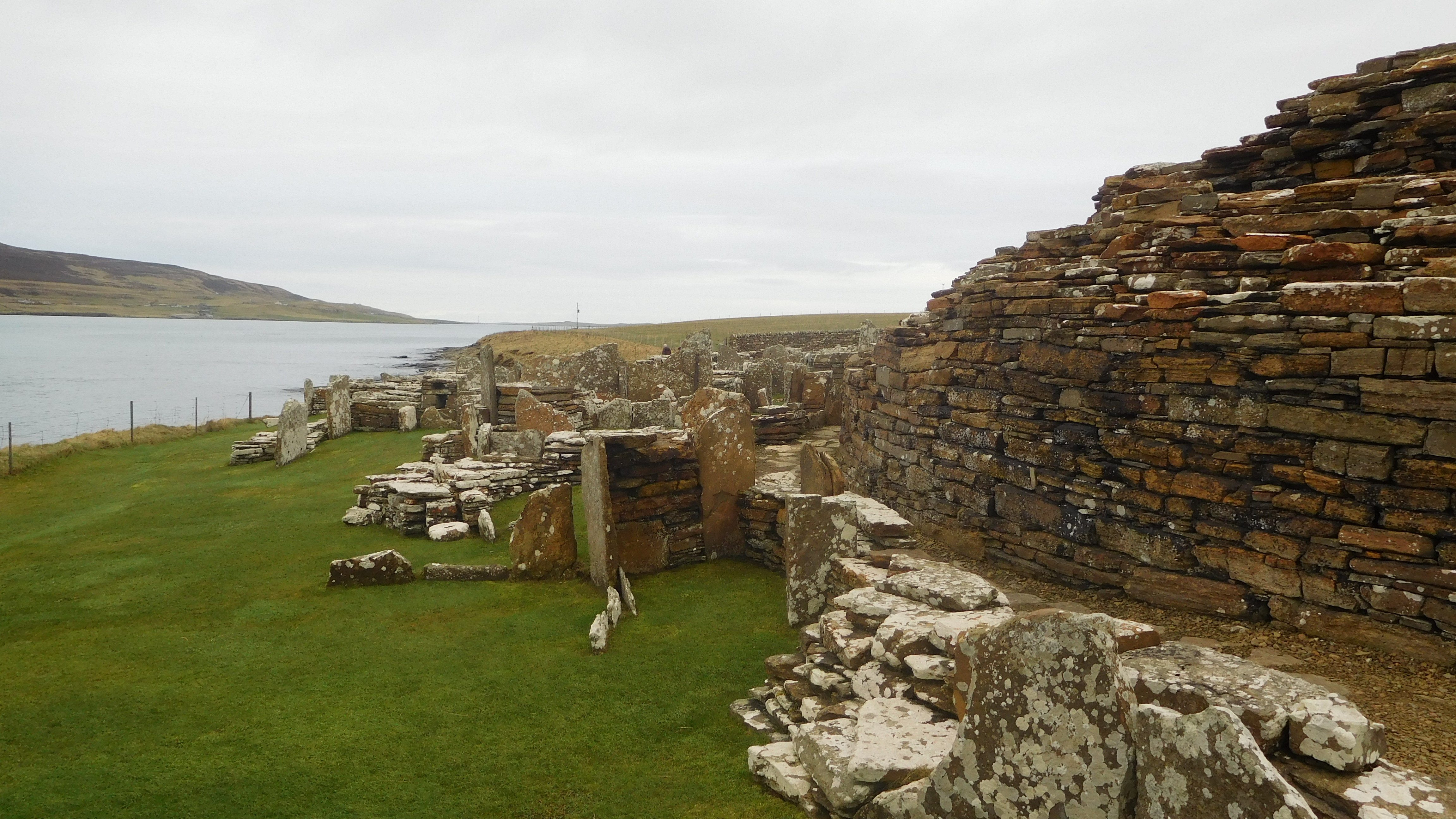
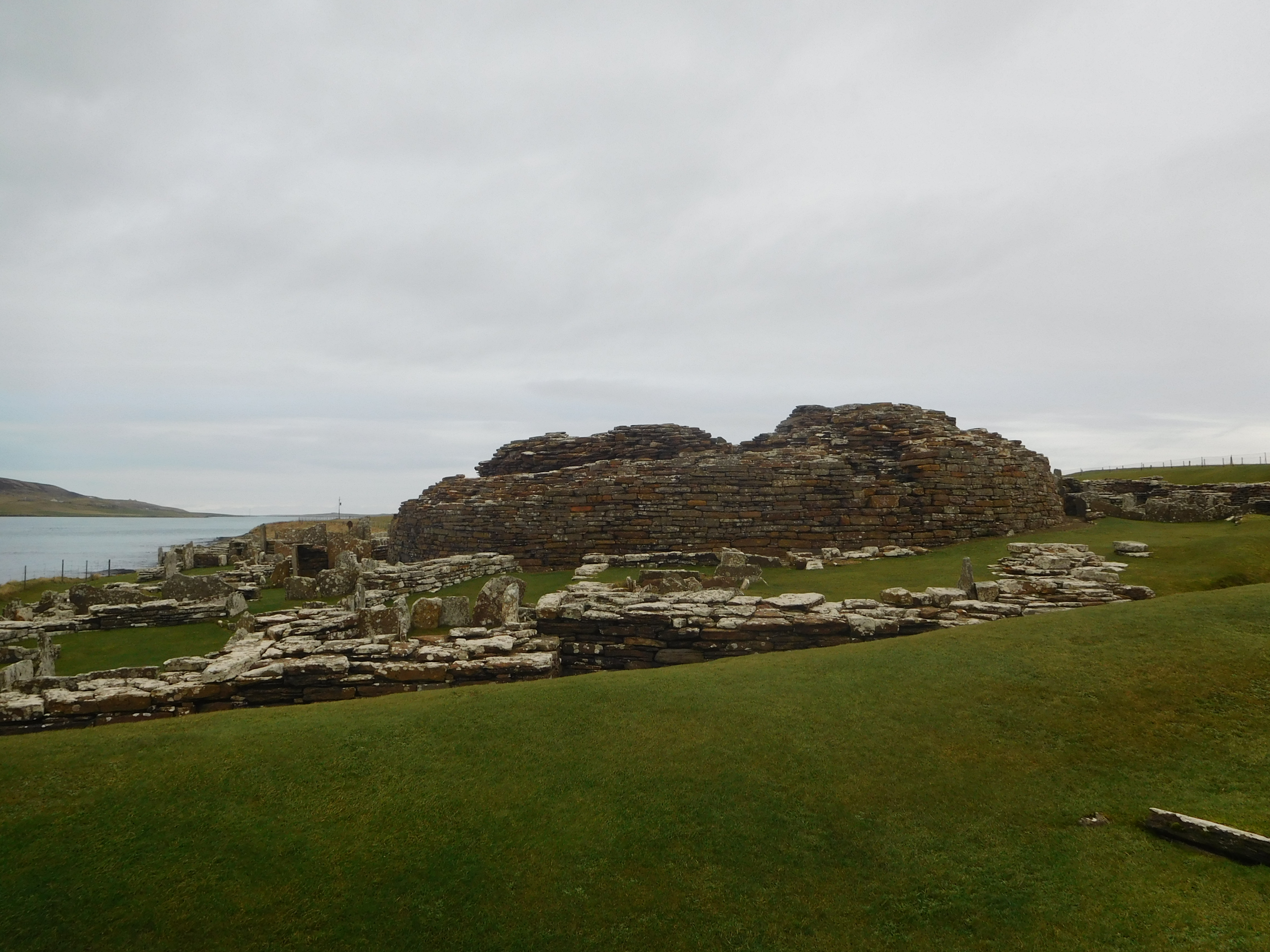
The Broch of Gurness is an Iron Age broch village on the northeast coast of Mainland Orkney, was settled around 500 to 200 BC, and used to be home to a substantial community. The gate to this amazingly ancient site was also open and there was no one there so we could have trampled all over it if we wanted. We didn’t though, because our mother raised us to respect Iron Age settlements, or something like that.DSCN4636

DSCN4641
The Broch

At the center of this settlement is a Broch (or tower) which once stood about 10 meters high. It was divided into rooms and was the heart of the community.

Next we went to Skara Brae, which was significantly more monitored and protected. There was a fence around it and a marked walking path.

IMG-2821
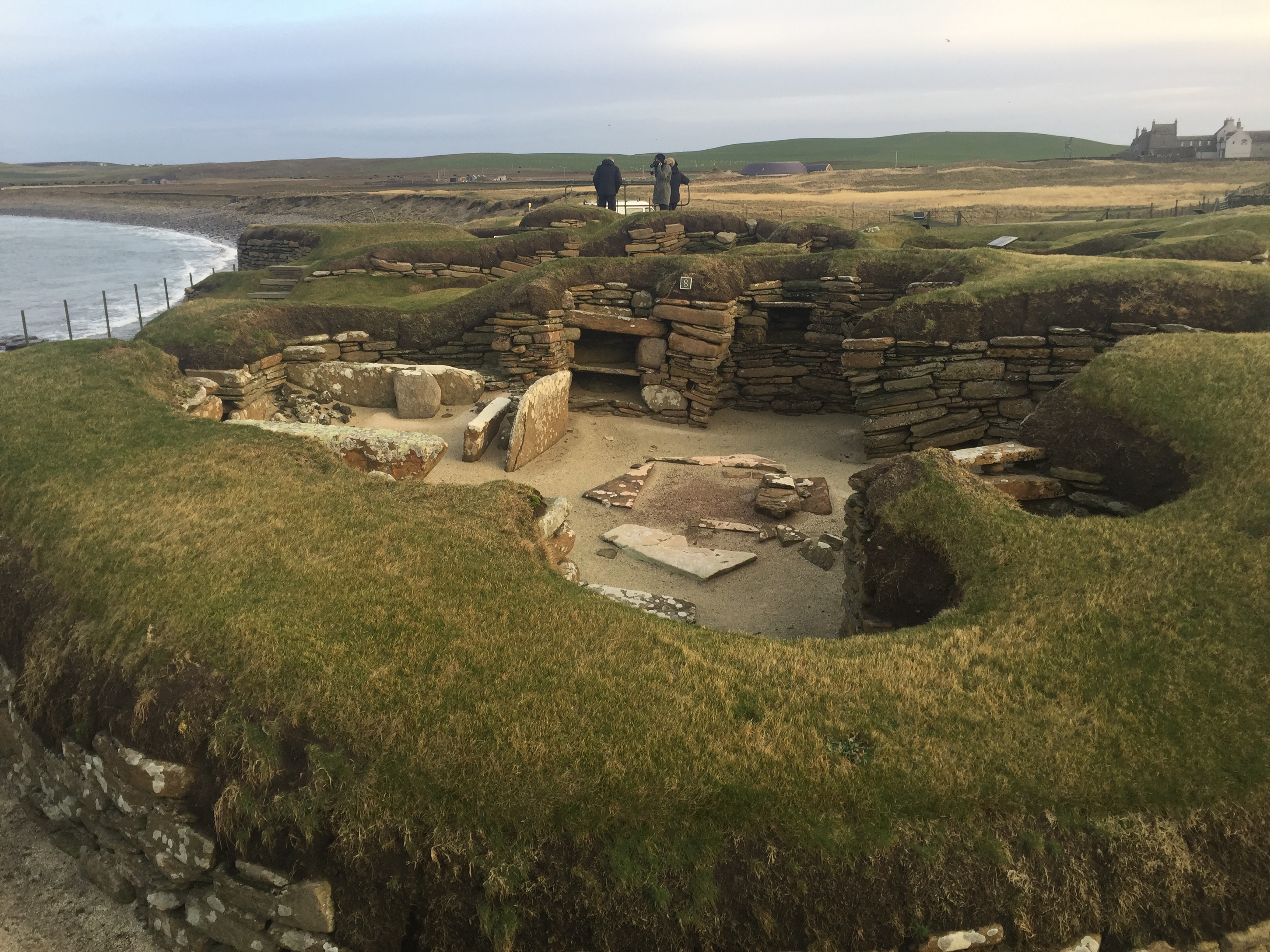
One of the eight clustered houses

Skara Brae is a stone-built Neolithic settlement from around 3180 BC to 2500 BC and is located on the Bay of Skaill on Mainland Orkney. My favorite part of this settlement and the Broch of Gurness were the odd little stone basins I kept seeing everywhere, which I later found out were used to store fish and bait for later use. Clever!

IMG-1507
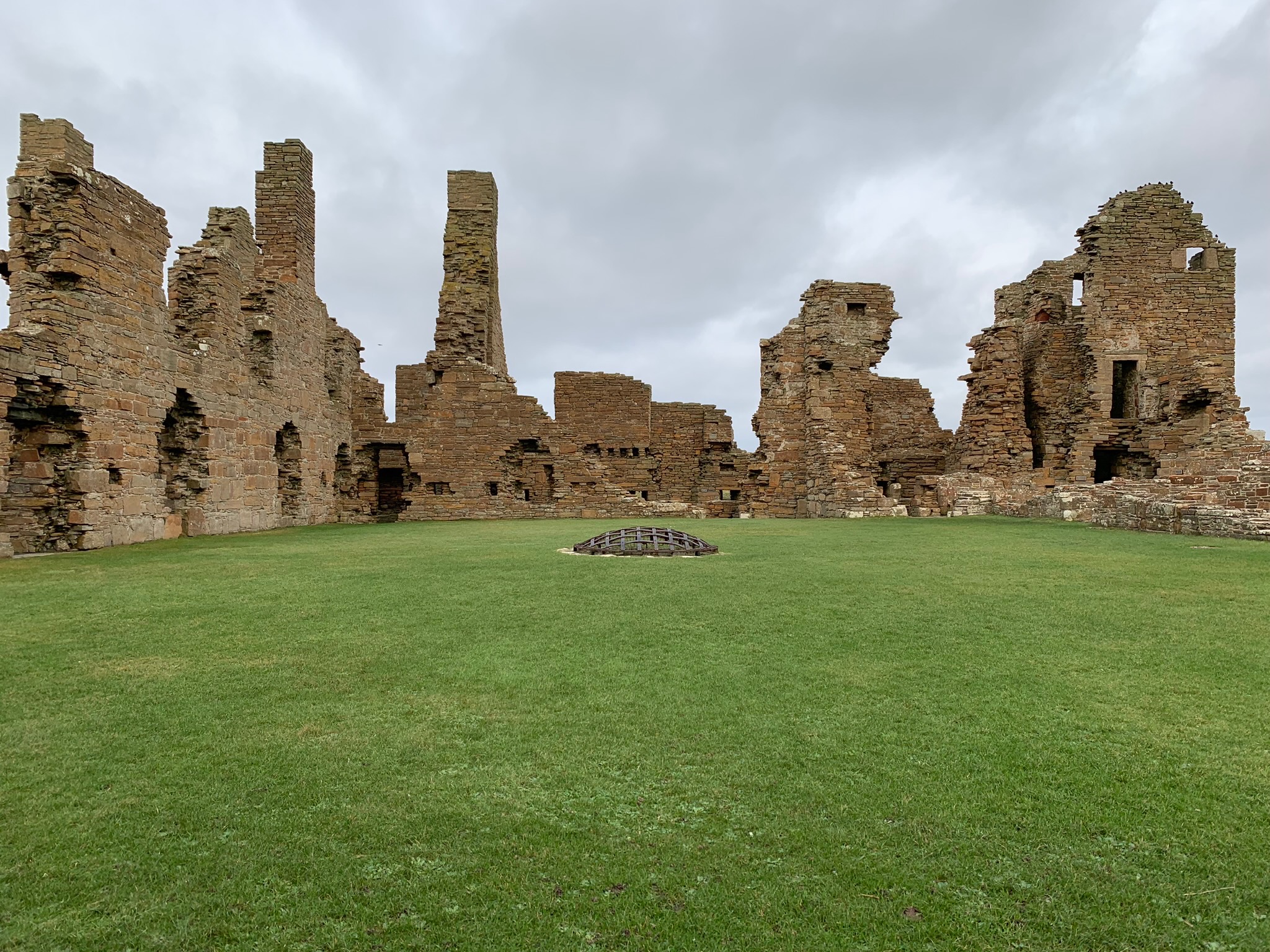
Earl’s Palace in Birsay

We then drove to the Earl’s Palace in Birsay, not to be confused with the Earl’s Palace in Kirkwall that we visited the next day. Honestly, this place. The Birsay Palace is a ruined 16th century castle.

IMG-1506
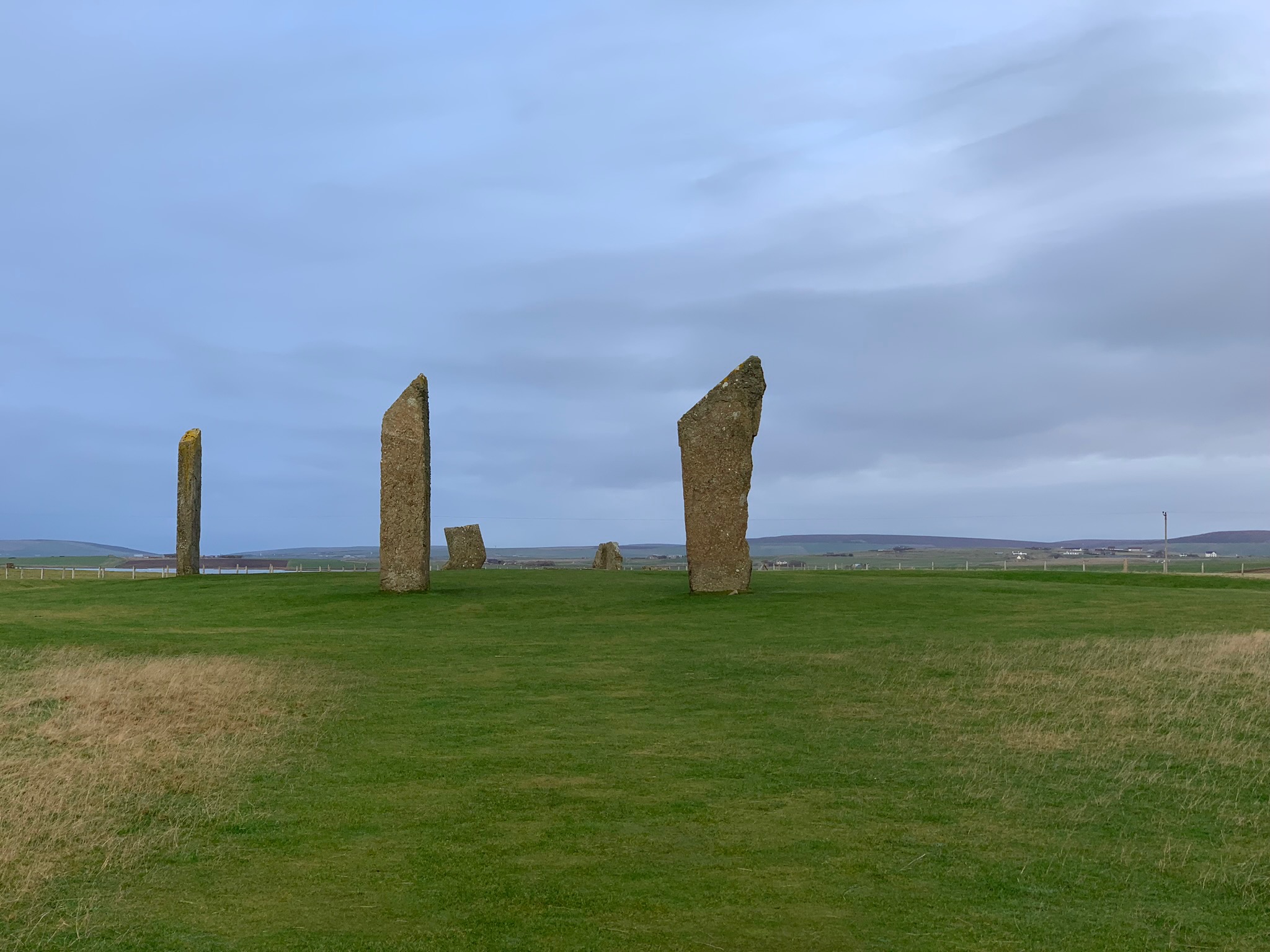
The Standing Stones of Stenness

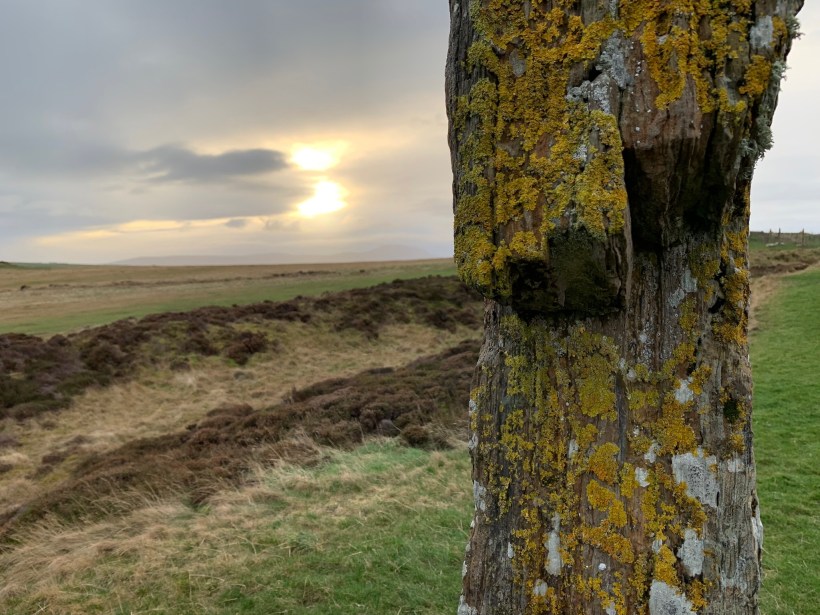
IMG-0338Our next stop were the Stones of Stenness. These babies were erected in the Neolithic period and may be the oldest standing henge in the British Isles. Based on radiocarbon dating, work on the site is thought to have begun around 3200 BC. This stone circle originally held up to 12 stones, with an additional standing stone called the “Stenness Watch Stone” outside of the circle that you drive past on you way to yet ANOTHER henge within spitting distance of Stenness.
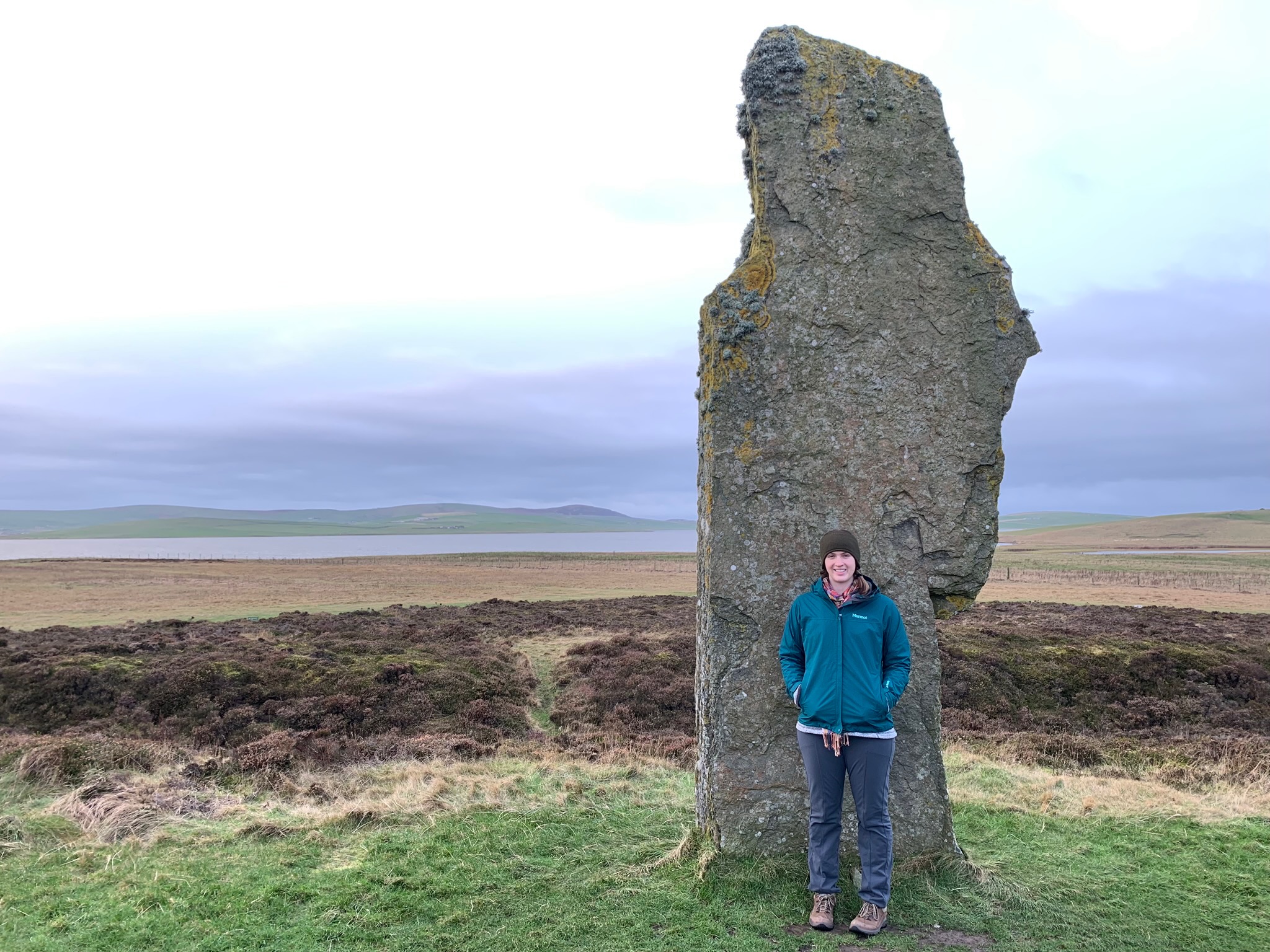
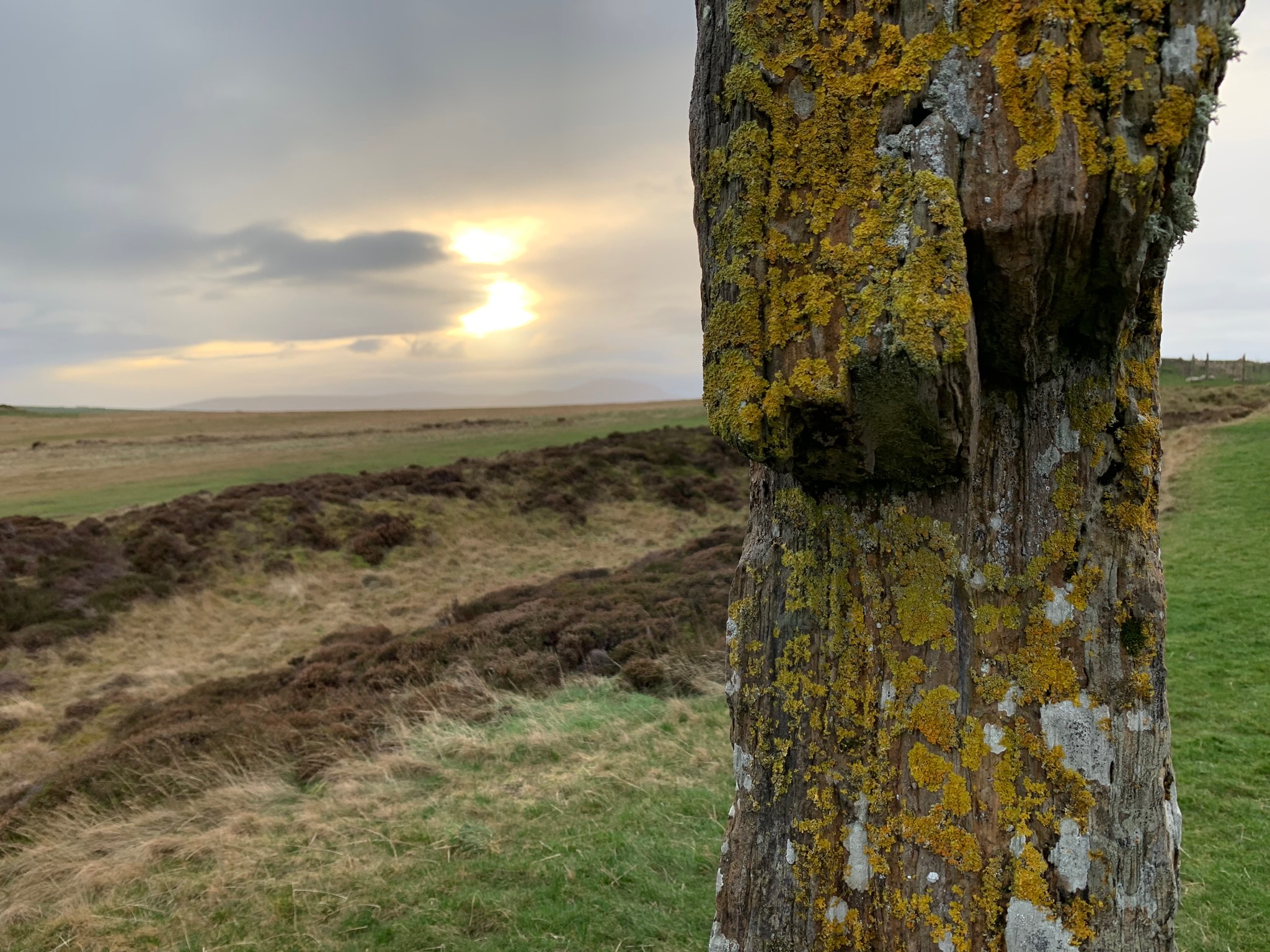
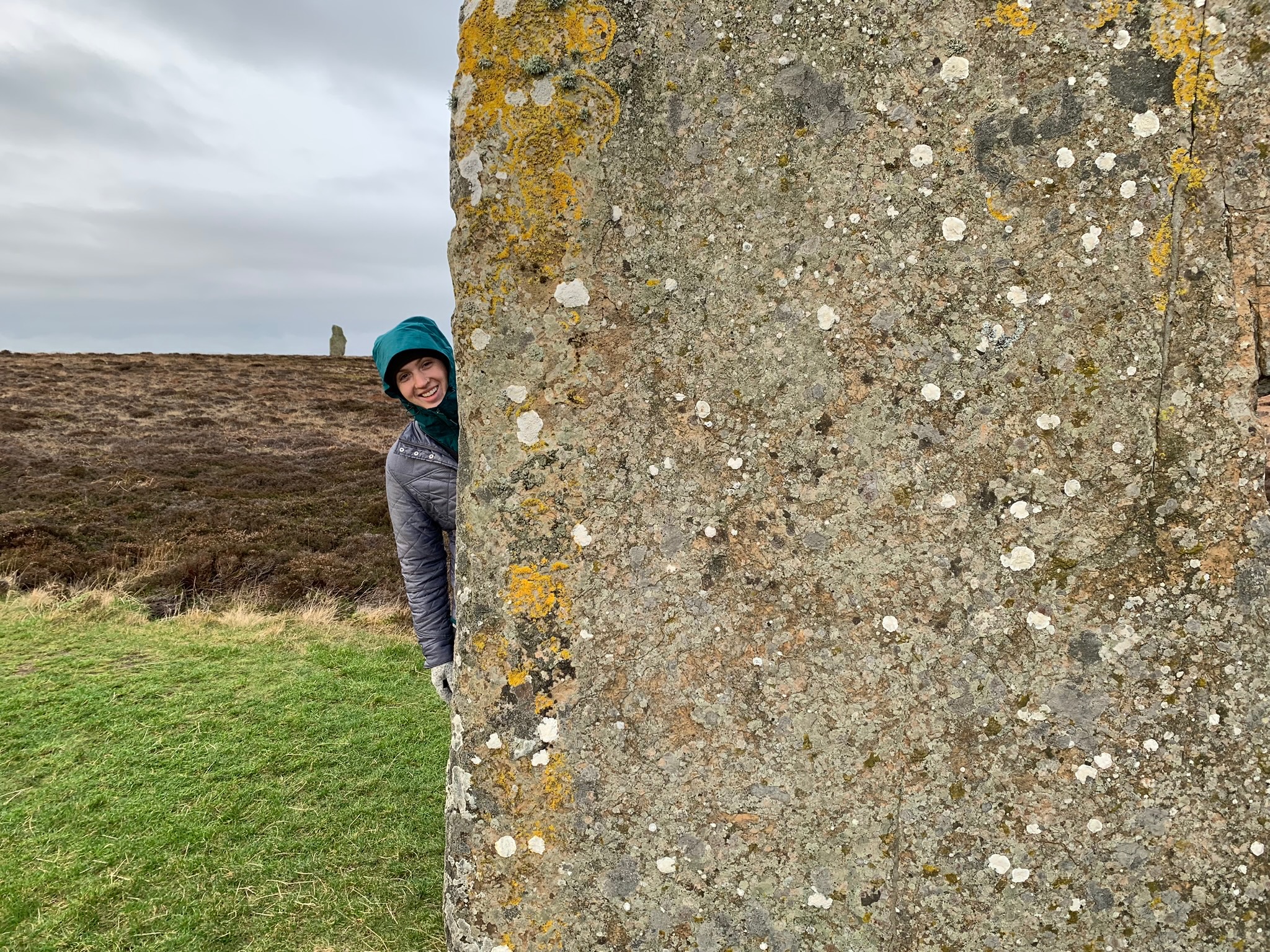
The Ring of Brodgar needs to be seen to be believed. It is impossible to capture the scope of the whole circle in one photo, but you can get the scale of the individual stones with these pictures, keeping in mind I’m a little over 5’9″.IMG-0359IMG-0321IMG-0324

The circle was constructed around 2500 BC to 2000 BC and stands on a small isthmus. The diameter of the circle is 104 meters, and it originally consisted of 60 giant stones, of which only 27 remain today. With this huge monument, our first day was mostly over. We spent a few hours of the night driving around hoping to get a glimpse of the Northern Lights, but had no luck. James and I weren’t too upset though, as it’s more reason to come back and see the rest of the many things we didn’t have time to see.

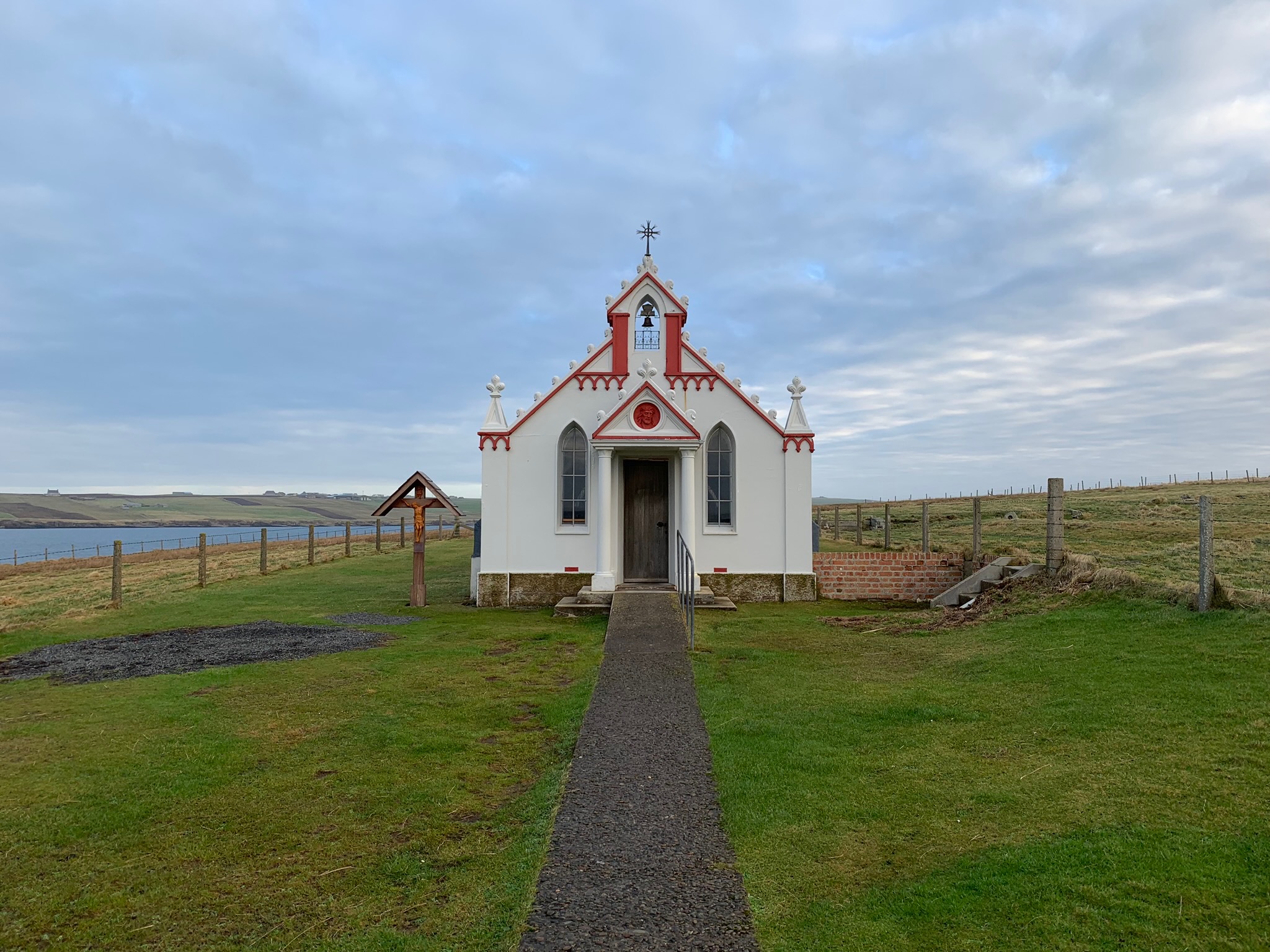
The second day we started at the Italian Chapel.

IMG-0405
The Facade

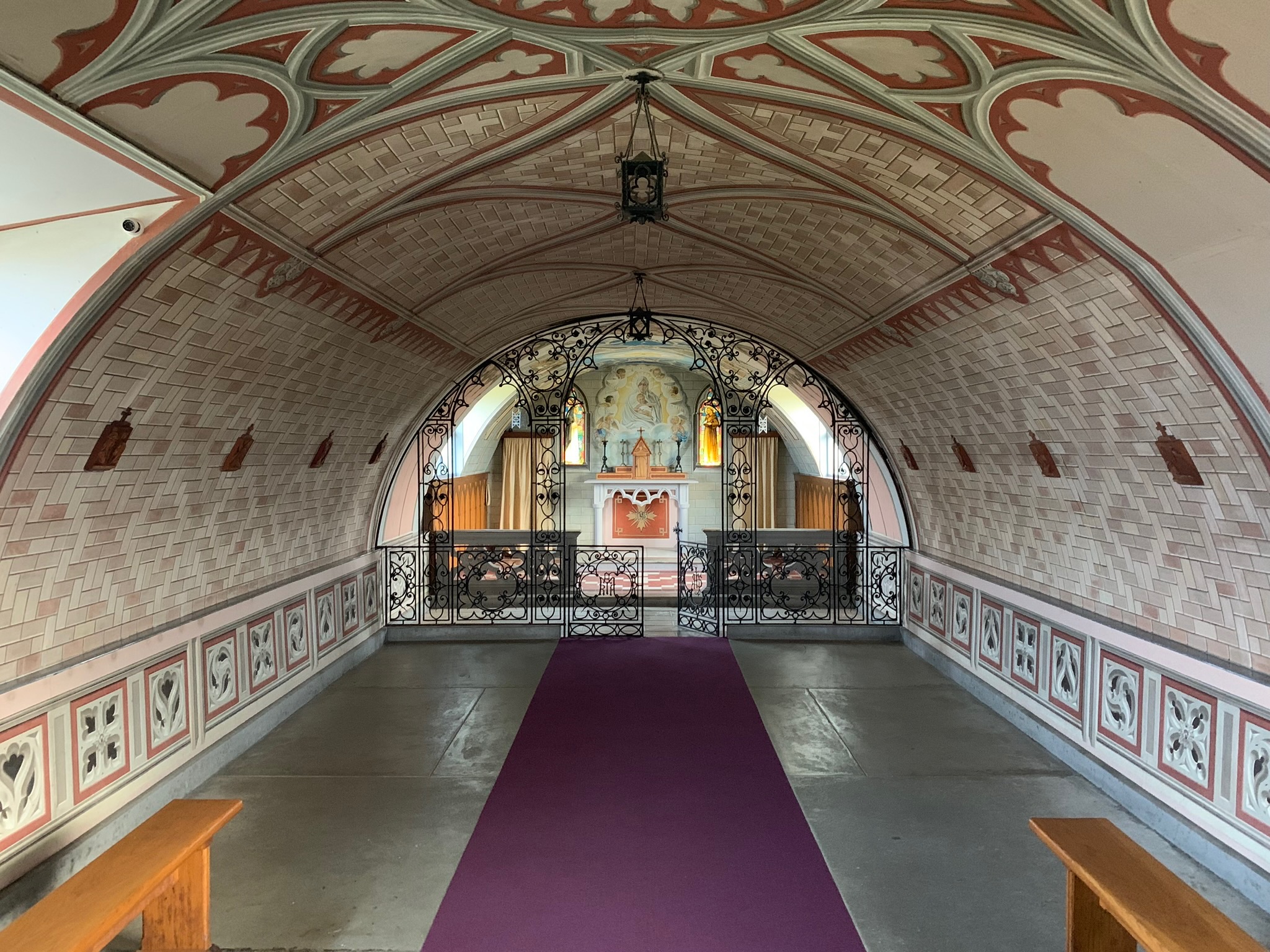
The Italian Chapel was built by Italian prisoners of war during World War II. These prisoners were in Orkney constructing the Churchill Barriers, enormous boundaries of concrete sunk into the water between islands in Orkney to prevent German U-boats from entering the Scapa Flow. These barriers now act as convenient bridges between the smaller islands and the mainland. The Chapel was constructed out of two metal barracks stuck together and decorated with limited resources. The results are magnificent.

IMG-0394

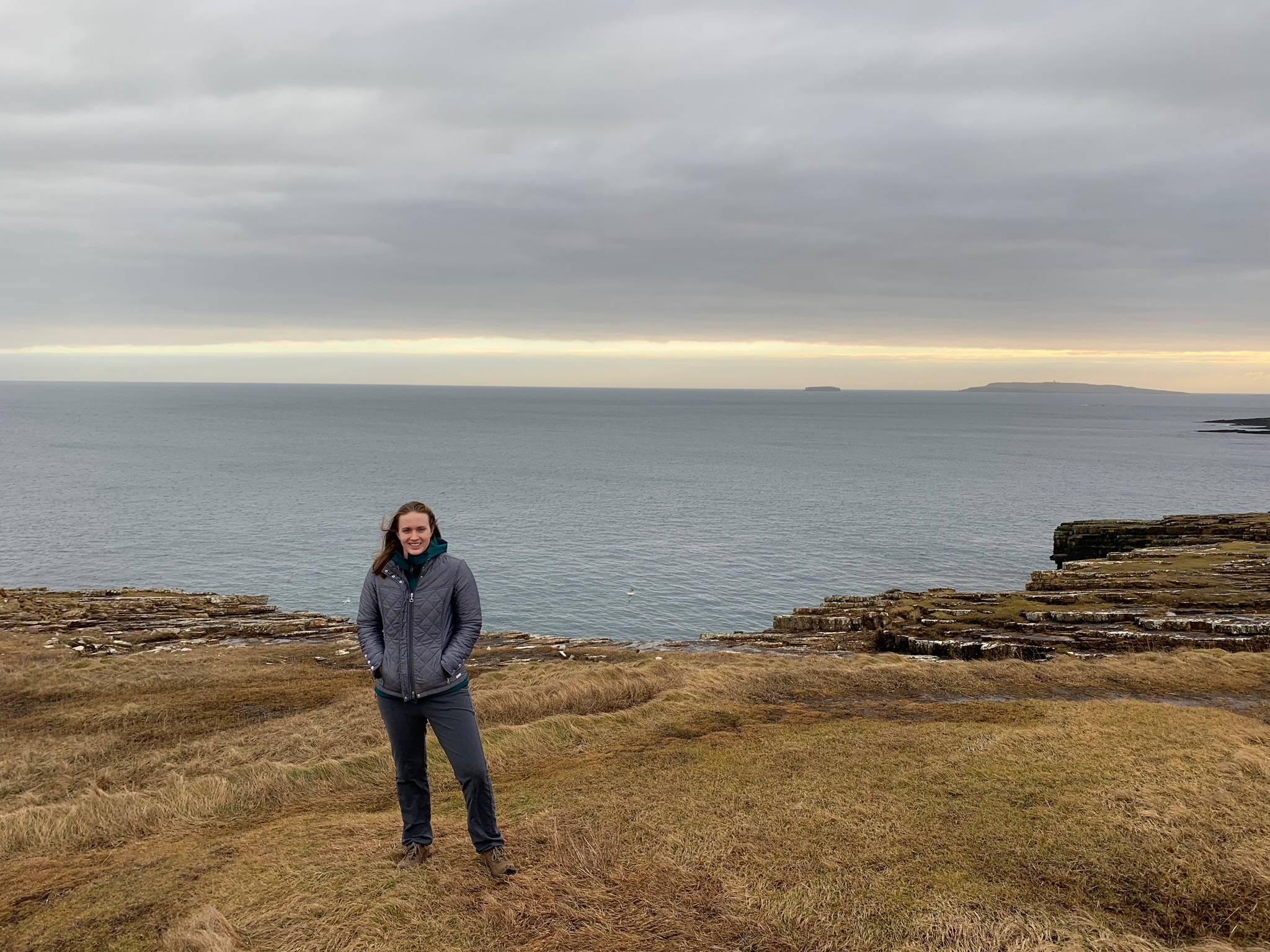
We then traveled on to Mullhead Nature Reserve and a hike to see the sites there.

IMG-2879
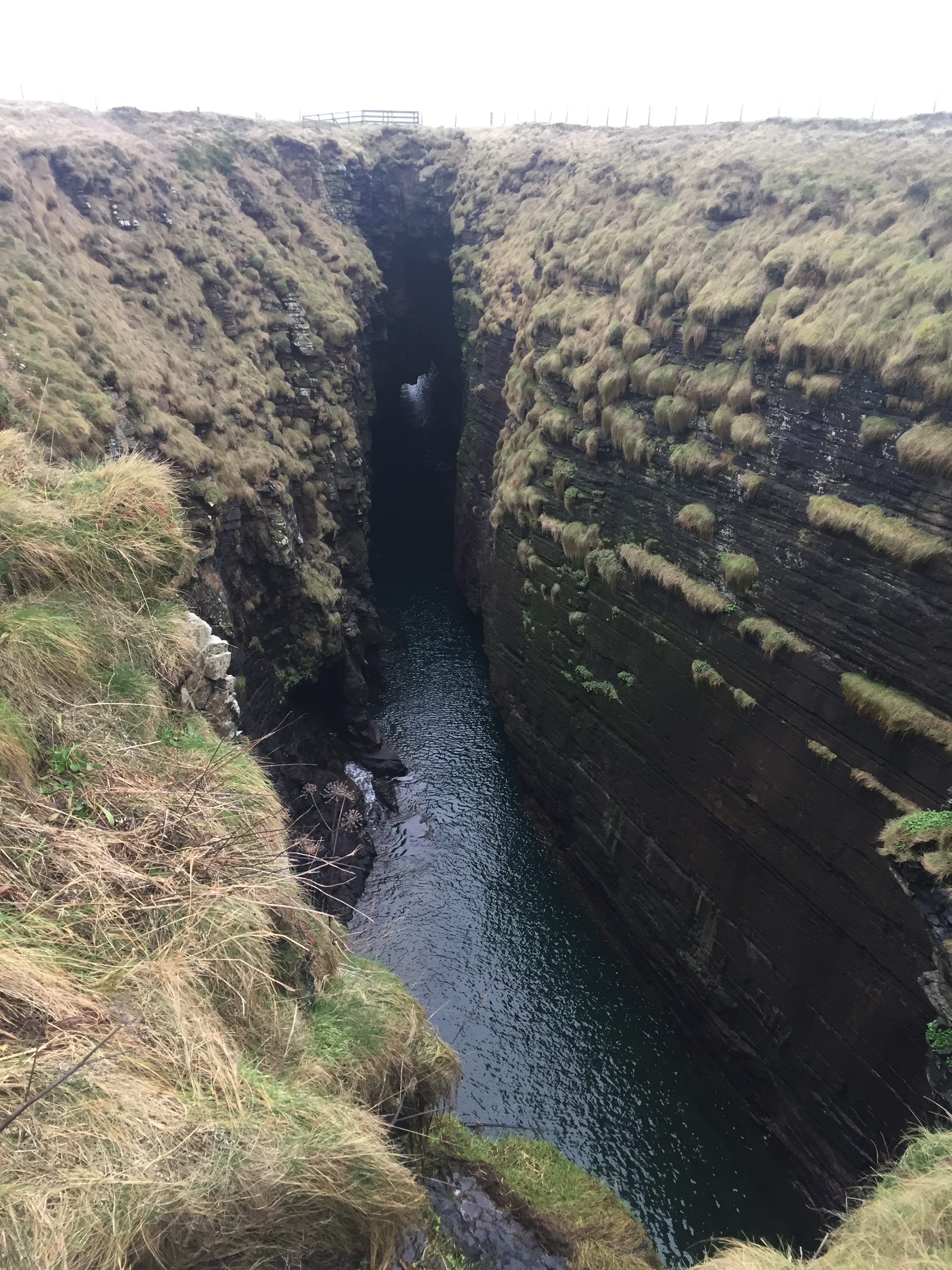
“The Gloup”

First we encountered the Gloup, a collapsed sea cave at the start of our walk.

IMG-0464


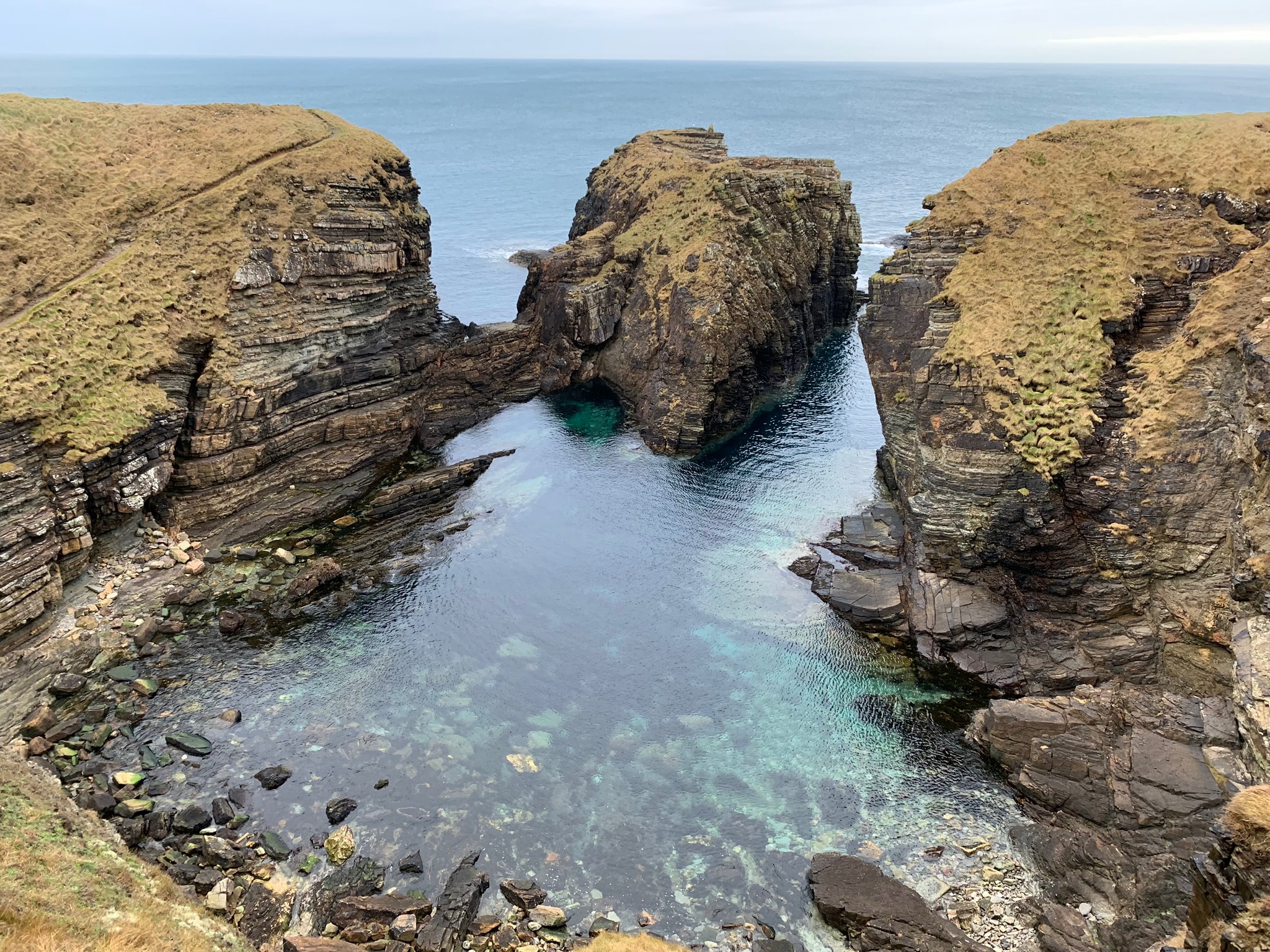
We then trekked along the cliffs to the Brough of Deerness.IMG-0452

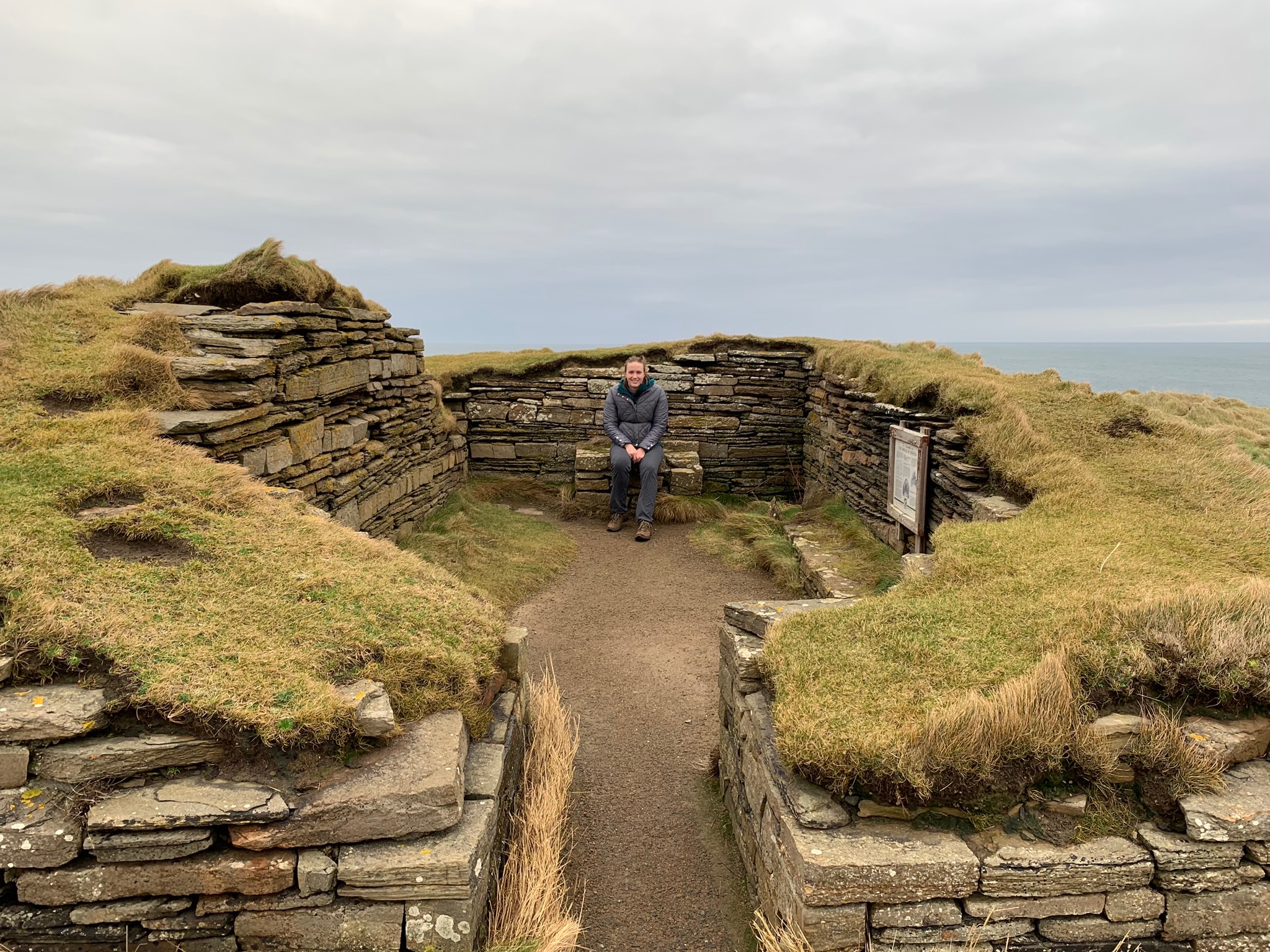
In order to get to the Brough, we had to head down to the water and then back up to get to the isolated little island. There we found the remains of the 10th century Brough of Deerness chapel and Viking Settlement.IMG-0433

We ended the hiking with a jog around the cliffs.IMG-2899

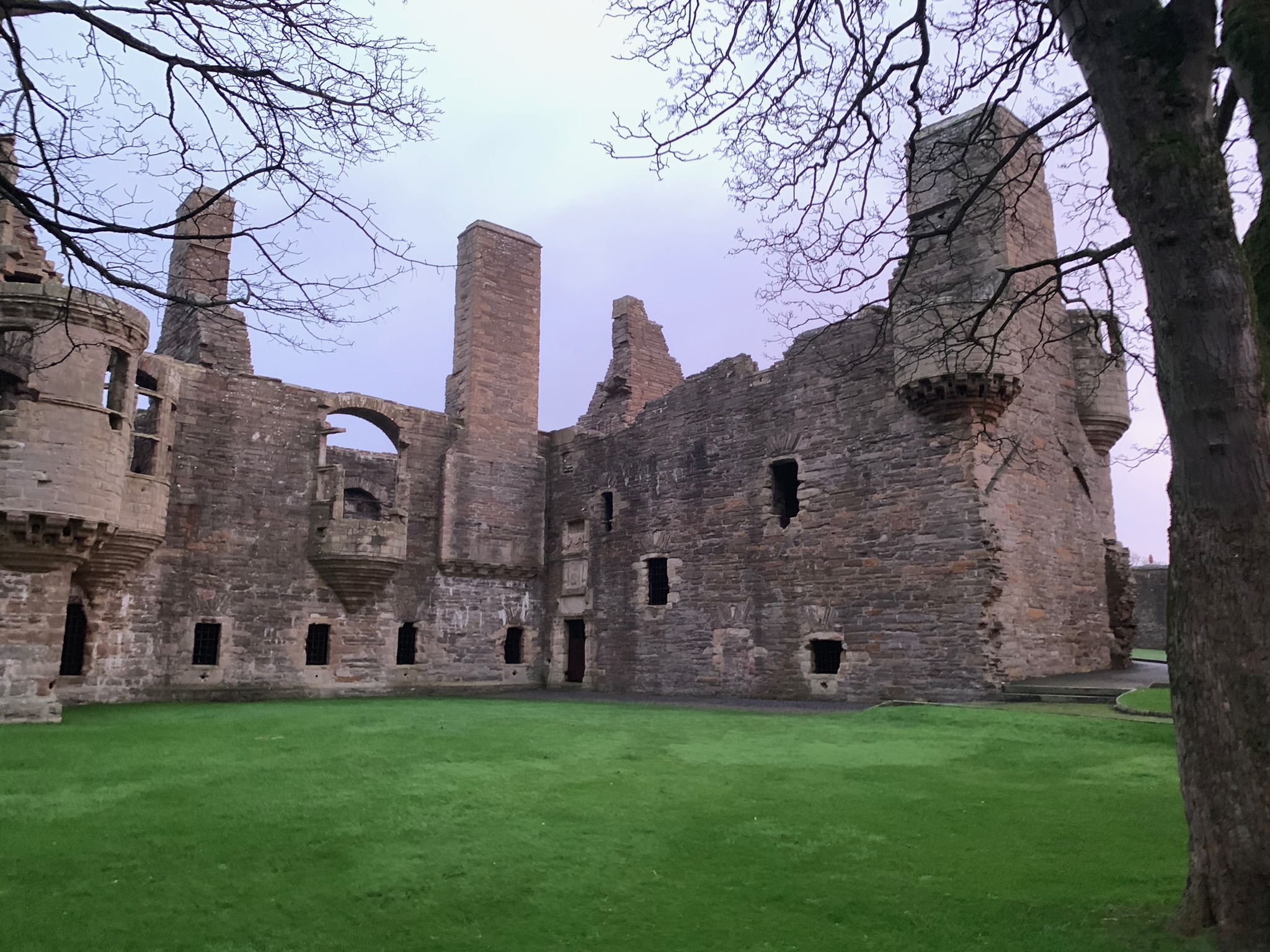
The last bit of daylight was spent exploring closer to our Airbnb in Kirkwall, and we visited the Earl’s Palace. Construction was started here in 1607.

IMG-0468
Earl’s Palace in Kirkwall

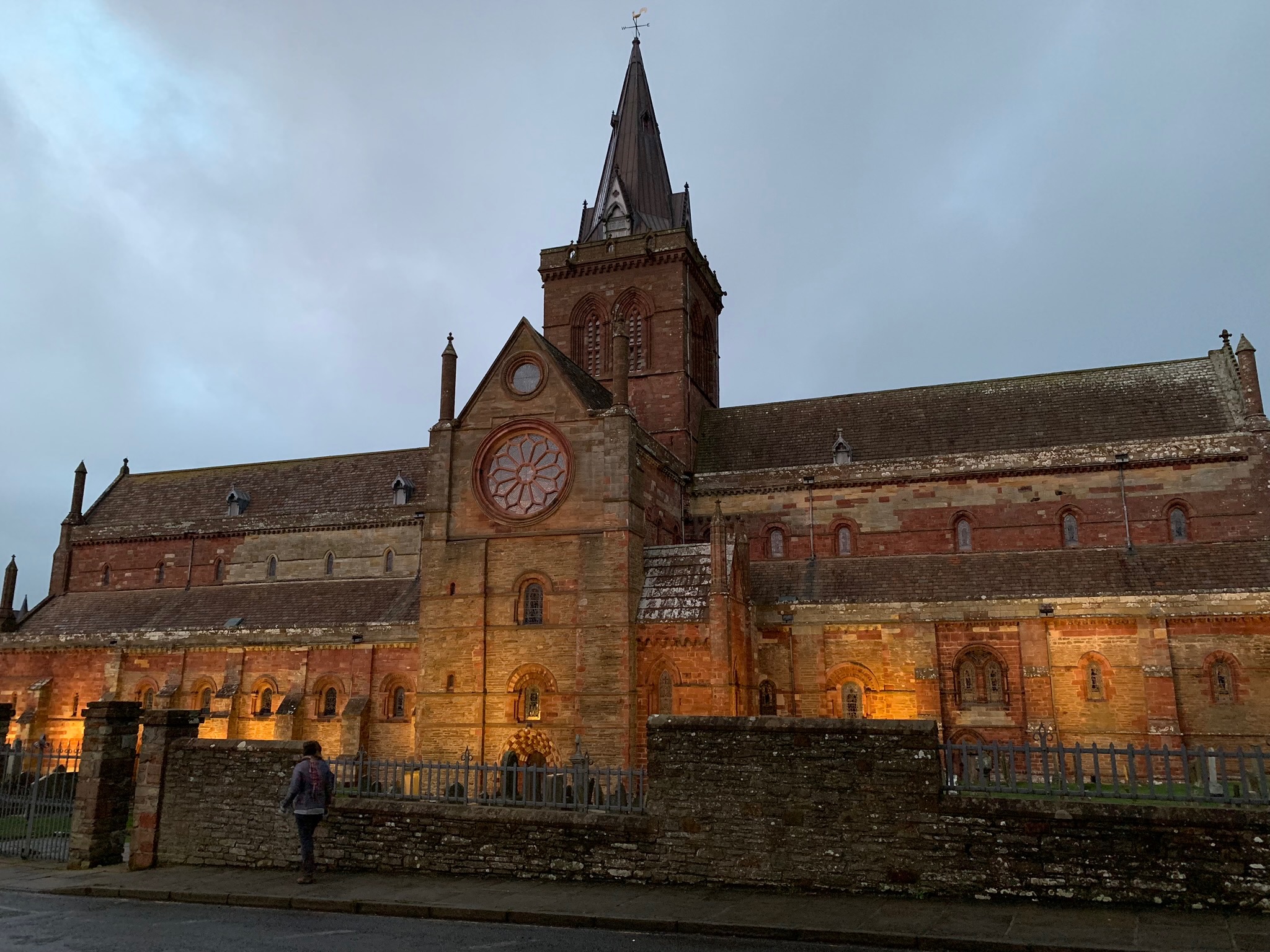
The Palace is right next to St. Magnus Cathedral, and absolutely gorgeous old church (and I should know, at this point I’ve seen a lot).

IMG-0466
St. Magnus Cathedral

With that, and a bit of souvenir shopping, our last day in Kirkwall was over. We were up before dawn the next day on a flight to Aberdeen and then London.

London Part 2:

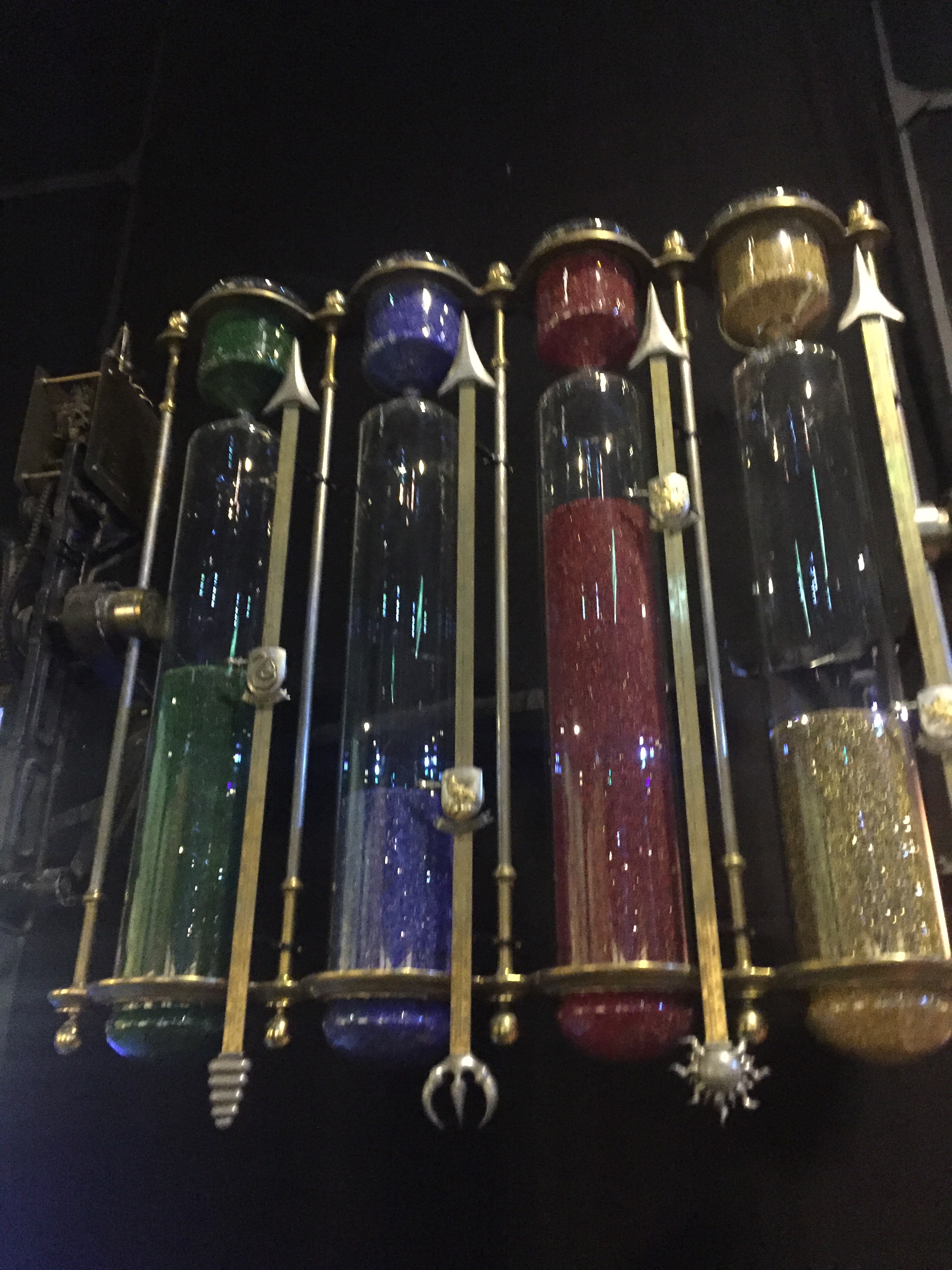
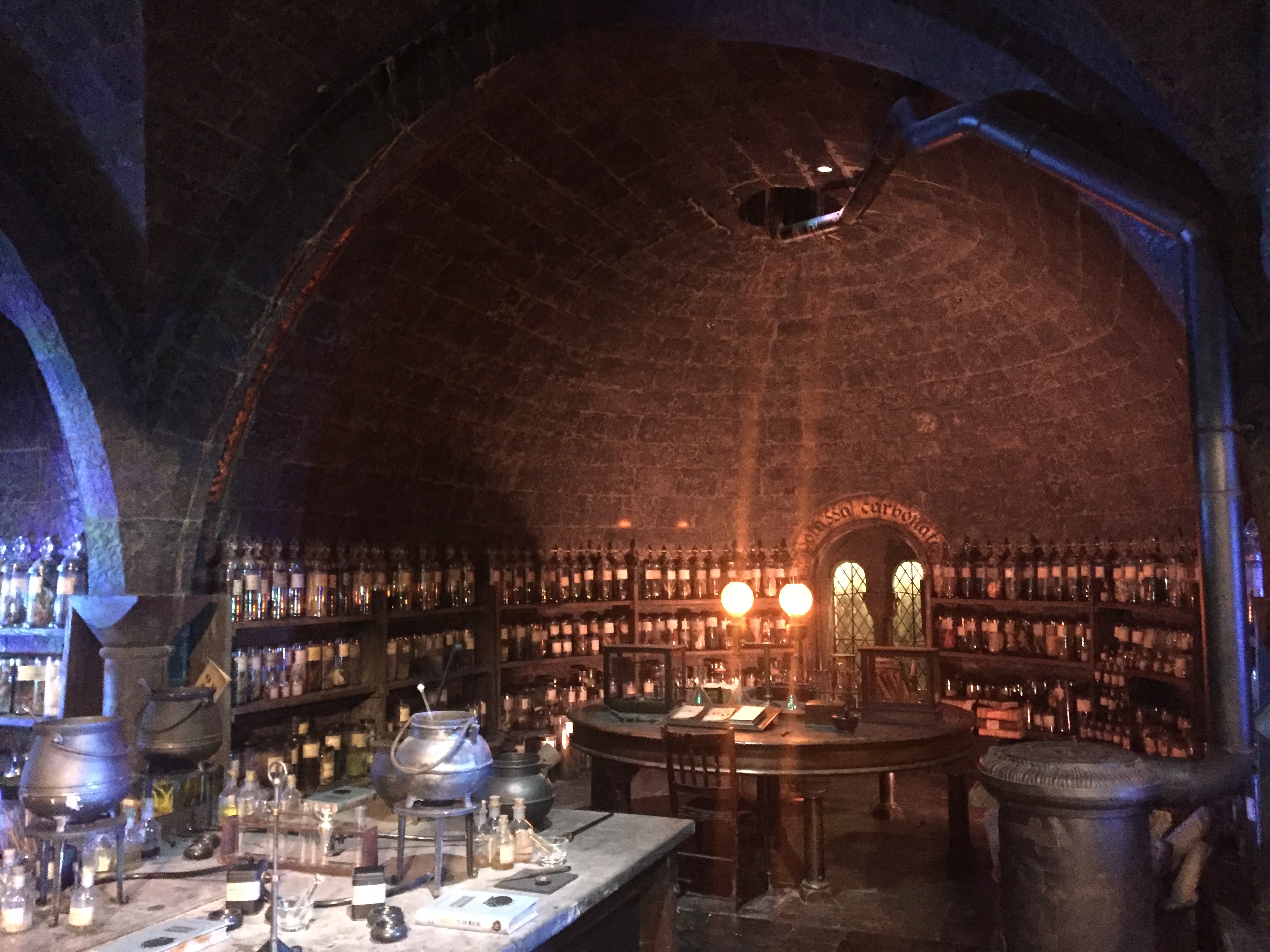
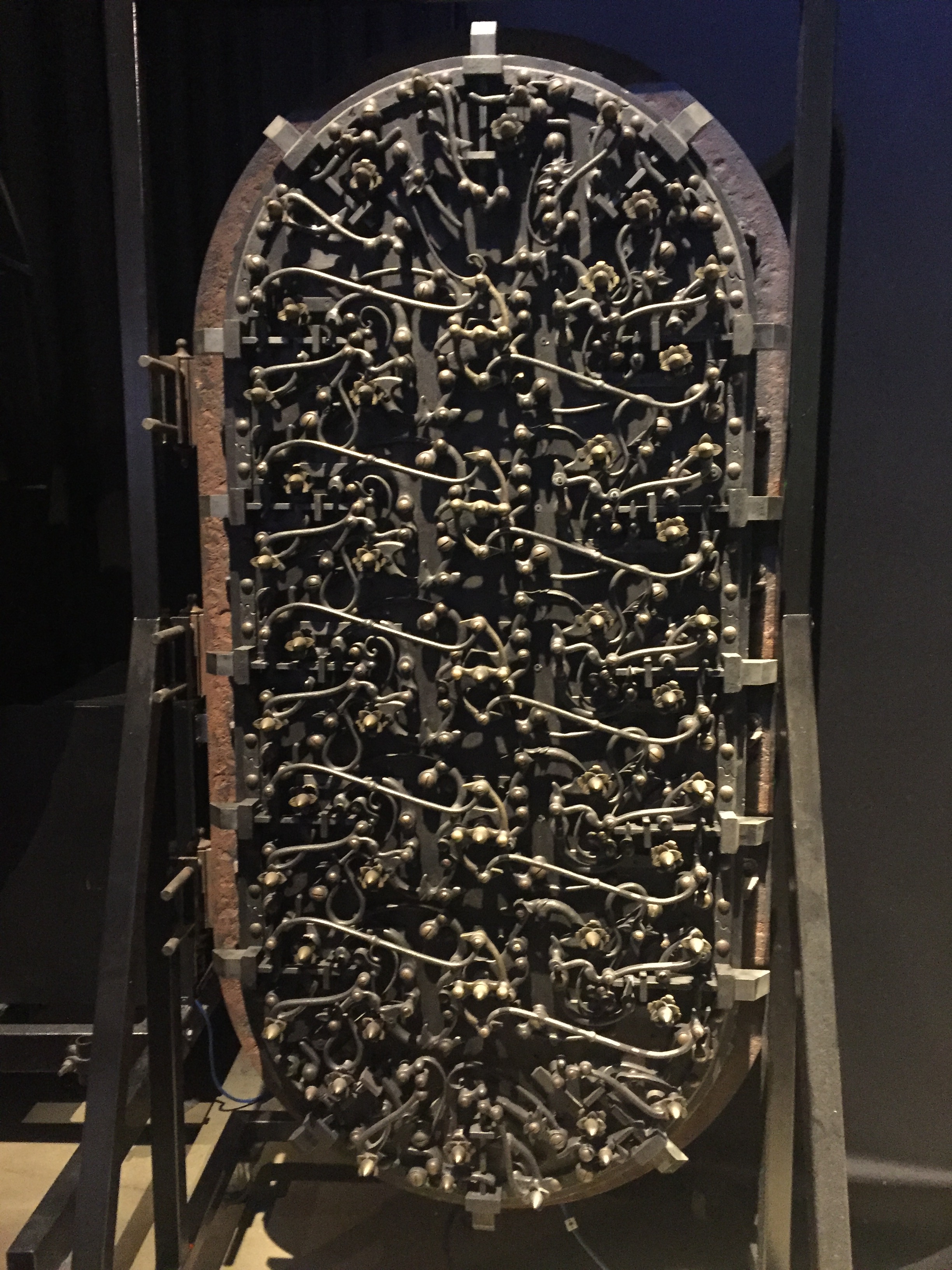
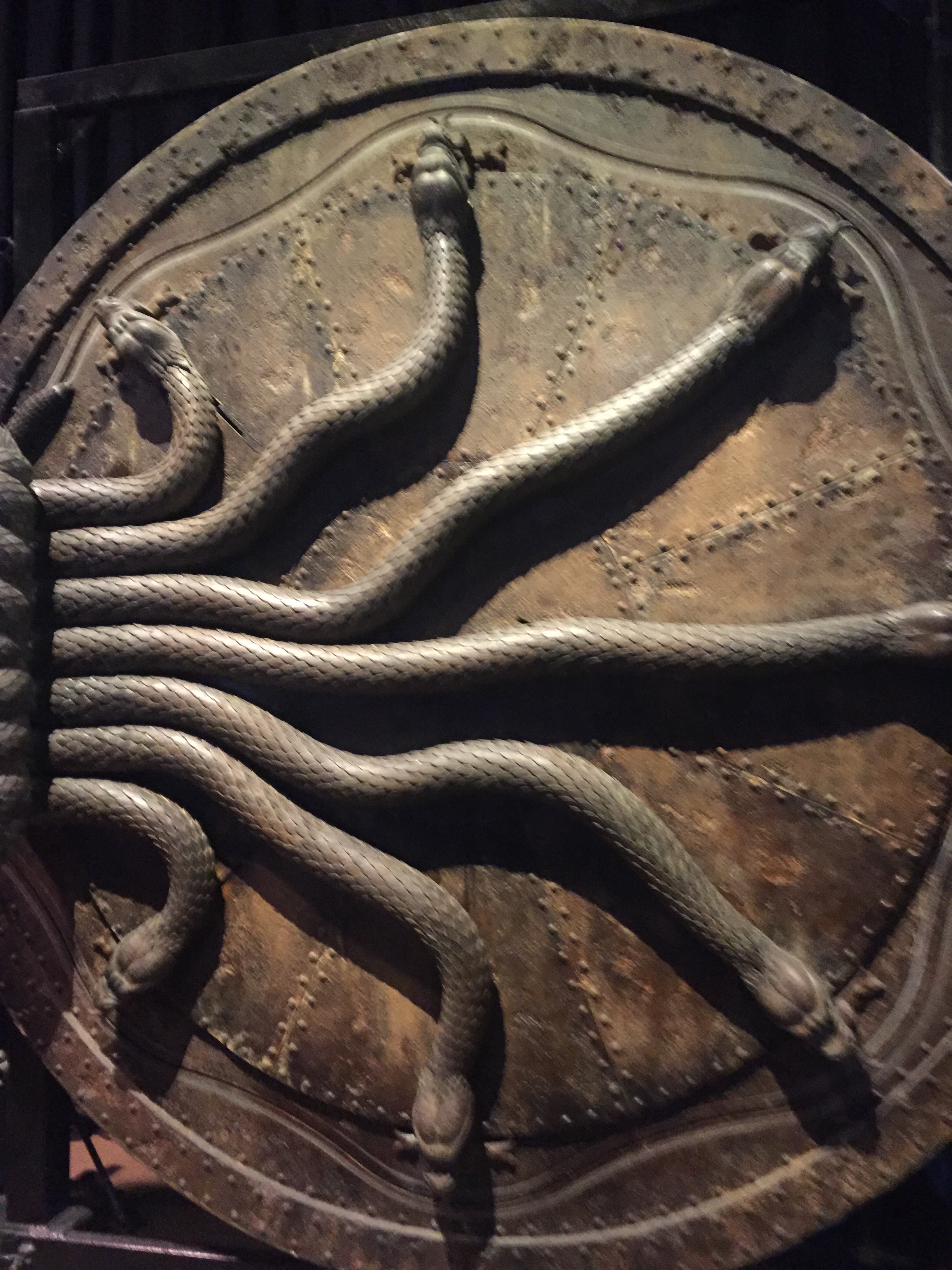
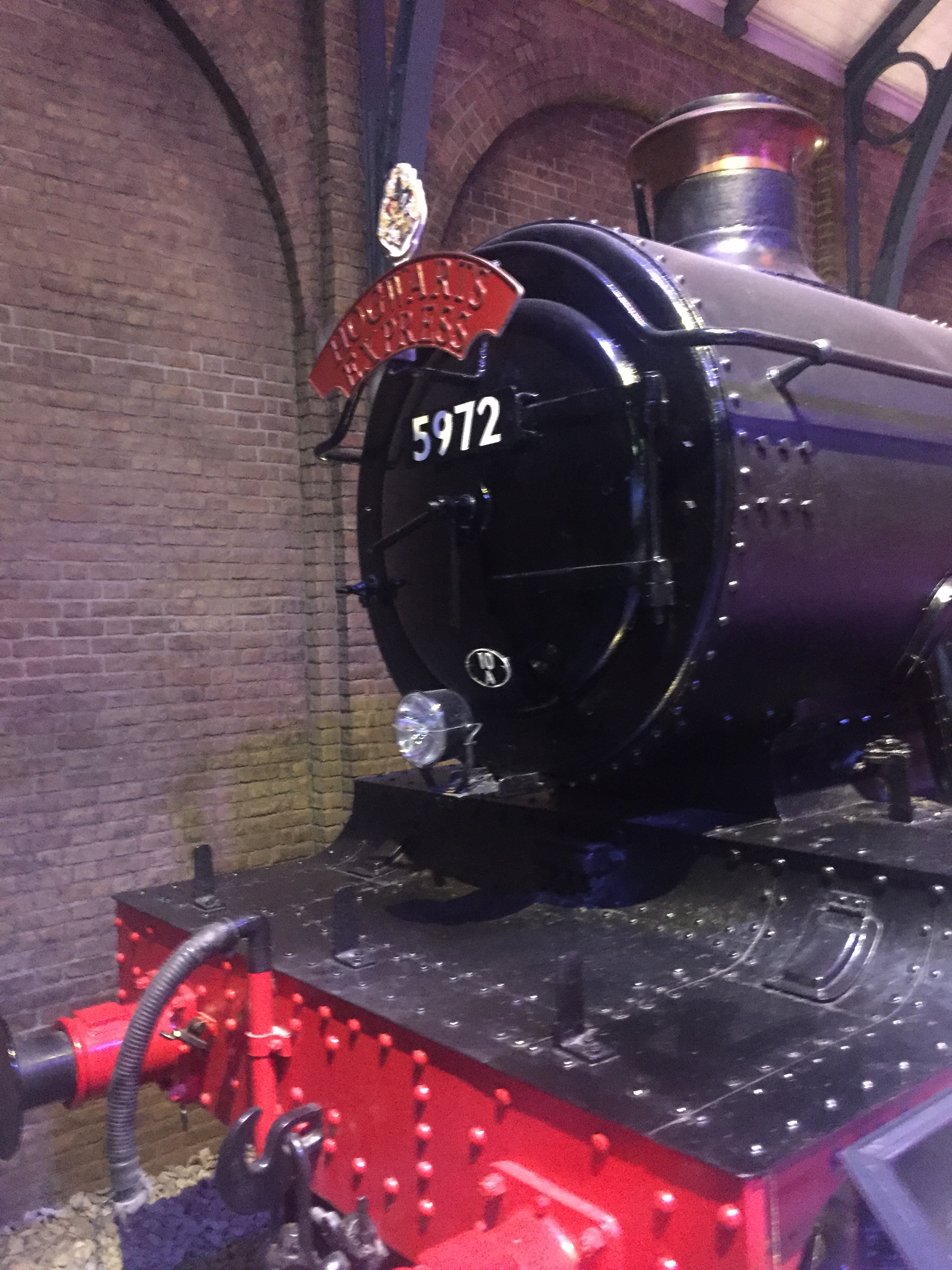
During my very short stay in London with my brother I managed to visit Baker’s Street for the first time, shop at Lush, eat at Chipotle, and see a movie. But that was on the last day. Most of the remains of our first day was spent on the Harry Potter Warner Brother’s Studio Tour. Oh man. Here are some pictures, because they are better than words, and I shouldn’t need to label any of these props from the movie.


IMG-2989IMG-2993IMG-2994IMG-2997IMG-3009IMG-3018IMG-3027IMG-3037IMG-3038IMG-3070IMG-3074IMG-3079

All of the sets and props from the movies were amazing, but the bit that made me teary eyed was absolutely the scale model of Hogwarts. It was one of the coolest things I have ever seen in my life. IMG-3106IMG-3114

So that was a major trip highlight. The next day I insisted we wander around the perfectly decrepit and creepy Kensal Green Cemetery, which was opened in 1833. I think James was surprised at how interesting it was. I was surprised at how blatantly racist some of the tombstones managed to be, especially those of the government officials working overseas at the time (sculptures of natives holding up your tombstone, really???). IMG-3139

All in all, that was it for our short stay back in London before our flights home. The next morning, the 13th, we both had early flights so we got up before dawn (again) and headed to the airport. I was in Istanbul by lunchtime and in Yaoundé the next day at 2 am. Perhaps I shouldn’t end a post about a happy family vacation with a picture of a creepy cemetery, but that’s how it panned out. Thanks for reading Part 1 and Part 2 of this very lengthy vacation! I will be posting again soon about the results of the beekeeping training this weekend.

Family UK Vacation Part 1

It’s finally here! I’m doing it! The vacation post! This has been in the back of my mind since I got back from the U.K., but I put it off upon arriving back in Cameroon on the grounds that I had Mid Service Training (MST) the next day… actually, that day. (I landed around 2/3 in the morning day one of the training). Then I put it off on the grounds that it would make me sad to think about another year without my family. But here we are, 8 months until Close of Service (COS) and I’m chipping away at the three week family vacation adventure. I’d like to note I’m doing this on a laptop powered with my solar battery as the power has been out for days now. The lack of electricity is yet another excuse I use to put off blogging when this post seems too daunting. Alas, I have to get this done before this weekend, as I am headed into the city for our Beekeeping training! April 5th-7th is the long awaited training for the apiculture groups in my village and Casey’s village. After this is completed we can finally begin setting up the apiaries in our respective villages, there will be a post on that as soon as it happens. For now, here’s a link to my last Bee Update! 

In order to truly enjoy the weekend in Ngaoundéré and all the good food that entails, I have to finish all my little projects.

So, without further ado:

LONDON PART 1:

IMG-1449
The loooooooong awaited reunion

I arrived late in the evening on December 22nd at Heathrow Airport. A short Heathrow Express trip and a connection to the Underground later, I was somewhere near our Airbnb. The issue was that I had no idea where it was. My cousin Emily was already there and she had sent directions which I could access on the internet at the airport, but once I left Heathrow I only had my Cameroon SIM and it, surprise surprise, didn’t work in London. I was pretty turned around. I was in a legitimate city for the first time in over year and I couldn’t help but wonder if I looked as star struck as I felt. Tired, hungry, and simultaneously sweaty and chilly somehow, I struck out in a random direction. It was the completely opposite direction of the Airbnb, but allowed me to inquire at a local Boots (a store I could have spend 3 hours in, just looking at the shampoo options) about the street where the Airbnb was located. They told me, and I found it. This is something I would have only done in the US pre-PC in a nervous, not travel-related, sweat, so I felt pretty great about my personal development. The woman at reception let me in and asked if I was the girl coming from Africa because she had a key for me. I said I was the girl coming from Africa, and felt even more tired as I realized just 3 days previously I had been in my house in West Africa and had barely slept since then. Emily had gone out to get a SIM, so I had some alone time to just stare at things and take a hot shower and be less gross. Emily eventually came back, and we had dinner at a local pub, which was amazing and was of course never open again during our trip after I talked it up to my dad. After that, I waited for my parents. They arrived around 2:30 am and we had our little reunion. It was so great, I could hardly believe it. Eventually we calmed down enough to go to bed and were up fairly early the next day to get a start on things.


DSCN4456
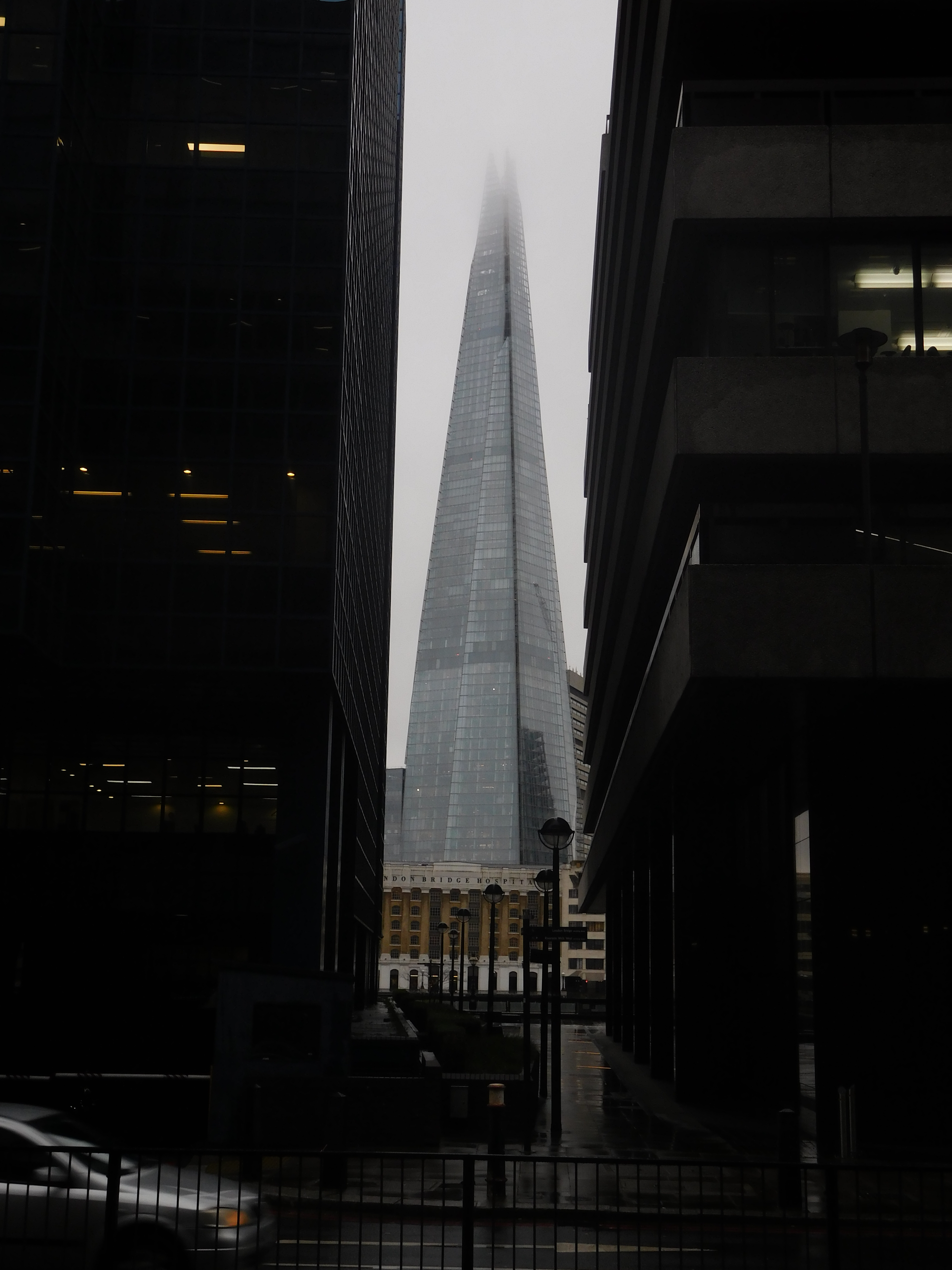
The Shard through the early morning fog

We managed to pack a lot into this first day. Here are some highlights.

DSCN4460
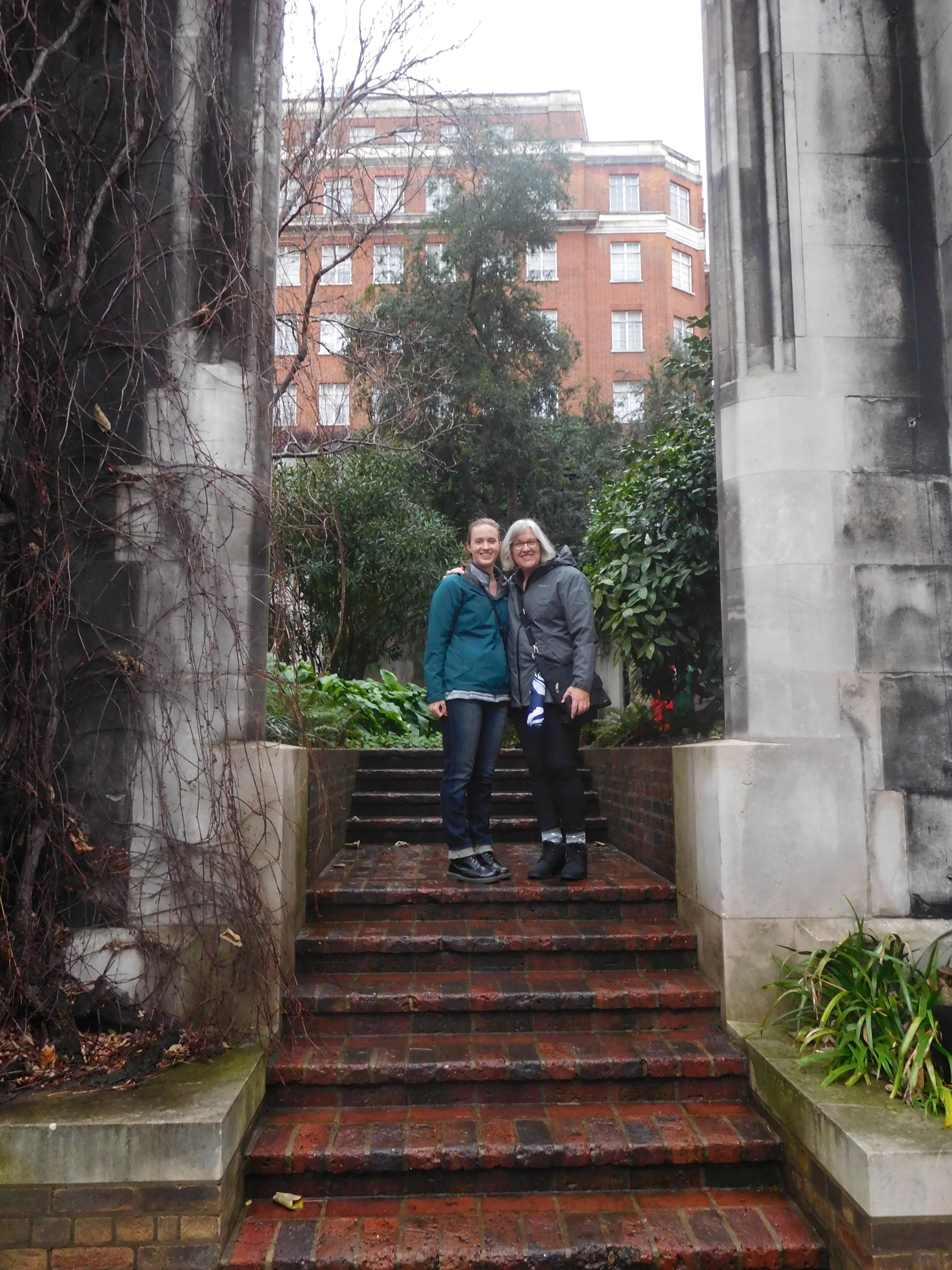
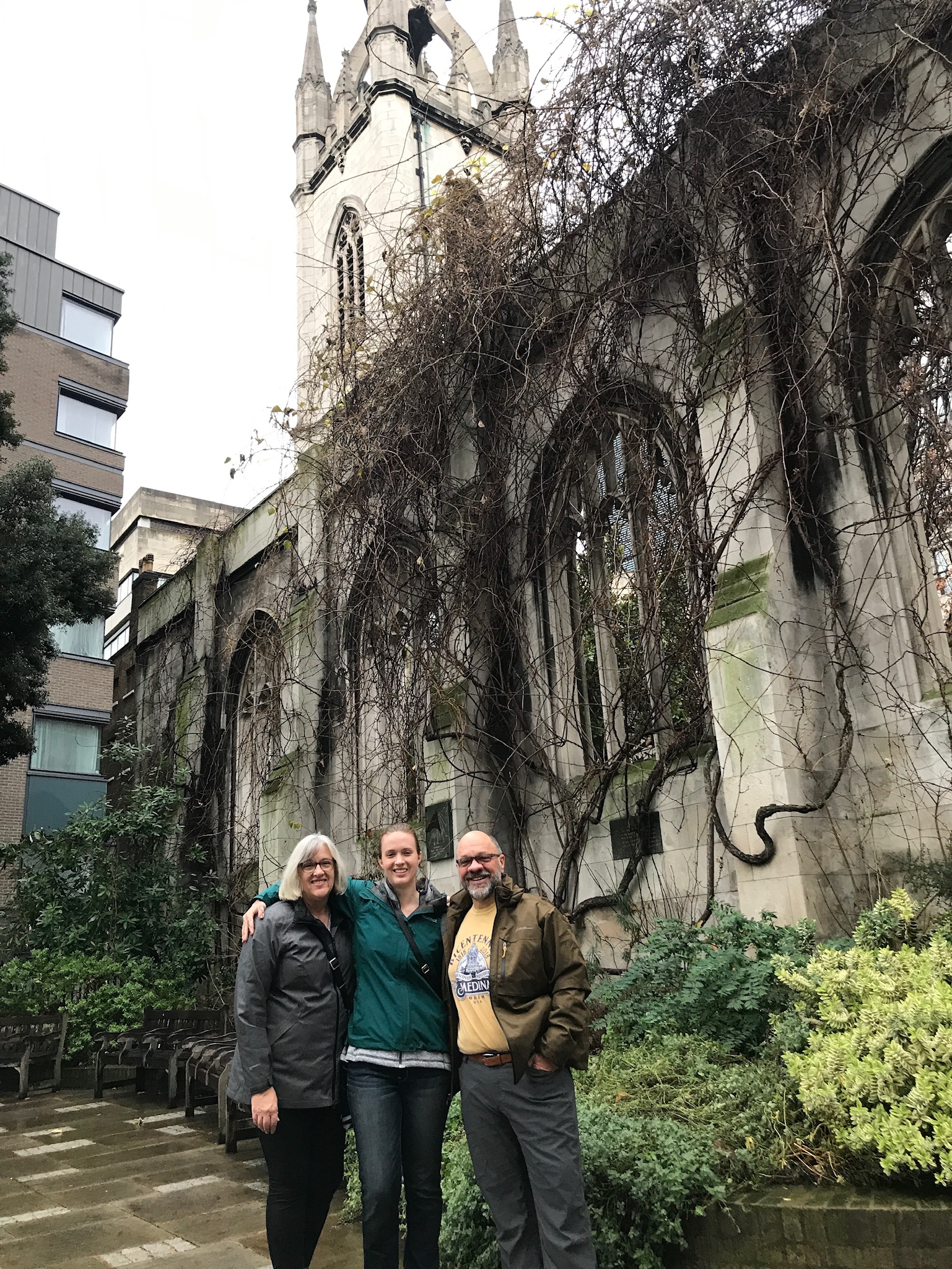
Mom and Me in front of St. Dunstan in the East

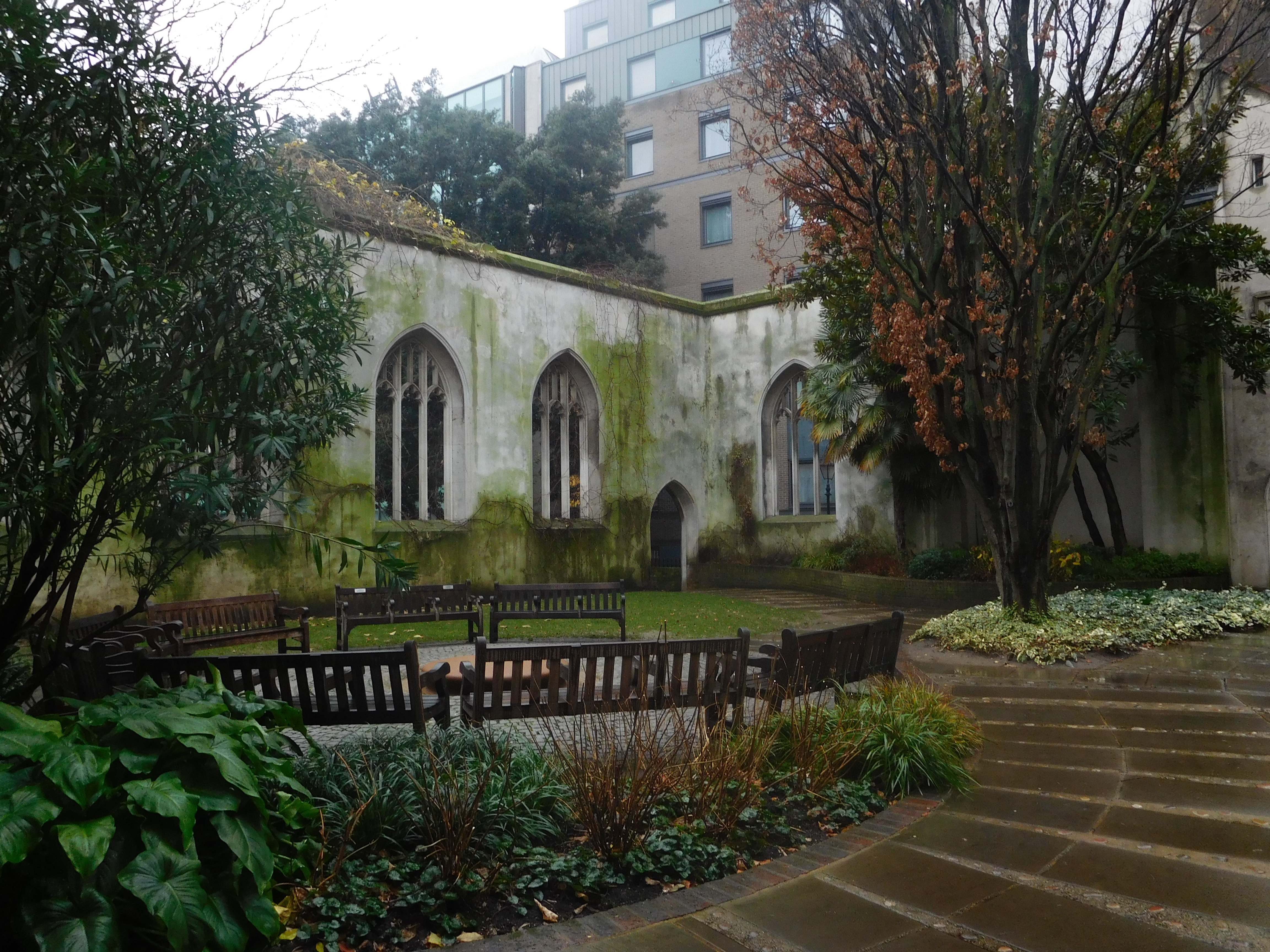
DSCN4462This church was built on the site of a garden from Saxon times. It was restored in 950 AD, and rebuilt after the great fire in 1697 and finally damaged severely in the blitz. I firmly believe if more churches were actually gardens or just open to the air, more people would attend.
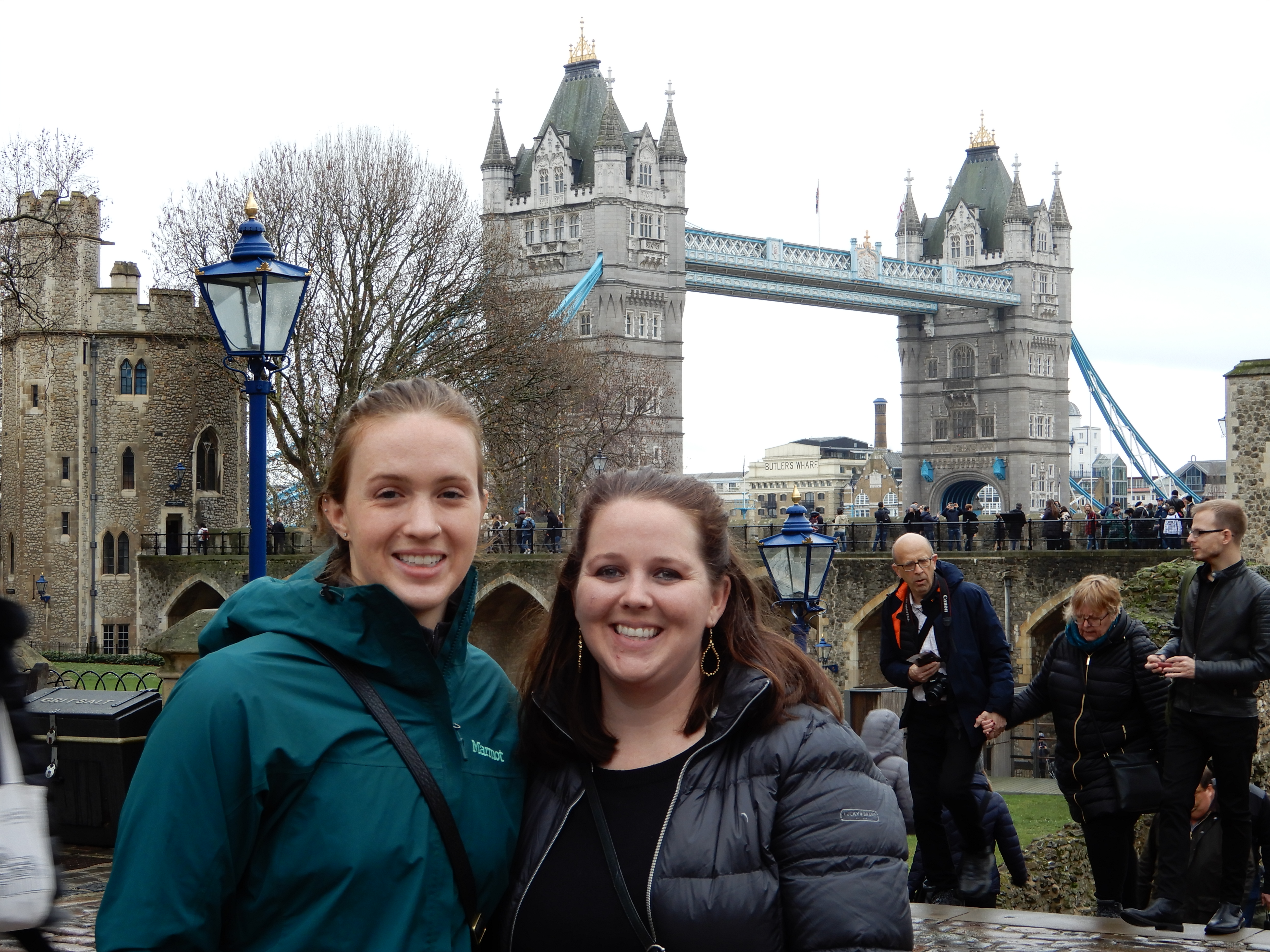
 

IMG-1453DSCN4475

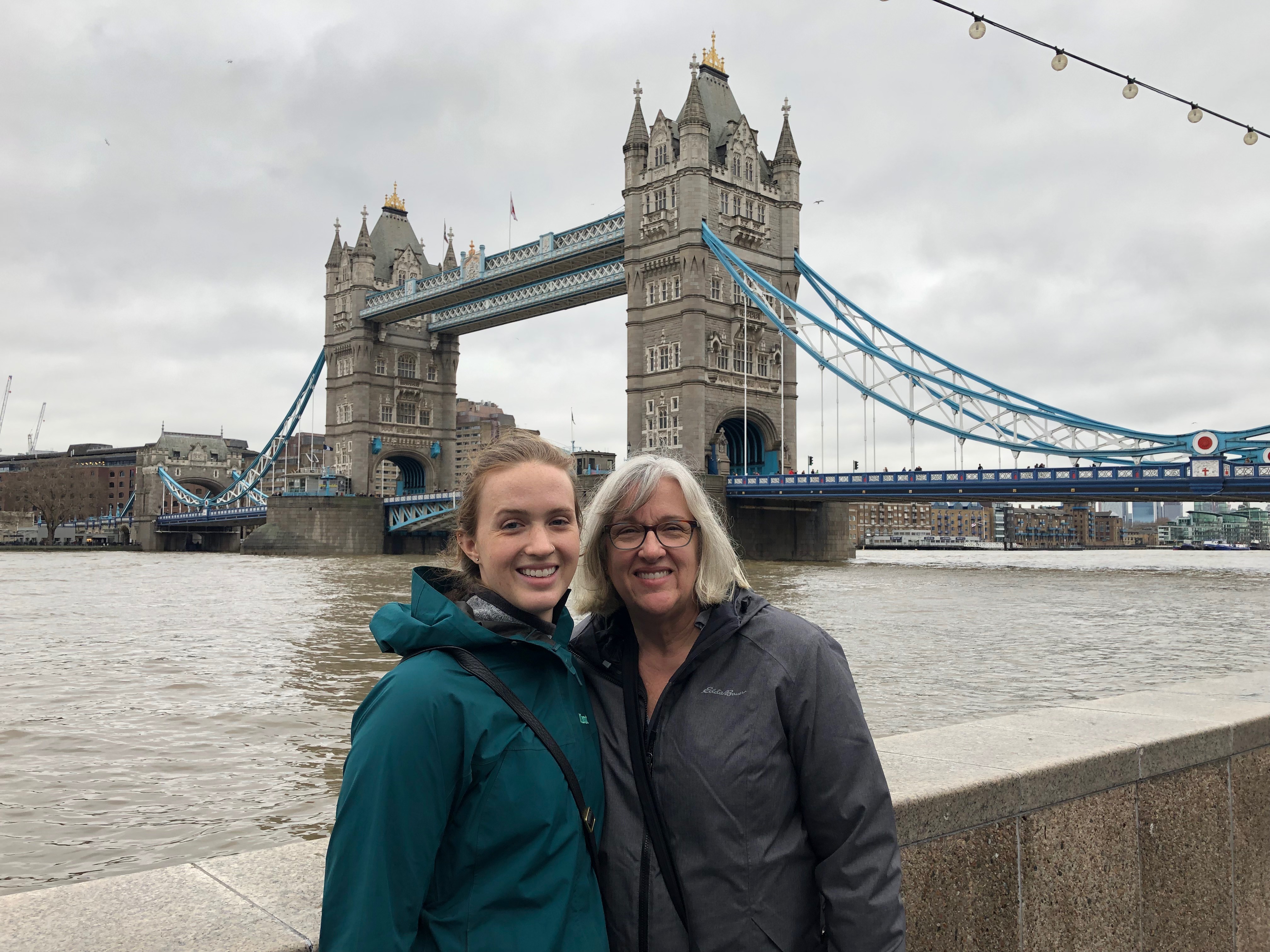
My second ever visit to the Tower of London was extra special because I got to watch my mom and dad see the same things I saw not too long ago. See my Scotland and England Post if you want more musings on some of the places that were revisits for me this trip.

IMG-1082

IMG-1456
Cheers with Dad! My parents didn’t really like the Sippa (Henna)

Dad and I had a tacit agreement to both order beers that we could share at mealtime to maximize the experience. I broke this a few times. to his dismay, by ordering stouts and sours and other weird (and fun) beers.

DSCN4521

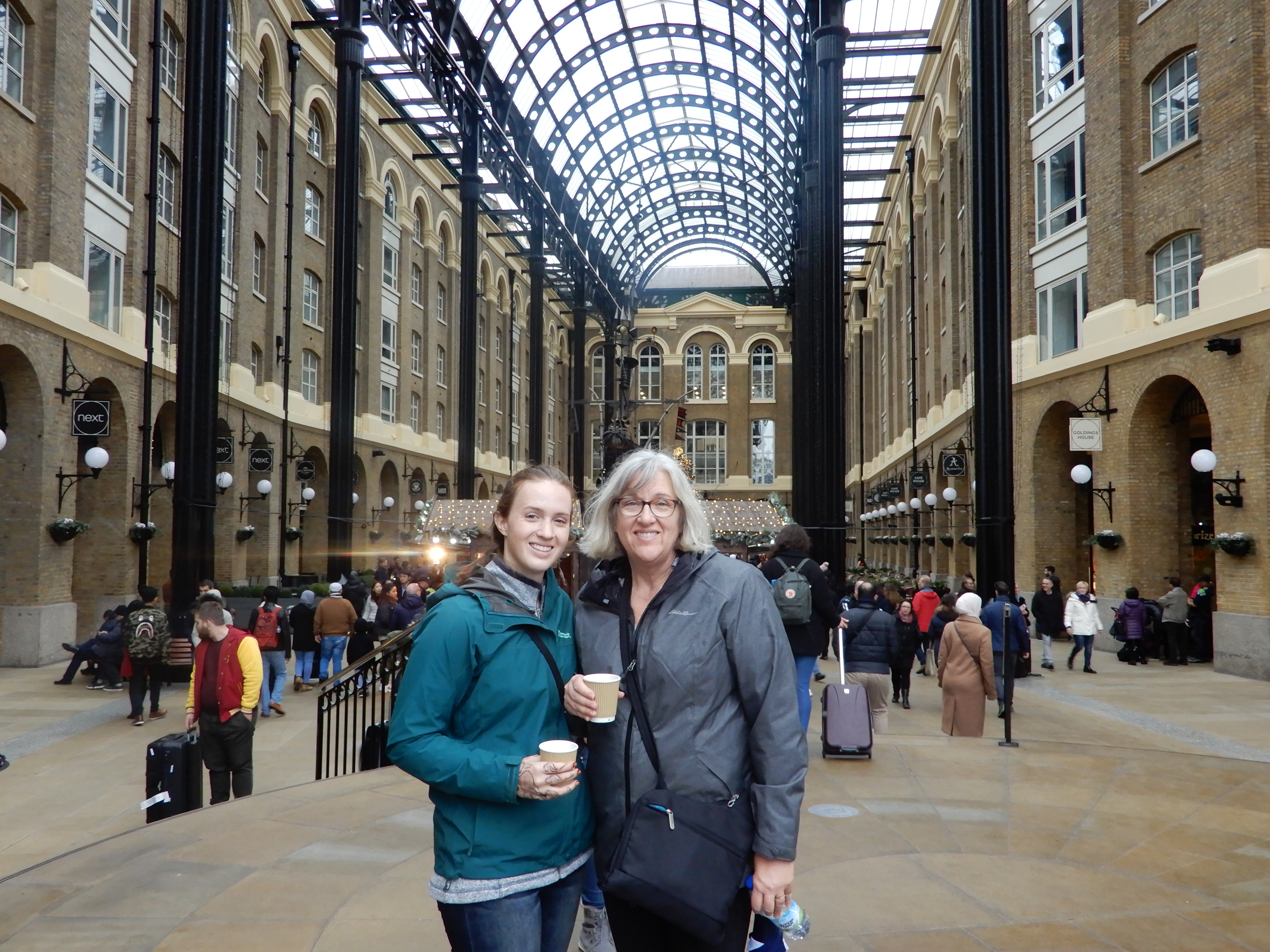
One of my favorite parts of London at Christmas was the Christmas Market. They had amazing warm cider and wine, and great food choices. They also had a wonderful honey mead that I picked up to bring back as a gift to Cameroon, only to lug it around for another week to Scotland and give up and drink it by the Lock Ness. I stand by that choice.

IMG-1124
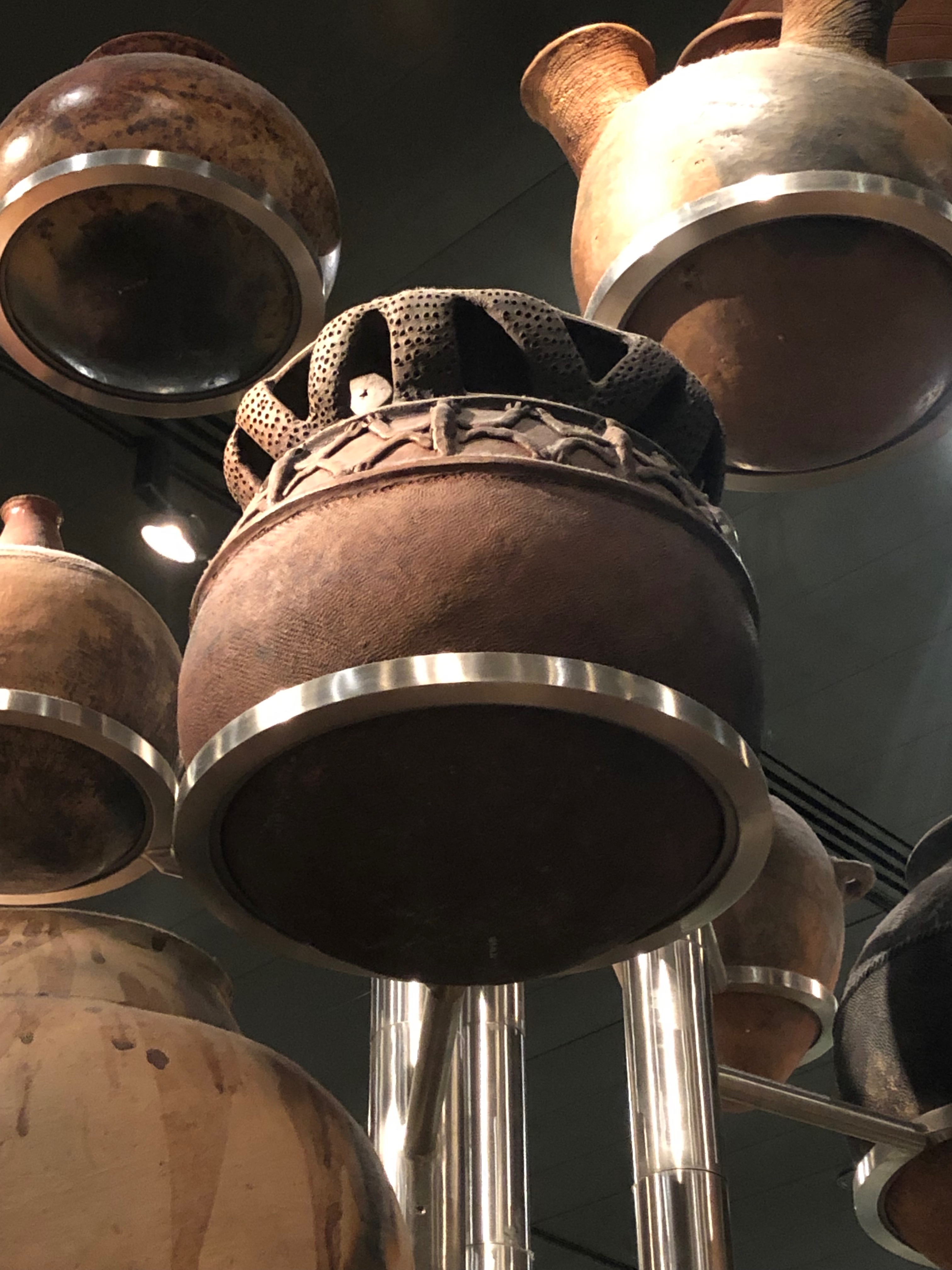
Cameroonian Representation!

A first visit for me was The British Museum. I especially appreciated the little bits of Cameroon like this jug, which my parents spotted for me. With the museum, our first day was done. I also bought new hiking/work boots somehow during this long day, but that didn’t earn a photo in the post.

DSCN4542

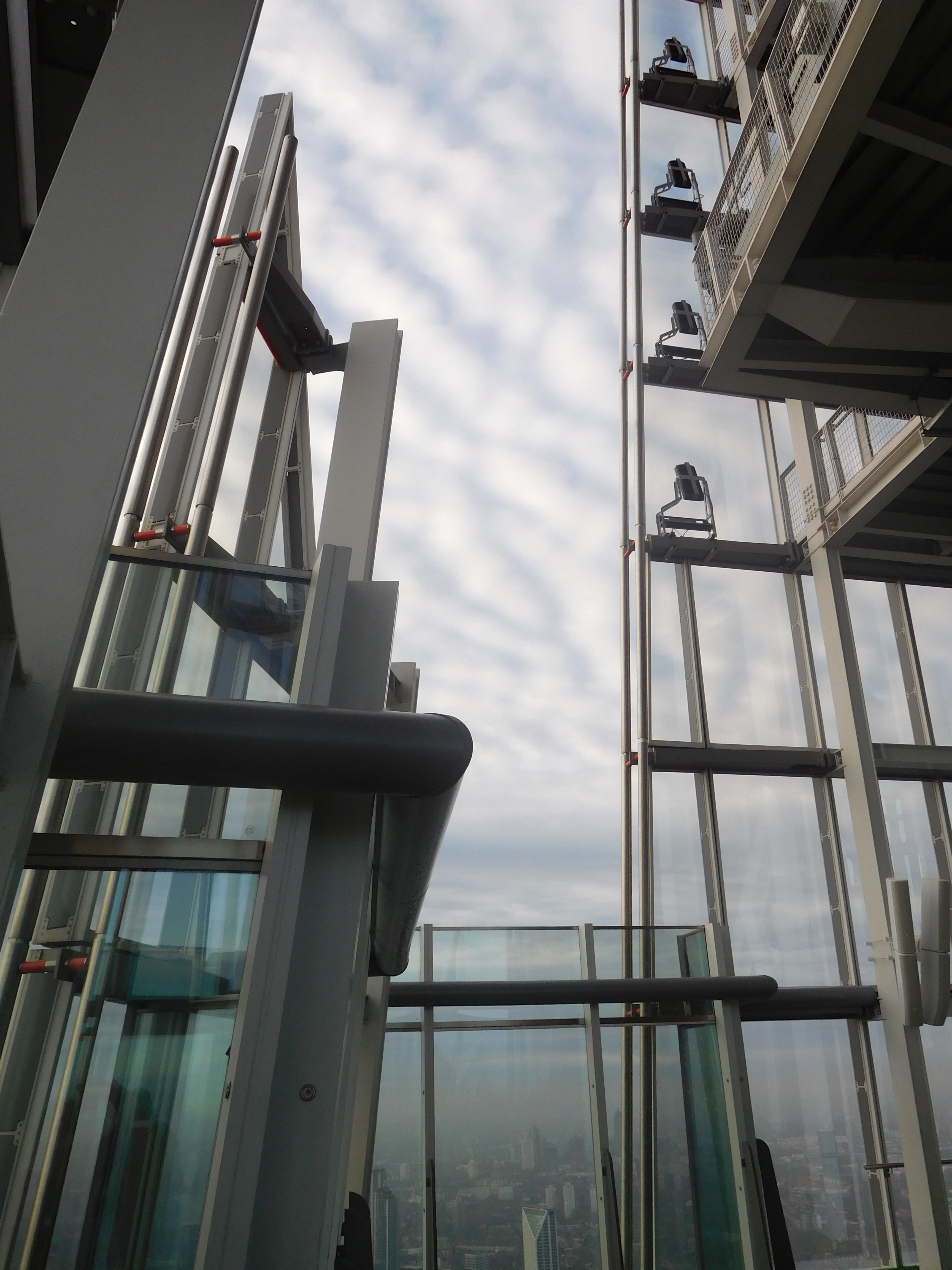
Our second day started with a trip up to the top of The Shard, yet another first for me.

DSCN4540

After the trip to the top of the Shard, we visited the Borough Market, which was overwhelming in comparison to my local village market day. We then headed back to the Airbnb, and Emily and my mom were nice enough to go ahead to St. Paul’s to save our space in the line to the Christmas Eve service while I took a nap.

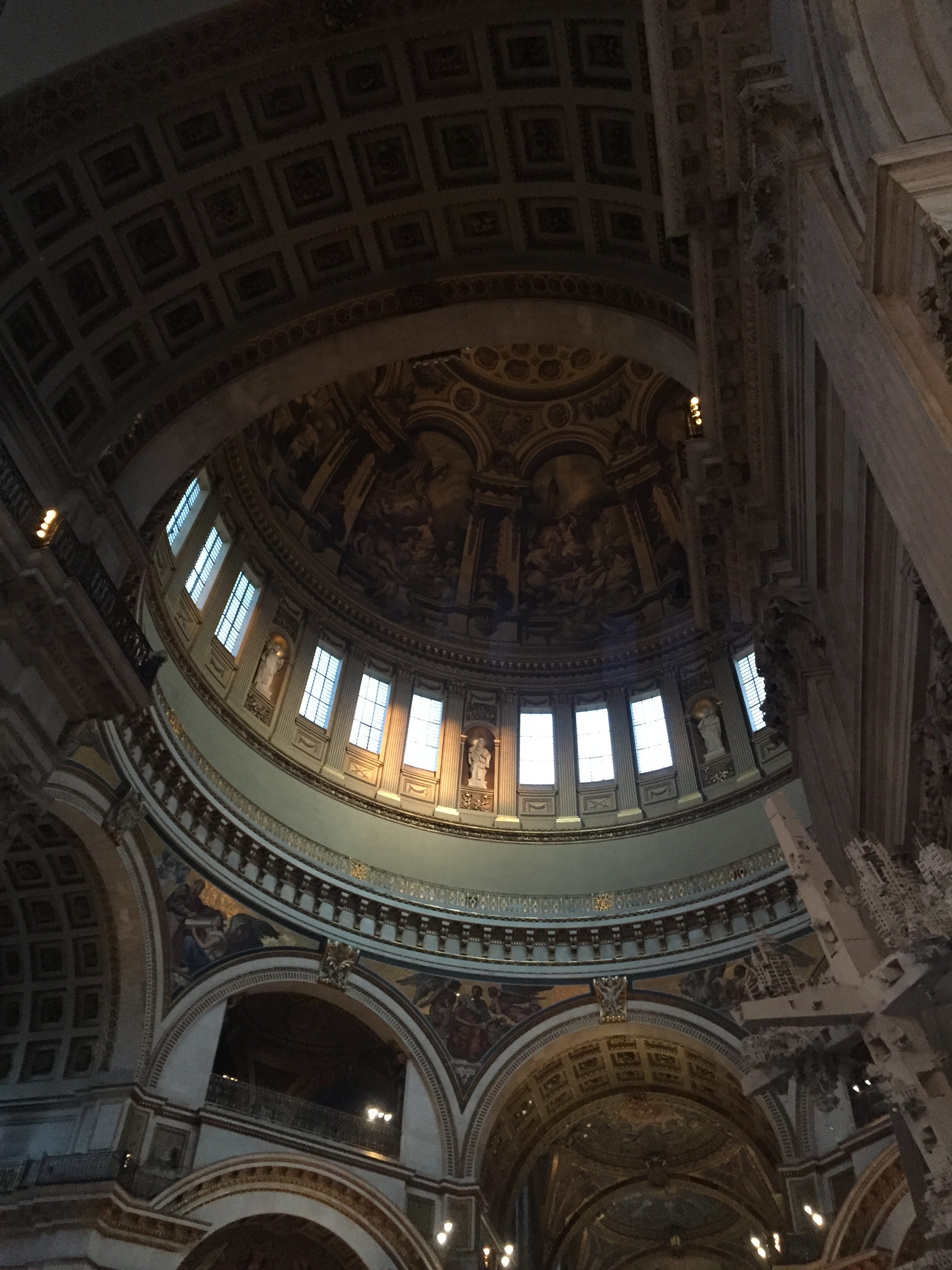
IMG-2245

The Christmas Eve Service was pretty special, especially since I had only ever seen the cathedral during a brief tour when I was there in college. The music was beautiful and sounded right in the large space. We then returned to the Airbnb to eat food, drink wine, and exchange presents.

IMG-2314IMG-2287

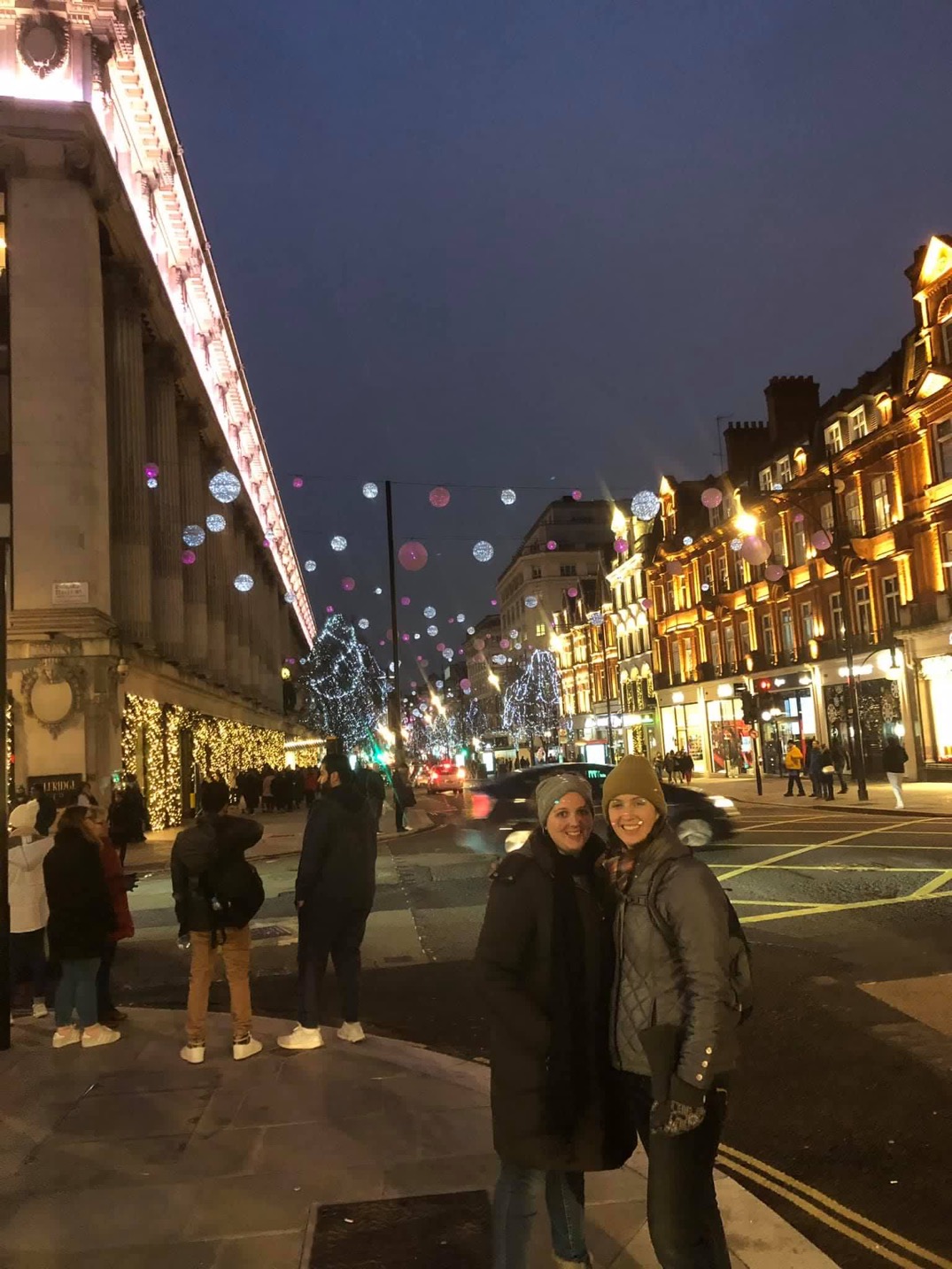
Christmas Day we went on a red bus tour and stopped a few places to get out and wander about. We ended the day enjoying the London Christmas lights.

IMG-1582

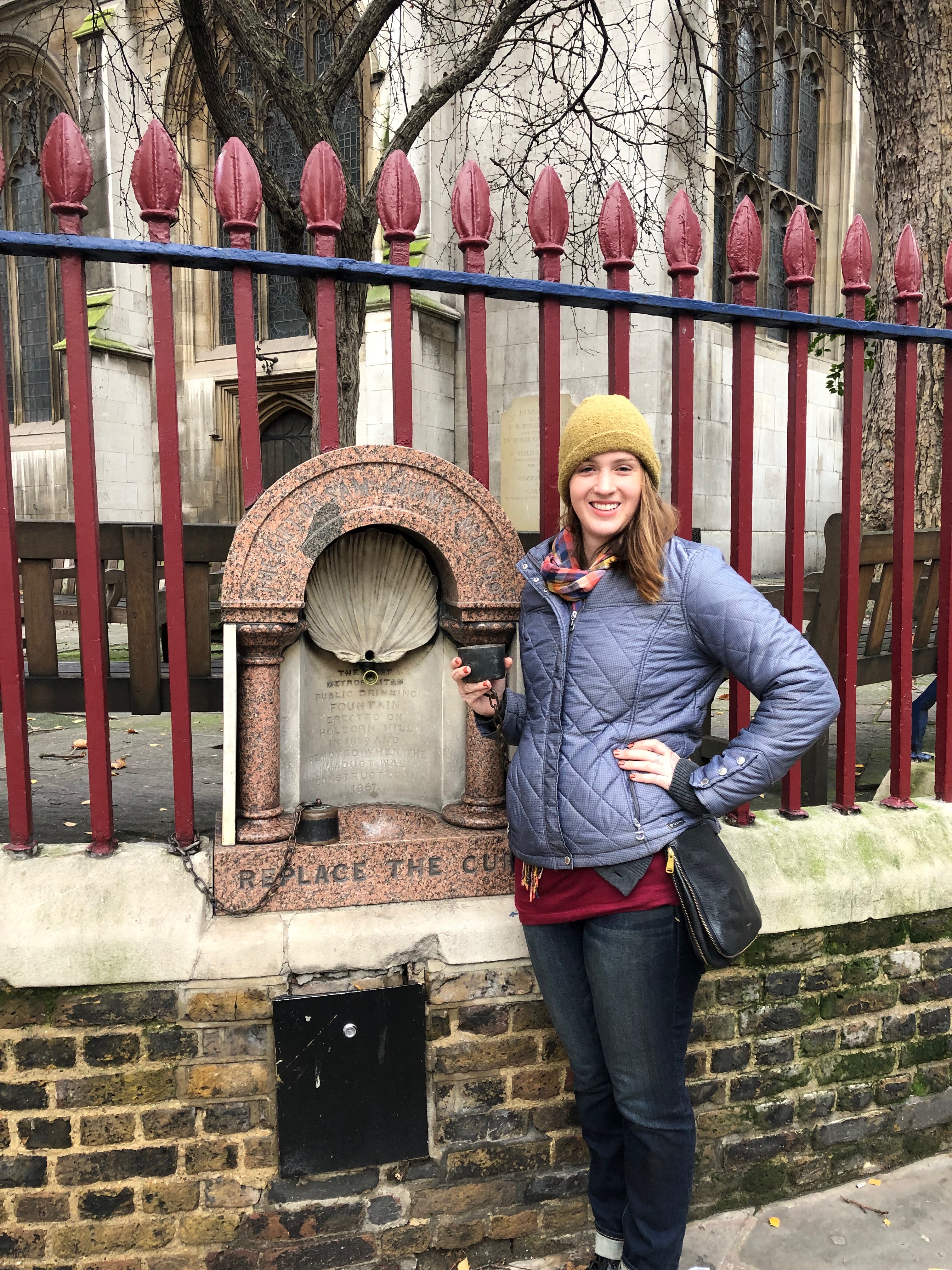
On the 26th we walked around a fair bit, and I finally got to visit the location of the first public drinking fountain in London. I was pretty thrilled at the documentation of the birth of a public, and sanitary, drinking supply.

IMG-2312

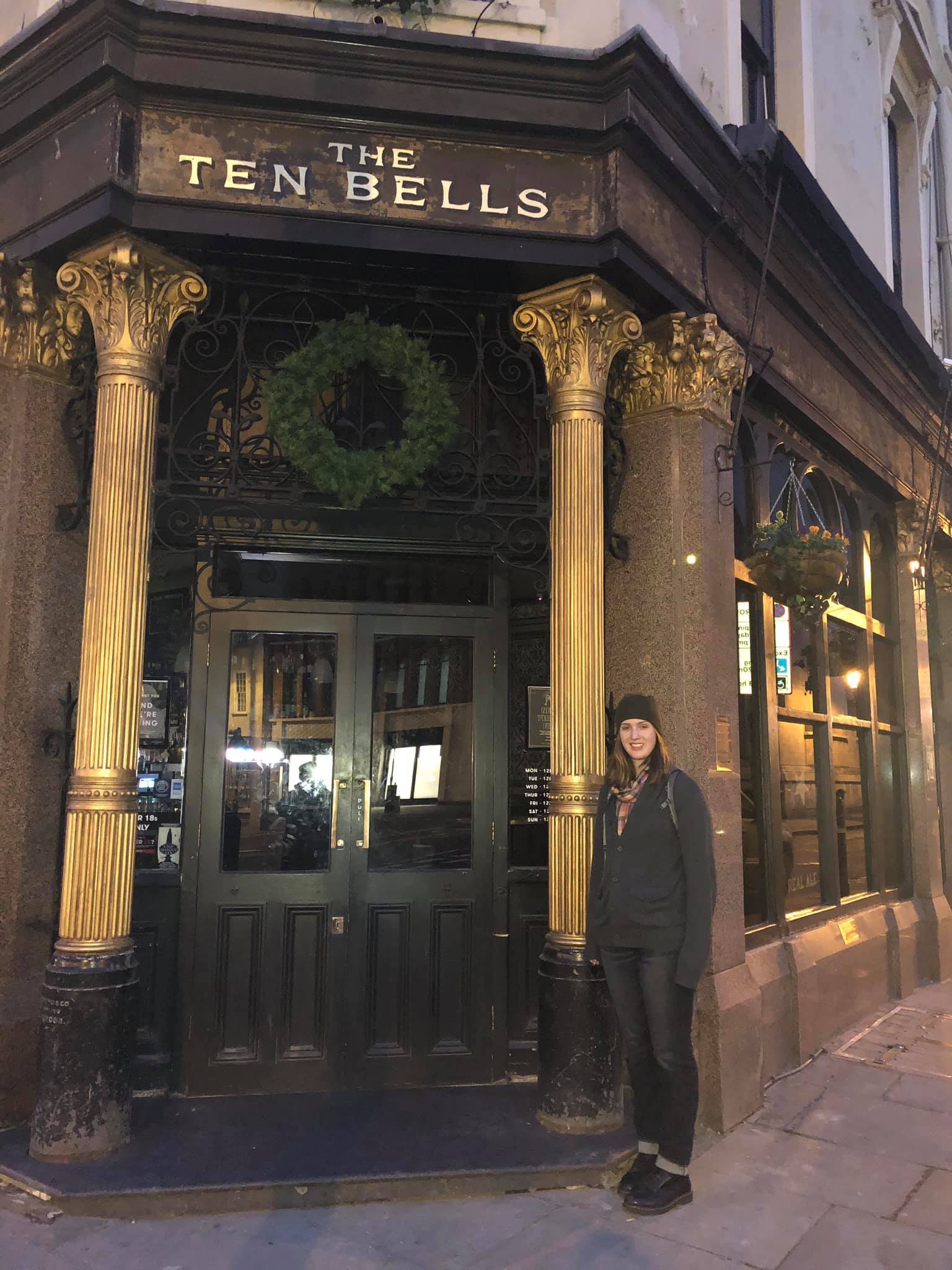
I then dragged my poor father to The Ten Bells pub for a (much needed, for my father) pre-musical drink, only to find that it wasn’t open. I still got to see this last known location of one of Jack the Ripper’s victims, and we eventually got to a pub with a decent beer, so we were both happy and enjoyed the performance of Les Miserables. Seeing as how it was the first musical I ever student directed in High School, I was pretty much over the moon to see it done professionally. It was a great way to end our stay in London.

The next morning, we were on a train to Wales.

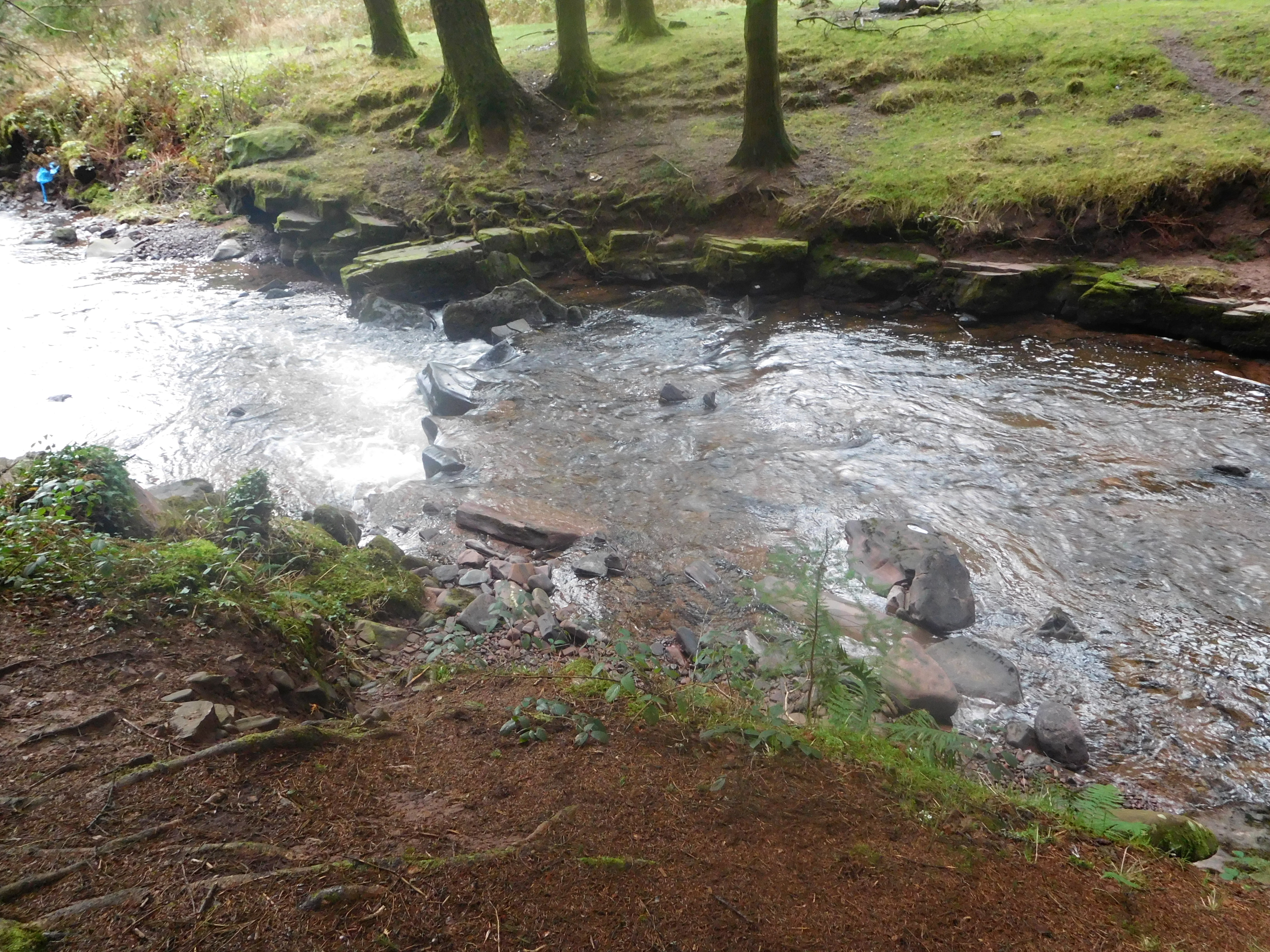
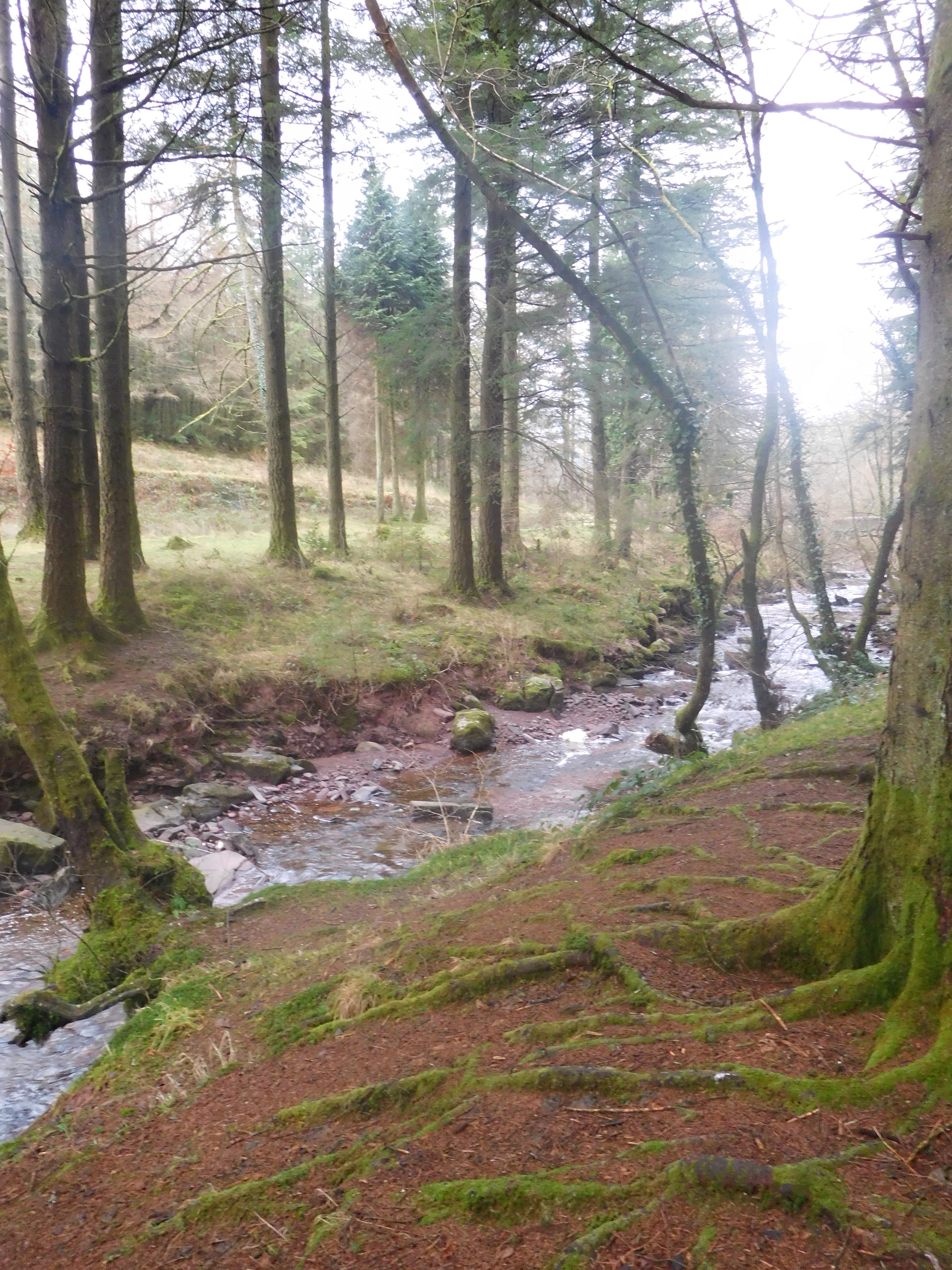
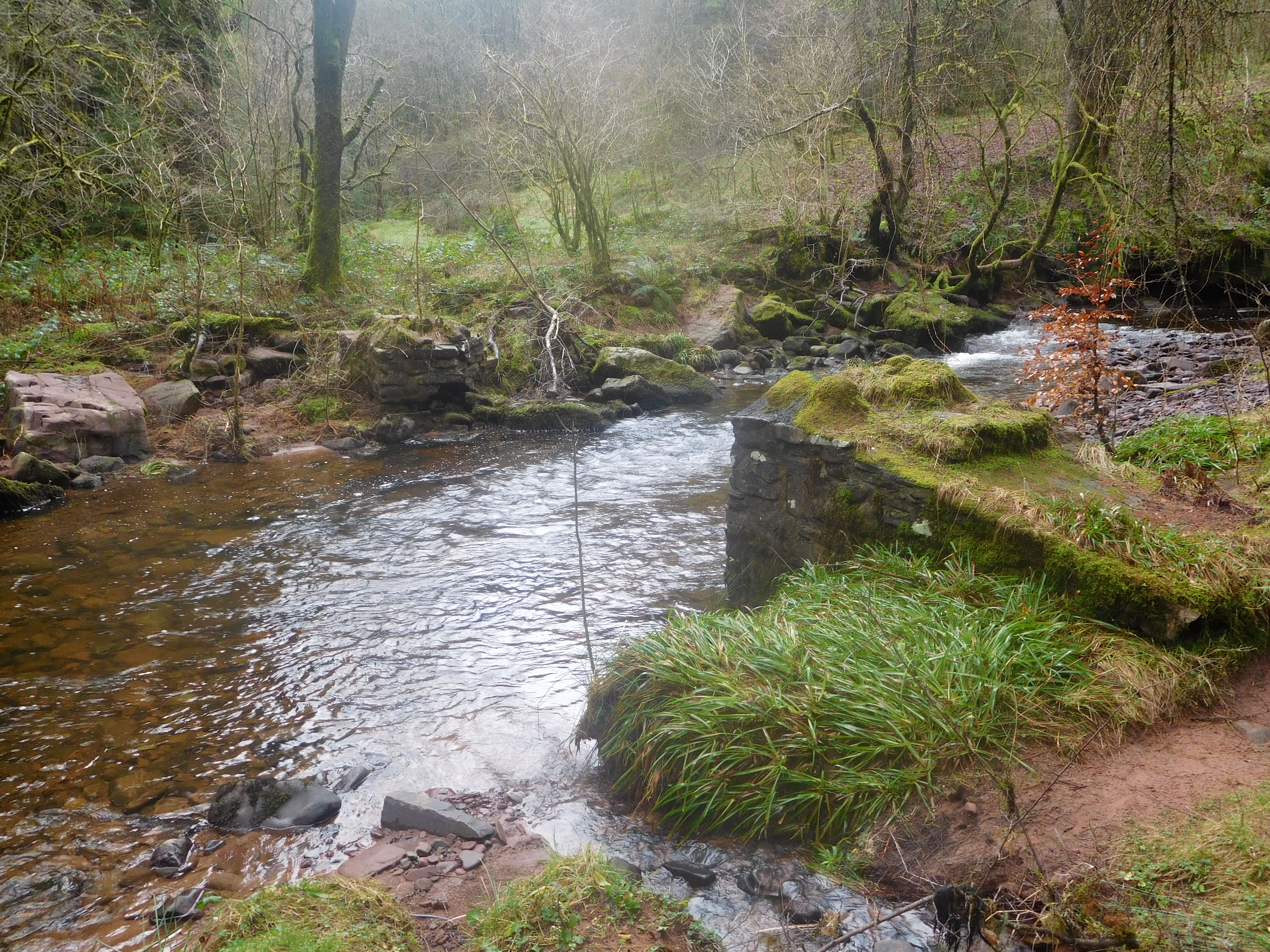
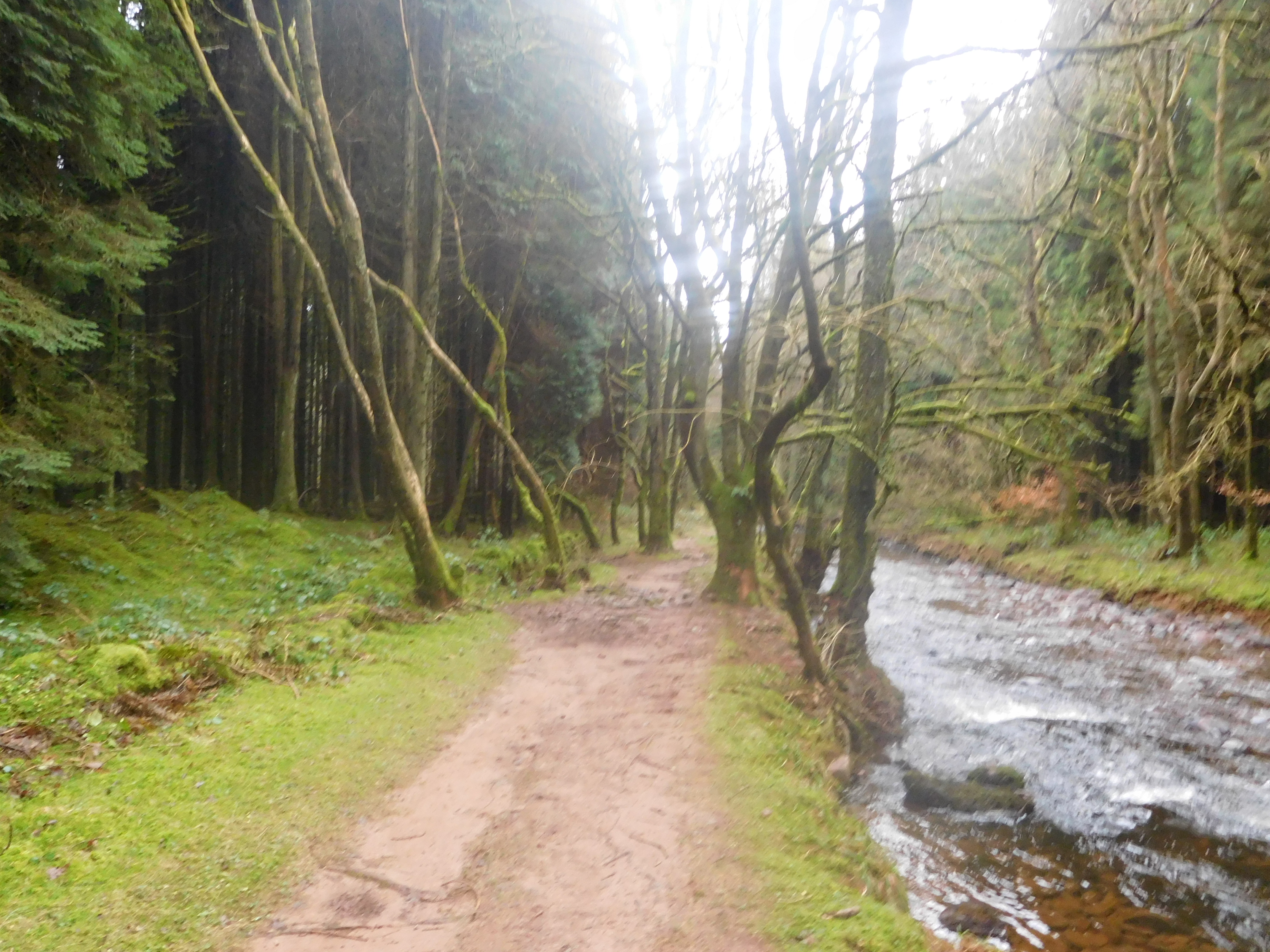
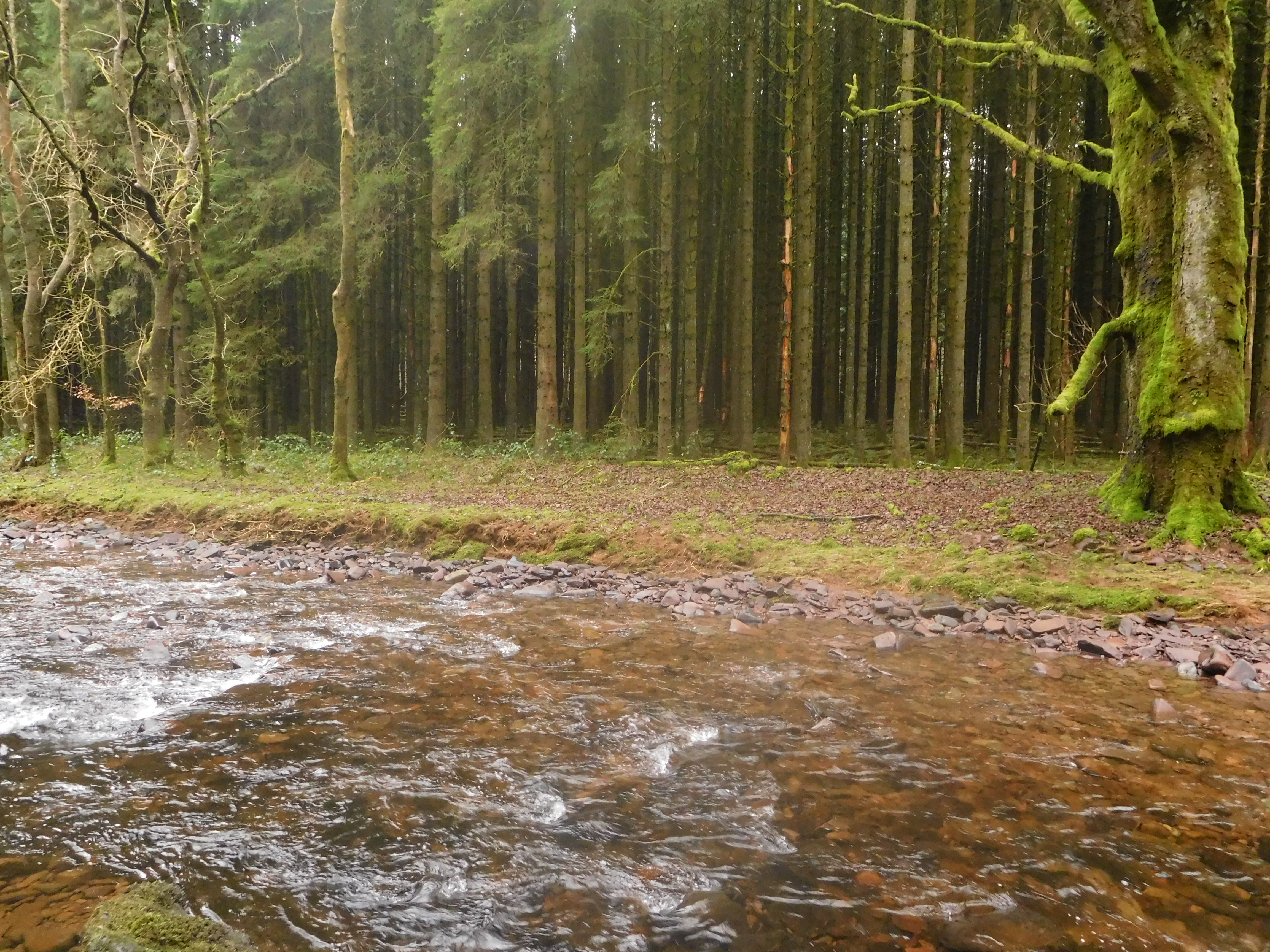
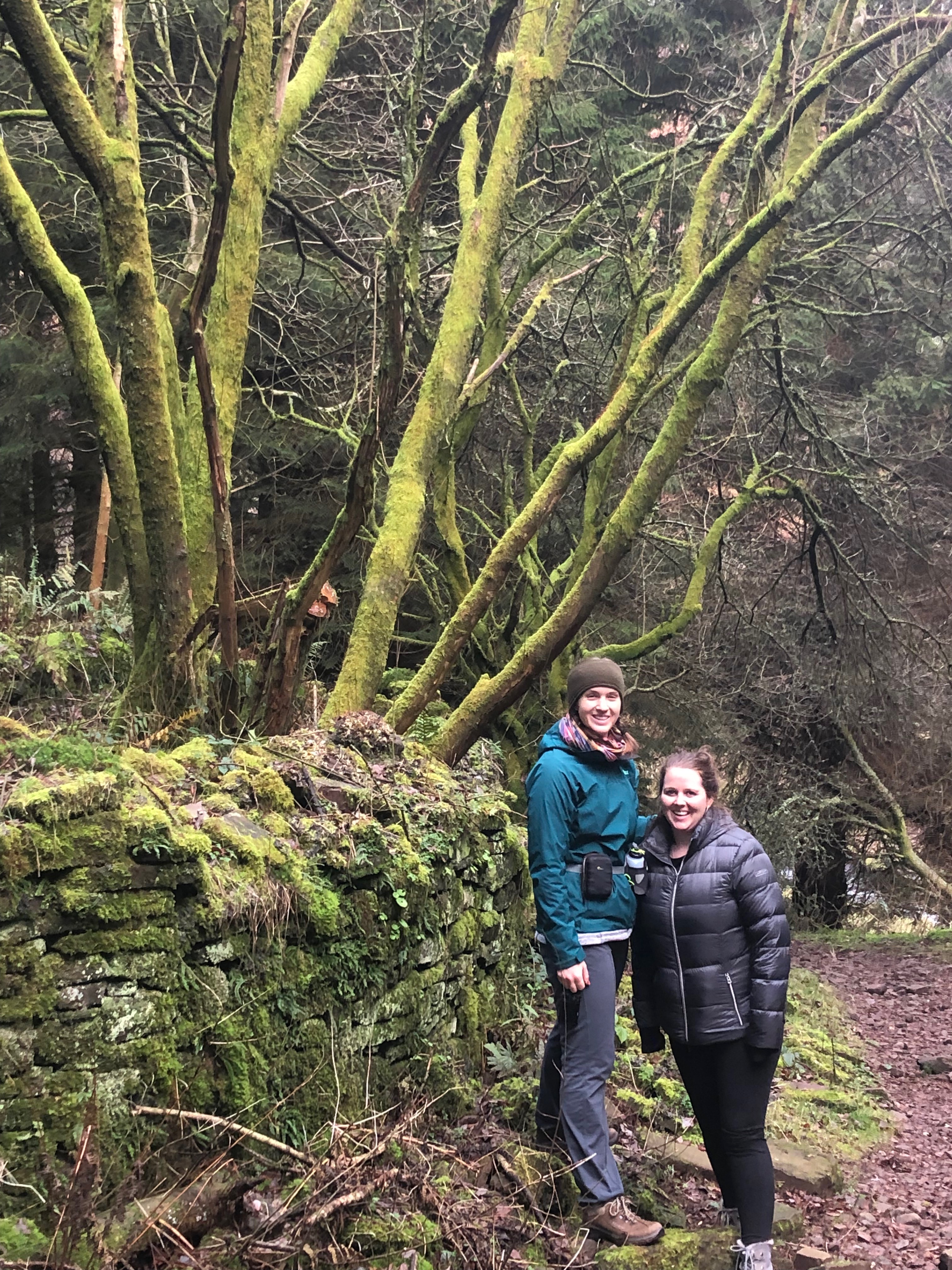
I’ve always wanted to go to Wales, ever since I learned that Lloyd originally came from the Welsh name Llwyd, and that it meant “grey” or “brown” or “holy”. I’ve never been quite sure which one is more accurate. I am sure, however, that both sides of my family have some ancestors from Wales, and, like lots of American mutts, I’ve always wanted to have a better understanding of the motherland. Sure, I’m Polish and German too, and I’ve been to those countries and felt pretty much at home (especially in my favorite city, Kraków) but there was something special about Wales to me. I mean, I ended up with the freckles in the family, I wanted to see where they came from. I was not disappointed. We stayed in an Airbnb that I tragically forgot to take a photo of. It was called “The Cwtch” (Welsh for a cubbyhole or a hug) and was about as cozy as you can get. A log cabin with a sleeping loft set right on the edge of Brecon Beacons National Park. I’d go back in a heartbeat. We’d picked up a rental car when we’d first arrived the evening before (a nightmare on the narrow Welsh roads, with my father driving on the WRONG SIDE OF THE ROAD) so we drove to several hiking spots on our first full day. The first was called Owl’s Grove. Enjoy these pictures of a mossy fairyland, I suggest a Hozier album as background viewing music.

DSCN4549DSCN4548

DSCN4553
Remains of a bridge

DSCN4556DSCN4558DSCN4564


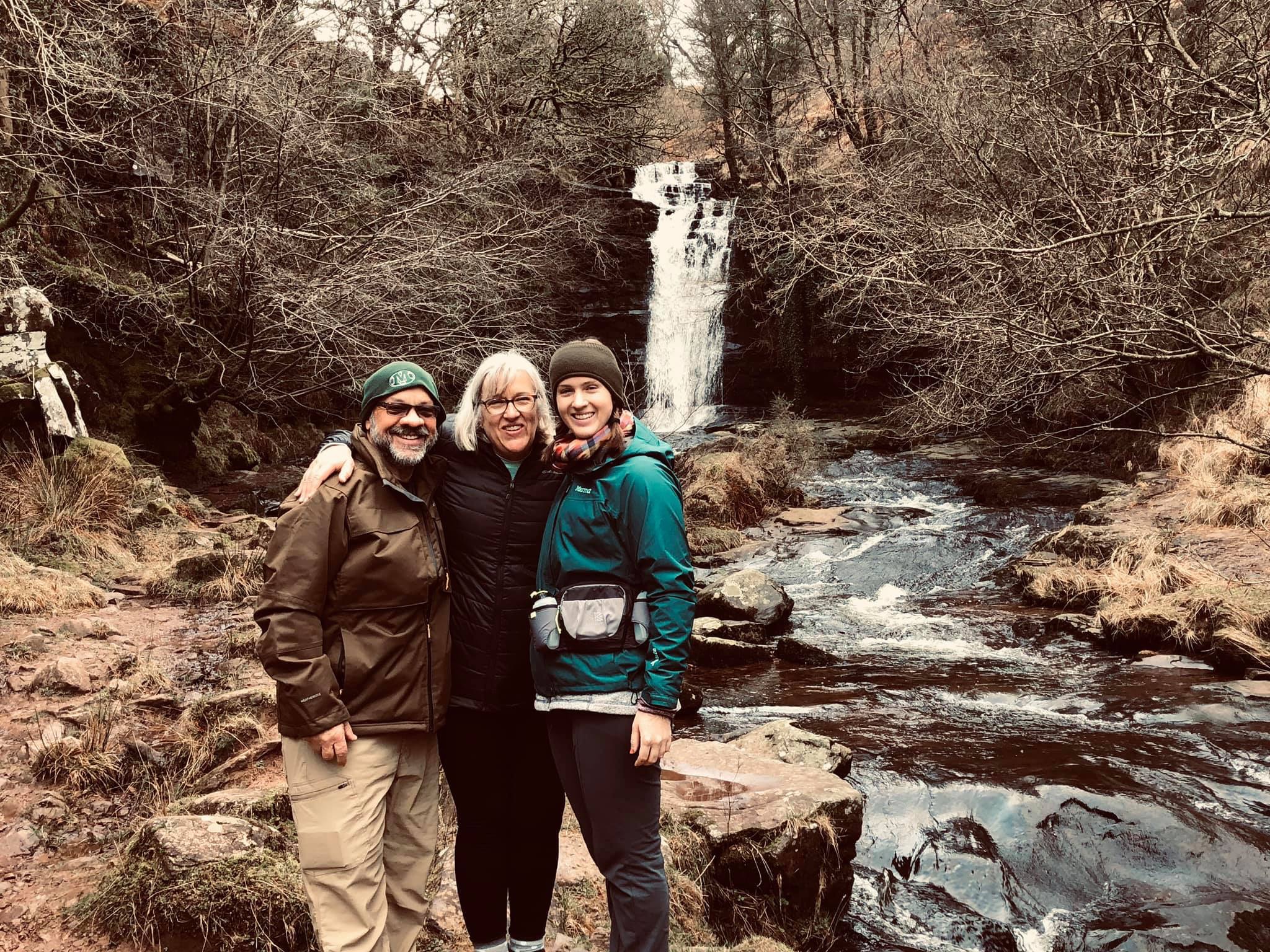
From there we headed to another hiking path, this time with waterfalls.

DSCN4587IMG-1678IMG-1742IMG-2334IMG-3322IMG-1779

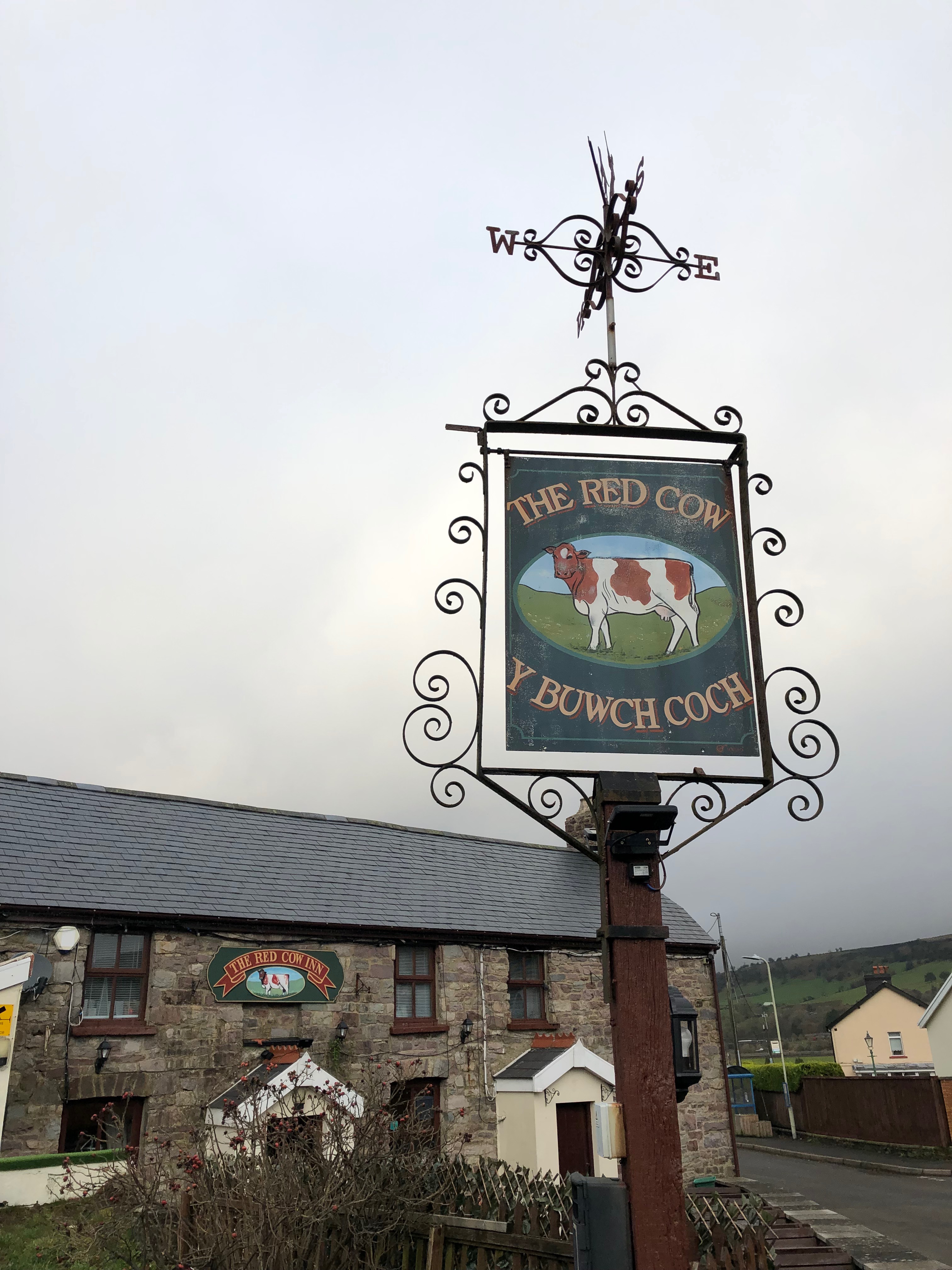
After all that hiking, we were starving. We ate at the Red Cow Inn, where I had one of my favorite meals of the trip. We ordered appetizers, I had a Christmas Ale, and I fell asleep promptly afterwards in the car. It was what late-night Cameroonian PCV dreams are made of.

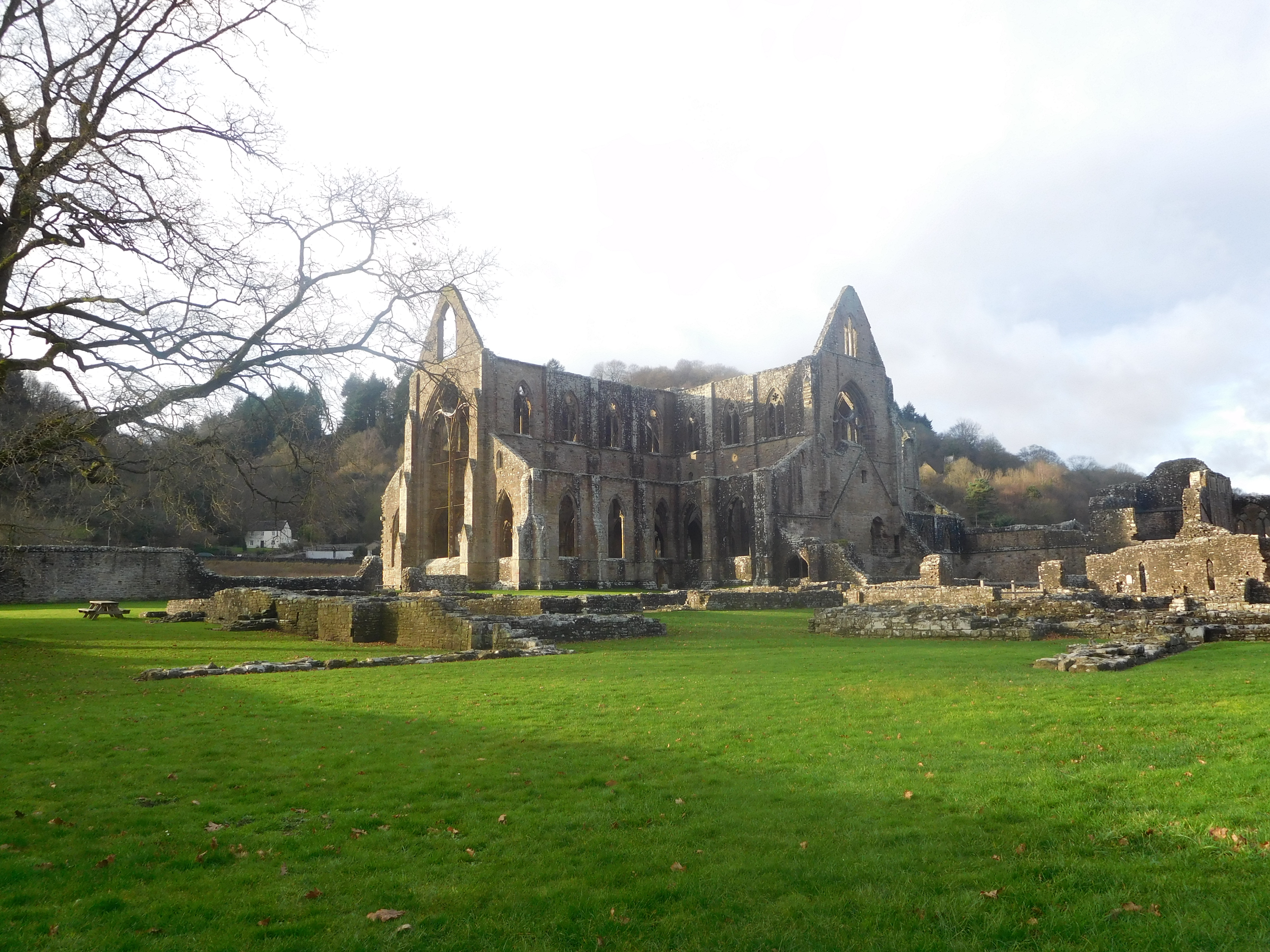
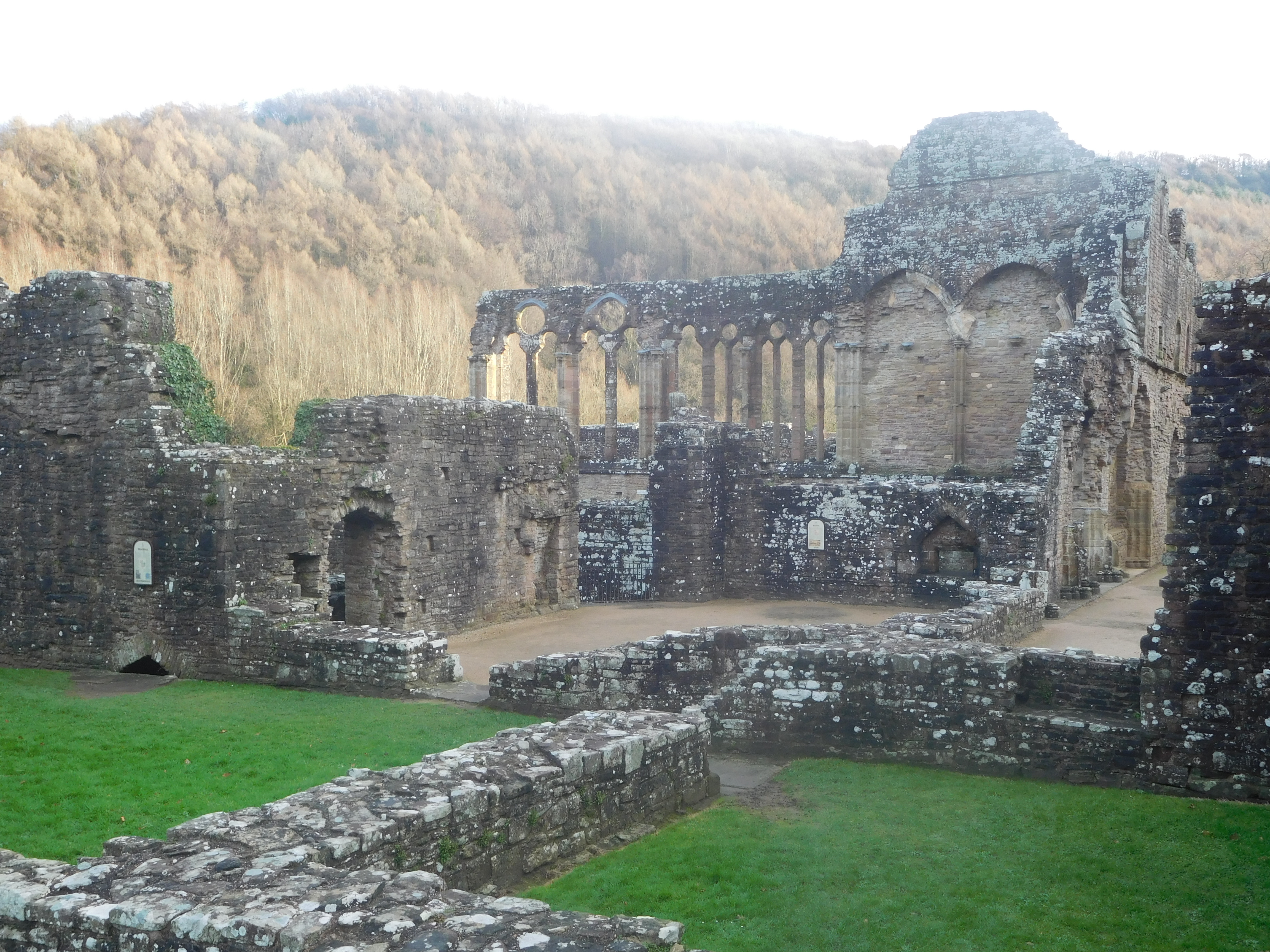
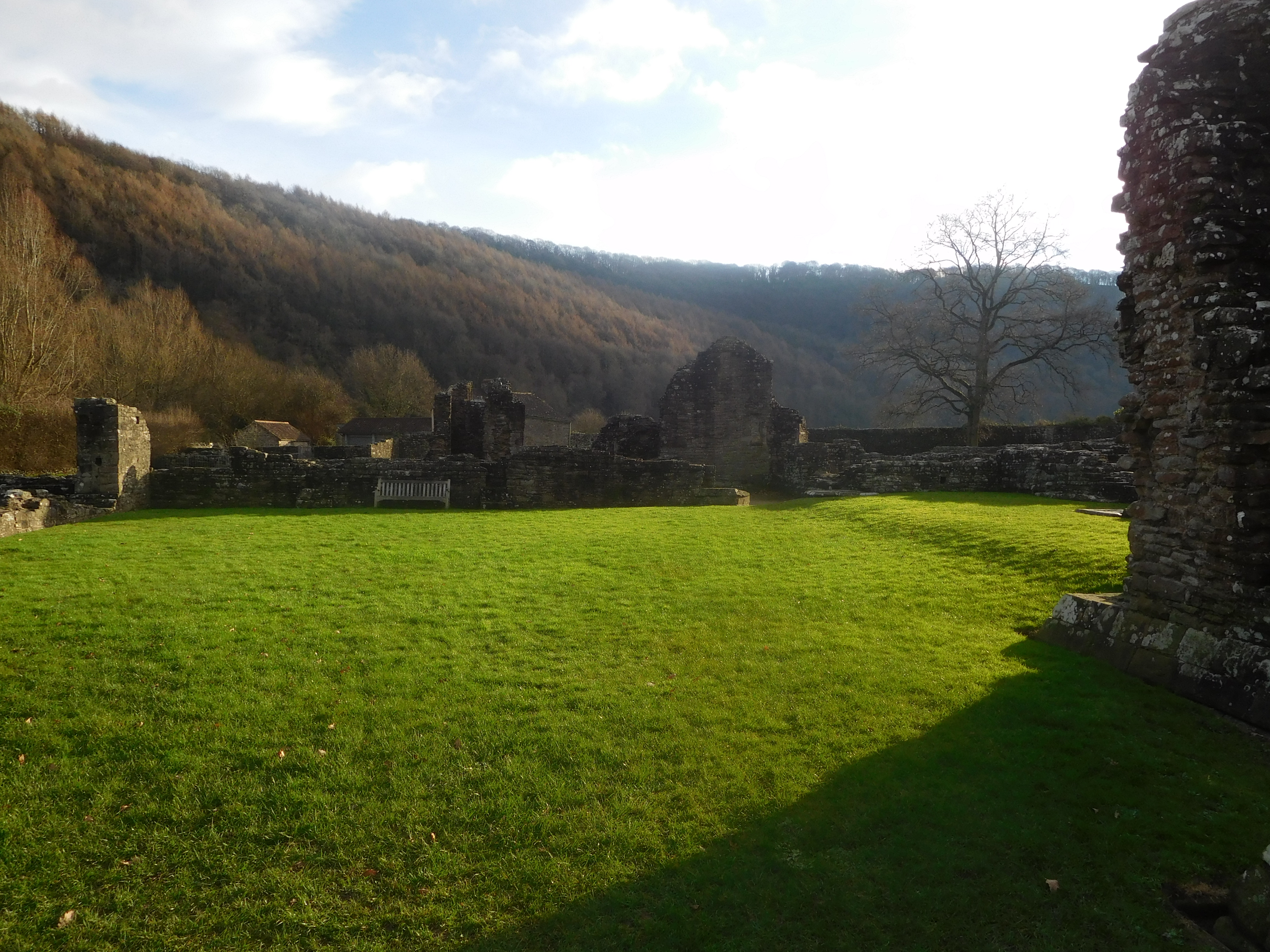
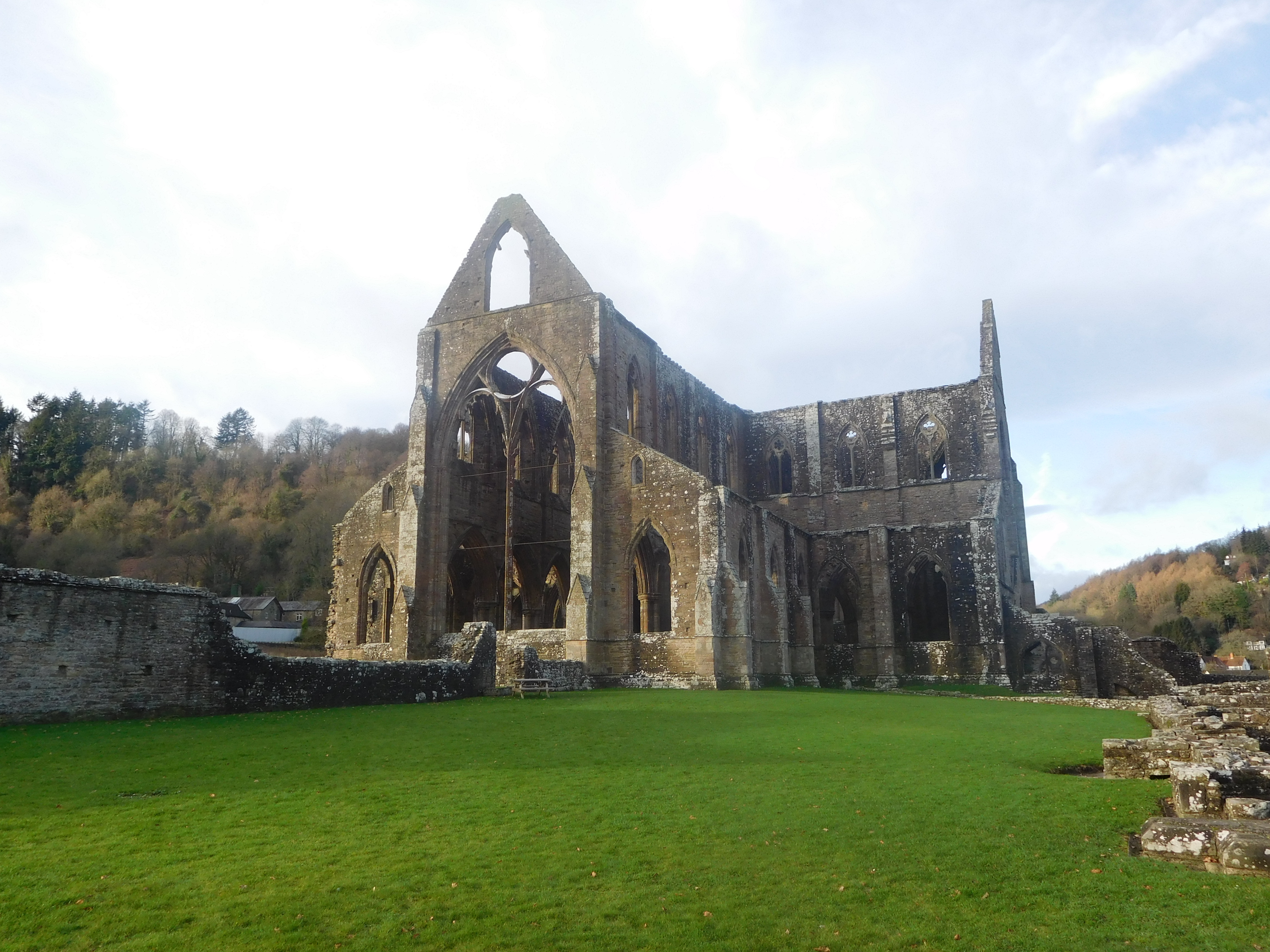
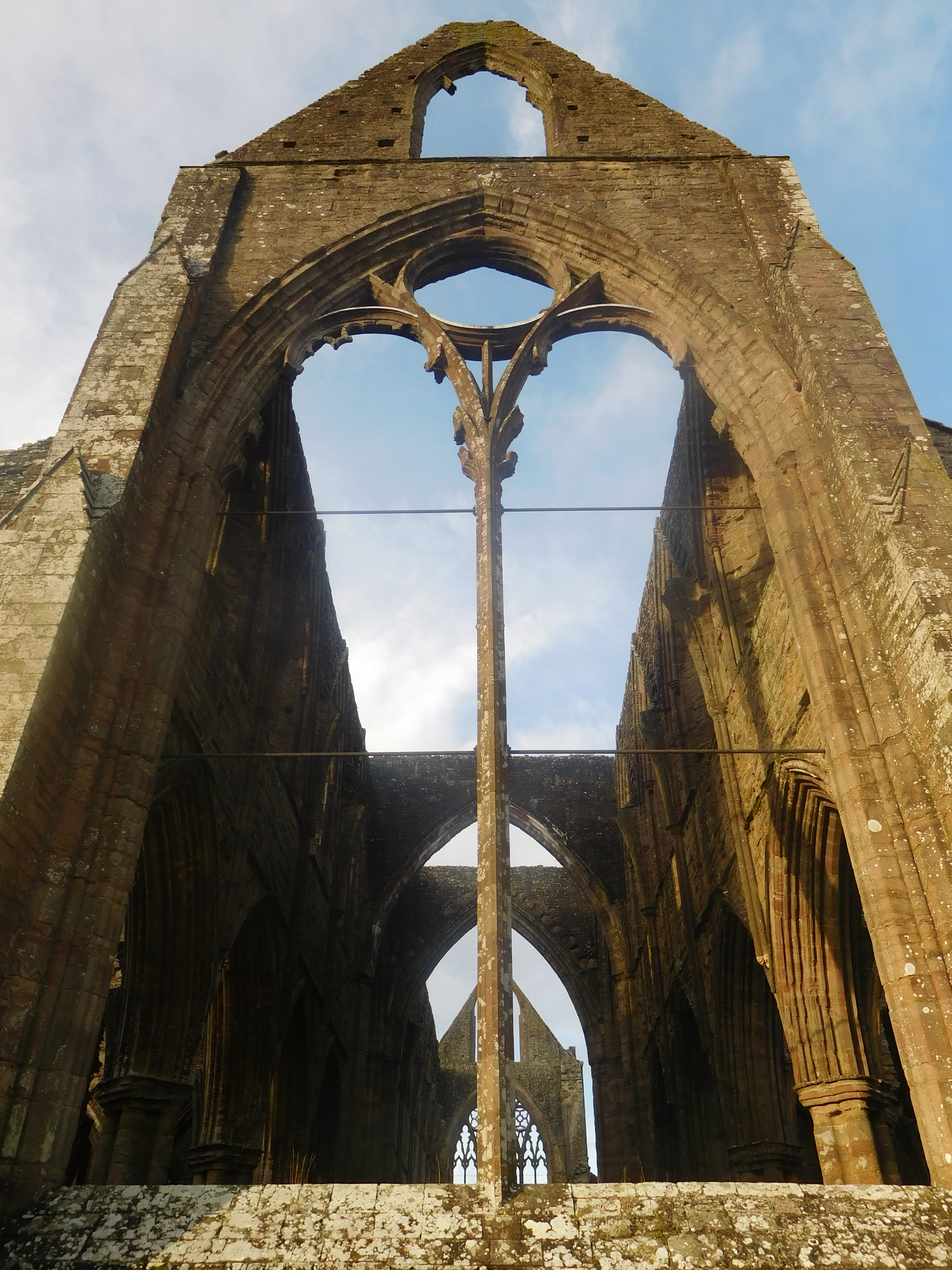
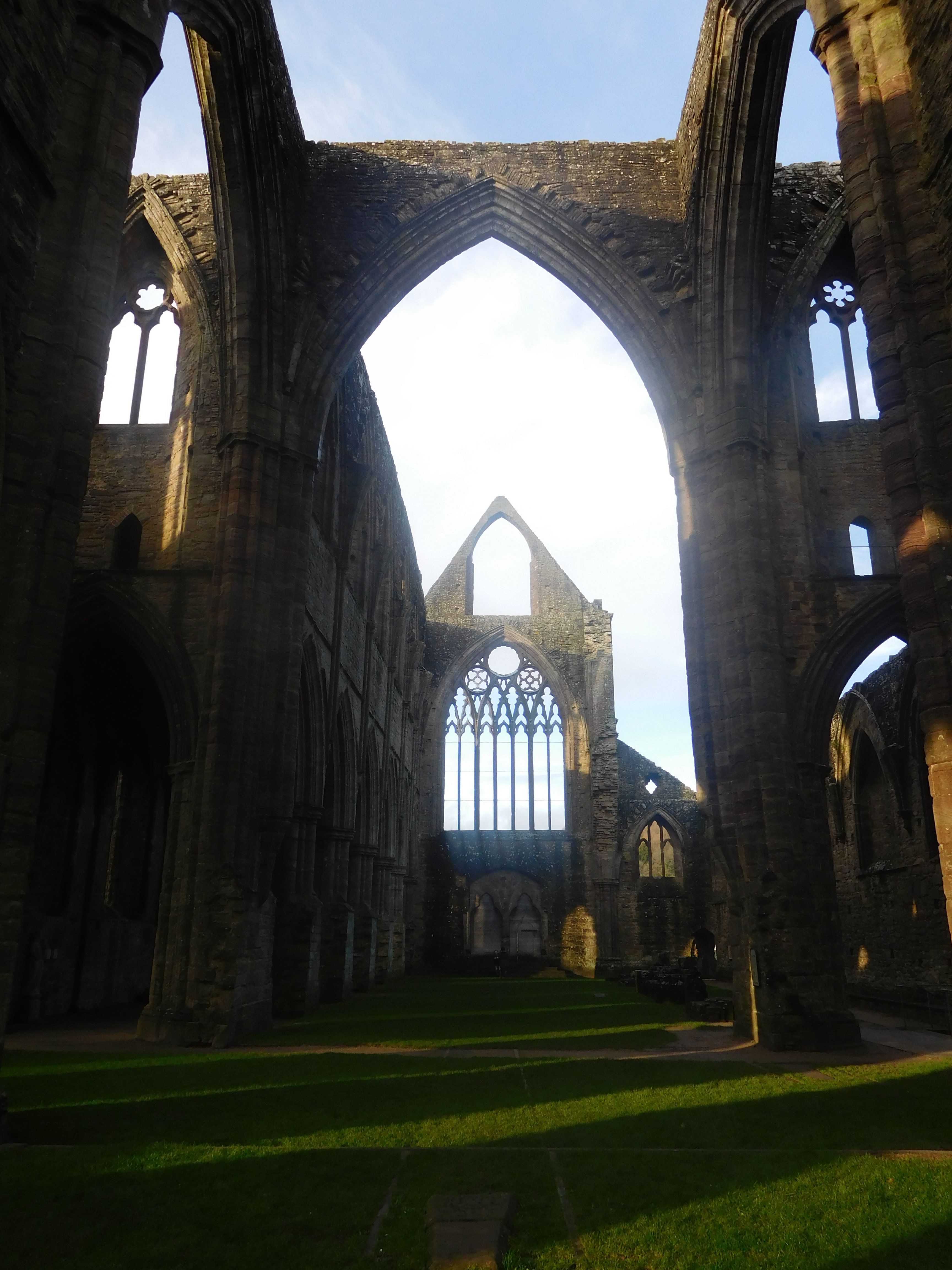
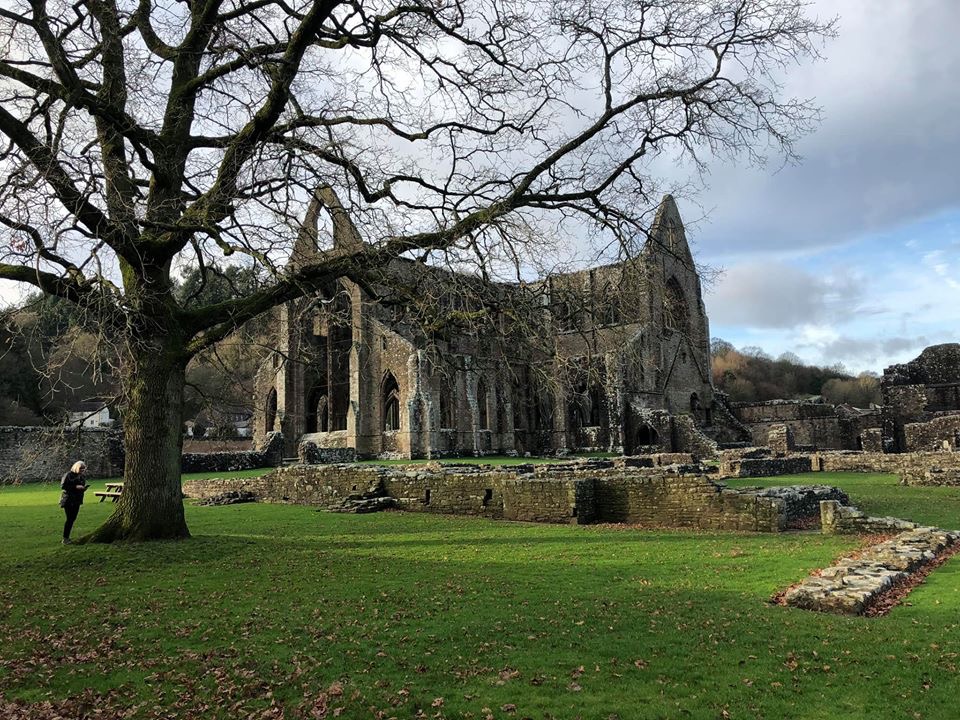
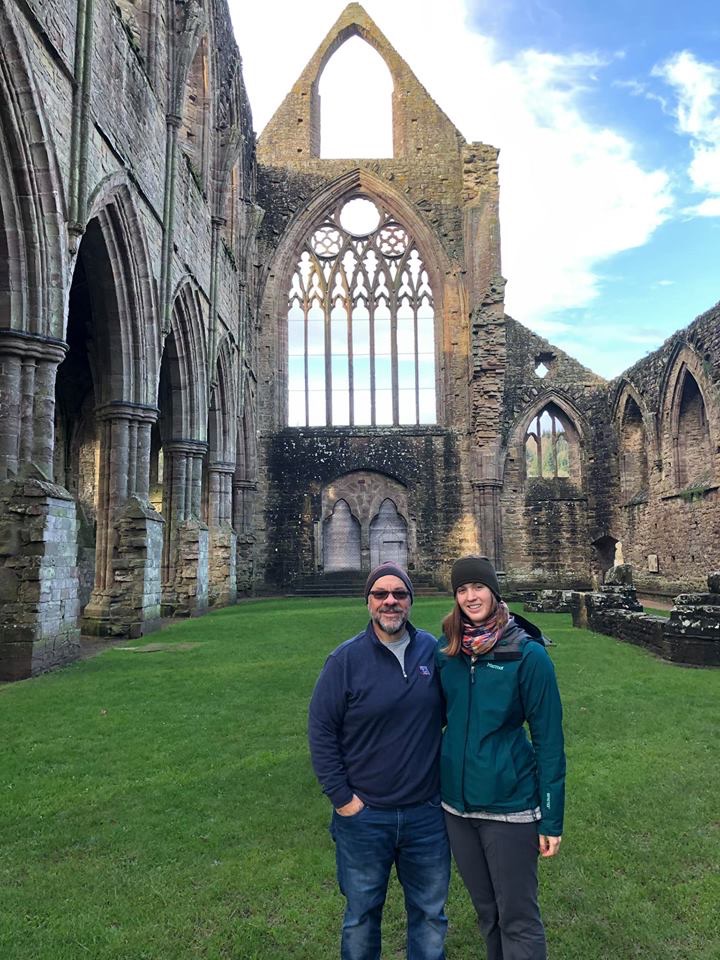
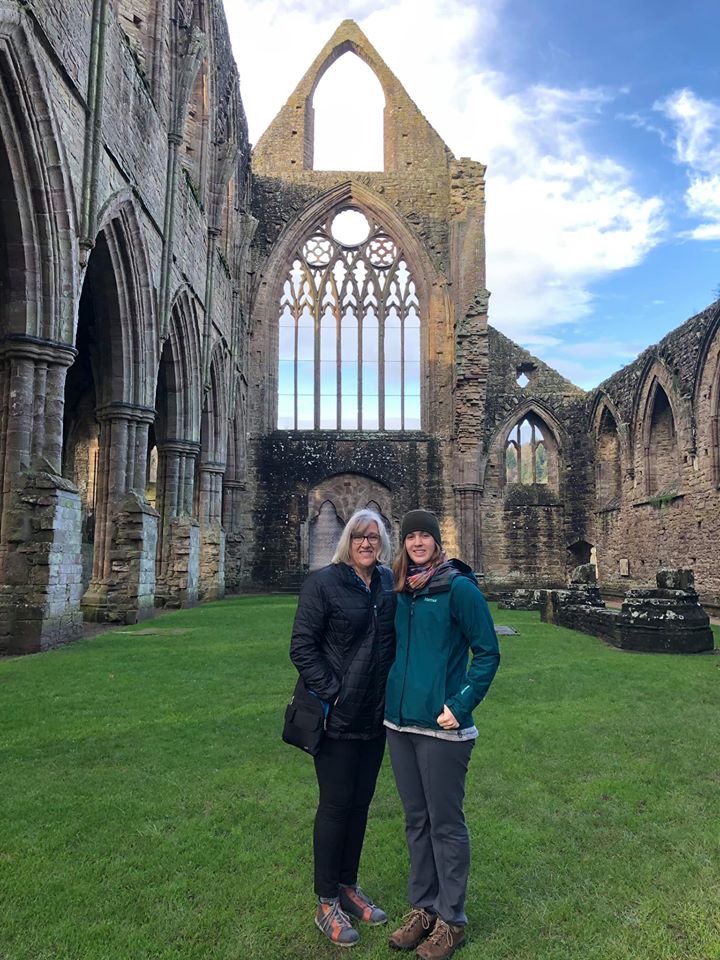
Our second full day was just my mom and dad and me, as Emily had gone off to explore Stirling Castle in Scotland. We started our exploration at one of my favorite tourist spots that I’ve ever visited: The remains of Tintern Abbey. The ruins of this 13th century abbey are breathtaking. Seeing this abbey in person is a religious experience, and not just because it used to be used for such purposes. As I said earlier, an open church is just about as good as it gets, in my opinion, for getting close to the spiritual, and this place was ten times the size of the ruins of the church in London. Add to it’s size the surrounding countryside framed by skeletal stone windows, and you have a masterpiece. Here it is, from just about every angle:

DSCN4613

DSCN4597

DSCN4602
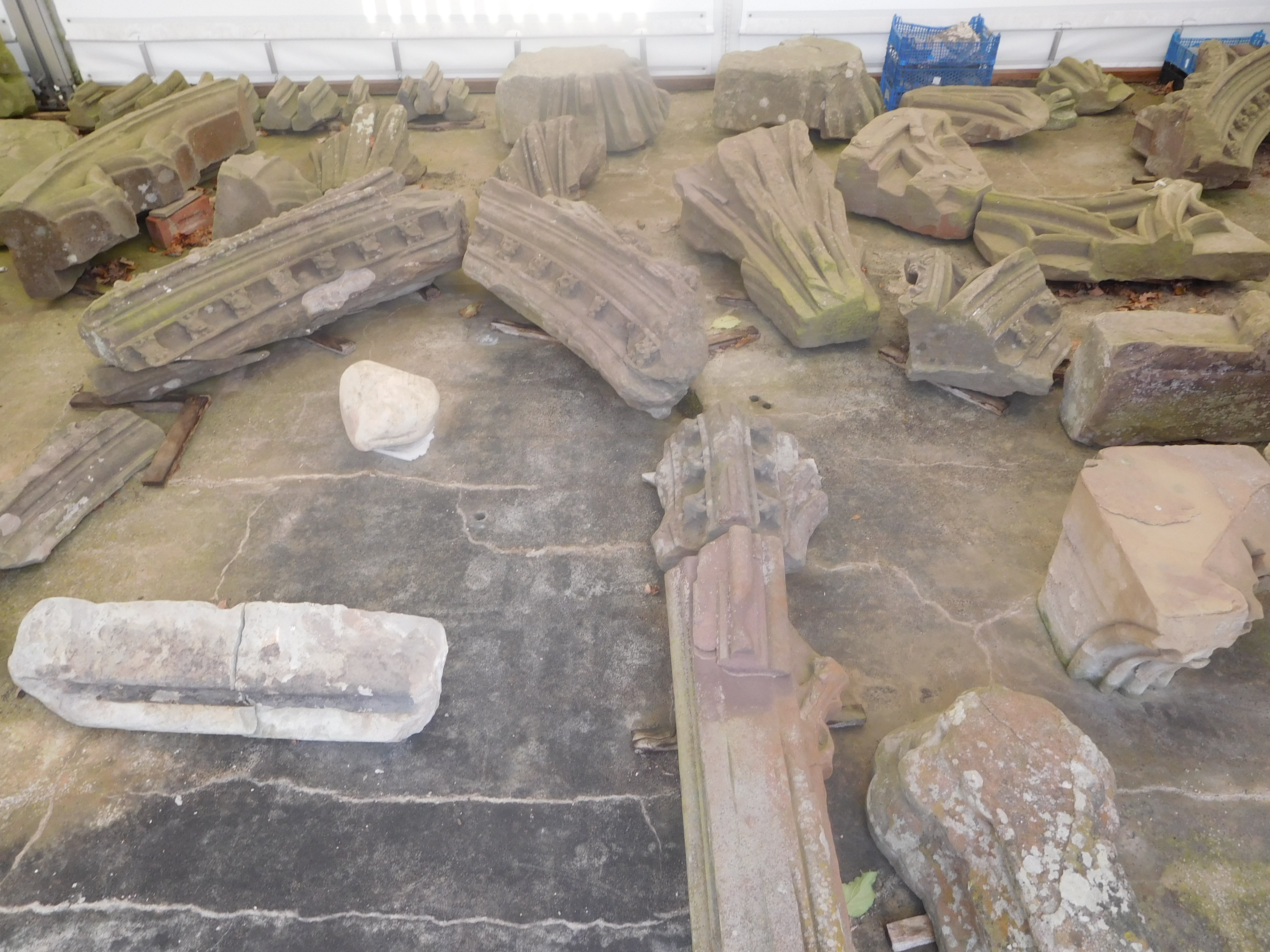
Some of the fallen stonemasonry

DSCN4607DSCN4614DSCN4618DSCN4626IMG-2405IMG-2403IMG-2402


I figured nothing could ever top that, but we did visit several other interesting sites that day.

IMG-2381
Monnow Bridge

The Monnow Bridge in Monmouth was built circa 1270 as a town defense and is the only surviving medieval bridge in Britain with the gate tower still standing. This gate tower was used as a toll-house, guard room, and dwelling house.

IMG-2395
Raglan Castle

Raglan Castle was also a fascinating visit, a medieval castle in use between the 15th and 17th centuries. Unfortunately it was destroyed after the English Civil War to prevent military use.

IMG-2444
Cemetery in Llanelly-Gilwern

As if all that wasn’t enough walking about, we ended the day with a very long uphill hike, but I was satisfied with it all at the end because I got to wander around a very old and very mossy cemetery.

The next day we returned the car and were off to Edinburgh, one of my favorite cities, for Hogmanay! Here James met up with us, and the Lloyd family was complete again!

IMG-0004

Celebrating Hogmanay (the Scottish New Years celebrations) in Edinburgh is a once in a lifetime chance that I highly recommend. The festivities began the day before New Years Eve with a torch procession. And these are NOT the tiny candles I imagined we would be carrying when I thought of fire safety restrictions and the other laws that would be in place for a similar activity in America. Oh no, in Scotland they trust you with full blown sticks of fire (whether they should trust tourists is another matter, several young women from not-Scotland almost lit me on fire while they were taking a selfie). This procession follows the Royal Mile down to King Arthur’s Seat and ends in a party and fireworks. We watched the fireworks, but did not stay for the party.
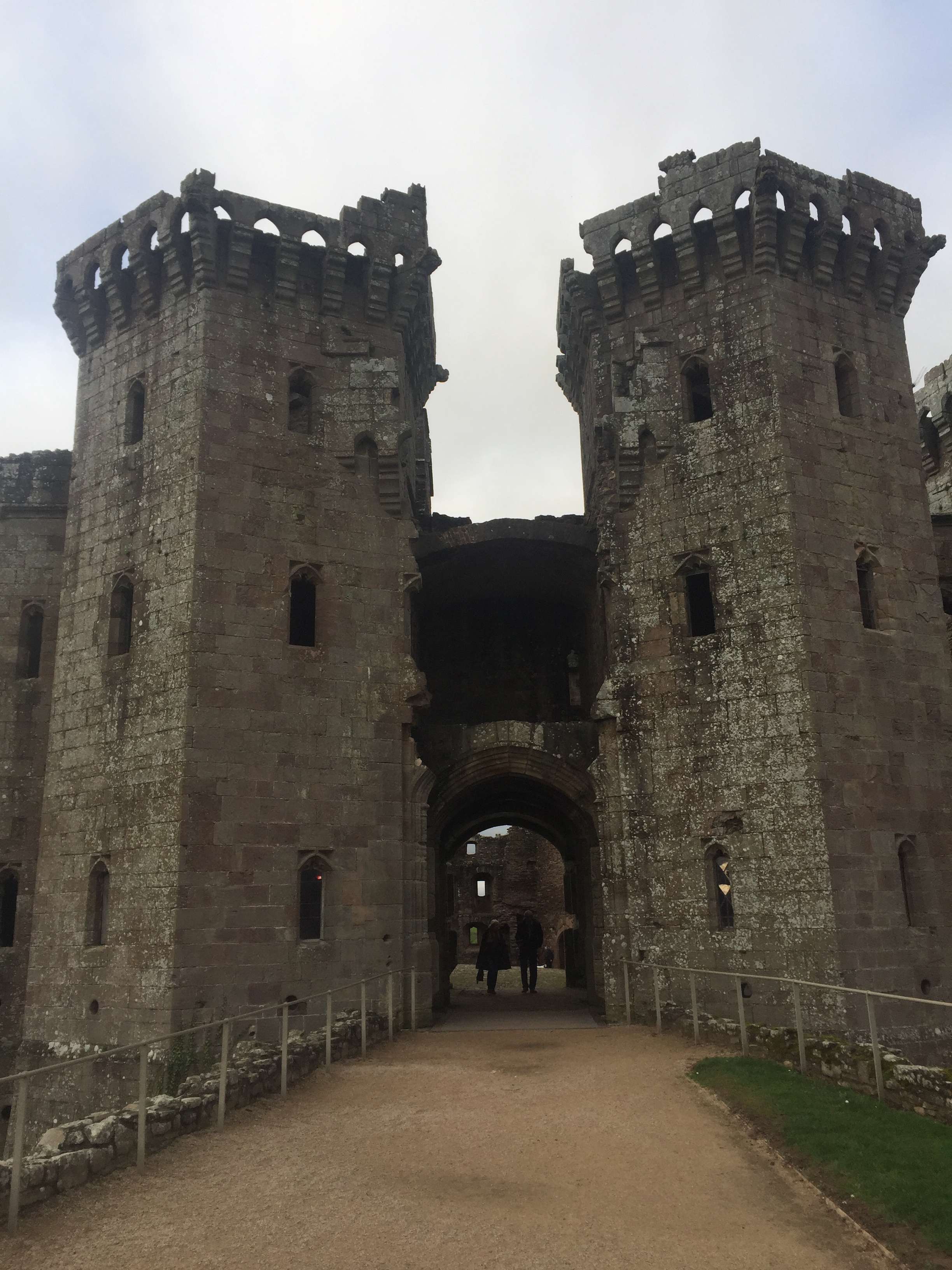
IMG-2435IMG-3548

On New Year’s Eve we decided to visit the Palace at Holyrood and Holyrood Abbey. This was very exciting for me because the last time I was in Edinburgh the Queen was in residence so I couldn’t do the tour.

IMG-2451

On this day we also went to see the Royal Yacht Britannia, which I do not have a photo of because I skipped that and got my eyebrows done, bought new underwear at H&M, and stared at stuff in a Boots for about an hour. I have since seen the ship in the “The Crown”, but I still think I got the better end of the deal on this one.

On the first day of the new year we lost Emily, because she had to return to America. The Lloyd clan spent the day visiting Edinburgh castle (I again refer you to my post about Scotland because I didn’t bother to take pictures this time) and went to the Royal Museum of Scotland. Oh boy. What a place. I didn’t even know it existed until we walked by in search of food, but I could have spent our entire trip there. It is full of amazing and varied exhibits, there really is something for everyone.
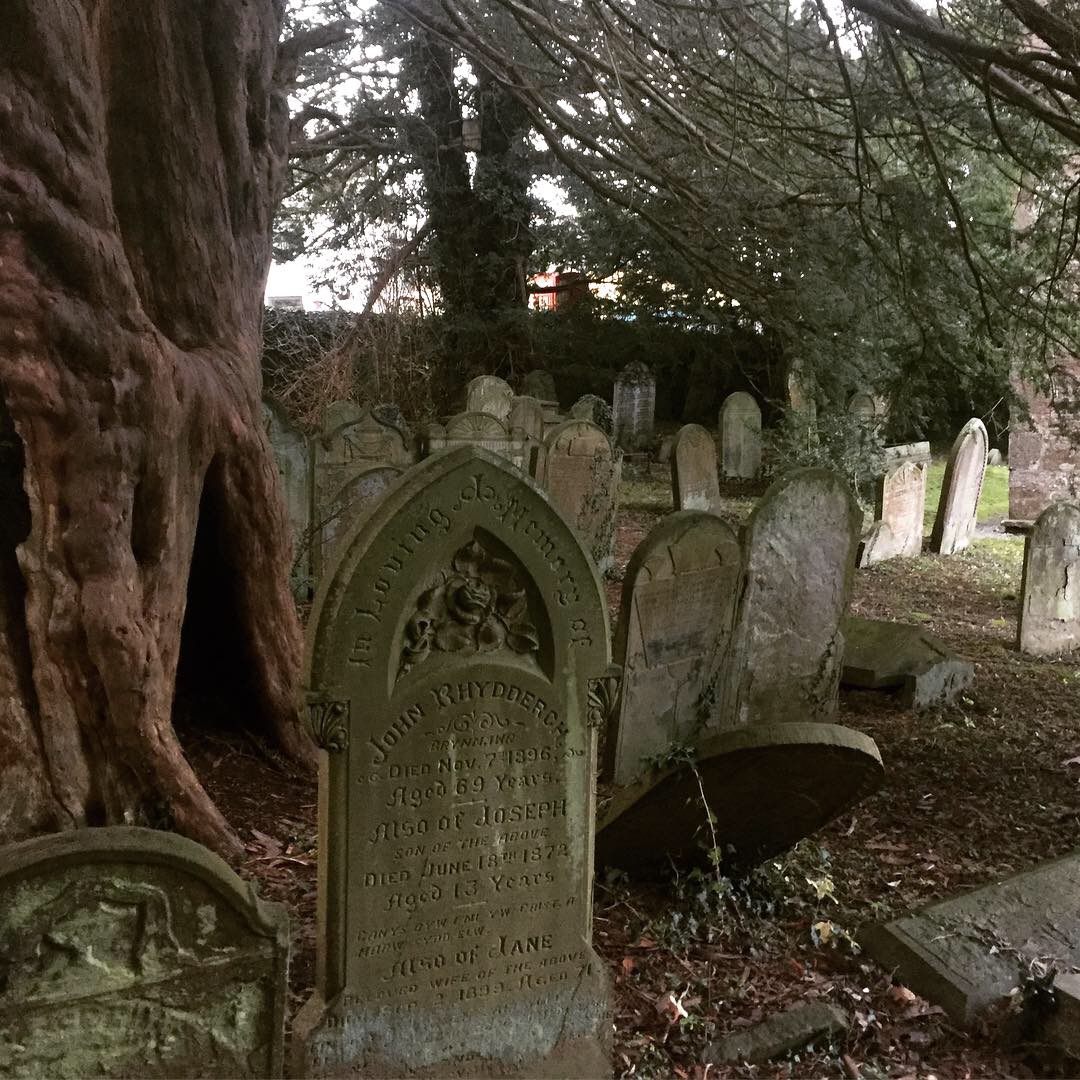
IMG-2509

IMG-2493
Ornate Drinking Fountain

IMG-2499
Dolly the Sheep (and first mammal clone)

The next day we trekked to St. Andrews so my father and brother could go see A Very Old Golf Course™ and my mom and I enjoyed the beach. I have been to the beach pretty much every year of my life, so it was nice to see it again.

IMG-2524
Doc Martens on the beach, a first time for everything

IMG-0075


We then headed to Stirling Castle, which Emily had visited earlier in the trip and had given her seal of approval. It was full of history that I really appreciated, being obsessed with all period dramas involving Mary Queen of Scots and Queen Victoria, both of whom had been to this castle.

IMG-2532IMG-2572

I posed by the statue of Robert the Bruce, who unfortunately did not resemble Chris Pine.

IMG-2571

That day, I found out that my roommate from my study abroad program in Freiburg, Germany just happened to also be on vacation in Edinburgh. Seeing as how she was currently teaching in Germany, I was living in Africa, and we had also previously found each other on separate vacations in Venice in a random piazza (see Three Countries, One Post) I was completely amazed.
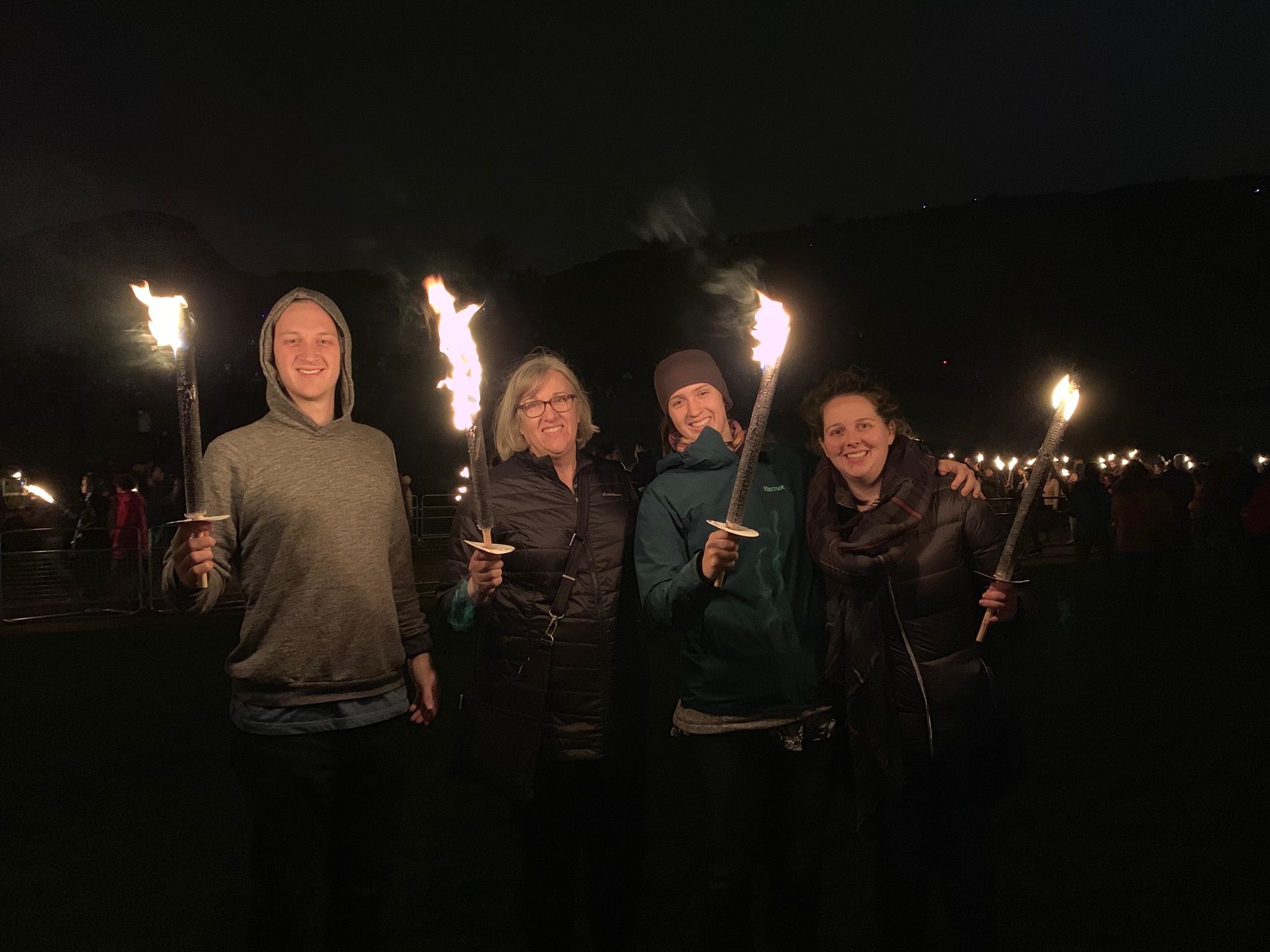
We met up the following day. We hunted for the tombstones that inspired J.K. Rowling in the Harry Potter series, and we got a haircut together, my first professional one in over a year. Luckily, Anna also needed a haircut because she had been avoiding getting one in German. I could completely sympathize.
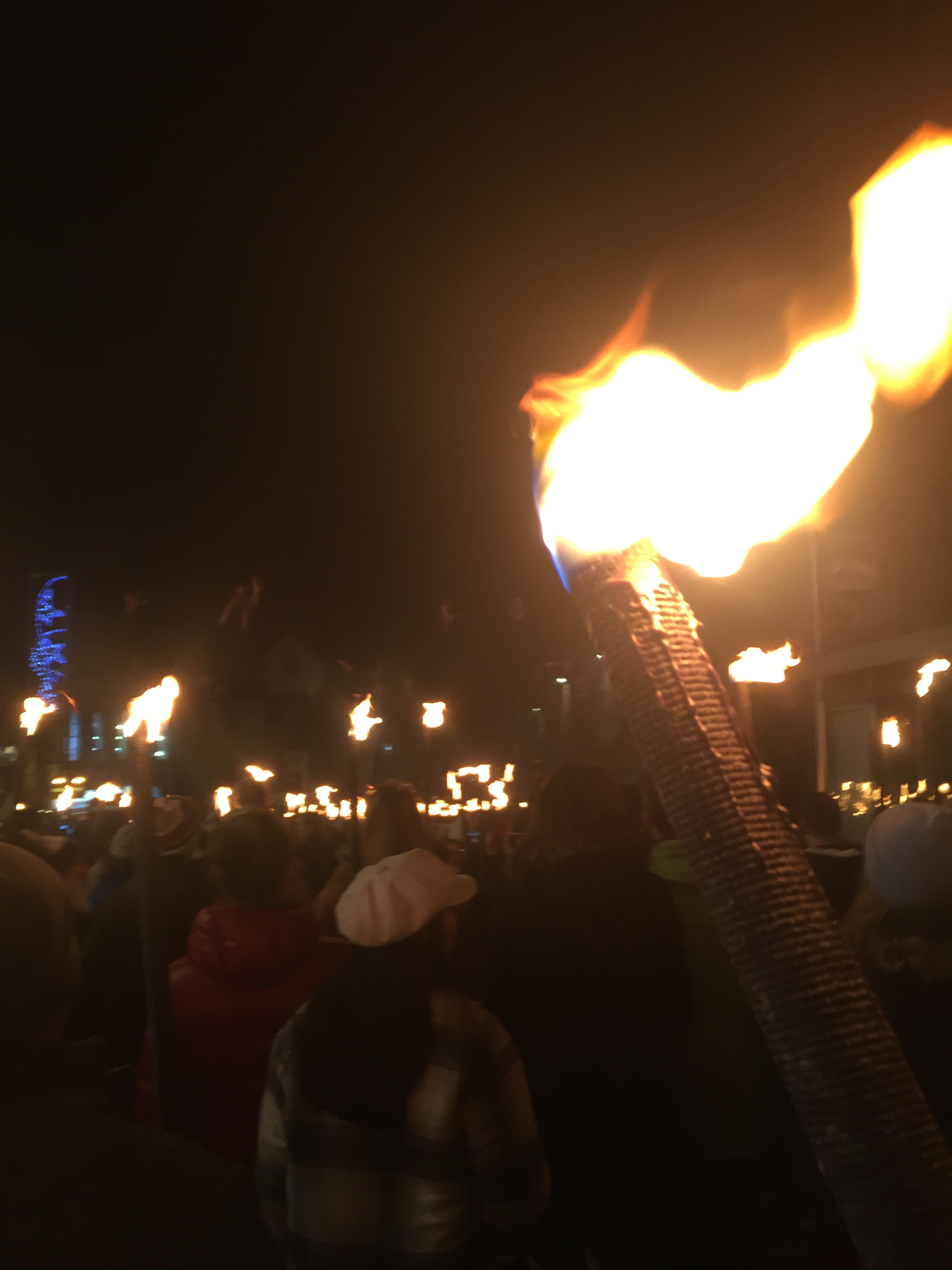
IMG-3935

The 3rd of January was also my last full day with my parents.We had a nice dinner and my mom and I went out for a fancy cocktail and a chat.

IMG-2596

The next morning, James and I sent out parents off on a train bound for London. We initially planned on going back to nap and take a late train to the start of the siblings leg of the trip in Perth, but I found myself antsy and ready to move on. We were on our way an hour later.

I’m going to end Part 1 here, although Part 2 will be significantly shorter because James and I have a more leisurely approach to travel so we did things more slowly and I took less pictures. I am afraid that if I try to squeeze Perth, Loch Ness, the Orkney Isles, and London into this post it might never upload. So, Part 2: Lloyd Sibling’s Adventure will be up tomorrow!


Dental Hygiene and Beekeeping

Hi guys! It’s been awhile. I’ve been back at post for a month now, and I’d like to update you all on what I’ve been doing during that time! During vacation, I received a suitcase full of toothbrushes and toothpaste, courtesy of a friend of my father’s from high school (A Medina Bee alumna!) Kim Reber Henderickson, and her connections with Mike Franks, with Crest. I traveled to Cameroon with these materials, and then split them in two for my village and Fanning and Casey’s village and we held a hygiene training at each health center! The focus of this training was for women and children, as we know the largest impact will be through teaching the mothers, who then go on to teach their children. We started each session with  information on the importance of dental hygiene and how to properly brush and floss teeth.

DSCN4649
The Chef of my village organizing the women for the presentation

DSCN4651
Casey with the first flip-chart paper on the benefits of good dental hygiene

DSCN4660

DSCN4665
We had quite the turnout!

DSCN4669
Fanning explains proper brushing technique

DSCN4675
Demonstrating how to hold floss (a good alternative here is thread)

DSCN4676
Fanning “flossing”

At the end of the presentation, the women came up one by one and received a “petit cadeau” of a toothbrush for themselves (and one for their child if they were of the proper age). At the beginning of the distribution we handed out numbers to ensure that women received a brush if they came and watched the whole talk, and not just at the end to get the free toothbrush and toothpaste.

DSCN4679

DSCN4688
Fanning explains to the mother how to use the infant toothbrush for her child

DSCN4700

Overall, the two distributions went well! We learned a lot from the first one in Fanning and Casey’s village, and were much better prepared and organized for the second one in my village. We reached nearly 100 families in my village through the mothers, and recorded their names and how many children that they have. In Fanning and Casey’s village, since there we more children than mothers, we reached about 50 families in total. All in all we distributed nearly 300 toothbrushes (in adult and child sizes) and toothpaste. The goal of this project was not to give everyone in our villages a toothbrush, but to give incentives and information to the matriarch of families so that they might, in the future, invest money in dental health for themselves and their children. Again, many thanks to Crest and Kim Reber Henderson for the generous contribution.

Finally, I’d like to say a little about the beekeeping project and grant. Casey and I just received the donor names of the people that allowed their information to be shared, and we’d like to just say a huge thank you! Thanks to you all, we were able to raise the money in only 3 short days, and should be receiving the money soon so that we can begin booking the training and buying materials in time for our set start date!  Many thanks for the generous donations from our family and friends. It means the world to us that you are supporting our work here, and we are very excited for this opportunity to make positive change. I will be updating this blog and our beekeeping blog (https://adamawabeekeepers.blogspot.com/) as the project progresses.