For the last week or so of the trip, I was traveling with my brother. During scheduling, we realized we had one free night, so I picked a city in between Edinburgh and our next destination, Inverness, and we went knowing very little about my pick (Perth).
As it turns out, it was a pretty interesting city.
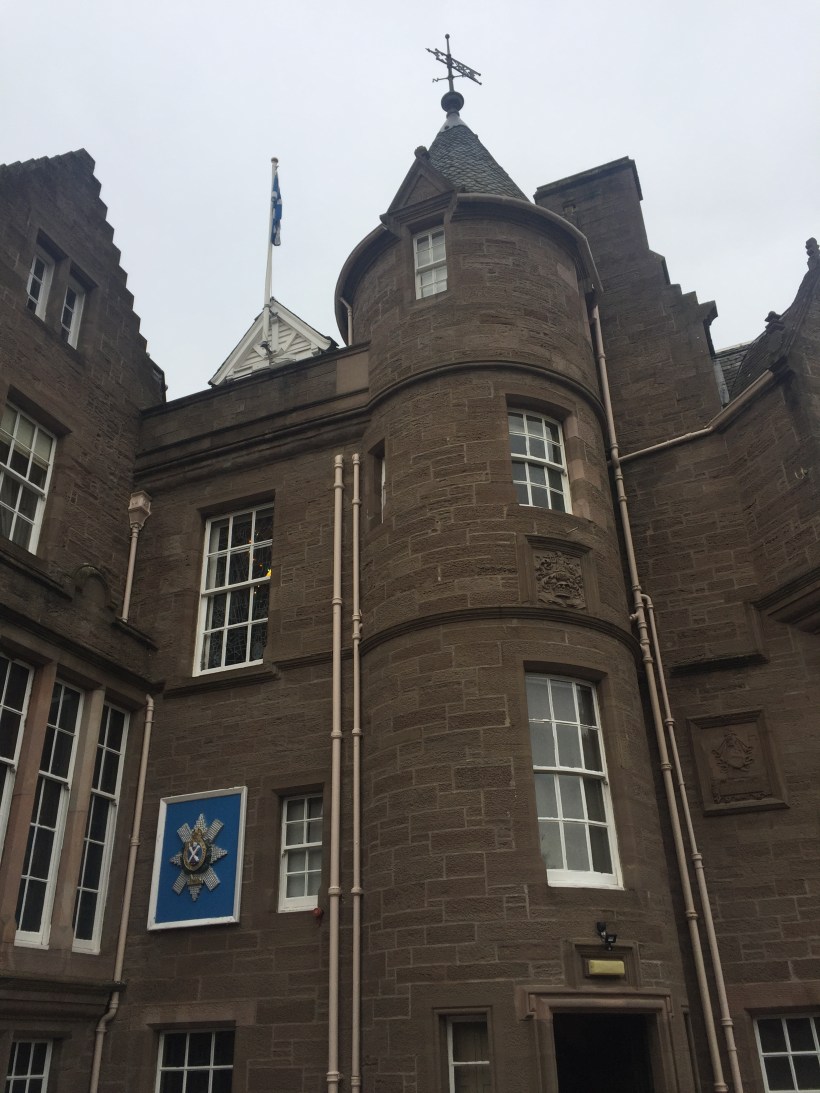
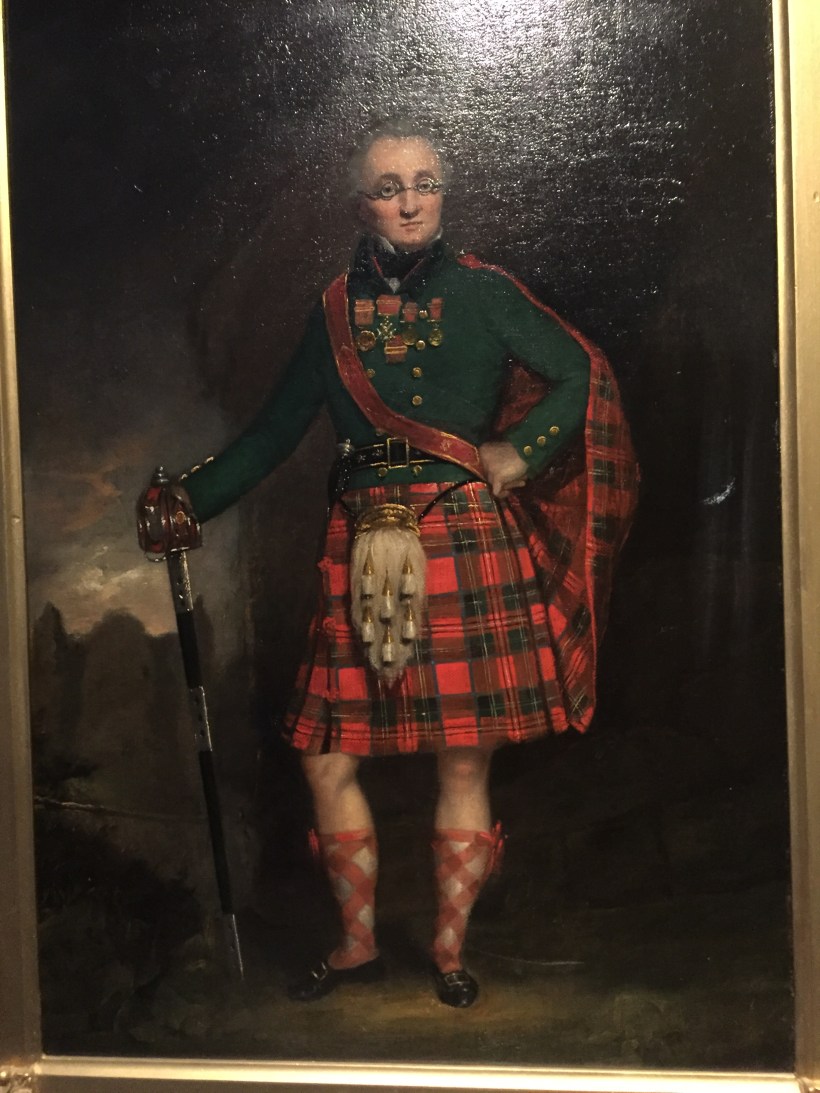
As we didn’t have a ton of time in Perth, I had researched a few stopping points beforehand to make the most of our stay. The first one was the Black Watch Museum, which ended up being far more interesting to James and to me than I could have ever hoped. The Black Guard is a infantry battalion of the Royal Regiment of Scotland, formed in 1881. Since it’s formation, it has served on every continent and every war that the UK has been involved in. They are, and I mean this with the deepest respect, complete Bad-Asses. I mean, seriously, They served in many of these places all over the world in kilts. If you ever find yourself in Perth, please consider giving it the museum a visit, and leave yourself several hours to appreciate it.
Our next stop was Huntingtower Castle, which was not open but we figured it would be impossible to stop us from getting near it for a look, which is what we did.
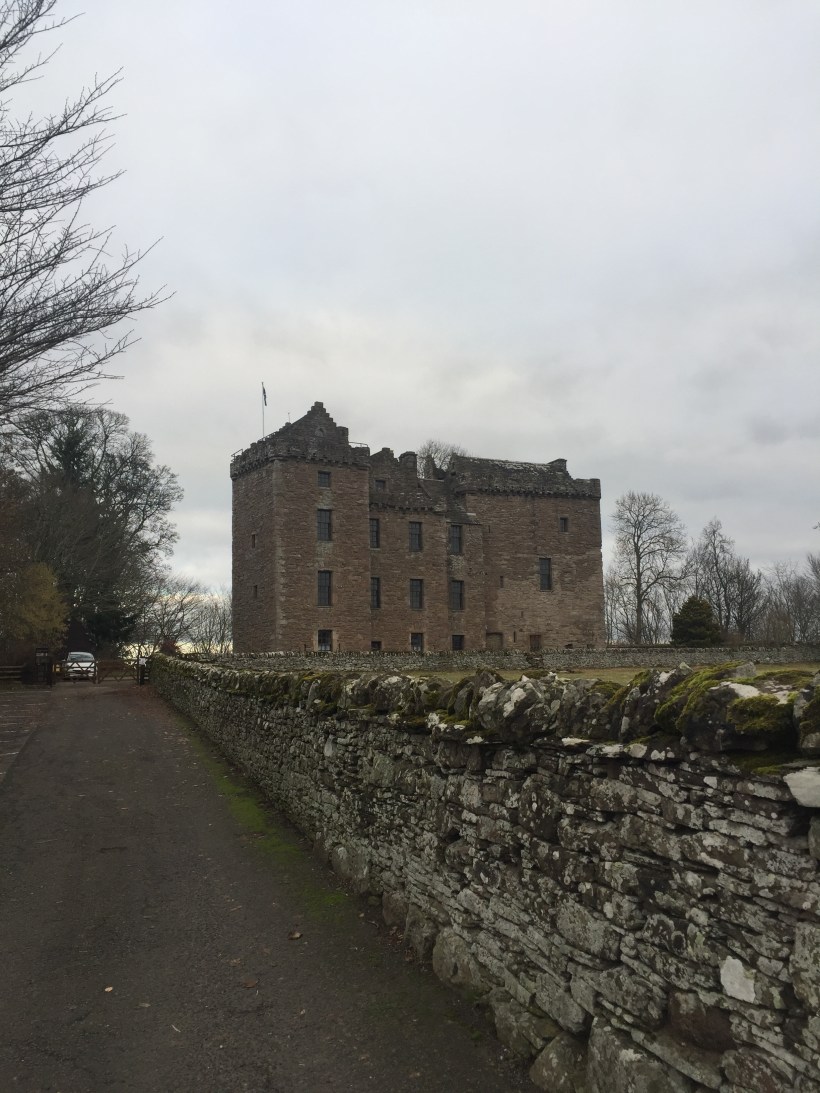
This castle was built in the 15th century, and King James VI, the son of Mary Queen of Scots, was held here for 10 months as a prisoner in 1582.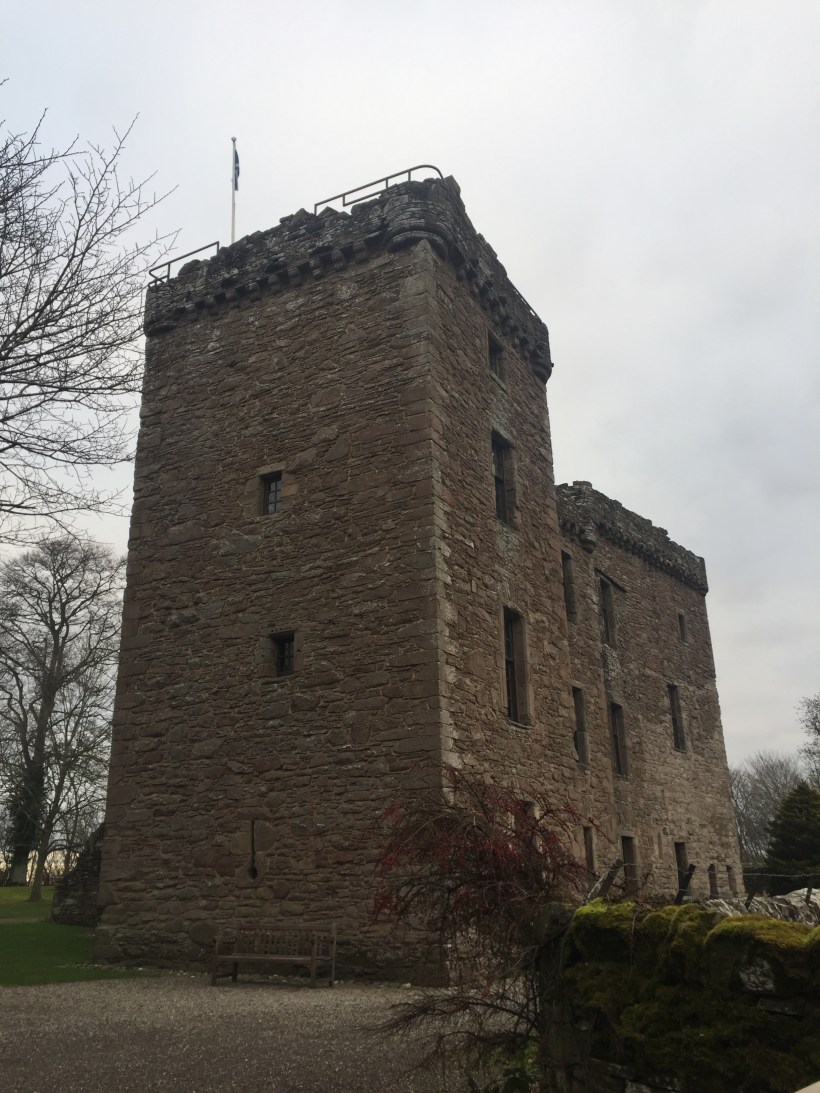
The rest of the fun bits of this city involved a trip to “T.K. Maxx” and a very good Indian restaurant. The next day we were off to Inverness and a cabin on the Loch in Drumnadrochit.
We spent a decent amount of time in Drumnadrochit walking to and from the small local grocery store. Drumnadrochit is a little village on the edge of the Loch that runs on tourism during the peak seasons, which January is most decidedly not a part of. There were no open restaurants while we were there.
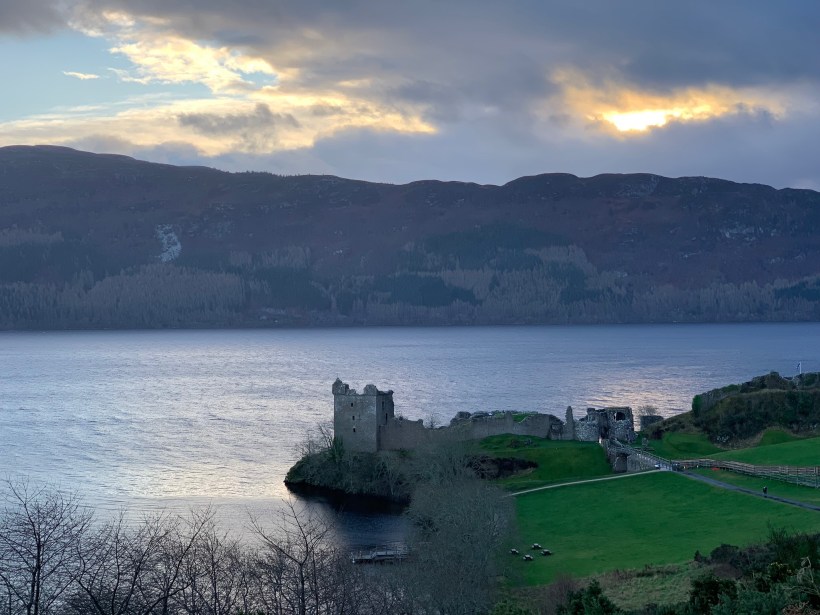
James and I certainly made do. I was happy to stay in Drumnadrochit the whole time, especially since the newly converted Croft we were staying in had a pull out bed in the loft which was situated by a wood burning stove, and the bathtub was enormous. The shower was luxurious as well. Some nights I took a bath AND shower.
Our very first day we walked into town to visit the Loch Ness Exhibit. Situated in the historical hotel where old timey people used to stay while on the search for Nessie, the exhibit reported the scientific findings on the Loch Ness Monster over the years. (Hint: they haven’t found her). It was an amusing stop, and we spent the remainder of the day grocery shopping and enjoying the Croft.
On the next day, our first full day on the Loch, we took a touristy cruise on the lake to get a closer view of the Urquhart Castle that we could see from our Airbnb.
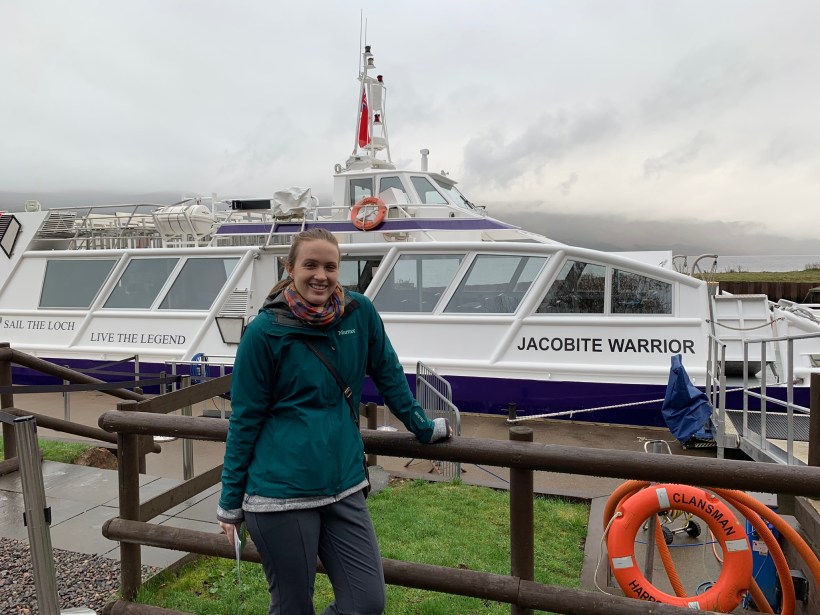

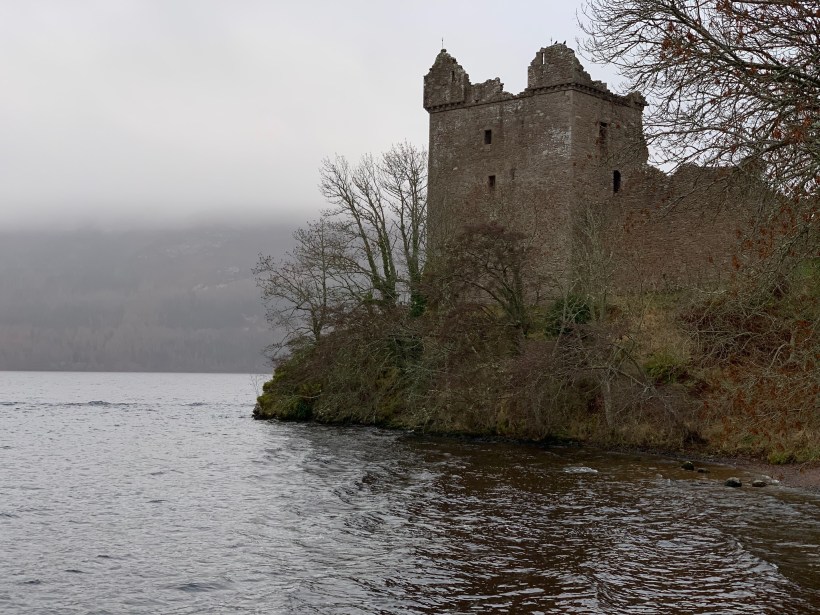
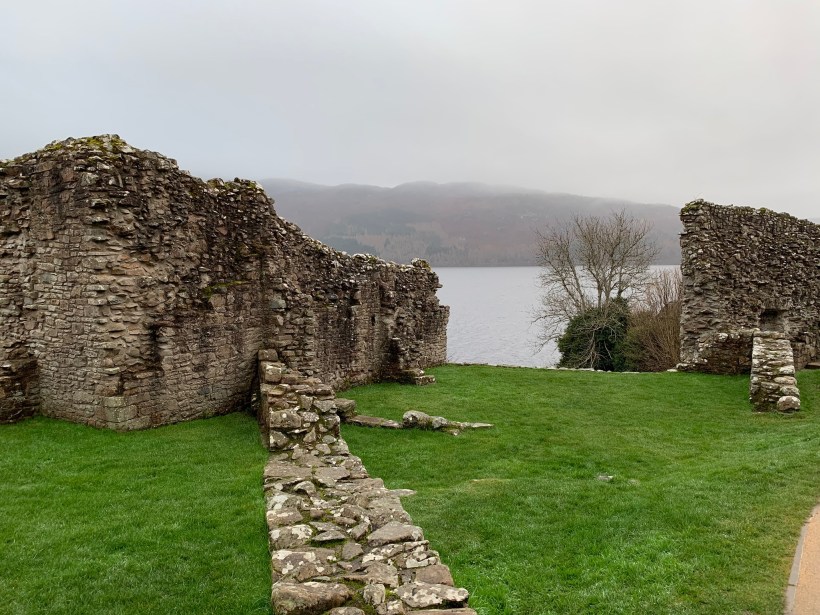
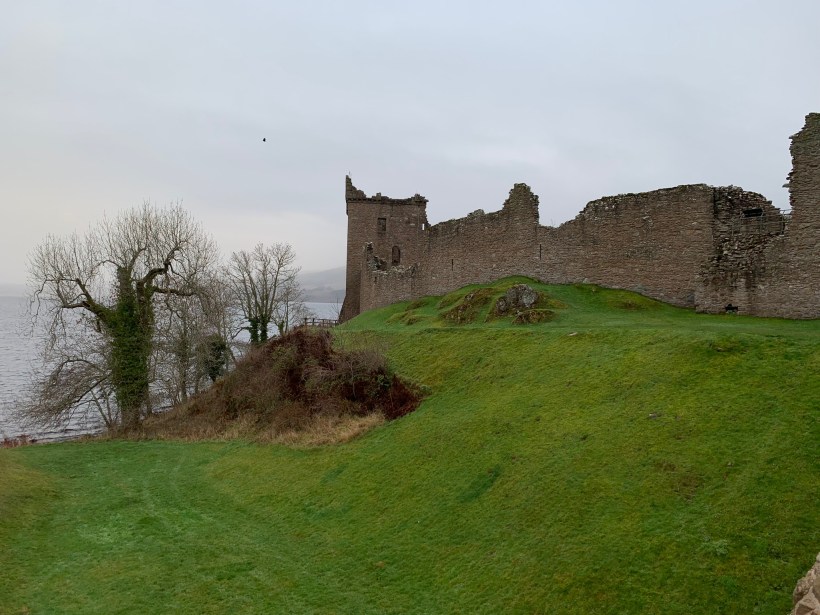
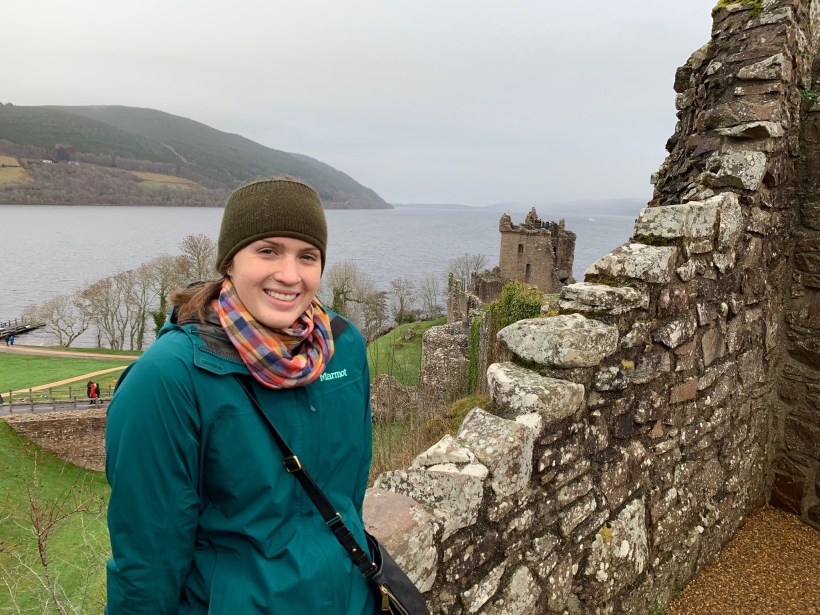
The castle was huge. The present ruins date from the 13th to 16th century, and the castle has been occupied by many different parties throughout history. The fortification played a part in the Wars for Scottish Independence in the 14th century, then was held as a royal castle before it was given to Clan Grant in 1509. Largely abandoned in the mid 17th century, it was partially destroyed in 1692 to prevent its use by Jacobite forces. We ended that day much like the day before, by walking to the grocery and back and getting nice and cozy in the Croft.
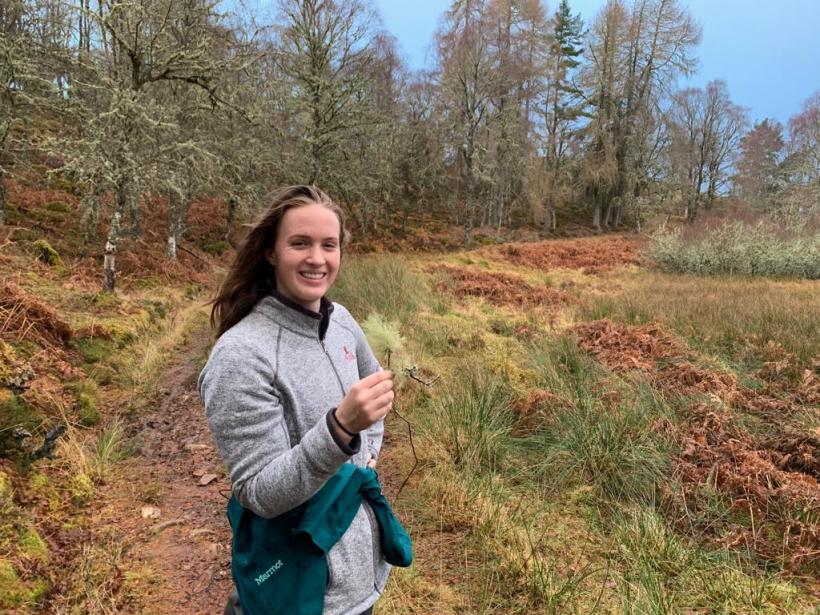
The next day we finally took a bus into Inverness. We walked around a bit, but found it to be more of a metropolitan area than what we were looking for, and decided to have lunch at a local restaurant called Cafe Artysan. As if the delicious food wasn’t enough, the Cafe also sold locally made soaps that smell GREAT. We headed back to Drumnadrochit and took a long walk around the lake.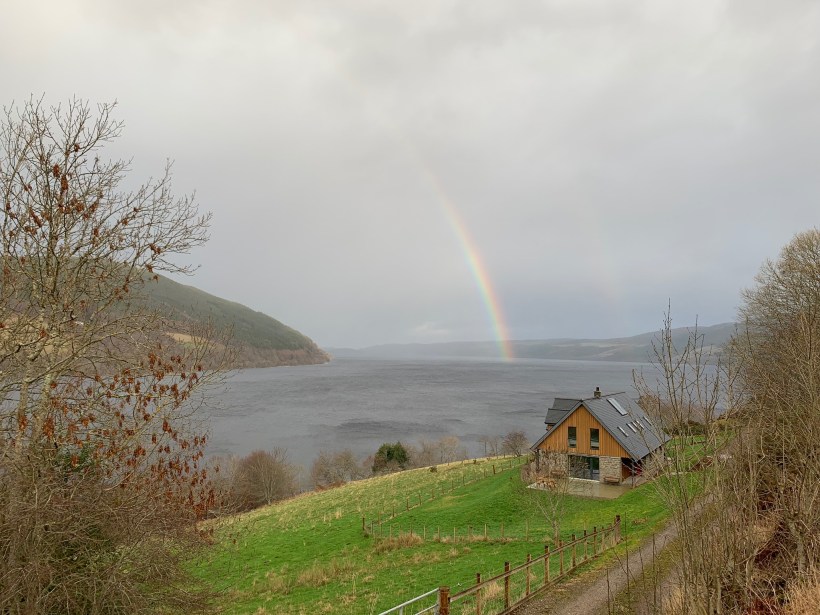
All in all, Loch Ness was a highlight of the trip. I would highly recommend visiting on the off-season, as it is relaxing and I think you get a better idea of what the area is really like without all the cheesy tourist trappings.
The next morning, the 8th of January, we took a bus to Inverness, and from there a train to Thurso in Northern Scotland. Thurso was the nearest city to Scrabster Port with a train station that I could find. From Thurso we took a taxi to the Port and boarded a ferry. Ferry, in my opinion, is a vast understatement for this hulking behemoth of a ship that took us to the Orkney Isles. Then again, I’ve never been on a cruise ship so maybe this was a small ferry in comparison. We had apparently gotten very lucky because the day before a huge storm had come through the area and all of the ferries had been canceled. As it was, the ship was still rocking quite a bit, and James and I had fun walking around the ship like sailors three sheets to the wind. We arrived later in the evening, checked into our Airbnb in Kirkwall, and planned our next day.
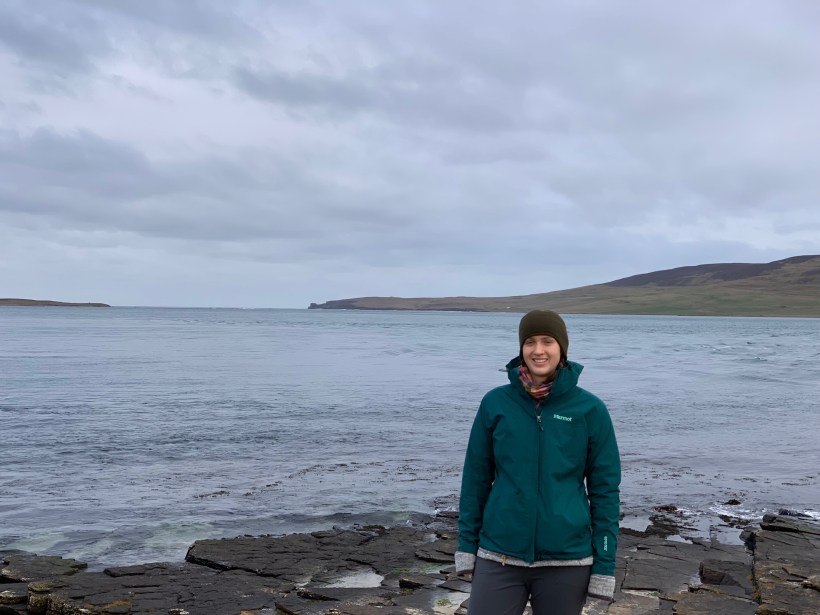
Day One in Orkney started at the Broch of Gurness. If you are an archaeological enthusiast, I highly recommend Orkney. I had spent many hours in Cameroon planning the most efficient way to get to all of the sites with our rental car, and lemme tell you, you cannot throw a very old rock of archaeological significance without hitting another very old rock of archaeological significance in this place.
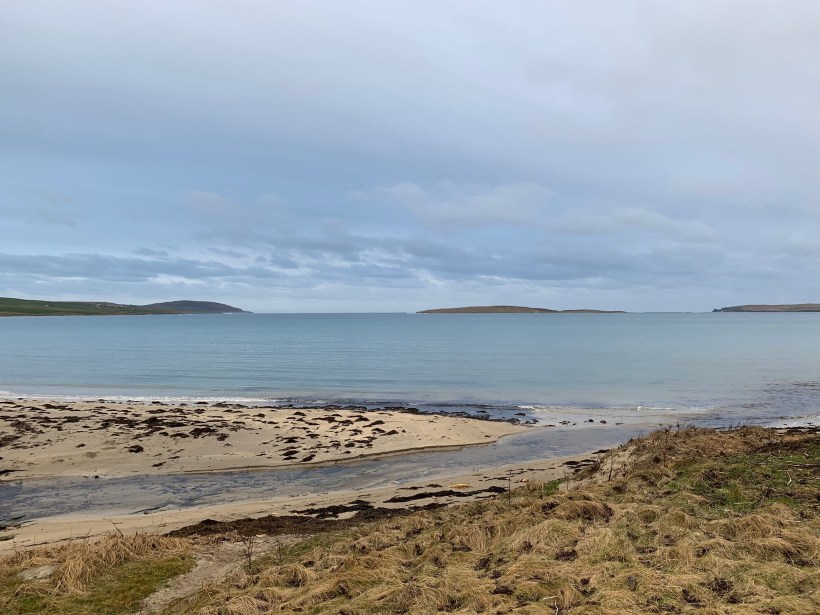
The Broch of Gurness is an Iron Age broch village on the northeast coast of Mainland Orkney, was settled around 500 to 200 BC, and used to be home to a substantial community. The gate to this amazingly ancient site was also open and there was no one there so we could have trampled all over it if we wanted. We didn’t though, because our mother raised us to respect Iron Age settlements, or something like that.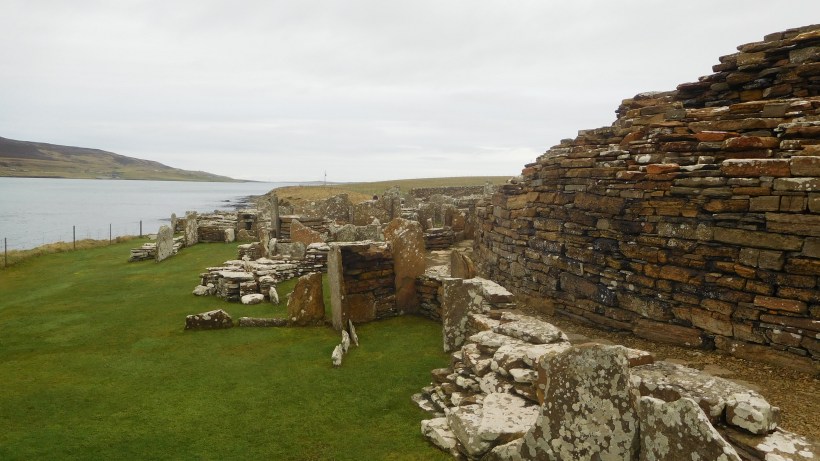
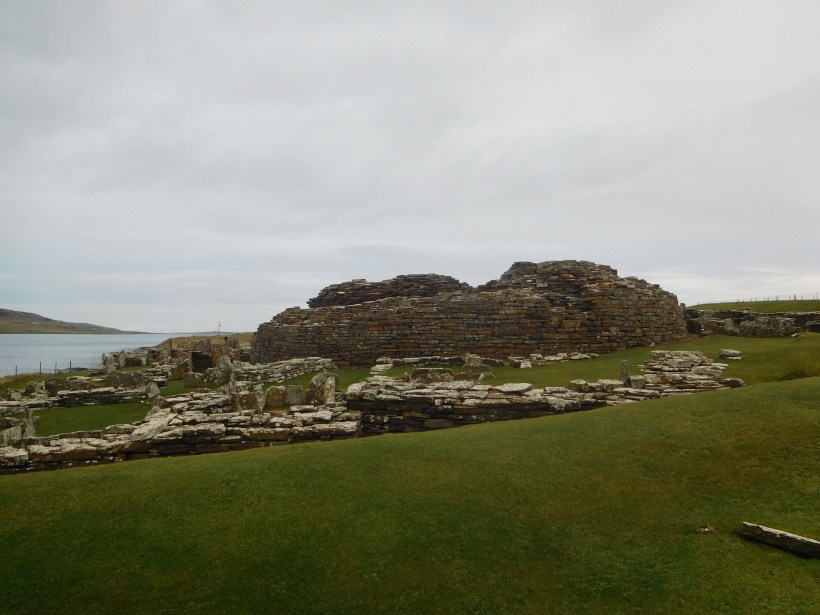
At the center of this settlement is a Broch (or tower) which once stood about 10 meters high. It was divided into rooms and was the heart of the community.
Next we went to Skara Brae, which was significantly more monitored and protected. There was a fence around it and a marked walking path.
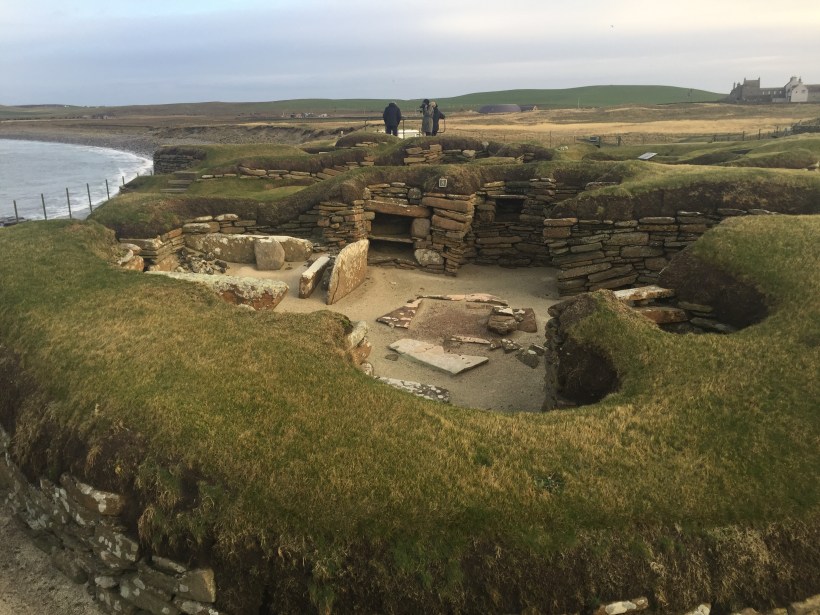
Skara Brae is a stone-built Neolithic settlement from around 3180 BC to 2500 BC and is located on the Bay of Skaill on Mainland Orkney. My favorite part of this settlement and the Broch of Gurness were the odd little stone basins I kept seeing everywhere, which I later found out were used to store fish and bait for later use. Clever!
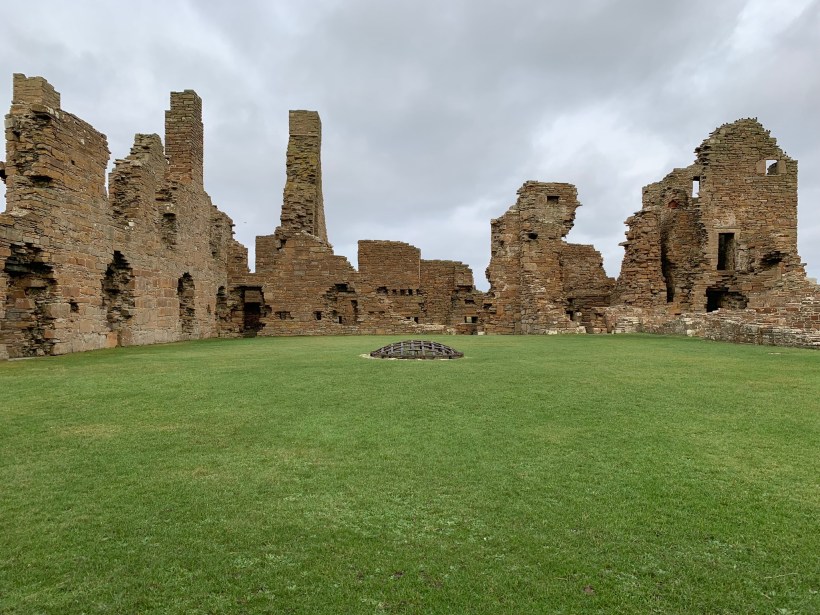
We then drove to the Earl’s Palace in Birsay, not to be confused with the Earl’s Palace in Kirkwall that we visited the next day. Honestly, this place. The Birsay Palace is a ruined 16th century castle.
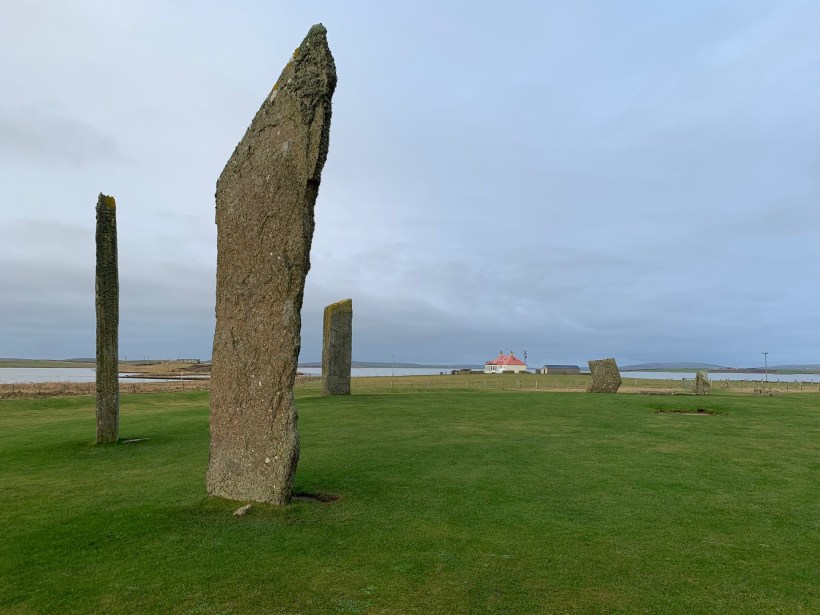
 Our next stop were the Stones of Stenness. These babies were erected in the Neolithic period and may be the oldest standing henge in the British Isles. Based on radiocarbon dating, work on the site is thought to have begun around 3200 BC. This stone circle originally held up to 12 stones, with an additional standing stone called the “Stenness Watch Stone” outside of the circle that you drive past on you way to yet ANOTHER henge within spitting distance of Stenness.
The Ring of Brodgar needs to be seen to be believed. It is impossible to capture the scope of the whole circle in one photo, but you can get the scale of the individual stones with these pictures, keeping in mind I’m a little over 5’9″.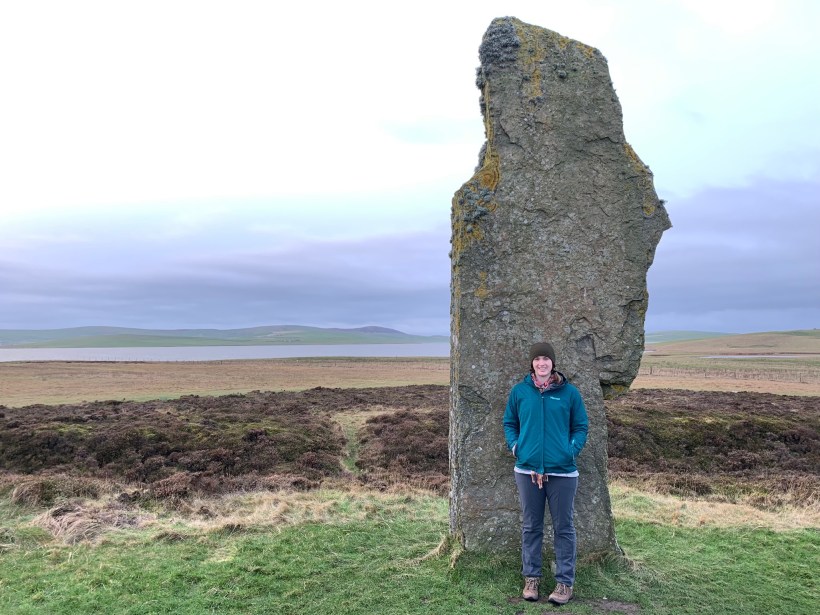
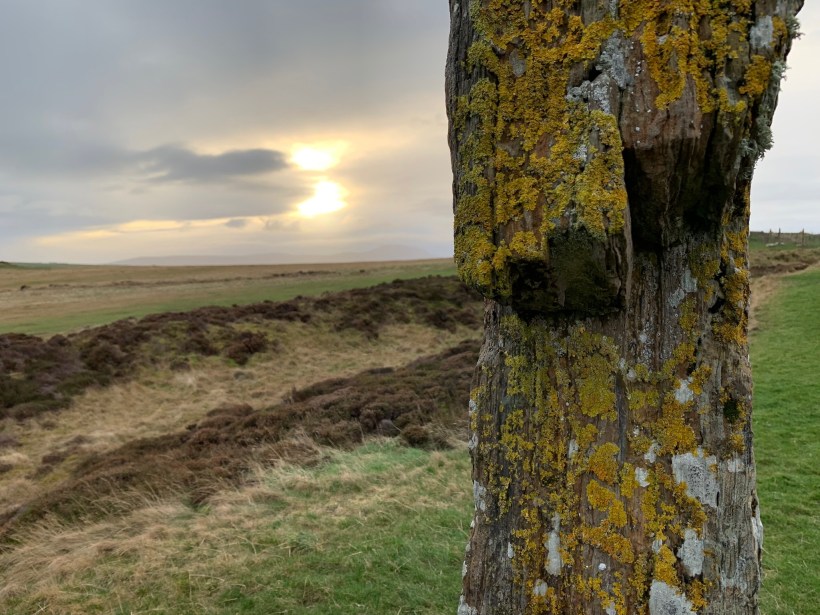
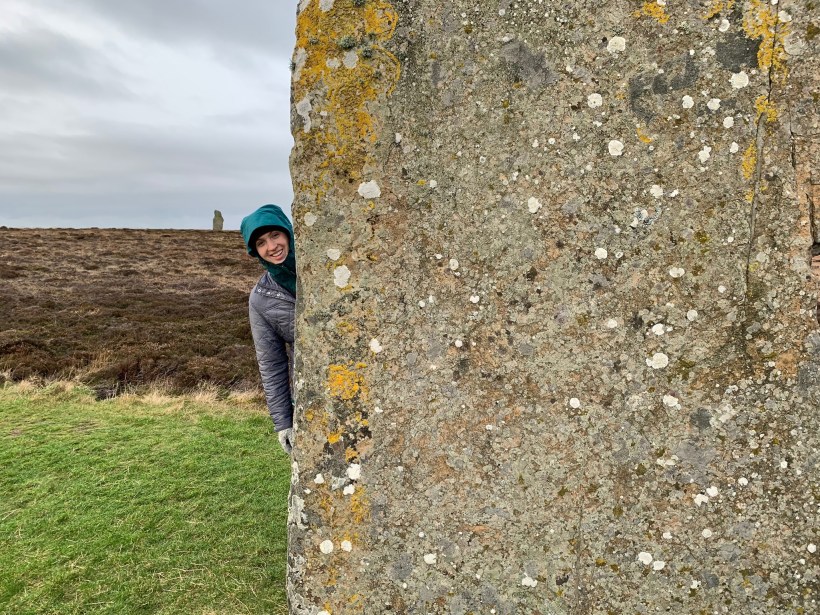
The circle was constructed around 2500 BC to 2000 BC and stands on a small isthmus. The diameter of the circle is 104 meters, and it originally consisted of 60 giant stones, of which only 27 remain today. With this huge monument, our first day was mostly over. We spent a few hours of the night driving around hoping to get a glimpse of the Northern Lights, but had no luck. James and I weren’t too upset though, as it’s more reason to come back and see the rest of the many things we didn’t have time to see.
The second day we started at the Italian Chapel.
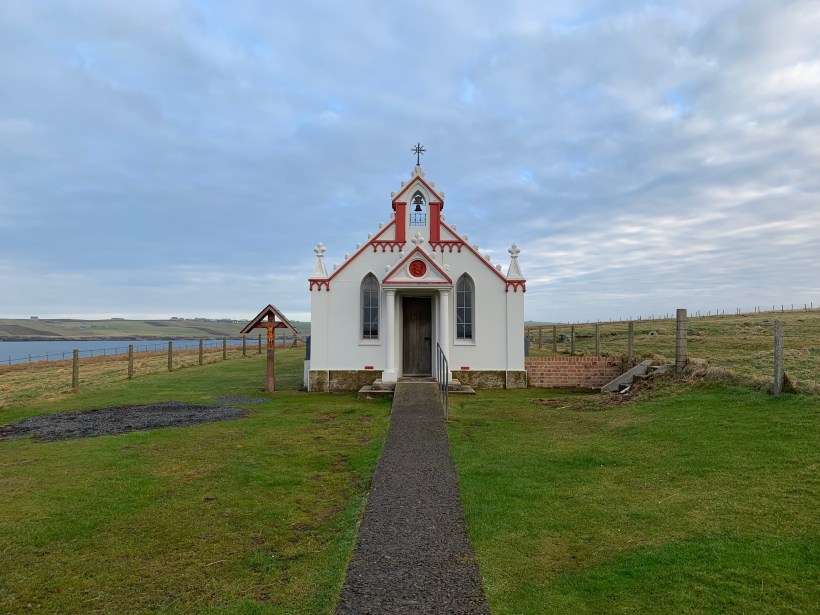
The Italian Chapel was built by Italian prisoners of war during World War II. These prisoners were in Orkney constructing the Churchill Barriers, enormous boundaries of concrete sunk into the water between islands in Orkney to prevent German U-boats from entering the Scapa Flow. These barriers now act as convenient bridges between the smaller islands and the mainland. The Chapel was constructed out of two metal barracks stuck together and decorated with limited resources. The results are magnificent.
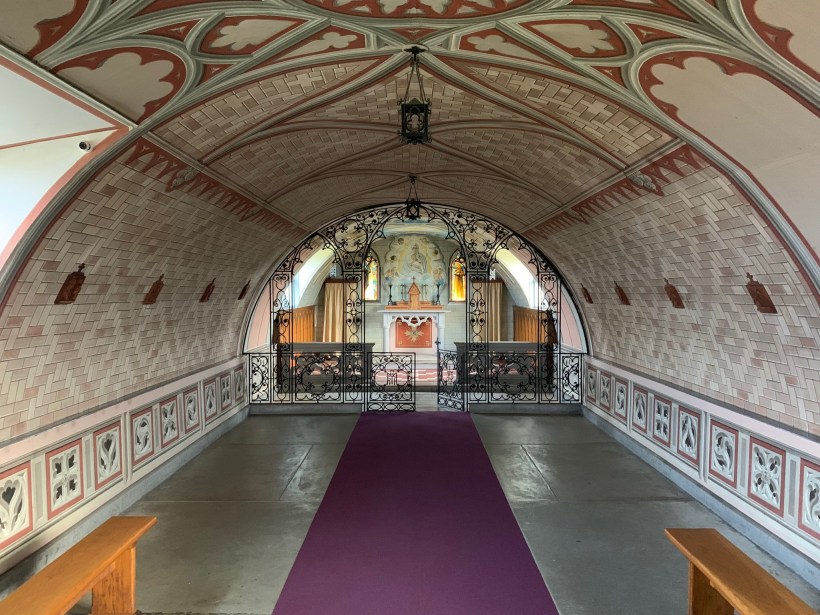
We then traveled on to Mullhead Nature Reserve and a hike to see the sites there.
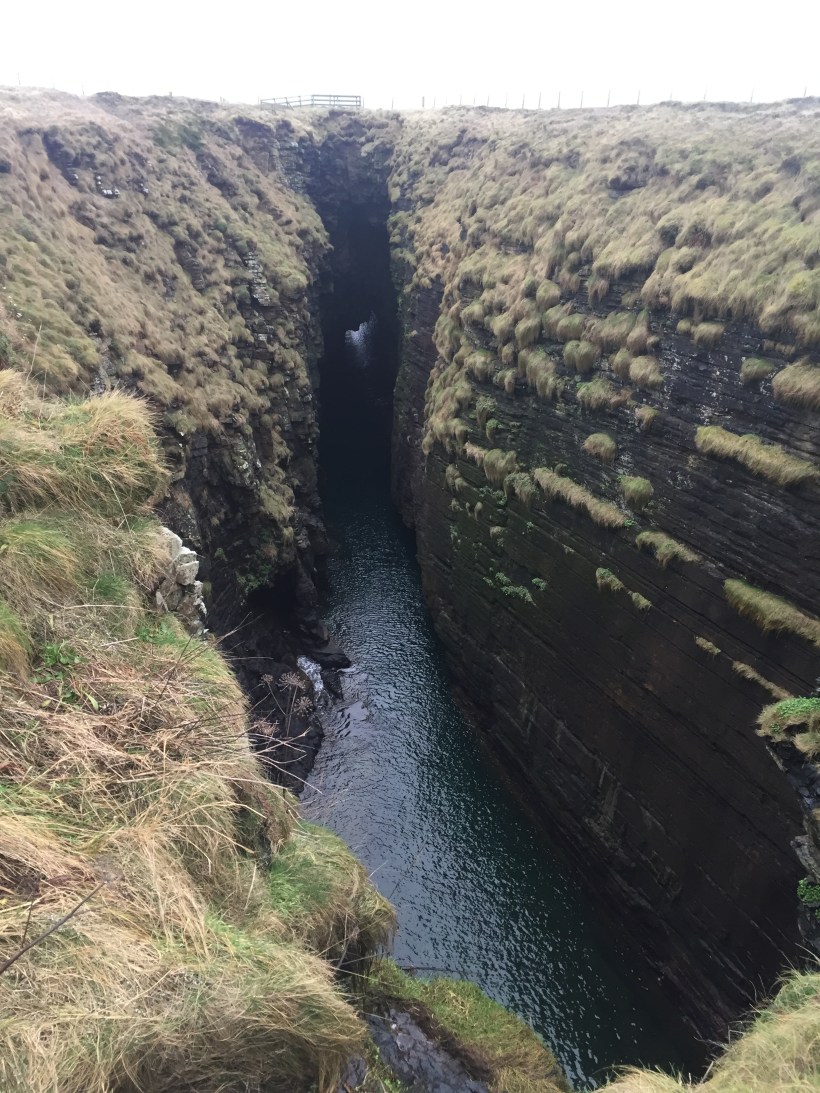
First we encountered the Gloup, a collapsed sea cave at the start of our walk.
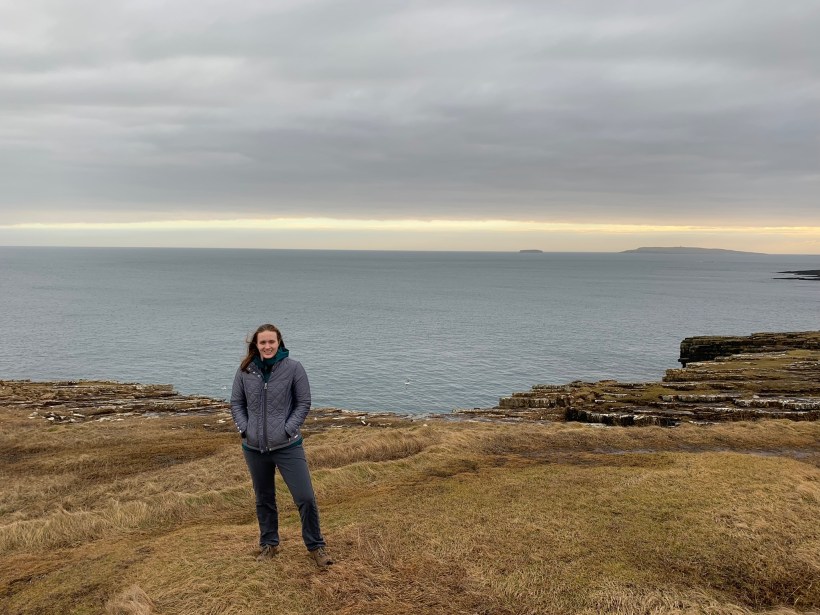
We then trekked along the cliffs to the Brough of Deerness.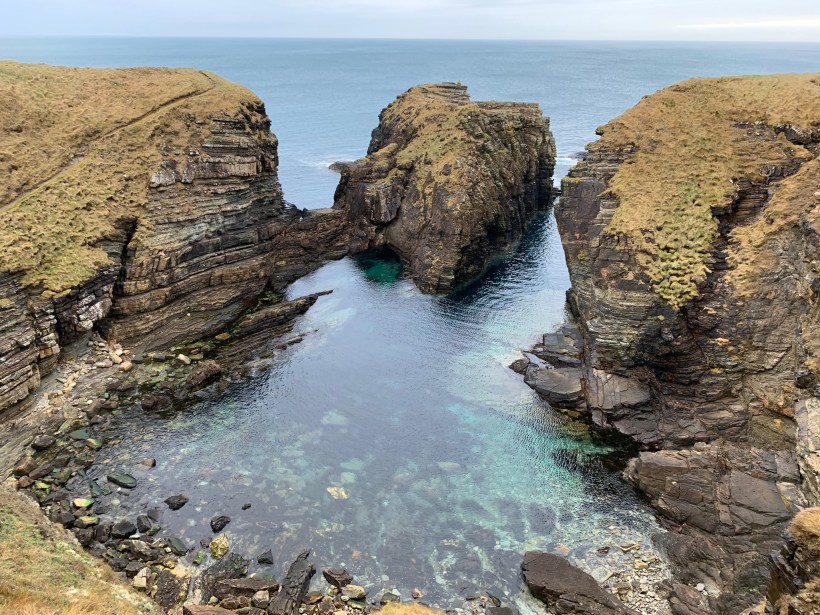
In order to get to the Brough, we had to head down to the water and then back up to get to the isolated little island. There we found the remains of the 10th century Brough of Deerness chapel and Viking Settlement.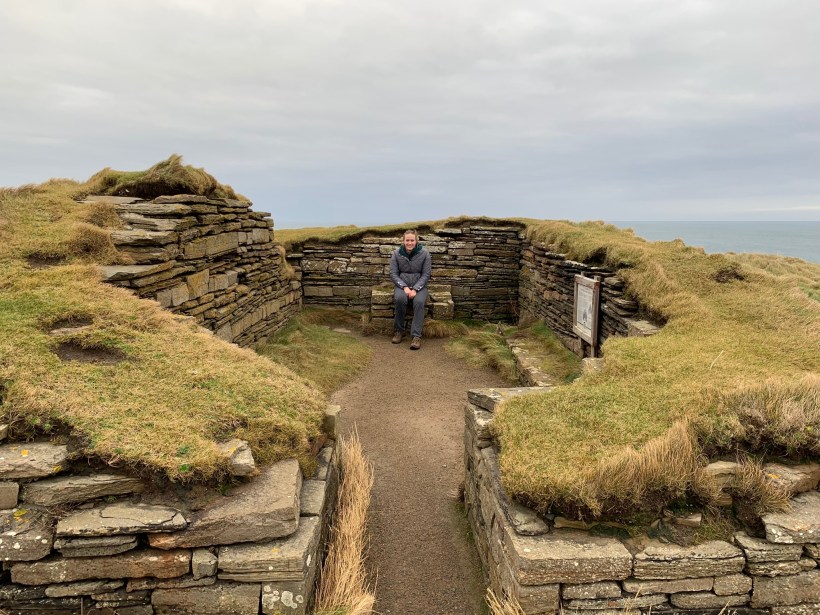
We ended the hiking with a jog around the cliffs.
The last bit of daylight was spent exploring closer to our Airbnb in Kirkwall, and we visited the Earl’s Palace. Construction was started here in 1607.
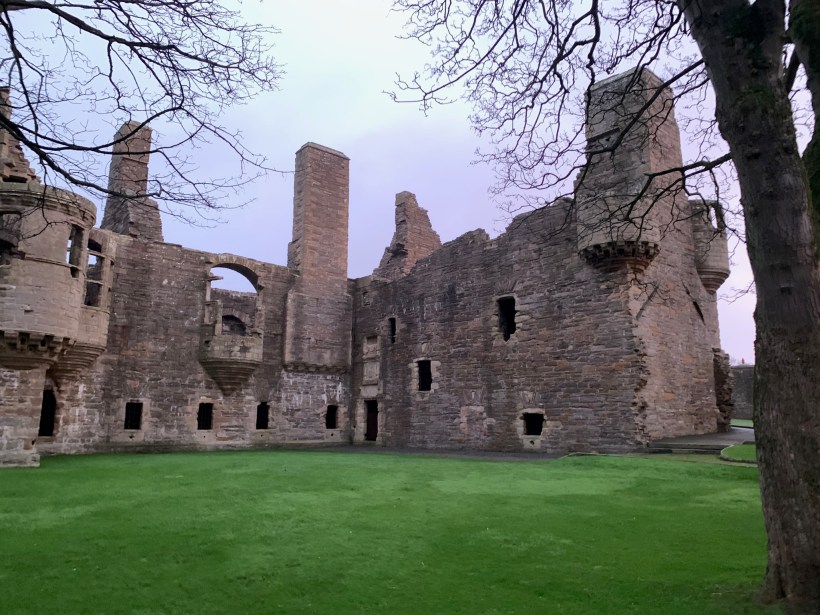
The Palace is right next to St. Magnus Cathedral, and absolutely gorgeous old church (and I should know, at this point I’ve seen a lot).
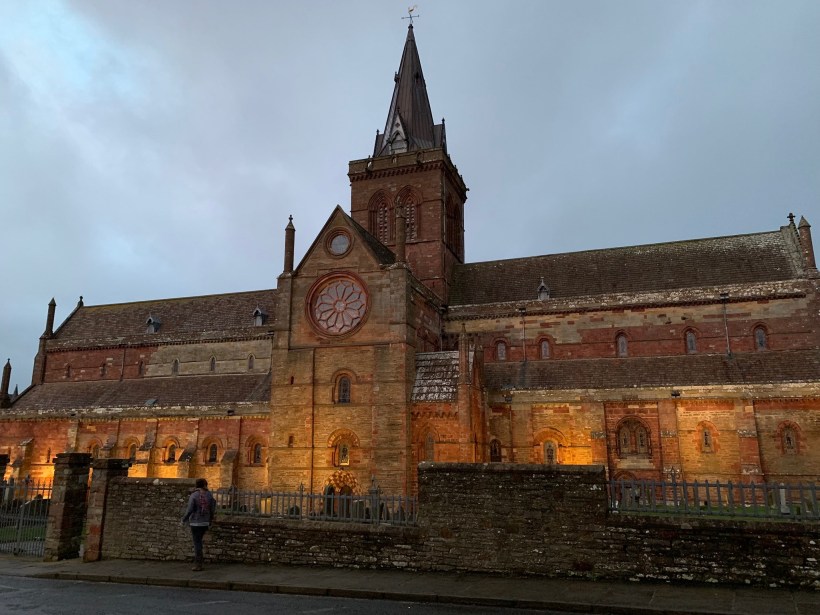
With that, and a bit of souvenir shopping, our last day in Kirkwall was over. We were up before dawn the next day on a flight to Aberdeen and then London.
London Part 2:
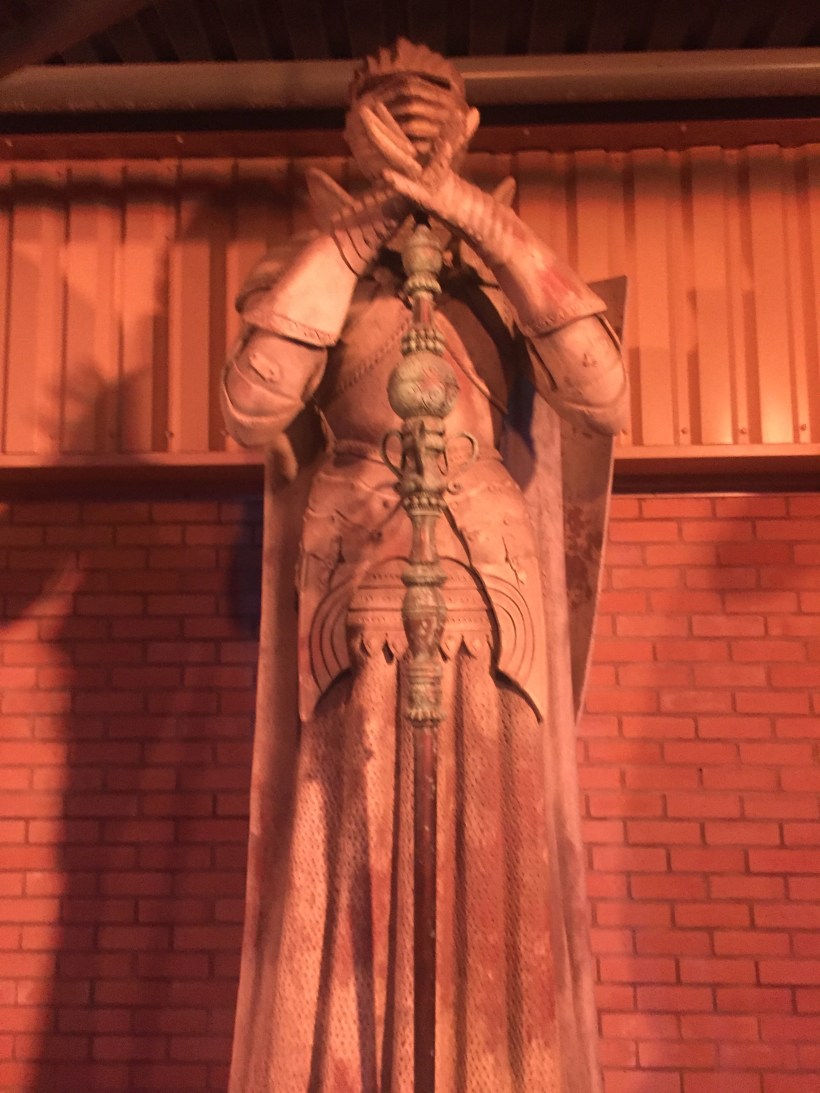
During my very short stay in London with my brother I managed to visit Baker’s Street for the first time, shop at Lush, eat at Chipotle, and see a movie. But that was on the last day. Most of the remains of our first day was spent on the Harry Potter Warner Brother’s Studio Tour. Oh man. Here are some pictures, because they are better than words, and I shouldn’t need to label any of these props from the movie.
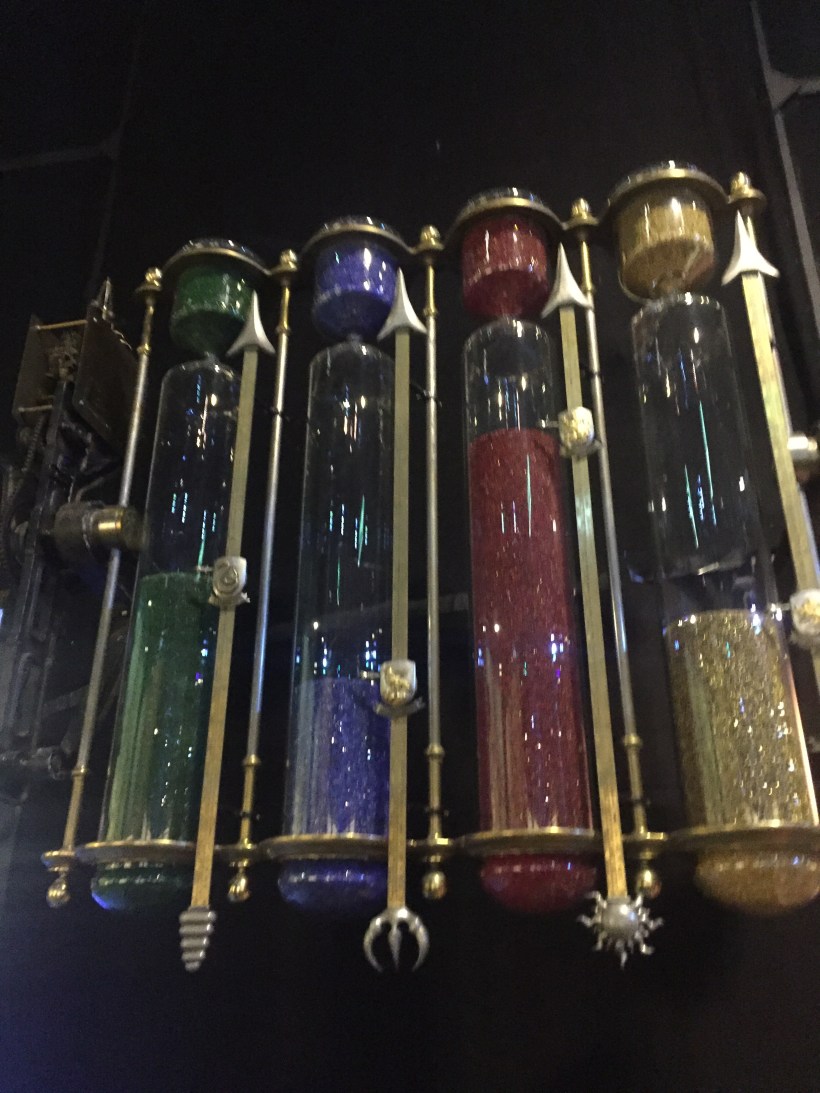

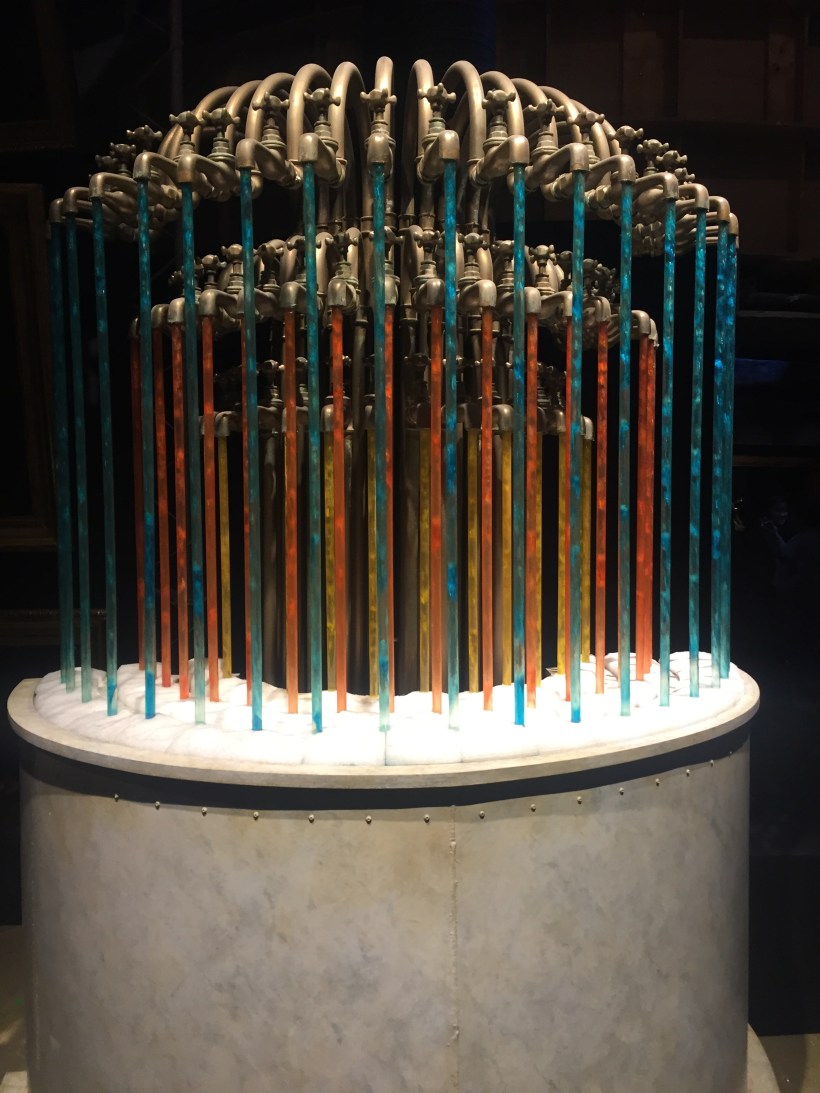
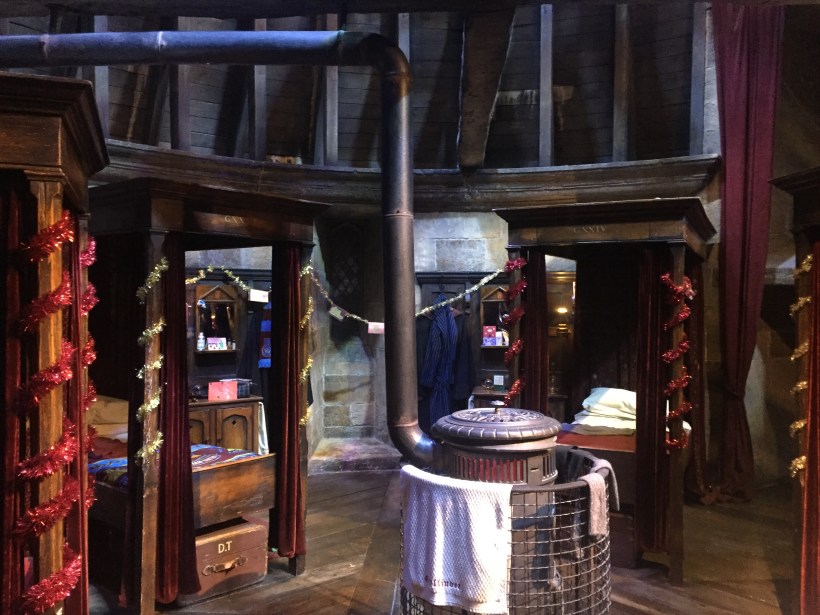
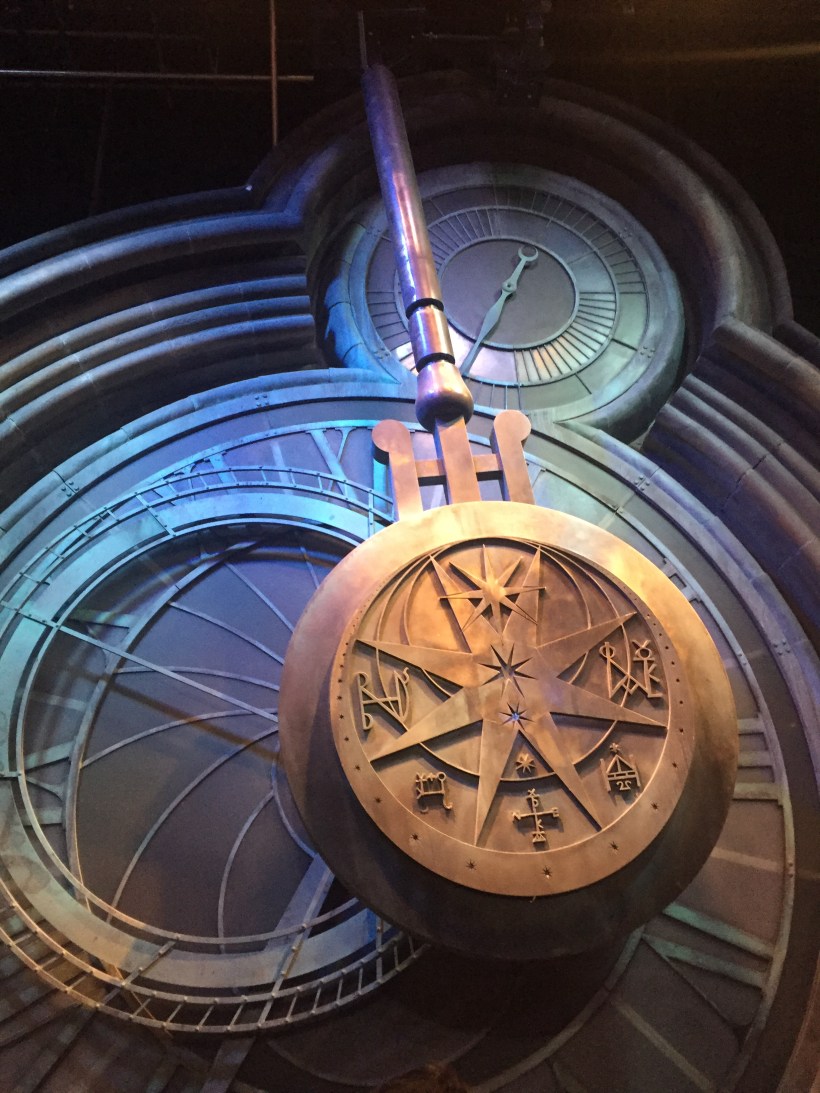
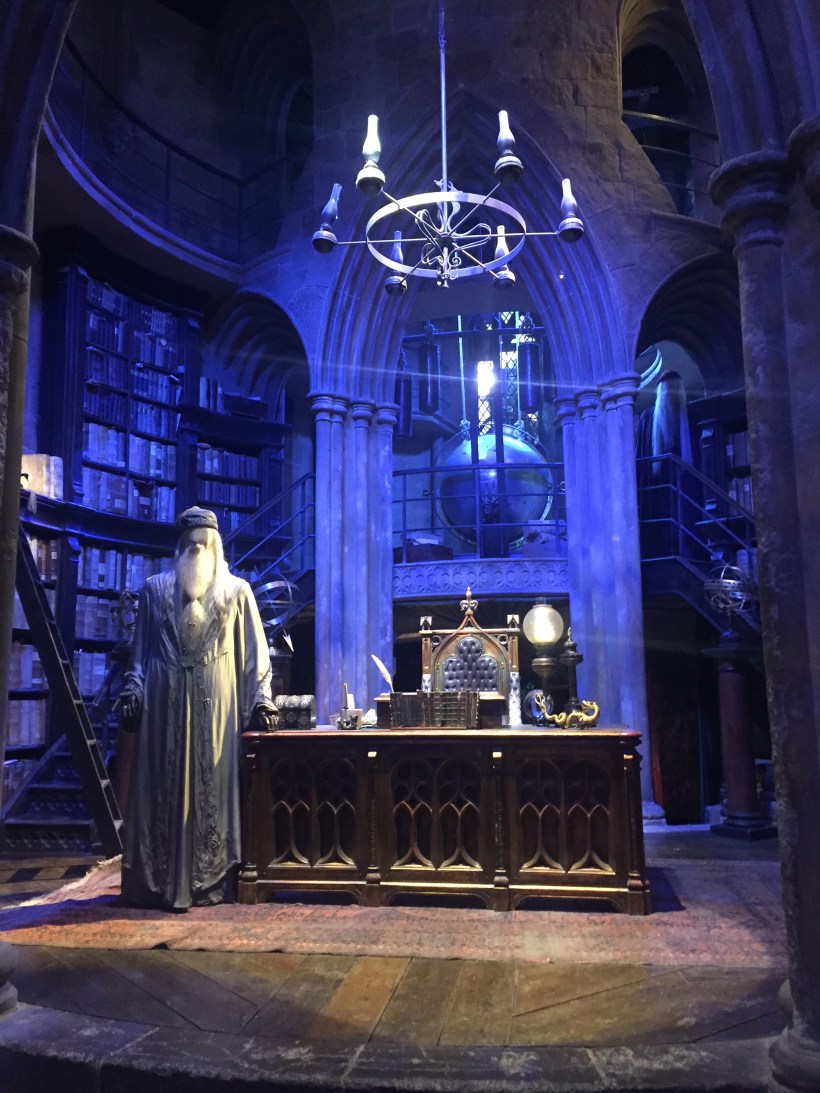
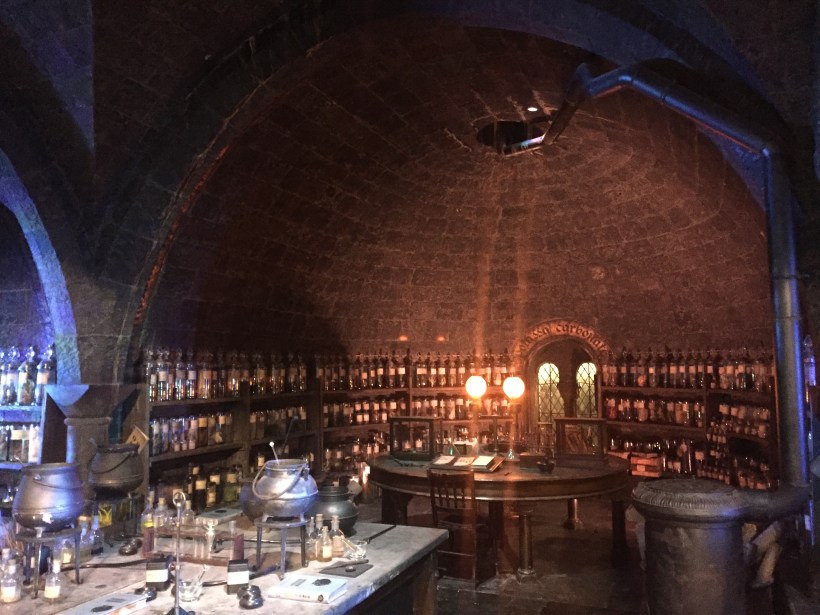

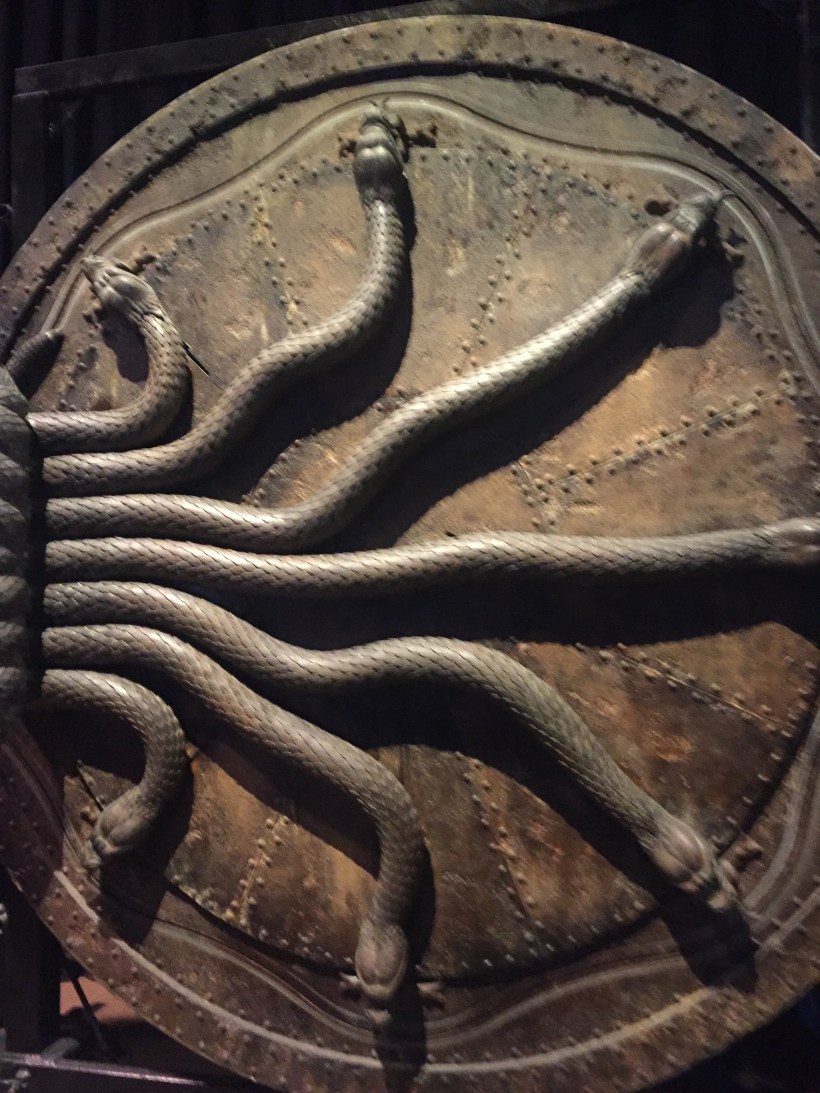
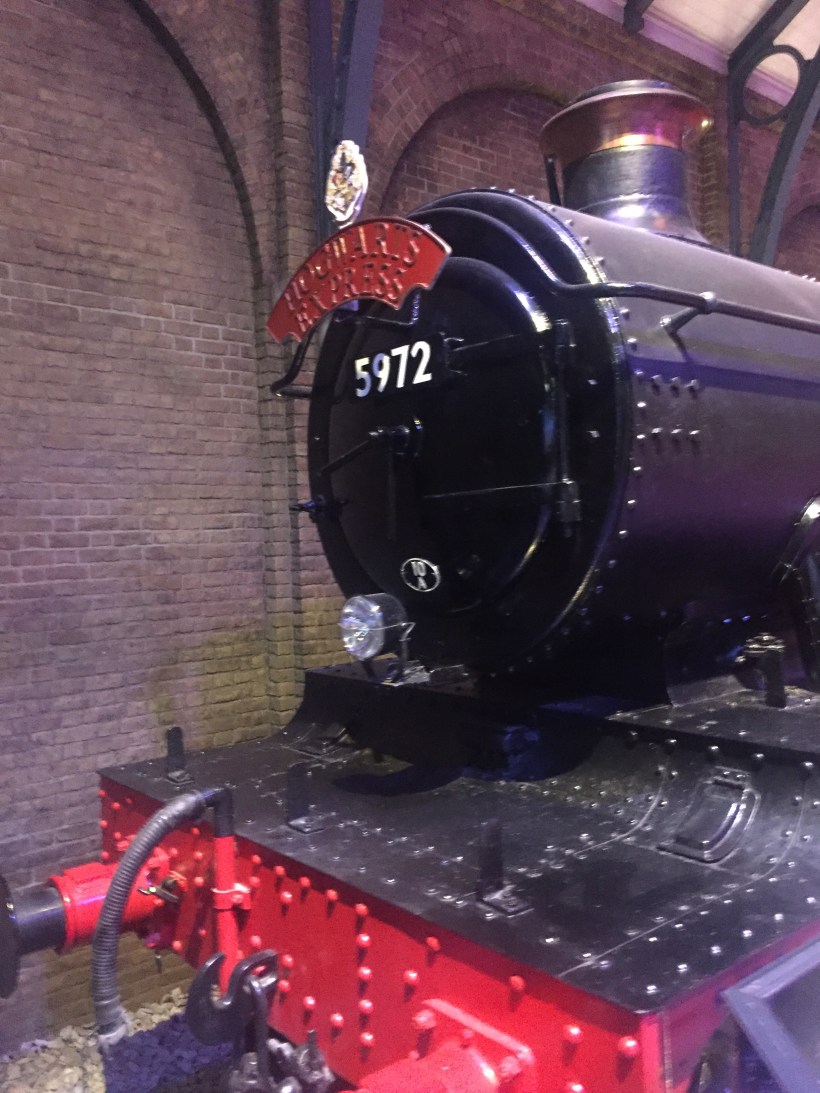
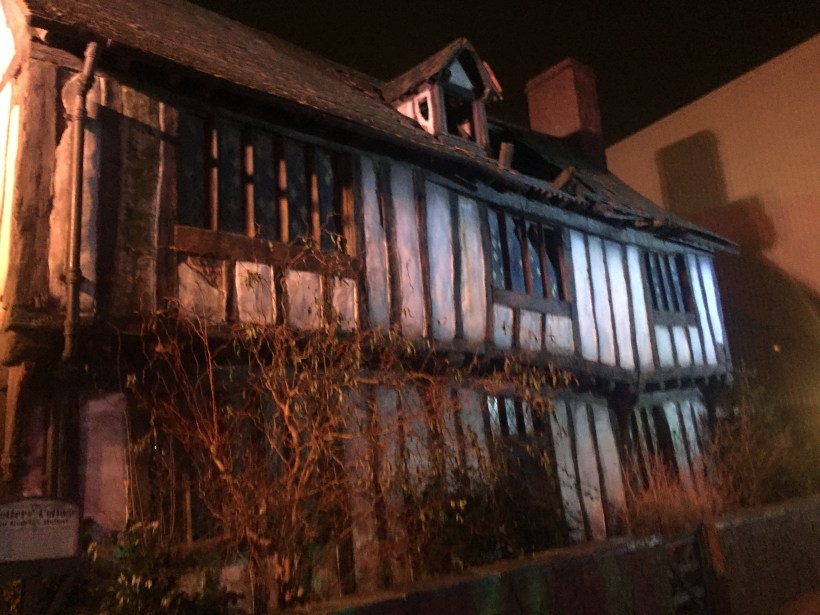
All of the sets and props from the movies were amazing, but the bit that made me teary eyed was absolutely the scale model of Hogwarts. It was one of the coolest things I have ever seen in my life. 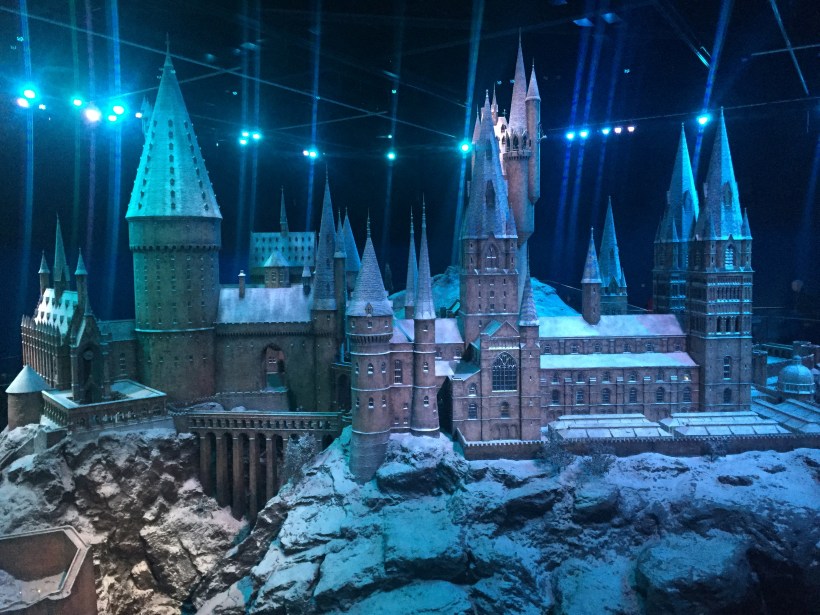
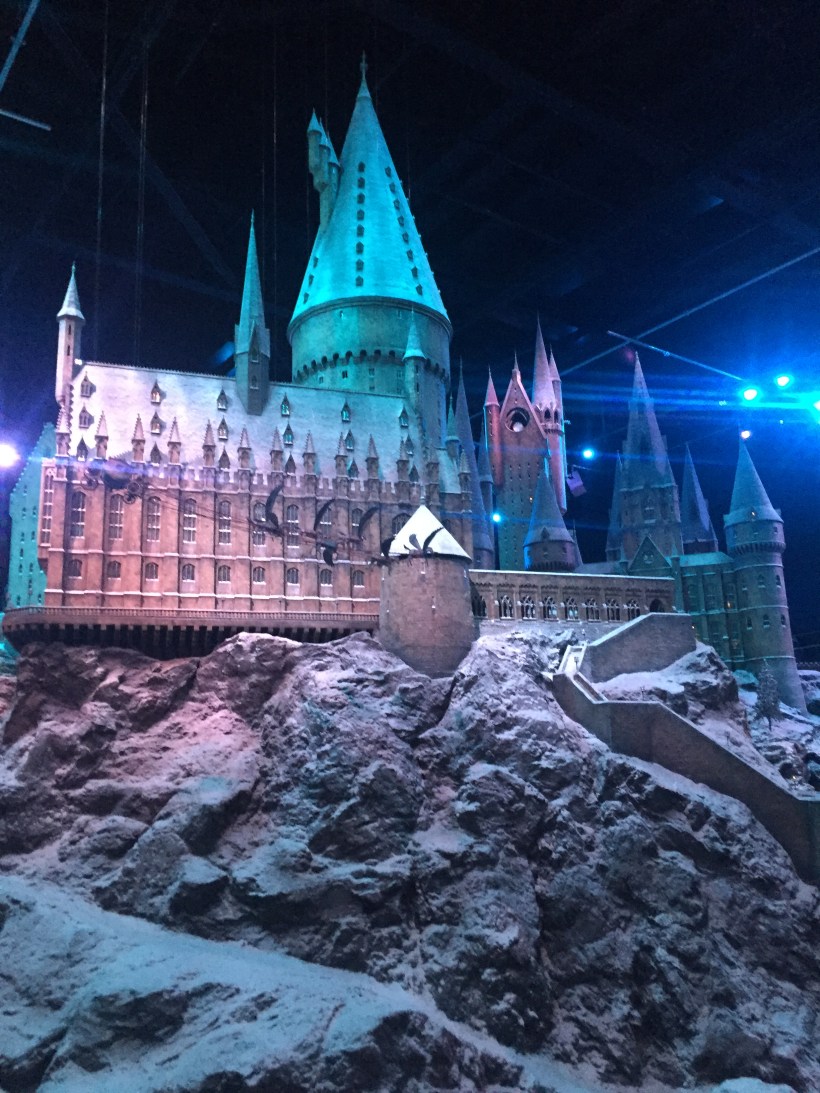
So that was a major trip highlight. The next day I insisted we wander around the perfectly decrepit and creepy Kensal Green Cemetery, which was opened in 1833. I think James was surprised at how interesting it was. I was surprised at how blatantly racist some of the tombstones managed to be, especially those of the government officials working overseas at the time (sculptures of natives holding up your tombstone, really???). 
All in all, that was it for our short stay back in London before our flights home. The next morning, the 13th, we both had early flights so we got up before dawn (again) and headed to the airport. I was in Istanbul by lunchtime and in Yaoundé the next day at 2 am. Perhaps I shouldn’t end a post about a happy family vacation with a picture of a creepy cemetery, but that’s how it panned out. Thanks for reading Part 1 and Part 2 of this very lengthy vacation! I will be posting again soon about the results of the beekeeping training this weekend.
 All Abroad!